






Ensuring Uninterrupted Power Supply with Reliable UPS Batteries in 2026
- What is a UPS Battery and Why is it Essential for Uninterrupted Power?
- Key Takeaways: Quick Summary for Sourcing Reliable UPS Power
- The Evolution of UPS Battery Chemistries: VRLA vs. Lithium-Ion
- Chemistry Comparison Guide
- Industry Gap: How AI Data Centers Demand High-Rate Discharge Batteries
- Expert Tips: Common Mistakes to Avoid in Uninterruptible Power Supply Maintenance
- Why Full In-House Manufacturing is the Ultimate Guarantee of Reliability
- Conclusion
- FAQs About Ensuring Uninterrupted Power Supply with Reliable UPS Batteries
- How long do reliable UPS batteries typically last?
- What causes a UPS battery to fail prematurely?
- Can I replace a sealed lead-acid UPS battery with lithium-ion?
- How often should industrial UPS systems be tested?
- What is the optimal temperature for storing and running UPS batteries?
- How does depth of discharge (DoD) affect UPS battery lifespan?
- What are the benefits of using an OEM/ODM manufacturer for enterprise UPS batteries?
- How are AI data centers changing the requirements for UPS backup systems?
Welcome to your ultimate guide for ensuring uninterrupted power supply with reliable UPS batteries in 2026. In a world where digital infrastructure drives global commerce, there’s no room for power failure. Whether you're overseeing a large telecommunications network, a critical healthcare facility, or a cutting-edge AI server farm, power resilience is the foundation of smooth operations.
In this article, we’ll take you through the evolving world of critical power backup, covering everything from battery chemistries to advanced maintenance protocols. We’ll also dive into the strategic benefits of working with manufacturers who control the entire process in-house—helping you protect your business from unexpected grid fluctuations and power interruptions.
What is a UPS Battery and Why is it Essential for Uninterrupted Power?
A UPS (Uninterruptible Power Supply) battery is an essential backup energy storage system designed to provide immediate emergency power when the primary electrical grid fails. By stepping in to cover the power gap until backup generators kick in or systems shut down safely, reliable UPS batteries protect against catastrophic data loss, hardware damage, and costly operational downtime.
During a blackout, brownout, or severe voltage drop, the regular electrical supply falls below the levels needed for smooth operation. Without a backup power source, sensitive equipment like servers, routers, and industrial control systems would crash immediately. A UPS system constantly monitors the incoming power feed, and the moment it detects any fluctuation, its inverter quickly switches from the main grid to the internal battery backup—in less than a millisecond. This lightning-fast transition happens so smoothly that the connected devices don’t even notice the loss of utility power.
As grid instability becomes more common worldwide in 2026, the role of these batteries has evolved. What was once just an insurance policy is now a crucial part of daily power conditioning and infrastructure resilience, ensuring operations continue without a hitch.
Key Takeaways: Quick Summary for Sourcing Reliable UPS Power
Sourcing reliable UPS power requires careful consideration of battery chemistry, maintaining the right environmental conditions, and partnering with full in-house manufacturers to ensure battery quality and minimize supply chain risks.
To create a truly resilient power system, procurement and facility managers should focus on a few core factors:
- Battery Chemistry Determines Lifespan: Choose between traditional VRLA batteries (proven, cost-effective, and reliable) or Lithium-Ion (longer lifespan, higher upfront cost, and a smaller footprint). The right choice depends on your operational needs and budget for future replacements.
- Environmental Control is Crucial: Maintaining optimal temperatures (usually between 20-25°C) significantly improves UPS battery reliability. Poor thermal management is one of the leading causes of premature battery failure, so controlling heat is a must.
- Manufacturing Quality Makes a Difference: Partner with manufacturers who control the entire production process, from raw lead casting to final assembly. This ensures fewer defects, lower internal resistance, and consistent battery performance over time.
- Future-Proofing is Key: With the rise of high-density technologies, particularly in artificial intelligence, having batteries with high-rate discharge capabilities is becoming increasingly important to keep up with evolving power needs.
The Evolution of UPS Battery Chemistries: VRLA vs. Lithium-Ion
The evolution of UPS battery chemistries boils down to choosing between traditional Valve-Regulated Lead-Acid (VRLA) batteries and the more modern, high-cycle Lithium-Ion (Li-ion) technologies. Each has its own advantages, depending on the operational environment and budget needs in 2026.
When comparing VRLA and Lithium-Ion UPS solutions, facility managers must balance initial capital costs against the total cost of ownership (TCO) over a 10-year period. VRLA continues to be the industry standard for most enterprise applications. It’s reliable, affordable, and offers excellent performance in standard commercial environments where space and weight aren’t big concerns. Additionally, VRLA technology is mature, highly recyclable, and safe, making it a popular choice.
On the other hand, Lithium-Ion (Li-ion) batteries are driving a significant shift in how data centers and modern facilities plan their layouts. Li-ion batteries offer a much smaller footprint, are lightweight, and can handle thousands of charge cycles, far outlasting the hundreds that VRLA batteries typically offer. This makes them the perfect fit for compact spaces, edge computing nodes, or facilities with floor loading constraints. However, Li-ion batteries come with a higher initial cost and require sophisticated Battery Management Systems (BMS) to avoid thermal runaway—an important consideration when choosing this option.
Chemistry Comparison Guide
| Feature | VRLA (Lead-Acid) | Lithium-Ion (Li-ion) |
|---|---|---|
| Initial Capital Cost | Low to Moderate | High |
| Expected Lifespan | 3 - 5 Years | 8 - 10+ Years |
| Weight & Footprint | Heavy, requires larger footprint | Lightweight, highly compact |
| Maintenance Needs | Requires routine impedance testing | Minimal (relies on built-in BMS) |
| Best Application | Standard commercial, telecom, industrial | High-density AI data centers, edge computing |
Industry Gap: How AI Data Centers Demand High-Rate Discharge Batteries
AI data centers require high-rate discharge batteries because modern server farms and advanced AI processors demand huge, instantaneous power spikes to stabilize grid fluctuations and keep operations running smoothly.
As we move through 2026, the digital economy is increasingly dependent on artificial intelligence, machine learning, and expansive cloud computing networks. These technologies rely on specialized hardware, like GPUs and TPUs, which consume significantly more power per rack compared to traditional CPUs. Standard batteries simply can’t handle the extreme energy needs of these high-performance systems. According to the International Energy Agency (IEA), global electricity consumption by data centers is projected to hit a staggering 1,050 TWh by 2026, driven largely by the rise of AI applications.
To meet this growing demand, high-rate discharge UPS batteries have become absolutely essential. Unlike traditional backup batteries that release power gradually over several hours, these advanced batteries are built with thinner plates, specialized active materials, and lower internal resistance. This design allows them to deliver massive amounts of energy in just seconds, preventing dangerous voltage sags during the critical 10-to-30-second window before backup diesel or natural gas generators can take over the load. Additionally, these cutting-edge UPS systems, integrated with broader Battery Energy Storage Systems (BESS), are playing a major role in peak shaving, grid resilience, and improving overall energy security.
Expert Tips: Common Mistakes to Avoid in Uninterruptible Power Supply Maintenance
Uninterruptible power supply (UPS) maintenance is all about staying ahead of potential issues by ensuring batteries stay within optimal temperature ranges, avoiding frequent deep discharges, and conducting regular impedance testing to spot failing cells before they affect the entire battery string.
Even the best-quality battery will fail early if it's exposed to poor conditions or neglected. Proper UPS maintenance is a proactive approach, not just something you do when problems arise. Here are some of the most common mistakes facility managers should avoid:
- Mistake 1: Ignoring Temperature Standards: The environment plays a huge role in battery life. According to the IEEE 1188 standard, the ideal temperature for VRLA batteries is between 20°C and 25°C (68°F to 77°F). Studies show that for every 10°C (18°F) increase above this range, a battery’s lifespan is halved due to accelerated internal corrosion of the grids.
- Mistake 2: Frequent Deep Discharges: Regularly discharging UPS batteries to 0% causes permanent damage to the delicate cell chemistry. The Depth of Discharge (DoD) matters more than you might think; a battery that only undergoes shallow discharges will last far longer than one that’s constantly drained to exhaustion.
- Mistake 3: Skipping Routine Impedance Testing: Visual inspections alone aren't enough. It’s crucial to perform bi-annual electrical inspections, specifically ohmic or impedance testing, to detect rising internal resistance early. A single failing cell can cause an increase in charging voltage, which can stress the healthy cells and cause them to fail prematurely.
- Pro Tip: Implement automated Battery Monitoring Systems (BMS). These systems track key health indicators like voltage, temperature, and internal resistance at the individual cell level, providing predictive alerts so you can replace a failing cell before it causes a critical problem.
Why Full In-House Manufacturing is the Ultimate Guarantee of Reliability
Full in-house manufacturing plays a crucial role in ensuring battery reliability by minimizing the risks associated with fragmented supply chains and enabling strict quality control at every stage of production—from raw material processing to final assembly and performance testing.
In the global battery market, many brands act as assemblers or white-label distributors, relying on various third-party suppliers for key components like plates, separators, and casings. This fragmented approach can introduce significant risks, such as inconsistent lead purity, uneven plate curing, or improper acid filling, all of which can lead to premature failures in the field.
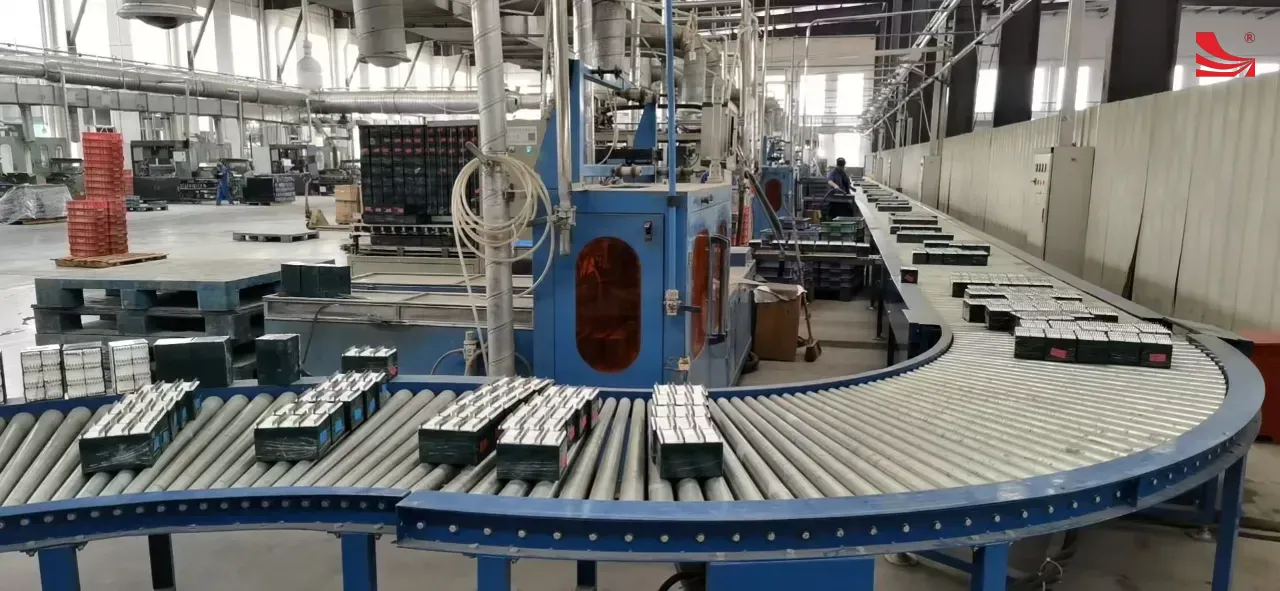
By controlling every step of the production process internally, we are able to mitigate these risks and ensure the highest level of quality. The process begins with high-purity lead grid casting, followed by precise lead paste coating. The plates then undergo a carefully controlled curing process, ensuring optimal adhesion of active materials and extending the battery's lifespan. Once the plates are cured, automated assembly lines take care of acid filling, charging, and comprehensive full-capacity testing. This meticulous oversight guarantees that each battery performs reliably, with minimized internal resistance and maximized cycle life.
Conclusion
Ensuring uninterrupted power goes beyond just plugging hardware into a wall; it requires a strategic approach to selecting the right battery chemistry, performing proactive maintenance, and working with manufacturers who manage the entire production process—from raw materials to final assembly. As power demands continue to evolve in 2026—driven by advancements in AI, edge computing, and grid instability—equipping your critical infrastructure with rigorously tested, high-rate UPS batteries becomes essential for safeguarding against costly downtime.
Whether you’re managing a hyperscale data center or overseeing a telecommunications hub, reliable power protection is a must. By working with manufacturers who specialize in end-to-end battery solutions, you can ensure the resilience of your operations.
For more detailed insights on choosing the right battery technology for your infrastructure, check out our Complete Guide to Different Battery Types and Their Applications (2026 Edition). It’s packed with the information you need to make informed decisions about powering your systems efficiently.
FAQs About Ensuring Uninterrupted Power Supply with Reliable UPS Batteries
How long do reliable UPS batteries typically last?
Traditional VRLA (lead-acid) UPS batteries typically last 3 to 5 years under optimal conditions. Lithium-ion UPS batteries can last 8 to 10 years or more, though they require a larger upfront investment. Ultimately, lifespan heavily depends on environmental temperature, the number of discharge cycles, and the consistency of maintenance routines.
What causes a UPS battery to fail prematurely?
High ambient temperatures are the leading cause of premature failure, as heat significantly accelerates internal grid corrosion. Overcharging or chronic undercharging can dry out the battery or cause harmful sulfation on the plates. Additionally, frequent deep discharges place excessive mechanical strain on the internal cells, rapidly reducing the battery's overall capacity.
Can I replace a sealed lead-acid UPS battery with lithium-ion?
In most basic home or small office UPS units, you cannot simply swap lead-acid for lithium-ion due to fundamentally different charging algorithms and voltage requirements. Enterprise systems, however, may offer specific retrofit kits or require specialized Battery Management Systems (BMS) to safely transition to lithium-ion. Always consult the manufacturer or your OEM provider before attempting to change battery chemistry.
How often should industrial UPS systems be tested?
Visual inspections and ambient environment checks should occur monthly to ensure the room is within the 20-25°C range. Comprehensive electrical testing, including impedance or internal resistance testing, is recommended at least semi-annually to track cell degradation. Furthermore, full capacity discharge testing should generally be performed annually to accurately gauge the system's true runtime capabilities.
What is the optimal temperature for storing and running UPS batteries?
The standard optimal operating temperature for VRLA UPS batteries is strictly between 20°C to 25°C (68°F to 77°F). Operating above 25°C significantly reduces lifespan (cutting it by up to 50% for every 10°C increase), while operating below 20°C can slightly reduce the battery's immediate available capacity.
How does depth of discharge (DoD) affect UPS battery lifespan?
Depth of Discharge (DoD) refers to how much of the battery's total capacity is used during a power outage. Deeper discharges (e.g., draining the battery down to 10% capacity) put substantially more mechanical stress on the internal plates. A battery subjected to shallow discharges will yield significantly more cycles over its lifetime than one subjected to 100% deep discharges.
What are the benefits of using an OEM/ODM manufacturer for enterprise UPS batteries?
OEM/ODM manufacturers like Pingxiang Tiandong offer tailored battery specifications to perfectly match your facility's specific load and runtime requirements. They provide custom branding, unique form factors, and optimized performance tuning directly from the factory line. Direct manufacturer partnerships ensure stringent quality control, cost efficiency by removing middlemen, and reliable global supply chains.
How are AI data centers changing the requirements for UPS backup systems?
AI workloads require substantially higher power density per rack than traditional IT servers. This extreme energy draw drives the demand for high-rate discharge UPS batteries capable of delivering massive power spikes instantaneously to prevent voltage drops. It is also accelerating the transition toward integrated Battery Energy Storage Systems (BESS) for active grid interaction and peak shaving.

Powering Green Mobility with Efficient Electric Vehicle Batteries in 2026

High-Performance Motorcycle Batteries for Reliability (2026 Guide)

A Complete Guide to Different Battery Types and Their Applications (2026 Edition)

The Ultimate Guide to Comprehensive Battery Solutions for Motorcycles and EVs [2026 Edition]
Looking for a Trusted Motorcycle Battery Supplier? Here’s What You Need to Know

Bulk Motorcycle Batteries Direct from Factory – Save Costs, Boost Profit
Product
What is the most common motorcycle battery type?
AGM batteries are currently the most widely used due to their balance of cost and performance.
What kind of battery is best for a motorcycle?
AGM batteries are a popular choice because they combine the best of both worlds: the durability of lead-acid batteries and the low maintenance of lithium-ion batteries. AGM batteries are sealed, so they don't require water refills, and they're designed to handle rough conditions, making them ideal for motorcycles.
Why does my motorcycle battery keep dying?
Common causes include:
-
Faulty charging system
-
Parasitic drain
-
Old battery
-
Improper storage
customer
Why import motorcycle batteries from China factories?
Chinese manufacturers offer:
- Competitive pricing
- Large production capacity
- OEM customization
- Stable export experience
OEM/ODM
Is an OEM battery safe?
Authentic original equipment manufacturer (OEM) batteries undergo safety testing and certification. Counterfeit batteries do not, and therefore may not have the proper protection inside the cells to prevent overcharging and overheating, which can lead to serious injuries and damage from thermal runaway.
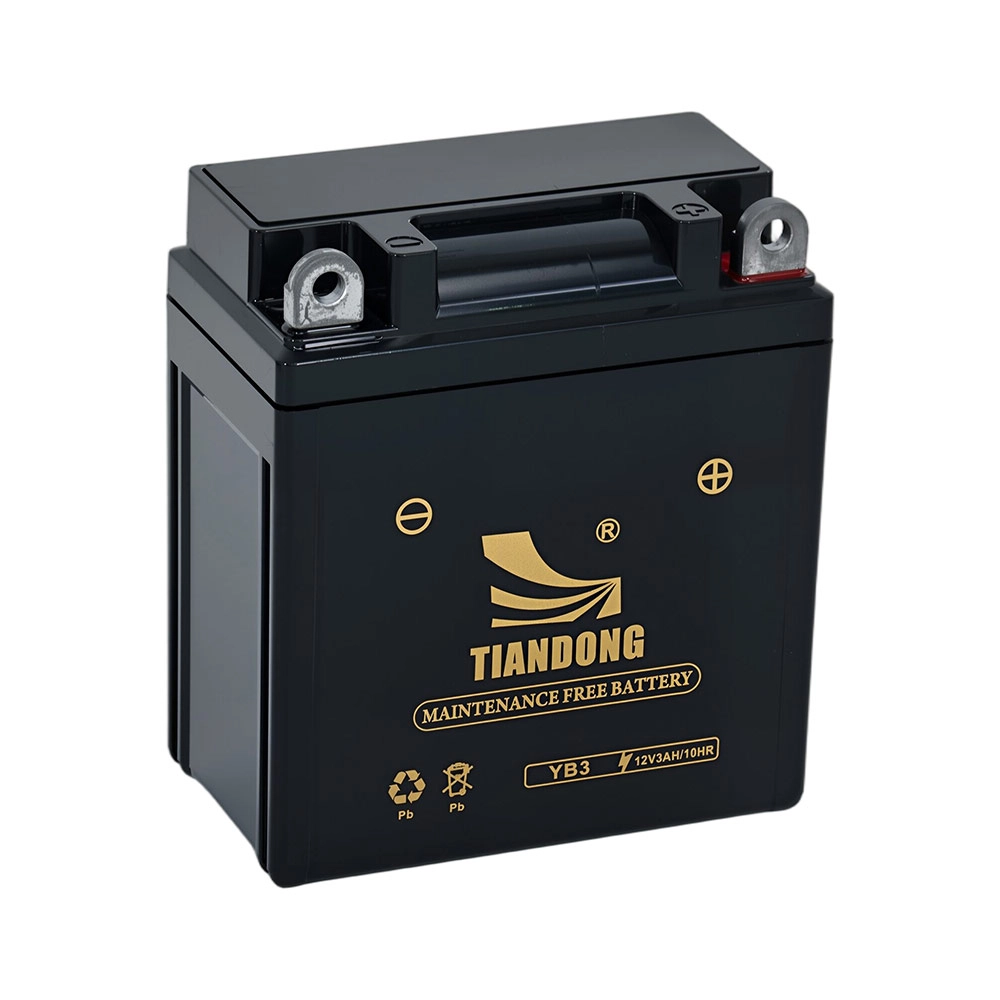
Get in touch with us to get your Motorbike Battery solution
TIANDONG is a leading motorcycle battery manufacturer offering OEM/ODM service, stable quality, and global export support.
Built for wholesalers. Trusted by global buyers. Delivered with confidence.
Say Hello
E-mail: daisybattery8@gmail.com
xianyingchen83@gmail. com
WhatsAPP: +86 134 283 86694
+86 134 348 86641
Our Location
Social Links
© 2025 TIANDONG. All Rights Reserved. Privacy Policy | Terms and Conditions | Sitemap
 Scan QR Code
Facebook
Instagram
Scan QR Code
Whatsapp: +8613434886641