






High-Performance Motorcycle Batteries for Reliability (2026 Guide)
- What Makes a High-Performance Motorcycle Battery Reliable?
- Quick Summary: Key Takeaways for 2026
- Battery Chemistries Compared: Lead-Acid, AGM, and Lithium
- Expert Tips: Common Mistakes When Choosing a Motorcycle Battery
- The 2026 Market Gap: Why Supply Chain and Manufacturing Matter
- OEM & ODM Capabilities for Global Markets
- Conclusion
- FAQs About High-Performance Motorcycle Batteries for Reliability
- How long does a high-performance motorcycle battery last?
- What are Cold Cranking Amps (CCA) and why are they important?
- Is a lithium motorcycle battery better than an AGM battery?
- Can I use a regular battery charger on a high-performance motorcycle battery?
- How do I prevent parasitic draw on my motorcycle battery?
- What is the benefit of a factory-activated motorcycle battery?
- Why is vibration resistance crucial for motorcycle batteries?
- How can I source reliable OEM motorcycle batteries in bulk?
What Makes a High-Performance Motorcycle Battery Reliable?
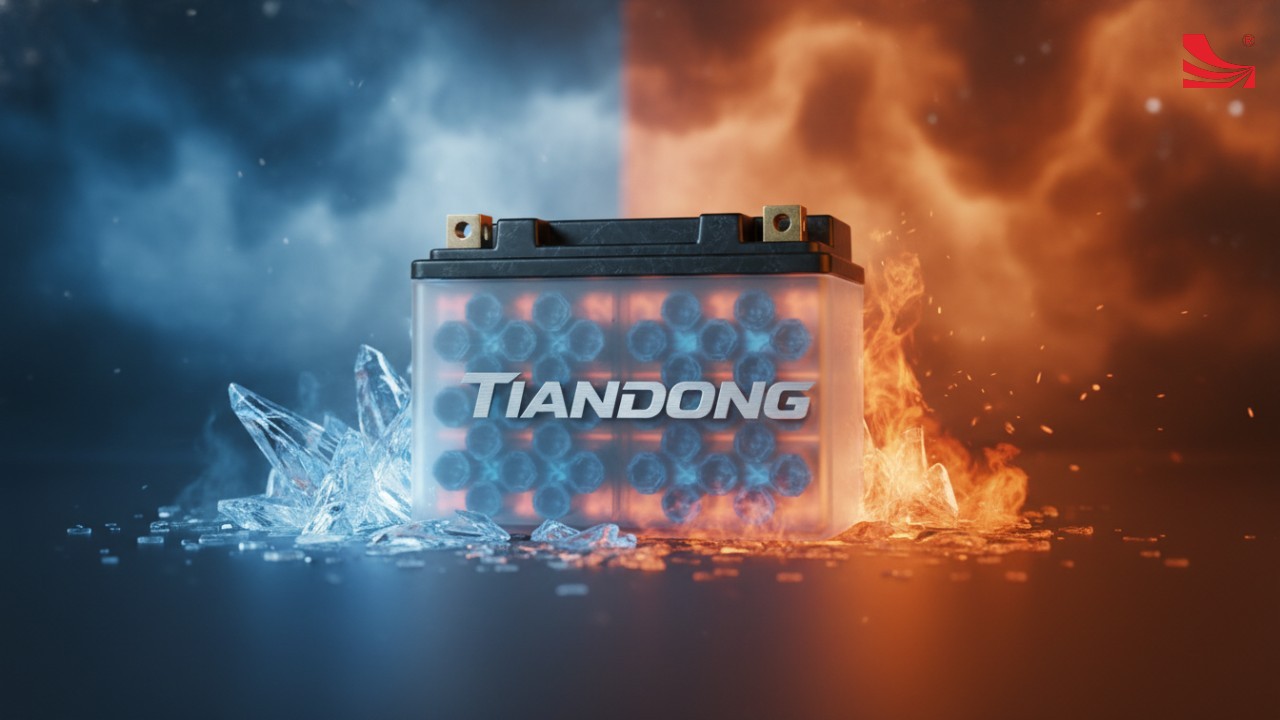
A reliable high-performance motorcycle battery is essential for keeping your bike running smoothly, no matter the conditions. For riders, a battery that won't let them down is a top priority, especially when it comes to Cold Cranking Amps (CCA), vibration resistance, and low self-discharge rates. Whether it’s an AGM, gel, or lithium-ion battery, high-quality construction ensures stable voltage output, even in extreme temperatures, so you won’t be stuck with a dead battery during your ride.
When it comes to reliable motorcycle power, the key factor is the Cold Cranking Amps (CCA). This measurement tells you how many amps a battery can deliver at a freezing 0°F (-18°C) for 30 seconds while maintaining at least 7.2 volts. A higher CCA rating means your bike will start easily, even in harsh winter conditions. So, for those chilly morning rides, a higher CCA guarantees a smoother, hassle-free start.
Another critical feature is vibration resistance. Motorcycles—especially heavy V-twins and off-road adventure bikes—are prone to intense vibrations that can cause damage to the battery’s internal components. Poor-quality batteries can easily break down under these conditions, but high-performance batteries come with reinforced casings and tightly packed cells designed to absorb shocks and survive the roughest rides.
The demands on a motorcycle battery are unique compared to standard car batteries. A motorcycle battery needs to be compact but also capable of delivering powerful, instantaneous bursts of energy. Whether you’re navigating bumpy trails or cruising through city traffic, your bike’s electrical system relies entirely on the stability of the battery’s chemical makeup. If the voltage dips too low under load, systems like electronic fuel injection (EFI) or engine control units (ECU) can malfunction, leading to poor engine performance or, worse, stalling on the road. So, a reliable, high-performance battery is essential to avoid these frustrating issues and keep your bike running smoothly.
Quick Summary: Key Takeaways for 2026
In 2026, lithium-ion and advanced AGM technologies are still leading the way when it comes to high-performance motorcycle upgrades. For adventure and off-road riders, Cold Cranking Amps (CCA) and vibration resistance are the two key factors that determine battery reliability. When choosing a battery, going with a brand that handles complete in-house manufacturing can really make a difference—fewer defects and longer battery life.
If you want to get the best performance and value for your motorcycle this year, here’s what to keep in mind when upgrading your power system:
- Technology Trends: Lithium-ion batteries are quickly becoming the go-to option for lightweight power, but AGM batteries still rule when it comes to all-weather reliability and affordability.
- Important Numbers: Always match the CCA and Amp-Hour (Ah) ratings of your battery with your motorcycle’s OEM electrical specs. This ensures your starter motor won’t be overstressed and your battery will perform as it should.
- Manufacturing Matters: Batteries made by companies that control the entire production process—from casting grids to final assembly—are typically more reliable than those from brands that outsource parts of the process. Consistency and quality control matter.
- Maintenance Tips: Even the most modern "maintenance-free" batteries need some attention. During the off-season, using a smart battery tender can help avoid problems like internal sulfation and ensure your battery stays in top condition for the next ride.
Battery Chemistries Compared: Lead-Acid, AGM, and Lithium
Traditional Lead-Acid is highly affordable but requires routine maintenance. Absorbent Glass Mat (AGM) is completely sealed, spill-proof, and highly vibration-resistant. Lithium Iron Phosphate (LiFePO4) is ultra-lightweight with incredible cranking power and longevity, though it is more sensitive to extreme cold.
When evaluating an AGM vs Lithium motorcycle battery, riders and wholesale buyers must weigh their specific performance needs against the inherent traits of each chemical makeup. Choosing the right chemistry is often dictated by your specific riding style, climate, and budget.
| Feature | Flooded Lead-Acid | AGM (Absorbent Glass Mat) | Lithium-Ion (LiFePO4) |
|---|---|---|---|
| Motorcycle battery lifespan | 2-3 Years | 3-5 Years | 5-8+ Years |
| Weight | Heaviest | Heavy | Ultra-Lightweight (Up to 70% lighter) |
| Maintenance | High (Requires distilled water) | Low (Maintenance-free) | Low (Requires specific BMS charger) |
| Cold Weather Starts | Moderate | Excellent | Moderate (Requires warming up) |
| Vibration Resistance | Low | High | Very High |
Traditional Lead-Acid batteries, often referred to as flooded or wet-cell batteries, represent the oldest technology on the market. While they are incredibly cost-effective, they require the rider to manually check and top off distilled water levels, making them less ideal for modern, low-maintenance lifestyles.
Absorbent Glass Mat (AGM) batteries represent a massive functional upgrade. By suspending the liquid electrolyte in specialized fiberglass mats, these batteries become completely sealed and spill-proof. This design not only eliminates water maintenance but also allows the battery to be mounted at various extreme angles—a crucial feature for custom motorcycle builds and aggressive off-road riding.
Lithium Iron Phosphate (LiFePO4) batteries are the pinnacle of 2026 powersports technology. For track day enthusiasts and professional racers, the weight savings are unparalleled. According to recent engineering comparisons, a standard 12v lithium motorcycle battery can be up to 70% lighter than a comparable AGM battery, which significantly reduces unsprung weight and enhances overall bike handling. Furthermore, industry data reveals that the average motorcycle battery lifespan varies significantly by chemistry: standard lead-acid batteries typically last 2 to 3 years, while premium lithium-ion options can push past 5 to 8 years under ideal storage and maintenance conditions.
Expert Tips: Common Mistakes When Choosing a Motorcycle Battery
Ignoring parasitic draw, choosing the wrong terminal configuration, using incompatible chargers, and neglecting off-season care are the most common mistakes riders make. Avoiding these errors ensures your battery delivers peak performance and achieves its maximum intended lifespan without premature failure.
Even the highest-quality battery can be destroyed by improper application. Keep these expert tips in mind:
- Ignoring Parasitic Draw: High-tech 2026 motorcycles equipped with advanced security alarms, GPS tracking, and Bluetooth communication modules can drain batteries quickly. Always factor in the amp-hour (Ah) capacity to ensure your bike can sit for a few days without dying completely.
- Wrong Terminal Configuration: Purchasing a high-performance battery with reversed polarity can result in catastrophic installation failure, melted wiring harnesses, or severe electrical damage to your motorcycle's ECU.
- Using the Wrong Charger: Hooking up a standard lead-acid desulfating charger to a lithium battery will cause irreversible damage. Lithium batteries require a specialized smart charger that actively communicates with the internal Battery Management System (BMS).
- Neglecting Off-Season Care: Failing to use a smart battery tender during long winter storage months drastically reduces overall battery lifespan, leading to dead cells and frustrating spring start-ups.
The 2026 Market Gap: Why Supply Chain and Manufacturing Matter
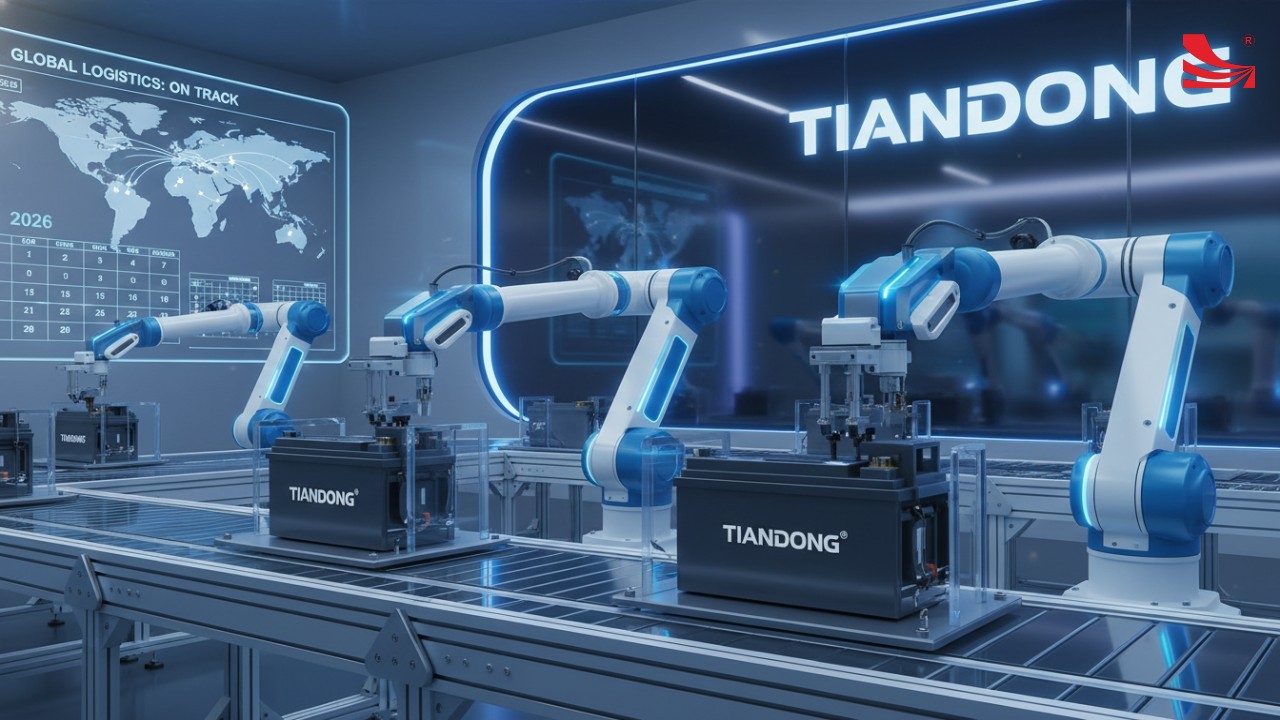
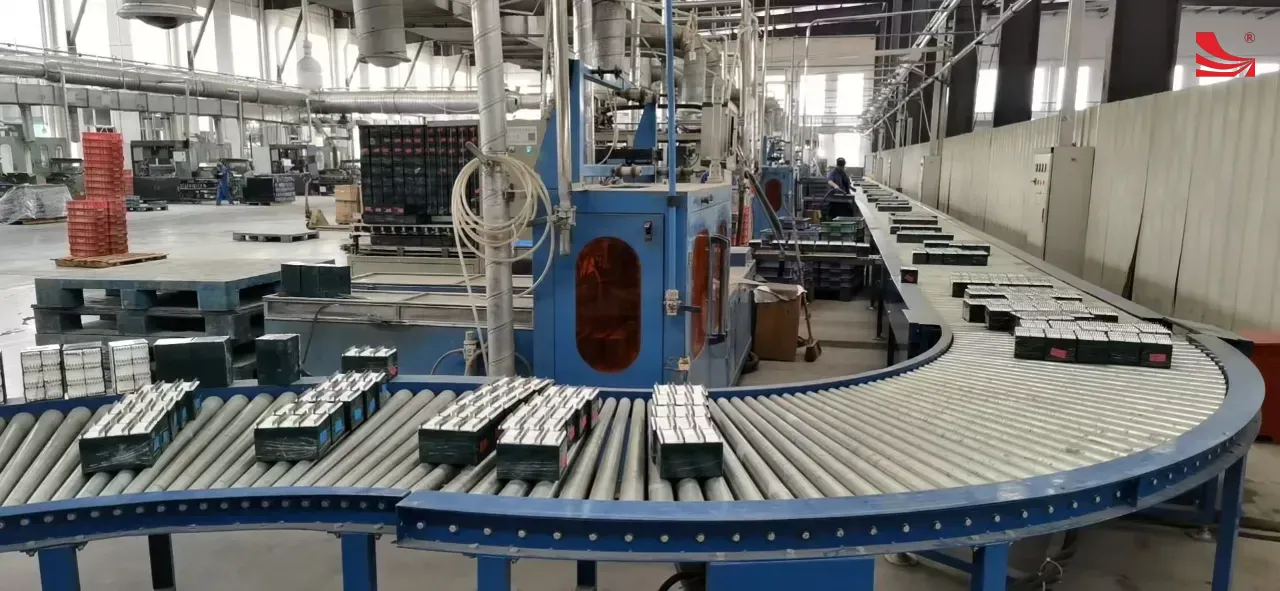
Most retail guides ignore the origin of the battery. In 2026, the reliability of a high-performance battery is deeply tied to its manufacturing process. Facilities that utilize automated assembly and full in-house production offer substantially higher quality control and lower defect rates.
As we move deeper into 2026, the global powersports market is experiencing a significant shift. Consumers are holding onto their motorcycles longer, demanding replacement parts that outlast factory originals. However, many popular retail brands are merely marketing companies that white-label batteries from various disjointed, third-party suppliers.
This fragmented supply chain is the root cause of premature battery failure. When a battery is assembled using electrode plates that have been shipped across the globe before final assembly, they are exposed to moisture, oxidation, and physical stress. By contrast, facilities that utilize automated assembly and full in-house production—managing everything from raw lead smelting to grid casting and acid filling—offer a completely different tier of product. This strict vertical integration ensures that the internal chemistry remains pure and uncontaminated, resulting in a product that wholesale distributors and riders can confidently stand behind.
OEM & ODM Capabilities for Global Markets
Leveraging over 15 years of industry expertise, Tiandong provides comprehensive OEM and ODM services tailored to global motorcycle brands. Services include custom branding, bespoke packaging, specific performance tuning, and dimensional adjustments for diverse motorcycle models and regional requirements.
The global supply chain for motorcycle parts requires agility, massive scale, and uncompromising quality standards. As one of the premier OEM motorcycle battery manufacturers, Tiandong understands that B2B clients require more than just off-the-shelf products. They need a manufacturing partner capable of adapting to the stringent demands of the 2026 global market.
- Custom Performance Tuning: Tiandong's engineering team collaborates closely with clients to adjust internal plate configurations, providing enhanced CCA for regions with freezing winters, or tweaking chemical compositions for extreme heat and high humidity environments.
- International Compliance: All manufactured products comply with strict international safety and environmental standards, including CE, RoHS, and MSDS, ensuring safe, legal, and seamless export across borders.
- Global Reach: With a dedicated logistics and export team, Tiandong successfully delivers premium battery solutions to over 20 countries worldwide, including major powersports markets like Vietnam, India, Egypt, and Thailand.
Conclusion

Investing in a high-performance motorcycle battery is essential for maximizing riding reliability, optimizing cold starts, and ensuring your bike is ready whenever you are. Whether choosing advanced AGM or lightweight Lithium, prioritizing products from vertically integrated manufacturers guarantees the highest standard of quality and durability.
For more detailed insights on choosing the right battery technology for your motorcycle, including comparisons between different battery types and tips on maximizing battery lifespan, be sure to check out our Complete Guide to Different Battery Types and Their Applications (2026 Edition). It’s a comprehensive resource to help you make the best decisions for your riding needs.
FAQs About High-Performance Motorcycle Batteries for Reliability
How long does a high-performance motorcycle battery last?
A standard lead-acid or AGM high-performance battery typically lasts 3 to 5 years with proper maintenance. Premium lithium batteries can last 5 to 7 years or more if cared for correctly and stored with a proper battery management system.
What are Cold Cranking Amps (CCA) and why are they important?
CCA measures a battery's ability to start an engine in cold temperatures. A higher CCA rating means the battery can deliver a strong surge of power to turn over heavy motorcycle engines even in freezing weather.
Is a lithium motorcycle battery better than an AGM battery?
Lithium batteries offer massive weight savings, higher cranking power, and longer lifespans. However, AGM batteries are often preferred for their cold-weather stability, lower upfront cost, and compatibility with standard charging systems.
Can I use a regular battery charger on a high-performance motorcycle battery?
You can use a standard smart charger for AGM and lead-acid batteries. However, lithium batteries require a specific lithium-compatible charger to prevent overcharging and dangerous internal damage.
How do I prevent parasitic draw on my motorcycle battery?
Parasitic draw from alarms, clocks, and GPS can be mitigated by keeping the motorcycle connected to a smart battery tender when not in use, or by installing a battery disconnect switch for long-term storage.
What is the benefit of a factory-activated motorcycle battery?
Factory-activated batteries come pre-filled, sealed, and charged directly from the manufacturer. This eliminates the need to handle dangerous battery acid and ensures optimal initial charging under strict quality control conditions.
Why is vibration resistance crucial for motorcycle batteries?
Motorcycles, particularly V-twins and off-road bikes, generate extreme vibrations that can shatter internal battery plates or loosen connections. High-performance AGM and lithium batteries are specifically engineered to withstand these forces.
How can I source reliable OEM motorcycle batteries in bulk?
Sourcing reliable bulk batteries requires partnering with manufacturers that control the entire production line. Companies like Pingxiang Tiandong Electric Appliance Co., Ltd. offer complete in-house manufacturing, ensuring consistent quality for wholesale and OEM/ODM buyers.

A Complete Guide to Different Battery Types and Their Applications (2026 Edition)

The Ultimate Guide to Comprehensive Battery Solutions for Motorcycles and EVs [2026 Edition]
Looking for a Trusted Motorcycle Battery Supplier? Here’s What You Need to Know

Bulk Motorcycle Batteries Direct from Factory – Save Costs, Boost Profit
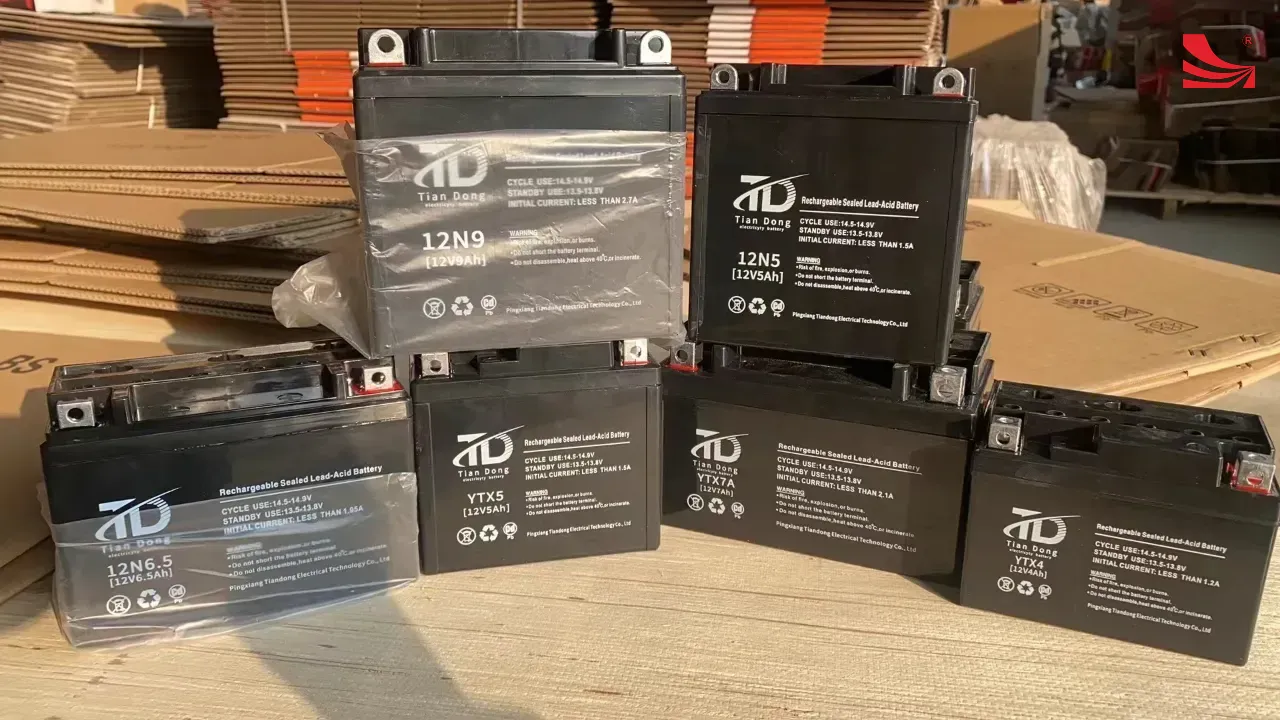
High Performance Motorcycle Batteries for Global Markets

Tiandong Electric Appliance Showcases High-Performance Motorcycle Batteries at Guangzhou Expo
Product
Are your batteries maintenance-free?
Yes, our batteries are sealed VRLA or GEL types that require no water refilling. They are ready to use and easy to maintain.
Are you a trading company or a manufacturer?
We are a direct factory located inJiangxi Province, China. You are welcome to visit our production line and quality control lab. We specialize in lead-acid batteries for motorcycles and have been in this industry for 20 years.
What is the typical lifespan of your batteries?
Depending on the model and usage conditions, our batteries typically last between 2 to 4 years under normal operation.
How long does a motorcycle battery typically last?
A motorcycle battery generally lasts between 2 and 4 years, depending on usage, maintenance, and environmental conditions.
Support
What is Tiandong’s production capacity?
The company produces approximately 6 million batteries per year, supported by 15,000 tons of electrode plate production capacity.
Get in touch with us to get your Motorbike Battery solution
TIANDONG is a leading motorcycle battery manufacturer offering OEM/ODM service, stable quality, and global export support.
Built for wholesalers. Trusted by global buyers. Delivered with confidence.
Say Hello
E-mail: daisybattery8@gmail.com
xianyingchen83@gmail. com
WhatsAPP: +86 134 283 86694
+86 134 348 86641
Our Location
Social Links
© 2025 TIANDONG. All Rights Reserved. Privacy Policy | Terms and Conditions | Sitemap
 Scan QR Code
Facebook
Instagram
Scan QR Code
Whatsapp: +8613434886641