






The Ultimate Guide to Electric Scooter Batteries: Performance, Longevity, and Future Innovations (2026 & Beyond)
- What is an Electric Scooter Battery?
- Key Components
- Key Takeaways: Your Quick Guide to Electric Scooter Batteries
- Understanding Electric Scooter Battery Types
- Lithium-ion (Li-ion) Batteries
- Lead-acid (SLA) Batteries
- Emerging Technologies
- How Electric Scooter Batteries Work: A Deeper Dive
- The Role of Metrics
- The Critical BMS
- Maximizing Your Electric Scooter Battery Lifespan
- Best Practices for Longevity
- Charging Your Electric Scooter Battery: Best Practices & Safety
- Safety Guidelines
- Troubleshooting Common Electric Scooter Battery Problems
- Diagnostic Checklist
- Electric Scooter Battery Replacement: Costs & Considerations
- 2024-2025 Cost Estimates
- Sourcing Reliable Replacements
- The Future of Electric Scooter Battery Technology (2026 & Beyond)
- Manufacturing Excellence
- Upcoming Trends
- Expert Tips for Electric Scooter Battery Care from the Pros
- Pro Tips
- Recycling Electric Scooter Batteries: An Eco-Conscious Approach
- How to Recycle
- Frequently Asked Questions (FAQ)
- What is the average lifespan of an electric scooter battery?
- How long does it typically take to fully charge an electric scooter battery?
- Can I use a different brand charger for my electric scooter battery?
- What are the key differences between Lithium-ion and Lead-acid batteries?
- How can I tell if my electric scooter battery needs to be replaced?
- Is it safe to leave an electric scooter battery charging overnight?
- What is the ideal temperature range for storing an electric scooter battery?
- Do electric scooter batteries lose capacity over time, even with proper care?
What is an Electric Scooter Battery?
An electric scooter battery is the rechargeable power source that stores electrical energy to drive the motor, directly dictating range and speed. Typically composed of lithium-ion or lead-acid cells, it serves as the most critical and expensive component of your personal electric vehicle.
Following the motor, the battery is the heart of your ride. Its capacity, measured in Watt-hours (Wh) or Ampere-hours (Ah), defines how far you can travel on a single charge. While early models relied on heavy lead-acid units, modern lithium-ion scooter battery technology has revolutionized the industry with lighter weights and higher energy density.
Key Components
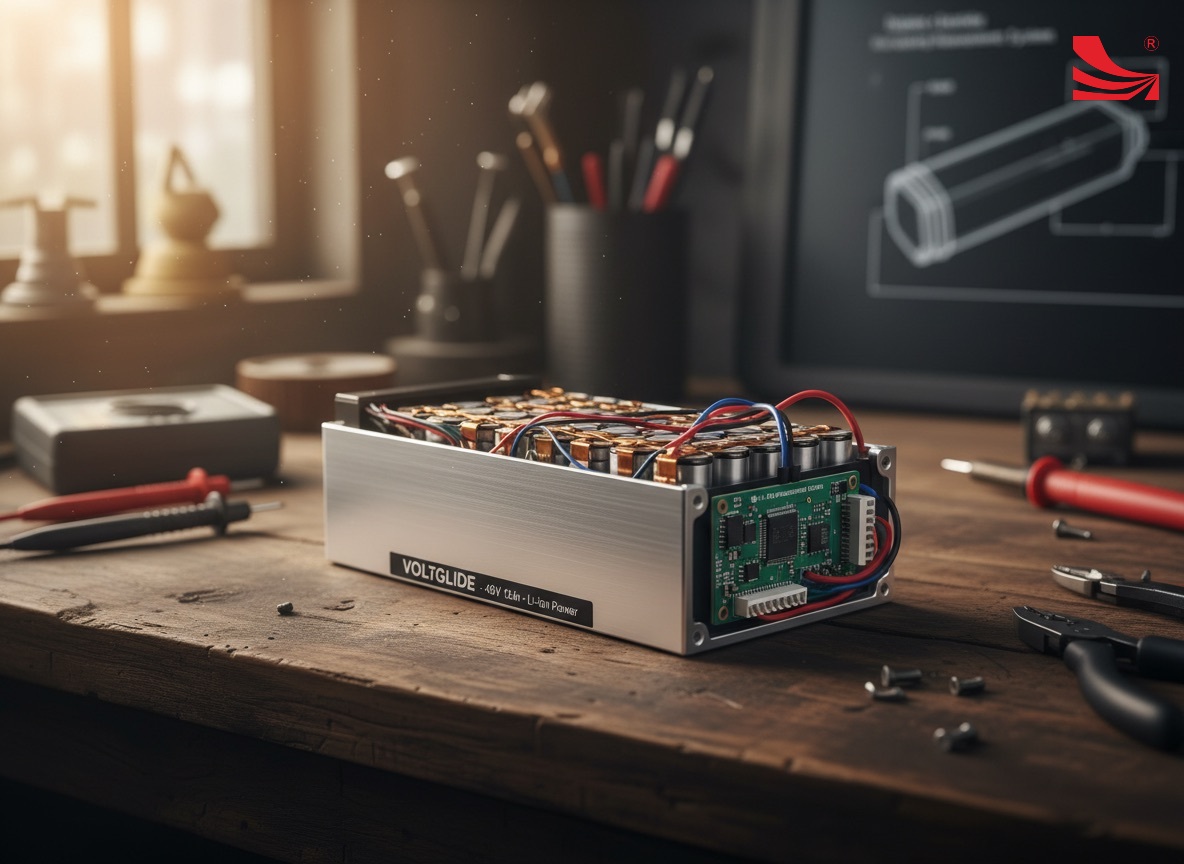
- Cells: The individual energy storage units (e.g., 18650 or 21700 cylindrical cells).
- BMS (Battery Management System): A circuit board that monitors temperature, voltage, and current to prevent damage.
- Pack Casing: The protective shell ensuring physical safety and water resistance.
Key Takeaways: Your Quick Guide to Electric Scooter Batteries
Understanding your battery's chemistry and care requirements is the single most effective way to protect your investment and ensure safety. Ignoring these basics can lead to premature failure or costly replacements.
- Performance Hub: The battery is the core determinant of speed, torque, and range.
- Lifespan: Electric scooter battery lifespan is heavily influenced by charging habits and storage temperature.
- Tech Types: Lithium-ion is the standard for performance; lead-acid is found in budget models.
- Future Tech: Solid-state and fast-charging innovations are set to redefine mobility by 2026.
- Eco-Impact: Proper recycling is non-negotiable for environmental safety.
Understanding Electric Scooter Battery Types
The two primary battery chemistries used today are Lithium-ion (Li-ion), known for high performance, and Sealed Lead-Acid (SLA), known for affordability. Choosing the right type depends on your budget, range requirements, and desired vehicle weight.
Lithium-ion (Li-ion) Batteries
These are the industry standard for modern adult scooters. They offer high energy density, meaning they store more power in a lighter package. Within this category, chemistries like NMC (Nickel Manganese Cobalt) and LFP (Lithium Iron Phosphate) provide a balance of power and safety. Data indicates that Li-ion batteries can last 2-5 years or 300-500 charge cycles.
Lead-acid (SLA) Batteries
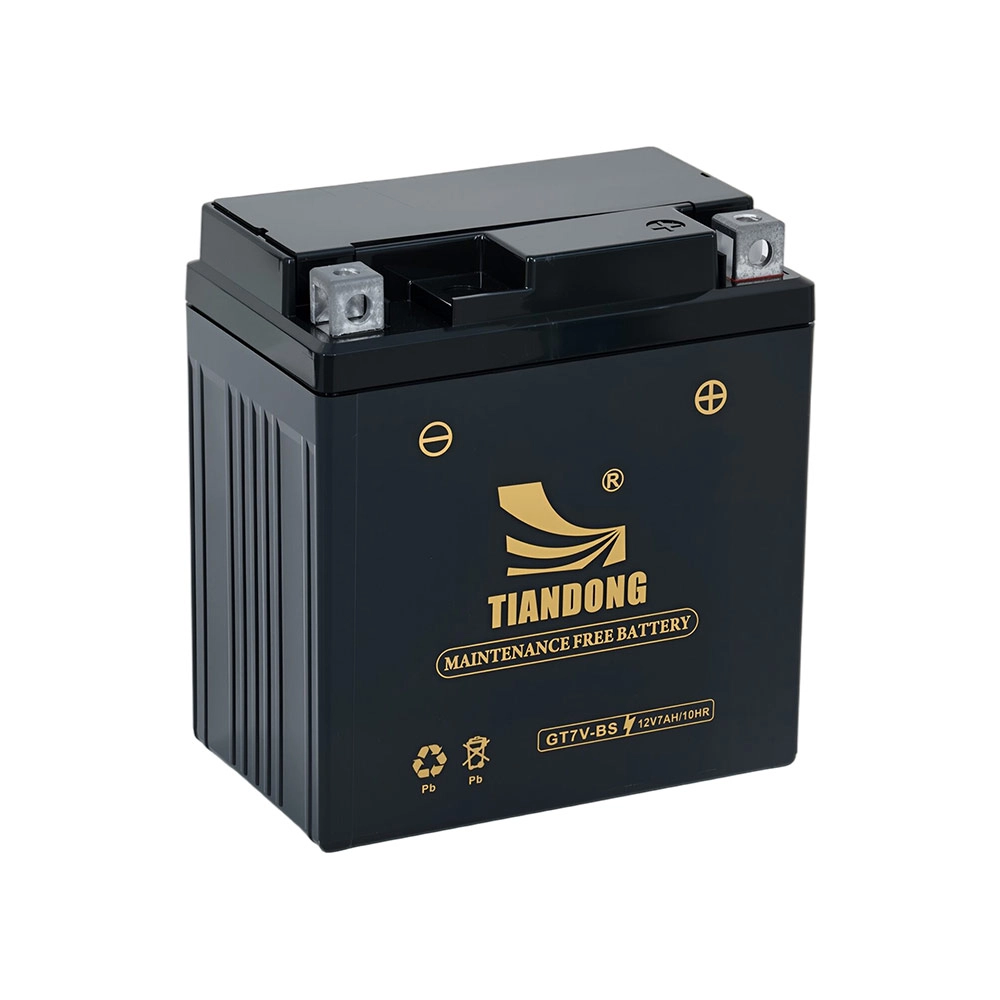
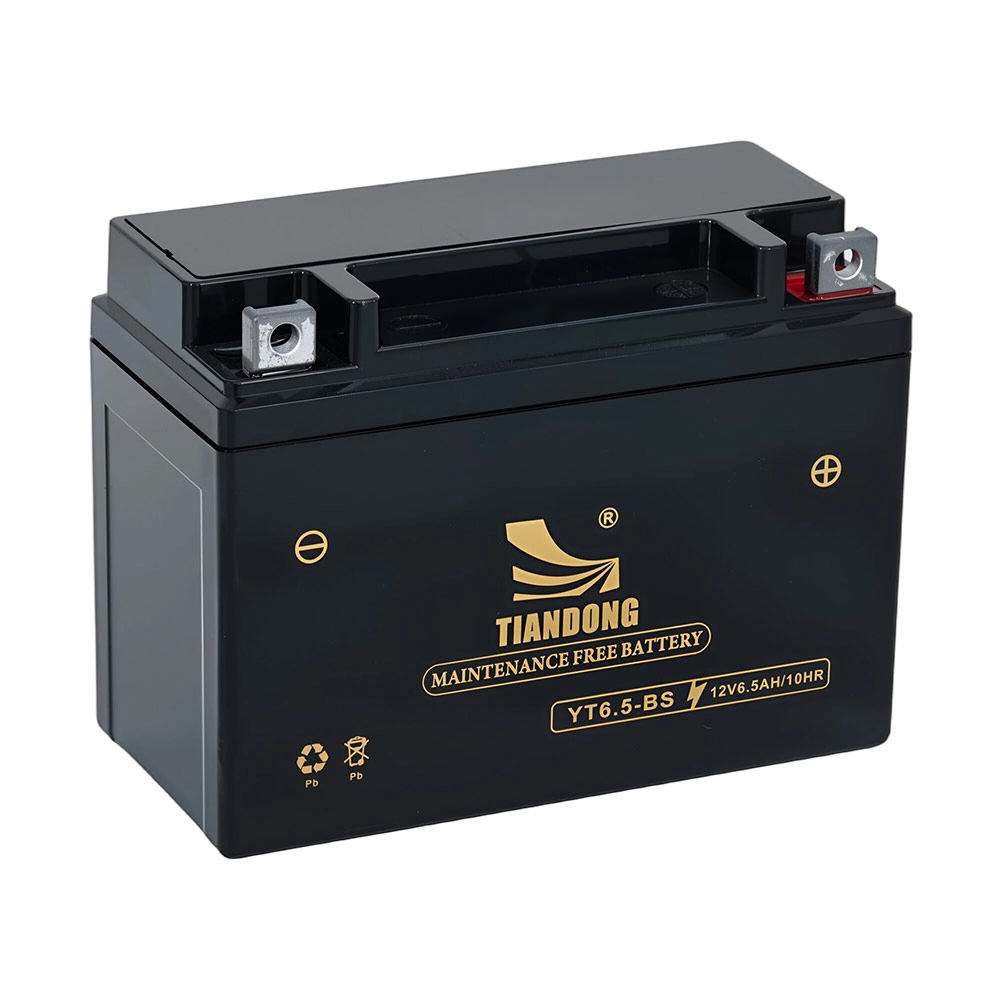
Primarily found in children's scooters or older budget models, these are heavier and have a shorter lifespan. However, they remain a viable option for specific low-cost applications. Leading manufacturers like Pingxiang Tiandong Electric Appliance Co., Ltd. (TIANDONG) have perfected lead-acid technology. With over 15 years of expertise, Tiandong produces high-quality lead-acid batteries, utilizing advanced grid casting and lead paste coating to maximize durability even in this older technology.
Emerging Technologies
- Solid-State Batteries: Promise higher safety and range but are currently expensive.
- Graphene Enhanced: Offers faster charging and better heat dissipation.
How Electric Scooter Batteries Work: A Deeper Dive
Batteries function by moving ions between a cathode and anode through an electrolyte, releasing electrons that power the scooter's motor. This electrochemical process is carefully controlled by the Battery Management System (BMS) to ensure efficiency and safety.
The Role of Metrics
- Voltage (V): Determines the "pressure" of electricity; higher voltage often means higher speed (e.g., 36V, 48V, 60V).
- Ampere-hours (Ah): The size of the "fuel tank." More Ah equals longer range.
- Watt-hours (Wh): Calculated as Voltage × Ah, this is the truest measure of total energy capacity.
The Critical BMS
The BMS is the brain of the battery. It balances the cells during charging and cuts off power if it detects short circuits, overcharging, or overheating. A high-quality BMS is essential for preventing thermal runaway.
Maximizing Your Electric Scooter Battery Lifespan
To maximize battery life, keep the charge level between 20% and 80% and avoid exposing the scooter to extreme temperatures. Consistent deep discharges (running it to 0%) significantly accelerate chemical degradation.
According to recent industry data, proper maintenance can extend a battery's life by up to 40%. Electric scooter battery lifespan isn't just about time; it's about cycle count.
Best Practices for Longevity
- The 20-80% Rule: Try not to charge to 100% unless you are planning a long ride immediately.
- Storage: If storing for winter, keep the battery at ~60% charge in a cool, dry room (10°C - 20°C).
- Cool Down: Never charge a battery immediately after a ride; let it cool down for 30 minutes first.
Charging Your Electric Scooter Battery: Best Practices & Safety
Safe charging requires using the manufacturer-supplied charger on a non-flammable surface in a well-ventilated area. Electric scooter battery charging safety is paramount to preventing fire hazards associated with thermal runaway.
Safety Guidelines
- Use OEM Chargers: Generic chargers may have incorrect voltage, causing catastrophic damage.
- Monitor the Time: Do not leave batteries charging unattended overnight.
- Inspect Cables: Check for fraying or loose connections before every charge.
- Environment: Charge indoors away from direct sunlight and moisture.
Troubleshooting Common Electric Scooter Battery Problems
Common issues like reduced range or failure to charge are often caused by cell imbalance, charger faults, or BMS error codes. Early diagnosis can save you from a full battery replacement.
Diagnostic Checklist
- Reduced Range: Likely cell degradation. If the range drops below 60% of original, it may be time for replacement.
- Not Charging: Check the charger output light. If the light is green when plugged into the scooter (but the scooter isn't full), the fuse or BMS might be blown.
- Sluggish Acceleration: Voltage sag. The battery cannot deliver the required amps under load.
- Error Codes: Consult your manual; many codes point specifically to "Under Voltage" or "BMS Communication Error."
Electric Scooter Battery Replacement: Costs & Considerations
Replacing an electric scooter battery typically costs between $150 and $500 for standard models, with high-performance packs exceeding $900. The electric scooter battery replacement cost varies largely based on voltage, capacity, and brand.
2024-2025 Cost Estimates
According to recent market analysis:
- Lead-Acid: $60 - $150 (Affordable but heavy).
- Standard Li-ion (36V): $150 - $300.
- High-Capacity Li-ion (48V+): $400 - $900+.
- Labor Fees: Professional installation can add $50 - $100.
Sourcing Reliable Replacements
Always buy from reputable suppliers. Companies like TIANDONG ensure compatibility and safety through rigorous testing. Their factories, producing 6 million batteries annually, adhere to CE and RoHS standards, ensuring that replacement units meet global safety benchmarks.
The Future of Electric Scooter Battery Technology (2026 & Beyond)
The future of scooter batteries lies in silicon-anode technology and sustainable manufacturing, promising 50% faster charging and longer lifecycles. Innovations in electric vehicle battery manufacturing are driving costs down while boosting energy density.
Manufacturing Excellence
Top-tier manufacturers are already paving the way. Pingxiang Tiandong Electric Appliance Co., Ltd. operates a massive 121,800 m² facility utilizing automated assembly and strict quality controls like plate curing and acid filling. This vertical integration—from raw lead/materials to final assembly—ensures the consistency required for next-gen vehicles. By 2026, we expect to see more "smart" batteries capable of communicating detailed health data directly to smartphone apps.
Upcoming Trends
- Rapid Charging: 0-80% charge in under 30 minutes.
- Eco-Manufacturing: Reduced use of cobalt and increased use of recycled materials.
- Standardization: Universal swappable battery systems for urban rental fleets.
Expert Tips for Electric Scooter Battery Care from the Pros
Consistent, moderate usage combined with protection from environmental extremes is the professional secret to battery health. Treat your battery like a living organism that prefers room temperature environments.
Pro Tips
- Ride Regularly: Lithium batteries degrade faster if left unused for months. Ride at least once every two weeks.
- Avoid Moisture: Water ingress is a top killer. Never charge a wet scooter.
- Vibration Control: Ensure the battery is securely mounted to prevent internal solder joints from cracking on rough terrain.
Recycling Electric Scooter Batteries: An Eco-Conscious Approach
Recycling is critical because scooter batteries contain heavy metals like lead and lithium that can contaminate soil and water if landfilled. The global market for battery recycling is growing rapidly, expected to reach $28.1 billion by 2029.
How to Recycle
- Do Not Trash: Never throw batteries in household bins.
- Find a Center: Use services like Call2Recycle or local hazardous waste facilities.
- Dealer Programs: Many manufacturers now offer take-back programs to reclaim valuable materials like nickel and cobalt.
Frequently Asked Questions (FAQ)
What is the average lifespan of an electric scooter battery?
The average lifespan of a lithium-ion electric scooter battery is typically 2-4 years or 300-500 charge cycles. Lead-acid batteries generally last 1-2 years. Proper maintenance can extend this duration significantly.
How long does it typically take to fully charge an electric scooter battery?
Charging time varies based on capacity (Wh) and charger output (A), usually taking 4 to 8 hours. Fast chargers can reduce this, but using them too frequently may degrade battery health over time.
Can I use a different brand charger for my electric scooter battery?
No, it is strongly recommended to use the charger specifically designed by your manufacturer. Incompatible chargers can cause incorrect voltage delivery, leading to fire hazards or permanent battery damage.
What are the key differences between Lithium-ion and Lead-acid batteries?
Lithium-ion batteries offer higher energy density, lighter weight, and longer lifespans. Lead-acid batteries are heavier, have shorter lifespans, and are cheaper, often found in older or budget-friendly models.
How can I tell if my electric scooter battery needs to be replaced?
Signs include significantly reduced range, slower acceleration, inability to hold a charge, or physical swelling. If your scooter shuts down unexpectedly despite showing charge, the battery cells may be degraded.
Is it safe to leave an electric scooter battery charging overnight?
While modern BMS units have protection, it is not recommended to leave batteries charging unattended overnight. Unplugging once full prevents potential thermal risks and electrical strain.
What is the ideal temperature range for storing an electric scooter battery?
The ideal storage temperature is between 10°C to 20°C (50°F to 68°F). Extreme heat or freezing cold can permanently degrade the battery chemistry.
Do electric scooter batteries lose capacity over time, even with proper care?
Yes, all rechargeable batteries experience capacity degradation naturally over time. However, avoiding deep discharges and extreme temperatures can significantly slow this process.

Bulk Motorcycle Batteries Direct from Factory – Save Costs, Boost Profit
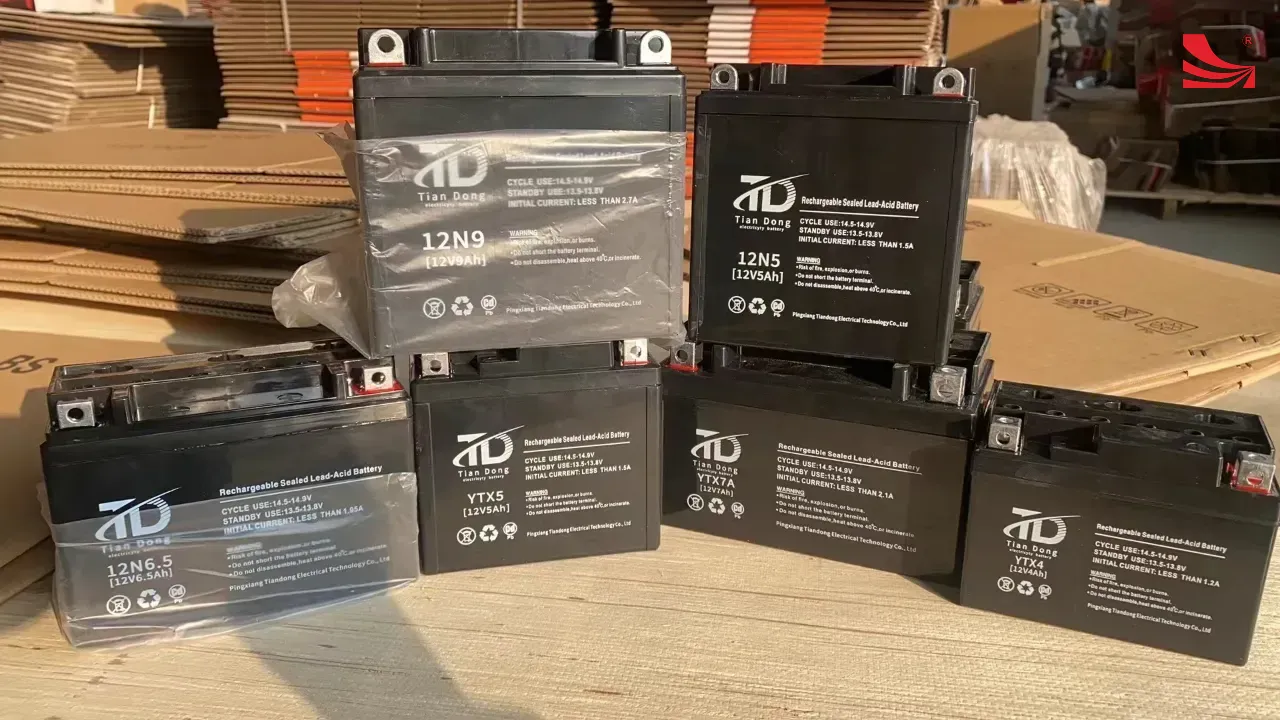
High Performance Motorcycle Batteries for Global Markets

Tiandong Electric Appliance Showcases High-Performance Motorcycle Batteries at Guangzhou Expo

What kind of battery is best for a motorcycle?

The Ultimate 2026 Guide to Motorcycle Battery Types: Choose, Maintain, and Upgrade for Peak Performance

Top Motorcycle Lead Acid Batteries in 2026: Why They Still Power Your Ride and How to Choose the Best
Product
What is the typical lifespan of your batteries?
Depending on the model and usage conditions, our batteries typically last between 2 to 4 years under normal operation.
What brands of raw materials do you use?
We use high-quality materials to ensure performance. we use 99.99% pure lead , ensure long life and high Cold Cranking Amps (CCA).
What kind of battery is best for a motorcycle?
AGM batteries are a popular choice because they combine the best of both worlds: the durability of lead-acid batteries and the low maintenance of lithium-ion batteries. AGM batteries are sealed, so they don't require water refills, and they're designed to handle rough conditions, making them ideal for motorcycles.
What is the most common motorcycle battery type?
AGM batteries are currently the most widely used due to their balance of cost and performance.
Do you offer OEM or custom branding?
Yes, we provide full OEM and ODM services, including logo printing, packaging customization, and model adjustments.
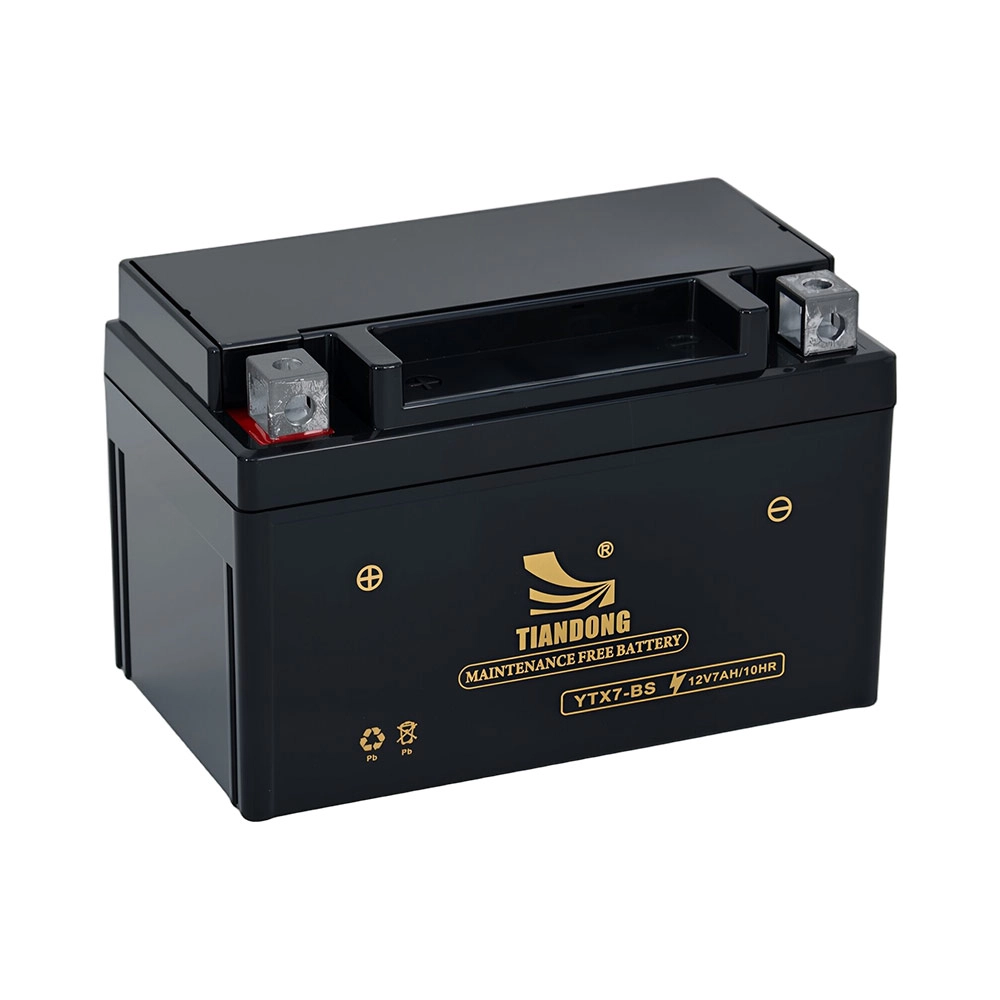
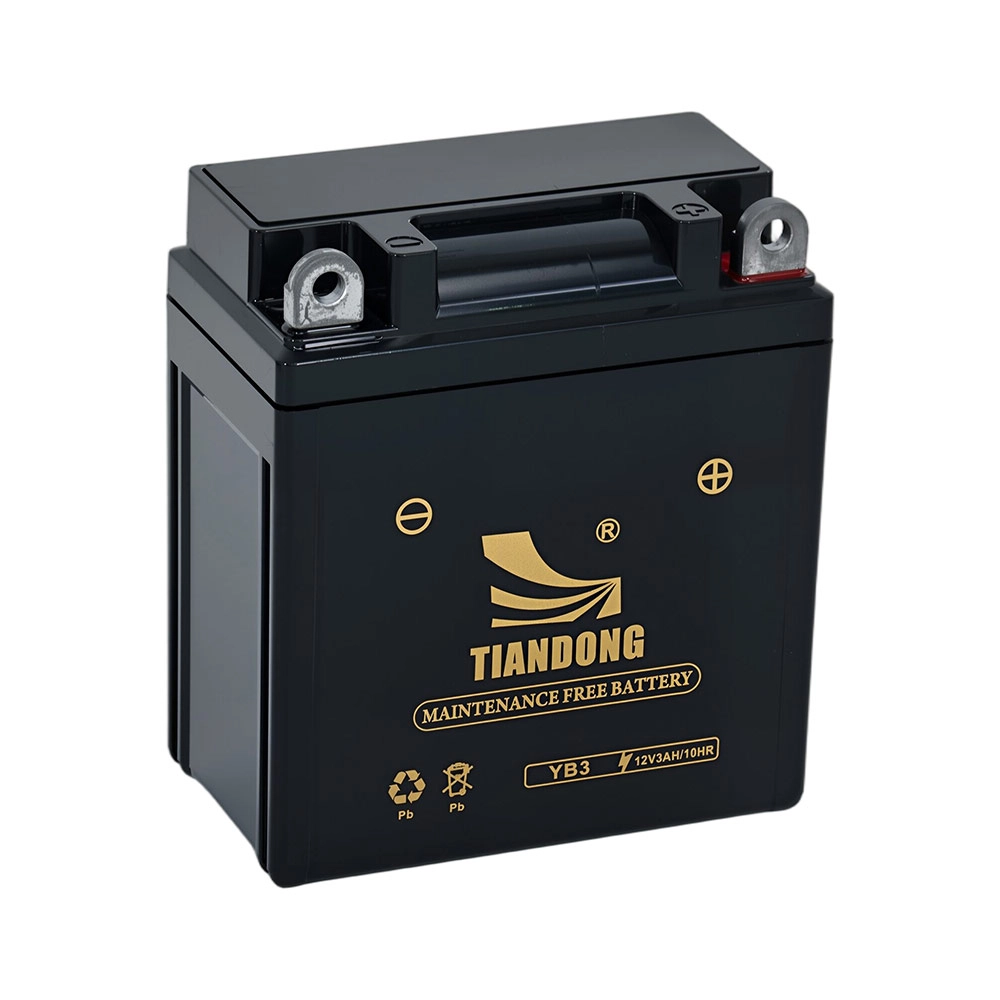
Get in touch with us to get your Motorbike Battery solution
TIANDONG is a leading motorcycle battery manufacturer offering OEM/ODM service, stable quality, and global export support.
Built for wholesalers. Trusted by global buyers. Delivered with confidence.
Say Hello
E-mail: daisybattery8@gmail.com
xianyingchen83@gmail. com
WhatsAPP: +86 134 283 86694
+86 134 348 86641
Our Location
Social Links
© 2025 TIANDONG. All Rights Reserved. Privacy Policy | Terms and Conditions | Sitemap
 Scan QR Code
Facebook
Instagram
Scan QR Code
Whatsapp: +8613434886641