






Powering Green Mobility with Efficient Electric Vehicle Batteries in 2026
- What Does Powering Green Mobility with Efficient Electric Vehicle Batteries Mean?
- Quick Summary & Key Takeaways
- The Core Elements of an Efficient EV Battery
- Common Mistakes in Sourcing EV Batteries (And Expert Tips to Avoid Them)
- Manufacturing Comparison: In-House vs. Fragmented Supply Chains
- Industry-Leading OEM & ODM Solutions for Global Green Mobility
- Conclusion
- FAQs About Powering Green Mobility with Efficient Electric Vehicle Batteries
- What makes an electric vehicle battery efficient?
- How do OEM battery manufacturers like TIANDONG reduce costs?
- What is the average lifespan of a modern EV battery?
- How does battery manufacturing impact the environment?
- What happens to EV batteries at the end of their lifecycle?
- Why is full in-house battery manufacturing important?
- What certifications should I look for in an EV battery supplier?
- How can I source custom EV batteries for my brand?
The automotive world is experiencing a major shift in 2026, and at the core of this change is the challenge and opportunity of Powering Green Mobility with Efficient Electric Vehicle Batteries. With stricter emissions regulations and consumers demanding longer driving ranges, the need for high-performance energy storage has never been more critical. But true sustainability goes beyond just cutting emissions from tailpipes—it’s about a more holistic approach to how we design, source, manufacture, and recycle batteries.
For fleet buyers, electric vehicle makers, and energy storage innovators, the key is to stop waiting for speculative, future battery technologies and focus on reliable, scalable manufacturing solutions that are available today. Prioritizing EV battery efficiency and partnering with experienced manufacturers will allow the industry to meet zero-emission goals without compromising on cost or quality.
This guide dives deep into the core elements of electric vehicle batteries, highlights common sourcing mistakes, and presents proven strategies that are helping shape the future of sustainable transportation.
What Does Powering Green Mobility with Efficient Electric Vehicle Batteries Mean?
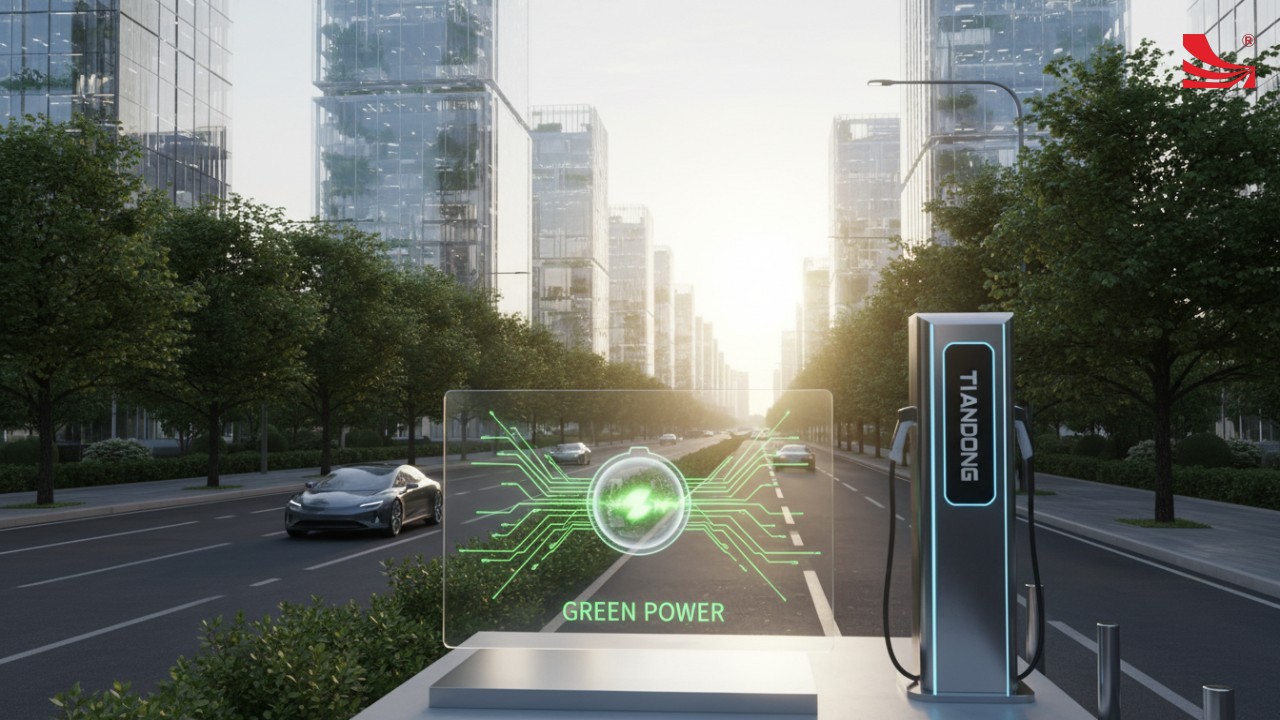
Powering green mobility with efficient electric vehicle batteries means using advanced energy storage technologies to maximize driving range while minimizing the environmental impact. It’s about choosing the right battery chemistries, adopting sustainable manufacturing practices, and implementing smart lifecycle management to help create a zero-emissions future for transportation.
To truly understand this, we need to think beyond just the vehicle and look at the entire supply chain. In today’s world, true efficiency comes from several key factors working together:
- Advanced Energy Storage Systems: Using cutting-edge cell designs that not only boost the driving range but also keep vehicle weight low, ensuring less energy is wasted during travel. This makes the battery more efficient and contributes to overall vehicle performance.
- Optimal Chemistries & Processes: Moving away from harmful extraction methods and shifting towards sustainable manufacturing. This includes reducing dependence on volatile raw materials and finding ways to optimize energy use at the factory level to make the entire production process cleaner.
- Carbon Footprint Reduction: Efficient EV batteries help drastically cut down the lifecycle carbon footprint of modern transportation. When paired with renewable energy, they offer an affordable, scalable solution that brings us closer to a zero-emissions future.
Quick Summary & Key Takeaways
A quick summary of this topic highlights that efficiency goes beyond cell chemistry; it includes sustainable sourcing, high-yield manufacturing, and recycling. Transitioning to green mobility requires reliable OEM and ODM partners capable of scaling production to meet surging global demand.
Before diving deeper into the technical specifications and manufacturing processes, here are the core takeaways for automotive brands and fleet operators in 2026:
- Efficiency is Holistic: True battery efficiency encompasses the entire lifecycle, from the sourcing of raw materials to end-of-life repurposing.
- In-House Manufacturing is Crucial: Full in-house manufacturing significantly reduces EV battery costs while vastly improving quality control, consistency, and delivery times.
- Strategic Partnerships: Transitioning to green mobility requires reliable Original Equipment Manufacturers (OEMs) and ODM partners who can navigate regional market requirements and scale production to millions of units seamlessly.
The Core Elements of an Efficient EV Battery
The key components of an efficient EV battery include high energy density, long lifecycle durability, and the ability to charge quickly, all while maintaining robust thermal management to ensure safety under various driving conditions.
Building a battery that meets the demanding requirements of 2026 involves mastering three essential engineering principles:
- Electric Vehicle Energy Density and Range: The main metric for any EV battery is its ability to store power relative to its size and weight. High energy density ensures that vehicles can travel further on a single charge without increasing weight or bulk, which would otherwise reduce the overall mechanical efficiency of the vehicle.
- Lifecycle and Durability: A battery is only truly sustainable if it lasts. Extending battery life involves precise manufacturing techniques, such as advanced electrode plate curing, exact grid casting, and optimal selection of active materials. These processes help prevent early degradation, ensuring the battery can withstand thousands of charge cycles without losing performance.
- Charging Speed and Thermal Management: Today’s drivers expect fast charging, but this increases the heat generated by the battery. To maintain safety and performance, efficient batteries incorporate advanced thermal management systems that prevent thermal runaway and protect the battery cells. A 2026 analysis by Geotab found that the average annual EV battery degradation rate is only 2.3%, thanks to modern thermal management and strong battery cell design.
Common Mistakes in Sourcing EV Batteries (And Expert Tips to Avoid Them)
When sourcing EV batteries, some common mistakes can lead to unnecessary delays, higher costs, and damaged reputations. Overlooking the importance of in-house manufacturing and ignoring regional market requirements are two key pitfalls that buyers should avoid.
Procuring batteries for a fleet or a new electric vehicle line involves both logistical and technical challenges. Many buyers fall into these traps, which can result in wasted time, money, and compromised brand reputation.
- Mistake: Not considering the value of full in-house manufacturing can lead to inconsistent quality control, poor cell performance, and supply chain disruptions.
- Expert Tip: Work with manufacturers that manage the entire process. When one facility handles everything from raw electrode plates to automated assembly, you can count on better quality control, more consistency, and reliable delivery timelines.
- Mistake: Ignoring regional market requirements and failing to adjust battery performance for specific environmental conditions. A battery that works well in mild climates may fail prematurely in extreme heat or cold.
- Expert Tip: Look for suppliers offering comprehensive OEM and ODM services. These partners can provide custom performance tuning based on specific climate conditions, safety regulations, and the unique needs of your vehicle models.
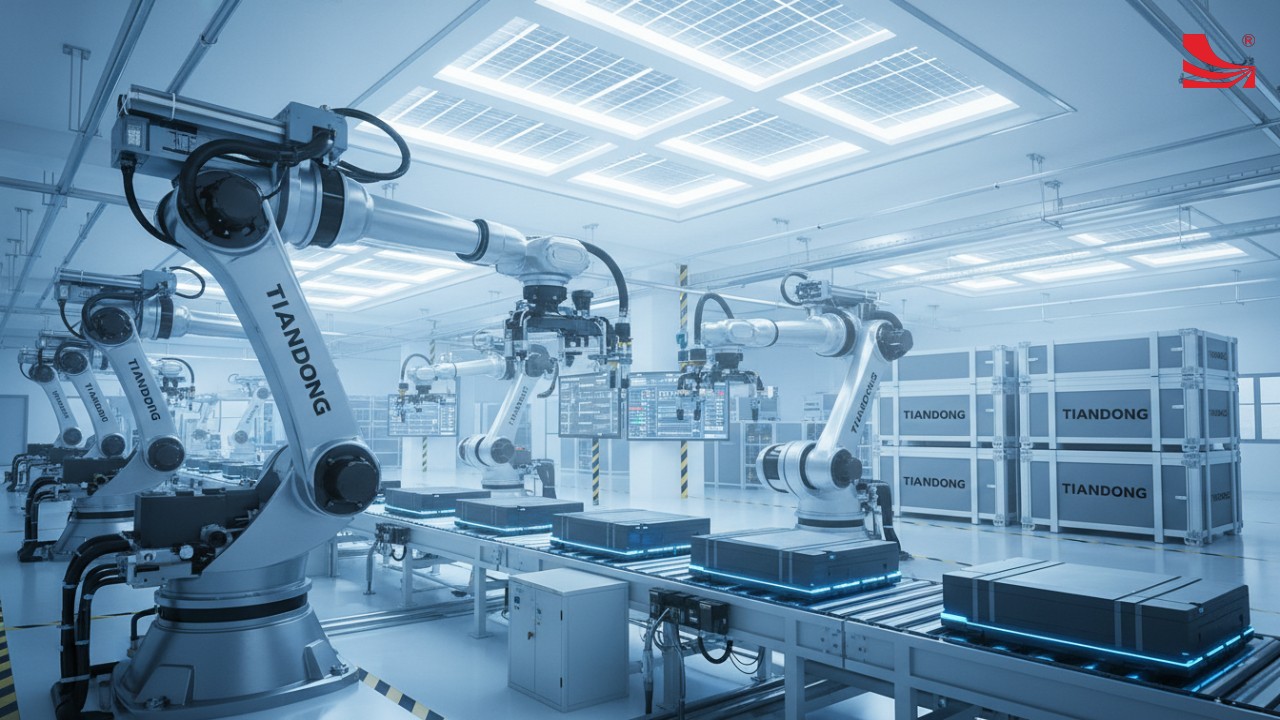
Manufacturing Comparison: In-House vs. Fragmented Supply Chains
| Feature / Metric | Full In-House Manufacturing (TIANDONG) | Fragmented Supply Chain Procurement |
|---|---|---|
| Quality Control | End-to-end oversight (grid casting to assembly) | Highly variable across multiple vendors |
| Production Cost | Lower (eliminated middleman markups) | Higher (compounding vendor margins) |
| Customization | Deep OEM battery solutions & specs tuning | Limited to off-the-shelf components |
| Lead Times | Reliable and streamlined | Vulnerable to multi-vendor bottlenecks |
| Sustainability | Controlled waste and optimized energy use | High transit emissions between factories |
Industry-Leading OEM & ODM Solutions for Global Green Mobility
Industry-leading OEM and ODM solutions offer customizable EV battery packs that are tailored to meet the needs of various brands and comply with strict regional standards. With rigorous quality control at every stage of production, these solutions bridge the gap between advanced manufacturing capabilities and the growing global demand for sustainable energy.
Meeting the diverse demands of the global market goes beyond mass production—it requires flexibility and precision. With over 15 years of technical expertise and a dedicated team of 400 professionals, Tiandong offers comprehensive OEM battery solutions, including custom branding, packaging, performance tuning, and specification adjustments tailored to each client's needs.
In the EV sector, quality control is critical. Tiandong takes pride in ensuring that every step of the production process meets the highest standards:
- Grid Casting & Lead Paste Coating: This ensures the structural integrity and readiness of the core components.
- Plate Curing & Acid Filling: Optimizes the battery's internal chemistry for better energy retention.
- Charging & Capacity Testing: Every battery is rigorously tested to make sure it meets its advertised capacity and specifications.
- Automated Assembly: This reduces human error and speeds up production, ensuring consistent quality across every unit.
- Thanks to these stringent standards, Tiandong’s products comply with CE, RoHS, and MSDS international regulations. This dedication to quality ensures smooth and reliable exports to over 20 countries worldwide, including fast-growing EV markets like Vietnam, India, Egypt, and Thailand.
Conclusion

Efficient electric vehicle batteries are the foundation of the global shift towards sustainable and green mobility. By focusing on full-cycle manufacturing quality, sustainable practices, and building strong OEM partnerships, the automotive industry can meet zero-emission goals and ensure long-term scalability.
The shift to electric vehicles is no longer something on the horizon—it’s happening now and demands immediate, scalable solutions. Companies that emphasize high energy density, rigorous in-house quality control, and comprehensive lifecycle management will be the ones leading the way. By teaming up with experienced manufacturers who understand global compliance and can offer custom performance tuning, brands will be ready to drive the future of green transportation with confidence.
If you’re looking for more detailed information on how to choose the right battery technology for your vehicle, including comparisons between different battery types and tips on maximizing battery life, our Complete Guide to Different Battery Types and Their Applications (2026 Edition) has you covered. It’s packed with insights to help you make the best choices for your needs.
FAQs About Powering Green Mobility with Efficient Electric Vehicle Batteries
Frequently asked questions about powering green mobility with efficient electric vehicle batteries cover topics ranging from manufacturing costs and environmental impacts to expected lifespans. Understanding these core concepts helps automotive brands and consumers make informed decisions regarding sustainable energy storage.
What makes an electric vehicle battery efficient?
Efficiency is determined by high energy density, optimal round-trip charge retention, lightweight structural design, and the overall sustainability of its manufacturing process.
How do OEM battery manufacturers like TIANDONG reduce costs?
By utilizing full in-house manufacturing, from raw electrode plate production to final automated assembly, reducing reliance on third-party component suppliers and minimizing logistics expenses.
What is the average lifespan of a modern EV battery?
Most modern electric vehicle batteries are designed to last between 10 to 15 years or roughly 100,000 to 200,000 miles before needing replacement or repurposing.
How does battery manufacturing impact the environment?
While mining and production have initial impacts, efficient in-house manufacturing and strict quality controls significantly reduce waste, leading to a net positive lifecycle compared to traditional gas vehicles.
What happens to EV batteries at the end of their lifecycle?
They enter a circular economy, either being repurposed for stationary energy storage systems (second-life) or recycled to recover valuable metals and materials for new cells.
Why is full in-house battery manufacturing important?
It ensures strict quality control across every production stage, from grid casting and paste coating to capacity testing, resulting in safer and more reliable products for consumers.
What certifications should I look for in an EV battery supplier?
Reputable suppliers should hold international standards such as CE, RoHS, and MSDS to ensure product safety, quality control, and environmental compliance.
How can I source custom EV batteries for my brand?
You can partner with experienced OEM/ODM providers like Pingxiang Tiandong Electric Appliance Co., Ltd., who offer custom branding, performance tuning, and precise specification adjustments.

High-Performance Motorcycle Batteries for Reliability (2026 Guide)

A Complete Guide to Different Battery Types and Their Applications (2026 Edition)

The Ultimate Guide to Comprehensive Battery Solutions for Motorcycles and EVs [2026 Edition]
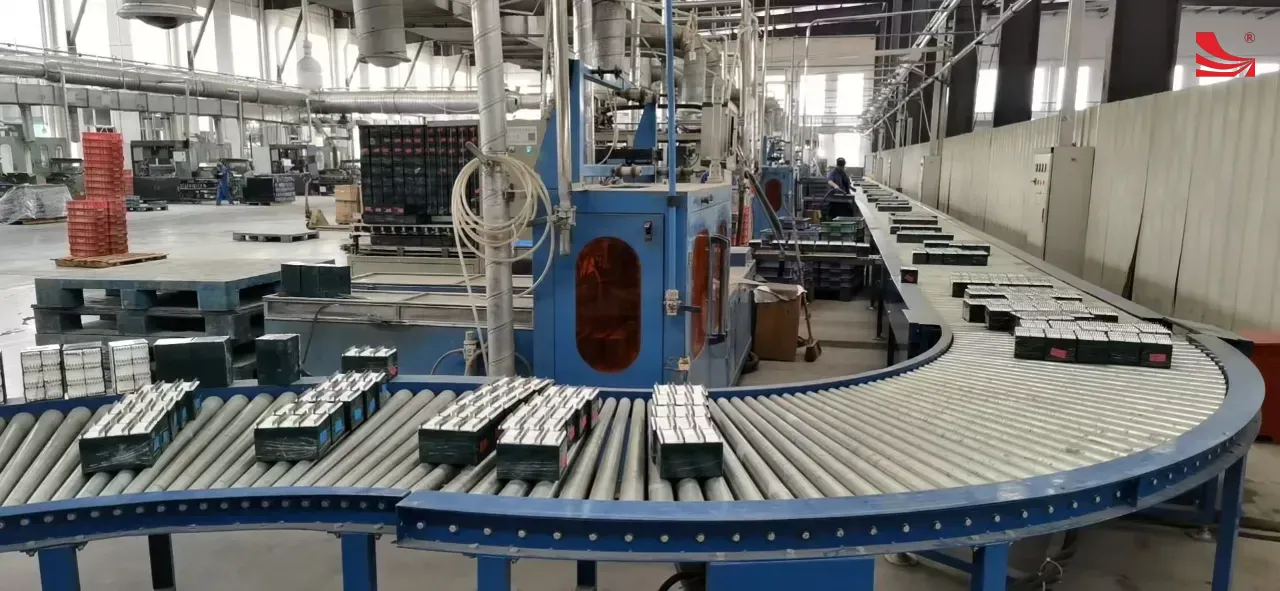
Looking for a Trusted Motorcycle Battery Supplier? Here’s What You Need to Know

Bulk Motorcycle Batteries Direct from Factory – Save Costs, Boost Profit
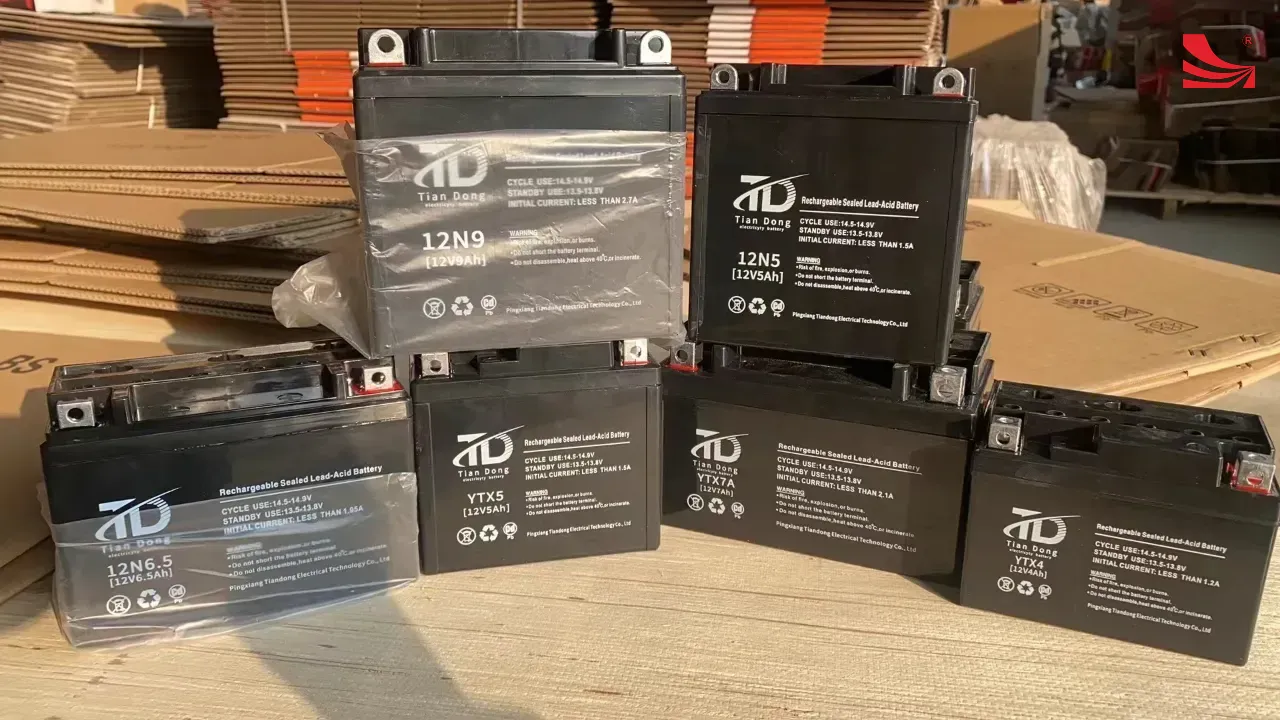
High Performance Motorcycle Batteries for Global Markets
Product
What is the typical lifespan of your batteries?
Depending on the model and usage conditions, our batteries typically last between 2 to 4 years under normal operation.
How long is the delivery time?
- Sample: 7–15 days
- Bulk orders: 20–35 days
What certifications do your batteries have?
Our batteries are certified with CE, ISO9001, and RoHS, and meet export standards for markets in Southeast Asia, South Asia, and Africa.
How long is the lead time and where do you ship?
Standard lead time is 7–15 days. We export to over 20 countries, including Vietnam, India, Egypt, and Thailand.
What is the most common motorcycle battery type?
AGM batteries are currently the most widely used due to their balance of cost and performance.
Get in touch with us to get your Motorbike Battery solution
TIANDONG is a leading motorcycle battery manufacturer offering OEM/ODM service, stable quality, and global export support.
Built for wholesalers. Trusted by global buyers. Delivered with confidence.
Say Hello
E-mail: daisybattery8@gmail.com
xianyingchen83@gmail. com
WhatsAPP: +86 134 283 86694
+86 134 348 86641
Our Location
Social Links
© 2025 TIANDONG. All Rights Reserved. Privacy Policy | Terms and Conditions | Sitemap
 Scan QR Code
Facebook
Instagram
Scan QR Code
Whatsapp: +8613434886641