






The Ultimate Guide to Comprehensive Battery Solutions for Motorcycles and EVs [2026 Edition]
- What Are Comprehensive Battery Solutions for Motorcycle and Electric Vehicle Applications?
- 2026 Key Takeaways: The Evolution of EV and Motorcycle Batteries
- Comparing Top Battery Chemistries: From High-Energy Lead-Acid to Modern Lithium
- The Critical Role of Advanced EV Battery Management Systems (BMS)
- Choosing the Most Cost-Effective Battery Solutions
- Extending Battery Lifespan through Proper Maintenance
- The Advantages of Working with an Experienced Battery Manufacturer
- Expert Tips: Common Mistakes When Sourcing Motorcycle OEM Battery Suppliers
- Conclusion
- FAQs About Comprehensive Battery Solutions for Motorcycle and Electric Vehicle Applications
- What is the average lifespan of an electric motorcycle battery?
- How does a Battery Management System (BMS) improve EV safety?
- What are the benefits of lead-acid batteries for motorcycles?
- How do I choose the right custom battery pack manufacturer?
- Are solid-state batteries available for motorcycles yet?
- What certifications are required for exporting motorcycle batteries?
- How long does it take to charge a modern electric motorcycle?
- Can I get a customized OEM battery for my electric vehicle brand?
The battery powering your electric vehicle or motorcycle could be the difference between success and failure in 2026. As the world of mobility evolves rapidly, battery technology is at the heart of it all. Whether you're managing a fleet of urban e-scooters or designing the next high-performance electric motorcycle, your choice of battery can directly impact everything from vehicle performance to cost-effectiveness.
But here’s the thing: choosing the right battery solution isn't just about chemistry. In today's world, it involves understanding advanced manufacturing, smart battery management systems, and finding the right OEM partnerships. In this guide, we’ll explore the latest battery trends, compare different chemistries, and explain why in-house production is more important than ever for staying ahead in the mobility market.
What Are Comprehensive Battery Solutions for Motorcycle and Electric Vehicle Applications?
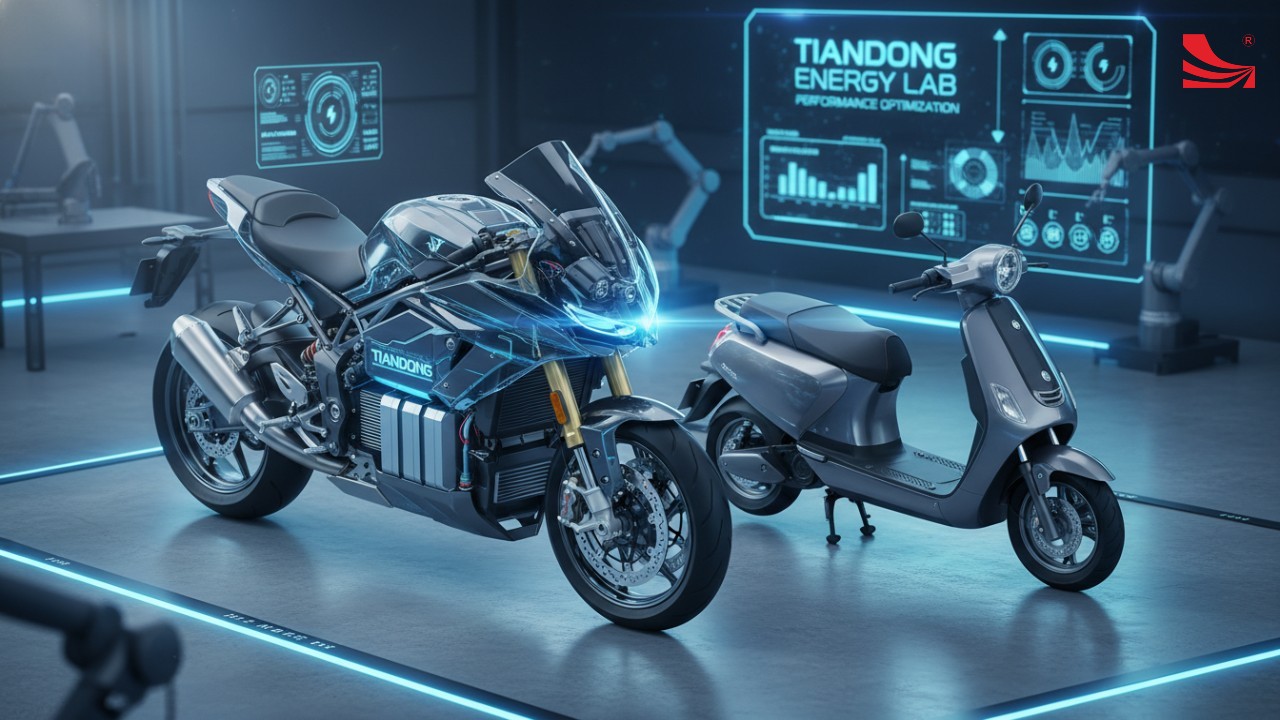
Comprehensive battery solutions go beyond just choosing a battery type. They involve the entire process: designing the system, manufacturing the components, and integrating smart battery management systems (BMS) to ensure reliability and performance across various vehicle types.
These solutions are all about versatility, safety, and efficiency. Whether you’re powering an urban e-scooter or a high-performance electric motorcycle, a comprehensive solution ensures that the battery lasts longer, performs better, and meets international standards.
-
Key Components of Comprehensive Battery Solutions:
- End-to-End Design: Designing battery size, voltage, and capacity tailored to vehicle needs.
- Chemistry Selection: Choosing the right battery type (lead-acid or lithium) based on the target market and environmental factors.
- Intelligent Integration: Adding smart systems to track battery health and optimize performance.
2026 Key Takeaways: The Evolution of EV and Motorcycle Batteries
In 2026, the battery market for motorcycles and EVs is split between two primary approaches: lithium-ion for premium electric vehicles and high-energy lead-acid for mass-market, cost-effective motorcycles. Here’s a breakdown of key trends shaping the industry:
- Hybrid Market Demands: Premium EVs are now powered by lithium-ion chemistries, but high-energy lead-acid batteries still power cost-effective fleets.
- The Importance of In-House Production: Manufacturers are focusing on in-house production of key components like electrode plates, ensuring better quality control and cost-efficiency.
- Scalable Partnerships: For companies aiming to expand quickly, forming scalable OEM and ODM partnerships is becoming a crucial strategy.
Comparing Top Battery Chemistries: From High-Energy Lead-Acid to Modern Lithium
When selecting a battery, it’s essential to understand the pros and cons of different chemistries. Here’s how High-Energy Lead-Acid Batteries compare to Lithium-Ion Batteries:
| Feature | High-Energy Lead-Acid | Lithium-Ion (NMC) | Lithium Iron Phosphate (LiFePO4) |
|---|---|---|---|
| Energy Density | Moderate | Very High | High |
| Cost-Effectiveness | Excellent (Ideal for Mass Market) | Premium | Moderate to Premium |
| Cycle Life | 300 - 500 charge cycles | 1,000 - 2,000 charge cycles | 2,000 - 5,000+ charge cycles |
| Safety / Stability | Extremely Stable in extreme weather | Requires advanced thermal management | Highly Stable, resists thermal runaway |
| Recyclability | ~100% Recyclable (Mature infrastructure) | Complex recycling process | Complex recycling process |
| Best Application | Traditional Motorcycles, Urban E-Bikes | High-Performance EVs | Fleet EVs, Premium Motorcycles |
As you can see, lithium-ion batteries offer superior performance but come at a higher cost, while high-energy lead-acid remains a reliable and affordable option for motorcycles. Lithium Iron Phosphate (LiFePO4) offers a balance between cost and performance, especially suited for fleet applications.
In addition to these two widely used options, there are other chemistries such as LiFePO4 (Lithium Iron Phosphate) which are increasingly popular in fleet and urban vehicle applications. Understanding your target market and vehicle performance needs helps you choose the ideal battery solution.
The Critical Role of Advanced EV Battery Management Systems (BMS)
Modern electric vehicles and motorcycles rely heavily on Battery Management Systems (BMS) to ensure everything works safely and efficiently. A BMS is a smart system that manages voltage, balances cells, and prevents overheating, extending the battery’s life.
Here’s why BMS is crucial:
- Safety Regulation: Continuously monitors the temperature of each cell to prevent overheating or thermal runaway.
- Real-Time Data Monitoring: Provides continuous feedback to predict potential issues before they cause failures.
- Smart Active Equalization: Ensures that battery cells degrade evenly, improving longevity.
Without a proper BMS, the battery can become unreliable or even dangerous. It’s essential for manufacturers to integrate this technology for long-term success.
Choosing the Most Cost-Effective Battery Solutions
When choosing the most cost-effective battery solution, it's important to factor in both the initial cost and the long-term operational costs.
While lithium-ion batteries offer superior energy density and longevity, they come at a premium price. For businesses focused on cost-effective solutions, high-energy lead-acid batteries are a reliable and affordable option.
In addition, understanding the long-term investment is crucial. While lead-acid batteries are more affordable upfront, lithium-ion batteries offer better performance over time, making them a solid investment for high-performance EVs and premium motorcycles.
When choosing cost-effective battery solutions, it is essential to consider both initial investment and long-term operating costs. While lithium-ion batteries offer superior energy density and longevity, they come at a premium price. On the other hand, high-energy lead-acid batteries are much more affordable initially, making them a solid choice for businesses seeking to optimize costs without sacrificing performance in mass-market applications.
Extending Battery Lifespan through Proper Maintenance
To maximize the lifespan of your battery, regular maintenance and monitoring are key. Modern Battery Management Systems (BMS) provide real-time monitoring and smart equalization to ensure all cells perform consistently, extending battery life.
In addition to these systems, maintaining an optimal temperature range and avoiding overcharging can drastically improve battery longevity. For electric vehicles and motorcycles operating in extreme climates, ensuring proper temperature management and consistent check-ups is essential to avoid premature wear and tear.
To extend battery lifespan, regular maintenance and monitoring are crucial. Using advanced Battery Management Systems (BMS) helps to track and balance cell performance in real time. Additionally, keeping batteries in optimal temperature ranges, avoiding overcharging, and performing periodic checkups are all essential practices for maximizing battery life.
The Advantages of Working with an Experienced Battery Manufacturer
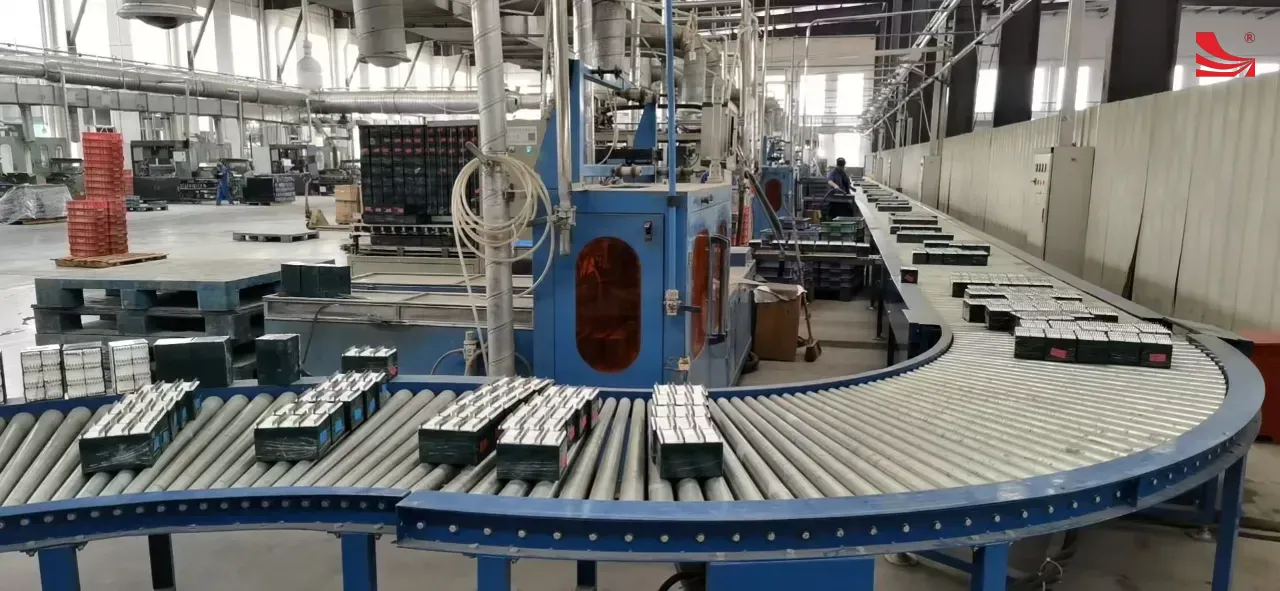
In-house manufacturing of key components, like electrode plates, guarantees high-quality control and efficient production.
Working with an experienced manufacturer ensures that every aspect of the battery, from grid casting to assembly, meets strict quality standards, reducing the risks of defects and ensuring reliable performance.
Working with an experienced battery manufacturer offers numerous advantages, including superior quality control, faster delivery times, and the ability to customize solutions. Experienced manufacturers are better equipped to handle the complexities of global supply chains, ensuring that your batteries are delivered on time and meet all necessary standards.
Expert Tips: Common Mistakes When Sourcing Motorcycle OEM Battery Suppliers
When sourcing OEM battery suppliers for motorcycles, avoid these common mistakes:
- Relying on Assemblers: Always work directly with manufacturers who control every part of the production process, including electrode plate casting.
- Overlooking Certifications: Ensure your supplier has certifications like CE or RoHS to prevent shipping issues and customs delays.
- Settling for Generic Solutions: Customize your battery systems to fit your brand and market. Don’t just accept off-the-shelf products.
Choosing the right supplier can make all the difference in ensuring quality and consistency.
Conclusion

As the EV and motorcycle market continues to grow in 2026, choosing the right battery solution is more critical than ever. Whether you’re using lead-acid for cost-effective fleets or lithium-ion for high-performance EVs, the key to success is working with a reliable, in-house manufacturing partner. This partnership ensures quality control, cost-efficiency, and scalability.
The future is bright for those who choose the right chemistry, integrate smart battery systems, and partner with manufacturers who understand the complexities of modern mobility needs.
FAQs About Comprehensive Battery Solutions for Motorcycle and Electric Vehicle Applications
What is the average lifespan of an electric motorcycle battery?
Depending on the chemistry, lithium-ion batteries typically last 3 to 5 years or 2,000 to 5,000 charge cycles. High-quality lead-acid batteries, maintained properly, can reliably serve for 1.5 to 3 years. Lifespan is heavily influenced by charging habits, climate, and the efficiency of the Battery Management System (BMS).
How does a Battery Management System (BMS) improve EV safety?
A BMS continuously monitors the voltage and temperature of individual battery cells. It prevents overcharging, deep discharging, and thermal runaway by actively balancing the load. Advanced systems can cut off power during short circuits to protect the vehicle and rider.
What are the benefits of lead-acid batteries for motorcycles?
Lead-acid batteries are highly cost-effective, making them ideal for standard and mass-market motorcycles. They offer excellent reliability in extreme weather conditions and are capable of delivering high surge currents for starting engines. They are virtually 100% recyclable, presenting a mature and environmentally stable lifecycle.
How do I choose the right custom battery pack manufacturer?
Look for a manufacturer with full in-house production capabilities, such as Pingxiang Tiandong, which produces its own electrode plates. Verify their production capacity and years of experience to ensure they can scale with your needs. Check for international certifications like CE, RoHS, and MSDS to guarantee quality and export readiness.
Are solid-state batteries available for motorcycles yet?
While solid-state technology is emerging and offers higher energy density and safety, it is mostly in the prototype and premium niche stages for 2026. Mainstream consumer and fleet motorcycles continue to rely on optimized lithium-ion and high-energy lead-acid batteries for cost-effective reliability.
What certifications are required for exporting motorcycle batteries?
Common required certifications include CE for the European market and RoHS for restricting hazardous substances. MSDS (Material Safety Data Sheet) and UN38.3 testing are mandatory for the safe international shipping of battery packs.
How long does it take to charge a modern electric motorcycle?
Standard Level 1 charging typically takes 4 to 8 hours for a full charge. Level 2 public chargers can reduce this to 1 to 3 hours. Emerging extreme fast-charging (XFC) technologies aim to deliver an 80% charge in under 30 minutes, though this requires specialized hardware.
Can I get a customized OEM battery for my electric vehicle brand?
Yes, leading manufacturers like TIANDONG specialize in extensive OEM and ODM services. This includes custom branding, specialized packaging, unique voltage configurations, and exact physical dimensions to fit custom vehicle frames. Partnering with a primary manufacturer ensures these customizations are cost-effective at scale.
Looking for a Trusted Motorcycle Battery Supplier? Here’s What You Need to Know

Bulk Motorcycle Batteries Direct from Factory – Save Costs, Boost Profit
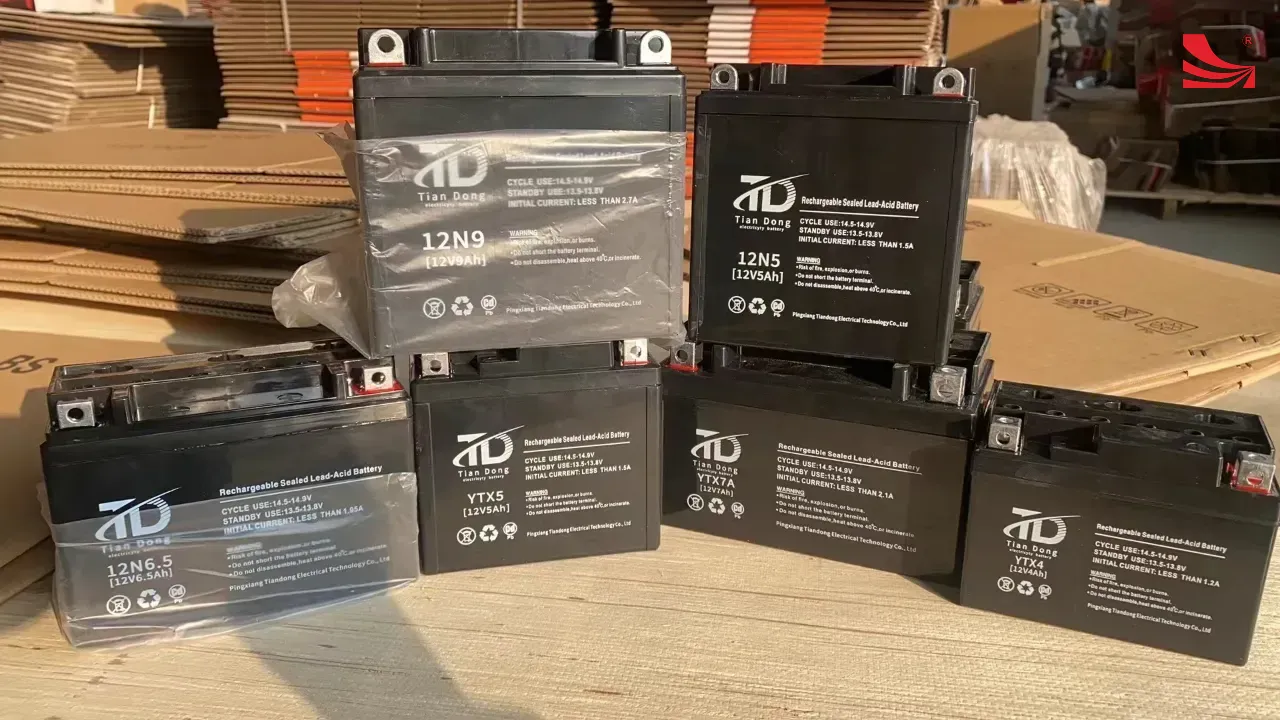
High Performance Motorcycle Batteries for Global Markets

Tiandong Electric Appliance Showcases High-Performance Motorcycle Batteries at Guangzhou Expo

What kind of battery is best for a motorcycle?

The Ultimate Guide to Electric Scooter Batteries: Performance, Longevity, and Future Innovations (2026 & Beyond)
Support
What is Tiandong’s production capacity?
The company produces approximately 6 million batteries per year, supported by 15,000 tons of electrode plate production capacity.
Shipping
How long does delivery take?
For stock items, delivery takes about 7-15 days after receiving the deposit. For bulk orders or custom logo orders, it usually takes 25-35 days depending on the quantity.
Product
How long is the delivery time?
- Sample: 7–15 days
- Bulk orders: 20–35 days
What brands of raw materials do you use?
We use high-quality materials to ensure performance. we use 99.99% pure lead , ensure long life and high Cold Cranking Amps (CCA).
What is the typical lifespan of your batteries?
Depending on the model and usage conditions, our batteries typically last between 2 to 4 years under normal operation.
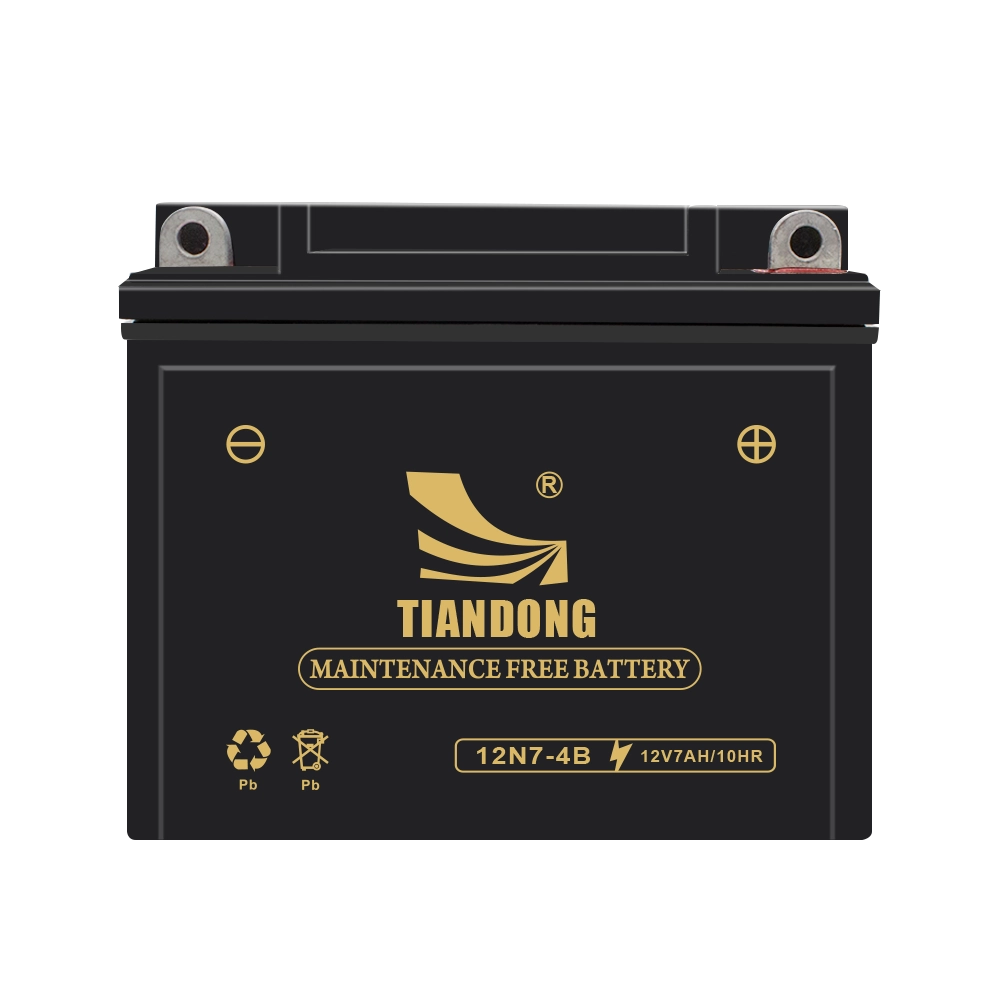
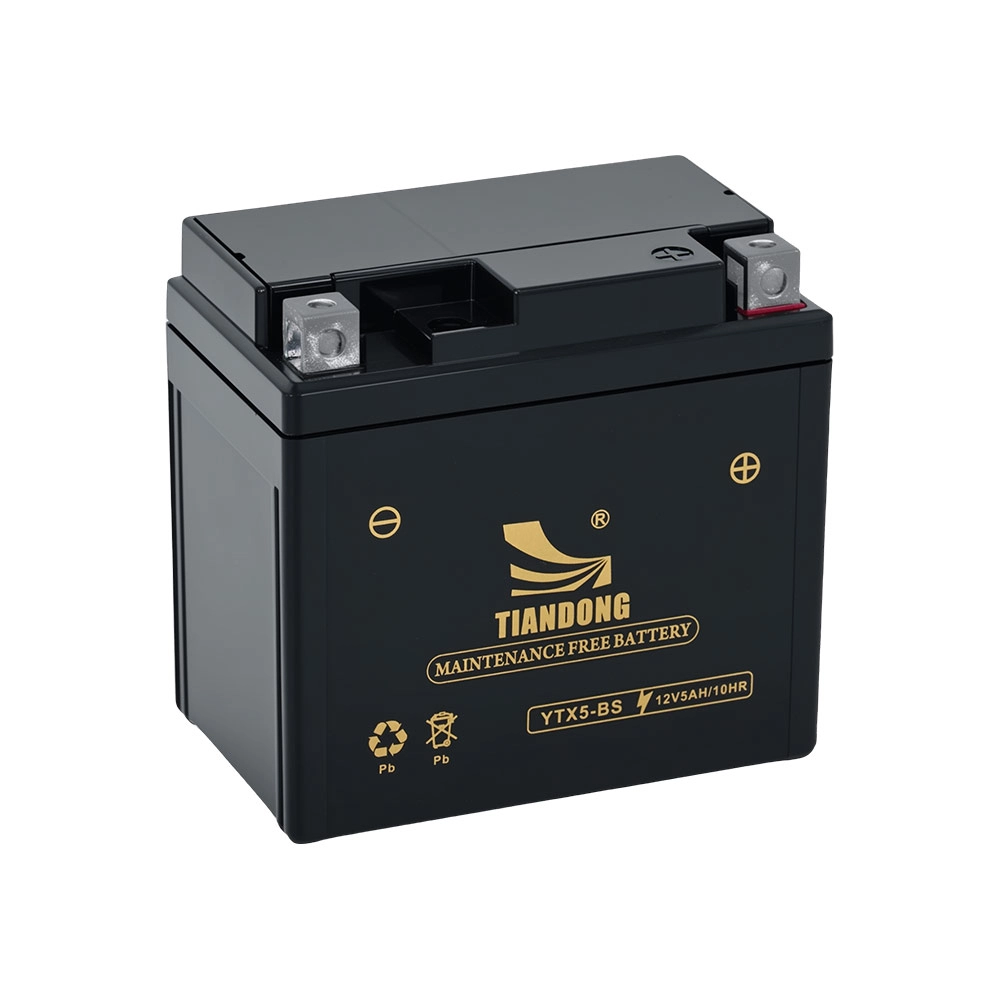
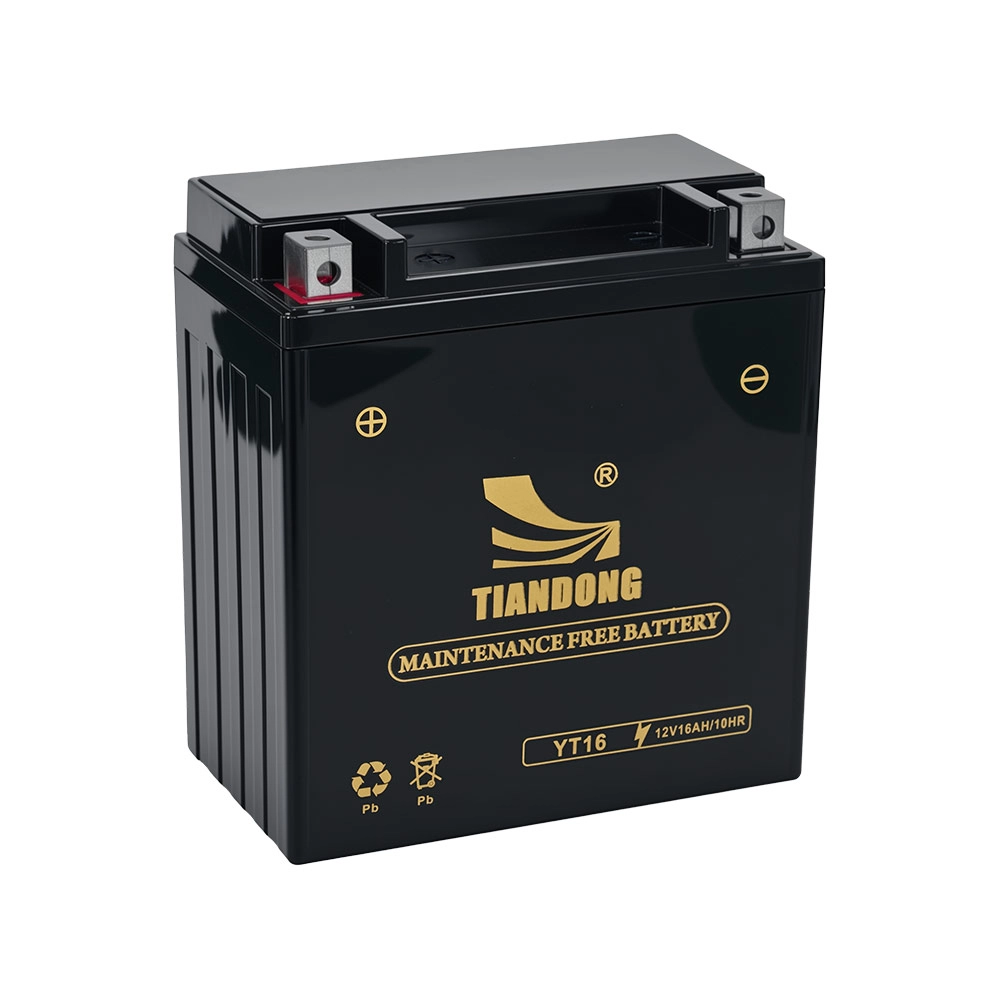
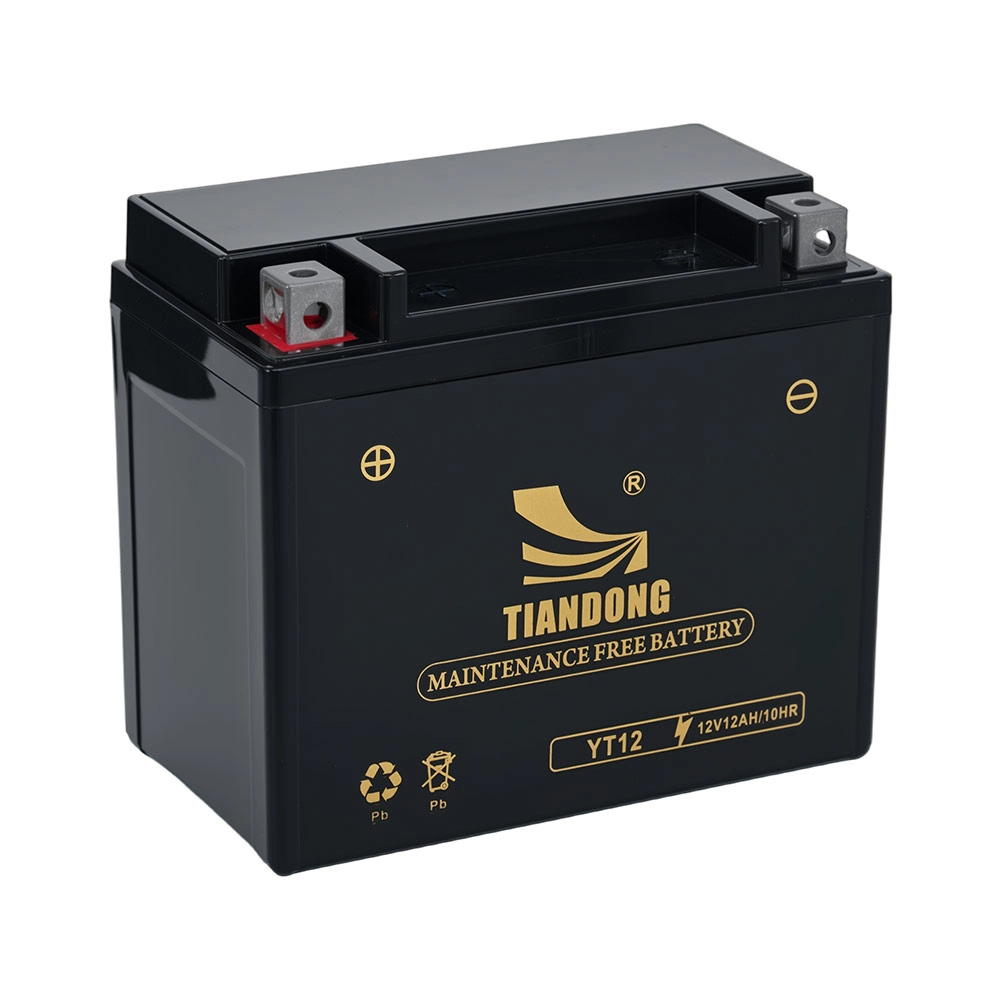
Get in touch with us to get your Motorbike Battery solution
TIANDONG is a leading motorcycle battery manufacturer offering OEM/ODM service, stable quality, and global export support.
Built for wholesalers. Trusted by global buyers. Delivered with confidence.
Say Hello
E-mail: daisybattery8@gmail.com
xianyingchen83@gmail. com
WhatsAPP: +86 134 283 86694
+86 134 348 86641
Our Location
Social Links
© 2025 TIANDONG. All Rights Reserved. Privacy Policy | Terms and Conditions | Sitemap
 Scan QR Code
Facebook
Instagram
Scan QR Code
Whatsapp: +8613434886641