






A Complete Guide to Different Battery Types and Their Applications (2026 Edition)
- What Are the Different Types of Batteries?
- Primary (Non-Rechargeable) Batteries
- Secondary (Rechargeable) Batteries
- Choosing the Right Battery for Your Application
- Energy Requirements
- Application Matching
- Cost Efficiency
- Battery Applications in Different Industries
- Electric Vehicles and Motorcycles
- Solar Energy Storage
- Backup Power Systems
- Expert Tips and Common Mistakes When Choosing a Battery
- Battery Chemistry Comparison: Lead-Acid vs. Lithium-Ion
- Conclusion
- FAQs About A Complete Guide to Different Battery Types and Their Applications
- What is the primary difference between primary and secondary batteries?
- Which battery type is best for motorcycles and electric vehicles?
- How long do lead-acid batteries typically last?
- What does battery capacity (Ah) mean?
- Can I replace a lead-acid battery with a lithium-ion one?
- What are the most common applications for lithium-ion batteries?
- Are solid-state batteries available for consumers now?
- How should I safely dispose of or recycle old batteries?
In 2026, battery technology has become more critical than ever before, especially in the fields of electric vehicles (EVs), motorcycles, and renewable energy systems. Whether you are designing an electric motorcycle, installing a solar energy storage system, or creating high-performance EVs, understanding the different types of batteries and their applications is essential for success.
In this guide, we will explore the most common types of batteries used across various industries and break down their applications, pros, cons, and what to look for when selecting a battery for your next project.
What Are the Different Types of Batteries?
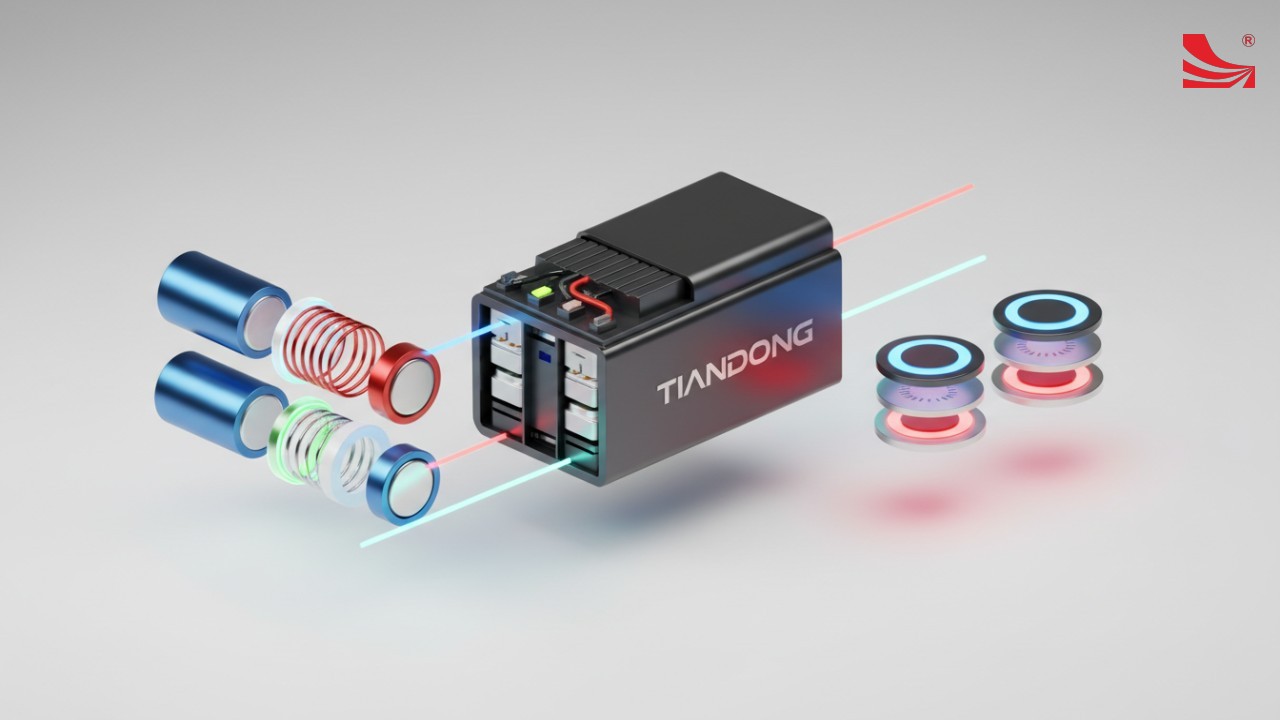
Batteries are categorized based on their chemistry and intended use. These categories generally fall into two types: primary (non-rechargeable) and secondary (rechargeable) batteries. Understanding these types is the first step in making an informed choice for your specific application.
Primary (Non-Rechargeable) Batteries
These batteries are designed for single-use applications. Once the chemical reactants are depleted, they can no longer be used, making them ideal for low-drain devices.
- Alkaline: Common in household devices like remote controls, flashlights, and clocks. Alkaline batteries offer long shelf life and affordable pricing, but they are best suited for low-power applications.
- Zinc-Carbon: These batteries are a cost-effective alternative to alkaline for low-drain applications like toys and simple gadgets.
- Silver-Oxide and Coin Cells: Used in devices like hearing aids, calculators, and watches, these compact batteries are known for their reliability and long-lasting power in small electronics.
Secondary (Rechargeable) Batteries
Secondary batteries are rechargeable, meaning they can be discharged and recharged multiple times, making them the preferred choice for high-drain and industrial applications.
- Lithium-Ion (Li-ion): Li-ion batteries are the standard in electric vehicles and portable electronics due to their high energy density and lightweight design. These batteries are best for applications where long-lasting power and fast charging are needed, such as electric motorcycles, smartphones, and electric vehicles.
- Nickel-Metal Hydride (Ni-MH): These are commonly used in hybrid vehicles and cameras. They offer a safer, environmentally friendly alternative to older Nickel-Cadmium (Ni-Cd) technology.
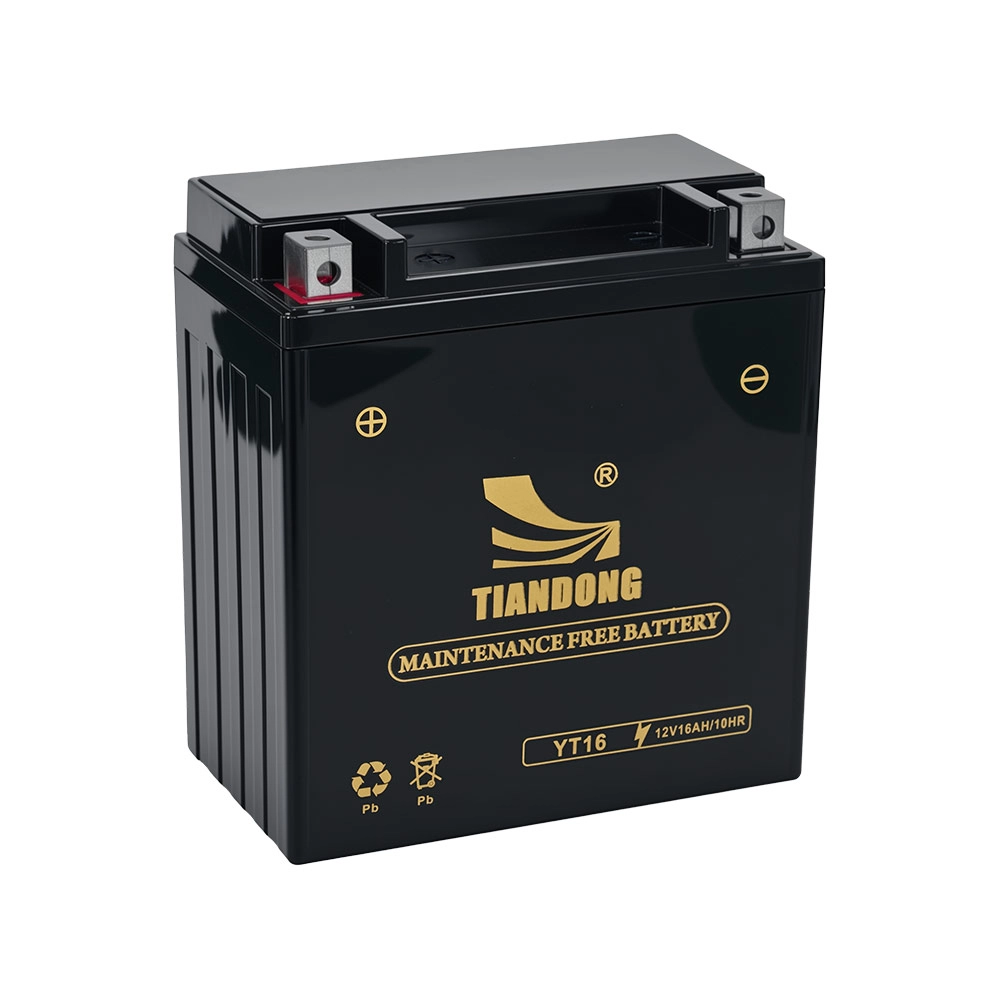
- Lead-Acid: Lead-acid batteries are widely used in motorcycles, solar power storage, and UPS systems. They offer reliable, cost-effective power, though they are heavier and have a shorter cycle life than newer technologies.
Choosing the Right Battery for Your Application
When selecting a battery, several factors come into play. These include energy requirements, application type, cost, and maintenance needs. Understanding these factors can help you make the best decision for your specific use case.
Energy Requirements
- For high-performance EVs and electric motorcycles, lithium-ion batteries are the best option due to their high energy density and longer lifespan.
- For mass-market motorcycles or backup systems, high-energy lead-acid batteries offer the best balance of cost-effectiveness and reliability.
Application Matching
- Lithium-ion batteries are best suited for applications where lightweight and fast charging are essential, such as in electric vehicles and drones.
- Lead-acid batteries are ideal for applications where weight is not a concern, and the primary need is for low-cost, reliable power, such as in motorcycles, solar grids, and off-grid applications.
Cost Efficiency
- Lead-acid batteries are significantly cheaper upfront but offer shorter cycle life compared to lithium-ion. For cost-conscious applications where battery replacement isn’t a major concern, lead-acid is a solid choice.
- Lithium-ion batteries are more expensive initially but are more cost-effective in the long run due to their extended lifespan and better performance.
Battery Applications in Different Industries
Electric Vehicles and Motorcycles
The future of mobility relies heavily on the performance of batteries. Lithium-ion batteries are preferred in high-end EVs and motorcycles for their high energy density, while lead-acid batteries remain popular in affordable models due to their cost efficiency.
Solar Energy Storage
Lead-acid batteries are commonly used in solar battery banks because they are affordable and reliable, although lithium-based batteries are becoming more common as prices fall.
Backup Power Systems
For backup power, especially in UPS (Uninterruptible Power Supply) systems, lead-acid batteries continue to dominate, providing a dependable power source during outages.
Expert Tips and Common Mistakes When Choosing a Battery
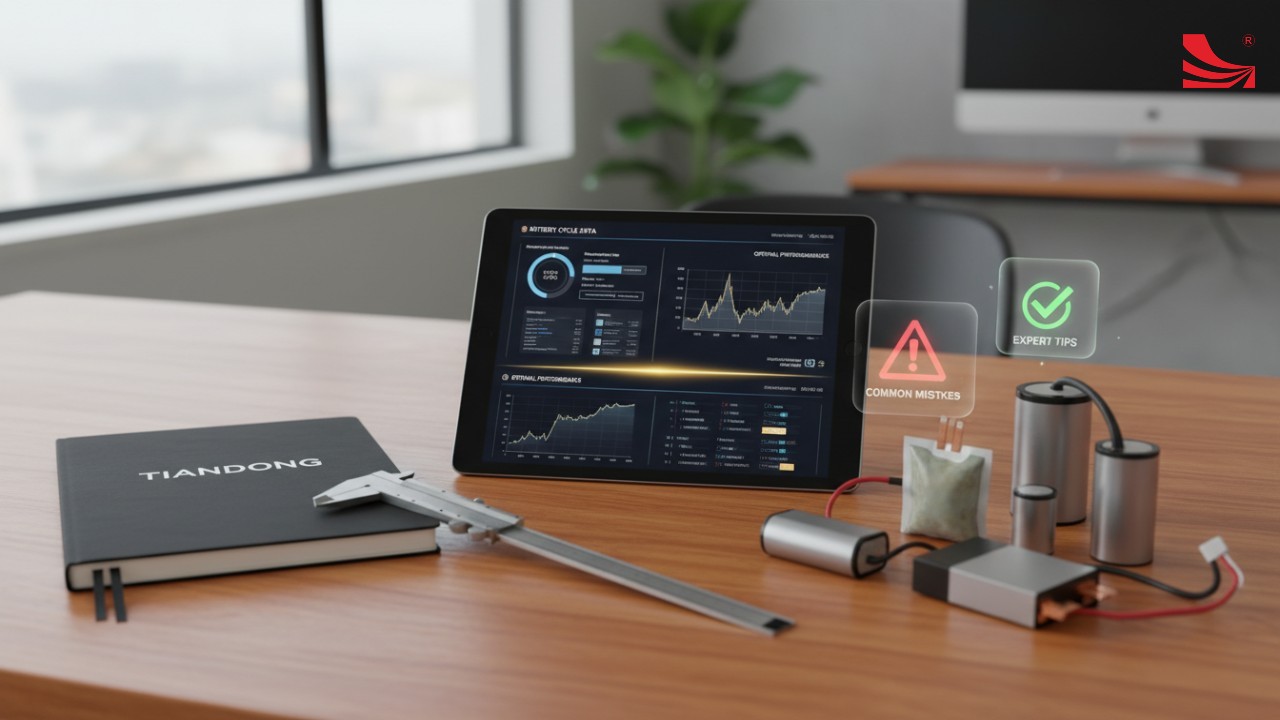
The most common mistake when selecting a battery is ignoring the Ampere-hour (Ah) rating and operating temperature range, leading to underpowered devices and shortened lifespans. Always consult manufacturer specifications to ensure complete compatibility with your specific charging systems and motor requirements.
To maximize your investment and ensure safety, keep these expert guidelines in mind:
- Common Mistake - Mixing Chemistries: Never mix old and new batteries, or combine different chemistries (like alkaline and Ni-MH) in a single device. This often causes chemical leakage or rapid, uneven discharge.
- Expert Tip - Verify Temperature Tolerances: Always verify the battery's operating temperature range. Extreme heat can cause thermal runaway, while freezing cold can drastically reduce a battery's performance and overall lifespan.
- Common Mistake - Ignoring Capacity: Overlooking the Ah rating will lead to significantly shortened runtimes. Always match the capacity to the load requirements of your device.
- Expert Tip - System Compatibility: For industrial and automotive applications, strictly follow the manufacturer's spec sheet. A mismatch between the battery and the vehicle's alternator or charging profile will lead to premature failure.
Battery Chemistry Comparison: Lead-Acid vs. Lithium-Ion
Comparing lead-acid vs lithium-ion batteries reveals distinct advantages in cost, weight, and cycle life for various applications. While lead-acid offers unmatched affordability and high surge currents for automotive needs, lithium-ion provides superior energy density and longer lifespans for modern portable electronics.
To help you visualize the differences between the two most dominant secondary battery types on the market, review the comparison table below:
| Feature / Metric | Lead-Acid Batteries | Lithium-Ion Batteries |
|---|---|---|
| Energy Density | Low (Heavier and bulkier) | High (Lightweight and compact) |
| Upfront Cost | Highly affordable | Expensive |
| Cycle Life | 300 - 500 cycles (Standard) | 1,000 - 3,000+ cycles |
| Charging Speed | Slow (Requires specific phases) | Fast (Accepts high charging currents) |
| Primary Use Cases | Motorcycles, standard car SLI, UPS, solar backups | EVs, smartphones, laptops, drones |
| Recyclability | ~99% (Highly established closed-loop) | Improving, but currently complex and costly |
Conclusion
Understanding battery types and their applications is key to ensuring you get the best performance, reliability, and cost-effectiveness from your power source. Whether you’re powering a motorcycle, an electric vehicle, or a solar grid, choosing the right battery for your needs can make a world of difference.
If you're looking for further insights into the latest advancements in battery technologies or how to choose the best power source for your application, don't miss our detailed guide on The Ultimate Guide to Comprehensive Battery Solutions for Motorcycles and EVs [2026 Edition]. Learn about emerging battery chemistries, compare the pros and cons of each battery type, and find the most cost-effective solutions for your specific needs.
FAQs About A Complete Guide to Different Battery Types and Their Applications
What is the primary difference between primary and secondary batteries?
Primary batteries are designed for single-use applications and cannot be recharged once depleted. Secondary batteries are rechargeable, allowing them to be used repeatedly over hundreds or thousands of charge cycles.
Which battery type is best for motorcycles and electric vehicles?
Lead-acid batteries are highly popular for motorcycles due to their durability, high surge current, and cost-effectiveness. For modern EVs, advanced Lithium-ion or specialized high-capacity lead-acid batteries are used depending on the vehicle's specific power and range requirements.
How long do lead-acid batteries typically last?
A standard lead-acid battery typically lasts between 3 to 5 years, depending on usage, maintenance, and operating environment. Proper charging practices and avoiding deep discharges can significantly extend their lifespan.
What does battery capacity (Ah) mean?
Ah stands for Ampere-hour, which is a unit of measurement that indicates the amount of energy charge a battery can hold and deliver over one hour. A higher Ah rating means the battery can power a device for a longer period before needing a recharge.
Can I replace a lead-acid battery with a lithium-ion one?
Yes, it is often possible, but it requires careful consideration of voltage compatibility and charging systems. Lithium batteries require different charging profiles, so you must ensure your device or vehicle's alternator/charger is compatible.
What are the most common applications for lithium-ion batteries?
Lithium-ion batteries are predominantly used in portable consumer electronics like smartphones and laptops. They are also heavily utilized in electric vehicles, power tools, and modern residential solar energy storage systems.
Are solid-state batteries available for consumers now?
While solid-state batteries are in active development and some niche products exist, they are not yet widely available for mainstream consumer electronics or vehicles. They are expected to see broader commercial rollout in the automotive sector moving toward 2026 and beyond.
How should I safely dispose of or recycle old batteries?
Batteries should never be thrown in standard household trash due to toxic chemicals and fire risks. They should be taken to designated e-waste recycling centers or dropped off at retailer recycling bins that handle specific battery chemistries.

The Ultimate Guide to Comprehensive Battery Solutions for Motorcycles and EVs [2026 Edition]
Looking for a Trusted Motorcycle Battery Supplier? Here’s What You Need to Know

Bulk Motorcycle Batteries Direct from Factory – Save Costs, Boost Profit
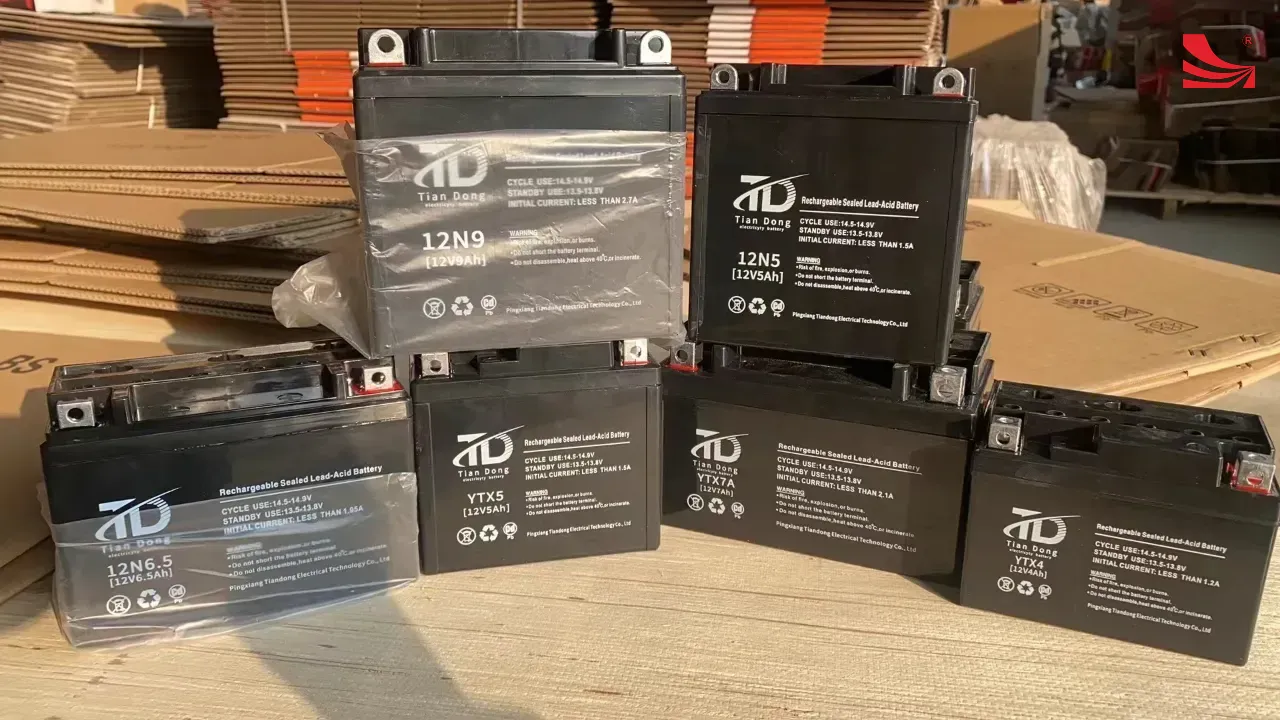
High Performance Motorcycle Batteries for Global Markets

Tiandong Electric Appliance Showcases High-Performance Motorcycle Batteries at Guangzhou Expo

What kind of battery is best for a motorcycle?
customer
Why import motorcycle batteries from China factories?
Chinese manufacturers offer:
- Competitive pricing
- Large production capacity
- OEM customization
- Stable export experience
Product
Why does my motorcycle battery keep dying?
Common causes include:
-
Faulty charging system
-
Parasitic drain
-
Old battery
-
Improper storage
Are you a trading company or a manufacturer?
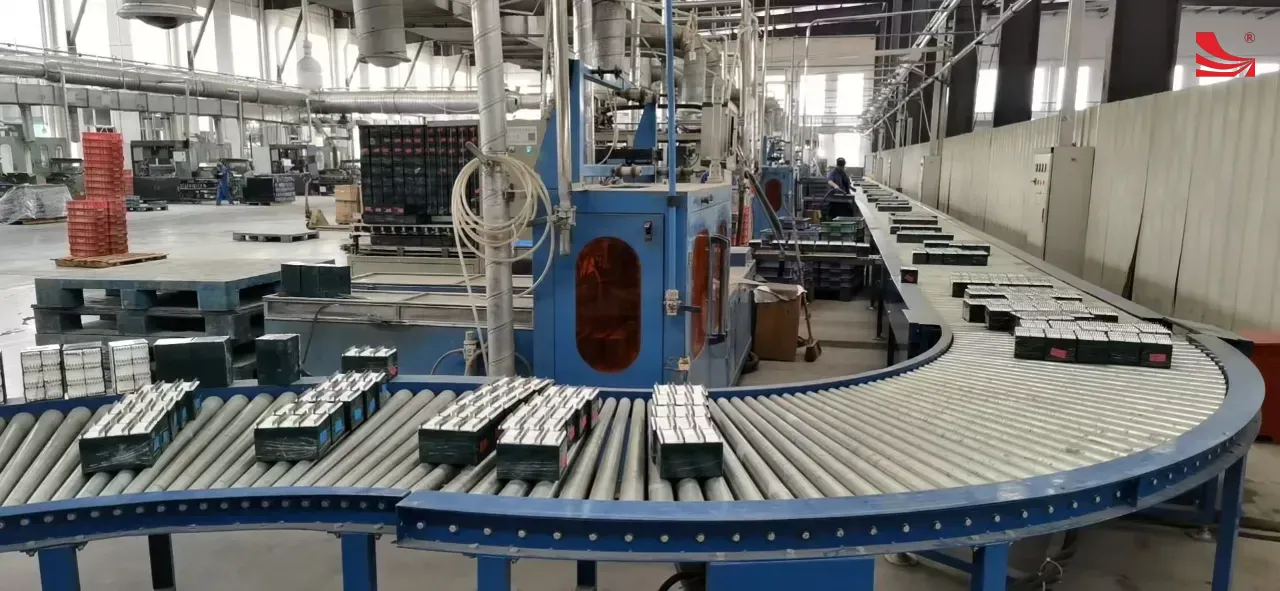
We are a direct factory located inJiangxi Province, China. You are welcome to visit our production line and quality control lab. We specialize in lead-acid batteries for motorcycles and have been in this industry for 20 years.
Do you offer OEM or custom branding?
Yes, we provide full OEM and ODM services, including logo printing, packaging customization, and model adjustments.
Shipping
How long does delivery take?
For stock items, delivery takes about 7-15 days after receiving the deposit. For bulk orders or custom logo orders, it usually takes 25-35 days depending on the quantity.
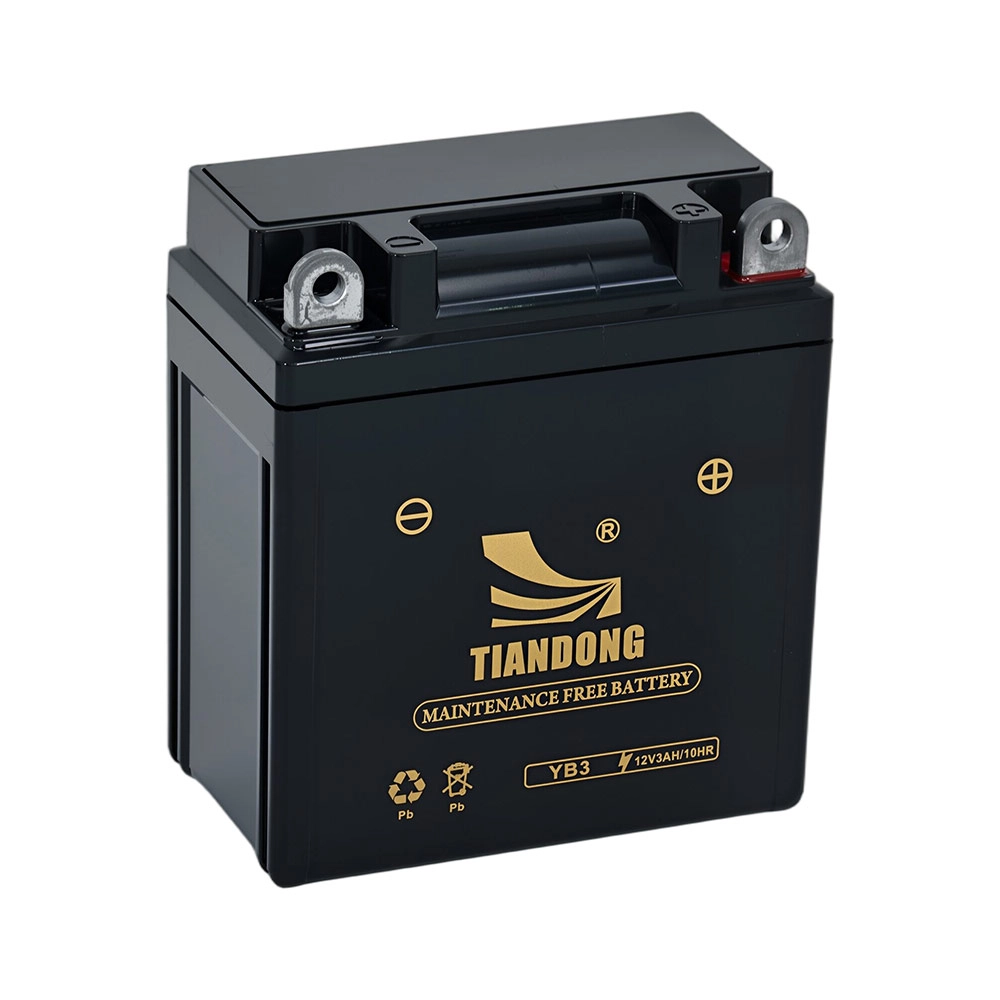
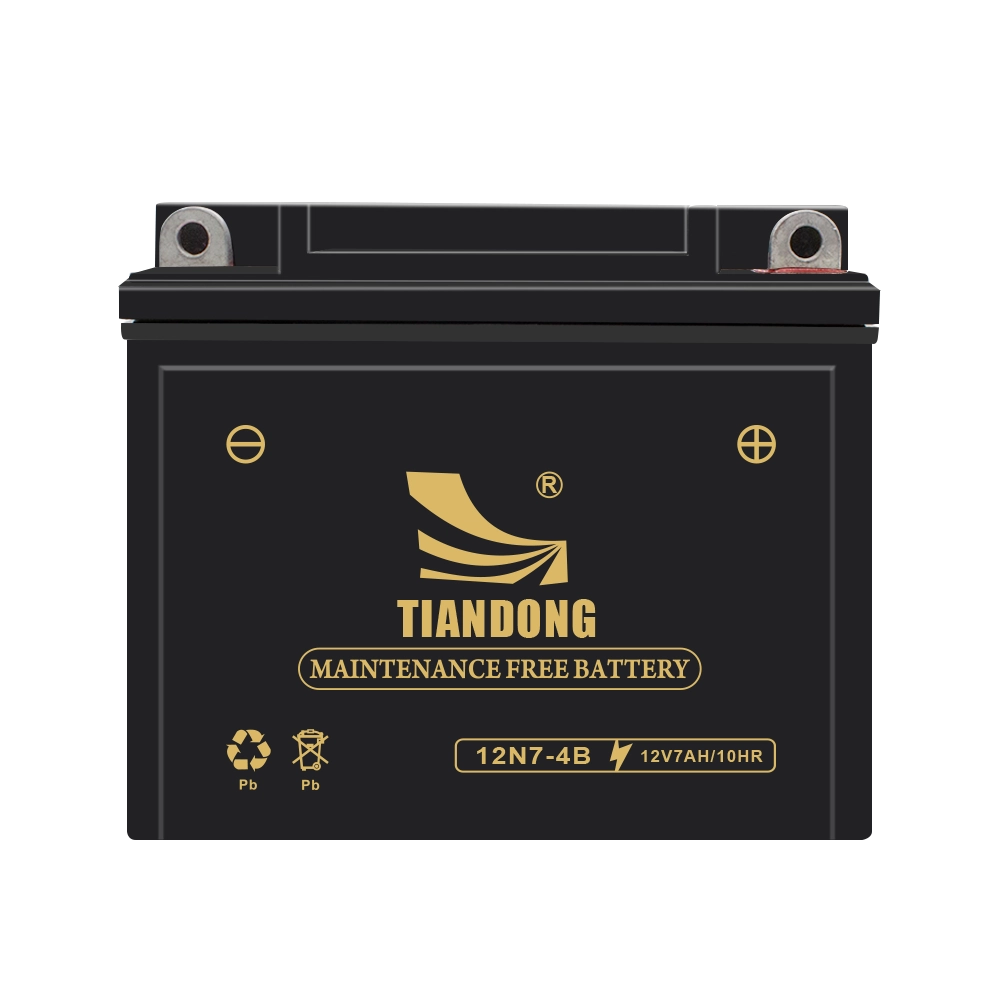
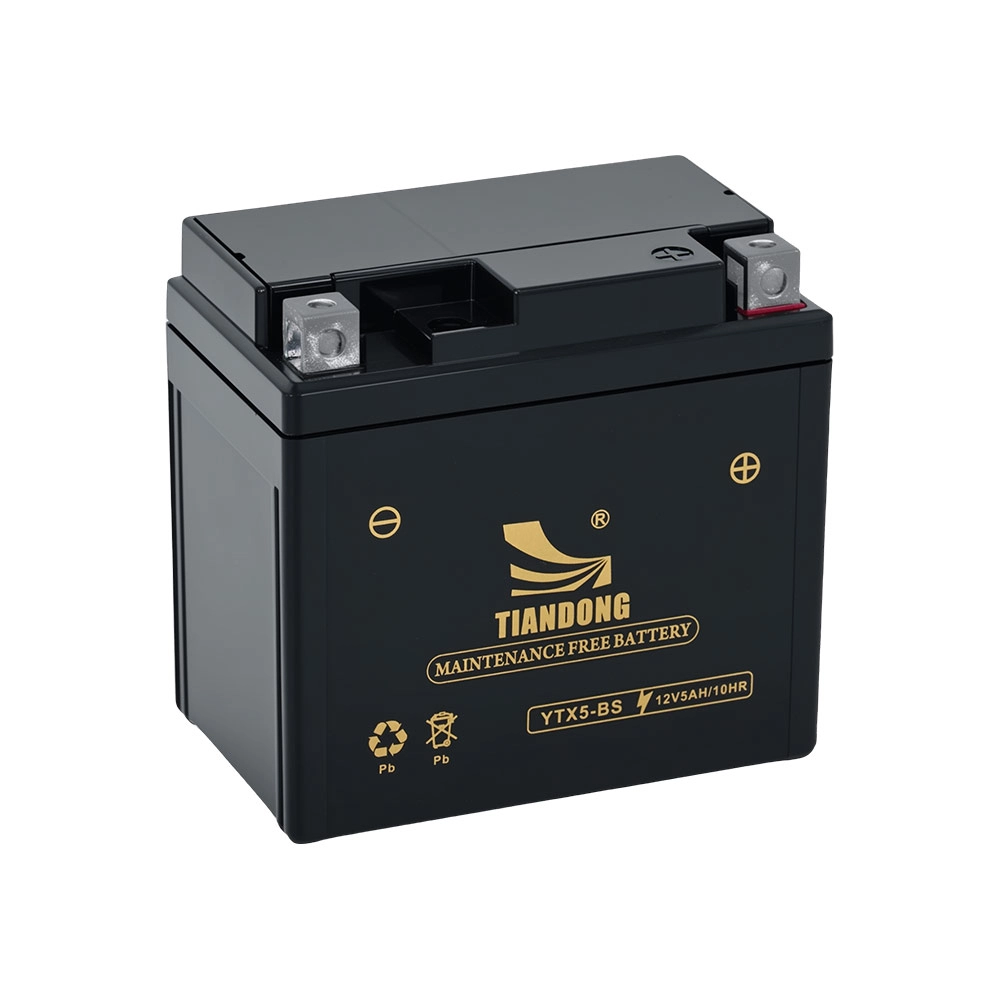
Get in touch with us to get your Motorbike Battery solution
TIANDONG is a leading motorcycle battery manufacturer offering OEM/ODM service, stable quality, and global export support.
Built for wholesalers. Trusted by global buyers. Delivered with confidence.
Say Hello
E-mail: daisybattery8@gmail.com
xianyingchen83@gmail. com
WhatsAPP: +86 134 283 86694
+86 134 348 86641
Our Location
Social Links
© 2025 TIANDONG. All Rights Reserved. Privacy Policy | Terms and Conditions | Sitemap
 Scan QR Code
Facebook
Instagram
Scan QR Code
Whatsapp: +8613434886641