






The Ultimate 2026 Guide to Motorcycle Battery Types: Choose, Maintain, and Upgrade for Peak Performance
- Key Takeaways: Essential Facts About Motorcycle Batteries
- Introduction: What Are Motorcycle Battery Types?
- I. Decoding Lead-Acid Motorcycle Batteries (The Traditional Choice)
- What are Flooded (Wet Cell) Batteries?
- What are AGM (Absorbed Glass Mat) Batteries?
- What are Gel Cell Batteries?
- II. The Rise of Lithium Motorcycle Batteries (High-Performance Solutions)
- What are Lithium Iron Phosphate (LiFePO4) Batteries?
- III. Comparing Motorcycle Battery Types: Pros, Cons, and Applications
- IV. How to Choose the Best Motorcycle Battery for Your Ride (Selection Criteria)
- Matching Battery Type to Motorcycle Needs
- Understanding Key Battery Specifications
- Choosing a Reputable Manufacturer for Quality & Reliability
- V. Essential Motorcycle Battery Maintenance and Longevity Tips
- Routine Inspection and Cleaning
- Proper Charging Techniques
- Winter Storage Guidelines
- When to Replace Your Battery
- Conclusion: Powering Your Journey with the Right Battery
- Frequently Asked Questions (FAQ)
- What is the best type of battery for a motorcycle?
- How often should I replace my motorcycle battery?
- Can I use an automotive battery in my motorcycle?
- What does CCA mean for motorcycle batteries?
- How do I properly charge a motorcycle battery?
- Are lithium motorcycle batteries worth the extra cost?
- What's the difference between AGM and Gel motorcycle batteries?
- How do I know what type of battery my motorcycle has?
Key Takeaways: Essential Facts About Motorcycle Batteries
- Primary Categories: Motorcycle batteries primarily fall into two main categories: Lead-Acid (Flooded, AGM, Gel) and Lithium (LiFePO4).
- Traditional Options: Flooded (Wet Cell) batteries are the most traditional and affordable but require regular maintenance and are prone to spills.
- Balanced Choice: AGM (Absorbed Glass Mat) batteries are sealed, maintenance-free, vibration-resistant, and represent a popular balance of performance and cost.
- Specialized Lead-Acid: Gel Cell batteries are sealed and spill-proof but are sensitive to overcharging and are becoming less common in modern motorcycles.
- High-Performance: Lithium Iron Phosphate (LiFePO4) batteries offer superior performance, being lightweight, long-lasting (up to 10 years), and quick-charging, though they come with a higher upfront cost.
- Decision Factors: Choosing the right battery depends on your motorcycle's requirements, riding style, budget, and desired maintenance level.
- Critical Specs: Key specifications like CCA (Cold Cranking Amps) and Ah (Amp-Hours) are critical for proper selection.
-
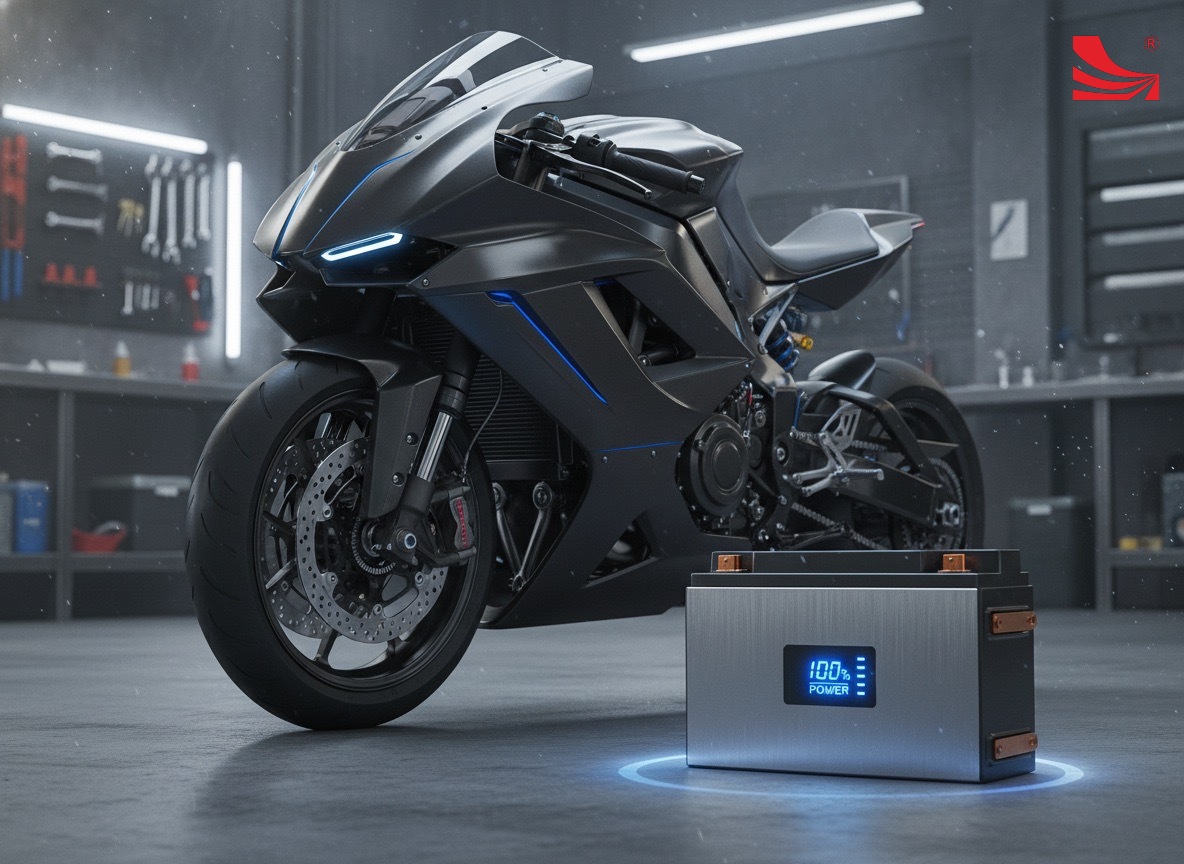
Introduction: What Are Motorcycle Battery Types?
Motorcycle batteries are the heart of your bike's electrical system, categorized mainly into Wet Cell (Lead-Acid), Dry Cell (AGM/Maintenance-Free), and Gel types, with Lithium technologies rapidly gaining market share.
Understanding the different types of motorcycle batteries is crucial for optimal performance, reliability, and the longevity of your bike. While the fundamental purpose of a battery is to store electrical energy via chemical interactions, the execution varies wildly between technologies. According to market data from SkyQuest, the global motorcycle battery market is projected to grow significantly, reaching an estimated USD 13.36 billion by 2033. This growth is driven not just by traditional lead-acid batteries, which remain popular due to affordability, but by a surging trend toward advanced technologies like lithium-ion.
Each battery type offers distinct advantages and disadvantages concerning cost, maintenance, weight, lifespan, and overall performance characteristics. Historically, lead-acid has been the standard. However, as Market Report Analytics notes, the increasing adoption of electric motorcycles is accelerating the shift toward newer chemistries. This guide will demystify these options, helping you make an informed decision for your specific riding needs, whether you are looking for a motorcycle battery comparison or simply the best motorcycle battery for your daily commute.
I. Decoding Lead-Acid Motorcycle Batteries (The Traditional Choice)
Lead-acid batteries utilize a reversible chemical reaction between lead plates and an electrolyte solution to create voltage, a technology that has proven reliable for over a century.
The lead-acid battery, invented in 1859 by French physicist Gaston Planté, holds the distinction of being the first rechargeable battery ever created. Despite having a lower energy density and being heavier compared to newer rechargeable battery technologies, lead-acid batteries are valued for their ability to deliver high surge currents. As noted by Wikipedia, this high surge capability is crucial for starting motor vehicles, known as SLI (Starting, Lighting, Ignition). Typically, modern SLI lead-acid batteries in motorcycles comprise six series-connected cells to produce a nominal 12-volt output.
What are Flooded (Wet Cell) Batteries?
Flooded batteries are the traditional lead-acid standard, featuring liquid electrolyte that requires periodic topping up with distilled water.
- Definition: Also known as conventional, standard, or conventional lead-acid (CLA) batteries, these feature liquid electrolyte and removable caps for maintenance.
- Mechanism: Lead plates are submerged in a liquid mixture of sulfuric acid and distilled water. According to Batco, these batteries are identifiable by a row of plastic stoppers on their top (typically six for a 12-volt battery) and often feature a translucent lower casing that allows visibility of the electrolyte levels.
- Pros: Most affordable upfront cost, widely available, and easy to test with a hydrometer.
- Cons: High maintenance is the primary drawback. They require routine checking and refilling of electrolyte levels with distilled water. Furthermore, they are prone to spills, emit hydrogen gas during charging (requiring ventilation), have a shorter lifespan, and are significantly heavier than newer alternatives.
- Ideal Application: Older motorcycles, vintage restorations, or riders on a strict budget who do not mind routine lead-acid motorcycle battery maintenance.
What are AGM (Absorbed Glass Mat) Batteries?
AGM batteries are a type of sealed lead-acid battery where the electrolyte is suspended in fiberglass mats, offering a maintenance-free and vibration-resistant solution.
- Definition: A type of Valve-Regulated Lead-Acid (VRLA) battery where the electrolyte is absorbed into fiberglass mats sandwiched between the plates.
- Mechanism: The absorbed electrolyte allows for efficient gas recombination, preventing water loss and eliminating the need for filler caps. Motorcycle Parts Warehouse highlights that this design prevents the acid from moving around inside the battery, which significantly improves reliability.
- Pros: They are completely maintenance-free (no water top-ups) and spill-proof, allowing them to be mounted at various angles. They offer superior vibration resistance, faster recharge times, and a lower self-discharge rate. Generally, an AGM battery offers 2-3 times longer lifespan than flooded batteries.
- Cons: They are more expensive than flooded batteries and are sensitive to overcharging, requiring a compatible smart charger to prevent damage.
- Ideal Application: Most modern motorcycles, off-road bikes, and riders seeking reliability and convenience without the premium cost of lithium. They are often considered the best motorcycle battery for general use.
What are Gel Cell Batteries?
Gel batteries utilize a silica-based agent to thicken the electrolyte into a gel, providing excellent deep-cycle capabilities and spill-proof safety.
- Definition: Another VRLA type, where the electrolyte is mixed with fumed silica to form a thick, putty-like gel.
- Mechanism: The gelled electrolyte reduces evaporation and spillage risks significantly. As described by Gem Battery, this thixotropic gel ensures the electrolyte is immobile, making the battery highly robust.
- Pros: Maintenance-free, completely spill-proof, and excellent for deep cycle applications (e.g., touring bikes with many accessories that draw power for long periods). They also boast good vibration resistance.
- Cons: They are more sensitive to overcharging than AGM and generally have a lower peak power output (CCA) compared to AGM batteries of the same size. They are typically more expensive than AGM and are less common in motorcycles from current manufacturers.
- Ideal Application: Specific applications requiring deep discharge capabilities or extreme vibration resistance, though they have largely been superseded by AGM or LiFePO4 in the starter battery market.
II. The Rise of Lithium Motorcycle Batteries (High-Performance Solutions)
Lithium batteries represent the cutting edge of motorcycle battery technology, offering significant weight reduction and lifespan improvements over lead-acid equivalents.
With the shift toward efficiency and performance, AGM vs Lithium motorcycle battery debates have become common. Lithium technology is rapidly becoming the upgrade of choice for performance enthusiasts.
What are Lithium Iron Phosphate (LiFePO4) Batteries?
LiFePO4 batteries are a specific type of lithium-ion chemistry designed for high safety, thermal stability, and exceptional cranking power.
- Definition: Utilizing Lithium Iron Phosphate (LiFePO4) chemistry, these are a stable and safe variant of lithium-ion batteries specifically designed for starting applications.
- Mechanism: It employs lithium iron phosphate as the cathode material. According to Power-Sonic, this chemistry offers high thermal and chemical stability, making it safer than the lithium-cobalt used in consumer electronics.
- Pros: They are extremely lightweight—up to 70% lighter than lead-acid equivalents. They boast an exceptionally long lifespan (up to 10 years or 2000+ charge cycles) and very fast charging capabilities. They have a very low self-discharge rate and provide superior cranking power. Most high-quality units come with integrated Battery Management Systems (BMS) for safety.
- Cons: The highest upfront cost of all types. They may require a specific lithium-compatible battery charger. There are potential cold-weather starting limitations in extreme conditions, though premium models now include built-in self-heating elements.
- Ideal Application: Performance-oriented riders, custom bikes, weight-conscious enthusiasts (track day riders), or anyone seeking the longest lifespan and best power-to-weight ratio. A LiFePO4 motorcycle battery is an investment in longevity.
III. Comparing Motorcycle Battery Types: Pros, Cons, and Applications
To help you visualize the differences, here is a quick overview comparing the key attributes of each major battery type.
When performing a motorcycle battery comparison, it is helpful to view the data side-by-side:
-
Flooded (Wet Cell):
- Cost: Low
- Maintenance: High (Water refilling required)
- Lifespan: Short (2-3 years)
- Weight: Heavy
- Durability: Prone to spills and vibration damage.
-
AGM (Absorbed Glass Mat):
- Cost: Mid-range
- Maintenance: None (Sealed)
- Lifespan: Moderate to Long (3-5 years)
- Weight: Moderate
- Durability: Excellent vibration resistance, spill-proof.
-
Gel Cell:
- Cost: High
- Maintenance: None (Sealed)
- Lifespan: Moderate
- Weight: Moderate
- Durability: Good for deep discharge, spill-proof.
-
LiFePO4 (Lithium):
- Cost: Highest (Investment)
- Maintenance: None (BMS managed)
- Lifespan: Longest (5-10+ years)
- Weight: Ultra-light
- Durability: High cranking power, fastest charge.
IV. How to Choose the Best Motorcycle Battery for Your Ride (Selection Criteria)
Selecting the correct battery ensures compatibility, optimal performance, and safety for your motorcycle, requiring a look at specs, environment, and manufacturing quality.
To choose a motorcycle battery correctly, you must go beyond just fitting the box into the tray.
Matching Battery Type to Motorcycle Needs
- Consult the Manual: Always consult your motorcycle's owner's manual for OEM battery specifications and recommended types.
- Riding Style: Frequent short rides may benefit from a robust AGM which handles charge fluctuations well, while performance enthusiasts might lean towards LiFePO4 for the weight savings.
- Budget: Evaluate your budget. While lithium has a higher initial cost, its lifespan often results in lower long-term ownership costs compared to replacing lead-acid batteries every few years.
- Environment: Assess environmental factors. If you ride in extreme cold, research specific battery performance in low temperatures. Discover Battery notes that while lithium is superior in many ways, lead-acid can sometimes have a slight edge in sub-freezing cranking without warm-up procedures.
Understanding Key Battery Specifications
- Voltage (V): Most motorcycles use 12V batteries, though some vintage bikes use 6V. Ensure compatibility.
- Cold Cranking Amps (CCA): This indicates the battery's ability to start the engine in cold weather. As defined by AutoBatteries.com, a higher motorcycle battery CCA means better starting power.
- Amp-Hour (Ah): Represents the battery's energy storage capacity, influencing how long it can power accessories when the charging system is not active.
- Physical Size and Terminal Location: Crucial for ensuring the battery fits properly in its designated tray and the cables connect without strain.
Choosing a Reputable Manufacturer for Quality & Reliability
Prioritize brands that demonstrate a commitment to rigorous quality control and advanced manufacturing processes. The market is flooded with generic options, but established manufacturers offer consistency.
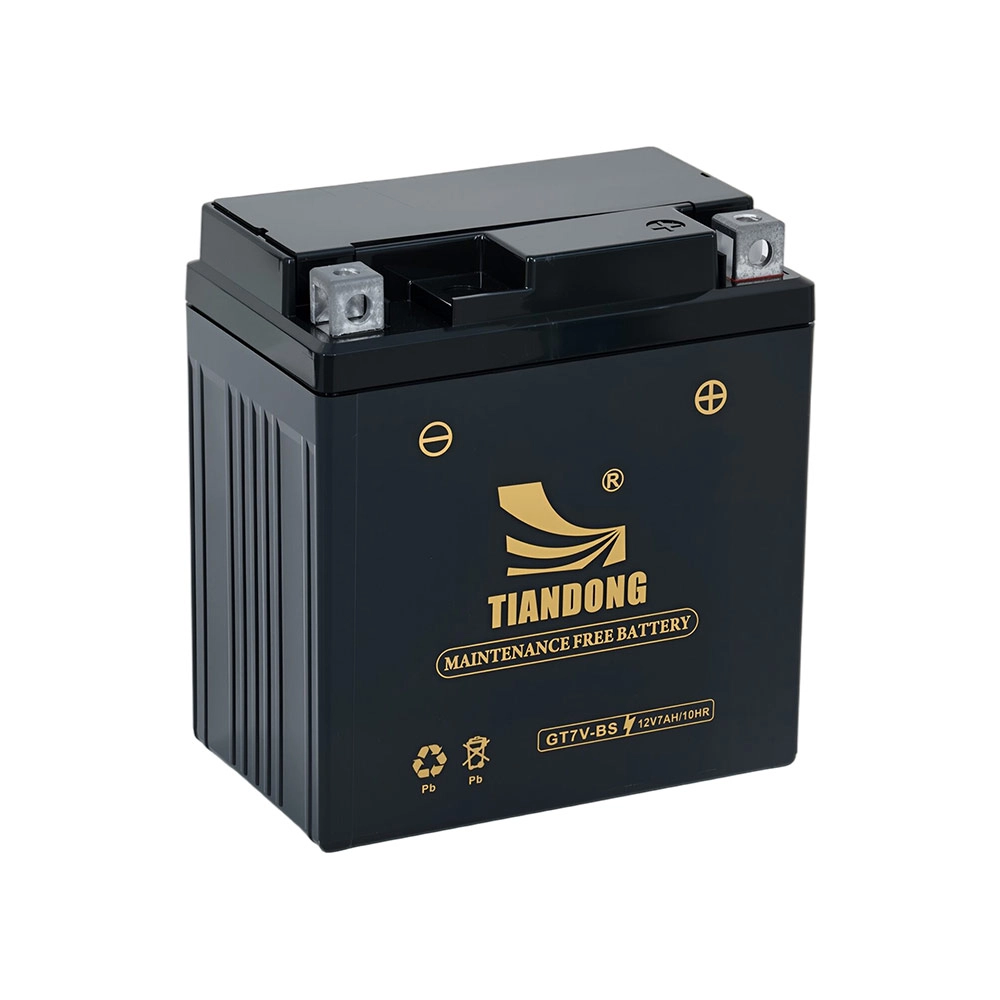
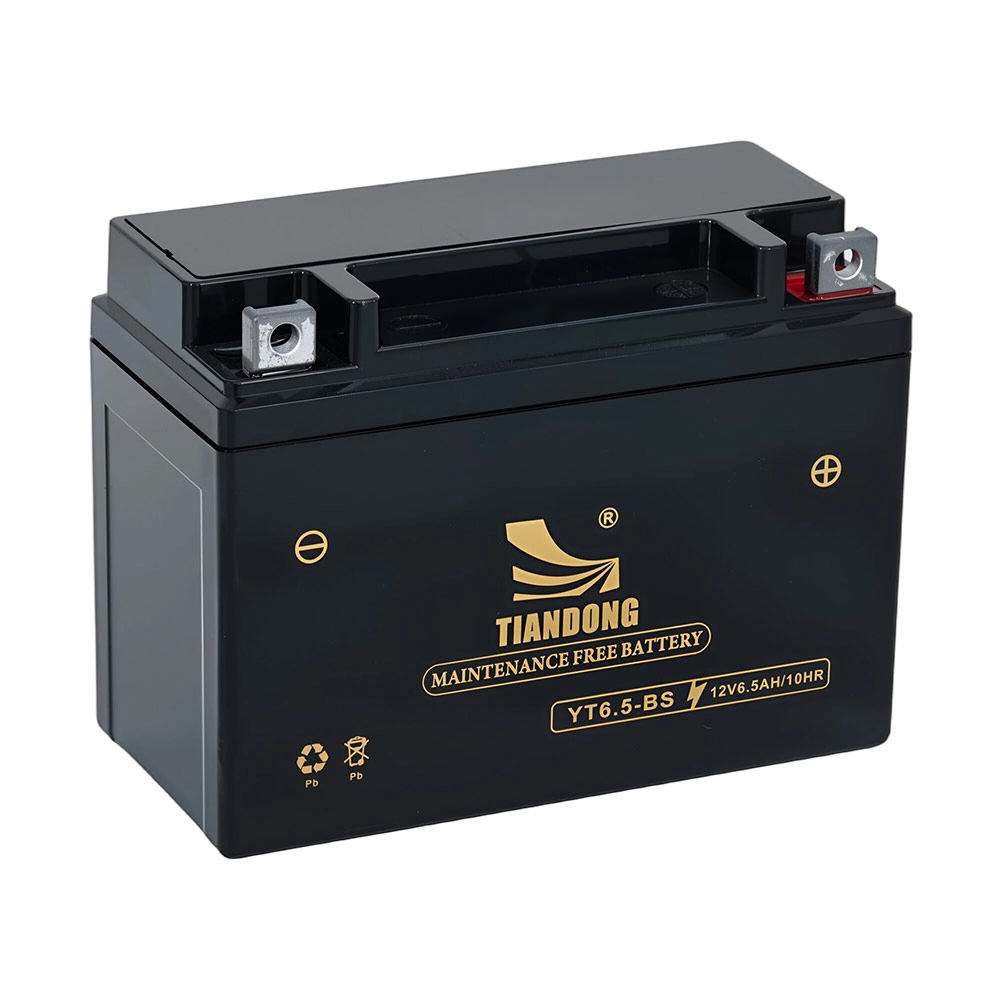
For instance, TIANDONG (Pingxiang Tiandong Electric Appliance Co., Ltd.) stands out as a prime example of manufacturing excellence. Founded in 2007, TIANDONG has over 15 years of specialized experience in the global motorcycle battery market. Unlike assemblers who buy parts from third parties, TIANDONG achieves full in-house manufacturing—from casting the grid and coating lead plates to the final assembly. With a massive 200-acre factory and an annual production of 6 million high-energy batteries, they ensure consistent quality and reliable delivery. Their products meet international standards like CE, RoHS, and MSDS, reflecting a dedication to performance and safety. When looking for a supplier that can provide everything from standard lead-acid to advanced EV solutions, companies like TIANDONG demonstrate the level of vertical integration required for a truly reliable product.
V. Essential Motorcycle Battery Maintenance and Longevity Tips
Proper maintenance can significantly extend your battery's life and ensure reliable starts, regardless of the chemistry you choose.
Motorcycle battery lifespan is directly correlated to how well the battery is treated, particularly during periods of inactivity.
Routine Inspection and Cleaning
- Terminals: Regularly check terminals for white, powdery corrosion. Clean this with a wire brush and a mixture of baking soda and water.
- Tightness: Ensure terminal connections are tight. Loose connections cause arcing, power loss, and can damage the battery posts.
- Casing: Inspect the battery casing for cracks, swelling, or leaks. Swelling often indicates overcharging or internal failure.
Proper Charging Techniques
- Charger Compatibility: Always use a charger appropriate for your battery type. Using a standard lead-acid desulfating charger on a lithium battery can destroy it. As White Dog Bikes suggests, using the correct charger is non-negotiable.
- Avoid Overcharging: This can damage sealed lead-acid and gel batteries by drying out the electrolyte.
- Trickle Charging: Use a battery tender or trickle charger for long-term storage to prevent deep discharge, which is the number one killer of motorcycle batteries.
Winter Storage Guidelines
- Remove and Store: If the bike won't be used for weeks, remove the battery from the motorcycle and store it in a cool, dry place (above freezing).
- Maintenance Charge: Connect it to a maintenance charger (float charger) to keep it topped off.
- Fluid Levels: For flooded batteries, ensure electrolyte levels are correct before storage.
When to Replace Your Battery
- Symptoms: Signs of a failing battery include slow cranking (the "lazy start"), dim headlights when the engine is off, or the battery not holding a charge after being on a tender.
- Timelines: Generally, flooded batteries last 2-3 years, AGM 3-5 years, and LiFePO4 5-10+ years under optimal conditions. Tycorun Energy data supports the longevity claims of lithium technology.
- Proactive Replacement: Don't wait for complete failure; replace a weak battery to avoid being stranded.
Conclusion: Powering Your Journey with the Right Battery
Choosing the right motorcycle battery is a critical decision that impacts your bike's performance, reliability, and your riding experience. By understanding the characteristics, advantages, and disadvantages of Flooded, AGM, Gel, and LiFePO4 battery types, you can make an informed choice tailored to your needs. Whether you prioritize the low cost of a flooded cell or the high-tech longevity of a lithium unit, the key is matching the battery to your machine.
Prioritizing quality from reputable manufacturers, like TIANDONG with their commitment to in-house manufacturing and international standards, ensures you get a durable and reliable power source for your motorcycle adventures. Regular maintenance, regardless of battery type, will extend its lifespan and prevent unexpected issues on the road. Power your ride with confidence and knowledge!
Frequently Asked Questions (FAQ)
What is the best type of battery for a motorcycle?
The "best" battery depends on your priorities: LiFePO4 batteries offer the best performance (lightweight, long lifespan, powerful cranking) but at a higher cost. AGM batteries provide an excellent balance of performance, low maintenance, and cost-effectiveness for most riders. Flooded batteries are the cheapest but require regular maintenance.
How often should I replace my motorcycle battery?
Lifespan varies by type: Flooded lead-acid typically lasts 2-3 years, AGM 3-5 years, and LiFePO4 5-10+ years. Proper maintenance, charging, and storage conditions can significantly impact these estimates.
Can I use an automotive battery in my motorcycle?
No, it is not recommended. Automotive batteries are designed differently, often have different CCA and Ah ratings, and are physically much larger. They will likely not fit or provide the correct power delivery for a motorcycle's electrical system.
What does CCA mean for motorcycle batteries?
CCA stands for Cold Cranking Amps. It measures the battery's ability to deliver current at 0°F (-18°C) for 30 seconds while maintaining a voltage of at least 7.2 volts. A higher CCA rating indicates better starting power, especially in cold weather.
How do I properly charge a motorcycle battery?
Use a charger specifically designed for your battery type. A "smart" charger or "battery tender" is recommended, as it monitors the battery's charge and prevents overcharging. For LiFePO4 batteries, use a lithium-compatible charger.
Are lithium motorcycle batteries worth the extra cost?
For many riders, yes. Despite the higher upfront cost, LiFePO4 batteries offer superior benefits including extreme weight reduction, significantly longer lifespan (reducing replacement frequency), faster charging, and more consistent power delivery, often making them a more economical choice over the long term.
What's the difference between AGM and Gel motorcycle batteries?
Both are sealed, maintenance-free lead-acid batteries. The key difference is the electrolyte: AGM uses absorbed electrolyte in fiberglass mats, while Gel batteries use a silica-gelled electrolyte. AGM generally offers higher CCA and is more tolerant to charging variations, while Gel is better for deep discharges but more sensitive to overcharging.
How do I know what type of battery my motorcycle has?
Check the battery's label or casing for markings like "AGM", "Gel", "LiFePO4", "Sealed Maintenance Free", or "Conventional". If it has removable caps for adding water, it's a flooded (wet cell) battery.

Bulk Motorcycle Batteries Direct from Factory – Save Costs, Boost Profit
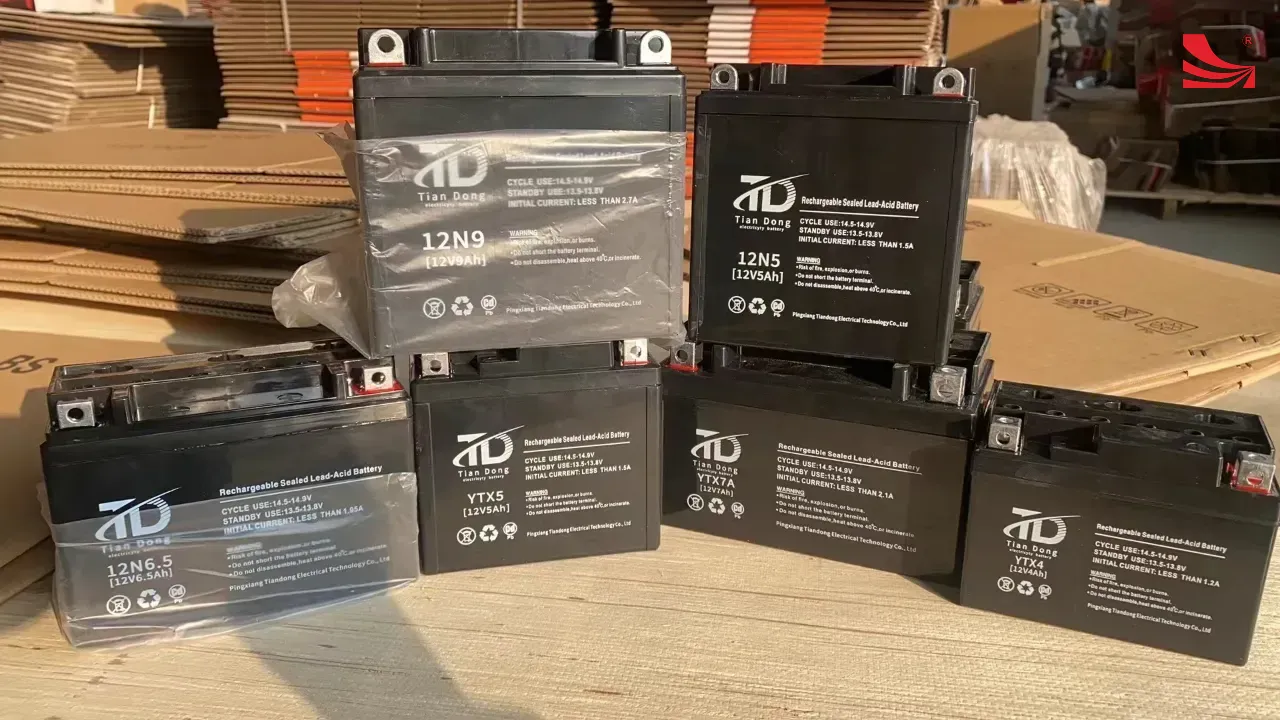
High Performance Motorcycle Batteries for Global Markets

Tiandong Electric Appliance Showcases High-Performance Motorcycle Batteries at Guangzhou Expo

What kind of battery is best for a motorcycle?

The Ultimate Guide to Electric Scooter Batteries: Performance, Longevity, and Future Innovations (2026 & Beyond)

Top Motorcycle Lead Acid Batteries in 2026: Why They Still Power Your Ride and How to Choose the Best
Product
What certifications do your batteries have?
Our batteries are certified with CE, ISO9001, and RoHS, and meet export standards for markets in Southeast Asia, South Asia, and Africa.
How long does a motorcycle battery typically last?
A motorcycle battery generally lasts between 2 and 4 years, depending on usage, maintenance, and environmental conditions.
What is the typical lifespan of your batteries?
Depending on the model and usage conditions, our batteries typically last between 2 to 4 years under normal operation.
Are you a trading company or a manufacturer?
We are a direct factory located inJiangxi Province, China. You are welcome to visit our production line and quality control lab. We specialize in lead-acid batteries for motorcycles and have been in this industry for 20 years.
Why does my motorcycle battery keep dying?
Common causes include:
-
Faulty charging system
-
Parasitic drain
-
Old battery
-
Improper storage
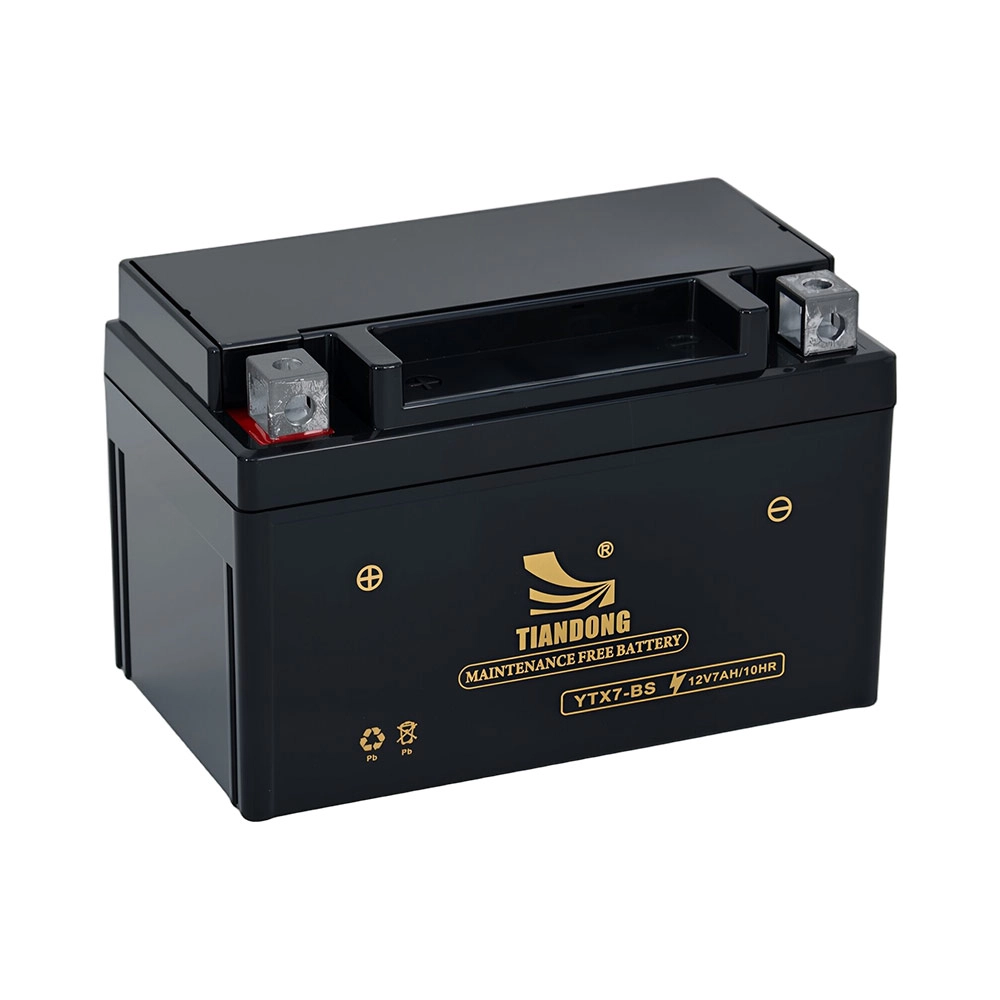
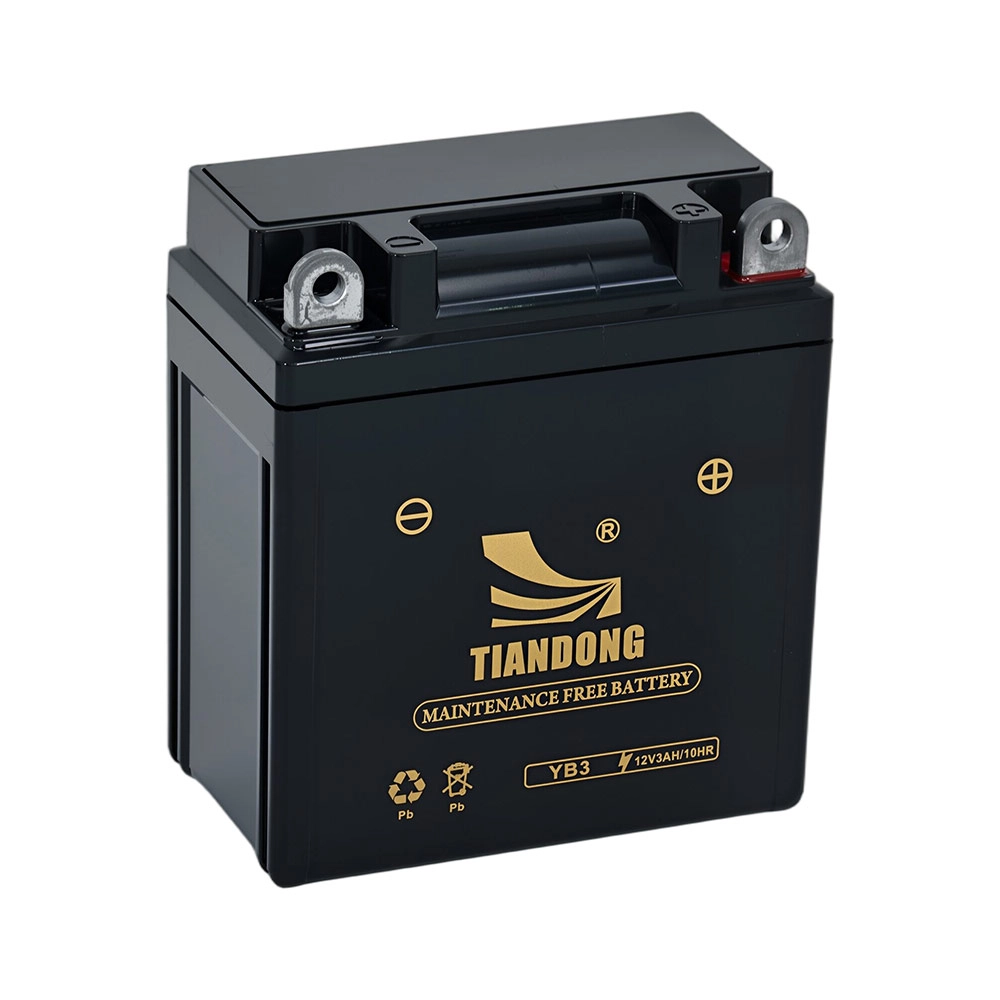
Get in touch with us to get your Motorbike Battery solution
TIANDONG is a leading motorcycle battery manufacturer offering OEM/ODM service, stable quality, and global export support.
Built for wholesalers. Trusted by global buyers. Delivered with confidence.
Say Hello
E-mail: daisybattery8@gmail.com
xianyingchen83@gmail. com
WhatsAPP: +86 134 283 86694
+86 134 348 86641
Our Location
Social Links
© 2025 TIANDONG. All Rights Reserved. Privacy Policy | Terms and Conditions | Sitemap
 Scan QR Code
Facebook
Instagram
Scan QR Code
Whatsapp: +8613434886641