






Seasonal Storage Guide for AGM Motorcycle Battery YTX7-BS
- Understanding why seasonal storage matters for AGM motorcycle batteries
- What makes an AGM motorcycle battery different
- Why improper seasonal storage causes permanent damage
- Preparing your YTX7-BS 12V 7ah Bike Battery for seasonal storage
- 1. Inspect, clean, and secure
- 2. Charge to the recommended storage state-of-charge (SOC)
- Best environmental conditions and maintenance while in storage
- Ideal temperature and humidity for storage
- Maintenance charging frequency and methods
- Troubleshooting and re-commissioning after storage
- How to test a stored YTX7-BS before reinstalling
- Reconditioning a sulfated battery — what works and what doesn't
- Quick-reference comparison: AGM (YTX7-BS) vs Flooded SLA vs Lithium for seasonal storage
- Practical tips, accessories and safety reminders
- Recommended accessories
- Safety and handling
- FAQ — Seasonal Storage & YTX7-BS Specific Questions
- Q: What state-of-charge should I store my YTX7-BS at for winter?
- Q: Can I leave the YTX7-BS connected to the motorcycle during storage?
- Q: My battery reads 12.0 V after storage. Is it dead?
- Q: How long can I store the YTX7-BS without maintenance charging?
- Q: Is a desulfator safe for my AGM motorcycle battery?
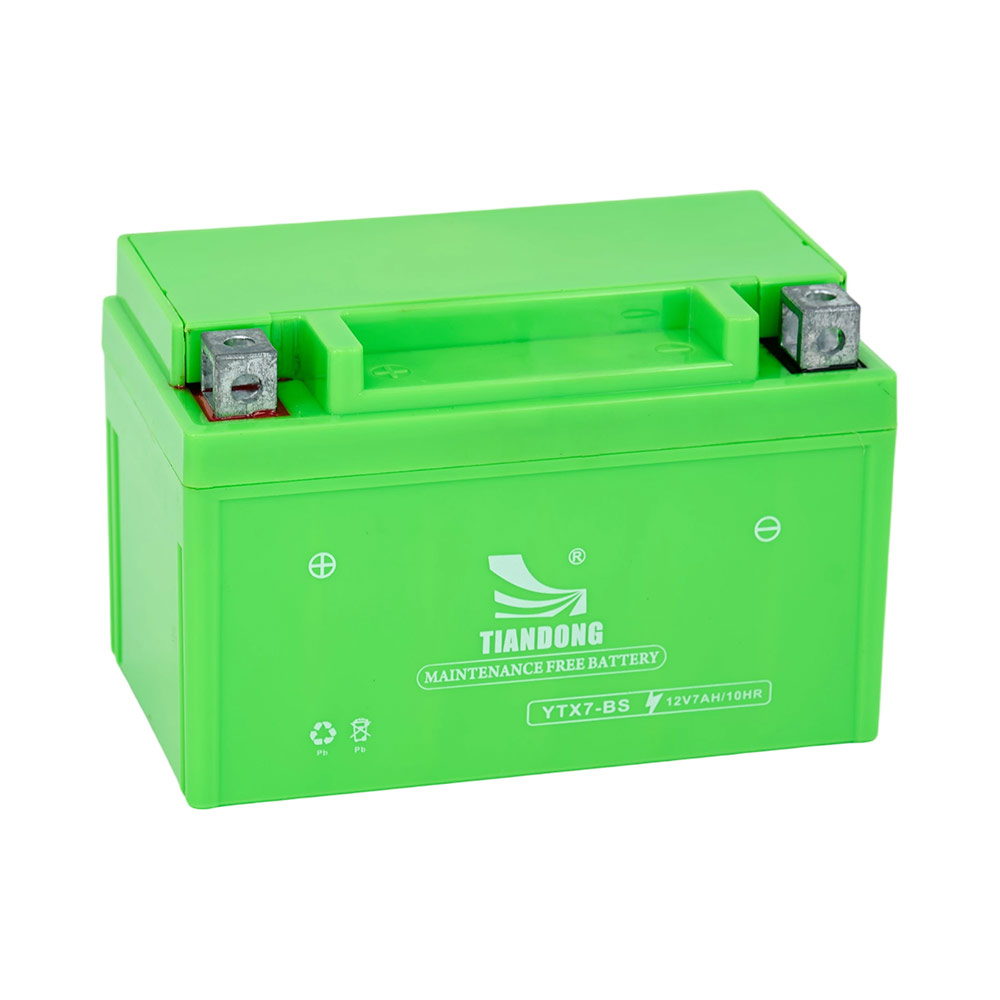
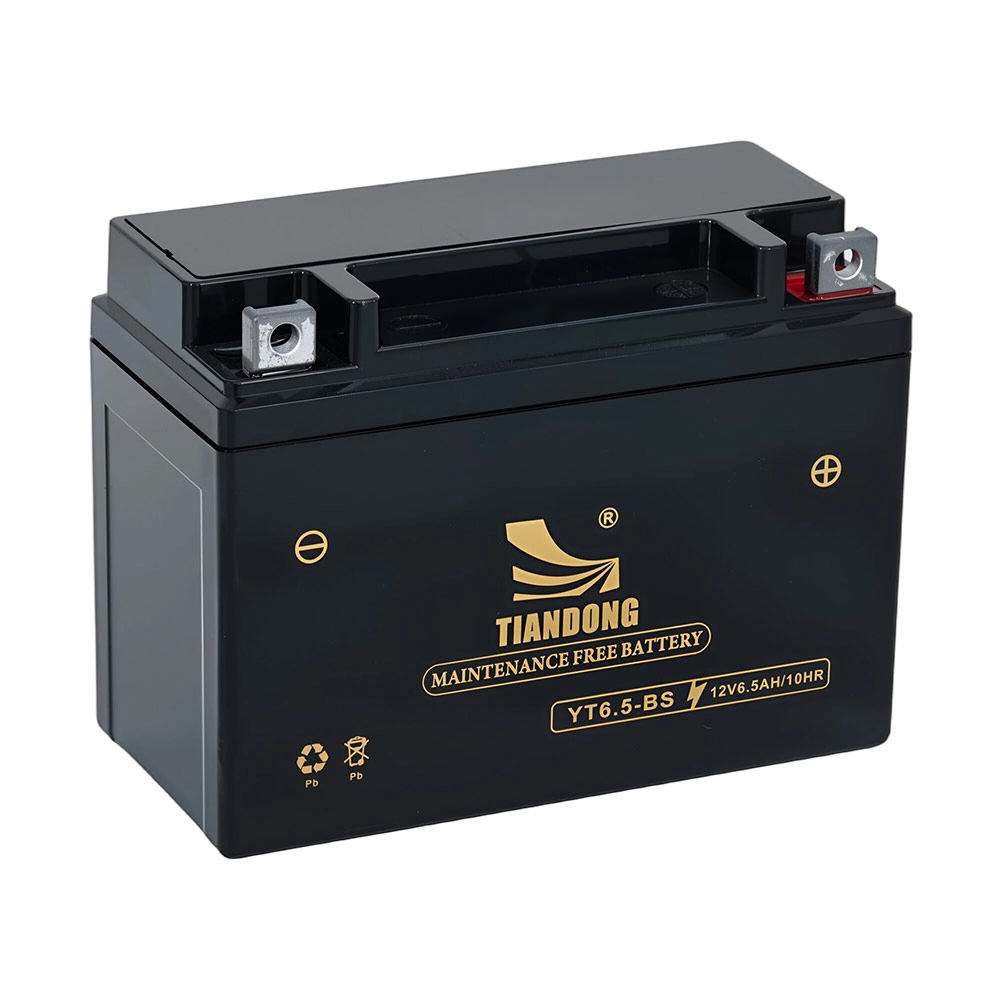
The TIANDONG YTX7-BS 12V 7ah Bike Battery is a maintenance-free absorbed glass mat (AGM) sealed lead acid battery optimized for motorcycles. Proper seasonal storage preserves capacity, prevents sulfation, reduces failure at season start, and extends the usable life of your battery. This guide gives step-by-step storage instructions, safe temperature and state-of-charge (SOC) recommendations, testing and reconditioning procedures, and quick troubleshooting specific to the YTX7-BS and similar agm motorcycle battery models.
Understanding why seasonal storage matters for AGM motorcycle batteries
What makes an AGM motorcycle battery different
AGM batteries like the YTX7-BS use a fiberglass mat to immobilize electrolyte and are classified as valve-regulated lead-acid (VRLA). Compared with flooded lead-acid, they have lower self-discharge, better vibration resistance, and are sealed for spill-free use — important for motorcycle parts where orientation and shocks vary. For technical background on VRLA and lead-acid chemistry, see the Valve-regulated lead–acid battery overview on Wikipedia (Wikipedia: VRLA) and Lead–acid battery basics (Wikipedia: Lead–acid battery).
Why improper seasonal storage causes permanent damage
Sulfation (lead sulfate crystals forming on plates), deep discharge, and freeze damage are the main culprits when batteries sit unused. Even though AGM batteries tolerate low maintenance better than flooded cells, long idle periods with low SOC accelerate sulfation and reduce capacity. Battery University outlines how lead-based batteries degrade in storage and why keeping the right charge level matters (Battery University: Storage of lead-based batteries).
Preparing your YTX7-BS 12V 7ah Bike Battery for seasonal storage
<p>The TIANDONG YTX7-BS 12V 7ah Bike Battery is a reliable deep cycle sealed lead acid battery designed for motorcycles. Ideal for wholesale lead-acid motorcycle battery needs, it delivers stable power and long life, making it a top choice in motorcycle lead-acid battery parts.</p>
1. Inspect, clean, and secure
Before storage: remove the battery from the motorcycle if the vehicle will be idle for more than a few weeks. Clean terminal corrosion using a baking soda solution if necessary, rinse and dry thoroughly, and coat terminals lightly with dielectric grease to prevent oxidation. Check the case for cracks or bulges — any deformation indicates the battery should be replaced, not stored.
2. Charge to the recommended storage state-of-charge (SOC)
AGM batteries should be stored at a partial to full charge, typically 80–95% SOC. For the YTX7-BS 12V 7ah, charge it fully using a smart charger with an AGM setting. A fully charged AGM has a resting voltage of about 12.8–13.0 V. Avoid storing at low SOC (<50%) because the risk of sulfation and irreversible capacity loss increases. Use a quality charger/maintainer designed for motorcycle batteries (see charging recommendations below).
Best environmental conditions and maintenance while in storage
Ideal temperature and humidity for storage
Temperature is the dominant environmental factor affecting self-discharge and aging. For sealed lead-acid batteries, the recommended storage temperature range is typically between 0°C and 25°C (32°F and 77°F). Higher temperatures increase self-discharge and accelerate aging; lower temperatures reduce self-discharge but bring risk of freezing if the battery is deeply discharged. Battery Council International provides industry guidance on lead battery care and handling (Battery Council International).
Maintenance charging frequency and methods
Use a smart float/maintenance charger with an AGM profile or a dedicated motorcycle battery maintainer. For long-term storage (more than 1 month), check the battery voltage every 4–8 weeks and apply a top-up charge or keep the battery on a maintainer. Below is a simple maintenance schedule:
- 0–2 months: no charge required if fully charged and stored at cool temperature.
- 2–6 months: check voltage every 4–6 weeks; apply 30–60 minute maintenance charge if voltage drops below 12.4 V.
- >6 months: consider a full re-charge and test; extended storage beyond 6 months increases the chance of sulfation without continuous maintenance charging.
Troubleshooting and re-commissioning after storage
How to test a stored YTX7-BS before reinstalling
Perform these checks before reinstalling the battery:
- Measure resting voltage with a digital multimeter: 12.7–13.0 V indicates fully charged; below 12.4 V indicates partial discharge.
- Load test: use a small motorcycle battery load tester or perform a starter test briefly; a healthy YTX7-BS should maintain voltage under load without a large drop. If you lack a load tester, a quick starter crank test while monitoring voltage gives a practical indication.
- Surface charge: if voltage is low but the battery responds to a short charge and then holds voltage, it is likely usable. If voltage rises during charge but falls quickly afterward, the battery may be sulfated.
Reconditioning a sulfated battery — what works and what doesn't
Light sulfation can sometimes be reduced by a controlled, low-current desulfation charge using smart chargers with a desulfation mode. Deep sulfation is often irreversible in sealed lead-acid cells. Attempt reconditioning only if the battery is otherwise intact and the case is not bulging. For safety and warranty reasons, refer to the battery manufacturer's recommendations before attempting aggressive reconditioning.
Quick-reference comparison: AGM (YTX7-BS) vs Flooded SLA vs Lithium for seasonal storage
| Feature | YTX7-BS (AGM) | Flooded Lead-Acid | Lithium (LiFePO4) |
|---|---|---|---|
| Typical storage SOC | 80–95% recommended | 80–95% recommended (avoid evaporation) | 50–80% recommended (lower self-discharge) |
| Self-discharge per month | ~3–5% (temperature dependent) | ~4–6% | ~1–2% |
| Freeze risk | Moderate if discharged; less if fully charged | High if discharged (electrolyte can freeze) | Low (depends on cell type) |
| Maintenance required | Low (recommended maintainer) | Higher (check electrolyte) | Low (BMS required) |
| Typical cycle life | 300–700 cycles (deep cycle variants) | 300–600 cycles | 2000+ cycles (LiFePO4) |
| Cost | Moderate | Lower upfront | Higher upfront |
Notes: values are typical ranges and depend on manufacturer and usage. For more on lead-acid care and storage, see Battery University (BU: Storage of lead-based batteries).
Practical tips, accessories and safety reminders
Recommended accessories
- Smart charger/maintainer with AGM mode and float function (automatic).
- Multimeter and small battery load tester for pre-ride checks.
- Terminal protectors or dielectric grease to prevent corrosion.
- Proper battery box or insulated container if storing in an unheated area.
Safety and handling
Although sealed and generally safe, treat the YTX7-BS with respect. Do not puncture or short-circuit the terminals. Store away from sparks and open flames, and avoid prolonged exposure to high heat. For transport, follow local regulations for lead-acid batteries and consult industry guidance on handling and disposal.
FAQ — Seasonal Storage & YTX7-BS Specific Questions
Q: What state-of-charge should I store my YTX7-BS at for winter?
A: Store at 80–95% SOC. Fully charge before storage and maintain with a smart float charger or check every 4–6 weeks. This reduces sulfation risk and freeze vulnerability.
Q: Can I leave the YTX7-BS connected to the motorcycle during storage?
A: If the motorcycle will remain unused for longer than a few weeks, remove the battery or use a dedicated motorcycle maintainer. Many bikes have parasitic draws that will slowly discharge the battery; a maintainer prevents deep discharge without overcharging.
Q: My battery reads 12.0 V after storage. Is it dead?
A: 12.0 V indicates a partial discharge (~50% SOC). Try a controlled charge with an AGM charger and then re-test. If the battery fails to hold charge or shows significant voltage drop under load, it may be sulfated or near end-of-life.
Q: How long can I store the YTX7-BS without maintenance charging?
A: If fully charged and stored in cool conditions, 2–3 months without maintainer is usually acceptable. For longer storage, use a maintainer or check and recharge every 4–8 weeks to avoid permanent capacity loss.
Q: Is a desulfator safe for my AGM motorcycle battery?
A: Some smart chargers include a mild desulfation mode designed for VRLA/AGM batteries. Aggressive desulfation or DIY high-voltage pulses can be risky for sealed batteries and may void warranties. Follow the manufacturer recommendations.
If you have more questions or need assistance selecting the right maintainer and accessories for the TIANDONG YTX7-BS 12V 7ah Bike Battery, contact our support team or view the product page to order or request technical data sheets.
View the YTX7-BS 12V 7ah Bike Battery | Contact Customer Support
References: Valve-regulated lead–acid battery (Wikipedia); Lead–acid battery (Wikipedia); Storage of lead-based batteries (Battery University); Lead Battery Basics (Battery Council International).

Electric motorcycle battery YT14 specs: 12V 14Ah 4.05kg breakdown
Top 10 Electric Vehicle Battery Manufacturers and Supplier Brands
Top 10 EPS Battery Manufacturers and Supplier Brands

Extend Life of Your AGM Motorcycle Battery: Maintenance Tips
Questions you may concerned about
Product
Do you offer OEM or custom branding?
Yes, we provide full OEM and ODM services, including logo printing, packaging customization, and model adjustments.
What certifications do your batteries have?
Our batteries are certified with CE, ISO9001, and RoHS, and meet export standards for markets in Southeast Asia, South Asia, and Africa.
Why does my motorcycle battery keep dying?
Common causes include:
-
Faulty charging system
-
Parasitic drain
-
Old battery
-
Improper storage
What causes motorcycle batteries to fail?
Common causes include over-discharging, extreme temperatures, poor charging systems, and low-quality manufacturing materials.
How long does a motorcycle battery typically last?
A motorcycle battery generally lasts between 2 and 4 years, depending on usage, maintenance, and environmental conditions.
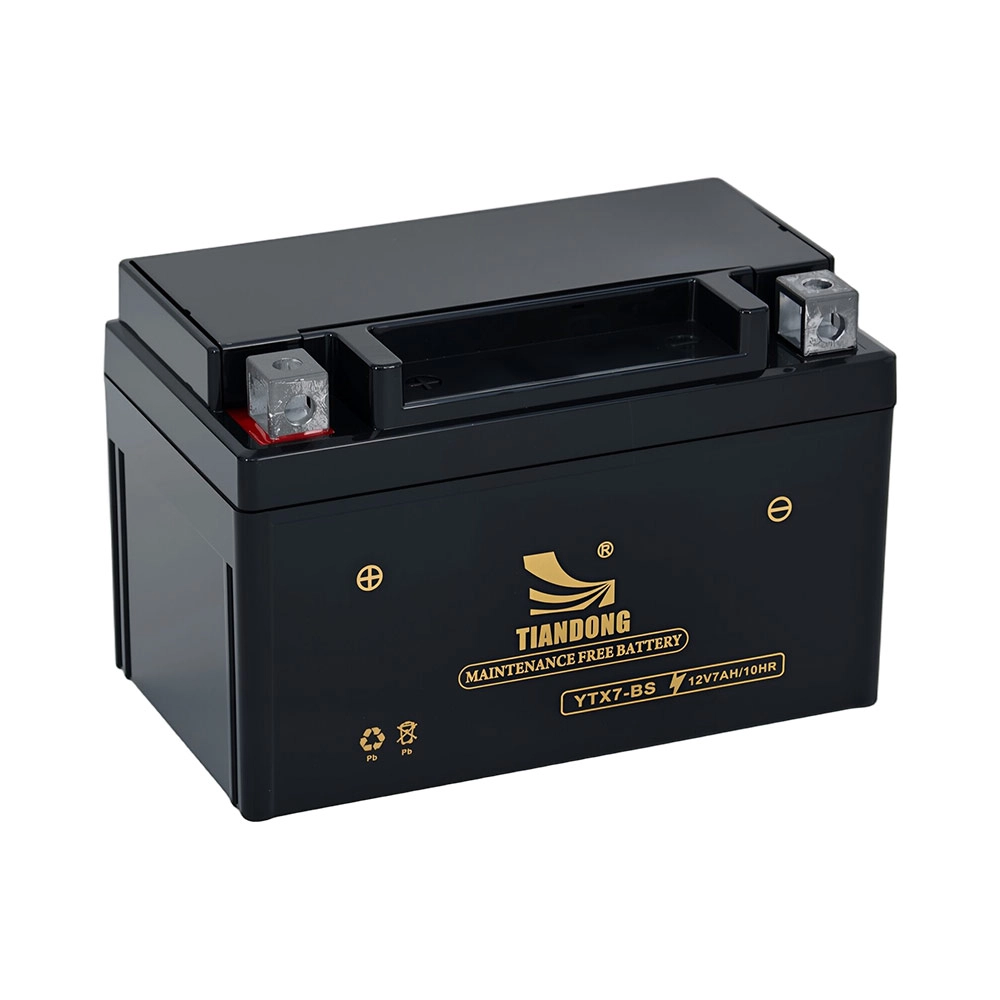
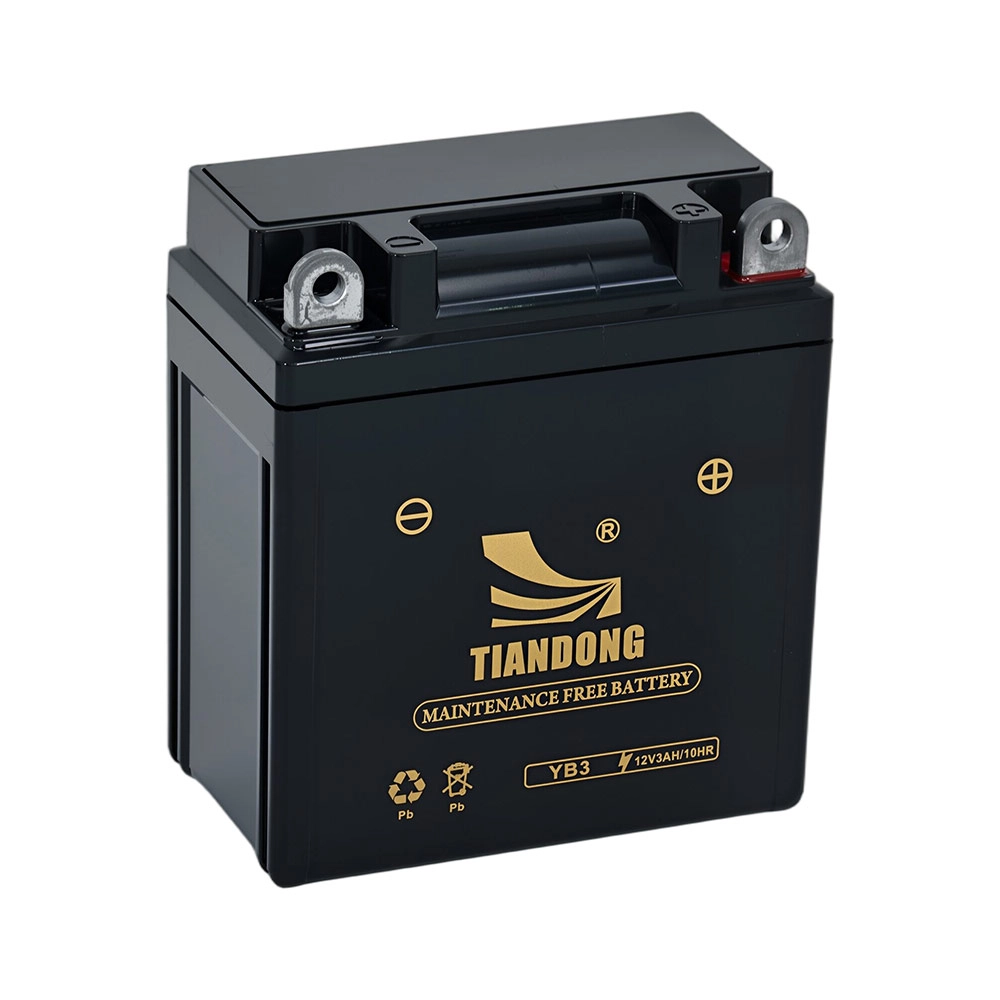
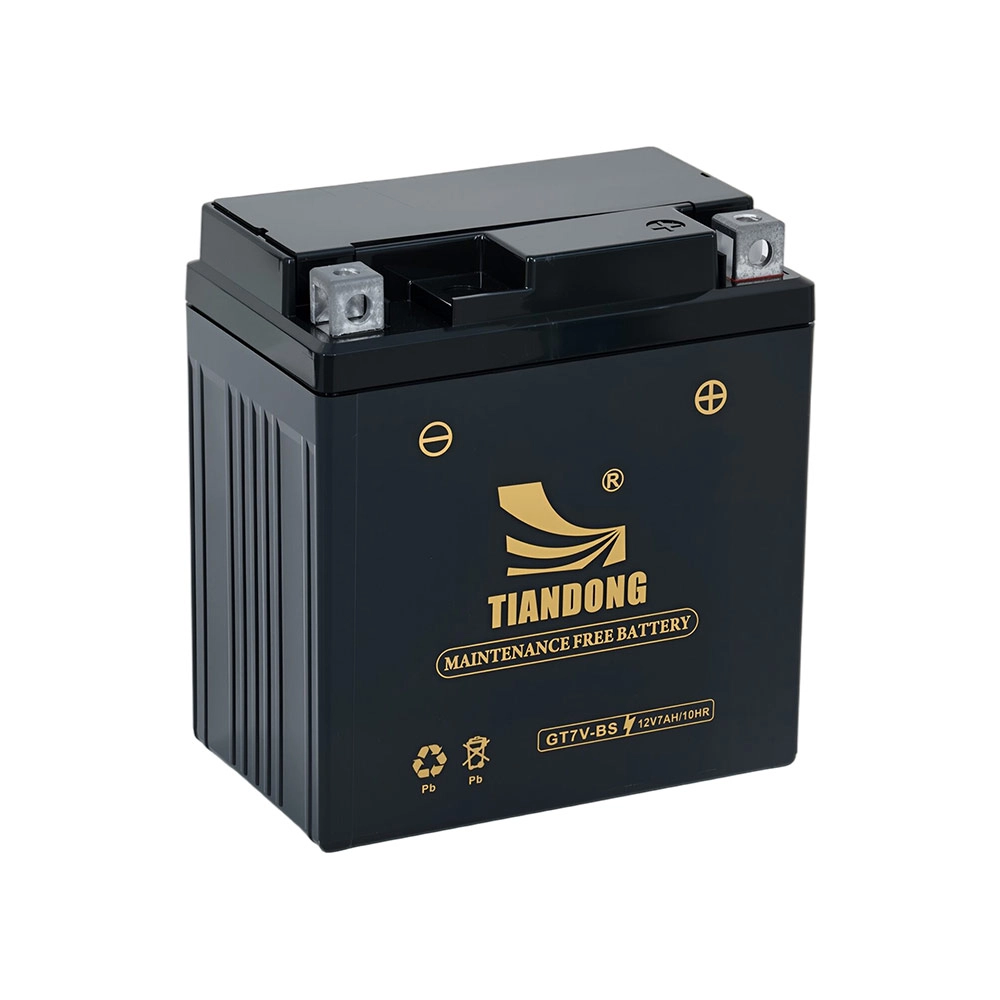
Get in touch with us to get your Motorbike Battery solution
TIANDONG is a leading motorcycle battery manufacturer offering OEM/ODM service, stable quality, and global export support.
Built for wholesalers. Trusted by global buyers. Delivered with confidence.
Say Hello
E-mail: daisybattery8@gmail.com
xianyingchen83@gmail. com
WhatsAPP: +86 134 283 86694
+86 134 348 86641
Our Location
Social Links
© 2025 TIANDONG. All Rights Reserved. Privacy Policy | Terms and Conditions | Sitemap
 Scan QR Code
Facebook
Instagram
Scan QR Code
Whatsapp: +8613434886641