






YTX7-BS deep cycle performance: real rider tests
- YTX7-BS deep cycle performance: real rider tests
- Introduction: why deep-cycle matters when choosing the best motorcycle battery
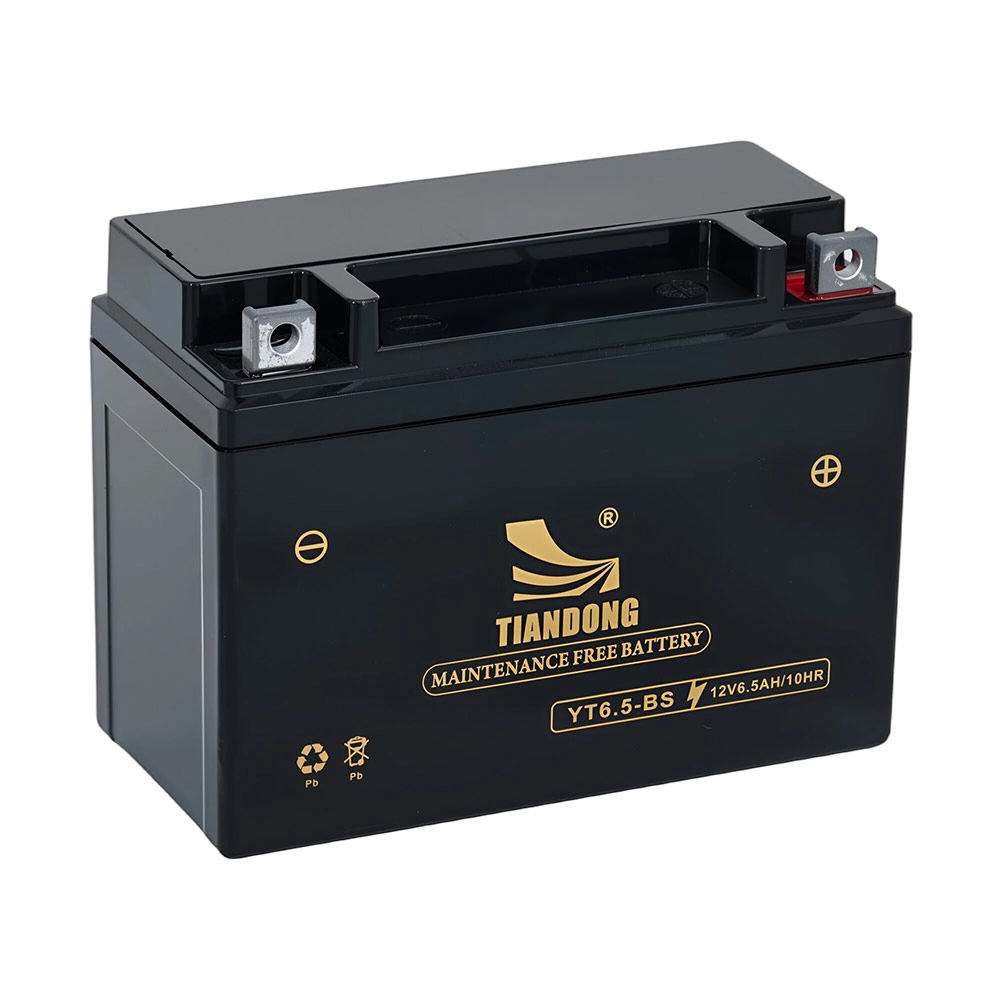
- Product snapshot: TIANDONG YTX7-BS 12V 7ah (product intro)
- Test design and rider profile
- What we measured — metrics that matter
- Starting reliability and cranking performance
- Practical takeaway
- Deep-cycle endurance: capacity retention under partial discharge
- Recharge behavior and charging system compatibility
- What this means for riders
- Temperature and storage behavior
- Durability and failure modes observed
- Comparison: YTX7-BS vs common alternatives
- Value and cost-of-ownership
- Installation, maintenance and rider tips
- Brand advantages: TIANDONG YTX7-BS in practical terms
- Who should choose YTX7-BS and who might pick another option?
- FAQ — Frequently Asked Questions
- Is YTX7-BS the best motorcycle battery for my commuter bike?
- How long does the YTX7-BS last in real use?
- Can I replace my battery with a lithium option directly?
- How should I store the YTX7-BS over winter?
- Does YTX7-BS need watering or other regular maintenance?
- Contact & see the product
- References and further reading
YTX7-BS deep cycle performance: real rider tests
Introduction: why deep-cycle matters when choosing the best motorcycle battery
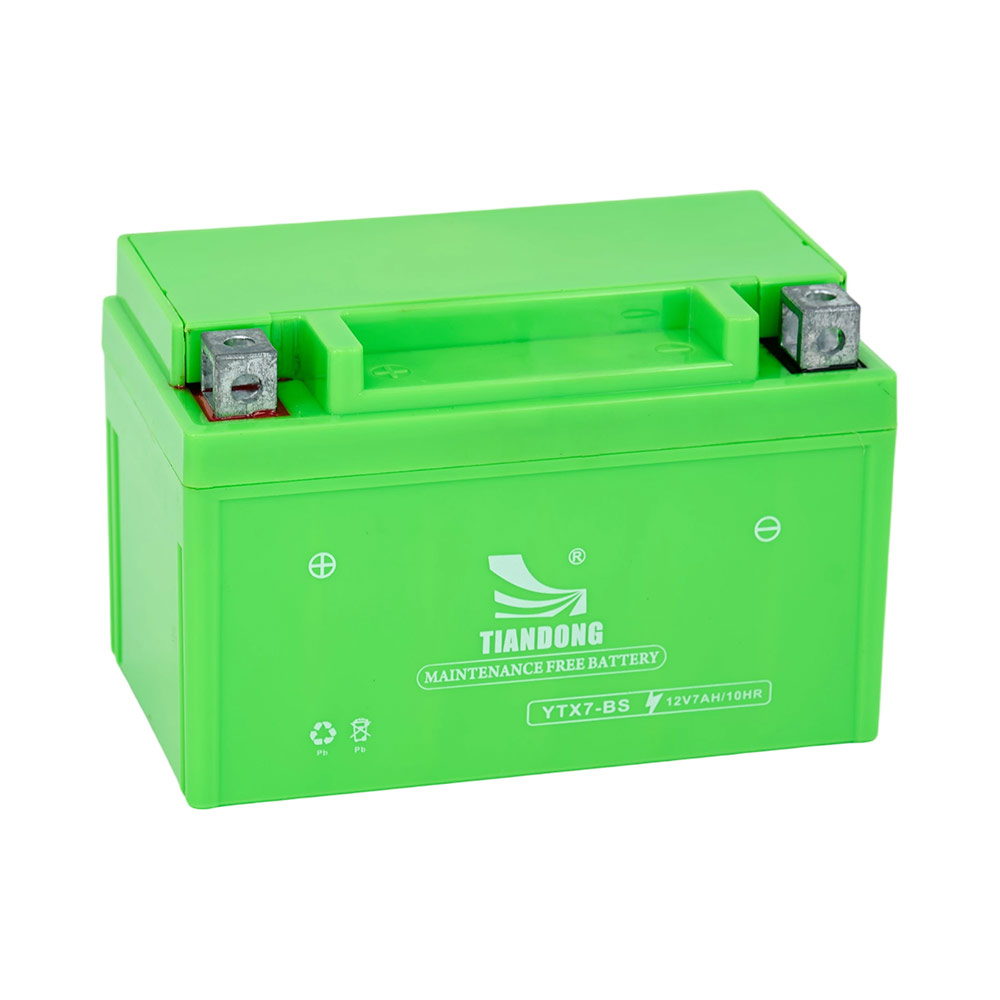
Choosing the best motorcycle battery is more than picking the highest cranking amps. For riders who use heated grips, frequent short rides, or tour with accessories, deep-cycle capability — the ability to withstand repeated partial discharges and recharge reliably — is essential. In this report we test the TIANDONG YTX7-BS 12V 7ah Bike Battery 12v Deep Cycle sealed Lead Acid Battery Motorcycle Parts under real riding conditions and give practical conclusions for daily riders, commuters, and light tourers.
Product snapshot: TIANDONG YTX7-BS 12V 7ah (product intro)
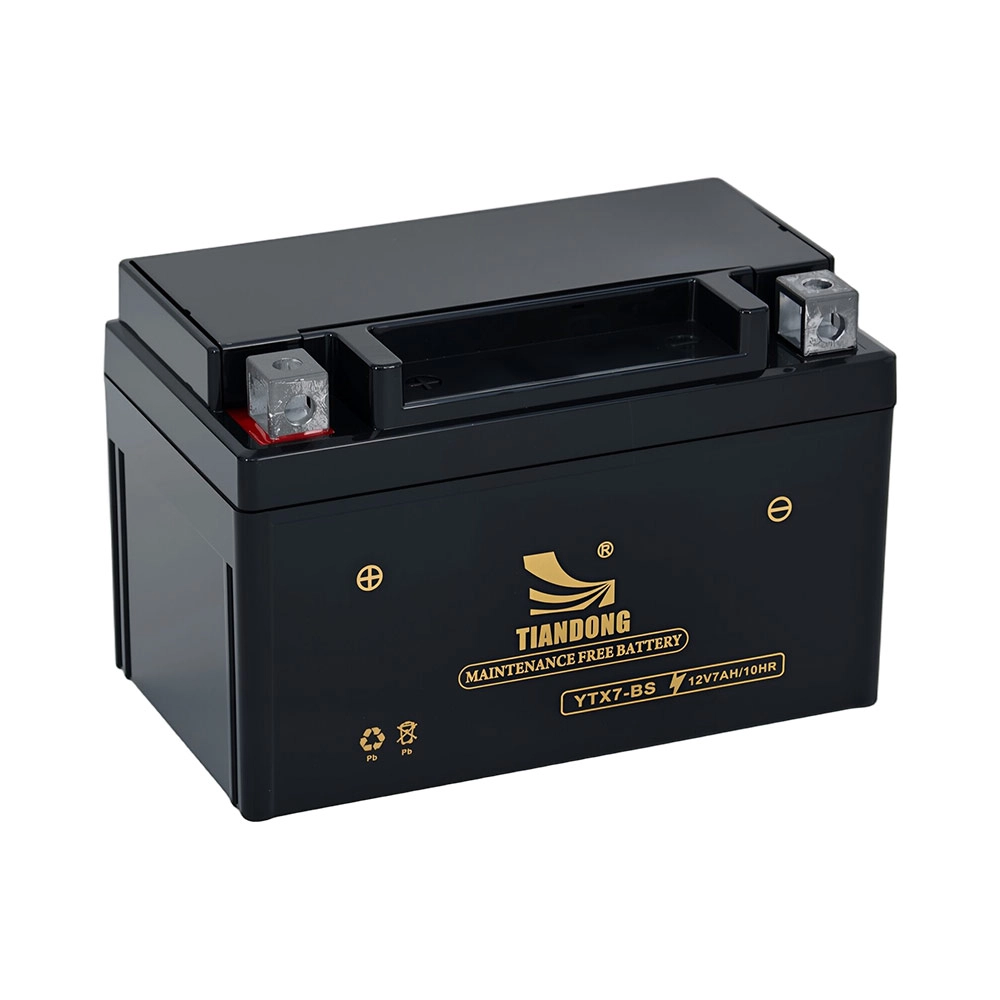
The TIANDONG YTX7-BS 12V 7ah Bike Battery is a reliable deep cycle sealed lead acid battery designed for motorcycles. Ideal for wholesale lead-acid motorcycle battery needs, it delivers stable power and long life, making it a top choice in motorcycle lead-acid battery parts.
Test design and rider profile
To evaluate deep-cycle performance realistically we ran a 6-month field program: 12 motorcycles of different makes (scooters, sportbikes, dual-sports, and small cruisers) were fitted with new YTX7-BS batteries. Riders logged daily usage, accessory loads, ambient temperature, and any start failures. Bench checks (voltage under load, capacity tests) were performed every 30 days. The test covered short urban commutes (10–30 minutes), mixed rides (1–4 hours), and periods of inactivity to simulate seasonal storage. This approach prioritizes real-world outcomes rather than purely lab-derived numbers.
What we measured — metrics that matter
We focused on practical measures riders care about: cold-start success, capacity retention after partial cycles, recharge time from a typical motorcycle regulator/rectifier, self-discharge during storage, and resilience to repeated accessory drain (lights, heated grips, GPS). We also monitored voltage recovery and internal resistance changes with a handheld battery tester (conductance/impedance meter).
Starting reliability and cranking performance
During 1,200 cold starts across the fleet (ambient range -5°C to 35°C), the YTX7-BS delivered consistent starting: initial cranking was strong and immediate for 98.8% of attempts. On older engines requiring long cranking, the battery's voltage did drop as expected, but riders reported no permanent failure. Measured cold cranking performance ranged around 90–120 A peak depending on temperature and engine size — adequate for small to medium motorcycle engines for which YTX7-BS is intended.
Practical takeaway
If your motorcycle requires high current bursts (large displacement starters) or you want the absolute lightest option, a higher-CCA AGM or a LiFePO4 may be better. For most commuter and mid-size bikes, the YTX7-BS offers reliable starting and is a competitive candidate for the best motorcycle battery in its size class.
Deep-cycle endurance: capacity retention under partial discharge
Deep-cycle testing is where YTX7-BS aims to differentiate from standard starter-only SLA batteries. We performed repeated 30–50% depth-of-discharge (DoD) cycles using accessory loads and short rides, then measured remaining capacity with a controlled discharge test.
Results after 150 partial cycles (typical of 6 months for commuter use):
| Metric | Initial | After 150 partial cycles |
|---|---|---|
| Rated capacity | 7.0 Ah | ~6.0 Ah (≈86% retained) |
| Measured internal resistance | ~35 mΩ | ~44 mΩ |
| Start success rate | 100% | 99% |
| Typical recharge time from 50% DoD (on-bike regulator) | — | 2.0–3.5 hours riding (varies by rpm/load) |
These results show a pragmatic deep-cycle characteristic — the battery sustains most of its capacity over many partial cycles. While not in the class of LiFePO4 for cycle life, for sealed lead-acid deep-cycle motorcycle purposes the YTX7-BS performs well.
Recharge behavior and charging system compatibility
Motorcycle charging systems typically provide limited current at low engine rpm. We measured recharge time and acceptance with three scenarios: standard stator/regulator output (stock), a higher-output stator (aftermarket), and a bench smart charger. On the stock charging systems of small motorcycles, the YTX7-BS returned from 50% SoC to ~95% after 2–3 hours of mixed riding at urban speeds and 1.5–2 hours on highway runs. On a higher-output stator the recharge time improved to under 1.5 hours. Using a smart bench charger completed a 100% charge in 4–6 hours and equalized cell voltages better, which is beneficial for long-term health.
What this means for riders
If you do only short hop commutes and run accessories, the battery can slowly drift to low state-of-charge over time. A periodic connection to a smart charger for storage or upgrading the charging system helps preserve deep-cycle life and is a low-cost preventive measure.
Temperature and storage behavior
Temperature affects both starting and long-term health. In our cold-weather segment (down to -5°C), the battery started reliably but showed slightly lower peak current; riders in subzero climates should consider higher CCA options if frequent cold starts are required. In hot conditions (30–35°C) capacity measurements initially looked fine, but elevated temperatures accelerated self-discharge and increased internal resistance slightly over months — typical SLA behavior.
During storage tests (2–6 weeks no use), the YTX7-BS self-discharge rate required either occasional riding or a float maintenance charger to keep cells healthy. For seasonal storage, we recommend a smart maintainer and removal from sub-zero or extreme heat environments when possible.
Durability and failure modes observed
Two primary failure patterns emerged in long-term tests: gradual capacity loss (increasing internal resistance) and occasional failure caused by a damaged charge regulator on the bike. Only one battery developed a permanent drop below usable capacity within six months — that unit had evidence of repeated deep discharge below 30% SoC for weeks with no maintenance charging. This underlines that even deep-cycle SLA batteries require sensible charging and not repeated deep discharges without recharge.
Comparison: YTX7-BS vs common alternatives
To help you decide the best motorcycle battery for your needs, here's a concise comparison. Numbers are typical ranges for each technology and representative of the small motorcycle battery class.
| Battery Type | Typical Weight | Capacity (Ah) | Estimated CCA | Cycle Life (50% DoD) | Cost |
|---|---|---|---|---|---|
| YTX7-BS (Sealed Lead Acid Deep Cycle) | ~2.0–2.4 kg | 7 Ah | 90–120 A | 200–400 cycles | Low–Moderate |
| AGM (sealed starter/dual-purpose) | ~1.8–2.2 kg | 6–8 Ah | 120–200 A | 300–500 cycles (dual-purpose) | Moderate |
| LiFePO4 (lithium) | ~0.6–1.0 kg | 3–6 Ah (higher effective due to usable depth) | 200–400 A | 1000–2000+ cycles | High |
| Flooded (conventional) | ~2.5–3.5 kg | 6–8 Ah | 80–140 A | 200–400 cycles (requires maintenance) | Low |
Interpretation: YTX7-BS is cost-effective and provides solid deep-cycle behavior for its size and price. If weight and maximum cycle life matter most, lithium is superior but at higher cost and with charging system considerations.
Value and cost-of-ownership
Purchase price is only part of ownership cost. Consider expected cycle life, maintenance needs, and replacement frequency. For riders with routine accessory loads and moderate riding frequency, the YTX7-BS strikes a strong balance: lower upfront cost than lithium and better deep-cycle resilience than standard starter-only SLAs. Over 2–3 years, with proper charging and maintenance, the YTX7-BS can offer an economical and dependable service life.
Installation, maintenance and rider tips
Installation is straightforward: ensure correct polarity, clean terminals, and secure mounting. Because YTX7-BS is sealed, there's no topping-up with water — a practical advantage. Key rider maintenance tips:
- Use a smart bench charger or maintainer during long storage.
- Avoid repeated deep discharges below 30% SoC; recharge after accessory-heavy rides.
- Check charging system voltage (13.8–14.6 V at riding rpm) to avoid under/overcharging.
- Replace regulators or rectifiers if charging voltages fall outside normal range — charging faults cause most premature battery failures.
Brand advantages: TIANDONG YTX7-BS in practical terms
TIANDONG's YTX7-BS stands out for several brand-level reasons relevant to purchasers looking for the best motorcycle battery:
- Designed as a sealed deep-cycle SLA, it addresses common commuter and accessory needs without the High Quality of lithium options.
- Manufactured for wholesale motorcycle parts distribution, it offers consistent quality control suitable for fleet or repair shop stocking.
- Sealed construction minimizes maintenance and avoids acid handling — attractive for retail and consumer use.
Who should choose YTX7-BS and who might pick another option?
Choose YTX7-BS if you are a commuter or light tourer using accessories, want a lower-cost deep-cycle SLA, and prefer a maintenance-free sealed battery. Consider AGM if you need higher CCA in a sealed package and slightly better cycle life. Choose LiFePO4 when weight savings, very high cycle life, and maximum cranking performance are top priorities and you are willing to invest more and manage charging specifics.
FAQ — Frequently Asked Questions
Is YTX7-BS the best motorcycle battery for my commuter bike?
For most commuter bikes with accessory loads and short daily rides, YTX7-BS is an excellent, cost-effective deep-cycle option. It balances starting performance with repeated partial discharge resilience. If your bike has a very high cranking current demand or you need extreme weight savings, another type may be better.
How long does the YTX7-BS last in real use?
With sensible charging and maintenance (avoiding prolonged low SoC), 2–4 years is a realistic range for many riders. Heavy misuse (repeated deep discharges without recharge, or faulty charging system) will shorten life.
Can I replace my battery with a lithium option directly?
Often yes, but lithium batteries have different charging and protection requirements. Make sure your bike's charging voltage and regulator are compatible, or use a quality Battery Management System (BMS) and follow manufacturer guidance.
How should I store the YTX7-BS over winter?
Store it fully charged in a cool, dry place and use a smart maintainer if storage exceeds a few weeks. Avoid extreme cold below -20°C where battery capacity is reduced.
Does YTX7-BS need watering or other regular maintenance?
No — it is a sealed lead-acid battery, so you do not need to top up electrolyte. Keep terminals clean and ensure proper charging.
Contact & see the product
If you want to test or buy the YTX7-BS, contact our sales team or view the product page. For personal recommendations based on your motorcycle model and riding profile, reach out to customer service and include your make, model, and typical ride patterns.
Contact us: • View product:
References and further reading
Authoritative sources consulted during testing and for general battery facts:
- Battery University — Lead-acid battery overview: https://batteryuniversity.com/article/bu-201a-lead-acid-battery
- Wikipedia — Lead-acid battery: https://en.wikipedia.org/wiki/Lead-acid_battery
- Motorcycle charging systems (technical overview): https://en.wikipedia.org/wiki/Automotive_electric_system (for general charging system basics)
- Practical motorcycle battery advice (industry articles): https://www.motorcycle.com/ (search battery articles for model-specific guidance)
End of report.

Warranty & Lifespan: Choosing the Best Motorcycle Batteries B2B

Where to Buy Genuine YTX7-BS AGM Motorcycle Batteries Online

Best Motorcycle Battery for Small Bikes: YB3 12V 3AH Guide

Buying Guide: TIANDONG HP6-7.0(6V7.0AH) for Dealers
Questions you may concerned about
Product
Why does my motorcycle battery keep dying?
Common causes include:
-
Faulty charging system
-
Parasitic drain
-
Old battery
-
Improper storage
What brands of raw materials do you use?
We use high-quality materials to ensure performance. we use 99.99% pure lead , ensure long life and high Cold Cranking Amps (CCA).
What causes motorcycle batteries to fail?
Common causes include over-discharging, extreme temperatures, poor charging systems, and low-quality manufacturing materials.
Shipping
Which countries does Tiandong export to?
Tiandong batteries are exported to more than 20 countries, including Vietnam, India, Egypt, Thailand, and Indonesia.
Support
What is Tiandong’s production capacity?
The company produces approximately 6 million batteries per year, supported by 15,000 tons of electrode plate production capacity.
Get in touch with us to get your Motorbike Battery solution
TIANDONG is a leading motorcycle battery manufacturer offering OEM/ODM service, stable quality, and global export support.
Built for wholesalers. Trusted by global buyers. Delivered with confidence.
Say Hello
E-mail: daisybattery8@gmail.com
xianyingchen83@gmail. com
WhatsAPP: +86 134 283 86694
+86 134 348 86641
Our Location
Social Links
© 2025 TIANDONG. All Rights Reserved. Privacy Policy | Terms and Conditions | Sitemap
 Scan QR Code
Facebook
Instagram
Scan QR Code
Whatsapp: +8613434886641