






YTX7-BS 12V 7Ah Review: AGM Motorcycle Battery Pros and Cons
- Performance and fitment: how the YTX7-BS behaves on the bike
- Power delivery and starting capability
- Fitment and compatibility
- Real-world ride impressions
- AGM technology explained: strengths and limitations
- Why AGM is popular for motorcycles
- Limitations and trade-offs
- Charging behavior and best practices
- Comparisons: YTX7-BS vs flooded, gel, and lithium options
- Quick comparison table
- Discussion of real-world trade-offs
- Standards and safety references
- Care, storage, and troubleshooting for the YTX7-BS
- Charging, storage and seasonal maintenance
- Common failure modes and solutions
- When to replace vs. attempt recovery
- Buying considerations and recommended uses
- Who should choose the YTX7-BS?
- Warranty, sourcing and quality checks
- Installation tips and safety
- FAQ — YTX7-BS and AGM motorcycle batteries
- Q: Is YTX7-BS the same as other YTX7-series batteries?
- Q: Can I replace a flooded battery with the YTX7-BS AGM?
- Q: How should I charge and store the YTX7-BS during winter?
- Q: What are the environmental and recycling considerations?
- Q: How long should a YTX7-BS typically last?
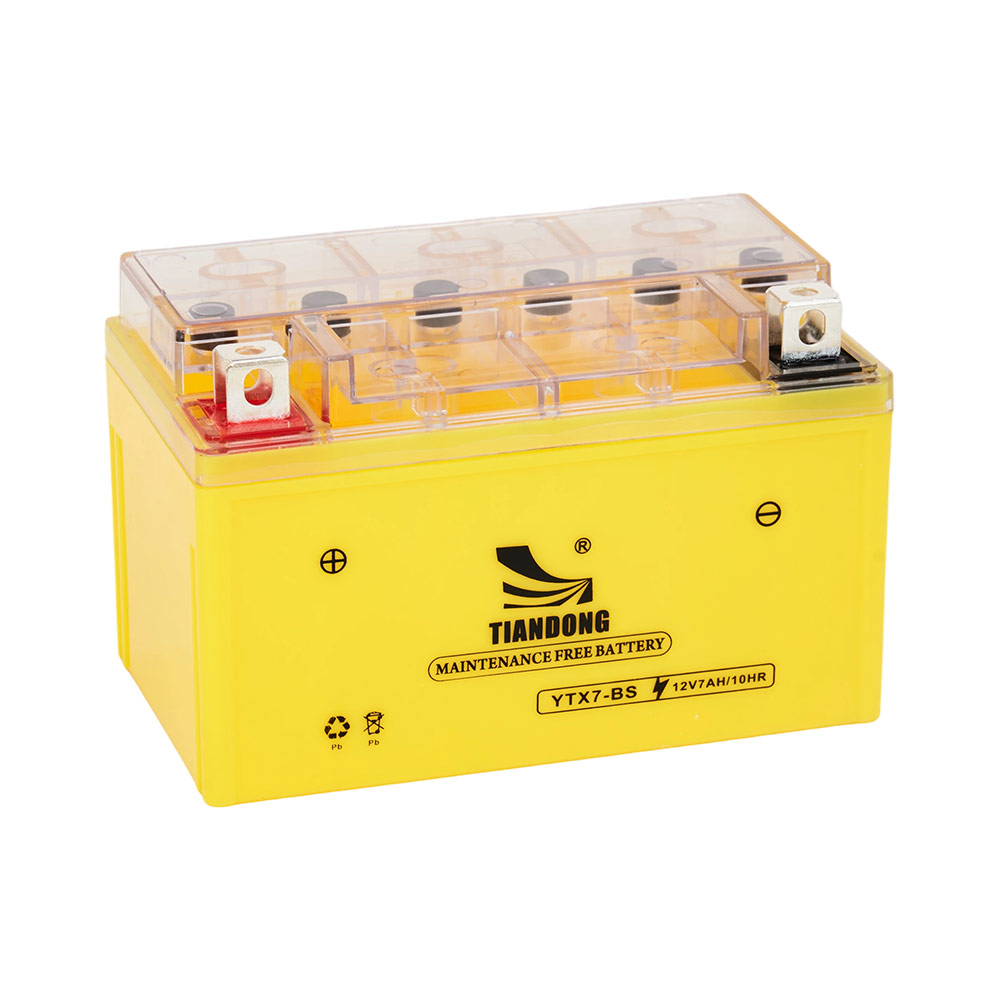
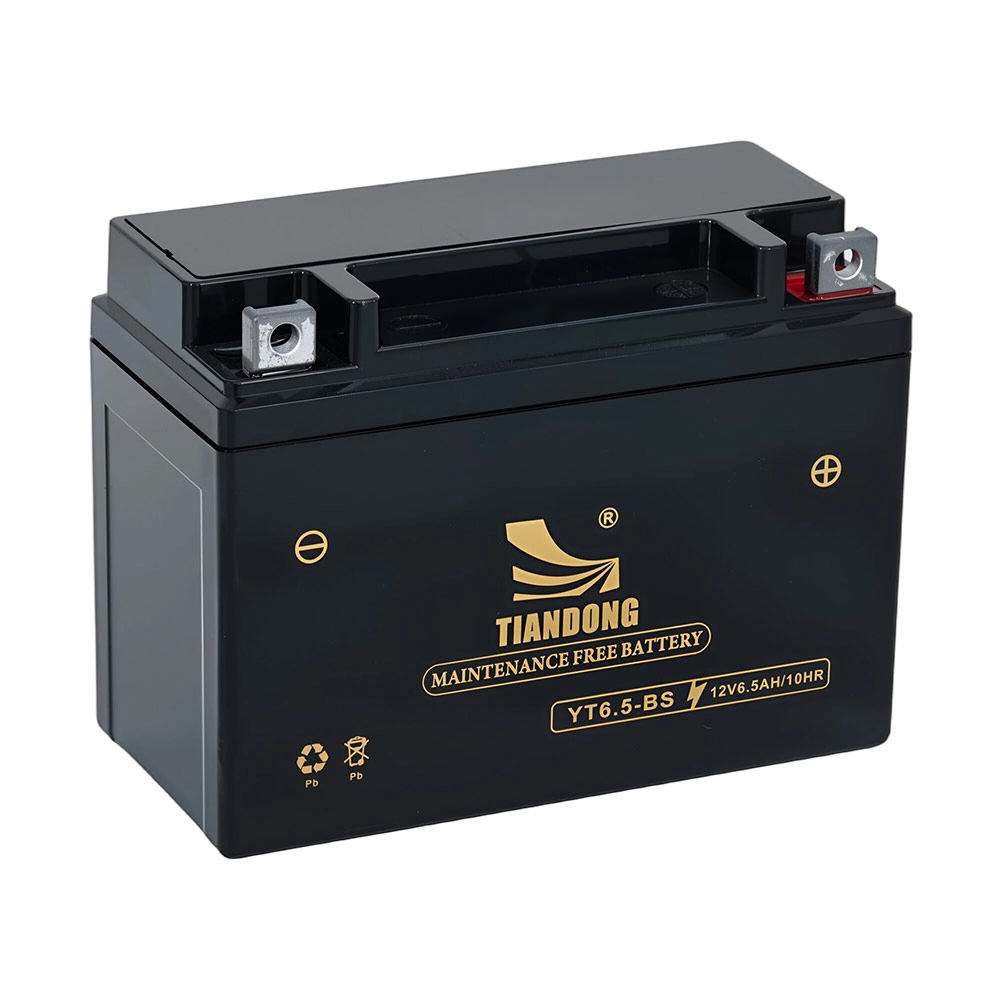
The TIANDONG YTX7-BS 12V 7ah Bike Battery is a reliable deep cycle sealed lead acid battery designed for motorcycles. Ideal for wholesale lead-acid motorcycle battery needs, it delivers stable power and long life, making it a top choice in motorcycle lead-acid battery parts.
This review focuses on the YTX7-BS 12V 7Ah from TIANDONG in the context of agm motorcycle battery technology. It examines performance, reliability, charging behavior, and where this sealed, maintenance-free deep-cycle battery fits among common motorcycle battery options. The goal is to give riders, fleet managers, and parts distributors a clear, actionable understanding of pros and cons so they can optimize fitment, life-cycle cost, and on-road reliability.
Performance and fitment: how the YTX7-BS behaves on the bike
Power delivery and starting capability
The YTX7-BS is rated 12V 7Ah and is designed primarily as a deep-cycle sealed lead acid battery for motorcycles. For most small-displacement bikes, scooters, and UTVs that specify a 12V 6–8Ah battery, it provides stable voltage under load and enough reserve capacity for typical ignition systems, lights, and accessories. As an agm motorcycle battery, it uses an absorbent glass mat to immobilize electrolyte, which improves voltage stability during repeated low-to-moderate loads compared with classic flooded cells. For cold-starting performance, riders should check the bike's required Cold Cranking Amps (CCA) — deep-cycle 7Ah AGMs generally favor reserve capacity and cycle life over very high instantaneous CCA values typical of pure starting batteries.
Fitment and compatibility
YTX7-BS is a common form factor in the motorcycle parts market and fits many Japanese and Chinese small-displacement motorcycles, scooters, and some ATVs. Before replacement, confirm terminal orientation and overall dimensions against your OEM battery. The sealed design eliminates the need to top up electrolyte, simplifying fitment for users who prefer maintenance-free operation. If you source wholesale lead-acid motorcycle battery parts, the YTX7-BS form factor is widely interchangeable with many YTX7-series batteries, but double-check polarity and hold-down mounting.
Real-world ride impressions
In everyday use, riders report consistent starting and steady accessory operation (lights, brake lights, small heated grips). The VRLA (valve-regulated lead-acid) / AGM construction reduces sensitivity to vibration and tilting, useful on off-road and standard street bikes. As with any battery, extremes of temperature and long periods of inactivity reduce on-bike life; periodic charging or using a smart maintainer during storage will preserve performance.
AGM technology explained: strengths and limitations
Why AGM is popular for motorcycles
Absorbent Glass Mat (AGM) technology places a fiberglass mat between the plates to hold the electrolyte, creating a sealed, low-gas construction that is effectively spill-proof. This delivers several motorcycle-specific benefits: vibration resistance, maintenance-free use, and lower internal resistance for reliable voltage under transient electrical loads. For more detail on AGM chemistry and advantages, see the Wikipedia overview on Absorbent Glass Mat batteries (https://en.wikipedia.org/wiki/Absorbent_glass_mat).
Limitations and trade-offs
AGM batteries like the YTX7-BS trade off some energy density and sometimes peak cranking performance for safety, cycle life, and durability. Compared to dedicated starter batteries, deep-cycle AGMs often have slightly lower CCA but better deep-discharge tolerance. Also, AGM batteries are heavier than equivalent lithium-ion packs and have slower recovery from deep discharge if not charged properly. For fleet or wholesale buyers, weigh upfront cost vs. expected life and replacement intervals.
Charging behavior and best practices
AGM batteries require a charging profile that respects their sealed construction — a smart charger with an AGM or VRLA setting is recommended. Overcharging raises internal pressure and can shorten life; undercharging encourages sulfation. For best practices consult authoritative charging guides such as Battery University’s AGM charging notes (https://batteryuniversity.com/article/bu-901a-absorbent-glass-mat-agm). Use a charger that controls bulk, absorption, and float phases and limits charge voltage for 12V AGMs to manufacturer-recommended levels.
Comparisons: YTX7-BS vs flooded, gel, and lithium options
Quick comparison table
| Characteristic | YTX7-BS (12V 7Ah AGM) | Flooded Lead-Acid | Gel | Lithium (LiFePO4) |
|---|---|---|---|---|
| Maintenance | Maintenance-free, sealed | Requires topping up with distilled water | Sealed, low maintenance | Sealed, minimal maintenance |
| Vibration tolerance | High | Moderate | High | High |
| Cold-start CCA | Good but not peak | Good | Good | Excellent (instant) |
| Weight | Heavier than lithium | Heaviest | Heavier than lithium | Lightweight (50–70% less) |
| Cost (initial) | Moderate | Lowest | Moderate to high | Highest |
| Deep-discharge tolerance | Good (designed for deep cycle) | Poor | Good | Excellent (if BMS protected) |
Discussion of real-world trade-offs
For many riders the YTX7-BS offers the best balance of cost, durability, and low maintenance. Flooded batteries remain cost-effective but require maintenance and are more sensitive to mounting orientation. Gel batteries are similar in service but can be more sensitive to charging voltage. Lithium solutions deliver weight savings and higher usable capacity but require a battery management system (BMS) and careful integration with charging systems to avoid overvoltage and charging mismatches. If your priority is a robust, sealed battery that tolerates vibration and intermittent charging, AGM (YTX7-BS) is often the pragmatic choice.
Standards and safety references
Industry guidance for lead-acid battery handling and transport comes from standards organizations and trade groups. For quality and safety frameworks, consult Battery Council International (https://batterycouncil.org/) as well as general vehicle and battery standards described by SAE International (https://www.sae.org/). For technical overviews of lead-acid fundamentals, see the Wikipedia lead-acid battery entry (https://en.wikipedia.org/wiki/Lead%E2%80%93acid_battery).
Care, storage, and troubleshooting for the YTX7-BS
Charging, storage and seasonal maintenance
Optimal life for an agm motorcycle battery depends on proper charging and storage. Use a quality smart charger with an AGM setting for charging after rides and for periodic maintenance during storage. Store batteries at a full state of charge in a cool, dry place; avoid leaving a battery discharged for extended periods to prevent sulfation. For seasonal bikes, top up with a float-mode maintainer at monthly intervals, or shorter in cold climates. For further guidance on battery handling and life-extension, Battery University provides practical tips (https://batteryuniversity.com/).
Common failure modes and solutions
Typical causes of premature failure include chronic undercharging, excessive vibration without proper mounting, overdischarge, and high temperature exposure. Troubleshooting steps:
- Measure resting voltage. A healthy fully charged 12V AGM rests ~12.7–12.8V.
- If voltage is low but the case is intact, use a smart AGM charger to perform a controlled recharge and re-test.
- Check motorcycle charging system (stator, regulator/rectifier) if repeated discharge occurs while riding; a faulty regulator can undercharge or overcharge the battery.
- Inspect connectors and terminal cleanliness — high resistance joints mimic battery weakness.
When to replace vs. attempt recovery
AGM batteries have finite cycle life. If the battery does not hold charge after a controlled charge cycle, or internal resistance is high (leading to significant voltage drop under load), replacement is the practical choice. For wholesale buyers, track mean time between replacement and warranty-return rates as part of total cost of ownership analysis.
Buying considerations and recommended uses
Who should choose the YTX7-BS?
Choose the TIANDONG YTX7-BS 12V 7Ah if you need a maintenance-free, sealed, vibration-resistant battery for small motorcycles, scooters, or replacement in common 7Ah applications. It's a strong option for riders who prefer reliability over minimal weight, and for parts wholesalers needing a standardized deep-cycle sealed lead acid part for inventory.
Warranty, sourcing and quality checks
When buying wholesale lead-acid motorcycle battery parts, verify supplier warranty terms, batch quality documentation, and packaging to avoid counterfeit or substandard cells. Look for vendor test records and CE/ISO paperwork where applicable. For organizations concerned with quality assurance, referencing international standards and supplier audits (e.g., ISO quality management systems) improves procurement confidence.
Installation tips and safety
Always install with correct polarity and secure mounting to minimize vibration. Use insulated tools to avoid shorts and follow motorcycle manufacturer torque values for terminal connections. Dispose of used lead-acid batteries through authorized recycling channels — lead-acid batteries are highly recyclable and should not be discarded with general waste.
FAQ — YTX7-BS and AGM motorcycle batteries
Q: Is YTX7-BS the same as other YTX7-series batteries?
A: YTX7-BS follows the common YTX7 form factor and is usually interchangeable with other YTX7-BS labelled batteries, but check terminal orientation and polarity before installation. BS often denotes sealed and maintenance-free construction.
Q: Can I replace a flooded battery with the YTX7-BS AGM?
A: Yes, in most cases you can replace a flooded battery with an AGM of the same voltage and similar physical size, provided the motorcycle's charging system is compatible and terminals match. Using an AGM often reduces maintenance and improves vibration tolerance.
Q: How should I charge and store the YTX7-BS during winter?
A: Use a smart charger with an AGM mode. Maintain the battery on float charge if the bike will not be used for extended periods. Store at full charge in a cool area to slow self-discharge and sulfation.
Q: What are the environmental and recycling considerations?
A: Lead-acid batteries must be recycled. They contain lead and sulfuric acid but are among the most recycled consumer products. Return used batteries to dealers or recycling centers as required by local regulations.
Q: How long should a YTX7-BS typically last?
A: Lifespan depends on use patterns, charging discipline, and environment. With proper charging and maintenance, expect multiple riding seasons (often 2–4 years). Heavy deep-discharge cycles or chronic undercharging will shorten life.
If you need further assistance evaluating fitment, bulk pricing for wholesale motorcycle battery parts, or technical specifications, contact our support team or view the product page for the TIANDONG YTX7-BS 12V 7Ah Bike Battery.
Contact Customer Service | View Product — YTX7-BS 12V 7Ah
References: Absorbent glass mat (AGM) overview on Wikipedia (https://en.wikipedia.org/wiki/Absorbent_glass_mat), Lead–acid battery fundamentals (https://en.wikipedia.org/wiki/Lead%E2%80%93acid_battery), Battery University AGM guide (https://batteryuniversity.com/article/bu-901a-absorbent-glass-mat-agm), Battery Council International (https://batterycouncil.org/), SAE International (https://www.sae.org/).

Deep cycle vs cranking batteries: which is best?

Top Features to Look for in a Good Motorcycle Battery

YT12 12V 12AH vs YTX12: Which Is Better for Your Bike?
Top 10 VRLA Battery Manufacturers and Supplier Brands
Questions you may concerned about
Product
Are your batteries maintenance-free?
Yes, our batteries are sealed VRLA or GEL types that require no water refilling. They are ready to use and easy to maintain.
Why does my motorcycle battery keep dying?
Common causes include:
-
Faulty charging system
-
Parasitic drain
-
Old battery
-
Improper storage
Do you offer OEM or custom branding?
Yes, we provide full OEM and ODM services, including logo printing, packaging customization, and model adjustments.
How long does a motorcycle battery typically last?
A motorcycle battery generally lasts between 2 and 4 years, depending on usage, maintenance, and environmental conditions.
What is the typical lifespan of your batteries?
Depending on the model and usage conditions, our batteries typically last between 2 to 4 years under normal operation.
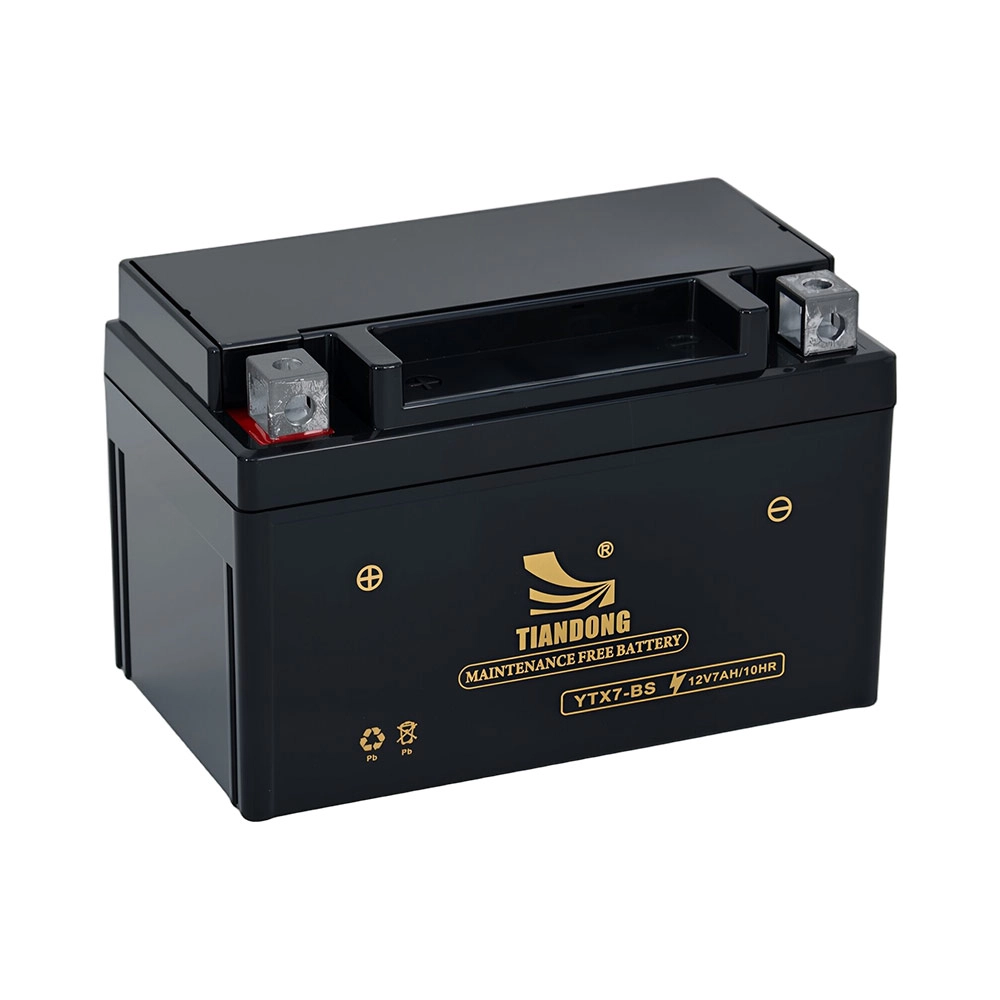
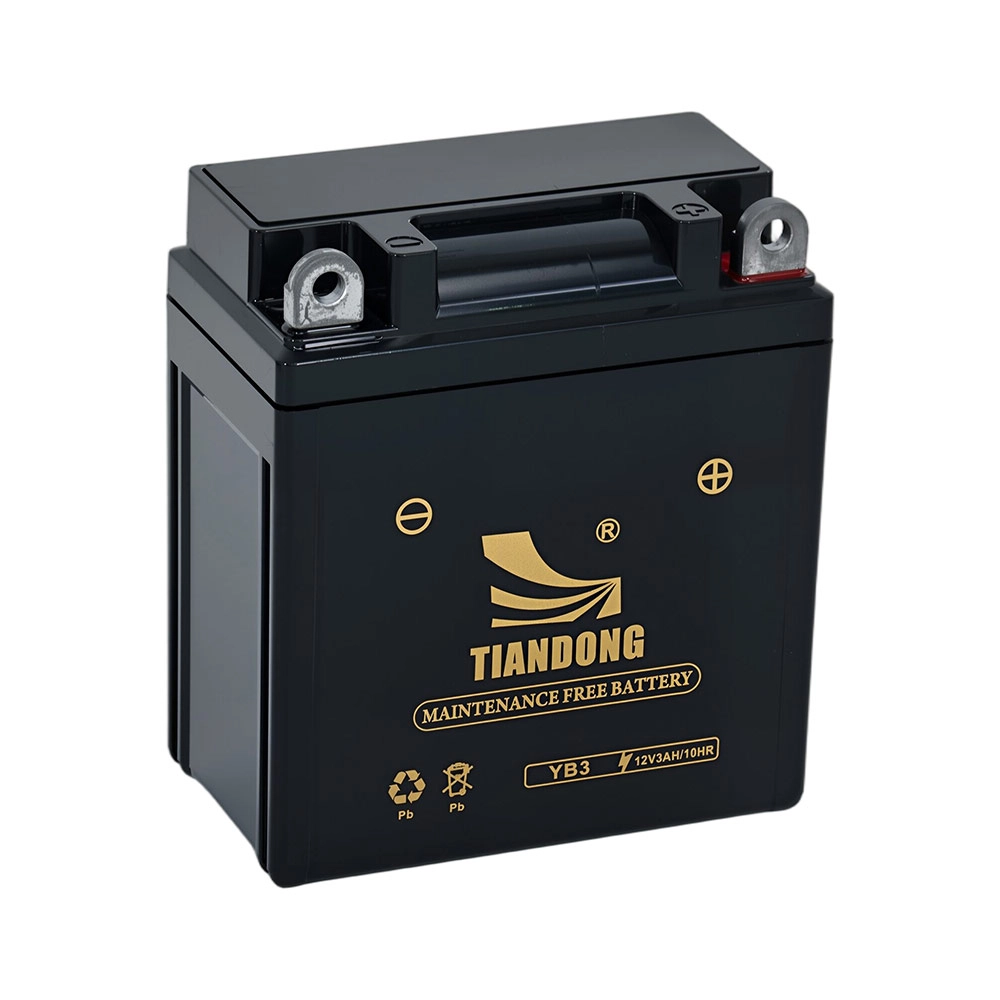
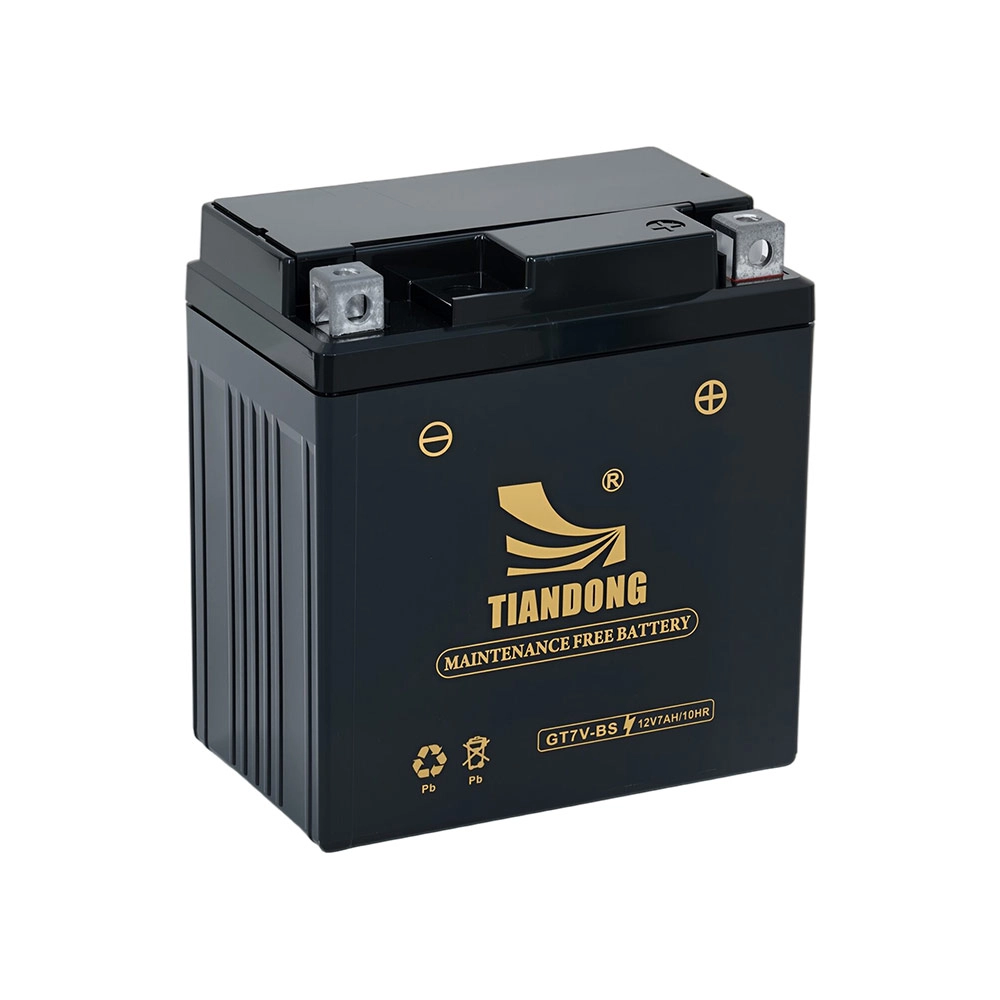
Get in touch with us to get your Motorbike Battery solution
TIANDONG is a leading motorcycle battery manufacturer offering OEM/ODM service, stable quality, and global export support.
Built for wholesalers. Trusted by global buyers. Delivered with confidence.
Say Hello
E-mail: daisybattery8@gmail.com
xianyingchen83@gmail. com
WhatsAPP: +86 134 283 86694
+86 134 348 86641
Our Location
Social Links
© 2025 TIANDONG. All Rights Reserved. Privacy Policy | Terms and Conditions | Sitemap
 Scan QR Code
Facebook
Instagram
Scan QR Code
Whatsapp: +8613434886641