






Top Maintenance Hacks for YTX5-BS 12V 5Ah Sealed Batteries
- Understanding Your Battery and Why Maintenance Matters
- What makes the YTX5-BS different
- Why routine maintenance extends service life
- Key performance indicators to monitor
- Essential Charging and Desulfation Hacks
- Use a smart charger with a proper profile
- Desulfation — low-cost life extension
- Quick-charge vs slow-charge
- Storage, Seasonal Care, and Temperature Management
- Storage voltage and intervals
- Temperature impacts and best practices
- Avoid deep discharges and parasitic drains
- Physical Care, Mounting, and Electrical Connection Tips
- Secure mounting to reduce vibration damage
- Keep terminals clean and protected
- Wire gauge, fuses, and secure routing
- Diagnostics, Testing, and When to Replace
- How to test capacity and voltage
- Using a battery analyzer or conductance tester
- When to retire your YTX5-BS
- Brand Advantages and Why Choose the TIANDONG YTX5-BS
- Product fit and reliability
- Wholesale and spare-part suitability
- Practical ownership tips
- FAQ — Common Questions about YTX5-BS Maintenance
- Q: How often should I charge my YTX5-BS if I ride daily?
- Q: Can I use a car charger on this battery?
- Q: What voltage indicates replacement is needed?
- Q: How should I dispose of an old YTX5-BS?
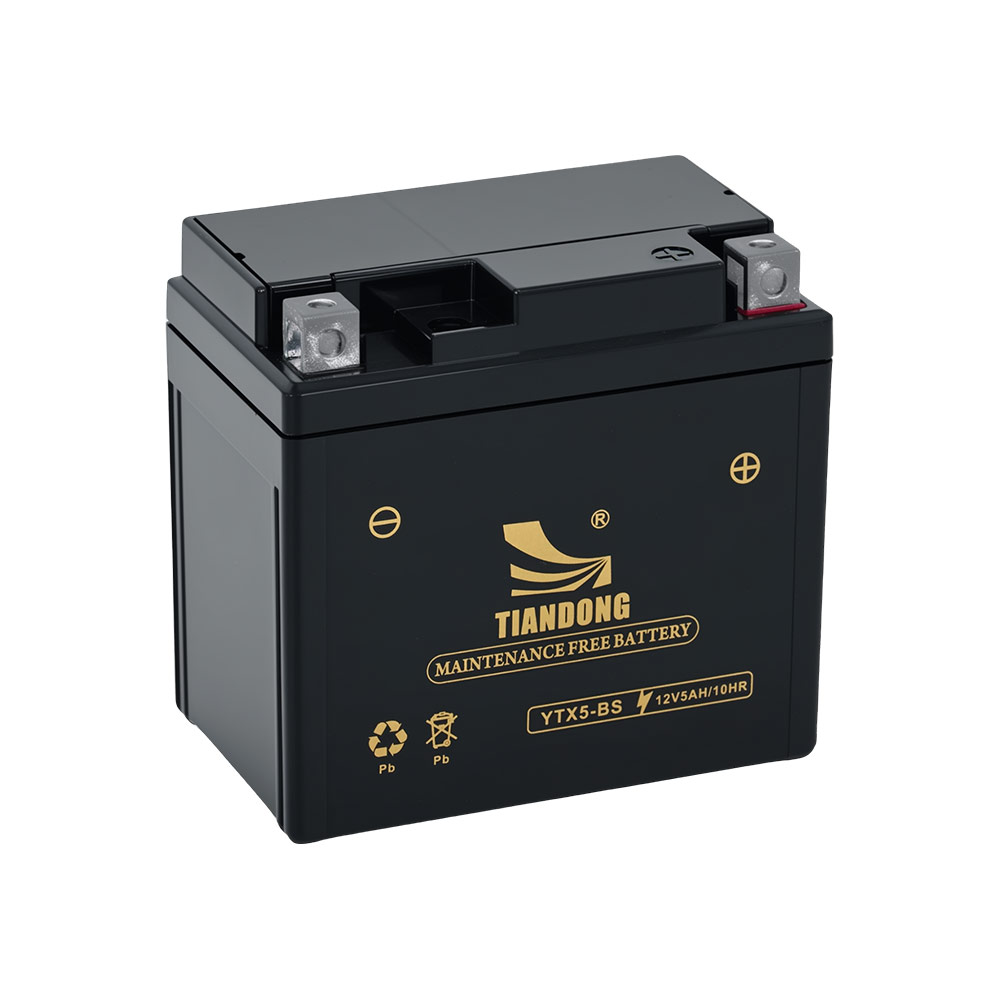
The YTX5-BS 12V 5Ah sealed battery is a popular choice for small-displacement motorcycles, scooters, and ATVs because it combines deep-cycle capability with a compact, lightweight package. This article provides actionable maintenance hacks and proven best practices to maximize lifespan, improve reliability, and keep your bike starting consistently — whether you use it every day or seasonally store it. These tips are tailored to sealed lead-acid chemistry and the YTX5-BS form factor, and they address charging, storage, mounting, and simple diagnostic checks that any rider can perform.
Understanding Your Battery and Why Maintenance Matters
What makes the YTX5-BS different
The YTX5-BS 12v 5ah MF sealed lead-acid deep cycle motorcycle battery is designed for compact motorcycles and scooters, offering a balance of cranking power and moderate deep-cycle ability. Compared to larger cells, its small size and reduced weight make it a preferred lightweight motorcycle battery for vehicles where weight and space are limited. Its sealed (maintenance-free) construction prevents routine access to electrolyte, so maintenance focuses on charging, connection integrity, and environmental protection rather than topping up acid.
Why routine maintenance extends service life
Even sealed batteries age from sulfation, deep discharge damage, and corrosion. Regular, correct maintenance reduces sulfation and prevents chronic undercharging — the two leading causes of early failure for sealed lead-acid batteries. Proper charging profiles and storage strategies can add months or years to usable life. Authoritative references such as Battery University provide detailed explanations of lead-acid aging and charging best practices (Battery University).
Key performance indicators to monitor
Track resting voltage, behavior under load, and charge acceptance. A healthy 12V sealed lead-acid battery rests at roughly 12.6–12.8V when fully charged; anything below 12.4V signals partial discharge, and sustained <12.0V indicates deep discharge that shortens life. Use a simple multimeter for these checks — small investment, big payoff.
Essential Charging and Desulfation Hacks
Use a smart charger with a proper profile
Always charge the YTX5-BS with a smart charger designed for sealed lead-acid (SLA/AGM/Gel) batteries. Smart chargers provide multi-stage charging (bulk, absorption, float) and prevent overcharging. For sealed lead-acid batteries, float voltages are typically around 13.6–13.8V while bulk/absorption may go up to 14.4–14.8V briefly; consult the charger manual and manufacturer recommendations. See an overview of SLA charging on Wikipedia: Sealed lead-acid battery (Wikipedia).
Desulfation — low-cost life extension
Sulfation (lead sulfate crystals forming on plates) occurs when a battery remains undercharged. Periodic desulfation can reverse early sulfation and restore capacity. Options: a dedicated desulfator/pulse charger or smart chargers with a desulfation mode. Use desulfation sparingly and follow device instructions; it can help older YTX5-BS units that show reduced charge acceptance.
Quick-charge vs slow-charge
Avoid frequent high-current quick charges. For small batteries like the YTX5-BS, slow, controlled charging (C/10 to C/5) is gentler and better for battery life. If you must quick-charge, ensure the charger reduces current in the absorption stage and ends with a float stage rather than leaving the battery on high voltage indefinitely.
Storage, Seasonal Care, and Temperature Management
Storage voltage and intervals
If you store your motorcycle for weeks or months, charge the battery to full before storage and check every 1–3 months. Keeping the battery at full charge minimizes sulfation. If the bike is stored in a cold environment, the self-discharge rate will be slower, but charge checks are still necessary. Use a float/maintenance charger for long-term storage to maintain 100% state-of-charge safely.
Temperature impacts and best practices
Temperature significantly affects service life. Heat accelerates chemical aging; cold reduces immediate cranking power. Ideally store YTX5-BS batteries in a cool, dry place above freezing for best longevity. If you live where temperatures drop below 0°C, occasionally bring the battery indoors to prevent deep discharge and keep it on a maintenance charger during very cold periods. Refer to general battery temperature effects: Battery University - Temperature and battery performance.
Avoid deep discharges and parasitic drains
Electronic accessories, alarm systems, or corroded wiring can drain the battery while parked. Use a keyed switch or battery isolator for long-term storage, or connect the battery to a smart maintainer to prevent parasitic drain from causing deep discharge damage.
Physical Care, Mounting, and Electrical Connection Tips
Secure mounting to reduce vibration damage
Small batteries are more vulnerable to vibration. Ensure the YTX5-BS is tightly mounted with correct spacers or a cradle to prevent movement. Isolation pads or rubber mounts reduce mechanical stress and extend life. For motorcycles frequently ridden on rough roads, inspect the mounting every few months.
Keep terminals clean and protected
Clean terminals regularly: disconnect negative first, then positive, clean corrosion with a baking soda solution and a wire brush, dry completely, and apply a thin film of dielectric grease or anti-corrosion spray. Reconnect positive first. Good connection improves charging efficiency and reduces heat at terminals.
Wire gauge, fuses, and secure routing
Use correct wire gauge and secure routing to prevent shorts, chafing, or resistance losses. Inline fuses protect wiring; check and replace any brittle or damaged insulation. High resistance at terminals or wiring reduces available cranking amps and stresses the battery.
Diagnostics, Testing, and When to Replace
How to test capacity and voltage
Start with a resting voltage measurement using a multimeter: fully charged ~12.6–12.8V. Next, perform a load test: with a known load (starter draw or a dedicated load tester), measure voltage under load. If voltage collapses quickly under a legitimate load, the battery has reduced capacity. Because YTX5-BS is sealed, hydrometer tests are not possible—voltage and load testing are primary diagnostics.
Using a battery analyzer or conductance tester
Modern battery analyzers use conductance to estimate state-of-health without heavy discharge. These tools give a quick, reliable measure of remaining capacity and internal resistance. Motorcycle shops and battery retailers often offer free testing using such analyzers.
When to retire your YTX5-BS
Typical small SLA motorcycle batteries last 2–5 years depending on usage, environment, and care. Retire when: capacity is significantly reduced despite proper charging/desulfation, frequent inability to start the bike, or high internal resistance indicated by testing. If the battery swells, leaks, or has abnormal heat during charging, dispose of it safely per local regulations.
| Maintenance Action | Frequency | Tools Needed | Expected Benefit |
|---|---|---|---|
| Full charge before storage | Each storage period (monthly checks) | Smart charger/maintainer | Prevents sulfation, extends life |
| Voltage & load test | Every 3–6 months / before long trips | Multimeter / load tester | Early detection of capacity loss |
| Terminal cleaning and protection | Every 3 months | Baking soda, brush, dielectric grease | Improves charging efficiency |
| Desulfation (if needed) | When partial sulfation is detected | Desulfator or smart charger | Restores capacity in early stage |
Brand Advantages and Why Choose the TIANDONG YTX5-BS
Product fit and reliability
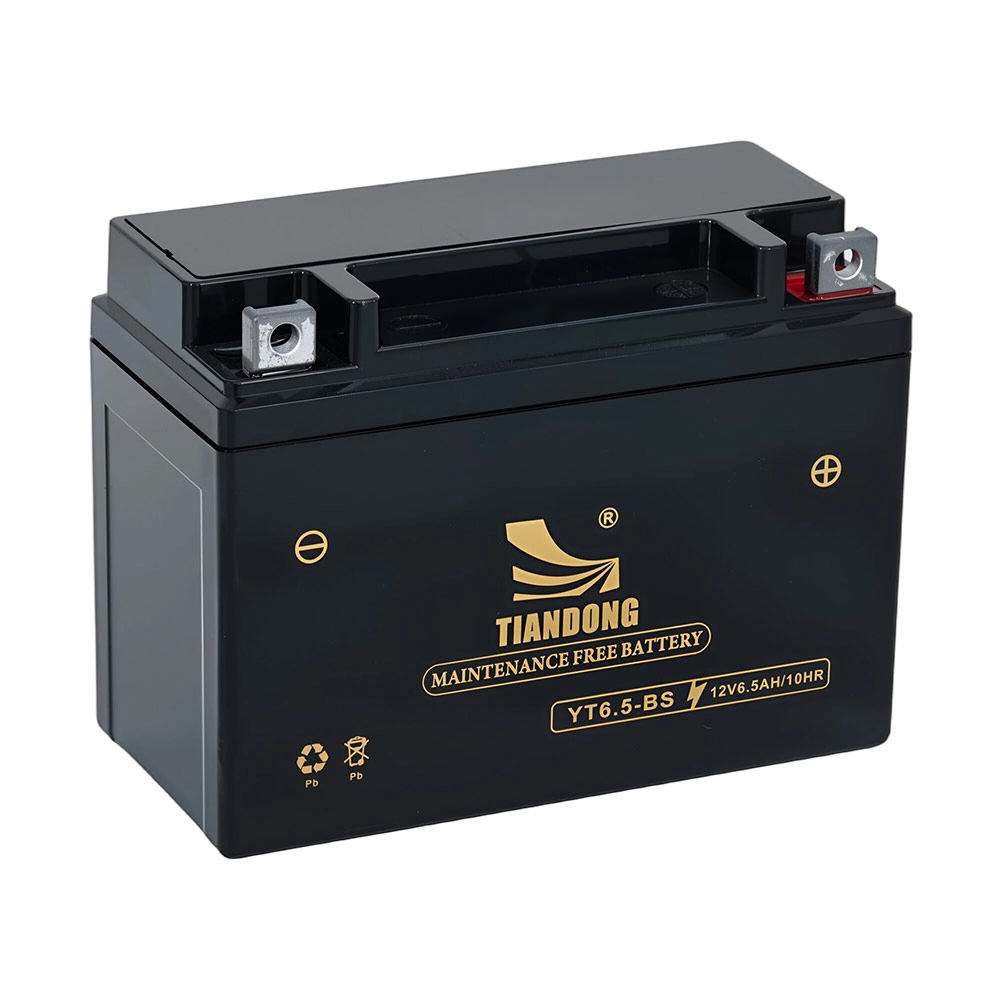
The TIANDONG YTX5-BS 12v 5ah MF sealed lead-acid deep cycle motorcycle battery offers reliable, maintenance-free power for small motorcycles and scooters. It is compact and acts as a lightweight motorcycle battery option where space and weight are a concern. The sealed design eliminates the need to top up electrolyte, simplifying ownership for riders who want a low-maintenance power solution.
Wholesale and spare-part suitability
For shops and fleet owners, the YTX5-BS is a consistent, economical spare part that fits many common applications. TIANDONG positions this battery as a durable option for wholesale needs and for customers who prefer a balance between cost and lifecycle performance.
Practical ownership tips
Pair TIANDONG YTX5-BS batteries with a compatible smart charger or maintainer and a secure mount to get the best performance. Regular maintenance as outlined in this article will minimize warranty claims and maximize time between replacements.
The TIANDONG YTX5-BS 12v 5ah MF sealed lead-acid motorcycle battery offers reliable deep cycle power for lasting performance. Ideal motorcycle spare part, perfect for wholesale lead-acid motorcycle battery needs. Durable and maintenance-free, designed to keep your motorcycle running smoothly.
FAQ — Common Questions about YTX5-BS Maintenance
Q: How often should I charge my YTX5-BS if I ride daily?
A: If you ride daily and trips are frequent and short, the charging system should maintain the battery; still, check resting voltage every 1–3 months. If rides are very short and the battery often remains under 12.5V, use a smart charger after longer rides to fully top it off.
Q: Can I use a car charger on this battery?
A: Use caution. Many car chargers are designed for much larger batteries and may supply too high current or the wrong voltage profile. Use a charger compatible with SLA/AGM 12V batteries and appropriate for the 5Ah capacity (preferably a smart charger with small output current or a maintainer).
Q: What voltage indicates replacement is needed?
A: If a fully charged resting voltage cannot reach ~12.6V after proper charging, and load tests show rapid voltage collapse, replacement is likely needed. Also consider replacement if capacity is significantly reduced after attempted desulfation and correct charging.
Q: How should I dispose of an old YTX5-BS?
A: Lead-acid batteries are hazardous waste and must be recycled. Take old batteries to an authorized recycling center, battery retailer, or municipal hazardous-waste facility. Many motorcycle shops accept used batteries for recycling.
Need help selecting the right charger or want to order replacement batteries? Contact our support team or view the product page to check pricing and availability. For purchase or technical assistance, please contact us or visit the product listing.
Contact / View Product: Click here to contact sales or view the TIANDONG YTX5-BS product
By implementing these maintenance strategies, you ensure that your equipment delivers consistent power for every journey. To revisit the core reasons why this specific battery technology is a game-changer for modern riders, read Why Choose a Lightweight Motorcycle Battery: Benefits for Riders.

MOQ, lead time and shipping for electric motorcycle battery orders

How to extend YTX7-BS battery life with smart chargers

How to Install a YTX7-BS AGM Motorcycle Battery Safely

Best Motorcycle Battery 2026: Why Choose YT12 12V 12AH
Questions you may concerned about
Product
How long does a motorcycle battery typically last?
A motorcycle battery generally lasts between 2 and 4 years, depending on usage, maintenance, and environmental conditions.
What is the typical lifespan of your batteries?
Depending on the model and usage conditions, our batteries typically last between 2 to 4 years under normal operation.
How long is the lead time and where do you ship?
Standard lead time is 7–15 days. We export to over 20 countries, including Vietnam, India, Egypt, and Thailand.
What is the most common motorcycle battery type?
AGM batteries are currently the most widely used due to their balance of cost and performance.
customer
Can overseas clients visit the Tiandong factory?
Yes. Tiandong welcomes international customers to visit the factory, production workshops, and logistics warehouses to better understand the manufacturing and quality control process.
Get in touch with us to get your Motorbike Battery solution
TIANDONG is a leading motorcycle battery manufacturer offering OEM/ODM service, stable quality, and global export support.
Built for wholesalers. Trusted by global buyers. Delivered with confidence.
Say Hello
E-mail: daisybattery8@gmail.com
xianyingchen83@gmail. com
WhatsAPP: +86 134 283 86694
+86 134 348 86641
Our Location
Social Links
© 2025 TIANDONG. All Rights Reserved. Privacy Policy | Terms and Conditions | Sitemap
 Scan QR Code
Facebook
Instagram
Scan QR Code
Whatsapp: +8613434886641