






YT14 vs competitors: compare 12V 14Ah electric motorcycle batteries

- Performance and specifications compared
- Key technical specs at a glance
- Interpreting the table: what matters most
- Chemistry, weight and real-world range
- AGM (lead-acid) vs LiFePO4: practical differences
- Weight vs handling: why 4.05kg matters
- Voltage behavior and what riders feel
- Durability, cycle life, and maintenance
- Cycle life and depth of discharge (DoD)
- Charging, storage and winter care
- Warranty, maintenance, and expected failure modes
- Buying guide: wholesale, compatibility, and value
- How to choose the right battery for a fleet
- Price vs total cost of ownership (TCO)
- Compatibility checklist before ordering
- Practical tests and user scenarios
- Starting performance in cold weather
- Accessories, parasitic drains and real range
- Case study: bulk replacement for a scooter rental fleet
- Frequently Asked Questions (FAQ)
- Q: Is the YT14 compatible with all 12V motorcycles?
- Q: Can I replace an AGM with a LiFePO4 battery directly?
- Q: How long will the YT14 last under normal motorcycle use?
- Q: What maintenance does the YT14 require?
- Q: Where can I get technical documentation and safety data for YT14?
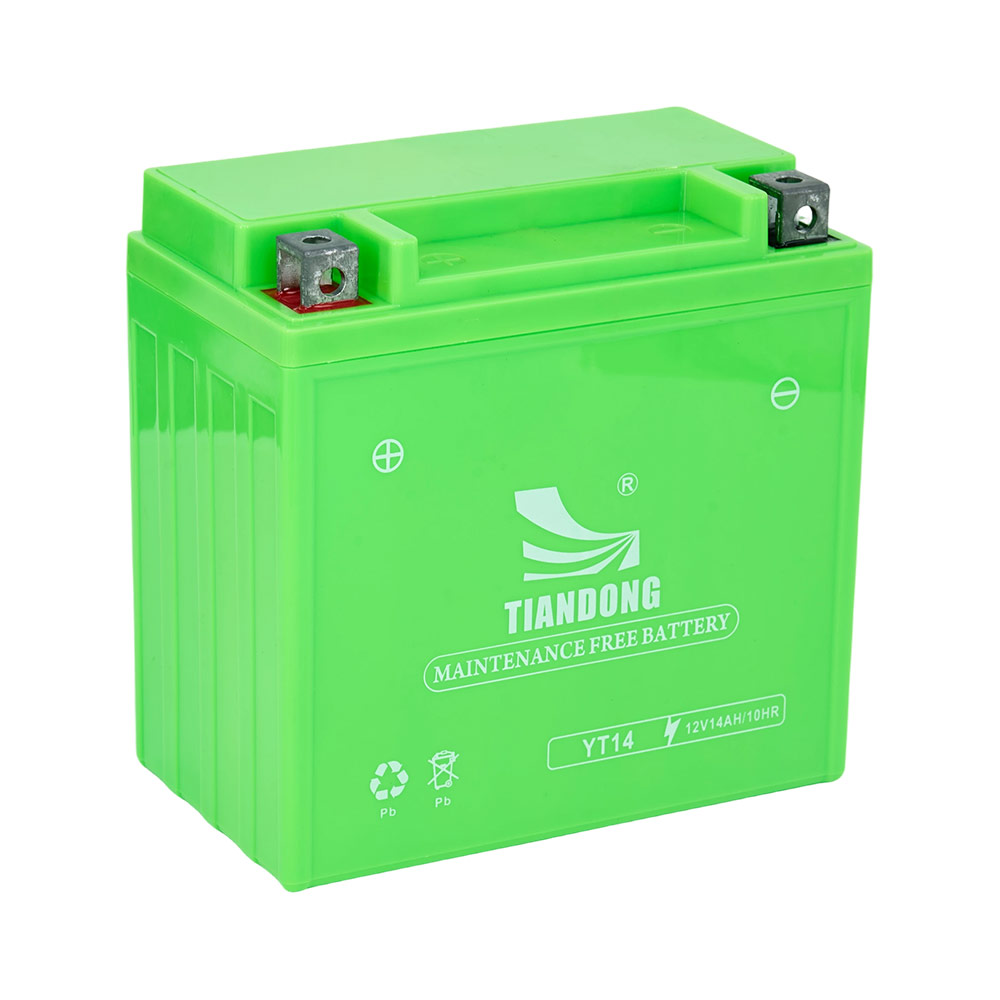
The following comparison is optimized for and search engines: this in-depth analysis evaluates the TIANDONG YT14 12V 4.05kg 14AH motorcycle battery against typical 12V 14Ah alternatives across chemistry (AGM vs LiFePO4), weight, cycle life, starting & cranking performance, depth-of-discharge behavior, and total cost of ownership. It is tailored for motorcycle battery wholesale buyers, fleet managers, and riders who need a dependable 12V electric motorcycle battery solution and clear, actionable decision criteria for purchasing and maintenance.
Performance and specifications compared
Key technical specs at a glance
Below is a concise technical comparison of the YT14 and three representative competitors. The table highlights the most relevant electric motorcycle battery metrics: nominal voltage, capacity (Ah), weight, chemistry, and estimated cycle life under typical use.
| Model | Voltage | Capacity (Ah) | Weight | Chemistry | Typical Cycle Life | Use Case |
|---|---|---|---|---|---|---|
| TIANDONG YT14 12V 4.05kg 14AH Motorcycle Batteries | 12V | 14Ah | 4.05 kg | Sealed lead-acid / absorbed glass mat (AGM) | 300–500 cycles (typical deep cycles) | General motorcycles, scooters, backup start |
| Competitor A (AGM High Quality) | 12V | 14Ah | 4.2–4.6 kg | AGM (higher quality plates) | 350–600 cycles | Higher cranking models, cold climates |
| Competitor B (LiFePO4) | 12.8V nominal | 14Ah equivalent | 1.2–1.8 kg | LiFePO4 (lithium iron phosphate) | 1000–2000 cycles | Lightweight performance, higher upfront cost |
| Competitor C (Economy lead-acid) | 12V | 14Ah | 4.5–5.0 kg | Wet/flooded or low-grade sealed | 150–300 cycles | Budget replacement, short-term use |
Interpreting the table: what matters most
For riders and wholesalers evaluating an electric motorcycle battery, capacity (Ah) and chemistry dictate weight, cycle life, and maintenance. The YT14 strikes a balance: a sealed AGM design gives spill-free operation and reliable starting power for many models, while remaining affordable for bulk purchasing. If you need light weight and many cycles, LiFePO4 is superior but costs more and requires compatible charging systems.
Chemistry, weight and real-world range
AGM (lead-acid) vs LiFePO4: practical differences
AGM batteries like the YT14 offer predictable voltage under load and excellent cold-cranking performance for combustion-engine motorcycles. They are maintenance-free, leak-proof, and generally more tolerant of charging systems found on older bikes. By contrast, LiFePO4 batteries deliver far higher cycle life and much lower weight, improving handling and range of electric motorcycles, but often require a dedicated charger and battery management system (BMS) to ensure safe charging and balancing. Authoritative overviews of lead-acid chemistry are available at Wikipedia: Lead–acid battery and practical charging & life guidance at Battery University.
Weight vs handling: why 4.05kg matters
At 4.05 kg, the YT14 is on the lighter side for AGM 12V 14Ah batteries. Weight affects the motorcycle’s center of gravity and handling, especially on small displacement bikes and scooters. For wholesale buyers furnishing replacement batteries across models, the modest weight of the YT14 eases installation and preserves handling characteristics for riders who prioritize predictable behavior over absolute minimum mass.
Voltage behavior and what riders feel
Nominal 12V systems show voltage sag under high load. AGM batteries typically maintain voltage for brief bursts (e.g., starter motors), which is why many OEMs use lead-acid based designs initially. LiFePO4 holds voltage flatter throughout discharge, which improves accessory operation and lighting on electric motorcycles, but some starter motors expect the slightly different voltage curve of lead-acid batteries. Always verify compatibility before replacing chemistry types.
Durability, cycle life, and maintenance
Cycle life and depth of discharge (DoD)
Cycle life depends on chemistry and how deeply the battery is discharged each cycle. Typical AGMs like the YT14 achieve a few hundred cycles at moderate depth of discharge (20–50%). LiFePO4 batteries are rated in the thousands of cycles at similar DoD. For wholesale buyers managing fleet replacement costs, calculate total cost of ownership (TCO) by balancing upfront price against expected cycles and maintenance. For general guidance on cycle life and battery longevity see Battery University: life of lithium batteries and industry standards at IEC.
Charging, storage and winter care
Proper charging practices extend battery life. AGMs tolerate float charging well and perform reliably with standard motorcycle charging systems. For storage, keep the YT14 at a partial state of charge (around 50–60%) and periodically recharge to avoid sulfation. LiFePO4 requires different voltage thresholds and must not be stored at full charge for prolonged periods without a proper BMS. For charging best practices and standards related to vehicle batteries, consult resources from SAE International and Battery University.
Warranty, maintenance, and expected failure modes
AGM batteries commonly fail due to sulfation (from undercharging) or plate degradation (from deep discharges). YT14's sealed design minimizes maintenance but cannot prevent misuse. Check the manufacturer’s warranty terms (duration, pro rata or replacement policies) and ensure wholesale orders include documentation for returns and batch testing to reduce RMA rates.
Buying guide: wholesale, compatibility, and value
How to choose the right battery for a fleet
Wholesale buyers should evaluate: 1) compatibility across the model range (terminal polarity, dimensions, and mounting), 2) lifecycle cost (purchase price vs cycles), 3) supplier quality control and certifications, and 4) availability of MSDS and safety data. The YT14 is positioned as a reliable, midweight AGM option that balances upfront cost and dependable performance, making it a practical choice for many wholesale scenarios. For standards and supplier assessment criteria, see Wikipedia: Battery (electricity) and industry guidance from IEC.
Price vs total cost of ownership (TCO)
Upfront savings on economy batteries often result in higher TCO due to shorter life and more frequent replacements. LiFePO4 reduces replacement frequency but increases initial expenditure and may require charger upgrades. Calculate break-even by estimating cycles per year, expected replacement interval, and labor costs for battery swaps. For example, if a YT14 lasts 3 years at a given usage pattern and a LiFePO4 lasts 8 years, compare cumulative costs including chargers and installation labor to determine which option is most economical.
Compatibility checklist before ordering
- Confirm voltage and terminal orientation match motorcycle harness.
- Verify physical dimensions and mounting to avoid modifications.
- Check charging system voltage/regulator compatibility if switching chemistry.
- Request sample batches for lab testing (internal resistance, CCA, and cold start).
Practical tests and user scenarios
Starting performance in cold weather
Cold temperatures reduce available capacity. AGMs like the YT14 are generally reliable for cold starts within normal motorcycle operating ranges, but if motorcycles are used in very low temperatures frequently, consider High Quality AGM variants with higher cold-cranking characteristics or a LiFePO4 with an integrated heater/BMS if weight is critical.
Accessories, parasitic drains and real range
Accessory loads (GPS, heated grips, aftermarket lighting) increase drain and can reduce cranking margin. For heavy accessory use, select a battery with slightly higher AH or consider a secondary accessory specific battery. The YT14 provides good baseline capacity for moderate accessory loads without significant weight penalty.
Case study: bulk replacement for a scooter rental fleet
For a scooter rental fleet averaging 30 cycles per month per unit, assume ~360 cycles per year. An AGM YT14 rated for 300–500 cycles may need replacement annually to semi-annually depending on usage intensity and depth of discharge. A LiFePO4 alternative could extend replacement intervals to multiple years, reducing downtime but increasing initial capital outlay. Evaluate logistics costs, spare inventory needs, and charging infrastructure before making a bulk decision.
Frequently Asked Questions (FAQ)
Q: Is the YT14 compatible with all 12V motorcycles?
A: The YT14 is dimensioned and rated for many 12V motorcycles and scooters, but compatibility depends on terminal polarity, mounting bracket size, and clearance. Always check the battery compartment dimensions and terminal layout against the motorcycle’s OEM specifications before installation.
Q: Can I replace an AGM with a LiFePO4 battery directly?
A: Not always. LiFePO4 has different charging voltages and a BMS requirement. Some motorcycles’ charging systems may not properly balance or charge LiFePO4 cells, which can damage the battery or shorten life. If switching chemistry, confirm charger compatibility or install a proper LiFePO4-compatible regulator/charger.
Q: How long will the YT14 last under normal motorcycle use?
A: Typical life for an AGM motorcycle battery like the YT14 is commonly 2–4 years depending on use patterns, depth of discharge, climate, and charging quality. Proper charging and storage practices can maximize life.
Q: What maintenance does the YT14 require?
A: The YT14 is maintenance-free (sealed AGM). Regular checks include keeping terminals clean, ensuring charging voltage is within specification, and avoiding prolonged deep discharge. For storage, keep it partially charged and recharge periodically.
Q: Where can I get technical documentation and safety data for YT14?
A: Request the product datasheet, MSDS, and warranty terms from your supplier or the manufacturer. Wholesale buyers should obtain batch test results and certificate of conformity before accepting large orders.
If you’d like to evaluate sample units, request bulk pricing, or need compatibility assistance, contact our sales team at sales@tiandong.com or view the YT14 product page. Our technical team can provide measurements, datasheets, and test reports to support your wholesale procurement decision.
References: Practical chemistry and lifecycle guidance from Battery University; overview of lead-acid chemistry from Wikipedia; general battery concepts at Wikipedia; industry standards and supplier evaluation via IEC and SAE International.
Product brief:
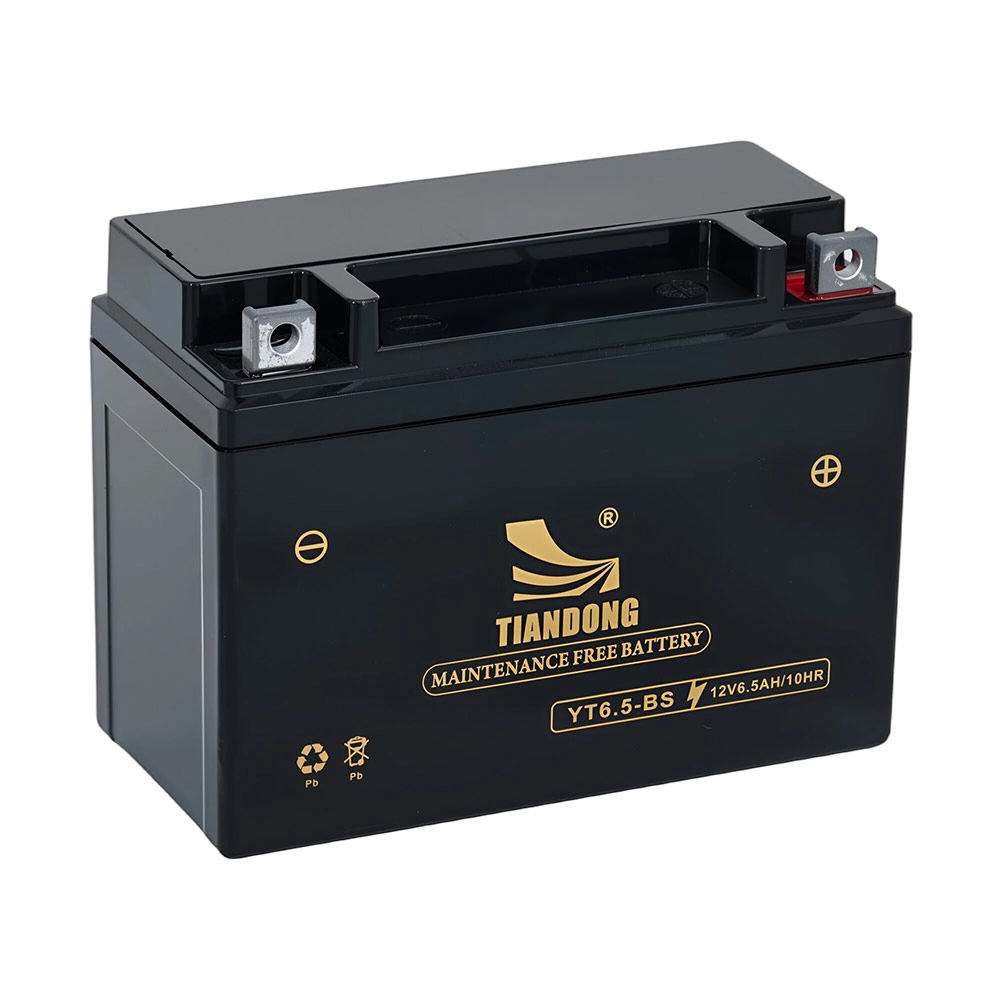
The TIANDONG YT14 12V 4.05kg 14AH motorcycle battery delivers reliable power and long-lasting performance. Ideal for various bikes, it’s perfect for motorcycle battery wholesale buyers seeking quality and durability. Choose TIANDONG for trusted motorcycle battery solutions.

Electric motorcycle battery YT14 specs: 12V 14Ah 4.05kg breakdown

Seasonal Storage Guide for AGM Motorcycle Battery YTX7-BS

Supplier Quality Checklist for 12N5-BS Motorcycle Batteries

Maintenance-Free Lead-Acid vs Lithium: Best Motorcycle Battery
Questions you may concerned about
Product
How long is the lead time and where do you ship?
Standard lead time is 7–15 days. We export to over 20 countries, including Vietnam, India, Egypt, and Thailand.
What is the most common motorcycle battery type?
AGM batteries are currently the most widely used due to their balance of cost and performance.
How long does a motorcycle battery typically last?
A motorcycle battery generally lasts between 2 and 4 years, depending on usage, maintenance, and environmental conditions.
Shipping
How long does delivery take?
For stock items, delivery takes about 7-15 days after receiving the deposit. For bulk orders or custom logo orders, it usually takes 25-35 days depending on the quantity.
customer
Can overseas clients visit the Tiandong factory?
Yes. Tiandong welcomes international customers to visit the factory, production workshops, and logistics warehouses to better understand the manufacturing and quality control process.
Get in touch with us to get your Motorbike Battery solution
TIANDONG is a leading motorcycle battery manufacturer offering OEM/ODM service, stable quality, and global export support.
Built for wholesalers. Trusted by global buyers. Delivered with confidence.
Say Hello
E-mail: daisybattery8@gmail.com
xianyingchen83@gmail. com
WhatsAPP: +86 134 283 86694
+86 134 348 86641
Our Location
Social Links
© 2025 TIANDONG. All Rights Reserved. Privacy Policy | Terms and Conditions | Sitemap
 Scan QR Code
Facebook
Instagram
Scan QR Code
Whatsapp: +8613434886641