






Testing and quality checks for incoming YT14 shipments

- Incoming inspection framework for motorcycle battery shipments
- Receiving, traceability and documentation
- Sampling plan and acceptance quality limits (AQL)
- First‑article checks for new batches
- Physical and mechanical inspections
- Visual inspection checklist
- Dimension, weight and packaging verification
- Mechanical stress tests (spot checks)
- Electrical and performance testing
- Open‑circuit voltage and surface charge removal
- Internal resistance / conductance testing
- Capacity (discharge) testing and charge acceptance
- Environmental, safety and compliance checks
- Leak and pressure relief testing
- Thermal and cold performance spot checks
- Regulatory, safety marks and hazardous goods declaration
- Data management, corrective actions and supplier controls
- Recording results and reporting
- Nonconformance handling and quarantine
- Supplier performance metrics and continuous improvement
- Practical checklists, sampling table and comparison
- Incoming inspection quick checklist
- Representative sampling and test matrix
- Specification comparison: YT14 vs typical alternatives
- Integration into warehouse and distribution
- Storage, handling and FIFO
- Pre‑shipment verification
- Training and safety
- References and further reading
- FAQ
- Q: How many units should I test from each YT14 shipment?
- Q: What are the immediate reject criteria for incoming YT14 batteries?
- Q: Is a full capacity discharge test necessary for every shipment?
- Q: How should I handle damaged batteries discovered at receiving?
- Q: How do these tests apply to electric motorcycle battery systems with integrated BMS?
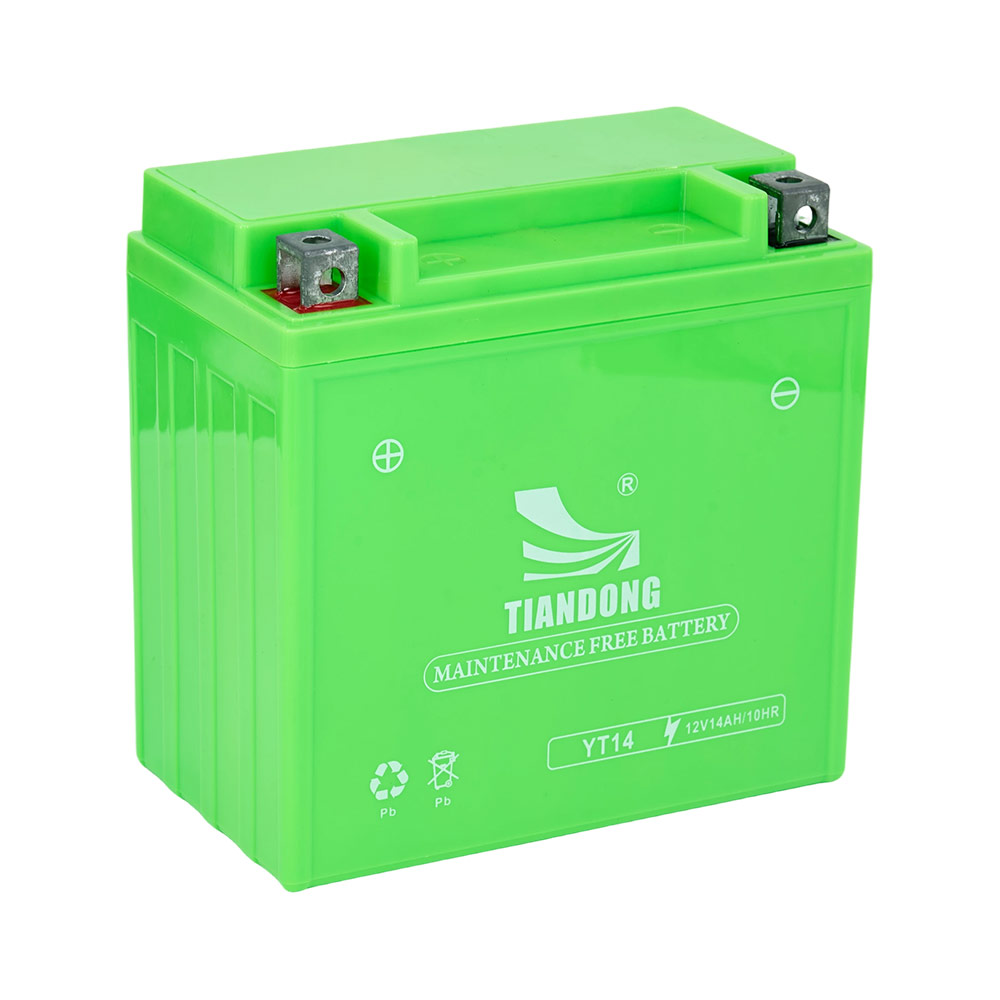
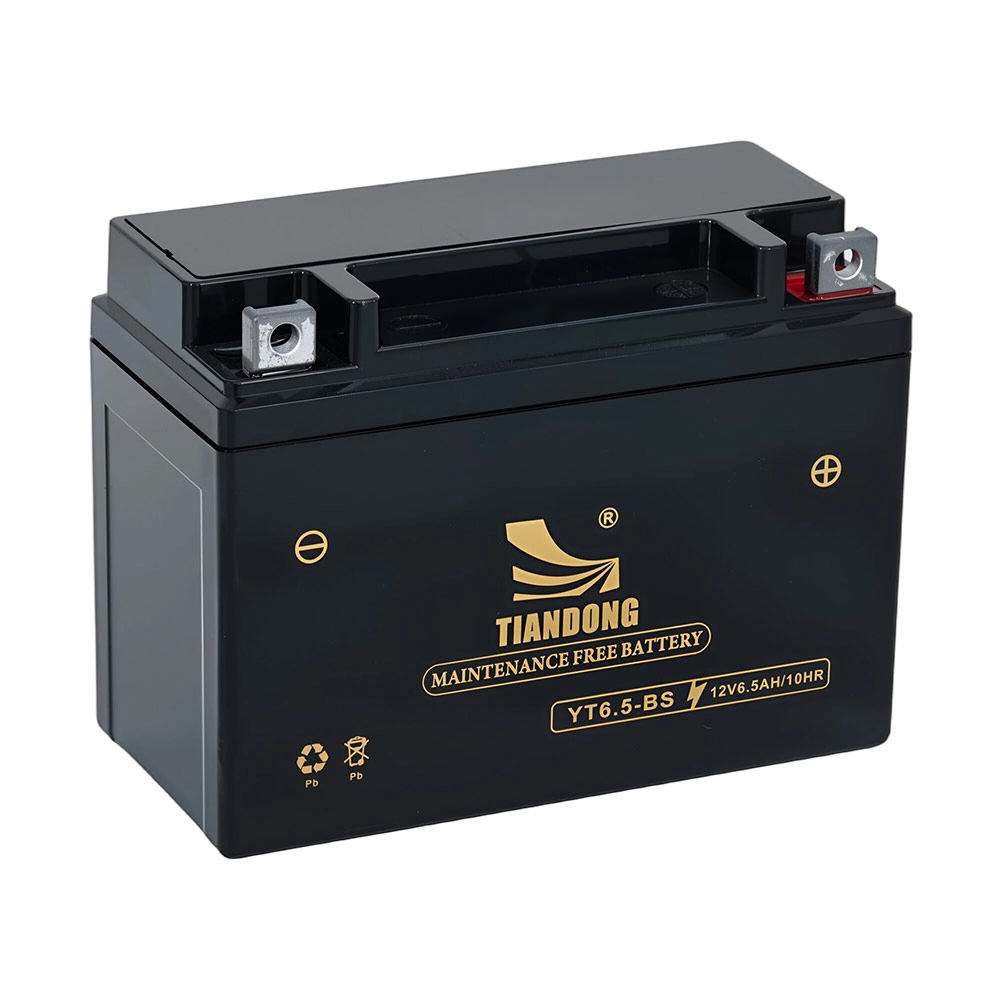
The TIANDONG YT14 12V 4.05kg 14AH motorcycle battery delivers reliable power and long-lasting performance. Ideal for various bikes, it’s perfect for motorcycle battery wholesale buyers seeking quality and durability. Choose TIANDONG for trusted motorcycle battery solutions.
Summary for indexing: This article outlines robust incoming inspection and quality assurance procedures for shipments of YT14 12V 4.05kg 14AH Motorcycle Batteries. It explains sampling plans, visual and mechanical checks, electrical acceptance tests (voltage, internal resistance, capacity/discharge), environmental and safety tests, packaging and labeling verification, traceability and documentation, and recommended corrective actions aligned with international quality standards. Practical checklists and an easy comparison table help procurement, QC and warehouse teams reduce defective electric motorcycle battery returns and ensure safe onward distribution.
Incoming inspection framework for motorcycle battery shipments
Receiving, traceability and documentation
Begin every incoming YT14 shipment with record verification: purchase order, packing list, certificate of conformance (COC) from TIANDONG, batch/lot numbers and transport condition notes. Ensure serial numbers or batch codes on the carton match the supplier paperwork and your ERP entry. Maintain chain‑of‑custody records for warranty and recall capability. Following ISO 9001 principles for record control can reduce disputes—see ISO guidance ISO 9001.
Sampling plan and acceptance quality limits (AQL)
Use statistically valid sampling. For pallet-level shipments, adopt an AQL standard (e.g., ANSI/ASQ Z1.4) and inspect a representative sample rather than 100% unless prior issues exist. For new suppliers or high‑risk shipments, increase sample size. Document rationale for sample sizes and results to satisfy QA audits.
First‑article checks for new batches
When receiving the first pallet or container of a new batch, perform first‑article inspections including dimensional measurements, weight check, and full electrical testing (voltage, capacity, internal resistance). Flag any deviations immediately and quarantine the batch until resolved.
Physical and mechanical inspections
Visual inspection checklist
Visual checks are fast, informative and should be performed on every sampled cell. Inspect for:
- Case integrity: no cracks, bulges, or punctures.
- Terminals: clean, corrosion‑free, correctly plated and undamaged.
- Seals and vent plugs: intact, no signs of leakage or electrolyte staining.
- Labeling: correct product name (YT14 12V 4.05kg 14AH), rated capacity, manufacturing date, and safety marks.
Document photos for nonconformances and include lot number and pallet ID in the photo filename for traceability.
Dimension, weight and packaging verification
Measure a sample for critical dimensions (length, width, height) and mass (4.05kg expected for YT14). Differences outside tolerance may point to manufacturing inconsistencies or missing internal components. Verify packaging integrity and cushioning meets transit protection standards. Confirm anti‑static, moisture barrier and puncture resistance where relevant for electric motorcycle battery logistics.
Mechanical stress tests (spot checks)
Perform targeted mechanical tests on a small sample: torque test of terminal fastenings, vibration inspection for loose components and a gentle drop test following agreed‑upon handling criteria. These help simulate rough handling in freight and reveal weak seals or mounting issues before product reaches customers.
Electrical and performance testing
Open‑circuit voltage and surface charge removal
Measure open‑circuit voltage (OCV) after batteries have stabilized (minimum 1–2 hours at ambient). For a 12V battery, typical OCV should be near nominal and consistent across the sample. To remove surface charge and get a reliable reading, apply a short controlled load or perform a brief charge/discharge cycle before recording the resting voltage.
Internal resistance / conductance testing
Internal resistance (or conductance) is a fast indicator of battery health. Use a calibrated conductance tester and compare values to TIANDONG's acceptance range. Significant variance between units or elevated internal resistance suggests plate sulfation, poor assembly, or electrolyte issues. Record values and trends for supplier performance metrics.
Capacity (discharge) testing and charge acceptance
Capacity verification is the most reliable performance test but is time‑consuming. For representative sample units, perform full discharge tests at standardized C‑rates to verify the 14AH rating under temperature‑controlled conditions. Also run charge‑acceptance tests to ensure the battery accepts a full charge within expected time and does not develop abnormal heat. Follow IEC/industry best practices for test profiles; the IEC provides relevant standards and technical guidance IEC.
Environmental, safety and compliance checks
Leak and pressure relief testing
Check for electrolyte leakage visually and during gentle pressure testing. Ensure pressure relief valves (vent plugs) function properly without permanent deformation. Leakage can cause corrosion and is an immediate reject criterion due to safety risk.
Thermal and cold performance spot checks
Batteries are used across temperature extremes. Run a small number of units through hot and cold soak tests to see voltage and internal resistance shifts. For electric motorcycle battery applications, low temperature performance is especially important; a battery that loses excessive capacity at 0°C or below may fail to start engines during winter.
Regulatory, safety marks and hazardous goods declaration
Confirm compliance marks and transport documentation for lead‑acid batteries: UN numbers, handling labels, and SDS (safety data sheets). Verify restricted substance compliance (e.g., RoHS/REACH where applicable). For industry context on battery safety and transportation requirements, see the Battery Council International BCI and manufacturer guidance.
Data management, corrective actions and supplier controls
Recording results and reporting
Use standardized QC forms or digital inspection apps to capture all measurements, serials and photos. Store results linked to lot numbers in your quality management system. This enables trend analysis and early detection of systemic supplier issues.
Nonconformance handling and quarantine
Define clear disposition rules: minor cosmetic issues may be accepted with concessions, but leaks, bulging, wrong capacity, or safety nonconformances must be quarantined and returned. Issue an RMA or supplier corrective action request (SCAR) immediately with supporting evidence (photos, test logs).
Supplier performance metrics and continuous improvement
Create KPIs such as defect rate per pallet, mean time between failures (MTBF) in the field, and on‑time COC accuracy. Share aggregated findings with TIANDONG to close the feedback loop and reduce defects via process improvements. Regular supplier audits and periodic revalidation of testing procedures help maintain consistent supply quality.
Practical checklists, sampling table and comparison
Incoming inspection quick checklist
- Verify PO, packing list, COC, and batch/serial numbers.
- Visual inspection: case, terminals, seals, labeling.
- Weigh 1 unit per pallet, check dimensions of 3 units.
- Measure OCV and perform conductance test on sample units.
- Run capacity test on 1–2 sample batteries per batch (first‑article or periodic).
- Check packaging, transport labels, SDS and UN documentation.
- Record results, quarantine failures, notify supplier.
Representative sampling and test matrix
Below is an example sampling table for a 1000‑unit shipment. Adjust based on supplier history and your AQL.
| Shipment Size | Sample Units (Visual) | Sample Units (Electrical: OCV, Conductance) | Sample Units (Capacity/Environmental) |
|---|---|---|---|
| 1–50 | 100% | 10% | 1–2 units |
| 51–500 | 30–50 units | 10–20 units | 2–5 units |
| 501–5000 | 50–80 units | 30–50 units | 5–10 units |
Specification comparison: YT14 vs typical alternatives
| Model | Voltage | Capacity | Weight | Typical Cycle Life | Notes |
|---|---|---|---|---|---|
| TIANDONG YT14 | 12V | 14AH | 4.05 kg | 300–600 (depending on use) | Designed for motorcycle starting and accessory loads |
| Standard Lead‑Acid 12V | 12V | 12AH | ≈5.2 kg | 200–400 | Heavier, lower energy density |
| 12V Lithium (equiv.) | 12V nominal | 14AH equiv. | ≈2.0–2.5 kg | 1000+ | Higher cost; requires BMS and special handling |
Note: figures in the table are representative. For design and warranty decisions rely on certified test reports from the supplier and independent labs.
Integration into warehouse and distribution
Storage, handling and FIFO
Store YT14 batteries in a dry, ventilated area at moderate temperature. Implement FIFO by batch to ensure older stock ships first and to minimize storage aging. Avoid stacking beyond recommended limits to prevent mechanical stress.
Pre‑shipment verification
Before shipping to customers, perform a random outgoing inspection to confirm no transit damage occurred and that labels and charge state are appropriate for the intended transport mode. Include the same documentation as received: COC, SDS and serial list.
Training and safety
Ensure warehouse and QC staff are trained in battery handling, PPE, spill response and emergency measures. Reference industry training materials and SDS to build a practical, safety‑focused program.
References and further reading
- General background on motorcycle batteries: Wikipedia: Motorcycle battery.
- Quality management standard overview: ISO 9001 – Quality management.
- International Electrotechnical Commission: battery standards and technical committees: IEC.
- Industry association on lead‑acid battery handling and transport: Battery Council International.
FAQ
Q: How many units should I test from each YT14 shipment?
A: Use an AQL‑based sampling plan. For routine, trusted suppliers sample sizes can be modest (10–20 units for electrical checks on a 1000 unit shipment). For first‑article, new supplier or high‑risk shipments, increase sampling and perform full capacity tests on several units. The sample table above offers a practical starting point.
Q: What are the immediate reject criteria for incoming YT14 batteries?
A: Immediate rejects include visible electrolyte leakage, bulging cases, broken terminals, missing/bad labeling, failure of pressure relief/vent, and gross deviations in open‑circuit voltage or extremely high internal resistance. Any safety hazard must be quarantined and reported.
Q: Is a full capacity discharge test necessary for every shipment?
A: Full capacity (discharge) tests are the most definitive but time‑consuming. Perform them on first‑article samples, periodic audits and when nonconformances are suspected. For routine shipments, combine fast tests (OCV, conductance) with periodic full capacity verification.
Q: How should I handle damaged batteries discovered at receiving?
A: Quarantine damaged batteries immediately, document with photos and measurements, and follow your hazardous materials protocol for potential leakage. Notify TIANDONG and initiate a supplier claim/RMA with supporting evidence. Do not mix damaged units with good stock.
Q: How do these tests apply to electric motorcycle battery systems with integrated BMS?
A: For batteries with integrated Battery Management Systems (BMS), include functional checks of the BMS communication, protection thresholds and charge/discharge control during incoming testing. Verify that the BMS firmware version and behavior match supplier documentation.
If you would like TIANDONG's official incoming inspection checklist, test templates or a sample COC, contact our technical sales team or view the YT14 product page.
Contact / View Product: To request the TIANDONG YT14 12V 4.05kg 14AH Motorcycle Batteries datasheet, testing templates or to arrange an inspection protocol tailored to your warehouse, please contact our sales team or view the YT14 product page.

Where to buy electric motorcycle battery YT14: wholesale sources

Unleash Peak Performance: The Tiandong 12N7-4B Motorcycle Battery for Unrivaled Reliability

Maintenance and Lifecycle Management for Lead Acid

Buying Online: How to Pick a Good Motorcycle Battery Safely
Questions you may concerned about
Product
What is the typical lifespan of your batteries?
Depending on the model and usage conditions, our batteries typically last between 2 to 4 years under normal operation.
What brands of raw materials do you use?
We use high-quality materials to ensure performance. we use 99.99% pure lead , ensure long life and high Cold Cranking Amps (CCA).
OEM/ODM
Is an OEM battery safe?
Authentic original equipment manufacturer (OEM) batteries undergo safety testing and certification. Counterfeit batteries do not, and therefore may not have the proper protection inside the cells to prevent overcharging and overheating, which can lead to serious injuries and damage from thermal runaway.
Shipping
Which countries does Tiandong export to?
Tiandong batteries are exported to more than 20 countries, including Vietnam, India, Egypt, Thailand, and Indonesia.
customer
Can overseas clients visit the Tiandong factory?
Yes. Tiandong welcomes international customers to visit the factory, production workshops, and logistics warehouses to better understand the manufacturing and quality control process.
Get in touch with us to get your Motorbike Battery solution
TIANDONG is a leading motorcycle battery manufacturer offering OEM/ODM service, stable quality, and global export support.
Built for wholesalers. Trusted by global buyers. Delivered with confidence.
Say Hello
E-mail: daisybattery8@gmail.com
xianyingchen83@gmail. com
WhatsAPP: +86 134 283 86694
+86 134 348 86641
Our Location
Social Links
© 2025 TIANDONG. All Rights Reserved. Privacy Policy | Terms and Conditions | Sitemap
 Scan QR Code
Facebook
Instagram
Scan QR Code
Whatsapp: +8613434886641