






YT12 Battery Lifespan: Maintenance Tips to Extend Life
- Understanding YT12 Battery Lifespan and Failure Modes
- What determines a motorcycle battery's lifespan
- Common failure modes and how to recognize them
- Daily Use, Charging, and On-Board Charging Practices
- Smart charging: avoid overcharge and undercharge
- Charging after rides and when left idle
- Installation, Vibration Protection, and Temperature Management
- Proper mounting and vibration reduction
- Temperature effects and storage recommendations
- Routine Maintenance, Testing, and When to Replace
- Simple maintenance checks every month
- Testing capacity and diagnosing problems
- When to replace rather than repair
- Comparing YT12 to Other Motorcycle Battery Types
- Practical Tips and Checklists for Long-Term Reliability
- Before every season or long trip
- Storage checklist
- Choosing the best motorcycle battery for your needs
- FAQ — Frequently Asked Questions
- How long should the YT12 12V 12AH battery last?
- Can I use a car charger on a motorcycle battery?
- What is the correct resting voltage for a fully charged YT12?
- How do I prevent sulfation?
- Is it worth upgrading to lithium?
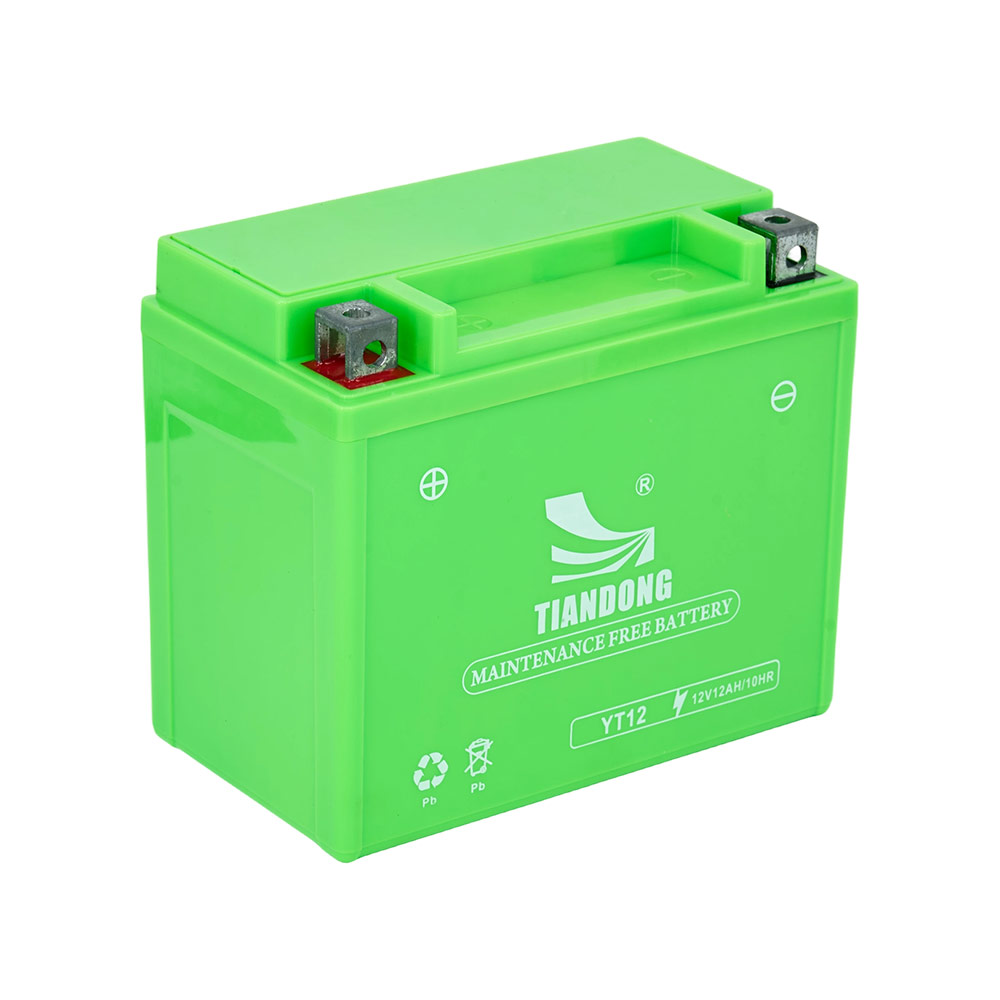
For riders and fleet managers seeking reliable performance, maximizing the lifespan of the YT12 12V 12AH motorcycle battery requires correct charging, regular maintenance, and climate-aware storage. This guide focuses on practical, tested strategies to extend life, help you select the best motorcycle battery for your needs, and keep your bike ready to ride.
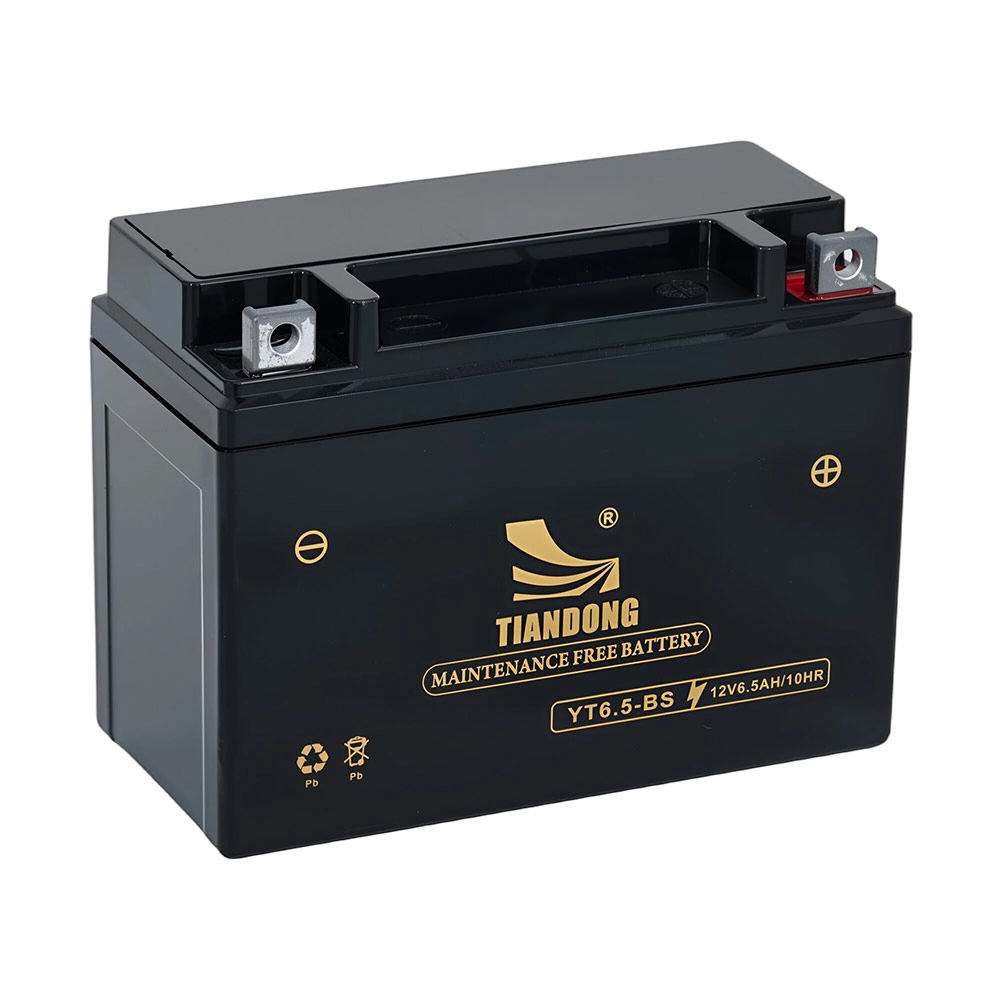
The TIANDONG YT12 12V 12AH motorcycle battery offers reliable power and durability at 3.65kg. Ideal for motorcycle battery wholesale, it ensures long-lasting performance and easy installation. Choose TIANDONG for high-quality motorcycle batteries that keep you moving.
Understanding YT12 Battery Lifespan and Failure Modes
What determines a motorcycle battery's lifespan
The lifespan of a motorcycle battery depends on chemistry, charge maintenance, operating temperature, vibration, and how often it's cycled. The YT12 12V 12AH 3.65kg Motorcycle Batteries use sealed lead-acid / AGM-type construction designed for vibration resistance and easy installation. Typical lifespans for sealed lead-acid motorcycle batteries range from 18 months to 4 years, depending on care and conditions. For background on lead-acid behavior and aging mechanisms, see the general battery reference at Lead–acid battery - Wikipedia.
Common failure modes and how to recognize them
Typical failure modes include sulfation from prolonged undercharge, capacity loss from repeated deep discharge, internal shorting due to vibration, and loss of surface charge. Early signs include slow cranking, repeated need for jump starts, voltage readings below 12.4V at rest, and battery swelling or leakage. Recognizing these early allows corrective maintenance or replacement before being stranded.
Daily Use, Charging, and On-Board Charging Practices
Smart charging: avoid overcharge and undercharge
The best motorcycle battery performance is achieved with controlled charging. Use a quality smart charger or maintainer designed for 12V motorcycle batteries. Smart chargers prevent overcharge by switching to float mode once the battery is full, and some have a desulfation mode that can help recover some capacity from lightly sulfated batteries. Avoid using high-current automotive chargers intended for car batteries; they can overheat and damage smaller motorcycle batteries.
Charging after rides and when left idle
Short rides (under 20 minutes) often do not return full charge to the battery. For riders who do frequent short trips, periodic top-ups with a smart charger will keep the battery healthy. If the bike sits unused for more than two weeks, connect a maintainer to keep the battery at optimum state-of-charge and reduce sulfation risk.
Installation, Vibration Protection, and Temperature Management
Proper mounting and vibration reduction
The YT12 12V 12AH batteries weigh 3.65kg and are built for motorcycles, but correct mounting is essential. Ensure terminals are tight, use recommended brackets or foam pads to isolate from excessive vibration, and avoid loose wiring that can cause intermittent loads. Vibration can accelerate internal wear and lead to premature failure.
Temperature effects and storage recommendations
Temperature is a major factor in battery aging. High heat accelerates chemical degradation; cold reduces available capacity. Store batteries and parked motorcycles in cool, dry places. For long-term storage, maintain a state-of-charge around 40–60% for lead-acid types if a charger is unavailable, but the best practice is to connect a maintainer. The U.S. Department of Energy provides guidance on battery temperature effects and storage practices: DOE - Batteries and Storage.
Routine Maintenance, Testing, and When to Replace
Simple maintenance checks every month
Perform a monthly inspection: clean terminals with a wire brush, apply a small amount of terminal protectant, check voltage with a digital meter (resting voltage should be around 12.6–12.8V for a fully charged lead-acid), and secure connections. Look for swelling, cracks, or leakage. For sealed models like YT12, there is no electrolyte topping up; focus on electrical and mechanical checks.
Testing capacity and diagnosing problems
For deeper diagnosis, use a load tester or measure CCA (cold cranking amps) under a controlled load. If the battery fails to hold voltage under load or measures significantly below rated capacity, replacement is recommended. For authoritative testing standards and best practices, consult industry guidance such as the Battery Council International: Battery Council International.
When to replace rather than repair
Replace the battery if it shows persistent low charge, fails load tests, exhibits swelling, or has internal shorting symptoms. For sealed batteries, repair is generally not safe or effective. Replacing with a similar spec battery such as the YT12 12V 12AH 3.65kg Motorcycle Batteries ensures correct fit and performance; always choose a reputable supplier for the best motorcycle battery selection.
Comparing YT12 to Other Motorcycle Battery Types
Below is a concise comparison to help you evaluate the YT12 against other common battery types. Numbers are typical ranges — actual performance depends on manufacturer quality and conditions.
| Product Type | Voltage | Capacity (AH) | Weight | Maintenance | Typical Lifespan |
|---|---|---|---|---|---|
| YT12 12V 12AH 3.65kg Motorcycle Batteries | 12V | 12 AH | 3.65 kg | Low (sealed) | 2–4 years (with proper care) |
| Conventional Flooded Lead-Acid | 12V | 10–14 AH | ~4–6 kg | Medium (check electrolyte) | 1–3 years |
| AGM Sealed | 12V | 8–14 AH | ~2.5–5 kg | Low | 3–5 years |
| Lithium (LiFePO4) | 12.8V nominal | ~6–12 AH (energy-dense) | ~1–3 kg | Very Low | 5–8+ years |
For general chemistry and design information, see the broader battery overview at Battery (electricity) - Wikipedia. For industry testing and sizing standards, SAE International publishes relevant guidelines SAE International.
Practical Tips and Checklists for Long-Term Reliability
Before every season or long trip
- Charge fully with a smart charger and verify resting voltage.
- Inspect mounting hardware, terminals, and cable insulation.
- Confirm the bike's charging system (stator/regulator) is delivering proper voltage; a multi-meter reading of 13.8–14.6V while the engine runs at cruise RPM indicates healthy charging on most 12V systems.
Storage checklist
- Clean terminals and apply protector spray.
- Disconnect or remove battery if storing the bike long-term; keep stored batteries on a maintainer in a cool, dry place.
- Check monthly voltage and top up with a charger if needed.
Choosing the best motorcycle battery for your needs
When selecting a replacement, match the physical size, terminal placement, and CCA to your motorcycle's requirements. If weight savings and long life are top priorities and your bike supports it, lithium options can be attractive, but they require compatible charging and often a different mounting. For riders who prefer a balance of cost, reliability, and low maintenance, the YT12 12V 12AH 3.65kg Motorcycle Batteries is a strong candidate among options marketed as the best motorcycle battery for standard street and commuter motorcycles.
FAQ — Frequently Asked Questions
How long should the YT12 12V 12AH battery last?
With proper charging, vibration protection, and storage, expect about 2–4 years from a sealed lead-acid battery like the YT12. Actual lifespan depends on usage patterns and climate. Warmer climates and frequent short trips reduce lifespan.
Can I use a car charger on a motorcycle battery?
It's not recommended. Car chargers typically supply higher current and lack the fine control smaller motorcycle batteries require. Use a 12V smart charger designed for motorcycle batteries for best results.
What is the correct resting voltage for a fully charged YT12?
A fully charged 12V lead-acid battery should read about 12.6–12.8V at rest. Under 12.4V indicates partial discharge and may need charging.
How do I prevent sulfation?
Keep the battery at a full state-of-charge when not in use using a maintainer; avoid long periods of low charge. Periodic full charging reduces the risk of sulfation. Some smart chargers include desulfation modes that can partially reverse light sulfation.
Is it worth upgrading to lithium?
Lithium batteries offer weight savings and longer cycle life but cost more and require compatible charging systems. For many riders the YT12 provides the best balance of cost, robustness, and easy installation.
If you have further questions or want to compare options from our motorcycle battery wholesale offerings, contact our support team or view the YT12 product page. For sales or technical help, contact us or see the YT12 product details.
Authoritative resources cited: Lead–acid battery - Wikipedia, Battery (electricity) - Wikipedia, Battery Council International, U.S. Department of Energy - Battery Info.

Best motorcycle battery for cold weather: YTX7-BS tips

YT12 12V 12AH vs YTX12: Which Is Better for Your Bike?
Top 10 motorcycle battery Manufacturers and Supplier Brands
Best Motorcycle Battery 2026: Why Choose YT12 12V 12AH
Questions you may concerned about
Product
How long is the lead time and where do you ship?
Standard lead time is 7–15 days. We export to over 20 countries, including Vietnam, India, Egypt, and Thailand.
What is the most common motorcycle battery type?
AGM batteries are currently the most widely used due to their balance of cost and performance.
Why does my motorcycle battery keep dying?
Common causes include:
-
Faulty charging system
-
Parasitic drain
-
Old battery
-
Improper storage
Are your batteries maintenance-free?
Yes, our batteries are sealed VRLA or GEL types that require no water refilling. They are ready to use and easy to maintain.
What kind of battery is best for a motorcycle?
AGM batteries are a popular choice because they combine the best of both worlds: the durability of lead-acid batteries and the low maintenance of lithium-ion batteries. AGM batteries are sealed, so they don't require water refills, and they're designed to handle rough conditions, making them ideal for motorcycles.
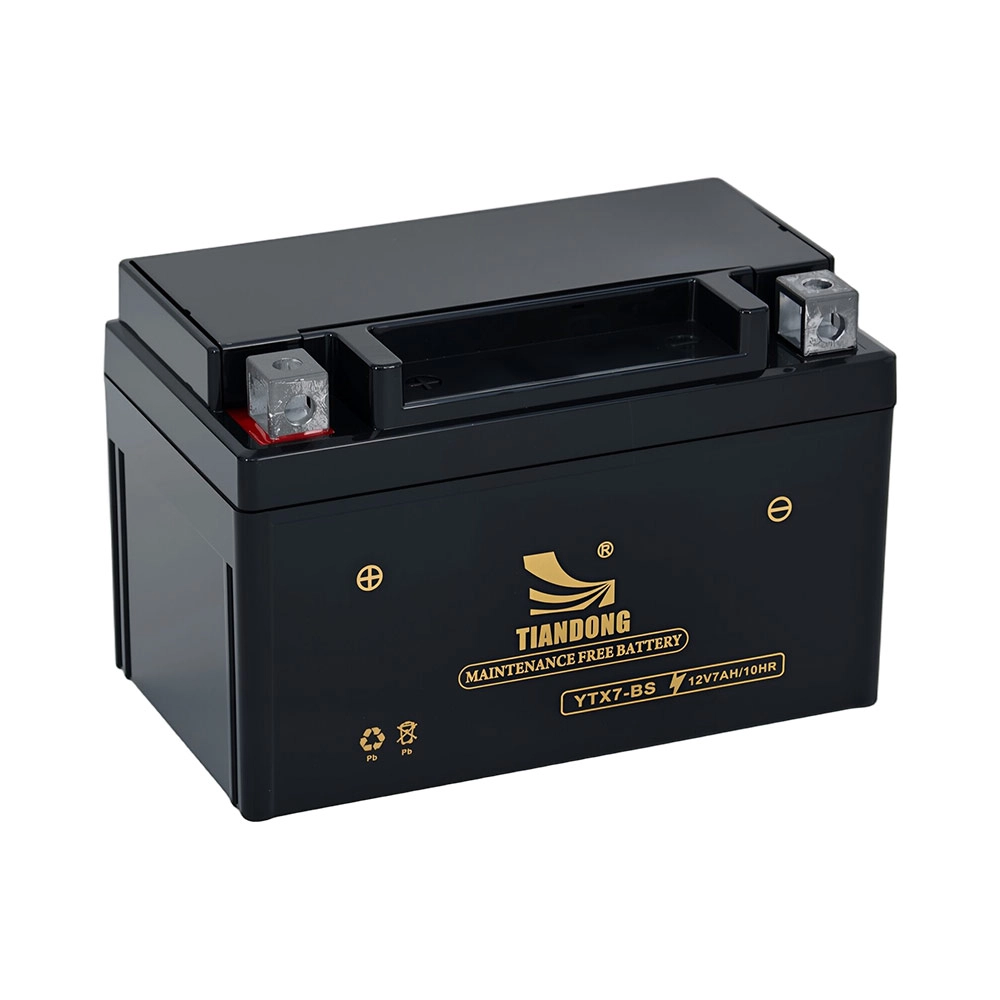
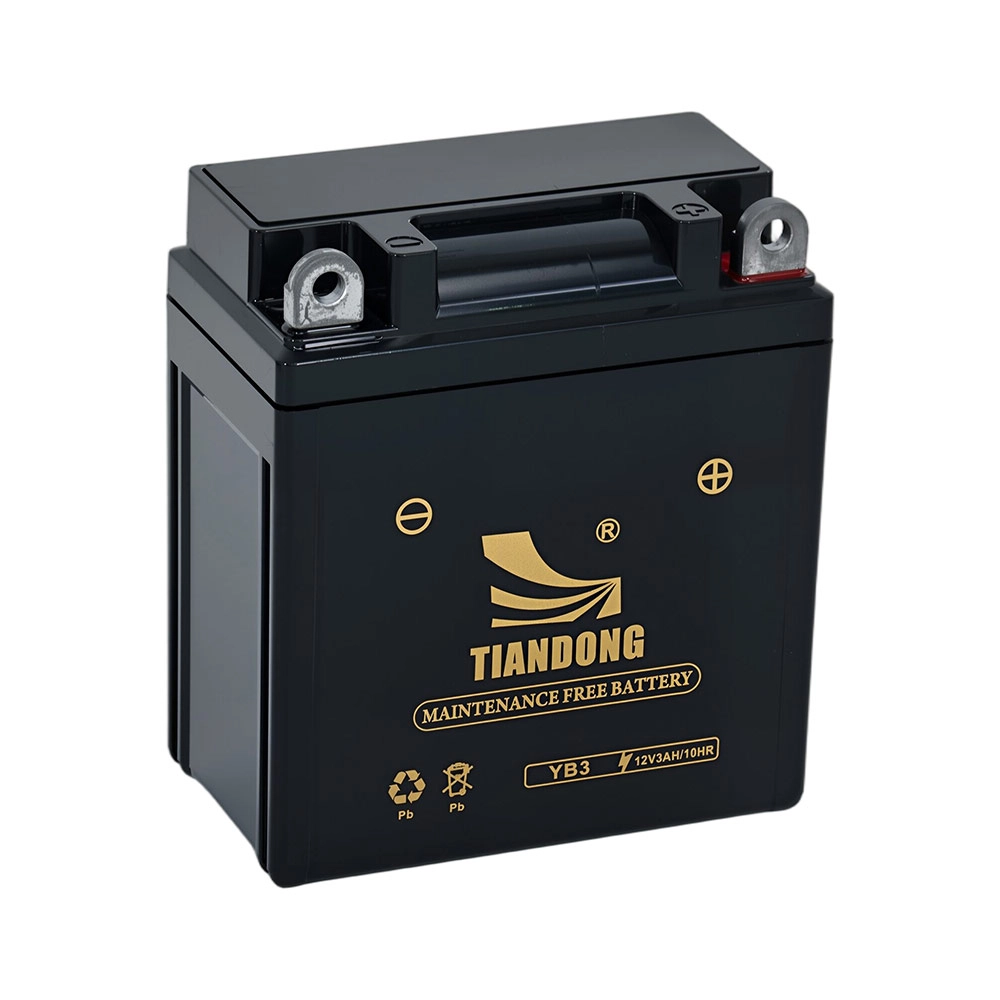
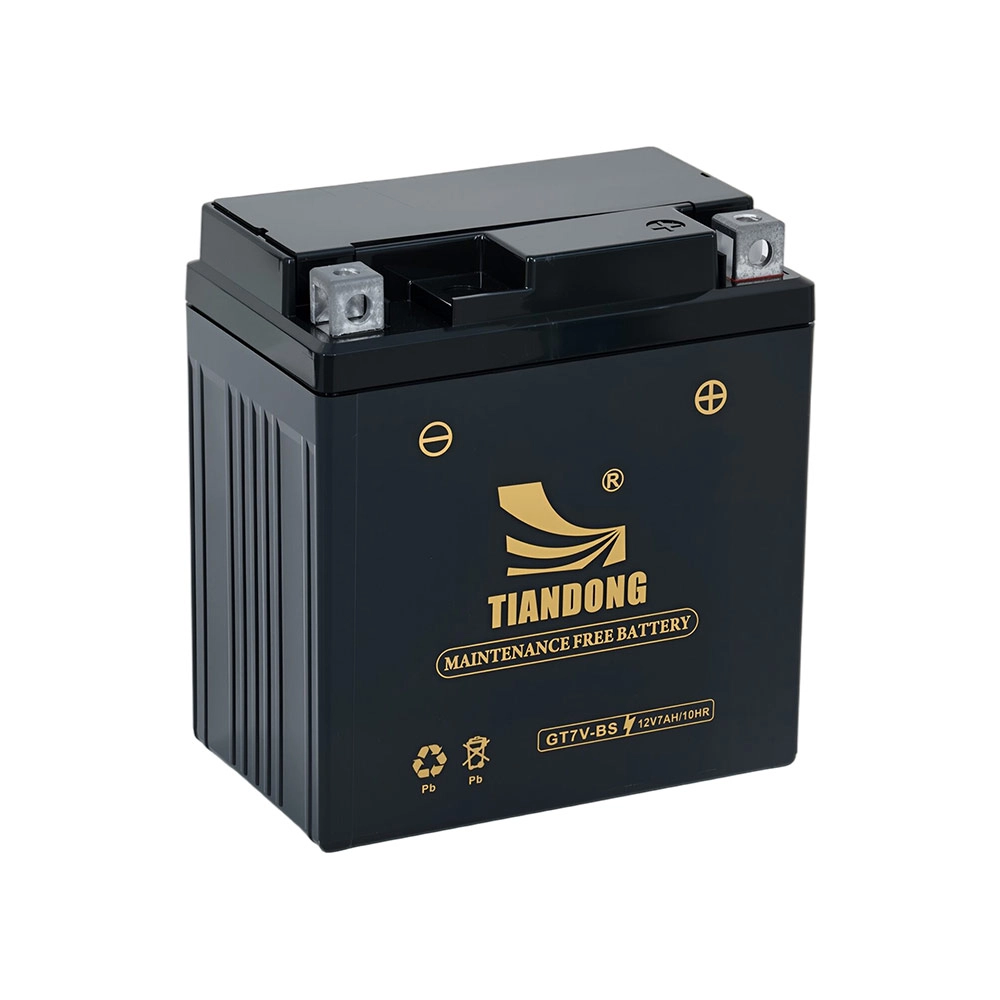
Get in touch with us to get your Motorbike Battery solution
TIANDONG is a leading motorcycle battery manufacturer offering OEM/ODM service, stable quality, and global export support.
Built for wholesalers. Trusted by global buyers. Delivered with confidence.
Say Hello
E-mail: daisybattery8@gmail.com
xianyingchen83@gmail. com
WhatsAPP: +86 134 283 86694
+86 134 348 86641
Our Location
Social Links
© 2025 TIANDONG. All Rights Reserved. Privacy Policy | Terms and Conditions | Sitemap
 Scan QR Code
Facebook
Instagram
Scan QR Code
Whatsapp: +8613434886641