






YB3 1.25kg Battery Maintenance Tips for Longer Life
- YB3 1.25kg Battery Maintenance Tips for Longer Life
- Why proper maintenance matters when choosing the best motorcycle battery
- Understand the YB3 1.25kg 12V 3AH battery type and key specs
- Keep optimal charge: how and why to avoid deep discharge (: best motorcycle battery)
- Recommended charge voltages and charging protocol (data table)
- Charging best practices: tools and routines for the best motorcycle battery performance
- Terminal care and electrical connections (embed commercial keyword: best motorcycle battery)
- Vibration, mounting, and mechanical care
- Temperature effects: hot summers and cold winters
- Testing health: how to check YB3 battery condition at home
- Electrical system checks: prevent battery strain
- Replacement timing and lifecycle expectations for YB3 1.25kg 12V 3AH
- Safe handling, transport, and disposal
- Why choose TIANDONG YB3 as part of your battery strategy (brand advantage)
- Practical weekly and monthly checklist for YB3 owners (embed keyword: best motorcycle battery)
- FAQ — Frequently Asked Questions
- Q: How often should I charge my YB3 12V 3AH battery?
- Q: Can I use a fast charger on a 3Ah YB3 battery?
- Q: What is the typical lifespan of YB3 batteries?
- Q: Is the YB3 suitable for all small motorcycles and scooters?
- Q: How do I know when to replace the battery?
- Q: Where can I buy the YB3 as a wholesale customer?
- Contact and Product CTA
- References
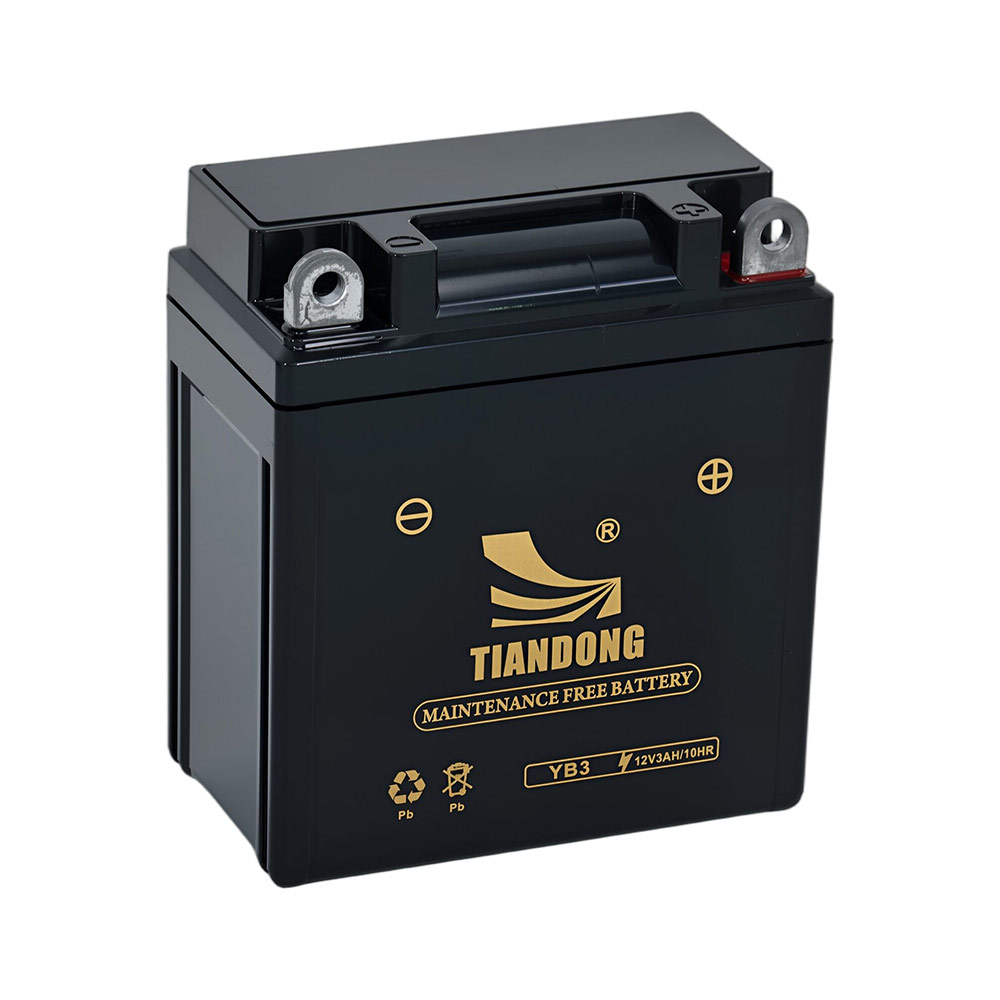
YB3 1.25kg Battery Maintenance Tips for Longer Life
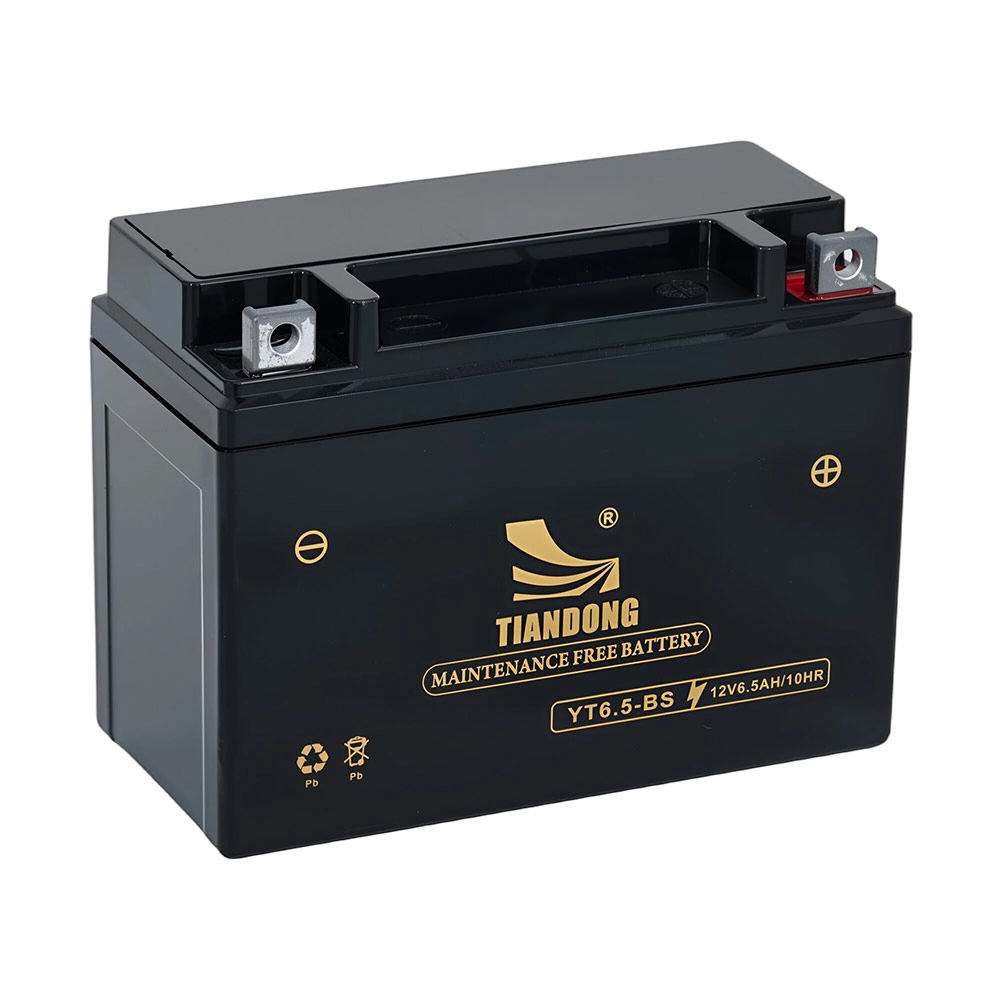
TIANDONG YB3 1.25kg 12V 3AH Motorcycle Battery offers reliable power for motorcycles. Ideal for motorcycle battery wholesale, it ensures long-lasting performance and durability. Choose TIANDONG for quality motorcycle batteries that keep your ride strong and efficient.
Why proper maintenance matters when choosing the best motorcycle battery
When you invest in the best motorcycle battery for your scooter or small-displacement bike, maintenance determines how long that investment will last. The YB3 1.25kg 12V 3AH Motorcycle Battery is compact and designed for lightweight motorcycles, but like all 12V lead-acid-type cells, its lifespan is heavily influenced by charging practices, storage conditions, vibration control, and electrical load management. Good maintenance minimizes premature sulfation, internal corrosion, and capacity loss, delivering dependable starts and consistent performance.
Understand the YB3 1.25kg 12V 3AH battery type and key specs
Before maintenance begins, know what you have. The YB3 12V 3AH is a small-format motorcycle battery typically used in scooters, small commuter bikes, and some dirt bikes. Basic spec points you should track:
- Nominal voltage: 12V
- Capacity: 3Ah (at standard 20-hour rate)
- Typical weight class: ~1.25kg
These batteries are usually sealed or maintenance-free VRLA/AGM or lightly vented lead-acid types. Maintenance advice below assumes typical 12V small motorcycle lead-acid chemistry. If your YB3 variant is explicitly labeled serviceable (with caps), follow the manufacturer’s watering and hydrometer instructions.
Keep optimal charge: how and why to avoid deep discharge (: best motorcycle battery)
Deep discharging shortens battery life. For a 3Ah battery, even a few deep cycles (below ~11.8V) will reduce usable life. Follow these practices:
- Use a quality charger with smart (IUoU) or microprocessor control that stops at absorption and returns to float. This prevents overcharging and undercharging.
- Charge immediately after prolonged idling or when voltage reads below 12.0V. A resting open-circuit voltage under 12.2V indicates a partially discharged state.
- Avoid relying on short trips only. Frequent short rides don’t let the charging system fully replenish the battery.
Smart chargers designed for motorcycle batteries are an inexpensive tool to keep your YB3 functioning like the best motorcycle battery competitor in its class.
Recommended charge voltages and charging protocol (data table)
Below is a quick technical reference for charging small 12V lead-acid motorcycle batteries like the YB3. These ranges are industry-accepted guidance; always check TIANDONG’s product sheet if available.
| Parameter | Recommended Value | Notes |
|---|---|---|
| Bulk/Absorption charging voltage | 14.4 – 14.8 V | Use for the main charging stage; avoid exceeding 15V on small sealed batteries. |
| Float (maintenance) voltage | 13.2 – 13.8 V | Used for long-term connected storage to avoid overcharge. |
| Cut-off (fully charged open-circuit) | > 12.6 V | Resting voltage above 12.6V indicates a fully charged battery. |
| Critical low voltage | < 11.8 V | Avoid repeated discharge below this; it accelerates sulfation. |
Sources for these ranges include battery-care references and manufacturer service manuals (see references below).
Charging best practices: tools and routines for the best motorcycle battery performance
How you charge is as important as how often. For YB3 batteries, adopt these routines:
- Use a motorcycle-specific or gel/AGM-compatible smart charger. Avoid cheap trickle chargers that supply a fixed voltage without control.
- If you ride daily, occasionally let the charger perform a full charge cycle (bulk → absorption → float) after a long ride to rebalance the battery.
- For seasonal storage, disconnect the battery and maintain it with a float charger at the recommended float voltage. Store at 50–70% state of charge if long-term and recharge every 2–3 months if a float charger isn't used.
Terminal care and electrical connections (embed commercial keyword: best motorcycle battery)
Corroded terminals increase resistance and cause poor starting and charging. For the YB3 battery:
- Inspect terminals monthly. Clean green/white powder with a brush and a solution of baking soda and water, then rinse and dry.
- Apply a thin coat of dielectric grease or battery terminal protector to reduce corrosion.
- Ensure tight, secure cable clamps — loose connections can cause intermittent starting problems and charging faults.
Vibration, mounting, and mechanical care
Small motorcycle batteries are exposed to vibration that can damage plates and internal connections. Protect your YB3 battery with these steps:
- Use the correct battery tray and anti-vibration padding supplied with the bike or battery. Replace cracked trays or worn straps.
- Avoid over-tightening straps that deform the case; secure but allow slight cushioning.
- Inspect the case for hairline cracks or bulging — replace immediately if you find any physical damage.
Temperature effects: hot summers and cold winters
Temperature has a big impact on capacity and life:
- High heat accelerates self-discharge and internal corrosion. Park in shade and avoid placing the battery near hot engine parts.
- Cold reduces available capacity; a 12V 3Ah battery can struggle in freezing conditions. Use a charger designed for cold-weather charging if you store the bike in low temperatures.
- For long winter storage, bring the battery indoors and maintain using a float charger at room temperature to slow capacity loss.
Testing health: how to check YB3 battery condition at home
Regular testing helps you catch decline before failure:
- Use a digital multimeter to measure resting voltage. Fully charged should be >12.6V after resting 12+ hours.
- Perform a simple load test: with the bike off, apply a starter load (or use a battery load tester) and look for voltage drop. A healthy battery should hold above ~9.6–10V under a starter-level load for brief periods (consult a tester manual for exact procedure).
- For serviceable batteries, specific gravity checks with a hydrometer give precise state-of-charge info. Do not use a hydrometer on sealed VRLA types.
Electrical system checks: prevent battery strain
Sometimes the battery is blamed for an electrical issue caused by the bike. To prevent unnecessary battery replacements:
- Check charging system output at the regulator/rectifier and battery while the engine runs — voltage should be in the bulk/absorption range (14.0–14.8V) at typical RPM.
- Address parasitic drains (faulty accessories, aftermarket alarms, LED indicators) that draw current when the bike is off.
- Ensure the stator and regulator are functioning correctly; an overcharging regulator can damage the battery, while undercharging leaves it chronically depleted.
Replacement timing and lifecycle expectations for YB3 1.25kg 12V 3AH
With good maintenance, a small 3Ah motorcycle battery can last 2–4 years depending on usage, climate, and charging habits. Heavy stop-and-go use, high heat, or frequent deep discharges shorten life. If you want the best motorcycle battery experience, plan replacements proactively—especially before long trips or cold seasons.
Safe handling, transport, and disposal
Lead-acid batteries require safe handling and recycling:
- Transport upright and secure to prevent tipping and leakage.
- Do not open sealed batteries. If damaged and leaking, handle with gloves and follow local hazardous-waste guidance.
- Recycle used YB3 batteries at authorized collection points—lead-acid recycling is highly effective and required in many jurisdictions.
Why choose TIANDONG YB3 as part of your battery strategy (brand advantage)
TIANDONG’s YB3 1.25kg 12V 3AH Motorcycle Batteries combine compact size, consistent manufacturing, and suitability for motorcycle battery wholesale. Key brand advantages:
- Reliability: Designed for consistent starting power across common light motorcycle platforms.
- Durability: Built to industry tolerances with quality control that reduces variability between units.
- Wholesale readiness: Packaged and supported for distributors and repair shops seeking volume supply.
- Support: Technical guidance on charging and maintenance helps customers treat their battery to lengthened service life.
Practical weekly and monthly checklist for YB3 owners (embed keyword: best motorcycle battery)
Follow this simple checklist to get the best motorcycle battery performance from your YB3:
- Weekly: Visual inspection of terminals and case, check voltage with multimeter after resting.
- Monthly: Clean terminals and apply protector; verify secure mounting and no loose wiring.
- Every 2–3 months (if not using a float charger): Perform a full charge cycle or top up with a smart charger.
- Seasonally: Move battery indoors for long winter storage and use a temperature-appropriate charger.
FAQ — Frequently Asked Questions
Q: How often should I charge my YB3 12V 3AH battery?
A: If you ride daily and the charging system is healthy, occasional topping after longer rides is sufficient. For storage, use a float charger or recharge every 2–3 months. If resting voltage drops under 12.2V, charge promptly.
Q: Can I use a fast charger on a 3Ah YB3 battery?
A: Avoid high-current fast chargers that exceed recommended voltages. Use a smart charger with correct charge profiles for small lead-acid batteries to prevent overheating and plate damage.
Q: What is the typical lifespan of YB3 batteries?
A: With proper care, expect 2–4 years. Real-world life depends on ride patterns, climate, and charging habits.
Q: Is the YB3 suitable for all small motorcycles and scooters?
A: The YB3 fits many small-displacement motorcycles and scooters. Always confirm physical dimensions, terminal polarity, and capacity compatibility with your bike’s manual before purchase.
Q: How do I know when to replace the battery?
A: Replace if resting voltage remains below ~12.0V after proper charging, if it fails load tests, shows physical damage, or has significantly reduced cranking ability.
Q: Where can I buy the YB3 as a wholesale customer?
A: TIANDONG supplies the YB3 1.25kg 12V 3AH Motorcycle Batteries for wholesale. Contact the sales team in the CTA below for pricing and minimum order quantities.
Contact and Product CTA
For pricing, technical datasheets, and wholesale inquiries, contact TIANDONG Sales at sales@tiandong.com or visit our product page: https://www.tiandong.com/products/yb3-1-25kg. Our team can advise on compatibility, bulk pricing, and recommended chargers to ensure you get the best motorcycle battery experience.
After mastering battery maintenance, revisit performance-focused advice for long-distance riders in Best motorcycle battery for touring riders: power tips.
References
- Battery University — Articles on charging voltages, float charge, and sulfation: https://batteryuniversity.com
- Yuasa Battery Care and Maintenance Guides — charging profiles and battery handling: https://www.yuasa.com
- U.S. EPA — Battery recycling and disposal guidance: https://www.epa.gov/recycle

YTX7-BS 12V 7Ah: Compatibility With Popular Motorcycle Models

Best Motorcycle Battery for Cold Weather: YT12 Tested

Best maintenance routine for 12V Deep Cycle motorcycle batteries

How to Pick the Best Lightweight Motorcycle Battery for Your Bike
Questions you may concerned about
Product
What is the typical lifespan of your batteries?
Depending on the model and usage conditions, our batteries typically last between 2 to 4 years under normal operation.
What causes motorcycle batteries to fail?
Common causes include over-discharging, extreme temperatures, poor charging systems, and low-quality manufacturing materials.
Are you a trading company or a manufacturer?
We are a direct factory located inJiangxi Province, China. You are welcome to visit our production line and quality control lab. We specialize in lead-acid batteries for motorcycles and have been in this industry for 20 years.
Shipping
Which countries does Tiandong export to?
Tiandong batteries are exported to more than 20 countries, including Vietnam, India, Egypt, Thailand, and Indonesia.
OEM/ODM
Is an OEM battery safe?
Authentic original equipment manufacturer (OEM) batteries undergo safety testing and certification. Counterfeit batteries do not, and therefore may not have the proper protection inside the cells to prevent overcharging and overheating, which can lead to serious injuries and damage from thermal runaway.
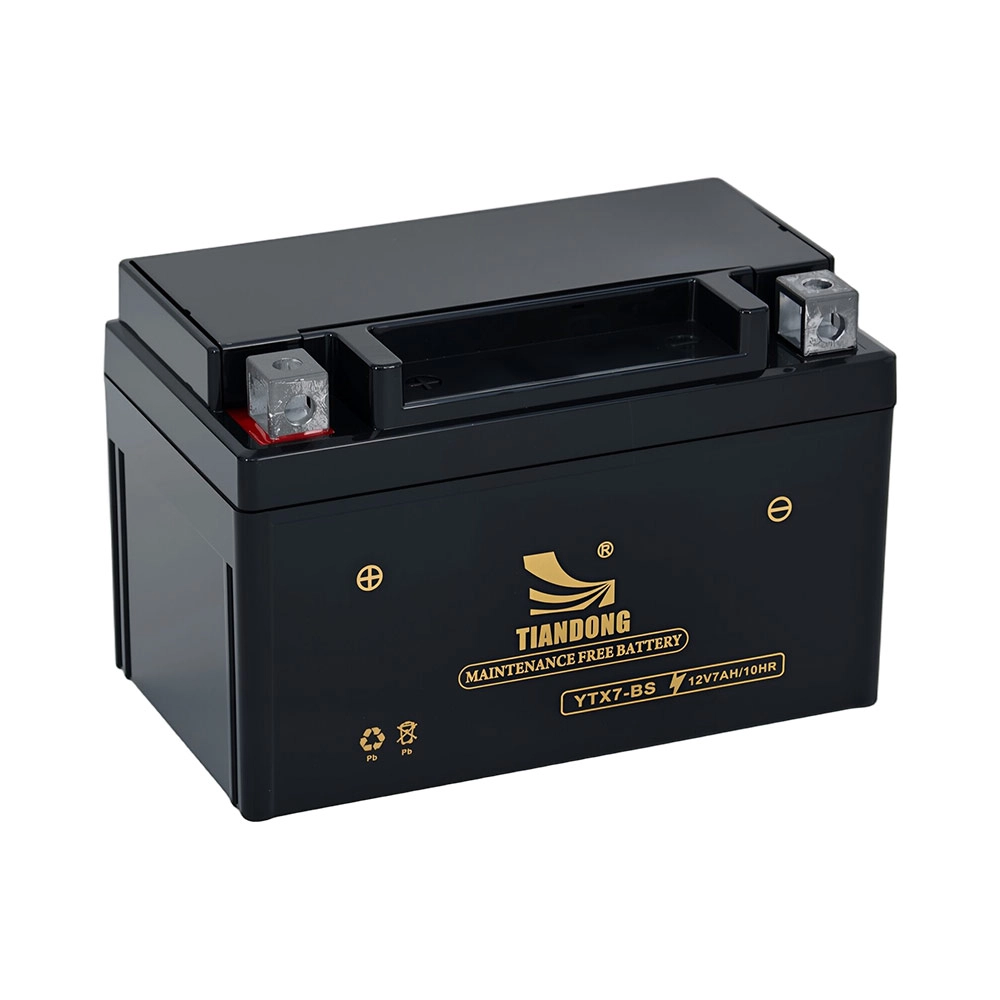
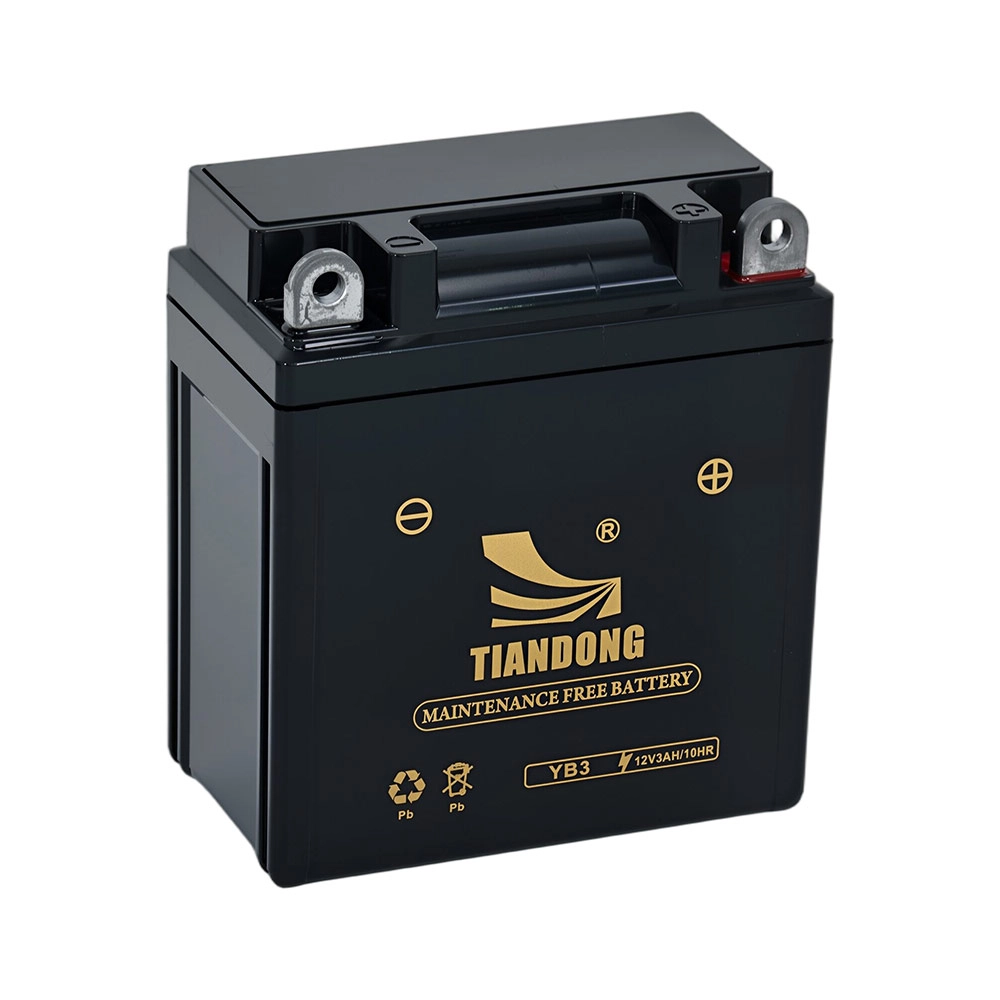
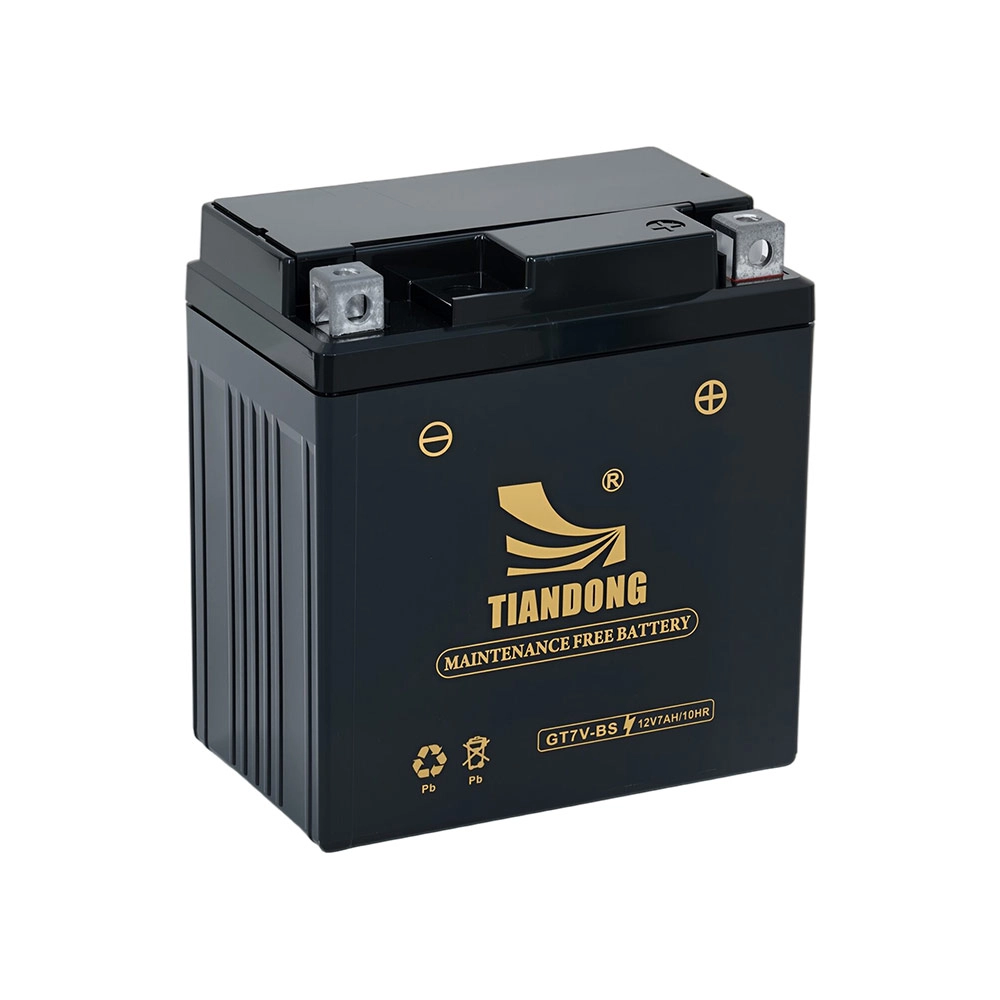
Get in touch with us to get your Motorbike Battery solution
TIANDONG is a leading motorcycle battery manufacturer offering OEM/ODM service, stable quality, and global export support.
Built for wholesalers. Trusted by global buyers. Delivered with confidence.
Say Hello
E-mail: daisybattery8@gmail.com
xianyingchen83@gmail. com
WhatsAPP: +86 134 283 86694
+86 134 348 86641
Our Location
Social Links
© 2025 TIANDONG. All Rights Reserved. Privacy Policy | Terms and Conditions | Sitemap
 Scan QR Code
Facebook
Instagram
Scan QR Code
Whatsapp: +8613434886641