






UPS Battery Replacement FAQs for TIANDONG HP12-12 Buyers
- Understanding the TIANDONG HP12-12 and When to Replace Your UPS Battery
- What the TIANDONG HP12-12 is and why it matters
- Signs your UPS needs a replacement battery
- Estimating end-of-life vs premature failure
- Step-by-step UPS Battery Replacement Guide for TIANDONG HP12-12
- Compatibility and pre-replacement checklist
- Tools and safety gear
- Step-by-step replacement procedure
- Maintenance, Safety, and Environmental Considerations
- Maintenance best practices to extend life
- Safety: handling, transport, and storage
- Disposal and recycling: legal and environmental guidance
- Comparisons, Troubleshooting and When to Call a Pro
- Quick specs comparison: TIANDONG HP12-12 vs common alternatives
- Common troubleshooting steps when replacement doesn't fix issues
- When to call a professional
- Frequently Asked Questions (FAQ)
- How often should I replace the TIANDONG HP12-12 in a UPS?
- Can I mix a TIANDONG HP12-12 with other brands or ages in a battery bank?
- Is the TIANDONG HP12-12 user-replaceable?
- How should I store spare TIANDONG HP12-12 batteries?
- Where can I recycle my old TIANDONG battery?
- What if my UPS reports a battery mismatch after replacement?
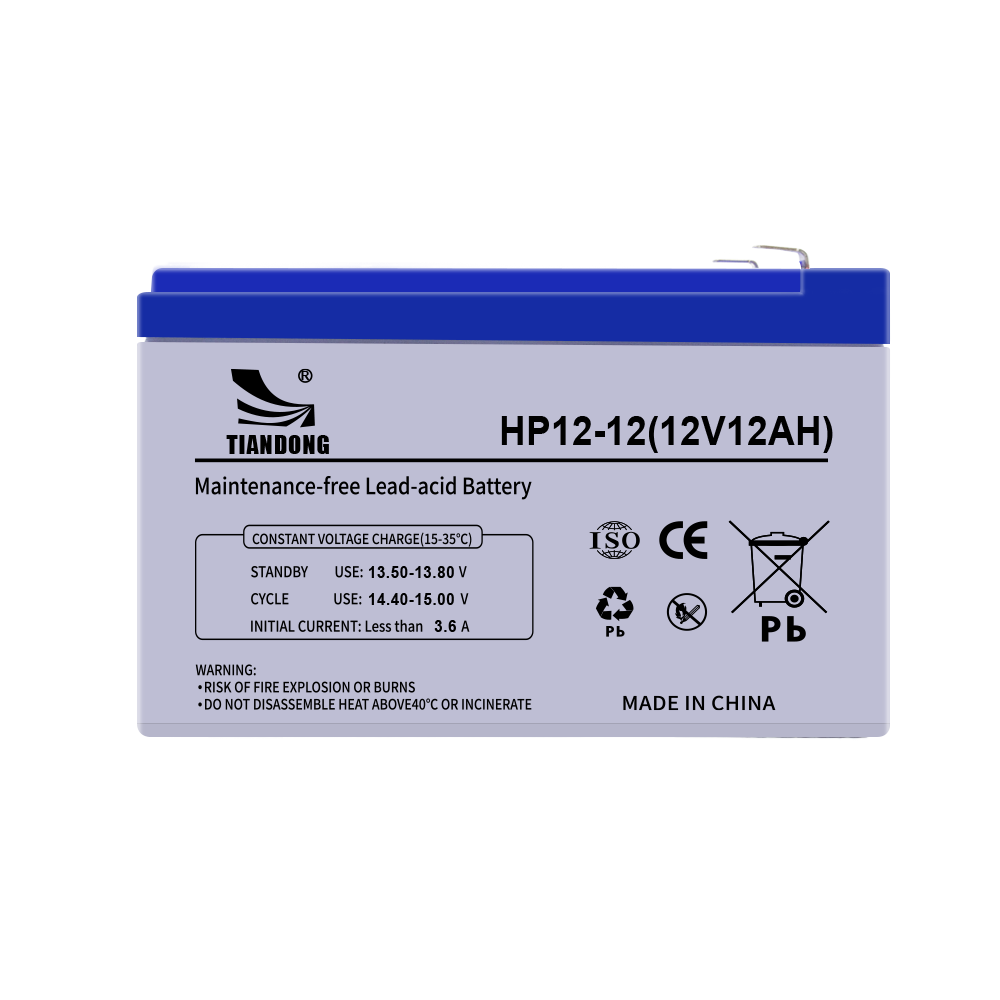
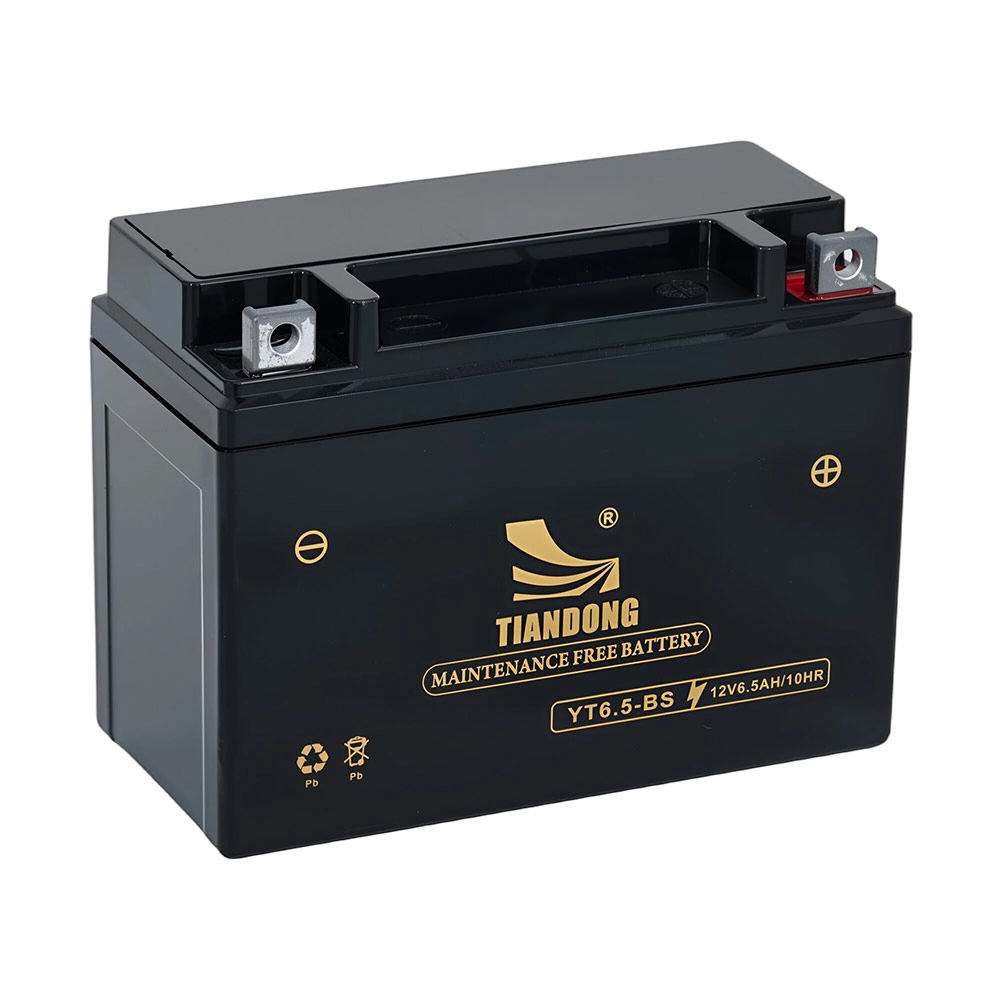
TIANDONG 12V 12Ah UPS Backup Battery is a maintenance-free, VRLA sealed lead acid battery designed for reliable power backup. As a trusted OEM/ODM custom motorcycle battery manufacturer and factory direct wholesaler, TIANDONG ensures High Quality quality and performance.
This guide helps TIANDONG HP12-12 buyers with practical UPS battery replacement advice: identifying when to replace, step-by-step swap procedures, compatibility checks, safety and recycling guidance, and troubleshooting tips to keep your UPS delivering dependable backup power.
Understanding the TIANDONG HP12-12 and When to Replace Your UPS Battery
What the TIANDONG HP12-12 is and why it matters
The TIANDONG HP12-12 is a 12V 12Ah VRLA (valve-regulated lead-acid) sealed, maintenance-free battery specifically designed for UPS systems, security systems, and standby power applications. VRLA technology provides a sealed design that minimizes maintenance while offering good cycle life for standby applications. For general background on VRLA technology, see the Valve-regulated lead–acid battery overview on Wikipedia (Wikipedia: VRLA).
Signs your UPS needs a replacement battery
Knowing when to perform UPS battery replacement improves uptime and avoids data loss. Common indicators include:
- The UPS runtime drops significantly under the same load (e.g., previously 10 minutes, now 2–3 minutes).
- Battery self-test failures or warning lights on the UPS control panel.
- Battery shows swelling, leakage, or unusual heat (do not use if physically damaged).
- Battery age: typical VRLA UPS batteries last 3–5 years depending on temperature and use—higher ambient temperatures accelerate degradation. See IEEE guidance on battery maintenance and replacement (IEEE 1188).
Estimating end-of-life vs premature failure
Battery life depends on charge cycles, float voltage, and ambient temperature. A TIANDONG HP12-12 used in a cool environment with proper float charging can reach the high end of the expected life. However, repeated deep discharges, high temperature (>25–30°C), or poor UPS charging profiles shorten life. Battery University provides in-depth explanations of lead-acid battery aging factors (Battery University).
Step-by-step UPS Battery Replacement Guide for TIANDONG HP12-12
Compatibility and pre-replacement checklist
Before replacing a UPS battery, confirm these points:
- Voltage: 12V nominal. The TIANDONG HP12-12 is 12V — replace only with a 12V battery or an approved battery pack of the same configuration.
- Capacity & physical fit: 12Ah capacity and physical dimensions must match the UPS battery bay; verify terminal types (usually F2/faston) and orientation.
- Manufacturer recommendations: check your UPS manual for approved replacement battery specifications and wiring diagrams.
Tools and safety gear
Required items:
- Insulated screwdrivers and pliers, protective gloves, and safety glasses.
- Multimeter to verify voltage and polarity.
- Correct replacement battery: TIANDONG HP12-12 or equivalent VRLA 12V 12Ah replacement.
Step-by-step replacement procedure
- Power down and isolate the UPS: follow UPS manufacturer instructions to safely take the UPS offline if necessary. For redundant systems, follow your site-specific procedures.
- Turn off and disconnect AC input if required, then remove the battery compartment cover.
- Verify battery voltage with a multimeter; confirm you are removing the intended battery.
- Note terminal orientation and wiring. Label wires if needed to maintain polarity.
- Disconnect the negative terminal first, then the positive. Remove hold-down clamps and extract the old battery carefully.
- Inspect connectors and clean corrosion with a suitable battery terminal cleaner; replace damaged connectors.
- Install the new TIANDONG HP12-12, secure clamps, then connect positive first and negative last.
- Close the compartment, power the UPS back on, and run a self-test. Record initial voltage and runtime tests.
Always follow the UPS owner manual and local regulations. If uncomfortable performing replacement, use a certified technician.
Maintenance, Safety, and Environmental Considerations
Maintenance best practices to extend life
Although the TIANDONG HP12-12 is maintenance-free, you can extend battery life with good practices:
- Maintain a stable ambient temperature (ideally 20–25°C). Each 10°C rise can roughly halve battery life.
- Keep battery terminals clean and connections tight to reduce resistance.
- Perform periodic UPS self-tests and runtime tests following manufacturer guidance (usually quarterly to annually).
- Replace battery banks in matched sets when one battery fails to avoid imbalance issues.
Safety: handling, transport, and storage
VRLA batteries contain sulfuric acid and lead. Key safety points:
- Avoid shorting terminals; always use insulated tools.
- Store upright in a cool, dry place. Avoid freezing or temperatures above 40°C.
- Dispose or recycle used batteries through certified e-waste / battery recycling channels—do not discard in regular trash.
Disposal and recycling: legal and environmental guidance
Lead-acid batteries are highly recyclable; most lead and plastic can be recovered. Follow local regulations and use certified recycling centers. For international standards and best-practice guidance, see ISO and battery recycling resources at the ISO website (ISO). Many regions require proper disposal—confirm local rules.
Comparisons, Troubleshooting and When to Call a Pro
Quick specs comparison: TIANDONG HP12-12 vs common alternatives
| Model | Voltage | Capacity (Ah) | Typical Use | Advantages |
|---|---|---|---|---|
| TIANDONG HP12-12 | 12V | 12Ah | UPS, security, standby | Well-balanced capacity for mid-sized UPS, sealed/maintenance-free |
| 12V 7Ah SLA (common) | 12V | 7Ah | Small UPS, alarm panels | Smaller footprint, lower cost but shorter runtime |
| 12V 18Ah SLA | 12V | 18Ah | Larger UPS, longer runtime | Longer runtime but larger and heavier |
Common troubleshooting steps when replacement doesn't fix issues
If you replace the battery but still see poor runtime or alarms:
- Verify charging voltage at the battery with the UPS running. Incorrect float voltage or failed charger circuitry can prevent full recharge.
- Check for high ambient temperature or poor ventilation causing thermal stress.
- Inspect the rest of the battery bank—one weak battery in series or parallel can reduce overall performance.
- Confirm load hasn’t increased: a heavier load will reduce runtime even with a new battery.
When to call a professional
Contact a licensed technician if you encounter any of the following:
- Physical damage, leakage, or swelling in the battery.
- Complex battery packs or series/parallel banks where incorrect wiring can cause harm.
- UPS charger module failure or repeated battery failures shortly after replacement.
IEEE recommendations on maintenance and testing (IEEE 1188) are a good reference for professional standards (IEEE 1188).
Frequently Asked Questions (FAQ)
How often should I replace the TIANDONG HP12-12 in a UPS?
Typical life expectancy is 3–5 years in normal conditions. High temperatures, frequent deep discharges, or poor charging can shorten this. Perform regular runtime tests and follow UPS manufacturer recommendations.
Can I mix a TIANDONG HP12-12 with other brands or ages in a battery bank?
Mixing batteries of different ages, capacities, or brands is not recommended. Mismatched batteries lead to imbalance, reduced runtime, and premature failure. Replace the entire bank or matched set when feasible.
Is the TIANDONG HP12-12 user-replaceable?
Yes, for most small UPS units the battery is user-replaceable following the step-by-step guide above. Use proper PPE and follow polarity and UPS instructions. If in doubt, hire a qualified technician.
How should I store spare TIANDONG HP12-12 batteries?
Store upright in a cool (around 15–25°C), dry area and charge periodically per manufacturer guidance to prevent self-discharge and sulfation.
Where can I recycle my old TIANDONG battery?
Lead-acid batteries are recyclable. Contact local hazardous waste or e-waste centers, retailers that offer battery take-back, or municipal recycling programs. Many regions require proper recycling of lead-acid batteries—do not discard in household trash.
What if my UPS reports a battery mismatch after replacement?
Run a UPS self-test and check firmware or settings. Some UPS models require battery pack configuration updates after replacement. Consult your UPS manual or manufacturer support.
If you need more technical details or help selecting the correct replacement, our support team can assist.
Contact us or view the TIANDONG HP12-12 product page to buy or ask technical questions: Contact Support / View Product
References: Valve-regulated lead–acid battery (Wikipedia) https://en.wikipedia.org/wiki/Valve-regulated_lead%E2%80%93acid_battery; Uninterruptible power supply (Wikipedia) https://en.wikipedia.org/wiki/Uninterruptible_power_supply; Battery University on lead-acid types https://batteryuniversity.com/article/bu-401-types-of-lead-acid-batteries; ISO (quality & standards) https://www.iso.org/home.; IEEE 1188 recommended practice https://standards.ieee.org/standard/1188-2014..

YT12 Battery Weight 3.65kg: Impact on Handling & Balance

15 Best Motorcycle Battery Brands of 2026: The Ultimate Ranking for Every Rider

Maintenance and Lifecycle Management for Lead Acid

YTX7L 12V 7AH Review: Is It a Good Motorcycle Battery?
Questions you may concerned about
Product
What is the most common motorcycle battery type?
AGM batteries are currently the most widely used due to their balance of cost and performance.
What certifications do your batteries have?
Our batteries are certified with CE, ISO9001, and RoHS, and meet export standards for markets in Southeast Asia, South Asia, and Africa.
Are you a trading company or a manufacturer?
We are a direct factory located inJiangxi Province, China. You are welcome to visit our production line and quality control lab. We specialize in lead-acid batteries for motorcycles and have been in this industry for 20 years.
Shipping
Which countries does Tiandong export to?
Tiandong batteries are exported to more than 20 countries, including Vietnam, India, Egypt, Thailand, and Indonesia.
customer
Can overseas clients visit the Tiandong factory?
Yes. Tiandong welcomes international customers to visit the factory, production workshops, and logistics warehouses to better understand the manufacturing and quality control process.
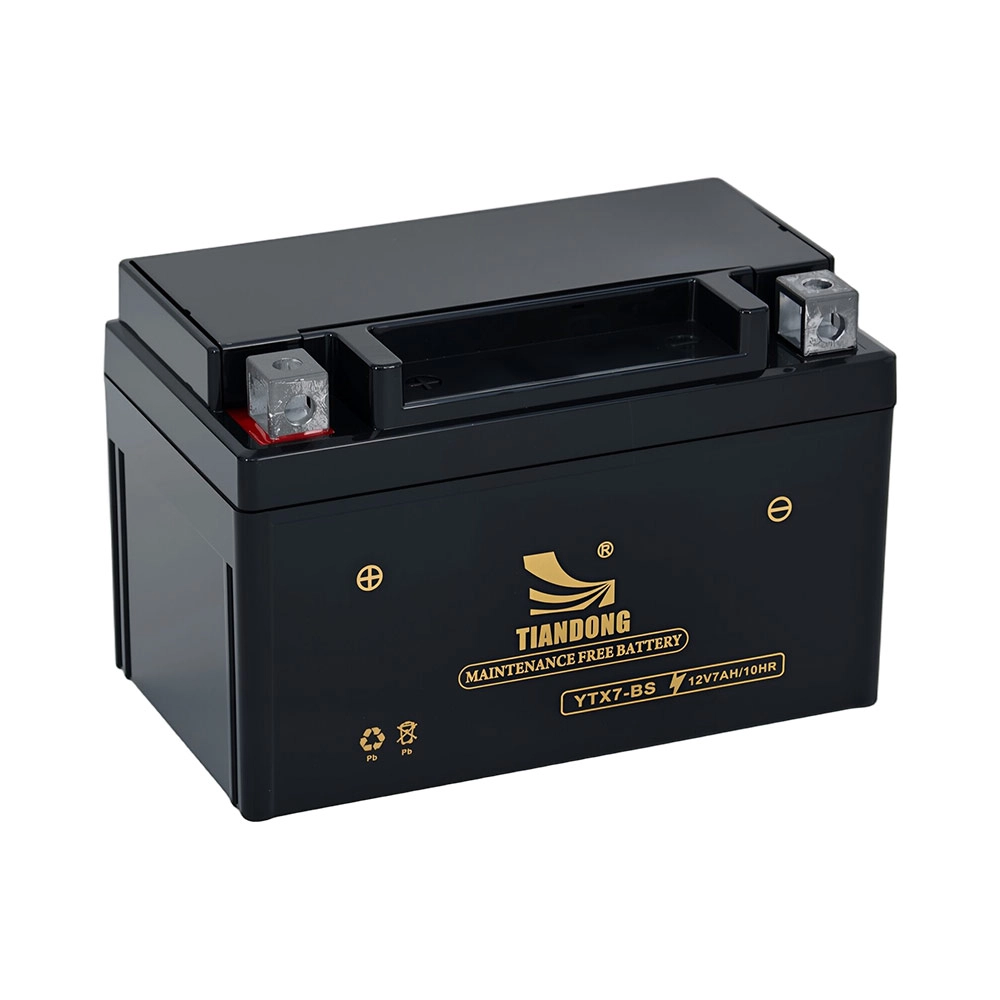
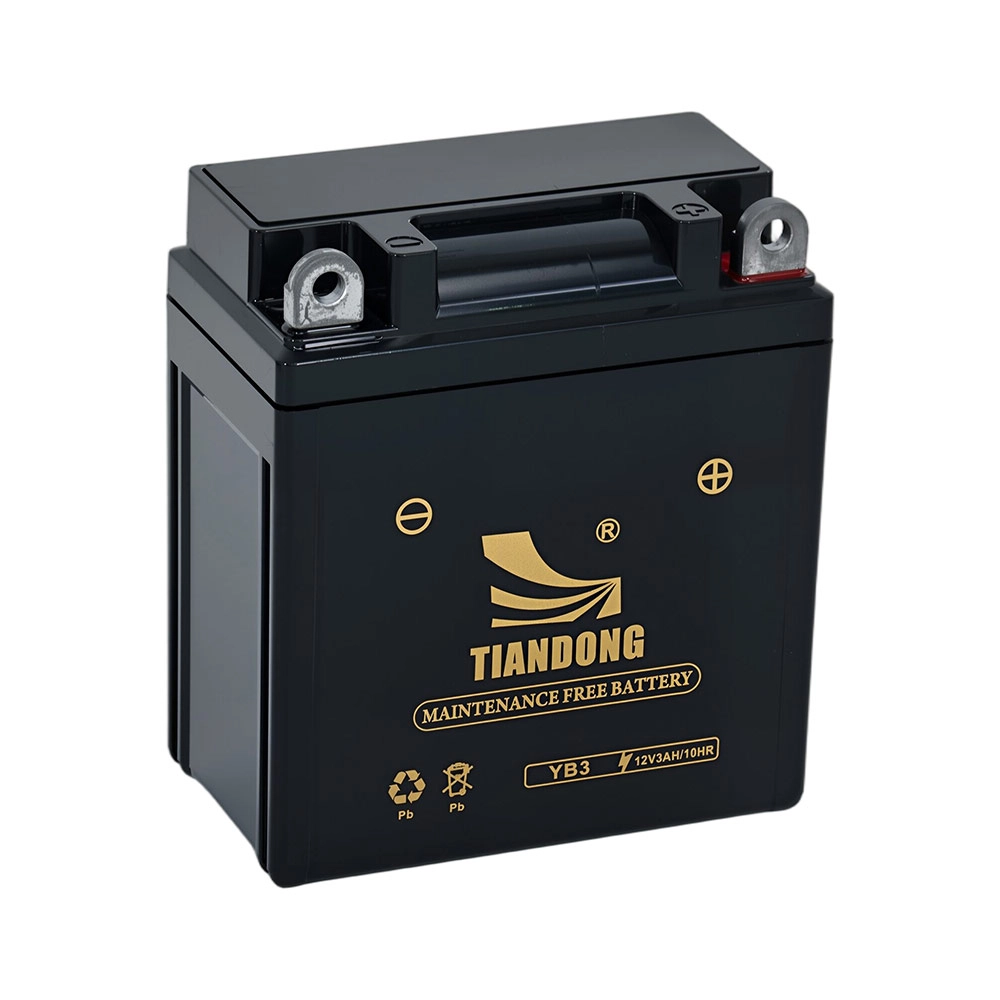
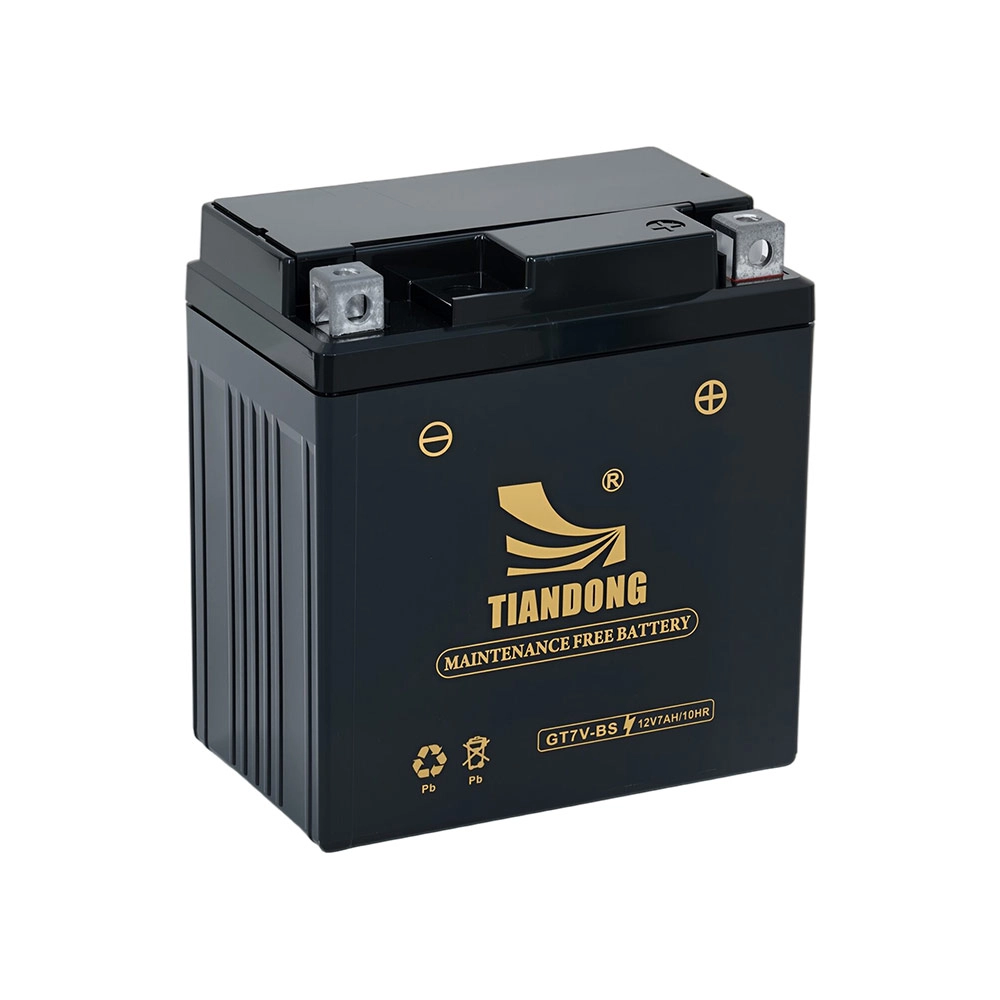
Get in touch with us to get your Motorbike Battery solution
TIANDONG is a leading motorcycle battery manufacturer offering OEM/ODM service, stable quality, and global export support.
Built for wholesalers. Trusted by global buyers. Delivered with confidence.
Say Hello
E-mail: daisybattery8@gmail.com
xianyingchen83@gmail. com
WhatsAPP: +86 134 283 86694
+86 134 348 86641
Our Location
Social Links
© 2025 TIANDONG. All Rights Reserved. Privacy Policy | Terms and Conditions | Sitemap
 Scan QR Code
Facebook
Instagram
Scan QR Code
Whatsapp: +8613434886641