






UPS Battery Replacement Mistakes to Avoid
- Common Errors When Replacing UPS Batteries
- Skipping Proper End-of-Life Diagnostics
- Replacing with Incorrect Chemistry or Capacity
- Ignoring Battery Matching in Strings
- Technical Steps and Testing Best Practices
- Measure and Record Baseline Metrics
- Proper Charging and Equalization Procedures
- Post-Installation Verification and Burn-in
- Safety, Handling, and Regulatory Compliance
- Safe Handling and Personal Protective Equipment (PPE)
- Transportation, Recycling, and Disposal Rules
- Recordkeeping and Standards Compliance
- Choosing the Right Replacement and Avoiding Procurement Pitfalls
- Verify Manufacturer Specifications and Warranties
- Consider Environmental and Operational Factors
- Cost vs. Total Cost of Ownership (TCO)
- Installation Checklist and Practical Tips
- Pre-Installation Checklist
- Installation Steps
- Common Installation Mistakes to Avoid
- Product Spotlight: TIANDONG HP12-12 (12V 12Ah) UPS Backup Battery
- FAQ — Frequently Asked Questions
- How do I know if my UPS battery needs replacement?
- Can I replace just one battery in a multi-battery UPS string?
- Are VRLA batteries maintenance-free and truly sealed?
- How should I dispose of old UPS batteries?
- What charging settings should my UPS use for VRLA batteries?
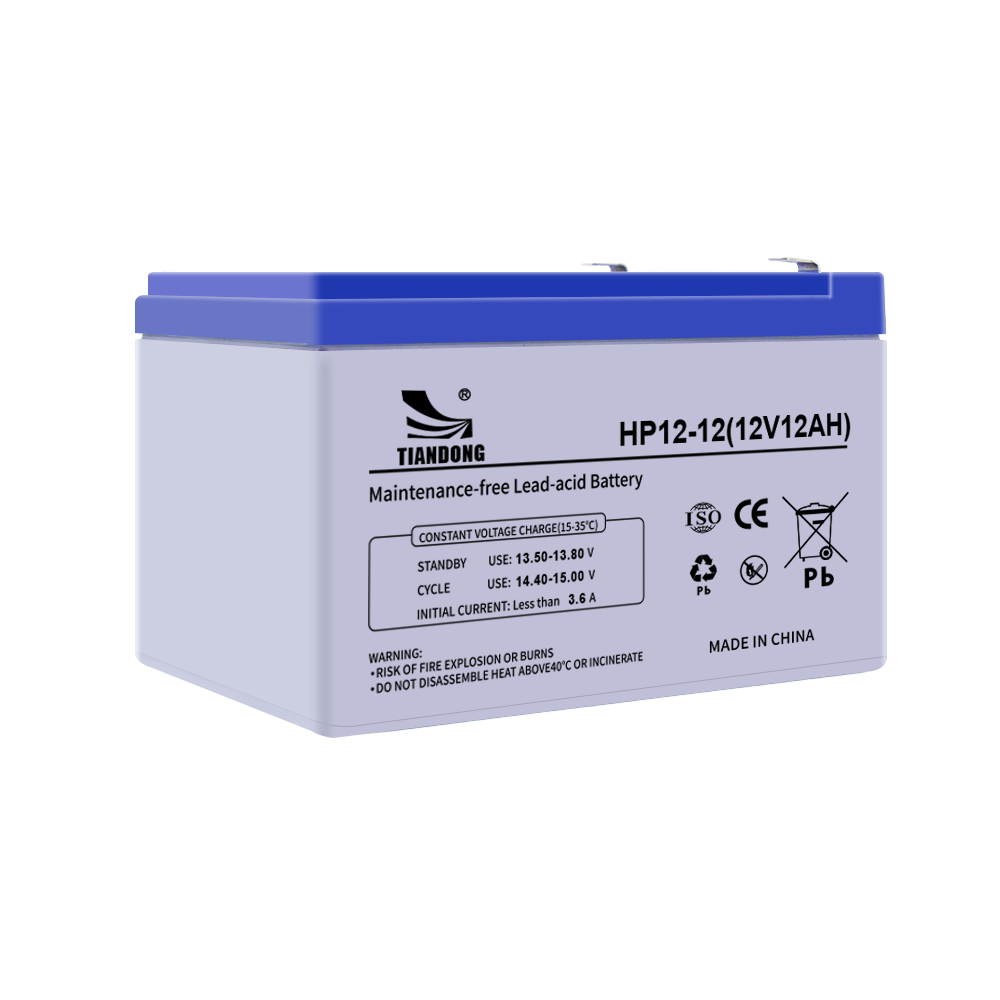
Effective ups battery replacement protects critical systems and extends the life of your UPS backup. This guide synthesizes technical best practices, safety rules, and compliance considerations to help you avoid common mistakes when replacing UPS batteries like the TIANDONG HP12-12 (12V 12Ah) UPS Backup Battery VRLA Sealed Lead Acid Rechargeable Maintenance Free. It is written for technicians and decision-makers who need clear, actionable steps for diagnosing end-of-life batteries, selecting correct replacements, installing and testing new sealed lead acid units, and disposing of old batteries responsibly.
Common Errors When Replacing UPS Batteries
Skipping Proper End-of-Life Diagnostics
One of the most frequent ups battery replacement mistakes is assuming a failed load transfer equals a dead battery. Batteries degrade gradually: capacity drops, internal resistance rises, and runtime shortens. Perform objective diagnostics before replacement — measure open-circuit voltage, under-load voltage, and specific gravity where applicable, and run a discharge capacity test if supported by your UPS. For VRLA sealed lead acid batteries like TIANDONG HP12-12, focus on voltage under load and runtime tests because specific gravity testing is not possible on sealed cells. Authoritative testing guidance can be found in standards and battery references such as Wikipedia's UPS overview and technical resources from industry groups.
Replacing with Incorrect Chemistry or Capacity
Using the wrong battery type or capacity is a critical error. UPS systems are tuned for certain battery chemistries (e.g., VRLA/AGM/SLA) and expected voltages and amp-hour ratings. Substituting a different chemistry or a battery with insufficient amp-hour (Ah) capacity reduces runtime and stresses the UPS charger. For example, the TIANDONG HP12-12 (12V 12Ah) is a VRLA sealed lead acid battery designed for UPS backup; replacing it with a generic SLA of lower Ah or a different terminal type can cause poor connections, improper charging, and reduced service life.
Ignoring Battery Matching in Strings
Many UPS configurations use multiple batteries in series or parallel. Replacing a single battery in a string without matching age, capacity, and internal resistance is a frequent mistake. Mismatched batteries lead to unequal charge/discharge sharing, accelerating failure in both new and old cells. Best practice: replace entire battery strings or at minimum match new units to the age and specifications of the remaining cells.
Technical Steps and Testing Best Practices
Measure and Record Baseline Metrics
Before removal, document UPS status, battery runtime, alarms, and electrical measurements. Capture open-circuit voltages, individual battery voltages (if accessible), and charger float voltage. This data helps verify whether the issue was battery-related and creates a record for warranty claims. Tools: a quality handheld DMM, clamp ammeter, and an analyzer that can perform a discharge capacity test.
Proper Charging and Equalization Procedures
Improper charging is a common root cause of premature battery failure. VRLA batteries (like TIANDONG HP12-12) require controlled charging: a correct float voltage, temperature compensation, and limited charging current. Avoid overcharging (which causes gassing and plate corrosion) and undercharging (which causes sulfation). Refer to charging guidance from reputable sources such as Battery University for charge profiles and the effects of temperature on charge voltages.
Post-Installation Verification and Burn-in
After replacement, perform a controlled runtime test under load to confirm expected backup time. Allow for a burn-in period (often 24–72 hours under float) for the new battery to reach stable performance. Document runtime vs. expected amp-hour draw and record float voltage stability. If runtime falls short of manufacturer specifications, re-check connections, terminal torque, and charger settings.
Safety, Handling, and Regulatory Compliance
Safe Handling and Personal Protective Equipment (PPE)
Handling sealed lead acid batteries still requires PPE: eye protection, gloves, and appropriate tools to prevent short circuits. Always disconnect the UPS from mains (if possible per manufacturer instructions), follow lockout/tagout for enclosed systems, and remove metal jewelry. Even sealed batteries can vent under fault conditions, so treat them as potentially hazardous.
Transportation, Recycling, and Disposal Rules
Lead-acid batteries are regulated for transport and disposal due to lead and acid content. Do not discard batteries in regular waste. Use certified recycling channels and comply with local hazardous waste regulations. Global guidance and regulations for battery disposal are provided by agencies such as the European Commission (waste directives) and national environmental authorities. TIANDONG, as an OEM/ODM manufacturer and wholesaler, generally provides return/recycling options — check product data and local regulations.
Recordkeeping and Standards Compliance
Maintain records of battery serial numbers, installation dates, load test results, and maintenance actions to satisfy warranties and audits. Follow industry standards such as IEC/IEEE recommendations for stationary lead-acid systems (for reference see IEEE Standards) to align with best practices and regulatory expectations.
Choosing the Right Replacement and Avoiding Procurement Pitfalls
Verify Manufacturer Specifications and Warranties
Select replacements that meet or exceed the original equipment specs: voltage, Ah rating, terminal type, dimensions, and design life. For the TIANDONG HP12-12 (12V 12Ah) UPS Backup Battery, verify compatibility with your UPS model and charger profile. Check warranty terms, manufacturing quality controls (ISO certifications), and OEM or factory-direct sourcing to reduce counterfeit risks.
Consider Environmental and Operational Factors
Ambient temperature significantly affects battery life and runtime. Elevated temperatures accelerate aging; low temperatures reduce effective capacity. Choose batteries rated for your operating environment and use temperature-compensated charging when available. If your UPS cabinet is hot, adjust float voltage or provide ventilation to preserve battery life.
Cost vs. Total Cost of Ownership (TCO)
Avoid choosing lowest-cost batteries without assessing TCO. Cheaper batteries may have faster capacity fade and higher failure rates, leading to more frequent replacements and potential downtime. Consider service life, warranty, expected runtime, and supplier support when evaluating bids. Below is a simple comparison table to illustrate typical trade-offs:
| Attribute | OEM/High Quality (e.g., TIANDONG) | Low-Cost Generic |
|---|---|---|
| Unit Cost | Higher | Lower |
| Expected Service Life | Typically 3–5+ years (depending on temp) | Often shorter, 1–3 years |
| Warranty & Support | Clear warranty, OEM support | Limited or uncertain |
| Risk of Early Failure | Lower | Higher |
| TCO (3–5 years) | Often lower | Often higher |
Installation Checklist and Practical Tips
Pre-Installation Checklist
- Confirm the replacement model (TIANDONG HP12-12 12V 12Ah) matches UPS voltage and space constraints.
- Verify charger compatibility and float voltage settings.
- Have tools for torqueing terminals and PPE available.
- Plan for battery disposal and a safe workspace.
Installation Steps
- Power down the UPS per manufacturer instructions and observe lockout/tagout where applicable.
- Disconnect and remove old batteries; inspect battery compartment for corrosion or damage.
- Install new batteries ensuring correct polarity and secure, clean connections. Torque terminals to manufacturer specs.
- Reconnect and charge to float; monitor for correct charger current and voltage.
- Perform a runtime (discharge) test and record results.
Common Installation Mistakes to Avoid
Typical mistakes include loose terminals (causing heating), incorrect polarity connections, failing to torque correctly, and not allowing the battery to equalize/charge before full-load testing. Also avoid mixing old and new batteries in the same string.
Product Spotlight: TIANDONG HP12-12 (12V 12Ah) UPS Backup Battery
Product Overview:
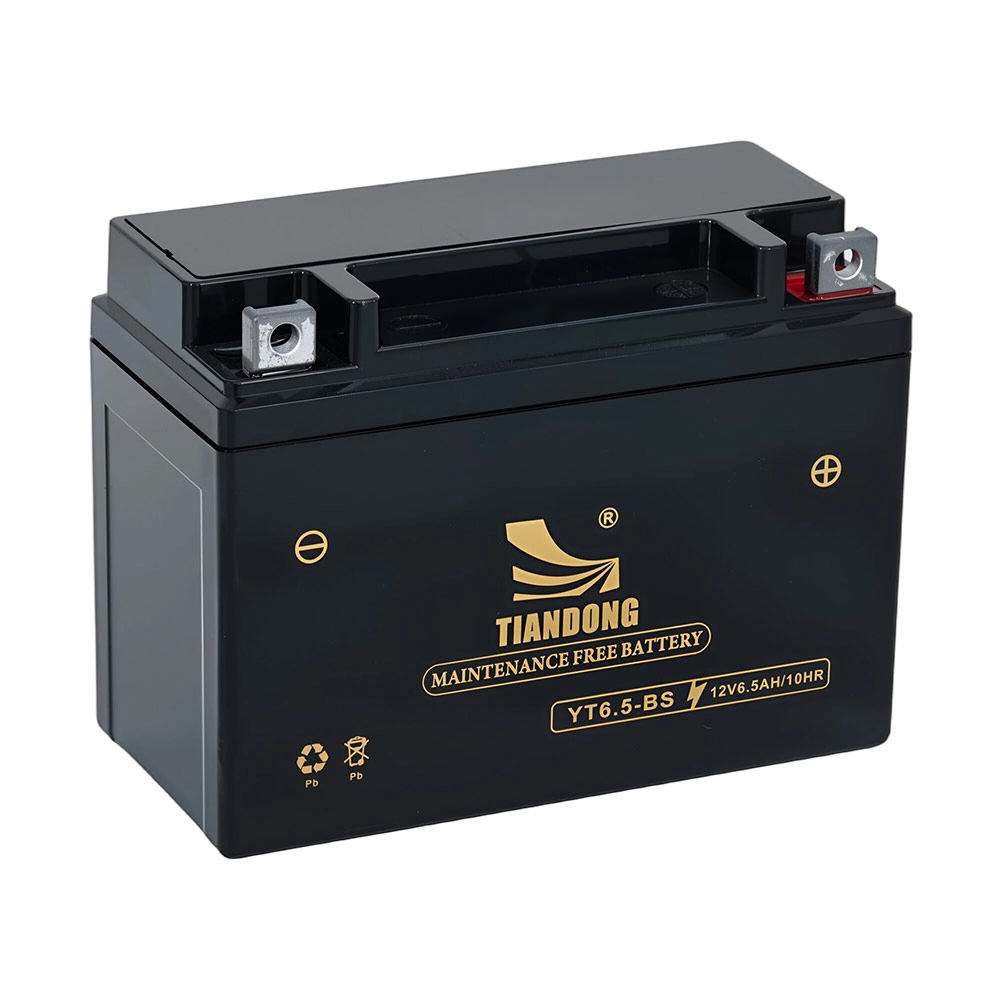
TIANDONG 12V 12Ah UPS Backup Battery is a maintenance-free, VRLA sealed lead acid battery designed for reliable power backup. As a trusted OEM/ODM custom motorcycle battery manufacturer and factory direct wholesaler, TIANDONG ensures High Quality quality and performance.
Why this model is suited for UPS replacement:
- Standard 12V 12Ah format compatible with many small and mid-size UPS units.
- VRLA sealed design reduces maintenance and eliminates electrolyte handling.
- Manufactured under quality control processes typical of reputable OEMs — reducing risk of early failure.
FAQ — Frequently Asked Questions
How do I know if my UPS battery needs replacement?
Signs include reduced runtime, frequent battery alarms, visible swelling, and battery age beyond manufacturer recommended life (commonly 3–5 years for VRLA). Run diagnostics: if a full-capacity discharge test shows significantly less runtime than expected, it’s time to replace.
Can I replace just one battery in a multi-battery UPS string?
It is not recommended. Replace the entire string or pack to avoid mismatched performance and premature failure. If replacing only one is unavoidable, match the new battery's specifications and age as closely as possible.
Are VRLA batteries maintenance-free and truly sealed?
VRLA batteries, including the TIANDONG HP12-12, are designed to be maintenance-free (no water top-up) and sealed. However, they still require correct charging, temperature control, and periodic testing to ensure long life.
How should I dispose of old UPS batteries?
Recycle lead-acid batteries via certified recycling centers. Do not throw them in household trash. Check local regulations and manufacturer take-back programs. Proper disposal avoids environmental contamination and often recovers valuable materials.
What charging settings should my UPS use for VRLA batteries?
Follow the UPS and battery manufacturer recommendations. Typical float voltages for 12V VRLA battery strings are around 13.5–13.8V at 25°C, but must be adjusted for temperature. Consult technical references such as Battery University and IEEE/IEC guidance for detailed charging profiles.
If you need help verifying compatibility, scheduling professional replacement, or obtaining TIANDONG HP12-12 (12V 12Ah) batteries, contact our sales and technical support team to get an accurate quote, warranty details, and recommended replacement schedule. View product details or contact us to order: Contact Sales / View Product.
References: For standards and deeper technical guidance see Wikipedia - Uninterruptible Power Supply, Battery University, and IEEE Standards.

Unleash Peak Performance: Why Tiandong's YTX4-12V Motorcycle Battery is Your Ultimate Power Upgrade

How to Install a YTX7-BS AGM Motorcycle Battery Safely

YT12 12V 12AH Specs Explained: What Riders Need to Know

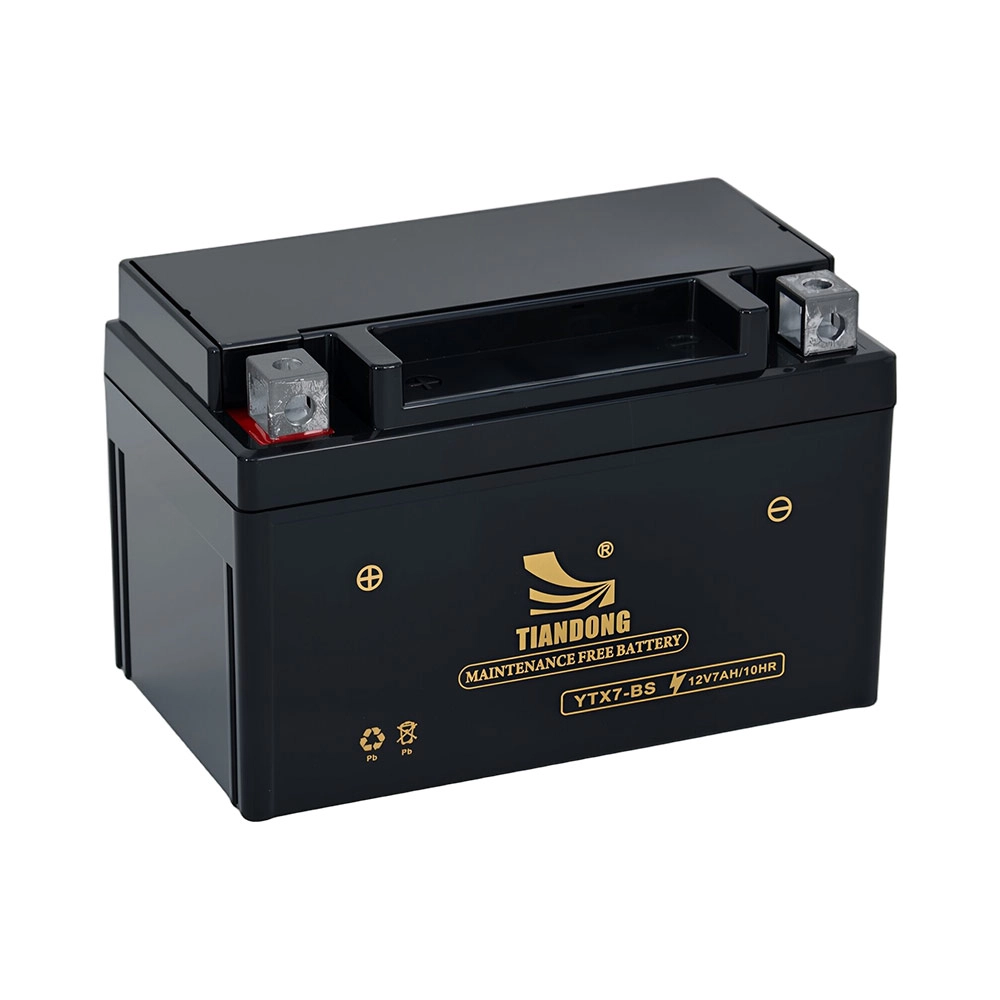
AGM Motorcycle Battery Buyer's Guide: Why Choose YTX7-BS 12V 7Ah
Questions you may concerned about
Support
What is Tiandong’s production capacity?
The company produces approximately 6 million batteries per year, supported by 15,000 tons of electrode plate production capacity.
Shipping
How long does delivery take?
For stock items, delivery takes about 7-15 days after receiving the deposit. For bulk orders or custom logo orders, it usually takes 25-35 days depending on the quantity.
Product
What is the typical lifespan of your batteries?
Depending on the model and usage conditions, our batteries typically last between 2 to 4 years under normal operation.
Are your batteries maintenance-free?
Yes, our batteries are sealed VRLA or GEL types that require no water refilling. They are ready to use and easy to maintain.
customer
Can overseas clients visit the Tiandong factory?
Yes. Tiandong welcomes international customers to visit the factory, production workshops, and logistics warehouses to better understand the manufacturing and quality control process.
Get in touch with us to get your Motorbike Battery solution
TIANDONG is a leading motorcycle battery manufacturer offering OEM/ODM service, stable quality, and global export support.
Built for wholesalers. Trusted by global buyers. Delivered with confidence.
Say Hello
E-mail: daisybattery8@gmail.com
xianyingchen83@gmail. com
WhatsAPP: +86 134 283 86694
+86 134 348 86641
Our Location
Social Links
© 2025 TIANDONG. All Rights Reserved. Privacy Policy | Terms and Conditions | Sitemap
 Scan QR Code
Facebook
Instagram
Scan QR Code
Whatsapp: +8613434886641