






Top Signs Your Motorcycle Battery Needs Replacement
- Top Signs Your Motorcycle Battery Needs Replacement
- 1. Slow or Intermittent Cranking — The Most Obvious Sign of a Bad Battery
- 2. Frequent Need for Jump Starts or Recharging
- 3. Voltage Readings Below Healthy Thresholds
- 4. Brightness Fluctuations or Dim Headlights While Idling
- 5. Visible Corrosion, Leaking, Swelling or Physical Damage
- 6. Old Age — Expected Lifespan Reached
- 7. Sulfur Smell or Heat Near the Battery
- 8. Repeated Electrical Problems Despite a Healthy Charging System
- 9. Poor Performance in Cold Weather
- 10. Excessive Self-Discharge When Stored
- How to Test a Motorcycle Battery at Home — Simple and Reliable Checks
- When to Replace Rather Than Repair
- Comparing Common Motorcycle Battery Types
- Choosing a Good Motorcycle Battery — What to Look For
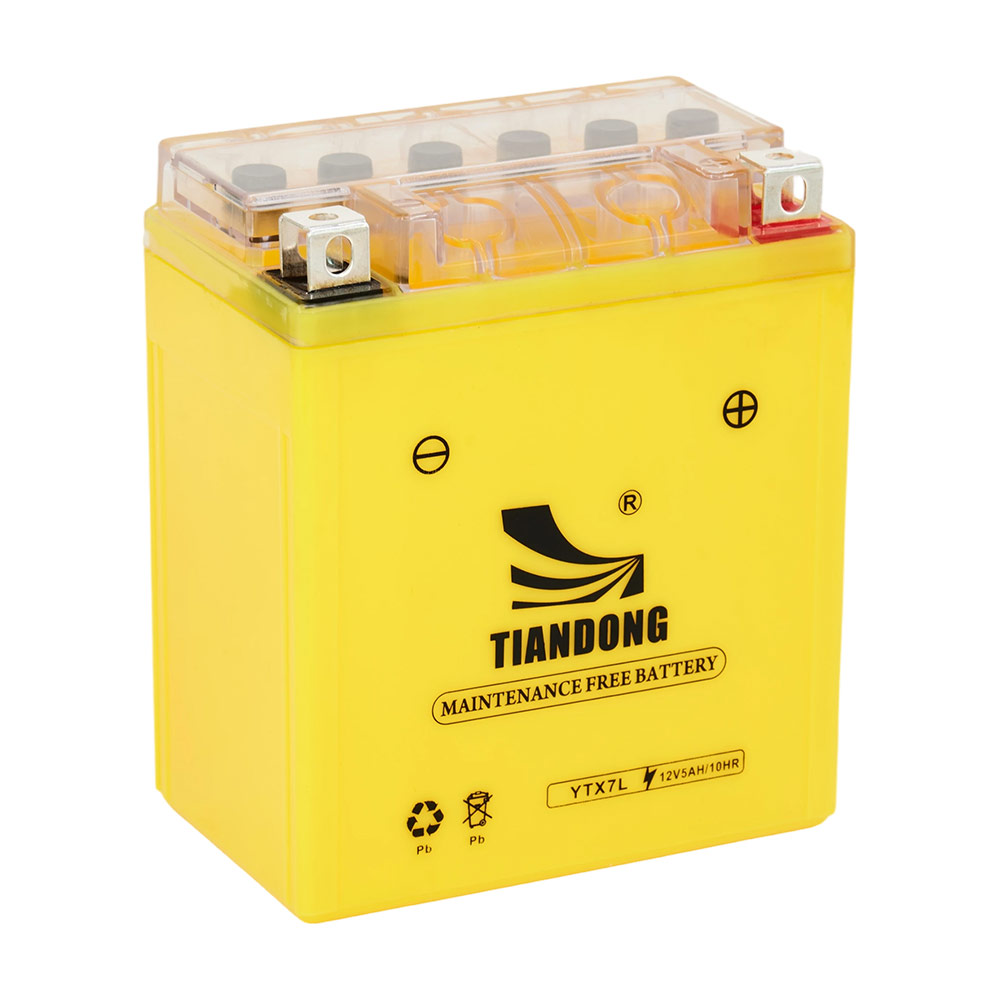
- Product Spotlight: YTX7L 12V 7AH 125 Curved Beam Car Luxury Scooter Motorbike Battery
- Brand Advantages — Why TIANDONG and the YTX7L Are a Solid Choice
- Maintenance Tips to Maximize Battery Life
- FAQ — Common Questions about Motorcycle Battery Replacement
- Q1: How long will a YTX7L 12V 7AH battery last?
- Q2: Can I replace my old battery with a higher capacity (AH) battery?
- Q3: Is a sealed AGM safer than a flooded battery for motorcycles?
- Q4: My battery voltage reads 12.2V after charging. Replace or keep?
- Q5: Can I use a lithium battery instead of lead-acid?
- Q6: How should I dispose of my old motorcycle battery?
- Contact & Product CTA
- References and Authoritative Sources
Top Signs Your Motorcycle Battery Needs Replacement
Your motorcycle depends on a reliable battery for starting, charging-system stability, and powering lights and electronics. A weak battery doesn't just mean one failed start — it can leave you stranded, damage your charging system, or cause inconsistent performance. If you're searching for a good motorcycle battery or evaluating whether your current cell needs replacement, this guide walks through the most reliable signs, simple tests you can perform, and how to choose the right replacement like the YTX7L 12V 7AH 125 Curved Beam Car Luxury Scooter Motorbike Battery.
1. Slow or Intermittent Cranking — The Most Obvious Sign of a Bad Battery
When you press the starter and the engine turns slowly or struggles to catch, the battery is often the first suspect. A fully charged 12V motorcycle battery should allow the engine to crank briskly and consistently. Slow cranking can be caused by low state of charge, reduced capacity due to age, or internal cell damage. If charging doesn't restore cranking speed or the problem returns quickly, it's a clear signal you need a replacement. For riders seeking a consistently reliable ride, investing in a good motorcycle battery reduces the chance of repeated failures.
2. Frequent Need for Jump Starts or Recharging
If you find yourself jump-starting the bike or recharging the battery frequently after normal use, the battery is losing capacity. Occasional discharge is normal, especially with short trips, but repeated recovery indicates the internal plates can no longer hold adequate charge. Persistent need to recharge often points to irreversible deterioration and the need to buy a replacement battery designed for longer life.
3. Voltage Readings Below Healthy Thresholds
Using a multimeter is a fast, objective check. Typical resting voltages and what they mean:
- 12.6V to 12.8V — Fully charged (good condition)
- 12.4V — Approximately 75% charged
- 12.2V — Approximately 50% charged
- 12.0V and below — Low, requires charge; repeated low voltage suggests replacement
If your battery reads below 12.4V after a full charge and load-testing shows significant voltage drop under load, it likely needs replacement. A good motorcycle battery will hold 12.6V+ at rest and show small voltage drop under load.
4. Brightness Fluctuations or Dim Headlights While Idling
Dim headlights, flickering dash lights, or brightness variations at idle suggest the battery or charging system can't maintain voltage under load. If lights brighten at higher engine RPMs but dim at idle, the regulator/rectifier or alternator could be involved; however, a weak battery exacerbates these symptoms. Replacing a weak battery with a quality unit reduces electrical instability and helps the charging system operate within optimal parameters.
5. Visible Corrosion, Leaking, Swelling or Physical Damage
Physical signs such as corrosion at terminals, cracked casing, bulging or leaking electrolyte are immediate reasons to replace the battery. Swelling indicates internal gas buildup and dangerous failure. Corrosion reduces contact quality and may hide more serious internal damage. Always replace a battery exhibiting these signs and clean the terminal area before installing a new unit.
6. Old Age — Expected Lifespan Reached
Most lead-acid motorcycle batteries last 2–5 years depending on type, usage, and charging practices. If your battery is older than this and you notice any performance decline, replacement is a prudent, preventive step. Regular riders who maintain proper charging can approach the upper end of lifespan, while seasonal or infrequent riders often see earlier failure due to sulfation and self-discharge.
7. Sulfur Smell or Heat Near the Battery
A strong sulfur (rotten-egg) smell indicates internal cell damage or overcharging with electrolyte boiling. Excessive heat felt at the battery surface during charging or after use is another red flag. Stop using the battery and replace it — these symptoms can precede catastrophic failure and present safety hazards.
8. Repeated Electrical Problems Despite a Healthy Charging System
If a mechanic confirms the stator and regulator/rectifier are functioning correctly but you still face starting or electrical issues, the battery often remains the weak link. Batteries can degrade internally while external tests (e.g., voltage while running) look normal. A load test or replacing with a known good motorcycle battery can isolate the problem.
9. Poor Performance in Cold Weather
Cold temperatures reduce battery chemical activity and cranking capacity. If your bike starts fine in warm conditions but struggles in cooler weather, the battery's cold cranking ability may have diminished. Consider a replacement with better cold-start performance or a higher-quality battery suited for temperature extremes.
10. Excessive Self-Discharge When Stored
A battery that fully discharges quickly while the bike is stored, even with minimal parasitic draws, is likely aging or sulfated. Good batteries retain charge for longer periods; if yours needs frequent trickle charging during storage, replacement will reduce maintenance and extend component life.
How to Test a Motorcycle Battery at Home — Simple and Reliable Checks
Before buying a replacement, perform these checks to confirm battery health:
- Resting Voltage: Disconnect and measure with a digital multimeter after the bike has been off for several hours. Use the thresholds listed above.
- Charging Voltage: With the bike running at 3,000 RPM, measure across the battery. A healthy charging system reads approximately 13.5–14.7V. If charging is too low or too high, fix the charging system after checking the battery.
- Load Test: Use a regulated load tester or a known-good starter draw to see if voltage falls dramatically under load (e.g., below ~9.6V during cranking for a brief period). Excessive drop suggests internal resistance and failure.
- Hydrometer (for serviceable lead-acid): Measures specific gravity of each cell. Large variance or low readings mean cell failure.
When to Replace Rather Than Repair
If tests show low capacity, repeated low voltages after charging, physical damage, excessive sulfation, or age beyond recommended lifespan, replace the battery. Repair techniques like desulfation chargers sometimes restore limited capacity, but they’re often temporary. For reliability and longevity, purchase a new, good motorcycle battery designed for your bike and riding style.
Comparing Common Motorcycle Battery Types
Choosing the right chemistry affects lifespan, maintenance, and performance. The table below summarizes common types to help select a long-lasting, dependable replacement.
| Type | Voltage | Maintenance | Typical Lifespan | Pros | Cons |
|---|---|---|---|---|---|
| Flooded Lead-Acid | 12V | Regular water top-ups | 2–4 years | Lower cost, tolerant to charging | Needs maintenance, risk of spills |
| AGM (Absorbent Glass Mat) | 12V | Maintenance-free | 3–6 years | Sealed, vibration-resistant, good power | Higher cost than flooded |
| Gel | 12V | Maintenance-free | 3–6 years | Good deep-cycle performance, sealed | Sensitive to overcharging |
| Lithium (LiFePO4) | 12.8V nominal | Usually maintenance-free | 5–8+ years | Very light, high cycle life | Cost, requires compatible charging/regulator |
Choosing a Good Motorcycle Battery — What to Look For
When selecting a replacement, prioritize these attributes:
- Correct physical size and terminal orientation for your bike.
- Proper cold cranking amps (CCA) for your engine displacement and climate.
- Manufacturer reputation and warranty — look for at least 1–2 years warranty on small motorcycle batteries.
- Sealed maintenance-free designs (AGM or Gel) for low maintenance and spill protection.
- Compatibility with your bike’s charging system — particularly important with lithium batteries.
A good motorcycle battery balances cost, reliability, and capacity. For many riders of scooters and small displacement bikes, a sealed 12V 7AH battery provides the right mix of energy and compact size.
Product Spotlight: YTX7L 12V 7AH 125 Curved Beam Car Luxury Scooter Motorbike Battery
Product: YTX7L 12V 7AH 125 Curved Beam Car Luxury Scooter Motorbike Battery
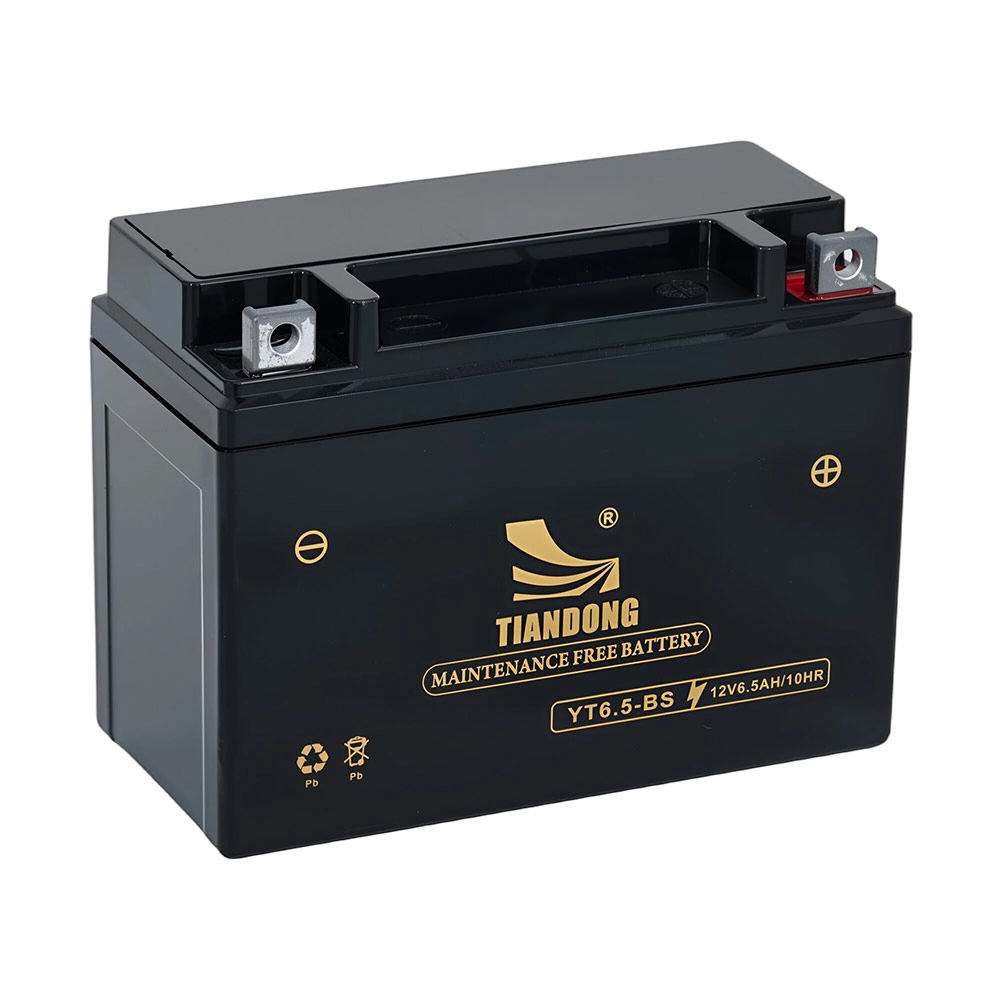
The TIANDONG YTX7L 12V 7AH Motorbike Battery delivers reliable power for luxury scooters and cars. Designed as a custom motorbike battery, it ensures optimal performance and long-lasting durability for your vehicle’s needs. Experience superior energy with TIANDONG quality.
This battery targets riders looking for a compact, maintenance-free solution that provides stable starting power, good shelf-life, and consistent performance across varying temperatures. For riders wanting a reliable, good motorcycle battery for luxury scooters and small cars, the YTX7L 12V 7AH is a strong candidate.
Brand Advantages — Why TIANDONG and the YTX7L Are a Solid Choice
TIANDONG focuses on quality-controlled production, sealed construction for safety, and compatibility with many standard scooter and small motorcycle models. The advantages include:
- Designed form factor for scooter and motorbike battery wells.
- Maintenance-free sealed design reduces upkeep and spill risk.
- Stable voltage output suited to sensitive electronics on modern vehicles.
- Industry-standard specifications for easy replacement and fitment.
Maintenance Tips to Maximize Battery Life
Even a good motorcycle battery benefits from proper care:
- Keep terminals clean and tight; remove corrosion with a baking soda solution if needed.
- Avoid long periods of inactivity without a float/trickle charger.
- Store batteries and bikes in cool, dry places away from direct heat.
- Check charging voltages periodically to ensure the regulator/rectifier is operating correctly.
- Use a battery tender for seasonal storage to prevent sulfation and capacity loss.
FAQ — Common Questions about Motorcycle Battery Replacement
Q1: How long will a YTX7L 12V 7AH battery last?
A: With proper use and maintenance, sealed 7AH batteries typically last 2–5 years depending on ride frequency, charging habits, and environmental conditions.
Q2: Can I replace my old battery with a higher capacity (AH) battery?
A: You can increase capacity if the battery fits and terminal polarity is correct, but check space constraints and motorcycle manufacturer recommendations. Higher AH may be heavier and could affect fitment.
Q3: Is a sealed AGM safer than a flooded battery for motorcycles?
A: Yes — sealed AGM batteries are maintenance-free, spill-resistant, and generally better suited to small vehicles where orientation and vibration tolerance matter.
Q4: My battery voltage reads 12.2V after charging. Replace or keep?
A: 12.2V indicates roughly 50% state of charge. If it won't hold charge or requires frequent recharging, replacement is advisable. Otherwise, recharge fully and re-test under load.
Q5: Can I use a lithium battery instead of lead-acid?
A: Lithium (LiFePO4) offers weight savings and longer cycle life but requires compatibility checks with your charging system and possibly a different mounting or terminal adapter. Ensure charging voltage and regulator settings are suitable.
Q6: How should I dispose of my old motorcycle battery?
A: Take it to an authorized battery recycling center, automotive shop, or retailer — lead-acid and lithium batteries must be recycled properly to avoid environmental harm.
Contact & Product CTA
If you suspect your battery needs replacement or want to upgrade to a reliable, good motorcycle battery, contact our support team for fitment advice and bulk or warranty options. View the YTX7L 12V 7AH 125 Curved Beam Car Luxury Scooter Motorbike Battery to check compatibility and order:
- Contact Customer Support — get personalized fitment help and replacement guidance.
- View the YTX7L 12V 7AH Battery — specifications, warranty details, and purchase options.
-
If you’re noticing replacement warning signs, reviewing a specific battery model can help you decide whether it’s the right upgrade for your motorcycle.YTX7L 12V 7AH Review: Is It a Good Motorcycle Battery?
References and Authoritative Sources
Below are authoritative references used to compile charging thresholds, battery types, and maintenance recommendations:
- Battery University — State of Charge and Voltage: https://batteryuniversity.com/article/bu-808-state-of-charge
- Battery University — Understanding Batteries: https://batteryuniversity.com/learn/article/understanding_batteries
- Wikipedia — Lead–acid battery: https://en.wikipedia.org/wiki/Lead%E2%80%93acid_battery
- U.S. Environmental Protection Agency — Battery Recycling: https://www.epa.gov/recycle/battery-recycling
- SAE International — General standards for vehicle electrical systems (search SAE standards): https://www.sae.org/

2026 Buyer’s Guide: Best Motorcycle Batteries for Sale & How to Choose

AGM vs Gel vs Lithium: Best Battery for Your Motorcycle (YTX7-BS)
Top 10 Lead-Acid Battery Manufacturers and Supplier Brands

Custom branding and private label options for YT14 batteries
Questions you may concerned about
Product
What kind of battery is best for a motorcycle?
AGM batteries are a popular choice because they combine the best of both worlds: the durability of lead-acid batteries and the low maintenance of lithium-ion batteries. AGM batteries are sealed, so they don't require water refills, and they're designed to handle rough conditions, making them ideal for motorcycles.
What certifications do your batteries have?
Our batteries are certified with CE, ISO9001, and RoHS, and meet export standards for markets in Southeast Asia, South Asia, and Africa.
Why does my motorcycle battery keep dying?
Common causes include:
-
Faulty charging system
-
Parasitic drain
-
Old battery
-
Improper storage
What causes motorcycle batteries to fail?
Common causes include over-discharging, extreme temperatures, poor charging systems, and low-quality manufacturing materials.
Shipping
Which countries does Tiandong export to?
Tiandong batteries are exported to more than 20 countries, including Vietnam, India, Egypt, Thailand, and Indonesia.
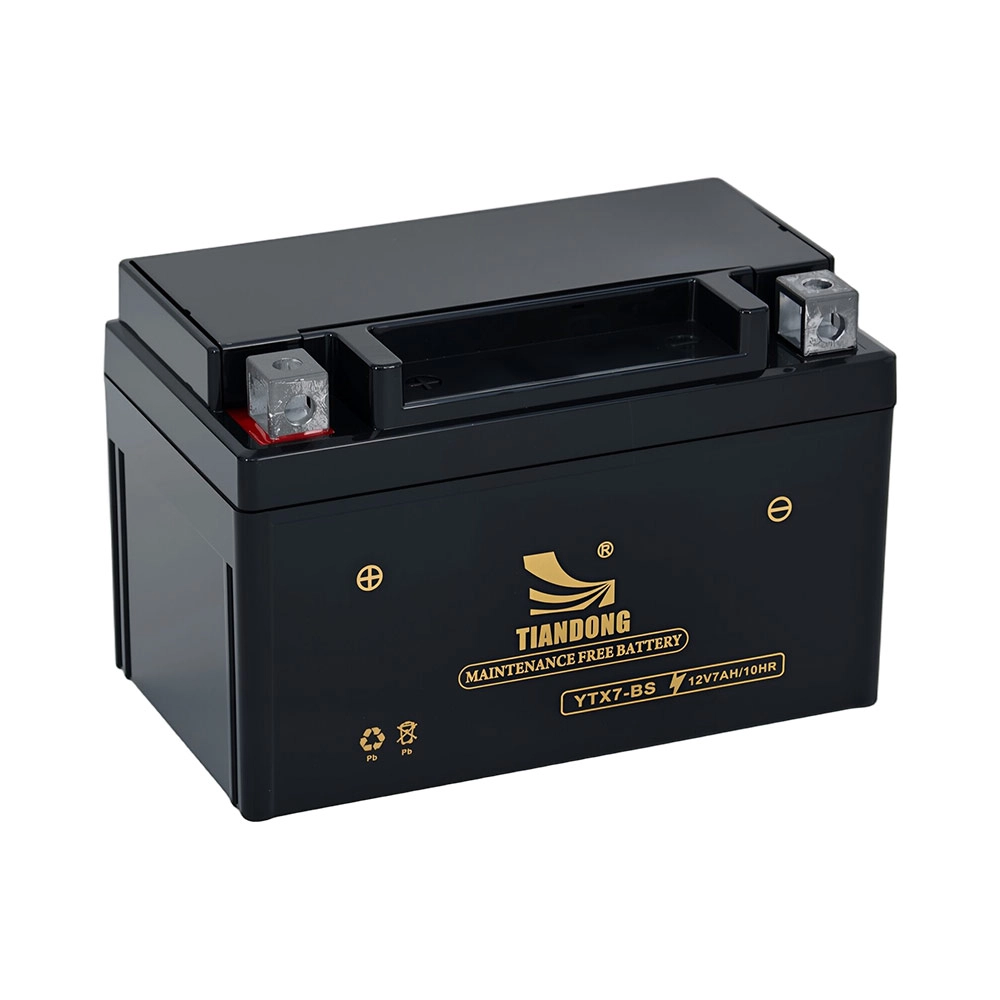
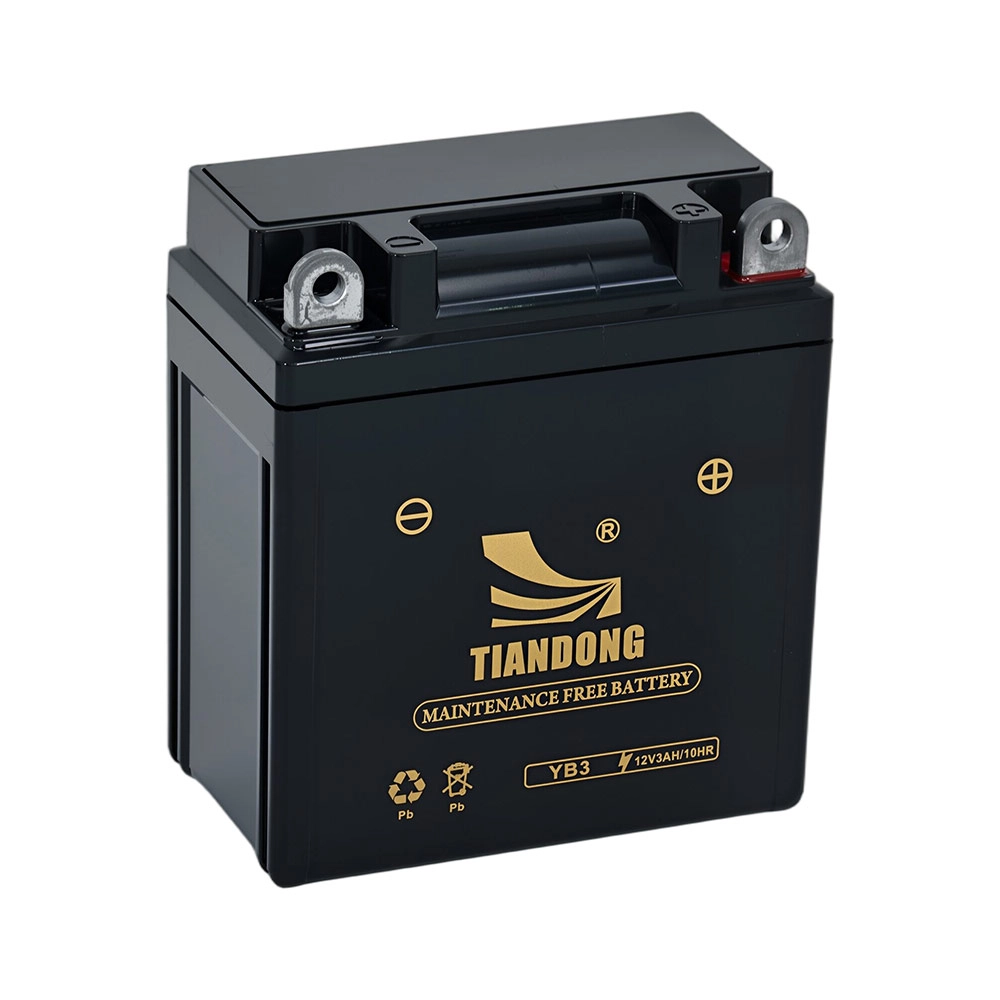
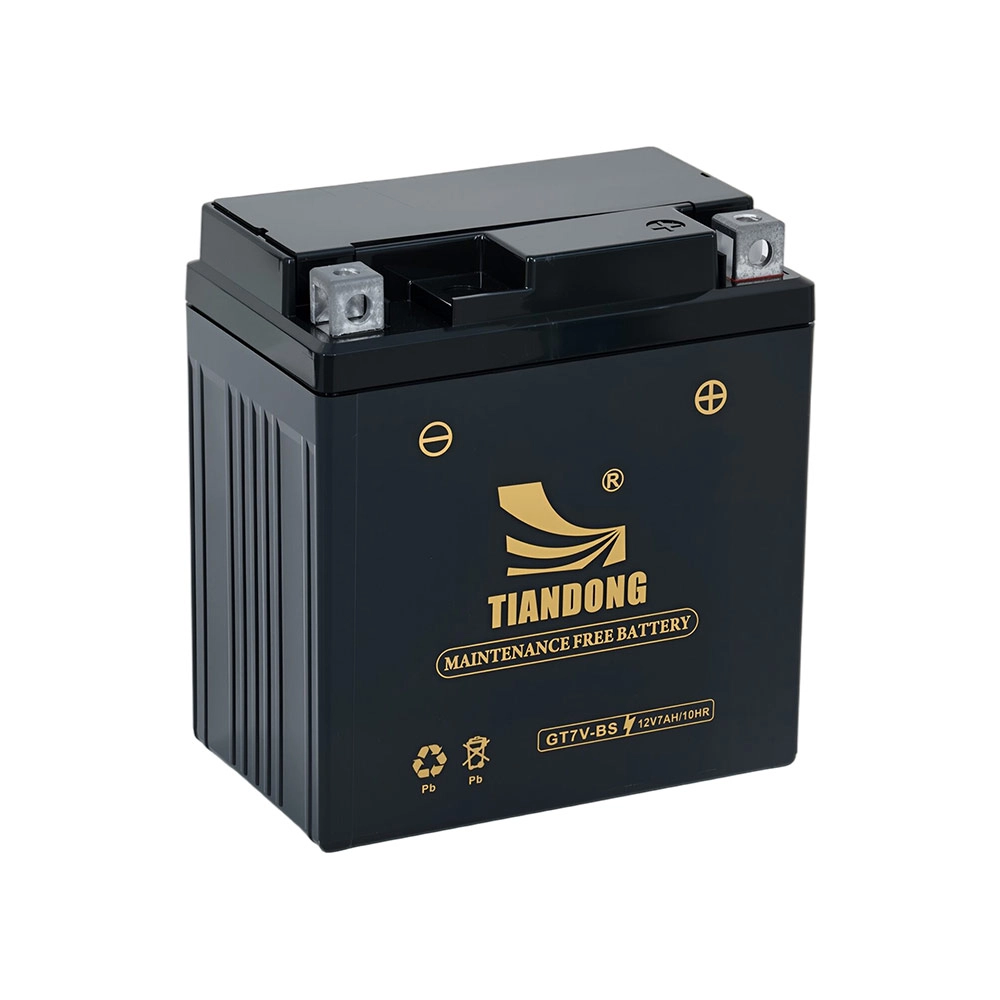
Get in touch with us to get your Motorbike Battery solution
TIANDONG is a leading motorcycle battery manufacturer offering OEM/ODM service, stable quality, and global export support.
Built for wholesalers. Trusted by global buyers. Delivered with confidence.
Say Hello
E-mail: daisybattery8@gmail.com
xianyingchen83@gmail. com
WhatsAPP: +86 134 283 86694
+86 134 348 86641
Our Location
Social Links
© 2025 TIANDONG. All Rights Reserved. Privacy Policy | Terms and Conditions | Sitemap
 Scan QR Code
Facebook
Instagram
Scan QR Code
Whatsapp: +8613434886641