






TIANDONG HP12-12 Specs: What Buyers Need for UPS Replacement
- Understanding the TIANDONG HP12-12: Core Specs and What They Mean
- Key specifications and electrical characteristics
- Why 12Ah matters for UPS battery replacement
- Compatibility Checklist: Will TIANDONG HP12-12 Work with Your UPS?
- Match voltage, terminal and dimensions
- Check charger compatibility and warranty considerations
- Installation, Testing and Best Practices for UPS Battery Replacement
- Preparation and safe installation steps
- Testing after replacement: verification steps
- Lifecycle, Maintenance, Disposal and Buying Tips
- Expected life and how to maximize it
- End-of-life handling and recycling
- Buying tips and comparisons
- Technical Questions Buyers Ask — Practical Answers
- Can I replace multiple smaller batteries with a single 12Ah unit?
- Does a higher Ah rating always mean better performance?
- How should I store spare TIANDONG HP12-12 batteries?
- References and Standards
- FAQ
- Q: Is the TIANDONG HP12-12 a drop-in replacement for all 12V UPS batteries?
- Q: How long will the TIANDONG HP12-12 provide power in my UPS?
- Q: What maintenance is required for this maintenance-free battery?
- Q: Can I use the TIANDONG HP12-12 in series to make higher voltages?
- Q: How do I dispose of my old UPS batteries?
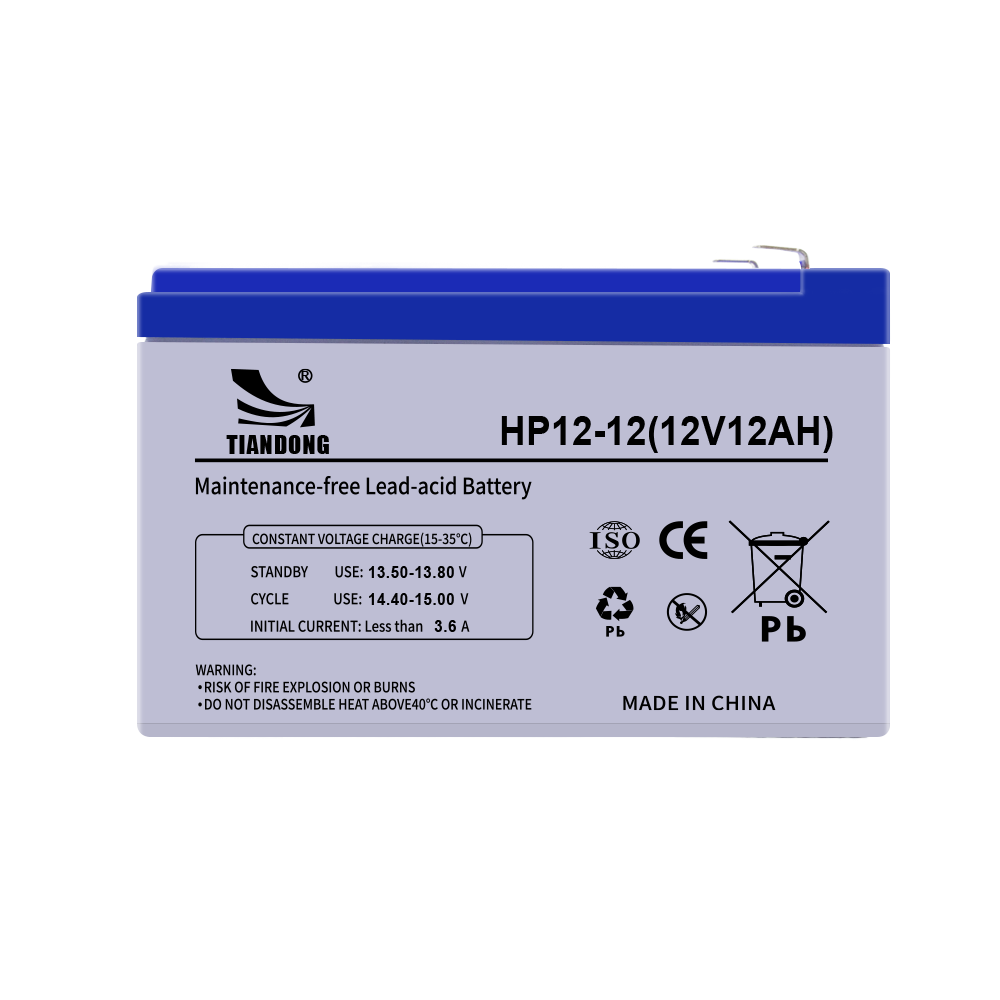
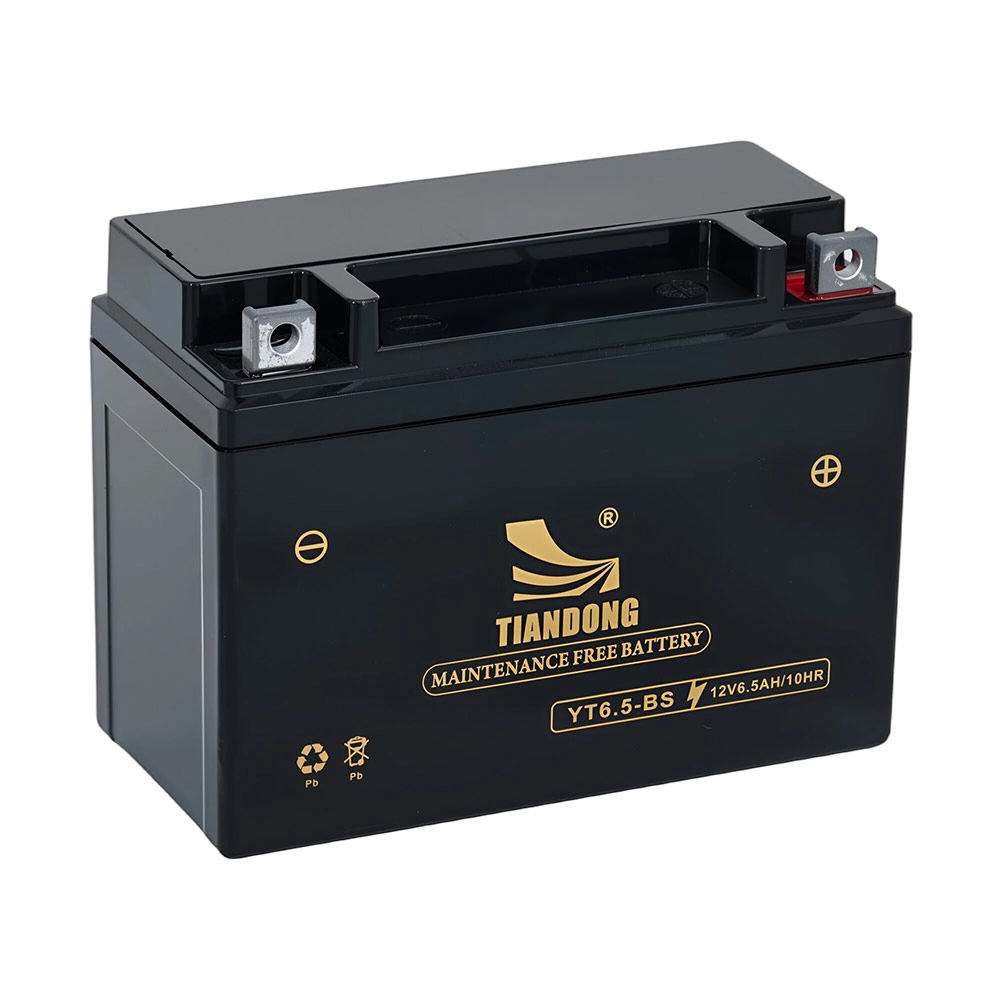
The TIANDONG HP12-12 (12V 12Ah) UPS Backup Battery is a maintenance-free VRLA sealed lead acid rechargeable battery engineered for dependable power backup in UPS systems, security equipment, telecoms, and standby applications. For users researching an ups battery replacement, this guide explains the technical specs, compatibility checks, installation best practices, lifecycle management, and safety/recycling considerations you need to choose and install the correct replacement battery with confidence.
Understanding the TIANDONG HP12-12: Core Specs and What They Mean
Key specifications and electrical characteristics
The TIANDONG HP12-12 is a 12V 12Ah sealed lead acid (SLA) battery using VRLA (Valve-Regulated Lead-Acid) technology. Core electrical specs buyers should note:
- Nominal Voltage: 12V
- Capacity: 12Ah (at standard 20-hour rate)
- Battery Type: VRLA / Sealed Lead Acid (maintenance-free)
- Chemistry: Lead-acid with immobilized electrolyte (absorbed glass mat or gel design depending on internal construction)
- Terminal: Usually F2/F1 or bolt-type—verify before purchase
- Typical Use: UPS battery replacement, alarm systems, emergency lighting, telecom backup
Because this is a rechargeable, maintenance-free VRLA battery, it is designed for upright installation without periodic watering, and it minimizes gassing under normal operation compared to flooded lead-acid cells. For general VRLA technology context, see the Valve-regulated lead-acid battery description on Wikipedia here.
Why 12Ah matters for UPS battery replacement
UPS systems calculate runtime based on battery capacity (Ah), inverter efficiency and load. A 12Ah battery typically delivers longer runtime than common 7Ah batteries used in small UPS units. When evaluating ups battery replacement you should:
- Confirm the original battery voltage and terminal type match 12V 12Ah replacement
- Verify the UPS charger can handle the higher Ah value—most UPS chargers are compatible with similar or higher Ah, but check the UPS manual
- Recognize that higher Ah increases runtime but also weight and physical size—ensure it fits the battery compartment
Compatibility Checklist: Will TIANDONG HP12-12 Work with Your UPS?
Match voltage, terminal and dimensions
When searching for an ups battery replacement, the three most important match points are:
- Voltage: Replace a 12V battery with a 12V unit only.
- Terminal type and polarity: Confirm terminal type (F2, F1, bolt) and ensure polarity orientation matches the UPS.
- Physical dimensions: A higher-capacity 12Ah battery may be larger—measure the battery tray and clearance.
Mismatch in any of these areas can prevent fitment or lead to installation issues. If your UPS uses a battery pack (two or more cells in series/parallel), replace all cells together to maintain balanced performance.
Check charger compatibility and warranty considerations
Not all UPS chargers are identical. Before upgrading to the TIANDONG HP12-12 as a replacement battery for UPS units, confirm the UPS maker's guidance about permitted battery Ah range. Using a much higher Ah battery in an older UPS with a low-current charger can slow recharge time and reduce peak performance. Also check the UPS warranty—some manufacturers limit warranty if third-party batteries are used. TIANDONG supplies OEM/ODM batteries and offers factory-direct support for compatibility questions.
Installation, Testing and Best Practices for UPS Battery Replacement
Preparation and safe installation steps
Follow these steps when installing TIANDONG HP12-12 as an ups battery replacement:
- Power down the UPS and disconnect it from mains and loads. Wait for capacitors to discharge if applicable.
- Wear appropriate PPE (eye protection, gloves) and avoid metal jewelry.
- Note battery orientation and polarity; label cables before removal for correct reinstallation.
- Install the new battery in the proper orientation; tighten terminals to manufacturer torque specs but avoid over-tightening.
- Reconnect the UPS and perform a functional test (see below).
Testing after replacement: verification steps
After replacement, verify the UPS and new TIANDONG HP12-12 battery operation:
- Run a full self-test if the UPS supports it. The UPS should indicate normal battery status.
- Perform a simulated power failure test under normal load to verify runtime and inverter stability.
- Measure battery voltage and, if possible, internal resistance/impedance with a battery tester—high internal resistance may indicate a defective cell.
Industry guidance for battery testing and maintenance can be found in IEEE recommended practices (for example IEEE resources on battery maintenance; see IEEE Standards for specific documents).
Lifecycle, Maintenance, Disposal and Buying Tips
Expected life and how to maximize it
Typical VRLA lead-acid batteries used in standby UPS applications have a service life between 3 and 6 years depending on temperature, depth of discharge, float voltage settings and cycling frequency. Key factors to maximize life:
- Keep batteries in a cool, well-ventilated location. Every 10°C rise in temperature can significantly shorten life.
- Ensure proper float/charge voltage per TIANDONG or UPS manufacturer recommendations.
- Avoid deep discharges where possible—use appropriate runtime configurations and avoid excessive cycling.
- Regularly test battery health (voltage, impedance) per IEEE guidelines.
For general battery longevity principles see Battery University’s VRLA guidance here.
End-of-life handling and recycling
Lead-acid batteries must be recycled responsibly; they contain lead and sulfuric acid which are hazardous if disposed of improperly. Most regions have battery recycling programs and retailers that accept used UPS batteries for recycling. In the United States, the Environmental Protection Agency provides guidance on battery recycling and hazardous materials handling here. Always follow local regulations for battery disposal.
Buying tips and comparisons
When shopping for an ups battery replacement, consider the following:
- Buy from reputable manufacturers or OEM/ODM suppliers offering clear specifications and warranty.
- Compare cycle life, rated capacity, dimensions, and shipping support.
- Check datasheets for float/charge voltage and temperature ranges.
Below is a quick comparison table showing TIANDONG HP12-12 vs typical alternatives to help buyers decide:
| Feature | TIANDONG HP12-12 | Typical 12V 7Ah SLA | Alternative 12V 12Ah AGM (other brand) |
|---|---|---|---|
| Nominal Voltage | 12V | 12V | 12V |
| Capacity | 12Ah | 7Ah | 12Ah |
| Runtime vs 100W load | Longer (~x1.7 vs 7Ah) | Shorter | Comparable |
| Size / Weight | Medium / Heavier | Smaller / Lighter | Medium / Similar |
| Price | Moderate (value for capacity) | Lower | Varies |
| Best use | UPS battery replacement where longer runtime is needed | Small UPS, compact applications | Brand-dependent alternatives for similar runtime |
Technical Questions Buyers Ask — Practical Answers
Can I replace multiple smaller batteries with a single 12Ah unit?
Only if the original battery pack configuration (series/parallel) and physical/electrical design permit it. Many UPSs use matched battery packs; replacing with a single higher-Ah cell may upset pack balance or not physically fit. Always consult the UPS manual or manufacturer guidance.
Does a higher Ah rating always mean better performance?
Higher Ah increases potential runtime at the same discharge rate, but it also increases weight and size. Charger compatibility and charge time must be considered. If an ups battery replacement is significantly higher in Ah than the original, confirm the UPS charger can properly recharge it and that the battery compartment fits the larger unit.
How should I store spare TIANDONG HP12-12 batteries?
Store in a cool, dry environment at partial charge (recommended around 40–60% state-of-charge for long-term storage) and recharge every 6–12 months to prevent sulfation. Keep in original packing to avoid terminal shorting.
References and Standards
Authoritative resources and industry standards referenced in this guide:
- Valve-regulated lead–acid battery (VRLA) — Wikipedia: https://en.wikipedia.org/wiki/Valve-regulated_lead%E2%80%93acid_battery
- Uninterruptible power supply (UPS) — Wikipedia: https://en.wikipedia.org/wiki/Uninterruptible_power_supply
- Battery University — Practical VRLA battery guidance: https://batteryuniversity.com/article/bu-701l-valve-regulated-lead-acid
- Environmental Protection Agency (EPA) — Recycling guidance: https://www.epa.gov/recycle
- IEEE Standards (searchable collection for battery maintenance and testing): https://standards.ieee.org/
FAQ
Q: Is the TIANDONG HP12-12 a drop-in replacement for all 12V UPS batteries?
A: Not always. It matches voltage and provides 12Ah capacity, but you must confirm terminal type, dimensions and UPS charger compatibility. For UPS packs requiring matched cells, replace all batteries in the pack rather than a single cell.
Q: How long will the TIANDONG HP12-12 provide power in my UPS?
A: Runtime depends on load. As a rough example, a 12Ah battery delivering 1A theoretically runs for ~12 hours (real-world runtime is less due to inverter losses and discharge profile). For a 100W load (approx. 8.3A at 12V ignoring inverter losses), expected runtime is roughly 1–1.5 hours depending on efficiency. Always test under actual load conditions.
Q: What maintenance is required for this maintenance-free battery?
A: VRLA batteries require minimal maintenance—keep terminals clean and corrosion-free, maintain appropriate float charge, and perform periodic load tests. Avoid deep discharges and high ambient temperatures.
Q: Can I use the TIANDONG HP12-12 in series to make higher voltages?
A: Yes, multiple 12V batteries can be connected in series for higher voltages, but batteries used in series must be identical in type, age and state-of-charge to avoid imbalance. For UPS systems, follow manufacturer guidelines for series/parallel configurations.
Q: How do I dispose of my old UPS batteries?
A: Return them to a qualified recycling center or retailer that participates in battery take-back programs. Do not discard lead-acid batteries in regular trash. See local regulations and EPA guidance here.
Need help choosing the right ups battery replacement or want to order TIANDONG HP12-12? Contact our support team for compatibility checks, OEM/ODM options, bulk pricing and datasheets, or view the product page to order factory-direct. Our technical sales specialists can advise on UPS compatibility and installation best practices.

Common FAQs buyers ask about electric motorcycle battery YT14

Top Alternatives to YB3 1.25kg 12V 3AH for Small Motorcycles
Top 10 VRLA Battery Manufacturers and Supplier Brands

YT12 12V 12AH vs YTX12: Which Is Better for Your Bike?
Questions you may concerned about
Product
What certifications do your batteries have?
Our batteries are certified with CE, ISO9001, and RoHS, and meet export standards for markets in Southeast Asia, South Asia, and Africa.
What causes motorcycle batteries to fail?
Common causes include over-discharging, extreme temperatures, poor charging systems, and low-quality manufacturing materials.
Are you a trading company or a manufacturer?
We are a direct factory located inJiangxi Province, China. You are welcome to visit our production line and quality control lab. We specialize in lead-acid batteries for motorcycles and have been in this industry for 20 years.
What is the typical lifespan of your batteries?
Depending on the model and usage conditions, our batteries typically last between 2 to 4 years under normal operation.
What kind of battery is best for a motorcycle?
AGM batteries are a popular choice because they combine the best of both worlds: the durability of lead-acid batteries and the low maintenance of lithium-ion batteries. AGM batteries are sealed, so they don't require water refills, and they're designed to handle rough conditions, making them ideal for motorcycles.
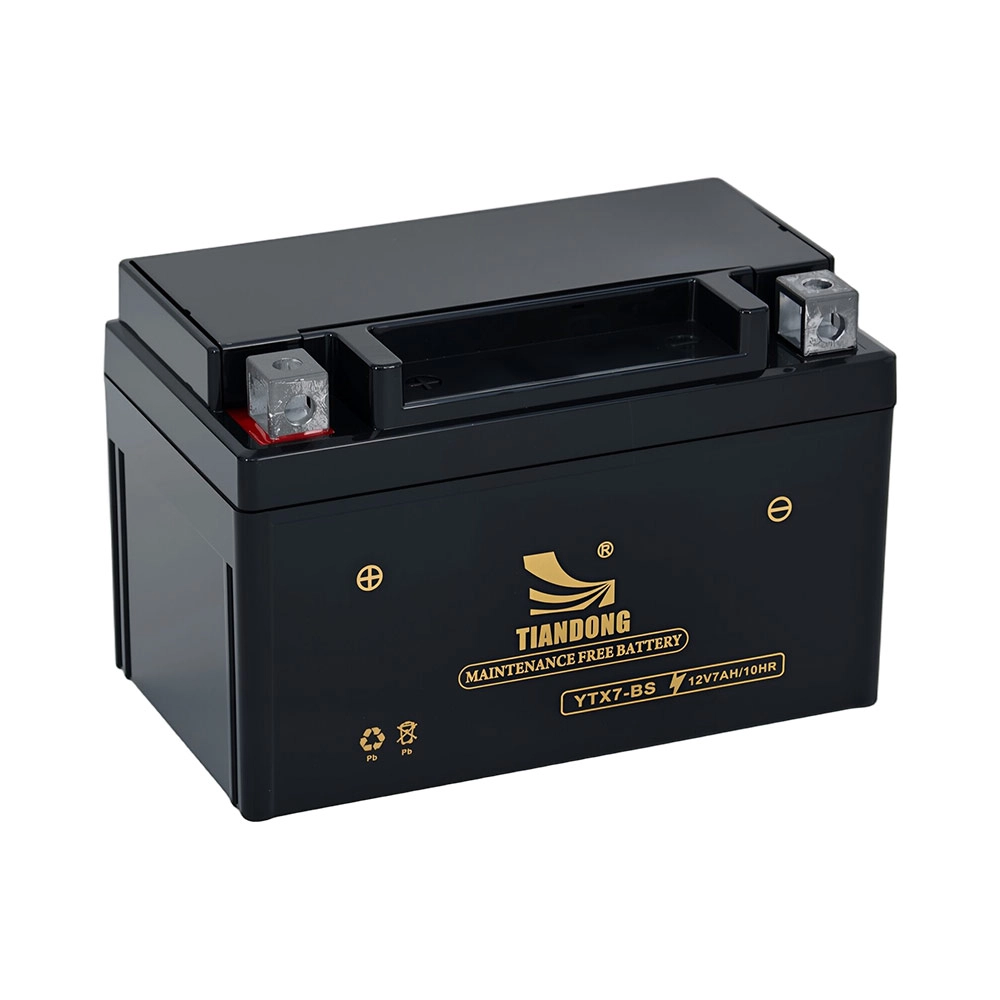
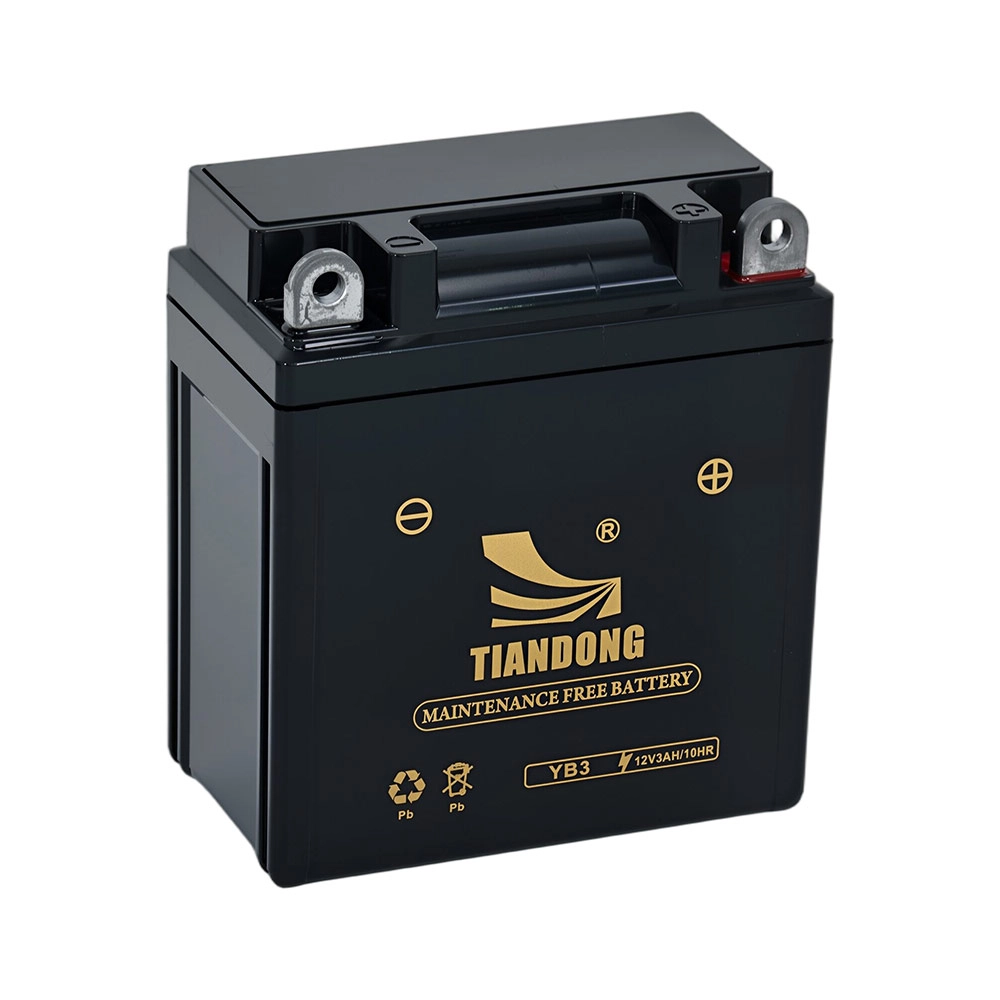
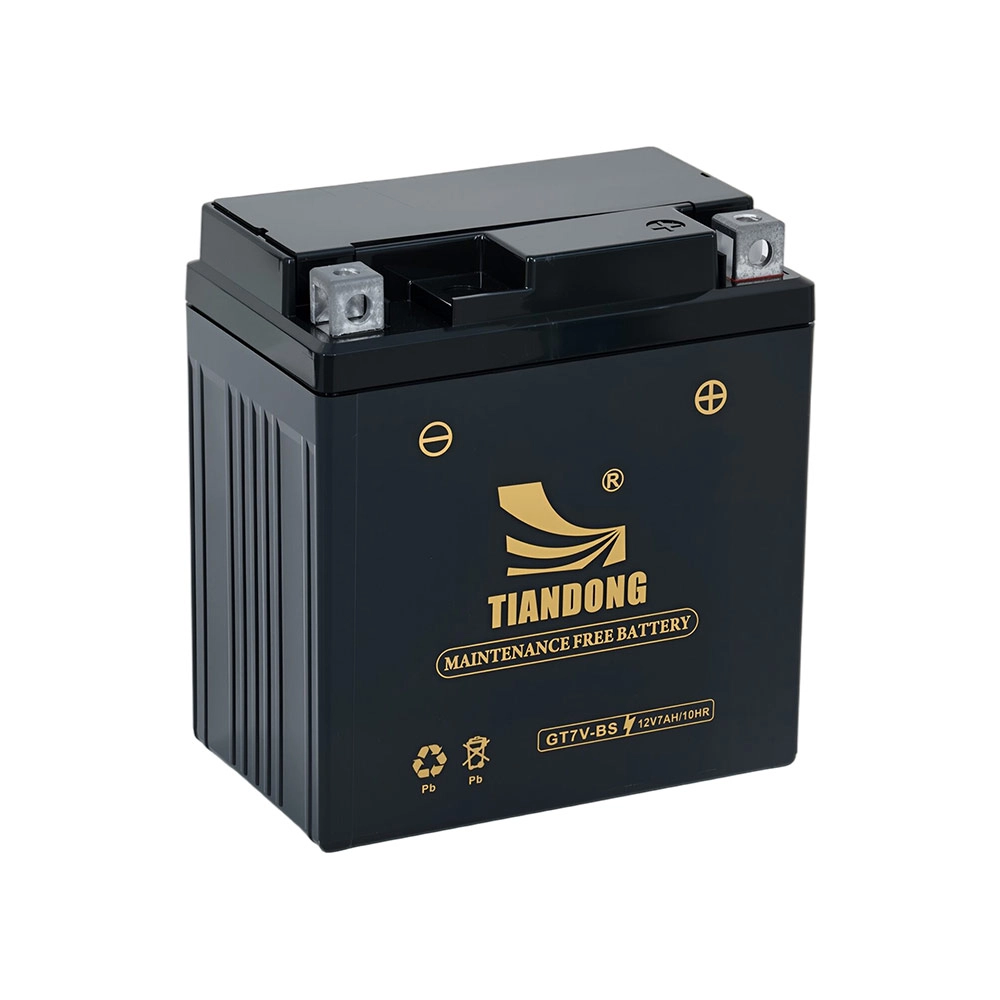
Get in touch with us to get your Motorbike Battery solution
TIANDONG is a leading motorcycle battery manufacturer offering OEM/ODM service, stable quality, and global export support.
Built for wholesalers. Trusted by global buyers. Delivered with confidence.
Say Hello
E-mail: daisybattery8@gmail.com
xianyingchen83@gmail. com
WhatsAPP: +86 134 283 86694
+86 134 348 86641
Our Location
Social Links
© 2025 TIANDONG. All Rights Reserved. Privacy Policy | Terms and Conditions | Sitemap
 Scan QR Code
Facebook
Instagram
Scan QR Code
Whatsapp: +8613434886641