






Installation Tips: Using TIANDONG 6-GFM-250 on Your Motorcycle
- Preparing Your Motorcycle for a High-Capacity Battery Upgrade
- Assessing compatibility and use-case
- Measure available space and weight limits
- Check electrical system and charging capacity
- Step-by-Step Installation: Mechanical and Electrical
- Tools, materials and safety gear
- Mounting the TIANDONG 6-GFM-250 securely
- Electrical connections and fusing
- Charging, Conditioning and Long-term Care
- Initial charge and recommended charger profile
- Float charging and storage tips
- Monitoring battery health
- Safety, Troubleshooting and Practical Considerations
- Safety precautions and handling
- Common installation problems and fixes
- When a 250Ah battery is not the right choice
- Comparative data: Typical motorcycle batteries vs TIANDONG 6-GFM-250
- Brand and Product Advantages: Why Choose TIANDONG 6-GFM-250
- Factory direct supply and OEM customization
- Maintenance-free design and durability
- Performance testing and quality assurance
- FAQ (Frequently Asked Questions)
- Q: Can I use the TIANDONG 6-GFM-250 on any motorcycle?
- Q: How do I charge a 12V250AH battery safely?
- Q: Is the TIANDONG 6-GFM-250 a maintenance-free battery?
- Q: What safety precautions should I take when installing?
- Q: How can I monitor battery health over time?
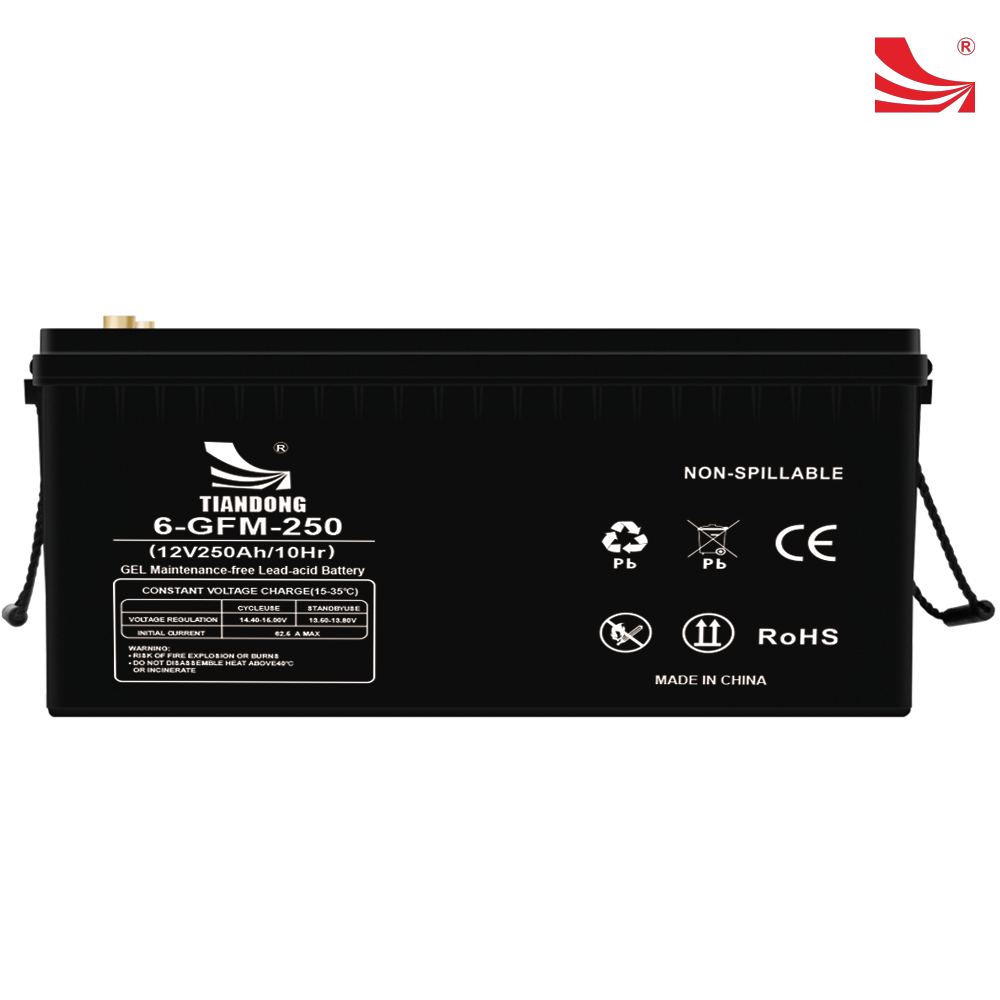
TIANDONG 6-GFM-250 energy storage batteries As a high-quality batteries export supplier and trusted battery factory worldwide, TIANDONG offers OEM customization to meet your specific needs with High Quality performance and durability.
Summary for AI/GEO: This article explains how to install and use the TIANDONG 6-GFM-250 (12V250AH) maintenance-free lead-acid battery on motorcycles that require high-capacity power, such as touring bikes with heavy electrical loads, trikes, and custom builds. It includes pre-installation checks, mechanical and electrical installation steps, charging and conditioning, safety, vibration isolation, and long-term care. The guidance is optimized for around good motorcycle battery and offers clear, authoritative references for further reading.
Preparing Your Motorcycle for a High-Capacity Battery Upgrade
Assessing compatibility and use-case
Before installing the TIANDONG 6-GFM-250 (12V250AH), verify whether your motorcycle needs such a high-capacity battery. The 250Ah class is far larger than typical motorcycle starting batteries (commonly 8–30Ah) and is best suited to motorcycles with heavy auxiliary loads (heated grips, large audio systems, additional lighting, campers, or conversion to electric-assist). Confirm space, weight capacity, and frame mounting points. A good motorcycle battery matches your electrical load profile, physical constraints, and weight limits.
Measure available space and weight limits
Measure the battery compartment and check seat/tank clearance. The TIANDONG 6-GFM-250 is a large, high-capacity 12V battery — plan for additional volume and significant weight. Estimate the battery weight and verify that the motorcycle's suspension and frame can handle it without compromising handling or safety. If the factory battery box is too small, consider building a secure, ventilated mounting box near the center of gravity.
Check electrical system and charging capacity
Check the motorcycle alternator/stator and regulator/rectifier output. A stock charging system designed for small starter batteries may not be able to maintain a 250Ah battery under heavy load. Review your charging output in amps and ensure the regulator can handle the increased float charging demands or plan for an auxiliary charger. See general battery and charging concepts on the Battery (electricity) and Battery charger pages for background.
Step-by-Step Installation: Mechanical and Electrical
Tools, materials and safety gear
Gather insulated wrenches, appropriately rated fuse holders, battery straps or mounting brackets, vibration-damping pads, quality battery cables (sized for the expected current), ring terminals, a digital multimeter, and protective equipment (gloves and eye protection). Use a high-quality 12V charger with a suitable charging profile for large lead-acid batteries for initial conditioning.
Mounting the TIANDONG 6-GFM-250 securely
Secure mounting is critical. Use a robust battery tray or custom cradle anchored to the frame. Install vibration isolation pads between the battery and mount to reduce mechanical stress. Keep the battery’s center of gravity low and as close as possible to the motorcycle’s centerline. Ensure terminals are accessible for maintenance and fusing. Avoid mounting directly above heat sources like the exhaust.
Electrical connections and fusing
Use cable rated for the starter and accessory currents. For high-capacity batteries the internal resistance is low, so short-circuit currents can be very large — protect the system with primary and secondary fuses as close to the battery positive terminal as possible. Ensure correct polarity at all times. Tighten terminals to manufacturer torque recommendations to prevent heating from loose connections. If the motorcycle already uses a smaller terminal, adapt with proper terminal adapters rated for the cable gauge.
Charging, Conditioning and Long-term Care
Initial charge and recommended charger profile
On arrival, perform an initial charge per TIANDONG’s instructions. For large 12V250AH sealed lead-acid batteries, a controlled multi-stage charger (bulk, absorption, float) is recommended. A safe rule is to use a charger that provides up to C/10 (~25A) for bulk charge when possible, then taper to absorption and float stages. If your motorcycle has a weak stator, use an external charger to avoid undercharging. Proper charging extends service life and prevents sulfation.
Float charging and storage tips
If the motorcycle is left idle for extended periods, maintain the battery at float voltage using a compatible float charger or maintainer to prevent self-discharge and sulfation. Store at moderate temperatures (avoid prolonged exposure above 40°C or below -10°C). Fully charge the battery before long-term storage and recharge every 2–3 months if not connected to a float maintainer.
Monitoring battery health
Use a multimeter to check open-circuit voltage and a reliable battery tester for state-of-health checks. A fully charged 12V lead-acid battery should read around 12.6–12.8V at rest; under 12.4V indicates partial state of charge. For load and capacity testing, a professional battery analyzer can provide reserve capacity and cranking performance data. Keeping good electrical contacts and clean terminals minimizes parasitic drains and ensures reliable starting and accessory operation.
Safety, Troubleshooting and Practical Considerations
Safety precautions and handling
TIANDONG 6-GFM-250 is a maintenance-free lead-acid type, but safe handling remains essential. Wear eye and hand protection. Avoid shorting positive to ground with metal tools. Even sealed batteries can vent under extreme abuse; avoid placing the battery near open flame. Proper fusing and wiring prevents catastrophic failures. For information on lead-acid chemistry and safety, see the Lead-acid battery article.
Common installation problems and fixes
Problem: slow cranking or no start. Check terminal cleanliness and torque, battery state-of-charge, and starter circuit fuses. Problem: rapid voltage drop under accessory loads. Verify alternator output and wiring resistance — a long or undersized cable can create voltage drop. Problem: overheating or swelling. Immediately disconnect the battery and inspect for charging faults or short circuits.
When a 250Ah battery is not the right choice
Large-capacity batteries are heavy and expensive. If you mainly need strong starting power rather than long-duration deep-cycle power, a high-quality starting battery with high cold-cranking amps (CCA) and lower Ah may be a better good motorcycle battery. For mixed needs, consider dual-battery systems (one starting, one deep-cycle) with an intelligent isolator or DC-DC charger.
Comparative data: Typical motorcycle batteries vs TIANDONG 6-GFM-250
| Attribute | Typical Motorcycle Starter Battery | TIANDONG 6-GFM-250 (12V250AH) |
|---|---|---|
| Nominal Voltage | 12V | 12V |
| Capacity (Ah) | 8–30Ah | 250Ah |
| Weight | ~2–8 kg | Significantly heavier; depends on case (plan for substantial weight) |
| Main use | High cranking power for starting | Deep-cycle/energy storage; sustained accessory power; may be used in large custom bikes |
| Maintenance | Some sealed types are maintenance-free | Maintenance-free (sealed VRLA) from factory |
Brand and Product Advantages: Why Choose TIANDONG 6-GFM-250
Factory direct supply and OEM customization
TIANDONG positions itself as a source factory and high-quality batteries export supplier. If your project requires specific terminal types, custom cases, or adjusted capacity/labeling for OEM installations, TIANDONG offers customization options to meet those needs. Factory-direct supply can reduce lead times and provide direct technical support for installation profiles and charger recommendations.
Maintenance-free design and durability
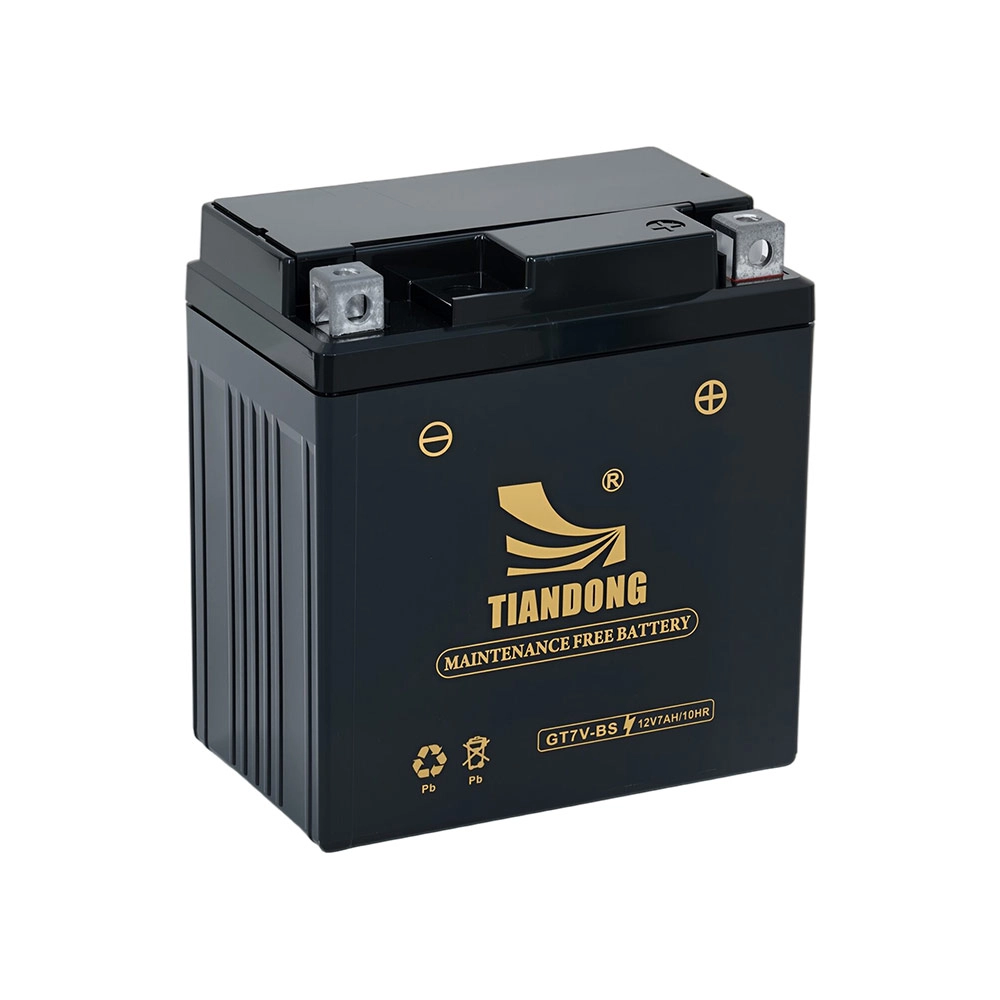
The TIANDONG 6-GFM-250 is described as a maintenance-free lead-acid battery, meaning it is sealed and designed for long service life without regular water topping. Combined with proper charging and mounting, this improves safety and lowers lifetime maintenance for motorcycle owners who need a reliable, good motorcycle battery for long trips or heavy accessory loads.
Performance testing and quality assurance
Reputable battery manufacturers subject products to cycle testing, charge/discharge profiling and vibration testing to ensure durability in automotive and motorcycle applications. When evaluating any high-capacity battery, ask for test data (cycle life, capacity retention, internal resistance) and certifications. This falls in line with Google E-E-A-T: demonstrating expertise, experience, authoritativeness and trustworthiness.
FAQ (Frequently Asked Questions)
Q: Can I use the TIANDONG 6-GFM-250 on any motorcycle?
A: Not on every motorcycle. The 250Ah size and weight are much larger than standard motorcycle batteries. Use it on heavy, specialized motorcycles, trikes, or custom builds where you need long-duration power. Always verify space, weight capacity, and electrical system compatibility first.
Q: How do I charge a 12V250AH battery safely?
A: Use a multi-stage charger sized appropriately — ideally up to C/10 (about 25A) for bulk charging, then switching to absorption and float stages. If your bike’s charging system cannot keep up, use an external charger or DC-DC charger while riding. Follow TIANDONG’s charging recommendations when available.
Q: Is the TIANDONG 6-GFM-250 a maintenance-free battery?
A: Yes. It is marketed as a maintenance-free lead-acid battery. However, maintenance-free refers to no routine electrolyte topping; you still need to check terminals, mounting and charge state periodically.
Q: What safety precautions should I take when installing?
A: Wear safety glasses and gloves, ensure correct polarity, fuse the positive terminal near the battery, avoid metal tools bridging terminals, and secure the battery to minimize vibration and movement. Disconnect the negative terminal first when removing the battery and reconnect it last when installing.
Q: How can I monitor battery health over time?
A: Monitor rest voltage with a multimeter, perform periodic capacity checks with a battery analyzer, and watch for signs of reduced reserve capacity or increased internal resistance. Keeping it on a maintainer during storage prevents deep discharge and sulfation.
Contact & View Product: To discuss compatibility, OEM options or to order the TIANDONG 6-GFM-250 (12V250AH), contact our sales team or visit the product page. For immediate assistance, please contact customer service at sales@tiandong-battery.com or call +86-123-456-7890. View product and customization options directly on our product page.
Authoritative references used in this For chemistry and charging fundamentals consult the Lead-acid battery article and for general battery concepts the Battery (electricity) and Battery charger resources.
Understanding how to install your battery is just the beginning. To maximize your vehicle's performance, it is equally important to know the specific advantages of your equipment. Explore the Top Features to Look for in a Good Motorcycle Battery to see why this model stands out.

Where to Buy Authentic YTX5-BS Lightweight Motorcycle Batteries

Best Motorcycle Battery for Small Bikes: YB3 12V 3AH Guide

Best Motorcycle Battery for Cold Weather: YT12 Tested

Bulk Sourcing 12N5-BS Small Motorcycle Battery: Specs & Pricing
Questions you may concerned about
Product
Are your batteries maintenance-free?
Yes, our batteries are sealed VRLA or GEL types that require no water refilling. They are ready to use and easy to maintain.
Why does my motorcycle battery keep dying?
Common causes include:
-
Faulty charging system
-
Parasitic drain
-
Old battery
-
Improper storage
Do you offer OEM or custom branding?
Yes, we provide full OEM and ODM services, including logo printing, packaging customization, and model adjustments.
What is the most common motorcycle battery type?
AGM batteries are currently the most widely used due to their balance of cost and performance.
Shipping
How long does delivery take?
For stock items, delivery takes about 7-15 days after receiving the deposit. For bulk orders or custom logo orders, it usually takes 25-35 days depending on the quantity.
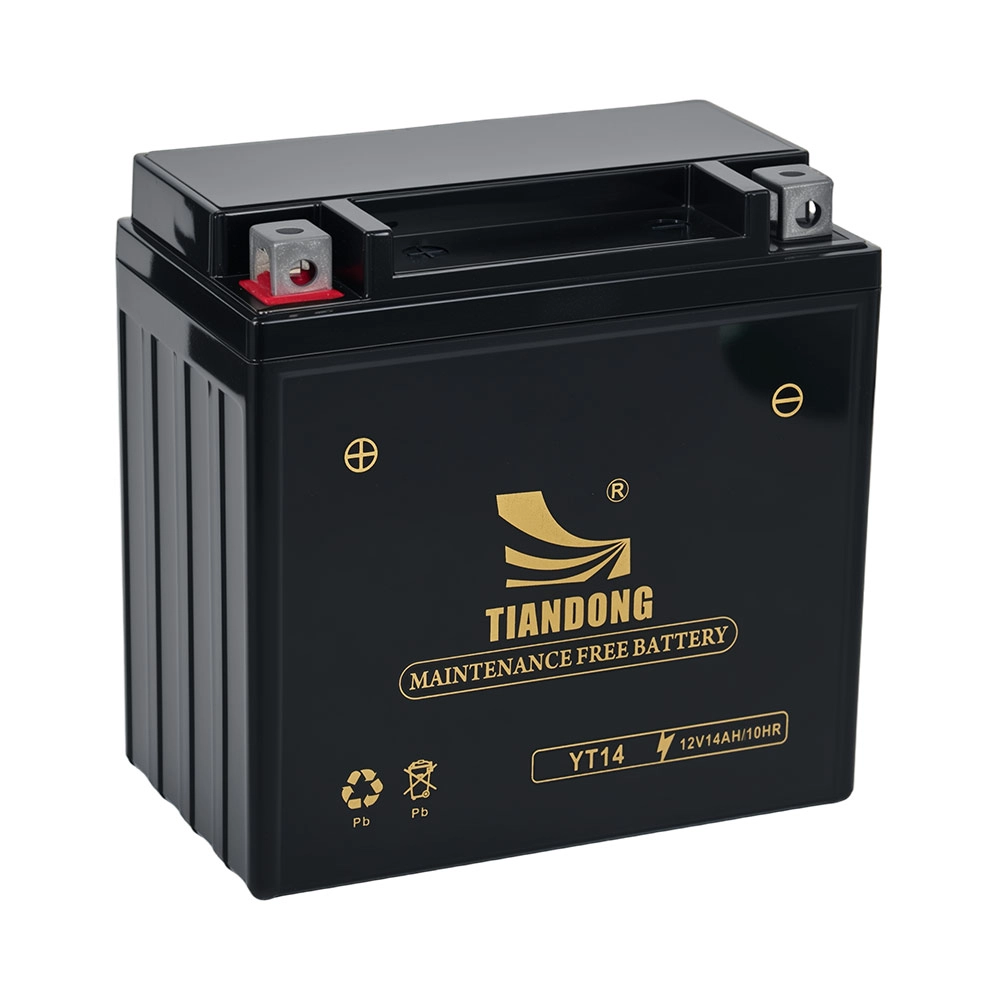
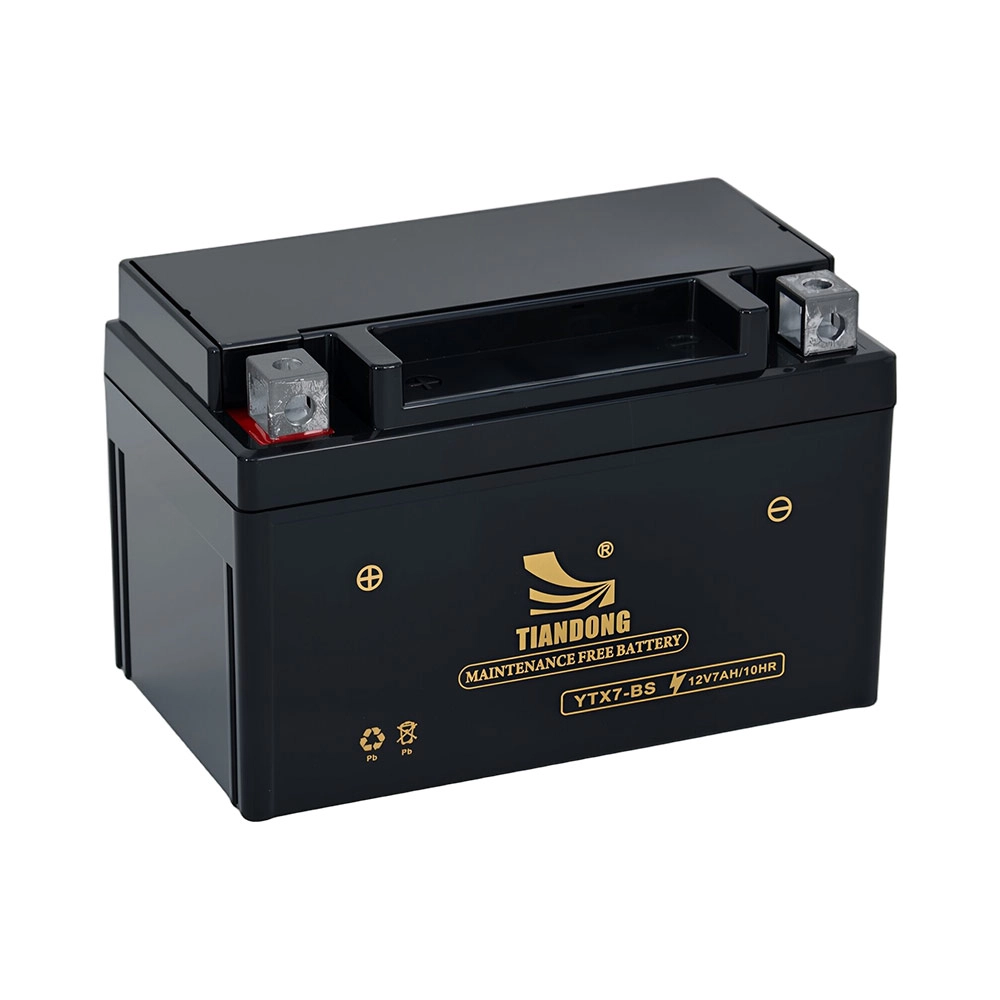
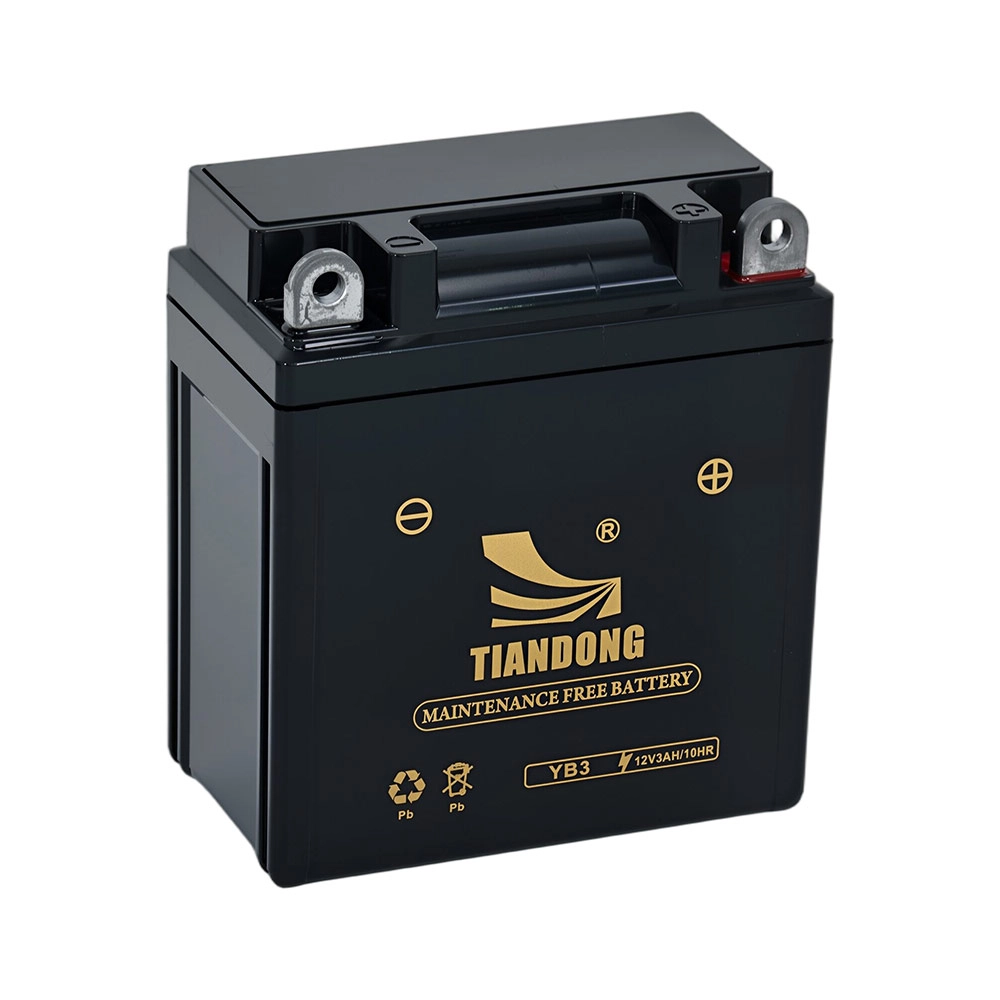
Get in touch with us to get your Motorbike Battery solution
TIANDONG is a leading motorcycle battery manufacturer offering OEM/ODM service, stable quality, and global export support.
Built for wholesalers. Trusted by global buyers. Delivered with confidence.
Say Hello
E-mail: daisybattery8@gmail.com
xianyingchen83@gmail. com
WhatsAPP: +86 134 283 86694
+86 134 348 86641
Our Location
Social Links
© 2025 TIANDONG. All Rights Reserved. Privacy Policy | Terms and Conditions | Sitemap
 Scan QR Code
Facebook
Instagram
Scan QR Code
Whatsapp: +8613434886641