






Supplier Quality Checklist for 12N5-BS Motorcycle Batteries
- Supplier Quality Checklist for 12N5-BS Motorcycle Batteries
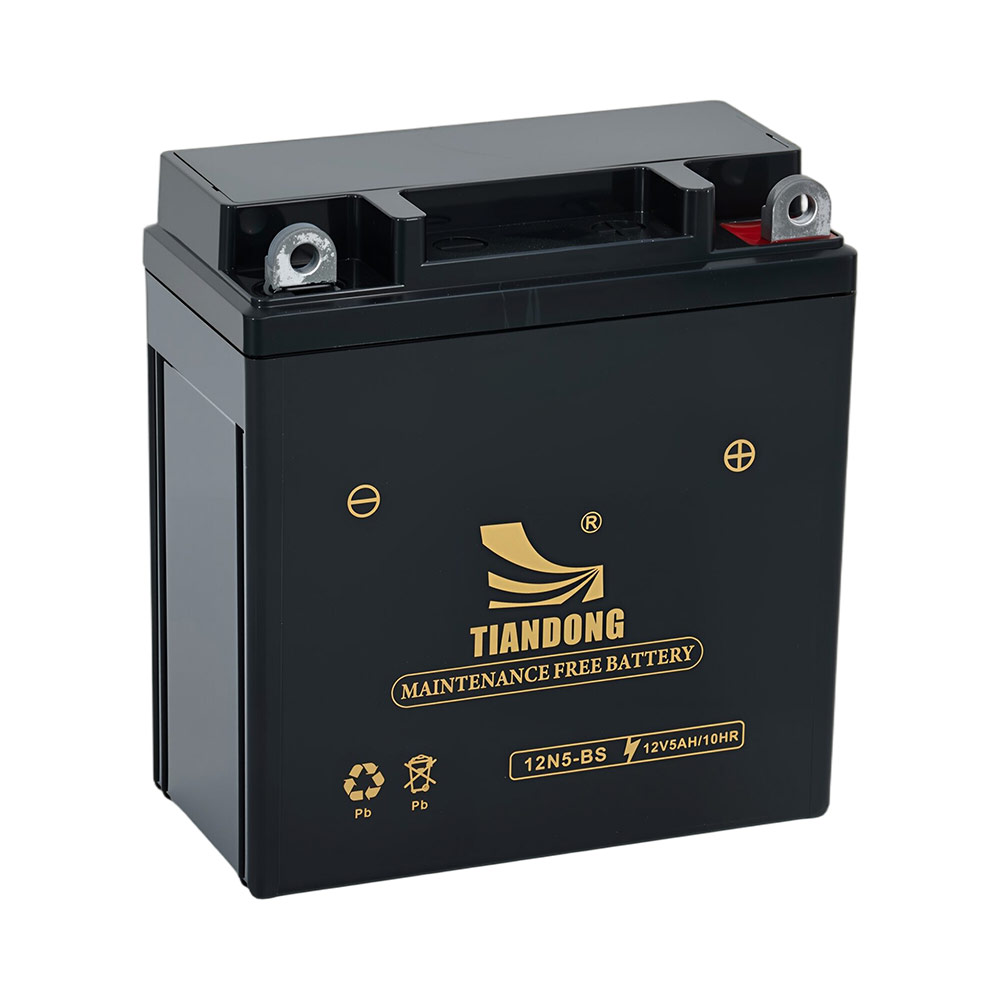
- Product overview: small motorcycle battery — 12N5-BS 1.80kg 12V ≥5AH
- Why supplier quality matters for a small motorcycle battery
- Key specifications and acceptance criteria for 12N5-BS (must be verified)
- Specification checks (commercial keyword: small motorcycle battery)
- Incoming materials and BOM verification for 12N5-BS
- Manufacturing process controls: assembly, formation, and aging
- Performance testing protocols and acceptance for a small motorcycle battery
- Test sample plan and AQL sampling (commercial keyword: small motorcycle battery)
- Safety, compliance, and regulatory documentation
- Packaging, labeling and handling for motorcycle accessories distribution
- Traceability, serialization and batch release controls
- Supplier audit checklist and corrective action expectations
- Sample acceptance, pilot production and volume ramp
- Warranty, life cycle and end-of-life considerations
- Brand assurance: Why choose TIANDONG for your small motorcycle battery needs
- Commercial checklist summary (quick reference)
- Frequently Asked Questions (FAQ) about 12N5-BS and supplier quality
- Q: What is the nominal capacity of the 12N5-BS battery?
- Q: Is the 12N5-BS suitable for all small motorcycles and accessories?
- Q: How should suppliers document compliance and test results?
- Q: What are the top failure modes for small lead-acid motorcycle batteries in the field?
- Q: What is the recommended handling and storage for 12N5-BS?
- Contact and product access (CTA)
- Authoritative references and further reading
Supplier Quality Checklist for 12N5-BS Motorcycle Batteries
Product overview: small motorcycle battery — 12N5-BS 1.80kg 12V ≥5AH
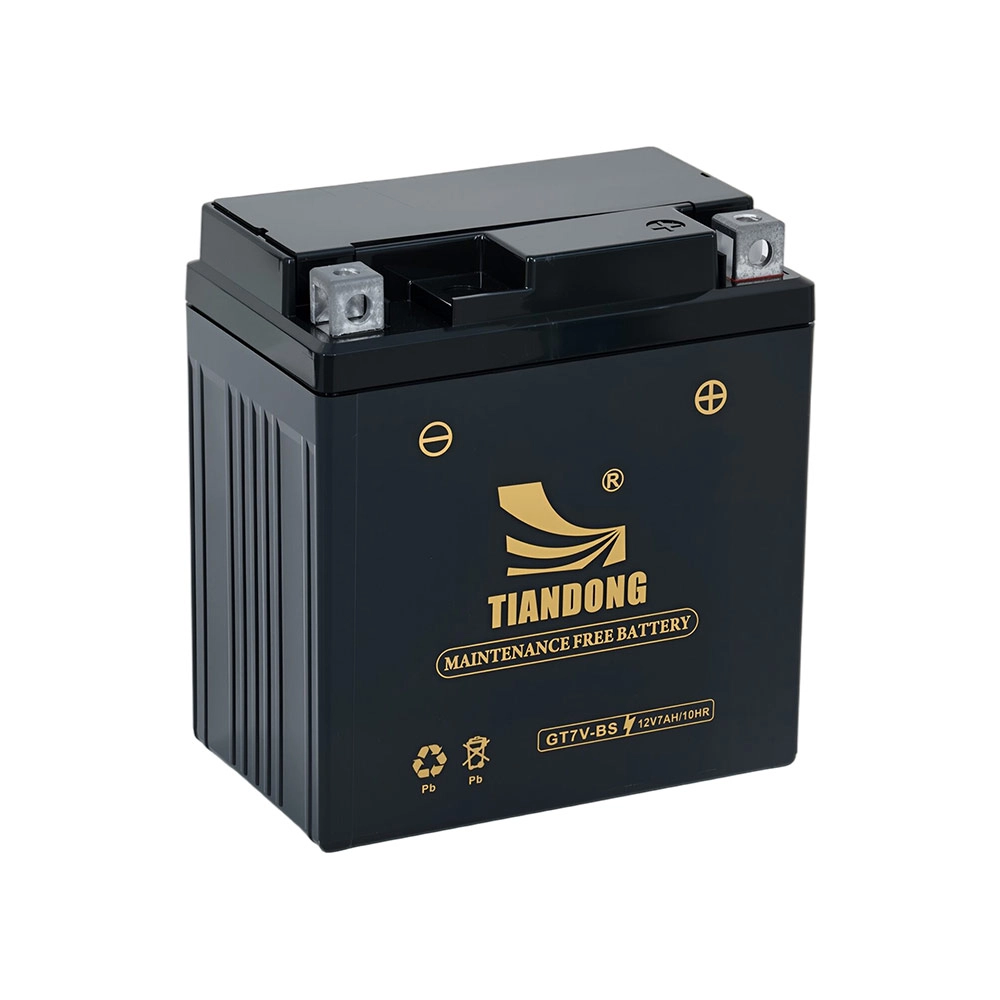
The TIANDONG 12N5-BS 12V ≥5AH sealed lead-acid motorcycle battery delivers reliable power for all riders. We are trusted lead-acid battery manufacturers, offering durable and maintenance-free batteries perfect for motorcycle accessories. Lightweight at 1.80kg for easy installation.
Why supplier quality matters for a small motorcycle battery
When sourcing or manufacturing the 12N5-BS 1.80kg 12V ≥5AH Motorcycle Battery Seal Lead Acid Powerful Battery for Motorcycle Motorcycle Accessories, supplier quality goes beyond price. Poor quality batteries lead to early failures, starter issues, acid leaks, and safety hazards. For end users — riders and aftermarket accessory installers — reliability, consistent capacity, correct form-factor, and safe transport are non-negotiable. For distributors and OEMs, a robust supplier quality process reduces returns, warranty costs, and reputational risk. This checklist focuses on achieving repeatable production quality for a small motorcycle battery like the 12N5-BS.
Key specifications and acceptance criteria for 12N5-BS (must be verified)
Before any detailed inspection or testing, confirm that the delivered batteries meet the product specification. Use a standard incoming inspection form keyed to these parameters:
| Parameter | Requirement (Acceptance) |
|---|---|
| Model | 12N5-BS |
| Nominal voltage | 12V |
| Rated capacity | ≥5 AH (C20 unless specified) |
| Weight | Approximately 1.80 kg ±5% |
| Battery type | Sealed lead-acid (VRLA) / Maintenance-free |
| Terminals | Correct orientation and dimension for motorcycle fitment |
| Labeling | Model, voltage, capacity, manufacturing date/batch, polarity, handling symbols |
Specification checks (commercial keyword: small motorcycle battery)
For any small motorcycle battery shipments, always confirm: model marking on housing matches PO, capacity is verified by test reports, and weight and dimensions align with drawings. Mis-labeled or incorrect terminal polarity are common causes of returns — the acceptance checklist must include a physical verification step.
Incoming materials and BOM verification for 12N5-BS
Quality begins with materials. For a sealed lead-acid, critical inputs include electrode plates, separators, electrolyte (sulfuric acid at correct gravity), plastic housing, cover, valve/vent assemblies, and terminal hardware. The supplier should maintain a bill of materials (BOM) with supplier lot numbers and certificates of conformance (CoC). Incoming inspection should verify:
- CoC for lead alloys and plate substrates
- Separator type and dimensions (electrical isolation and porosity)
- Electrolyte specific gravity and purity documentation
- Housing material (UL-listed ABS or equivalent) and molding quality (no flash, uniform wall thickness)
- Terminals and lead-tin plating or brass composition verification
Manufacturing process controls: assembly, formation, and aging
Consistent production process control is essential to ensure the 12N5-BS meets performance expectations. Key process control points include:
- Plate preparation and paste density control — monitor mixing and drying parameters
- Separator insertion and alignment checks — automated visual inspections where possible
- Electrolyte filling — metered dosing and gravity verification
- Sealing and welding of terminals — torque and weld quality checks
- Formation charge (initial charging) — controlled current/voltage profiles logged for each batch
- Aging and capacity stabilization — recommended soak/aging period and discharge cycles prior to shipment
Include in-line SPC metrics (e.g., fill volume variance, formation current deviations) and capability studies to detect drift before it affects finished goods.
Performance testing protocols and acceptance for a small motorcycle battery
Robust testing demonstrates the battery meets real-world needs. Minimum test procedures for 12N5-BS should include:
- Capacity test (C20 or C10 as specified) — report actual Ah and compare to ≥5AH acceptance
- Cold performance test — simulated low-temperature discharge to verify starting support
- Internal resistance (DCIR) measurement — passing limits per spec sheet
- Vibration and shock testing — motorcycle use requires durable plates and welds
- Leak and pressure test — ensure valve integrity and sealing
| Test | Typical Acceptance |
|---|---|
| C20 capacity | ≥5.0 AH |
| DC internal resistance | Manufacturer spec (e.g., <50 mΩ typical) |
| Vibration | No cracks, no leakage after 2 hours at defined amplitude |
| Leak test | No leakage under 1.5 bar pressure and vacuum cycles |
Test sample plan and AQL sampling (commercial keyword: small motorcycle battery)
Define an AQL-based sampling plan for lot releases. For every batch (e.g., 500 units), sample quantities to run full capacity and DCIR tests. If failures exceed AQL thresholds, hold the lot and perform 100% inspection or containment until corrective actions complete.
Safety, compliance, and regulatory documentation
Sealed lead-acid batteries are regulated for safe handling and transport. Supplier documentation should include:
- Material Safety Data Sheet (MSDS / SDS) for electrolyte and battery assembly
- Certificates of compliance to regional regulations (RoHS, REACH where applicable)
- Transport guidance and packaging qualification for road/air/shipping (follow IATA/IMDG/ADR where applicable)
- Battery recycling and disposal guidance per local laws
Ensure the supplier can provide guidance on shipping class and packing group. Although sealed lead-acid batteries are not lithium, they still require appropriate packaging for acid containment and protection against short circuits.
Packaging, labeling and handling for motorcycle accessories distribution
Proper packaging protects the small motorcycle battery during distribution and also communicates important handling instructions to resellers and end users. Check:
- Primary packaging: bubble, inserts, or molded trays to prevent terminal shorts and movement
- Secondary packaging: corrugated boxes rated for pallet loads with internals to prevent crushing
- Labels: model, polarity, capacity, manufacturing date, batch/lot code, handling symbols (this side up, do not incinerate), and recycling icons
- Instruction leaflet: installation tips, disposal information, and warranty terms
Traceability, serialization and batch release controls
Effective traceability is critical for warranty management and recall actions. Supplier must maintain batch records showing raw material lot numbers, formation logs, QC test results, and shipment records. Recommended practices:
- Unique batch code printed on battery housing and packaging
- Electronic batch record (EBR) linking component lot numbers and test certificates
- Automated alerts for out-of-spec trends in SPC dashboards
Supplier audit checklist and corrective action expectations
When auditing a battery supplier, focus on capability and process maturity. Essential audit checkpoints:
- Quality management system (ISO 9001 certification)
- Process flow documentation for paste mixing, formation, filling and sealing
- Environmental controls for humidity and temperature in formation and aging areas
- Calibration and maintenance records for test equipment (capacity testers, DCIR meters)
- Employee training records and safety protocols for acid handling
Define a clear corrective action timeline and root-cause analysis expectations. Small motorcycle battery customers expect quick corrective actions due to high distribution velocity.
Sample acceptance, pilot production and volume ramp
Before full-scale orders, require pre-production samples and a pilot run. Sample acceptance should include a full test matrix: capacity, DCIR, vibration, leak and visual inspections. During ramp-up, increase inspection frequency and monitor first-article test results closely.
Warranty, life cycle and end-of-life considerations
Clarify warranty coverage for cycles, capacity retention, and manufacturing defects. For sealed lead-acid motorcycle batteries like 12N5-BS, define expected service life (e.g., 12-24 months under typical use) and conditions that void warranty (over-discharge, improper charging, misuse). Provide clear recycling pathways and partner contacts for battery disposal to comply with environmental regulations.
Brand assurance: Why choose TIANDONG for your small motorcycle battery needs
TIANDONG's 12N5-BS 12V ≥5AH sealed lead-acid battery is designed as a lightweight, maintenance-free solution for motorcycle accessories. Brand strengths to highlight in supplier selection and sales materials:
- Proven manufacturing experience with lead-acid battery technologies
- Commitment to process controls — formation and aging to stabilize capacity
- Lightweight design (1.80kg) optimized for easy installation in small bikes
- Clear documentation and traceability to support aftermarket distributors
Commercial checklist summary (quick reference)
Use this short checklist for PO release and batch acceptance:
- Verify model and labeling on samples
- Review CoC for raw materials
- Confirm capacity & DCIR test reports
- Inspect packaging and handling marks
- Confirm MSDS/SDS and transport instructions available
- Ensure batch traceability and EBR access
Frequently Asked Questions (FAQ) about 12N5-BS and supplier quality
Q: What is the nominal capacity of the 12N5-BS battery?
A: The 12N5-BS is rated at 12V ≥5AH (C20 rating unless otherwise specified). Incoming batches should provide capacity test reports to confirm this rating.
Q: Is the 12N5-BS suitable for all small motorcycles and accessories?
A: The 12N5-BS is a common small motorcycle battery size suited for many lightweight bikes and accessories. Always verify terminal orientation, physical dimensions, and reserve capacity requirements against the motorcycle's service manual before installation.
Q: How should suppliers document compliance and test results?
A: Suppliers should provide certificates of conformity, batch test reports for capacity and DCIR, MSDS for electrolyte, and packing/shipping declarations. Maintain electronic batch records for traceability.
Q: What are the top failure modes for small lead-acid motorcycle batteries in the field?
A: Common failure modes include low capacity due to incomplete formation, plate shedding from improper paste curing, leaks from poor sealing, and elevated internal resistance from sulfation or poor materials. Proper process controls and formation cycles reduce these risks.
Q: What is the recommended handling and storage for 12N5-BS?
A: Store in a cool, dry place away from direct sunlight and heat. Avoid freezing temperatures. Keep terminals protected from short circuits. Rotate stock using FIFO and avoid storing discharged batteries for long durations.
Contact and product access (CTA)
To request sample test reports, arrange an audit, or place an order for the TIANDONG 12N5-BS 12V ≥5AH sealed lead-acid small motorcycle battery (1.80kg), contact our sales and technical team for detailed specs and MOQ. View product details or request a quote on our product page and contact customer service for batch documentation and SDS.
To understand best practices beyond production quality, continue with Storage, Handling and Safety for Sealed Lead Acid Small Batteries.
Authoritative references and further reading
- Sealed lead-acid battery — Wikipedia: https://en.wikipedia.org/wiki/Sealed_lead-acid_battery
- Battery (electricity) — Wikipedia: https://en.wikipedia.org/wiki/Battery_(electricity)
- International Air Transport Association (IATA) — Dangerous Goods Regulations: https://www.iata.org/en/programs/cargo/dgr/
- Battery Council International (BCI): https://bci.org/
- Occupational Safety and Health Administration (OSHA) — Battery Storage and Handling Guidance: https://www.osha.gov
- International Electrotechnical Commission (IEC) standards (overview): https://www.iec.ch/
End of checklist. For immediate assistance, request product datasheets, sample testing results, or schedule a supplier audit via our customer service portal.

Tiandong 12N7-4B: The Ultimate Maintenance-Free Motorcycle Battery for Unrivaled Performance

How to Install a YTX7L Motorcycle Battery Safely

Quick Guide: Install TIANDONG HP12-12 UPS Backup Battery

Unleash Unrivaled Performance: The Definitive Guide to Tiandong YTX5-BS Motorcycle Batteries
Questions you may concerned about
Product
How long does a motorcycle battery typically last?
A motorcycle battery generally lasts between 2 and 4 years, depending on usage, maintenance, and environmental conditions.
How long is the lead time and where do you ship?
Standard lead time is 7–15 days. We export to over 20 countries, including Vietnam, India, Egypt, and Thailand.
Do you offer OEM or custom branding?
Yes, we provide full OEM and ODM services, including logo printing, packaging customization, and model adjustments.
What kind of battery is best for a motorcycle?
AGM batteries are a popular choice because they combine the best of both worlds: the durability of lead-acid batteries and the low maintenance of lithium-ion batteries. AGM batteries are sealed, so they don't require water refills, and they're designed to handle rough conditions, making them ideal for motorcycles.
What causes motorcycle batteries to fail?
Common causes include over-discharging, extreme temperatures, poor charging systems, and low-quality manufacturing materials.
Get in touch with us to get your Motorbike Battery solution
TIANDONG is a leading motorcycle battery manufacturer offering OEM/ODM service, stable quality, and global export support.
Built for wholesalers. Trusted by global buyers. Delivered with confidence.
Say Hello
E-mail: daisybattery8@gmail.com
xianyingchen83@gmail. com
WhatsAPP: +86 134 283 86694
+86 134 348 86641
Our Location
Social Links
© 2025 TIANDONG. All Rights Reserved. Privacy Policy | Terms and Conditions | Sitemap
 Scan QR Code
Facebook
Instagram
Scan QR Code
Whatsapp: +8613434886641