






Safety and Recycling Considerations for Lead Acid Batteries
- Safety and Recycling Considerations for Lead Acid Batteries
- Introduction: Why motorcycle lead acid battery safety matters
- Understanding motorcycle lead acid battery basics
- Key risks associated with lead acid batteries
- Safe handling and storage practices for motorcycle owners
- Charging safety: best practices and monitoring
- Transport and shipping: regulatory considerations for lead acid batteries
- Labeling and preparation checklist for shipping
- Environmental impact and why recycling lead acid batteries is critical
- Typical recycling steps for lead acid batteries
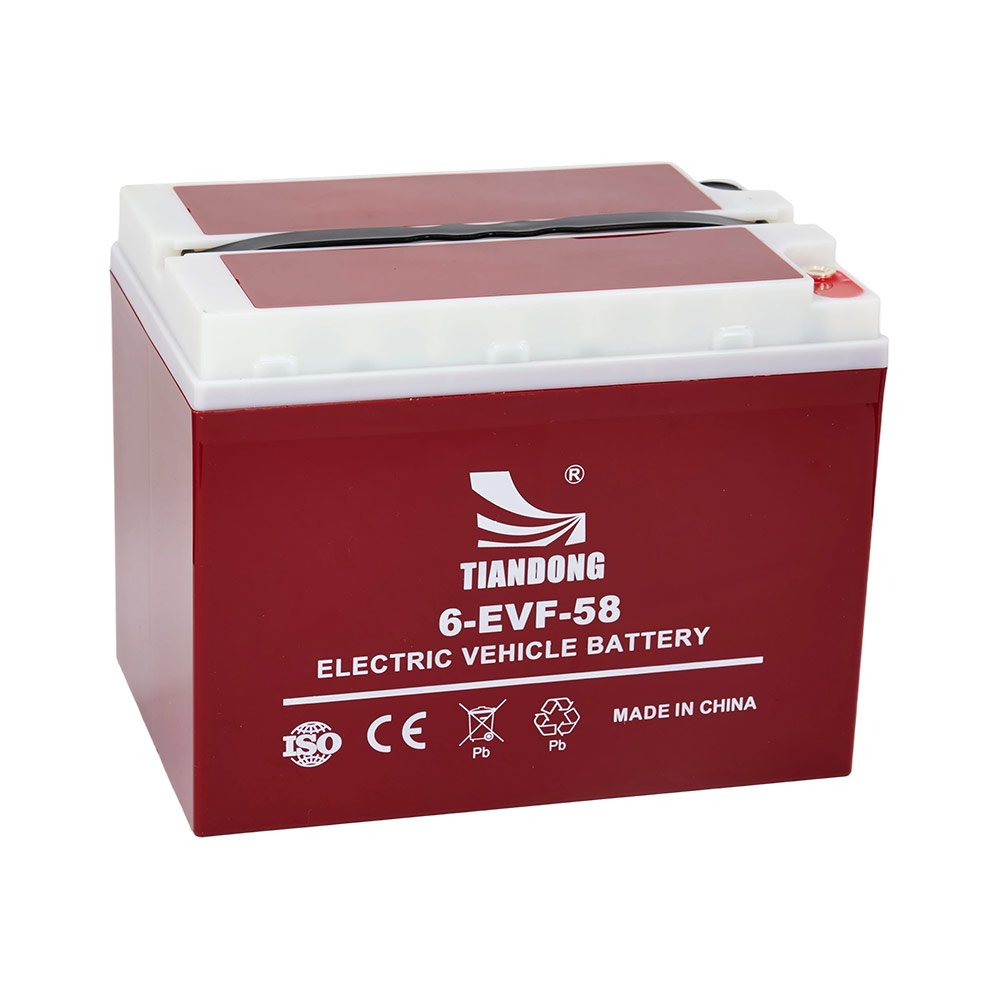
- How the TIANDONG 6-EVF-58 12V 63AH fits into safe and sustainable use
- Brand safety and quality considerations
- Practical maintenance tips to extend battery life and reduce risk
- When to replace rather than repair
- Spill and emergency response: what to do if acid is released
- Comparison: Lead acid vs. other battery chemistries for motorcycles
- Regulatory and legal considerations for disposal and recycling
- How to find a recycler or take-back program
- Frequently Asked Questions (FAQ)
- Q: Can I ship a used TIANDONG 6-EVF-58 battery by regular parcel services?
- Q: How do I know when a lead acid battery is end-of-life?
- Q: Can I recycle the TIANDONG 6-EVF-58 at any battery drop-off?
- Q: What should I do if I accidentally spill battery acid?
- Contact us / View the product
- Authoritative references and further reading
Safety and Recycling Considerations for Lead Acid Batteries
Introduction: Why motorcycle lead acid battery safety matters
Lead acid batteries remain a common, affordable power source for many two-wheel electric vehicles. The TIANDONG 6-EVF-58 12V 63AH Powerful Batteries Rechargeable Lead Acid Battery Two-Wheel Electric Vehicle Battery Pack delivers reliable traction power for scooters and e-bikes, but like all lead acid cells it requires careful handling for safety and environmental reasons. This article explains practical safety measures, recycling considerations, transport and storage best practices, and answers common user questions so owners can maximize life and minimize environmental impact.
Understanding motorcycle lead acid battery basics
Before diving into safety and recycling, it helps to understand what a lead acid battery is. A typical sealed rechargeable lead acid battery contains lead plates and an electrolyte of sulfuric acid. When the battery discharges, lead and lead dioxide react with sulfuric acid to produce electrical energy. Reversing that process by charging restores the battery. Familiarity with these components explains the hazards (acid, heavy metal lead, and electrical energy) and why specific safety steps are needed.
Key risks associated with lead acid batteries
- Chemical hazards: sulfuric acid can cause severe burns and eye injury on contact.
- Lead exposure: lead is toxic and can cause neurological and systemic health issues if ingested or inhaled as dust.
- Electrical hazards: short circuits can produce sparks, heat, and in rare cases thermal runaway.
- Hydrogen gas: during charging, hydrogen can be emitted and may form explosive mixtures if ventilation is poor.
- Environmental contamination: improper disposal can release lead and acid into soil and waterways.
Safe handling and storage practices for motorcycle owners
Whether you own the TIANDONG 6-EVF-58 or another motorcycle lead acid battery, follow these concrete steps:
- Wear PPE: gloves and eye protection when installing, removing or servicing batteries.
- Avoid sparks and flames: keep batteries away from open flames, cigarettes and metal tools touching both terminals at once.
- Store upright and ventilated: store batteries upright in a cool, dry, well-ventilated area away from direct sunlight and heat sources to reduce pressure build-up and gas accumulation.
- Temperature control: keep storage between roughly 0–25°C (optimal for shelf life). High temperatures accelerate self-discharge and grid corrosion.
- Terminal protection: keep terminals covered or insulated during transport to prevent short circuits.
Charging safety: best practices and monitoring
Proper charging maximizes life and reduces safety risks. Key recommendations:
- Use a charger compatible with 12V lead acid chemistry and the battery's amp-hour rating (63AH for the TIANDONG 6-EVF-58).
- Avoid overcharging — employ automatic chargers with float-charge or smart charge modes.
- Charge in a ventilated area to disperse hydrogen gas produced during charging.
- Do not charge a physically damaged or severely sulfated battery — consult a professional.
- Follow manufacturer's recommended charge voltages (typically 14.2–14.8V bulk/absorption and 13.5–13.8V float for many 12V lead acid battery systems; consult TIANDONG specifications).
Transport and shipping: regulatory considerations for lead acid batteries
Shipping lead acid batteries—whether new units like the TIANDONG 6-EVF-58 or used returns—requires attention to transport regulations. These batteries are often classed as dangerous goods due to acid and potential to short. Practical points:
- For air transport, follow IATA Dangerous Goods Regulations (DGR) since batteries may need special packaging and documentation.
- For ground transport, local hazardous materials rules and carrier requirements apply; many carriers require terminals be protected and batteries secured.
- When sending used batteries for recycling, use approved recycling facilities which often provide guidance and labels for safe transport.
Labeling and preparation checklist for shipping
- Ensure batteries are clean, dry, and terminals are taped/covered.
- Package upright and cushion to prevent tipping and impact.
- Provide Safety Data Sheet (SDS) when requested by carriers.
Environmental impact and why recycling lead acid batteries is critical
Lead acid batteries have one of the highest recycling rates among consumer products. Recycling prevents lead and sulfuric acid from entering the environment, conserves resources, and reduces the need for primary lead mining. Proper recycling recovers valuable lead and plastics, and neutralizes acid. For motorcycle owners, returning spent batteries to certified recyclers is essential to close the loop and comply with local regulations.
Typical recycling steps for lead acid batteries
- Collection and safe transport to recycling facility.
- Mechanical breaking and separation of components (plastic casing, lead, acid).
- Neutralization or processing of electrolyte; conversion to safe byproducts.
- Smelting and refining of lead for reuse in new batteries or other lead products.
- Reprocessing plastic for battery casings or other applications.
How the TIANDONG 6-EVF-58 12V 63AH fits into safe and sustainable use
The TIANDONG 6-EVF-58 12V 63AH Rechargeable Lead Acid Battery delivers reliable power for two-wheel electric vehicles while being compatible with standard lead acid handling, charging, and recycling infrastructures. Key practical benefits for users:
- Designed for two-wheel electric vehicles with a balance of capacity (63AH) and ruggedness.
- Compatible with widespread recycling channels for lead acid batteries, easing end-of-life disposal.
- Can be charged with common smart chargers used for 12V lead acid systems—promoting ease of ownership and safer charging practices.
Brand safety and quality considerations
When selecting batteries for motorcycles, check for manufacturer specifications, quality control, and compliance with relevant safety and transport standards. TIANDONG's 6-EVF-58 product line is positioned for reliability in electric two-wheel applications; always follow the product manual for installation, charging parameters, and end-of-life instructions.
Practical maintenance tips to extend battery life and reduce risk
Good maintenance both improves safety and prolongs battery life. Steps include:
- Regular inspections for leaks, cracks, or swelling.
- Keep terminals clean and free of corrosion; use a baking soda solution for neutralizing acid deposits if needed and dry thoroughly.
- Avoid deep discharges when possible; recharge promptly after moderate discharge to reduce sulfation.
- Store batteries at a stable, cool temperature and apply occasional top-up charges during long storage periods.
When to replace rather than repair
Replace the battery if it shows persistent capacity loss, visible physical damage, severe electrolyte leakage, or if it fails load tests—even if it appears to charge. Reconditioning attempts may help in some cases but are not a substitute for safety when structural damage or significant internal failure exists.
Spill and emergency response: what to do if acid is released
If a sulfuric acid spill occurs, follow these steps immediately:
- Evacuate the area and ventilate if indoors to disperse hydrogen gas.
- Wear protective gloves, eye protection, and a respirator if available.
- Contain the spill with inert material (sand, vermiculite); neutralize with baking soda (sodium bicarbonate) applied carefully until fizzing stops.
- Collect neutralized residue in sealed containers and dispose of through hazardous waste or recycling channels—never pour down drains.
- For skin or eye contact, flush with water for at least 15 minutes and seek medical attention.
Comparison: Lead acid vs. other battery chemistries for motorcycles
Understanding alternatives helps users weigh safety, cost, and environmental impact. The table below highlights common differences.
| Characteristic | Lead Acid (e.g., TIANDONG 6-EVF-58) | Lithium-ion |
|---|---|---|
| Energy density (Wh/kg) | ~30–50 | ~100–265 |
| Typical cycle life | 200–1200 (varies by depth of discharge) | 1000–5000 |
| Cost | Lower upfront cost | Higher upfront cost |
| Maintenance | Some types require maintenance; sealed VRLA are low-maintenance | Generally low-maintenance |
| Recyclability | Very high (>95%) | Lower but improving (varies by chemistry) |
| Safety hazards | Acid and lead hazards, hydrogen gas | Thermal runaway risk if damaged or improperly charged |
Regulatory and legal considerations for disposal and recycling
Many jurisdictions regulate the disposal of lead acid batteries. Common requirements include returning spent batteries to retailers, using licensed recyclers, and avoiding landfill disposal. Retailers and battery manufacturers often participate in take-back programs—check local regulations and available programs to ensure compliance and proper environmental protection.
How to find a recycler or take-back program
Search for certified battery recyclers through national environmental agencies, industry groups, or retailers that sell batteries. Many communities host hazardous waste collection days where batteries can be dropped off safely.
Frequently Asked Questions (FAQ)
Q: Can I ship a used TIANDONG 6-EVF-58 battery by regular parcel services?
A: Many parcel services require dangerous goods handling for lead acid batteries. Check with the carrier about their requirements: terminals insulated, upright packaging, and accompanying documentation may be required.
Q: How do I know when a lead acid battery is end-of-life?
A: Signs include rapid loss of capacity despite full charging, visible damage or leakage, excessive self-discharge, or the battery failing load tests. If in doubt, have it tested by a battery service professional.
Q: Can I recycle the TIANDONG 6-EVF-58 at any battery drop-off?
A: Most certified battery recycling centers accept lead acid batteries. Confirm with local facilities or retailers that they accept motorcycle batteries; many do as part of national recycling programs.
Q: What should I do if I accidentally spill battery acid?
A: Evacuate and ventilate, use PPE, neutralize with baking soda, collect the neutralized residue and dispose through hazardous waste/recycling channels, and seek medical help for any contact injuries.
Contact us / View the product
To learn more about safe use, purchase options, or recycling support for the TIANDONG 6-EVF-58 12V 63AH, contact our customer service team or view the product page. Our support staff can advise on charger compatibility, safe installation, and authorized recycling centers in your area.
After understanding the key safety factors and end-of-life recycling requirements for lead acid motorcycle batteries, many buyers want to ensure product reliability before purchasing at scale. The next topic introduces warranty coverage, testing standards, and quality assurance for high-volume orders.
Warranty, Testing and QA: Buying 6-EVF-58 in Volume
Authoritative references and further reading
For more detailed regulatory and technical information, consult these authoritative resources:
- Wikipedia — Lead–acid battery: https://en.wikipedia.org/wiki/Lead%E2%80%93acid_battery
- Battery University — Lead Acid Battery Basics: https://batteryuniversity.com/learn/article/lead_based_batteries
- U.S. Environmental Protection Agency (EPA) — Lead-acid battery recycling: https://www.epa.gov/smm/lead-acid-battery-recycling
- IATA Dangerous Goods Regulations — Cargo and Battery Transport Guidance: https://www.iata.org/en/programs/cargo/dgr/
- European Commission — Batteries and accumulators: https://environment.ec.europa.eu/topics/waste-and-recycling/batteries-and-accumulators_en
- Battery Council International — Industry information and recycling stats: https://batterycouncil.org

15 Best Motorcycle Battery Brands of 2026: The Ultimate Ranking for Every Rider

Weight vs capacity: is 4.05kg YT14 ideal for your motorcycle?

Best motorcycle battery: Is YTX7-BS 12V 7Ah right for you?
Top 10 EPS Battery Manufacturers and Supplier Brands
Questions you may concerned about
Shipping
Which countries does Tiandong export to?
Tiandong batteries are exported to more than 20 countries, including Vietnam, India, Egypt, Thailand, and Indonesia.
How long does delivery take?
For stock items, delivery takes about 7-15 days after receiving the deposit. For bulk orders or custom logo orders, it usually takes 25-35 days depending on the quantity.
Product
How long does a motorcycle battery typically last?
A motorcycle battery generally lasts between 2 and 4 years, depending on usage, maintenance, and environmental conditions.
How long is the lead time and where do you ship?
Standard lead time is 7–15 days. We export to over 20 countries, including Vietnam, India, Egypt, and Thailand.
What is the most common motorcycle battery type?
AGM batteries are currently the most widely used due to their balance of cost and performance.
Get in touch with us to get your Motorbike Battery solution
TIANDONG is a leading motorcycle battery manufacturer offering OEM/ODM service, stable quality, and global export support.
Built for wholesalers. Trusted by global buyers. Delivered with confidence.
Say Hello
E-mail: daisybattery8@gmail.com
xianyingchen83@gmail. com
WhatsAPP: +86 134 283 86694
+86 134 348 86641
Our Location
Social Links
© 2025 TIANDONG. All Rights Reserved. Privacy Policy | Terms and Conditions | Sitemap
 Scan QR Code
Facebook
Instagram
Scan QR Code
Whatsapp: +8613434886641