






How to Recycle Old UPS Battery After Replacement
- Safe Preparation and Removal When Performing UPS Battery Replacement
- Decide if the battery truly needs replacement
- Personal safety and PPE for handling VRLA batteries
- Initial inspection and quarantine
- Where to Recycle Old UPS Batteries: Certified Options and Programs
- Manufacturer and retailer take-back programs
- Local recycling centers and hazardous waste facilities
- Specialist lead-acid battery recyclers and scrap yards
- Packaging, Transportation, and Legal Requirements for UPS Battery Recycling
- Labeling, packaging and short-circuit prevention
- Regulatory considerations and documentation
- Transport limits and using courier services
- Alternatives: Repurposing, Temporary Storage, and Environmental Impact
- Repurposing functional UPS batteries
- Environmental impact: lifecycle and benefits of recycling
- Comparison of disposal and recycling options
- Practical Checklist and Next Steps After UPS Battery Replacement
- Immediate checklist after replacement
- How to find the right recycling partner
- Recordkeeping and environmental responsibility
- Frequently Asked Questions (FAQ)
- Q: Can I throw my old UPS battery in the regular trash?
- Q: How should I prepare a used VRLA UPS battery for drop-off?
- Q: Are there pickup services for businesses that replace many UPS batteries?
- Q: What happens to lead and plastic during recycling?
- Q: Can I reuse an old UPS battery for a secondary project?
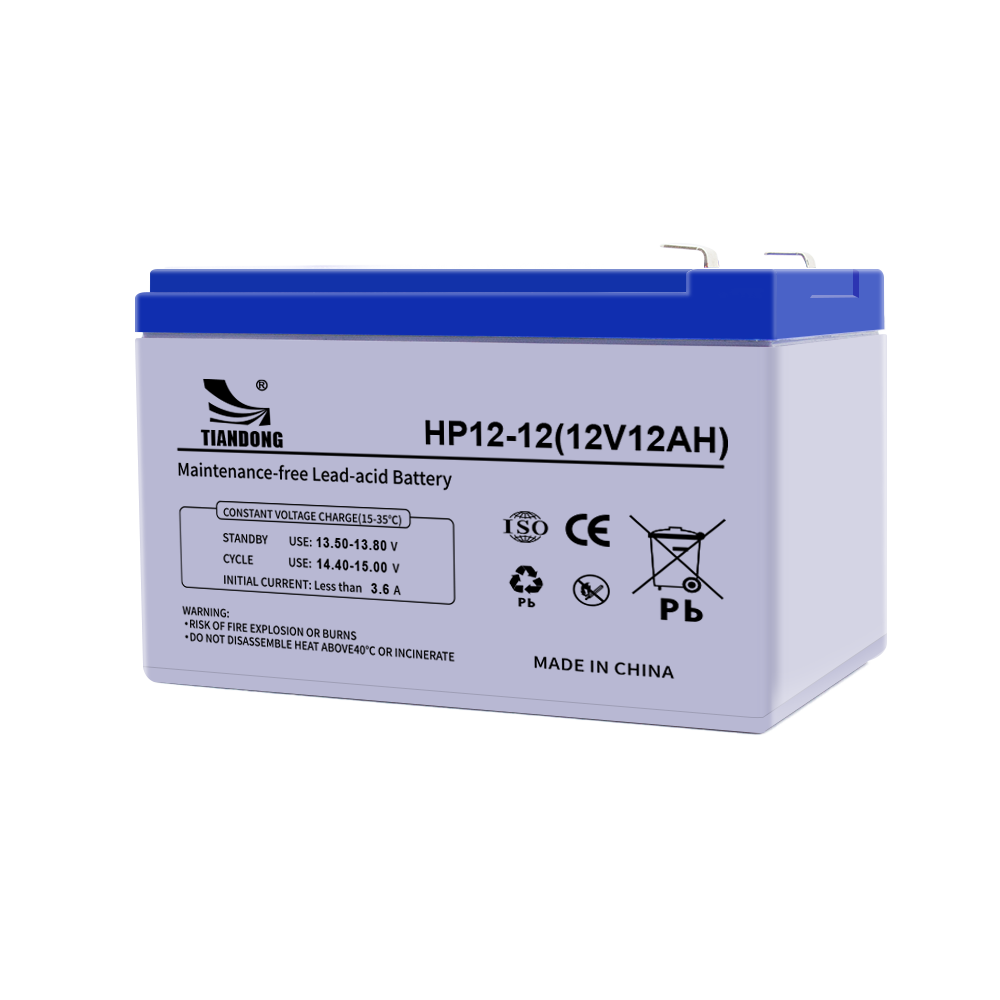
If you’ve just completed an ups battery replacement, properly recycling the old UPS battery is essential to prevent environmental harm and comply with regulations. This guide covers step-by-step removal safety, storage and transport best practices, certified recycling options, manufacturer and retail take-back programs, repurposing ideas, and the regulatory landscape for VRLA sealed lead acid batteries like the TIANDONG HP12-12. Follow these proven steps to ensure your used UPS battery is processed responsibly and safely.
Product Spotlight:
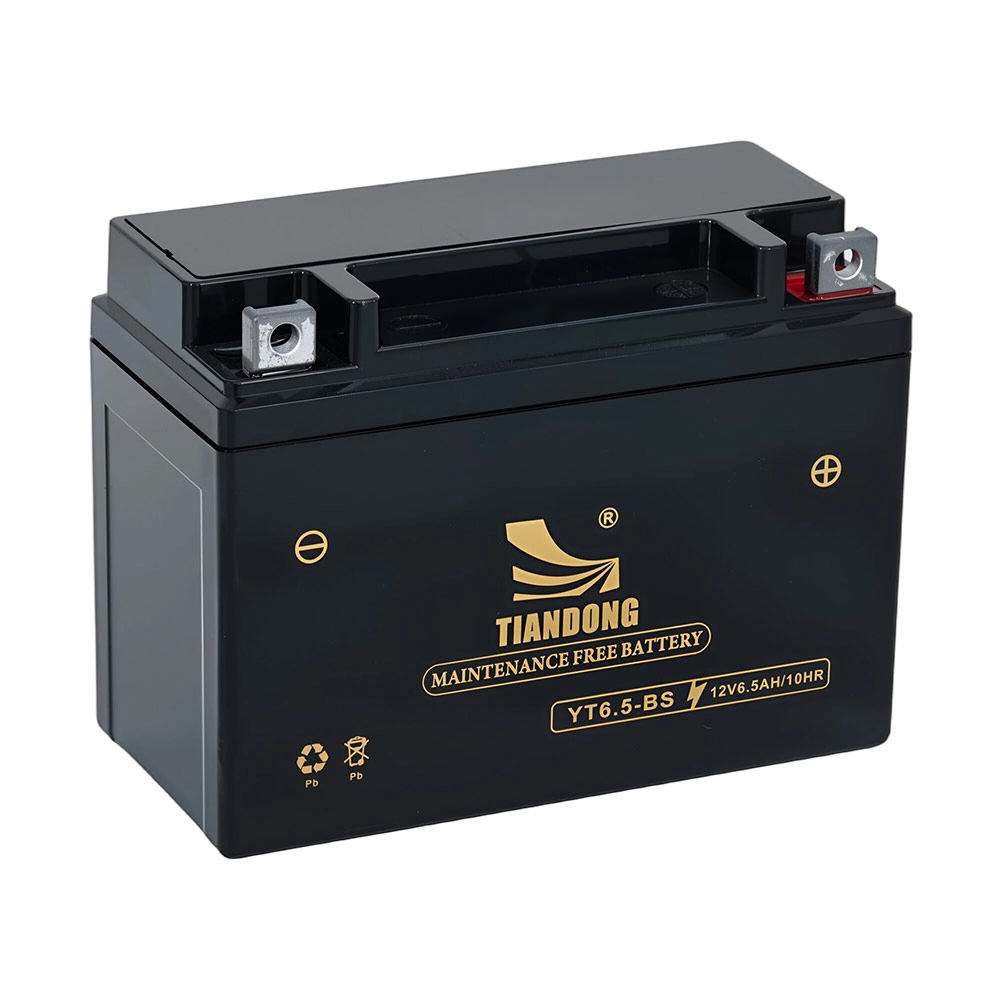
TIANDONG 12V 12Ah UPS Backup Battery is a maintenance-free, VRLA sealed lead acid battery designed for reliable power backup. As a trusted OEM/ODM custom motorcycle battery manufacturer and factory direct wholesaler, TIANDONG ensures High Quality quality and performance.
Safe Preparation and Removal When Performing UPS Battery Replacement
Decide if the battery truly needs replacement
Before scheduling an ups battery replacement, confirm the battery has reached end-of-life. Symptoms that indicate replacement include: significantly reduced runtime, failure to hold charge, swelling, leaking, or visible terminal corrosion. Many UPS systems have battery self-test or runtime diagnostics—use them as a first check. If in doubt, test battery voltage and load behavior with a properly rated battery analyzer or consult a certified technician.
Personal safety and PPE for handling VRLA batteries
Because the TIANDONG HP12-12 is a VRLA sealed lead acid (SLA) battery, risks include acid exposure if damaged and short circuits. Wear safety glasses, chemical-resistant gloves, and avoid loose metal jewelry. Work in a well-ventilated area away from sparks or flames. Disconnect the UPS from mains and turn it off; then remove the battery following the manufacturer’s sequence (usually disconnect negative terminal first). Keep terminals covered to prevent accidental shorts during removal and transport.
Initial inspection and quarantine
After removal, visually inspect the battery for cracks, bulges, leaking electrolyte, or heavy terminal corrosion. If the battery is damaged or leaking, place it in a non-conductive, acid-resistant, and ventilated container and label it as hazardous. For intact batteries, store upright in a cool, dry place away from direct sunlight and extreme temperatures until you can deliver it to a recycling point or collection center.
Where to Recycle Old UPS Batteries: Certified Options and Programs
Manufacturer and retailer take-back programs
Many manufacturers and retailers offer battery take-back or trade-in services when you buy a new UPS battery. Check whether TIANDONG or your vendor provides a return program for the used TIANDONG HP12-12. Manufacturer take-back often ensures proper recycling and is the easiest chain-of-custody for end users. When available, this option usually removes the need for you to package or transport a hazardous item yourself.
Local recycling centers and hazardous waste facilities
Lead-acid batteries are accepted at most municipal household hazardous waste (HHW) facilities and certified battery recyclers. Look up local options through your city’s waste management website or national resources. In the U.S., the EPA provides guidance and links to recycling resources for used batteries: EPA - Managing Used Batteries. In the EU, national member-state programs implement the Batteries Directive; see the European Commission overview: EU Batteries and Accumulators.
Specialist lead-acid battery recyclers and scrap yards
Professional recyclers recover lead, plastic, and acid from VRLA batteries through controlled industrial processes. They are regulated for emissions and waste handling and will typically provide documentation of proper processing if required for corporate compliance. The Battery Council International provides industry guidance and member directories that can help locate reputable recyclers: Battery Council International.
Packaging, Transportation, and Legal Requirements for UPS Battery Recycling
Labeling, packaging and short-circuit prevention
When transporting an UPS battery (including TIANDONG HP12-12) to a recycling point, ensure battery terminals are insulated (use terminal caps or tape) to avoid short circuits. Place the battery upright in a sturdy box lined with a non-conductive material (cardboard or plastic). For damaged batteries, double-contain them and use acid-neutralizing absorbent if there is visible leakage. Always follow local hazardous material handling rules when moving batteries between sites.
Regulatory considerations and documentation
Lead-acid batteries are classified as hazardous waste in many jurisdictions when discarded. Businesses performing ups battery replacement regularly should maintain documentation of chain-of-custody and disposal records to satisfy regulators and auditors. Familiarize yourself with local regulations—U.S. households have different rules than businesses, and the rules in the EU differ by member state. See the Wikipedia summary for general properties and safety considerations for lead–acid batteries: Lead–acid battery (Wikipedia), which gives technical background that regulators often reference.
Transport limits and using courier services
Some couriers accept lead-acid batteries only under specific packaging and labeling; others will not carry them at all. For small consumer quantities, take your used battery directly to a qualified recycler or retail take-back point. For businesses shipping multiple batteries, work with hazardous materials-compliant logistics providers and ensure all paperwork (e.g., manifests) is correct.
Alternatives: Repurposing, Temporary Storage, and Environmental Impact
Repurposing functional UPS batteries
Before recycling, confirm whether the removed battery still has usable capacity. A healthy TIANDONG HP12-12 may serve as a backup for low-power applications (e.g., emergency lighting, small off-grid projects) if tested and re-certified. However, repurposing should follow safety checks: load testing, verification of no leakage, and clear labeling of remaining capacity and expected life. Do not repurpose a battery with physical damage or internal failure.
Environmental impact: lifecycle and benefits of recycling
Recycling lead-acid batteries recovers nearly all the lead and plastic, reducing the need for new mining and plastic production. Proper recycling prevents lead and sulfuric acid from entering landfills or the environment. The lifecycle benefits are significant: lead-acid recycling rates are generally higher than those for many other battery chemistries because lead is highly recyclable and economically recoverable when processed correctly.
Comparison of disposal and recycling options
| Option | Pros | Cons | Typical Cost/Time |
|---|---|---|---|
| Manufacturer/retailer take-back | Convenient, ensures proper processing | May require purchase of new battery or return conditions | Low cost; immediate when buying new |
| Municipal HHW or certified recycler | Regulated, suitable for households and businesses | Limited drop-off hours; may require transport | Often free or low cost; depends on local programs |
| Hazardous waste contractor (businesses) | Handles bulk collection and documentation | Higher cost; scheduling required | Moderate to high cost; arranged service |
Practical Checklist and Next Steps After UPS Battery Replacement
Immediate checklist after replacement
- Confirm new UPS battery (e.g., TIANDONG HP12-12) is properly installed and performing expected runtime tests.
- Insulate old battery terminals and label the unit as Used - For Recycling.
- Locate nearest certified recycler or manufacturer take-back program and plan transport.
- If business, fill out disposal/chain-of-custody paperwork for regulatory compliance.
How to find the right recycling partner
Start with the following steps: search municipal waste pages, call major electronics retailers (they often accept SLA batteries), contact TIANDONG or your UPS vendor to ask about take-back options, or use industry directories like the Battery Council International. For cross-border or industrial shipments, consult a regulated hazardous waste hauler.
Recordkeeping and environmental responsibility
Keep records of disposal receipts and manifests for at least the period required by local law—this is particularly important for organizations and institutions. Promoting an internal policy for ups battery replacement and recycling reduces environmental risk and demonstrates corporate responsibility.
Frequently Asked Questions (FAQ)
Q: Can I throw my old UPS battery in the regular trash?
A: No. Lead-acid UPS batteries like the TIANDONG HP12-12 must not go to regular landfill. They contain lead and acid that are hazardous. Use a manufacturer/retailer take-back, municipal HHW facility, or certified recycler.
Q: How should I prepare a used VRLA UPS battery for drop-off?
A: Insulate the terminals to prevent short circuits, place the battery upright in a box or on an acid-resistant surface, and avoid stacking other items on top. If the battery is damaged or leaking, double-contain it and notify the recycler in advance.
Q: Are there pickup services for businesses that replace many UPS batteries?
A: Yes. Hazardous waste contractors and specialized recyclers offer scheduled pickups and documentation for businesses. This is the recommended approach for installations or data centers performing routine ups battery replacement.
Q: What happens to lead and plastic during recycling?
A: Recyclers separate the plastic case, lead plates, and electrolyte. Lead is melted and refined for reuse in new batteries or other lead products; plastic is processed and often pelletized for reuse; and the acid is neutralized or processed into industrial chemicals. This high-recovery process reduces raw material demand.
Q: Can I reuse an old UPS battery for a secondary project?
A: Only if the battery tests well on capacity and shows no physical damage. Perform a capacity and load test and ensure you label its remaining capacity and condition. For safety and liability reasons, reuse is best for non-critical, low-risk applications.
If you need an immediate replacement, consider the TIANDONG HP12-12 (12V 12Ah) UPS Backup Battery — a maintenance-free VRLA sealed lead acid option designed for reliable power backup. To view product details or arrange bulk orders, visit our product page: TIANDONG HP12-12 product page. For help locating a certified recycler or scheduling a take-back, contact our support team and we will assist with local options and compliance documentation.
Authoritative resources and further reading: EPA guidance on managing used batteries (EPA), EU Batteries and Accumulators overview (European Commission), industry guidance from the Battery Council International (BCI), and technical background on lead–acid batteries (Wikipedia).

YTX7-BS vs YTX9-BS: which is the best motorcycle battery?

YT12 Battery Lifespan: Maintenance Tips to Extend Life

Top Features to Look for in a Good Motorcycle Battery

Seasonal Storage Guide for AGM Motorcycle Battery YTX7-BS
Questions you may concerned about
OEM/ODM
Is an OEM battery safe?
Authentic original equipment manufacturer (OEM) batteries undergo safety testing and certification. Counterfeit batteries do not, and therefore may not have the proper protection inside the cells to prevent overcharging and overheating, which can lead to serious injuries and damage from thermal runaway.
Shipping
How long does delivery take?
For stock items, delivery takes about 7-15 days after receiving the deposit. For bulk orders or custom logo orders, it usually takes 25-35 days depending on the quantity.
Product
What causes motorcycle batteries to fail?
Common causes include over-discharging, extreme temperatures, poor charging systems, and low-quality manufacturing materials.
Are you a trading company or a manufacturer?
We are a direct factory located inJiangxi Province, China. You are welcome to visit our production line and quality control lab. We specialize in lead-acid batteries for motorcycles and have been in this industry for 20 years.
How long is the lead time and where do you ship?
Standard lead time is 7–15 days. We export to over 20 countries, including Vietnam, India, Egypt, and Thailand.
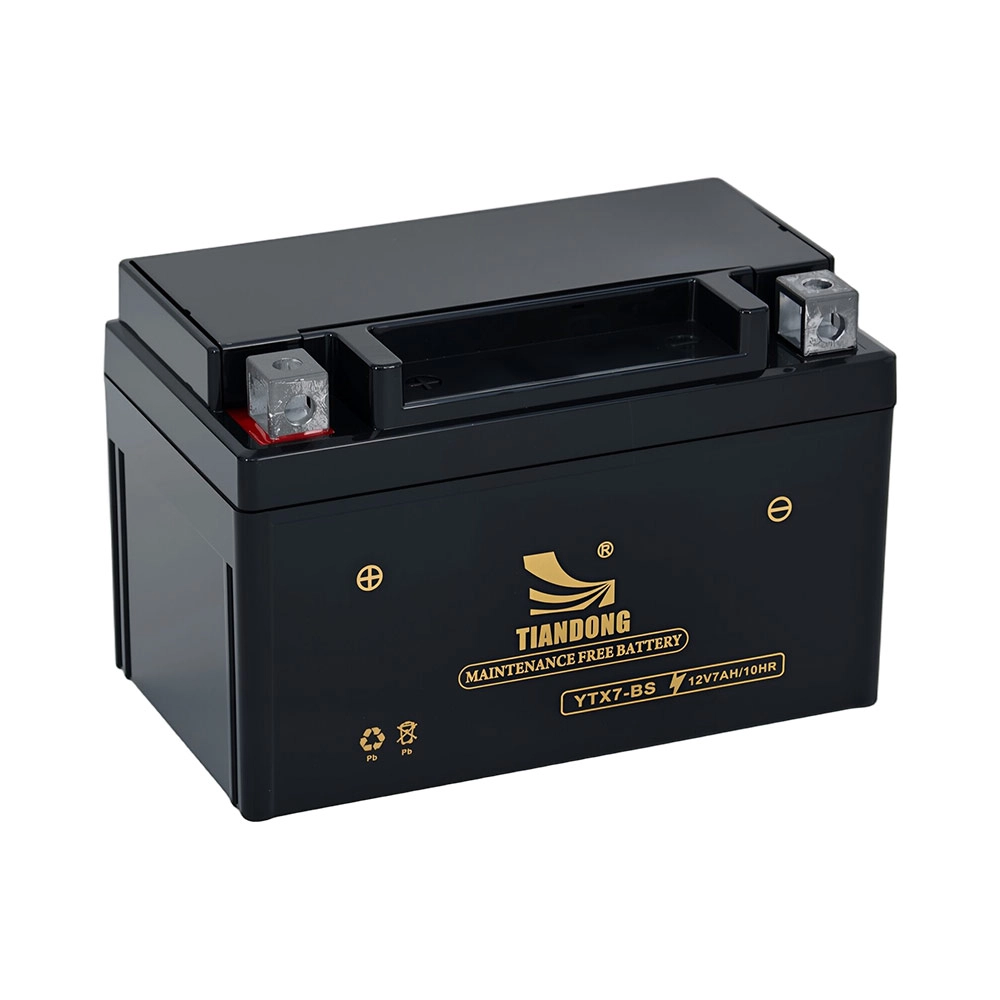
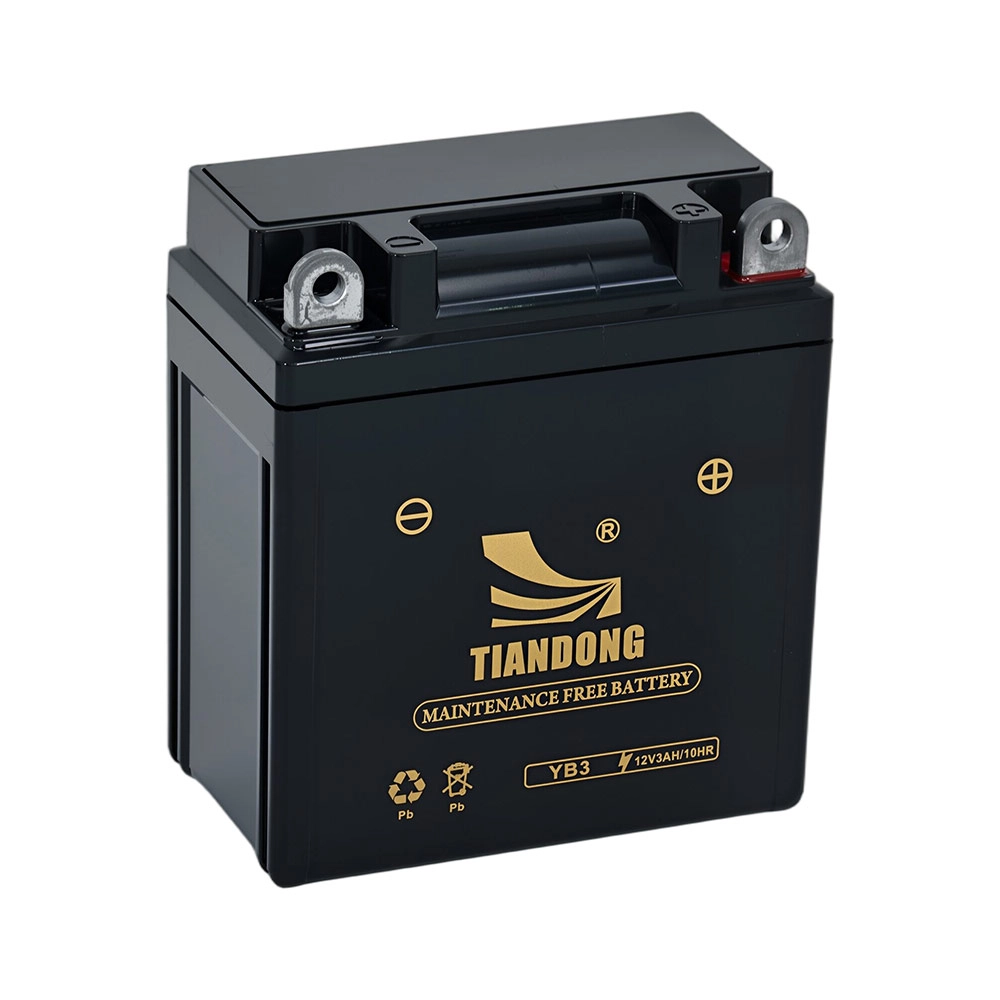
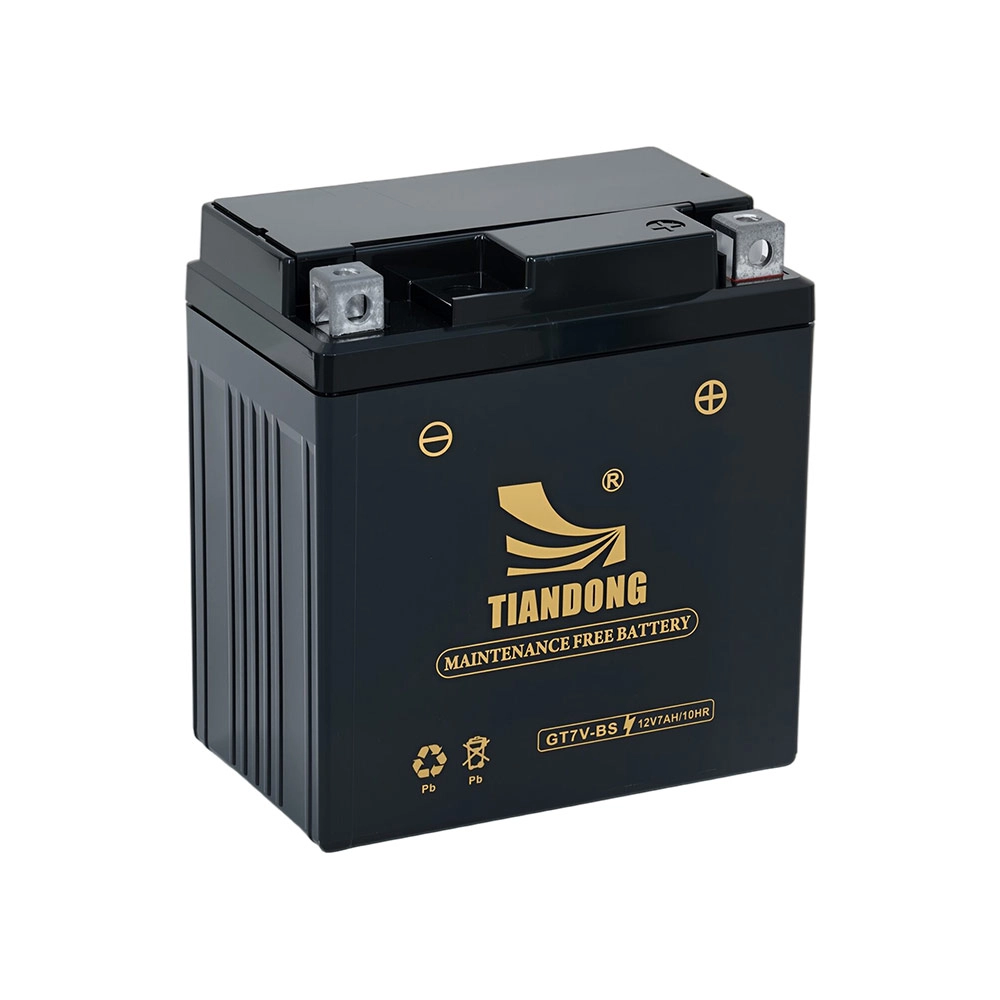
Get in touch with us to get your Motorbike Battery solution
TIANDONG is a leading motorcycle battery manufacturer offering OEM/ODM service, stable quality, and global export support.
Built for wholesalers. Trusted by global buyers. Delivered with confidence.
Say Hello
E-mail: daisybattery8@gmail.com
xianyingchen83@gmail. com
WhatsAPP: +86 134 283 86694
+86 134 348 86641
Our Location
Social Links
© 2025 TIANDONG. All Rights Reserved. Privacy Policy | Terms and Conditions | Sitemap
 Scan QR Code
Facebook
Instagram
Scan QR Code
Whatsapp: +8613434886641