






Quality Control Checklist for Motorcycle Battery Suppliers
- Quality Control Checklist for Motorcycle Battery Suppliers
- Why a rigorous quality control checklist matters for a good motorcycle battery
- 1. Incoming materials inspection — foundation of consistent quality
- 2. Manufacturing process control — repeatability and traceability
- 3. Electrical performance testing — capacity, CCA and internal resistance
- 4. Formation and aging — ensuring long-term performance
- 5. Mechanical and environmental tests — durability for road use
- 6. Safety testing — preventing hazardous failures
- 7. Environmental, chemical and hazardous materials controls
- 8. Quality management system, audits and certifications
- 9. Packaging, labeling and transport checks
- 10. Storage, shelf-life and handling validation
- 11. After-sales support, warranty and failure analysis
- 12. Customization checks for TIANDONG HP6-7.0(6V7.0AH)Customizable high-quality energy storage battery
- 13. Comparison table: typical QC tests vs. buyer verification points
- 14. Practical checklist to use when qualifying a new battery supplier
- 15. How to spot a supplier that can deliver a good motorcycle battery
- FAQs — Quality Control and TIANDONG HP6-7.0(6V7.0AH)
- Q1: What makes a motorcycle battery good?
- Q2: How often should manufacturers test production batteries?
- Q3: Can I customize the TIANDONG HP6-7.0(6V7.0AH)?
- Q4: What warranty terms should I expect?
- Q5: How should I store motorcycle batteries to keep them in optimal condition?
- Contact and product CTA
- Authoritative references and further reading
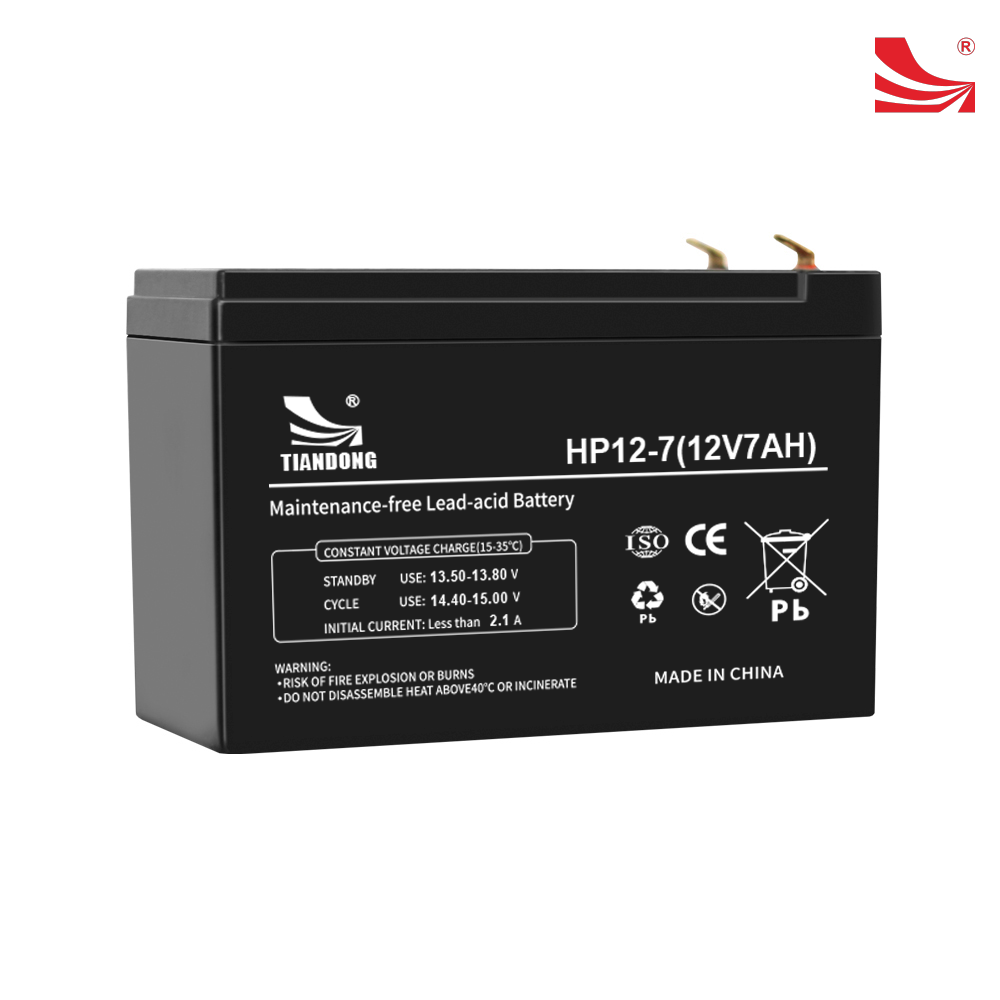
Quality Control Checklist for Motorcycle Battery Suppliers
Why a rigorous quality control checklist matters for a good motorcycle battery
Motorcycle batteries must deliver reliable starting power, long service life, and safe operation under vibration, heat, and variable charging conditions. For OEMs, distributors, and end customers, a supplier’s quality control (QC) system is the primary indicator that the supplied unit is a good motorcycle battery: one that meets specs, performs consistently, and is safe in real-world use. This checklist focuses on measurable QC steps suppliers should implement and buyers should verify when selecting a supplier or evaluating products such as the TIANDONG HP6-7.0(6V7.0AH)Customizable high-quality energy storage battery.
1. Incoming materials inspection — foundation of consistent quality
Raw materials and subcomponents determine baseline performance and reliability. A robust incoming quality control (IQC) procedure should include:
- Verification of supplier certificates of conformity and material composition reports for lead plates, active material paste, separators, terminals and casing.
- Dimensional checks for critical parts (plate size, terminal thread, case dimensions) against engineering drawings.
- Sampling-based electrical checks (internal resistance of cells, open-circuit voltage) for incoming assembled cells or modules.
- Visual and mechanical inspections to detect cracks, contamination, or improper plating that could cause early failure or leakage.
Documented acceptance criteria and recorded non-conformance handling are essential to maintain traceability and continuous improvement.
2. Manufacturing process control — repeatability and traceability
Process controls ensure that every unit built meets the same standards. Key controls for motorcycle battery production include:
- Standardized work instructions and process flow diagrams for plate stacking, pasting, formation, electrolyte filling, sealing, and final assembly.
- In-line checks at critical process points (electrolyte specific gravity, fill volume accuracy, torque settings for terminal bolts, seal integrity testing).
- Statistical Process Control (SPC) for process parameters such as formation current profiles and temperature curves to detect drift before defects appear.
- Lot numbering and barcode labels for every stage to link final test results back to raw materials and process data.
Traceability enables recalls limited to affected lots and is a core component of a supplier being able to offer a reliable good motorcycle battery.
3. Electrical performance testing — capacity, CCA and internal resistance
Electrical tests prove the battery meets the performance claims. A supplier QC lab should perform the following on every production lot (or representative sample size defined by AQL):
- Capacity test at specified discharge rate (e.g., 20-hour or 10-hour) to confirm ampere-hour (Ah) rating.
- Cold Cranking Amps (CCA) or equivalent starting-current test — critical for motorcycle starting under varying temperatures.
- Internal resistance (AC or DC) measurement; rising internal resistance is a predictor of poor cranking and faster voltage drop under load.
- Open-circuit voltage (OCV) and float-voltage checks consistent with the battery chemistry and rated voltage.
Example acceptance criteria for a typical 6V7.0AH battery:
| Test | Typical Spec | Pass Criteria |
|---|---|---|
| Capacity (20h) | 7.0 Ah | ≥ 6.65 Ah (95%) |
| Internal resistance | Measured at 1 kHz | ≤ specified limit (supplier-specific) |
| CCA (equivalent) | Per motorcycle OEM requirement | Meets or exceeds OEM start current |
4. Formation and aging — ensuring long-term performance
Formation (initial charge/discharge cycles) activates electrode chemistry and is a key stage for performance. QC should include:
- Controlled formation profiles with recorded current/voltage/time logs.
- Post-formation capacity and leak checks before final assembly.
- Accelerated aging or soak tests on sample units to detect early-life failures (e.g., capacity loss, gas generation, terminal corrosion).
Formation data support claims that a battery will be a good motorcycle battery by demonstrating stable capacity and low self-discharge.
5. Mechanical and environmental tests — durability for road use
Motorcycle batteries face vibration, shock, and temperature extremes. Core mechanical/environmental tests include:
- Vibration testing per relevant standards (e.g., random vibration profiles simulating motorcycle operation).
- Shock/impact resistance to ensure terminals and internal components remain secure during drops or potholes.
- Thermal cycling and high-temperature storage tests to validate performance in hot climates and during engine heat exposure.
- Ingress protection and seal integrity tests to prevent electrolyte leakage and corrosion.
6. Safety testing — preventing hazardous failures
Safety checks are non-negotiable. For lead-acid or sealed lead-acid types commonly used in motorcycles, suppliers should run:
- Short-circuit protection verification and temperature monitoring to ensure no uncontrolled thermal events.
- Overcharge tolerance and pressure relief valve operation to avoid bulging or rupture.
- Gas emission tests during overcharge for sealed batteries; ensuring gas recombination works as designed.
- Compliance testing to relevant regulatory requirements (UN Manual of Tests and Criteria where applicable, regional transport regulations).
7. Environmental, chemical and hazardous materials controls
Suppliers must manage hazardous substances and environmental impact:
- Verification of lead and acid handling processes, containment, and recycling programs.
- Records showing compliance with RoHS or regional hazardous-substance regulations if applicable.
- Waste treatment documentation and ISO 14001 or equivalent environmental management practices.
8. Quality management system, audits and certifications
A certified quality management system increases buyer confidence. Verify that the supplier has:
- ISO 9001 certification with scope covering battery production. Additional certifications like ISO 14001 (environment) and ISO/TS or IATF processes for automotive supply chains are advantages when supplying OEMs.
- Third-party factory audits (SGS, Bureau Veritas) and documented corrective actions from those audits.
- Internal QC organization with qualified testing personnel and calibrated instruments (with calibration records traceable to national standards).
9. Packaging, labeling and transport checks
Proper packaging protects batteries and ensures regulatory compliance:
- Designs that prevent terminal shorting (terminal caps, insulating materials) and secure units against mechanical shock.
- Clear labels with voltage, capacity, polarity, manufacturing date, lot number, and safety markings.
- Compliance with transport regulations for batteries (IATA for air, IMDG for sea, and ADR for road) including proper documentation and packaging.
10. Storage, shelf-life and handling validation
Good storage practices retain battery quality prior to shipment:
- Defined shelf-life and recommended storage state-of-charge for the specific chemistry.
- Inventory rotation (FIFO), temperature-controlled warehouses, and humidity control to minimize self-discharge and corrosion.
- Periodic sample testing for long-stored lots to ensure no capacity loss beyond acceptance limits.
11. After-sales support, warranty and failure analysis
Quality doesn’t end at shipment. Suppliers should provide:
- Clear warranty terms with defined return material authorization (RMA) procedures.
- Technical support and troubleshooting guides for installers and end-users to improve first-time-fit success rates.
- Root-cause analysis (RCA) processes for returned or field-failed units, with corrective action loops to process and design.
12. Customization checks for TIANDONG HP6-7.0(6V7.0AH)Customizable high-quality energy storage battery
When a supplier offers customizable options — e.g., terminal types, housing colors, or specific performance tuning — QC must include verification of each variant. For the TIANDONG HP6-7.0(6V7.0AH)Customizable high-quality energy storage battery specifically, buyers should ask for:
- Customization specification sheet documenting exactly what changes were requested (terminal, case, labeling).
- Sample approval (PPAP-style) for the selected customization before bulk production.
- Confirmed electrical test results for the custom variant: capacity, internal resistance and CCA must match declared specs after customization.
TIANDONG HP6-7.0 (6V7.0AH) is a customizable, high-quality energy storage battery from TIANDONG, a trusted battery manufacturer with 20+ years of experience. Factory direct supply ensures reliability and performance for your energy storage needs.
13. Comparison table: typical QC tests vs. buyer verification points
| QC Test | Supplier Responsibility | Buyer Verification |
|---|---|---|
| Incoming Material Check | Certificates, sampling | Request material COAs, inspect sample lot |
| Capacity & CCA | Routine batch testing | Request test reports for lot, witness testing |
| Vibration & Shock | Simulated road tests | Review test protocols and results |
| Formation Logs | Recorded charge/discharge profiles | Audit formation records for representative lots |
| Packaging & Transport | Proper packaging, labeling | Check sample packaging, compliance docs |
14. Practical checklist to use when qualifying a new battery supplier
Use this short checklist during supplier qualification visits or remote audits:
- Request ISO 9001 and any automotive/environmental certificates.
- Review IQC acceptance criteria and sampling plans.
- Inspect formation area and request formation logs.
- Review lab equipment calibration records.
- Ask for batch test reports demonstrating capacity, internal resistance and CCA.
- Verify vibration and thermal test reports for motorcycle applications.
- Examine packaging samples and transport compliance documents.
- Confirm warranty policy, RMA flow and failure analysis capability.
15. How to spot a supplier that can deliver a good motorcycle battery
Indicators of a reliable supplier include transparent test data, third-party audits, traceable lot records, and clear after-sales support. Suppliers who invite factory visits, allow witness testing, and provide readable, date-stamped test reports are typically more trustworthy. For products like TIANDONG HP6-7.0(6V7.0AH)Customizable high-quality energy storage battery, factory-direct suppliers with two decades of experience often combine economies of scale with process maturity that benefits buyers.
FAQs — Quality Control and TIANDONG HP6-7.0(6V7.0AH)
Q1: What makes a motorcycle battery good?
A good motorcycle battery reliably meets capacity and starting-current specs (CCA), has low internal resistance, withstands vibration and temperature variations, shows low self-discharge, and is produced under a traceable QC process with proper safety testing and warranty support.
Q2: How often should manufacturers test production batteries?
Manufacturers typically perform full electrical and safety tests on representative samples per lot (AQL-based) and keep formation/test logs for every unit. Critical tests like OCV and leak checks are usually performed on every unit.
Q3: Can I customize the TIANDONG HP6-7.0(6V7.0AH)?
Yes. The TIANDONG HP6-7.0(6V7.0AH) is customizable. Ensure that any custom variant undergoes the same QC and batch testing as the standard model, and request sample approval before mass production.
Q4: What warranty terms should I expect?
Expect clear warranty durations and conditions covering manufacturing defects, with an RMA process and failure analysis. Warranty lengths vary by supplier and market segment (consumer vs. OEM) but should be clearly documented.
Q5: How should I store motorcycle batteries to keep them in optimal condition?
Store batteries in a cool, dry place at recommended state-of-charge (usually around 60–80% for lead-acid), rotate inventory (FIFO), and avoid prolonged exposure to extreme temperatures. Periodic top-up charging is recommended for long storage intervals.
Contact and product CTA
To evaluate a supplier or request sample testing, contact our sales and technical team. For companies seeking a reliable, factory-direct option, consider the TIANDONG HP6-7.0(6V7.0AH)Customizable high-quality energy storage battery. Request technical datasheets, lot test reports, and sample approvals to validate it meets your definition of a good motorcycle battery.
Contact us: sales@tiandongbattery.example (or visit the product page to view specifications and request samples.)
Once quality control systems are verified, fleet operators and distributors must address procurement risks such as batch consistency, lead time stability, and cost efficiency.
For practical strategies on sourcing at scale while minimizing operational risk, continue with
Bulk Buying Tips for Reliable Motorcycle Batteries.
Authoritative references and further reading
- Battery — Wikipedia: https://en.wikipedia.org/wiki/Battery_(electricity)
- Battery University — Battery basics and testing: https://batteryuniversity.com/
- International Electrotechnical Commission (IEC): https://www.iec.ch/
- U.S. Department of Energy — Batteries for electric vehicles and energy storage: https://afdc.energy.gov/fuels/electricity_batteries.

The 2026 Ultimate Guide to Lightweight Motorcycle Batteries: Shed Weight & Fire Up Instantly

YTX7L vs Competitors: Best Motorcycle Batteries for Dealers

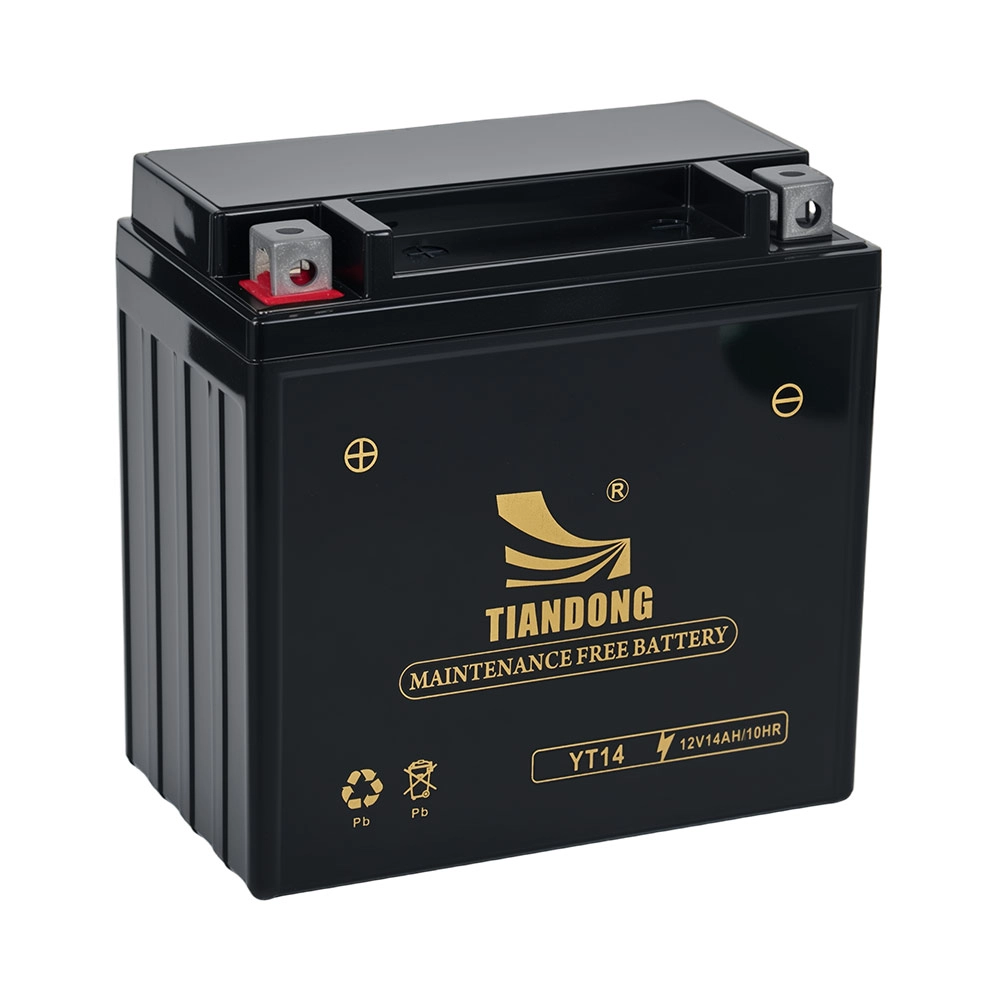
Testing and quality checks for incoming YT14 shipments

Bulk Buying Tips for Reliable Motorcycle Batteries
Questions you may concerned about
Product
What is the typical lifespan of your batteries?
Depending on the model and usage conditions, our batteries typically last between 2 to 4 years under normal operation.
What is the MOQ for bulk orders?
Typically ranges from 100–500 units per model, depending on customization requirements.
Are your batteries maintenance-free?
Yes, our batteries are sealed VRLA or GEL types that require no water refilling. They are ready to use and easy to maintain.
Shipping
How long does delivery take?
For stock items, delivery takes about 7-15 days after receiving the deposit. For bulk orders or custom logo orders, it usually takes 25-35 days depending on the quantity.
customer
Can overseas clients visit the Tiandong factory?
Yes. Tiandong welcomes international customers to visit the factory, production workshops, and logistics warehouses to better understand the manufacturing and quality control process.
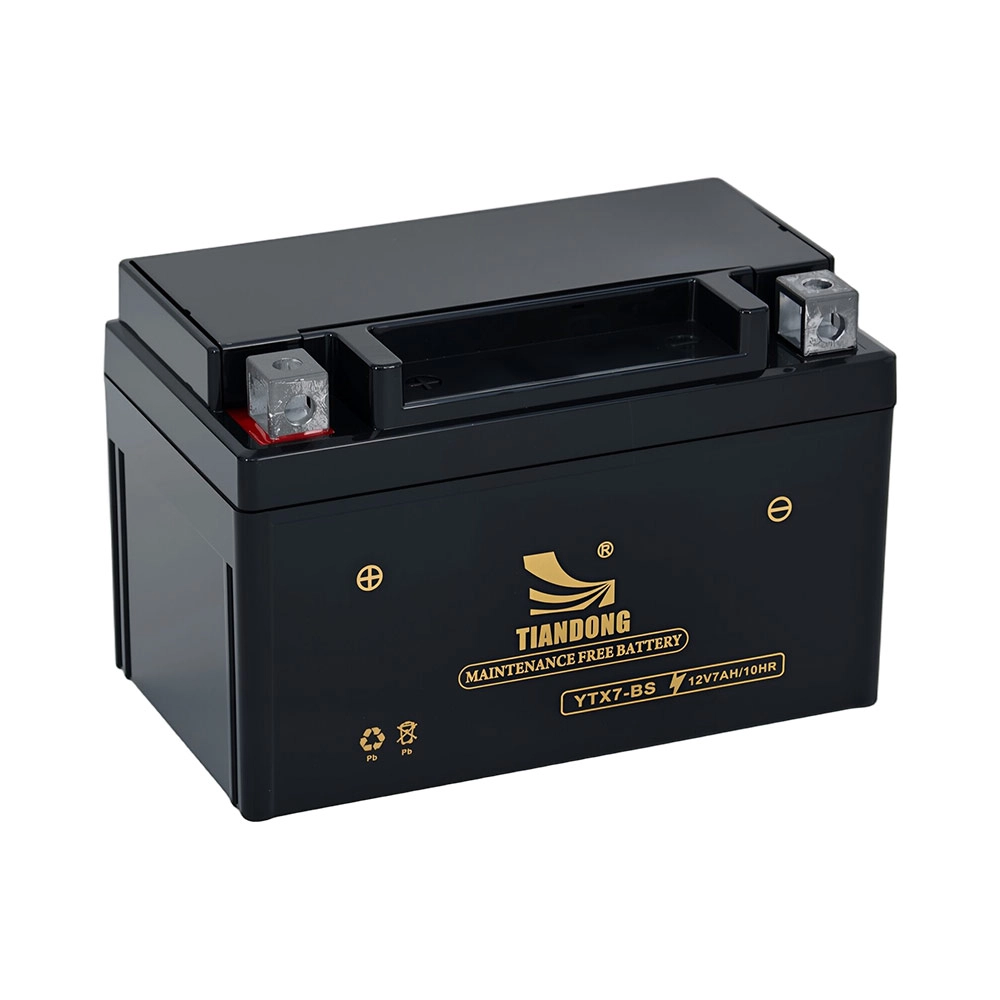
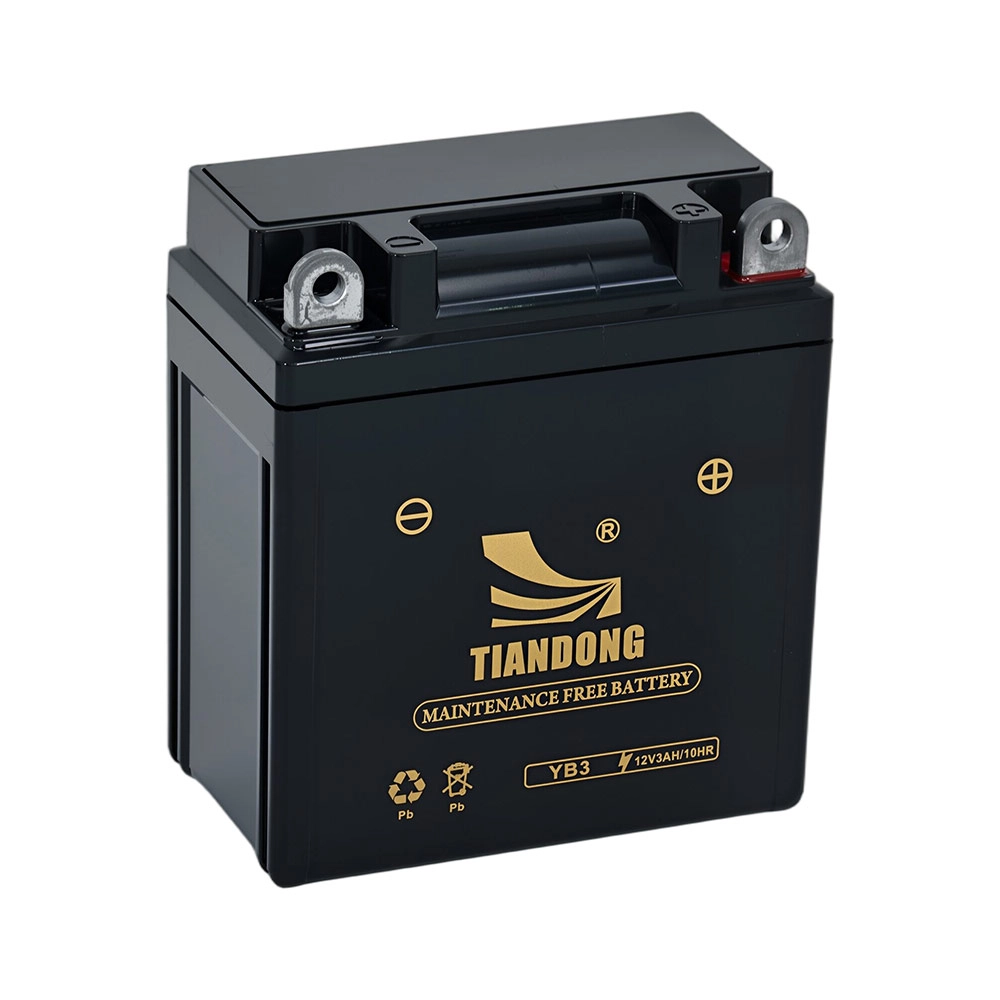
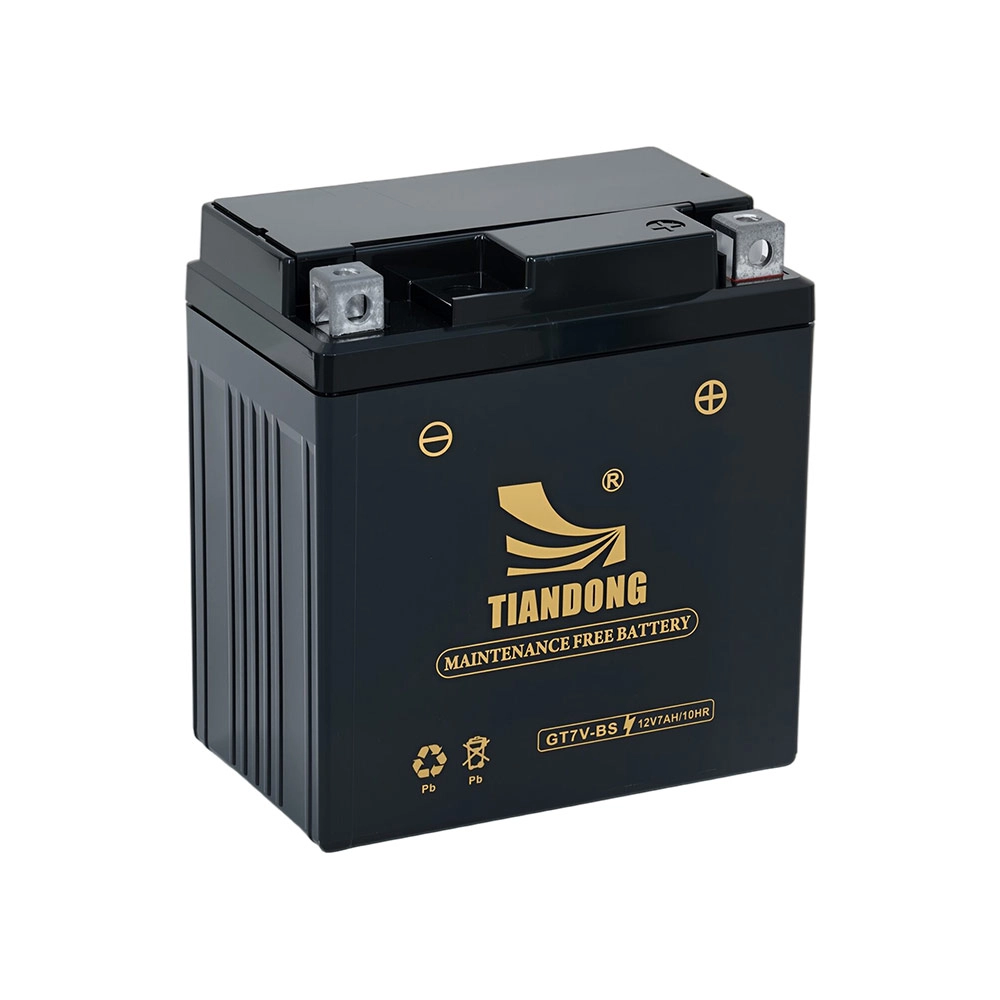
Get in touch with us to get your Motorbike Battery solution
TIANDONG is a leading motorcycle battery manufacturer offering OEM/ODM service, stable quality, and global export support.
Built for wholesalers. Trusted by global buyers. Delivered with confidence.
Say Hello
E-mail: daisybattery8@gmail.com
xianyingchen83@gmail. com
WhatsAPP: +86 134 283 86694
+86 134 348 86641
Our Location
Social Links
© 2025 TIANDONG. All Rights Reserved. Privacy Policy | Terms and Conditions | Sitemap
 Scan QR Code
Facebook
Instagram
Scan QR Code
Whatsapp: +8613434886641