






Choosing a Good Motorcycle Battery: 2026 Buyer's Guide & Tech Review
What defines a good motorcycle battery in 2026?
A high-quality motorcycle battery is defined by its ability to deliver consistent Cold Cranking Amps (CCA), resist vibration damage, and maintain a charge during long idle periods. In 2026, the best batteries distinguish themselves through advanced internal construction—specifically high-purity lead plates and spill-proof designs—rather than just brand names.
Modern riders demand a "set-and-forget" experience. While basic functionality remains the same, the technology driving reliability has evolved. A good battery must handle the increased electrical load of modern accessories (GPS, heated grips, anti-theft systems) without succumbing to parasitic drain. Reliability is no longer just about starting the bike; it's about sustaining the entire electrical ecosystem.
Key Characteristics of Top-Tier Batteries:
- High CCA Output: Ensures immediate ignition even in sub-zero temperatures.
- Vibration Resistance: Essential for V-twins and off-road bikes where engine rumble can crack internal plates.
- Low Self-Discharge: Premium AGM and Lithium units can sit for months without losing critical voltage.
- Sealed Design: Leak-proof construction protects your bike’s frame and wiring from acid damage.
Quick Summary: Top Criteria for Selection
To select the right battery, you must match the CCA rating to your engine size and ensure the physical dimensions fit your battery box securely. Never guess; an underpowered battery will fail to turn over a high-compression engine, while the wrong terminal orientation can make installation impossible.
When browsing for a replacement, prioritize these four technical metrics:
- Voltage Compatibility: Ensure a standard 12V output. While 6V exists for vintage bikes, 12V is the universal standard for modern systems.
- CCA Rating: This is the most critical metric for starting power. According to industry data, small engines (125-250cc) typically require 50-100 CCA, while large displacement cruisers (1000cc+) demand 300+ CCA to turn over reliably.
- Chemistry Choice: Decide between the cost-effectiveness of a Maintenance-free lead acid battery (AGM) or the performance benefits of Lithium.
- Physical Fitment: Verify case dimensions (Length x Width x Height) and terminal polarity (+/- placement) to prevent short circuits during install.
The Evolution of Battery Tech: AGM vs. Lithium-Ion
The debate of AGM vs Lithium motorcycle battery technology comes down to a trade-off between upfront cost and long-term longevity. AGM remains the robust industry standard, while Lithium offers high-performance weight savings.

AGM (Absorbent Glass Mat): Currently the most popular choice for daily riders. In these batteries, the acid is absorbed into fiberglass mats sandwiched between lead plates. This design makes them spill-proof and highly resistant to vibration. They are ideal for riders who want reliable performance at a moderate price point.
Lithium (LiFePO4): Lithium batteries are the premium option for 2026. They weigh up to 70% less than lead-acid equivalents and charge significantly faster. Crucially, high-quality lithium units include a Battery Management System (BMS)—a circuit board that balances cells and prevents overcharging or deep discharge, which can be catastrophic for lithium chemistry.
Comparison of Technologies:
- AGM: Best for cold climates, touring bikes, and budget-conscious riders. Lifespan: 3-5 years.
- Lithium: Best for sportbikes, racing, and riders seeking weight reduction. Lifespan: 5-10 years.
- Gel: Excellent for extreme lean angles but requires specific charging profiles.
- Flooded: The cheapest option, but requires monthly electrolyte checks (becoming obsolete).
According to recent market analysis by Rhino USA (2024), lithium batteries can last up to 8 years under ideal conditions, whereas traditional lead-acid units average 2-3 years.
The Manufacturing Benchmark: Why In-House Production Matters
True reliability starts at the manufacturing level, specifically with the quality of the electrode plates. Many generic brands outsource component production, leading to inconsistent lead purity and weak internal grids that snap under vibration.
Industry leaders like TIANDONG (Pingxiang Tiandong Electric Appliance Co., Ltd.) set the benchmark by utilizing full in-house manufacturing. Located in a 200-acre facility, Tiandong produces 15,000 tons of electrode plates annually. By controlling the entire process—from grid casting and lead paste coating to plate curing and acid filling—they ensure every battery meets strict international standards.
Why Vertical Integration Improves Reliability:
- Plate Purity: In-house production ensures the lead used in plates is free of impurities that cause early corrosion.
- Automated Assembly: Automated lines for acid filling and capacity testing eliminate human error, ensuring every unit delivers its rated specifications.
- Customization: Brands with ODM capabilities can tune the electrolyte formula for specific regional climates (e.g., tropical heat vs. northern cold).
- Compliance: Adherence to CE, RoHS, and MSDS standards guarantees safety and environmental responsibility.
5 Expert Tips to Extend Your Battery's Lifespan
Regardless of chemistry, battery life is heavily influenced by maintenance habits. A vibration resistance rating means nothing if the battery is allowed to sulfate during winter storage.
Follow these expert protocols to maximize service life:
- Clean Terminals: Regularly remove road grime and oxidation. Apply dielectric grease to terminals to prevent corrosion which increases resistance.
- Use a Smart Maintainer: If the bike sits for more than two weeks, connect a smart trickle charger. This is crucial for preventing deep discharge.
- Avoid Deep Cycling: Never let a lead-acid battery drop below 50% charge. Deep discharges cause sulfation—crystallization on the plates that permanently reduces capacity.
- Secure Mounting: Ensure the battery is strapped down tight. Internal damage often occurs when loose batteries bounce against the frame, cracking the internal grid.
- Monitor Voltage: Periodically check your charging system. A healthy system should output between 13.8V and 14.4V. Anything higher cooks the battery; anything lower leads to sulfation.
Frequently Asked Questions (FAQ)
How long should a good motorcycle battery last? Typically 3 to 5 years for AGM and up to 8 years for Lithium, depending on maintenance and climate. Data suggests that AGM batteries generally outlast conventional flooded types due to their sealed design which minimizes acid loss.
What is the difference between AGM and Lead-Acid? AGM is a sub-type of lead-acid battery. The key difference is that in AGM, the acid is absorbed into fiberglass mats rather than sloshing freely. This makes AGM batteries spill-proof, maintenance-free, and significantly more resistant to vibration than standard flooded lead-acid batteries.
Does a motorcycle battery charge while idling? Technically yes, but barely. Most modern bikes provide a minimal charge at idle RPMs. However, if you have accessories like headlights or heated gear running, the draw may exceed the alternator's output at idle, actually draining the battery. Peak charging typically occurs above 3,000 RPM.
What CCA rating do I need for my motorcycle? Always check your owner's manual first. As a general rule, larger engines with high compression ratios require more power. A 1000cc+ engine typically needs a battery with 300+ Cold Cranking Amps (CCA), whereas a smaller 250cc scooter may only need 100 CCA.
Can I use a lithium battery in an older motorcycle? Yes, but with a caution regarding the charging system. You must ensure your bike's regulator/rectifier does not exceed 14.6V, as high voltage can damage lithium cells. Always choose a lithium battery with a built-in Battery Management System (BMS) to protect against voltage spikes.
Why do motorcycle batteries fail in winter? Cold temperatures slow down the chemical reaction inside the battery, temporarily reducing its ability to deliver current. Simultaneously, if a battery is left partially discharged in the cold, the electrolyte can freeze and crack the case. Self-discharge combined with parasitic drain is the leading cause of winter failure.
How often should I put my motorcycle battery on a tender? If you ride less than once a week, use a tender whenever the bike is parked. Modern smart tenders monitor the voltage and only apply current when necessary, so they can be left connected indefinitely without risk of overcharging.
What are the signs of a dying motorcycle battery? Common signs include a slow, sluggish engine crank, a "clicking" sound when pressing the starter button, or headlights that dim significantly when the bike is idling. Visually, look for any swelling of the battery case or white powdery corrosion around the terminals.

MOQ, lead time and shipping for electric motorcycle battery orders

Unleash Peak Performance: Discover Tiandong's YTX7L Motorcycle Battery for Unrivaled Power and Durability

Bulk Buying Tips for Reliable Motorcycle Batteries

How to Choose a Good Motorcycle Battery: Buyer Tips
Questions you may concerned about
Product
What kind of battery is best for a motorcycle?
AGM batteries are a popular choice because they combine the best of both worlds: the durability of lead-acid batteries and the low maintenance of lithium-ion batteries. AGM batteries are sealed, so they don't require water refills, and they're designed to handle rough conditions, making them ideal for motorcycles.
How long is the lead time and where do you ship?
Standard lead time is 7–15 days. We export to over 20 countries, including Vietnam, India, Egypt, and Thailand.
What certifications do your batteries have?
Our batteries are certified with CE, ISO9001, and RoHS, and meet export standards for markets in Southeast Asia, South Asia, and Africa.
Are your batteries maintenance-free?
Yes, our batteries are sealed VRLA or GEL types that require no water refilling. They are ready to use and easy to maintain.
Shipping
Which countries does Tiandong export to?
Tiandong batteries are exported to more than 20 countries, including Vietnam, India, Egypt, Thailand, and Indonesia.
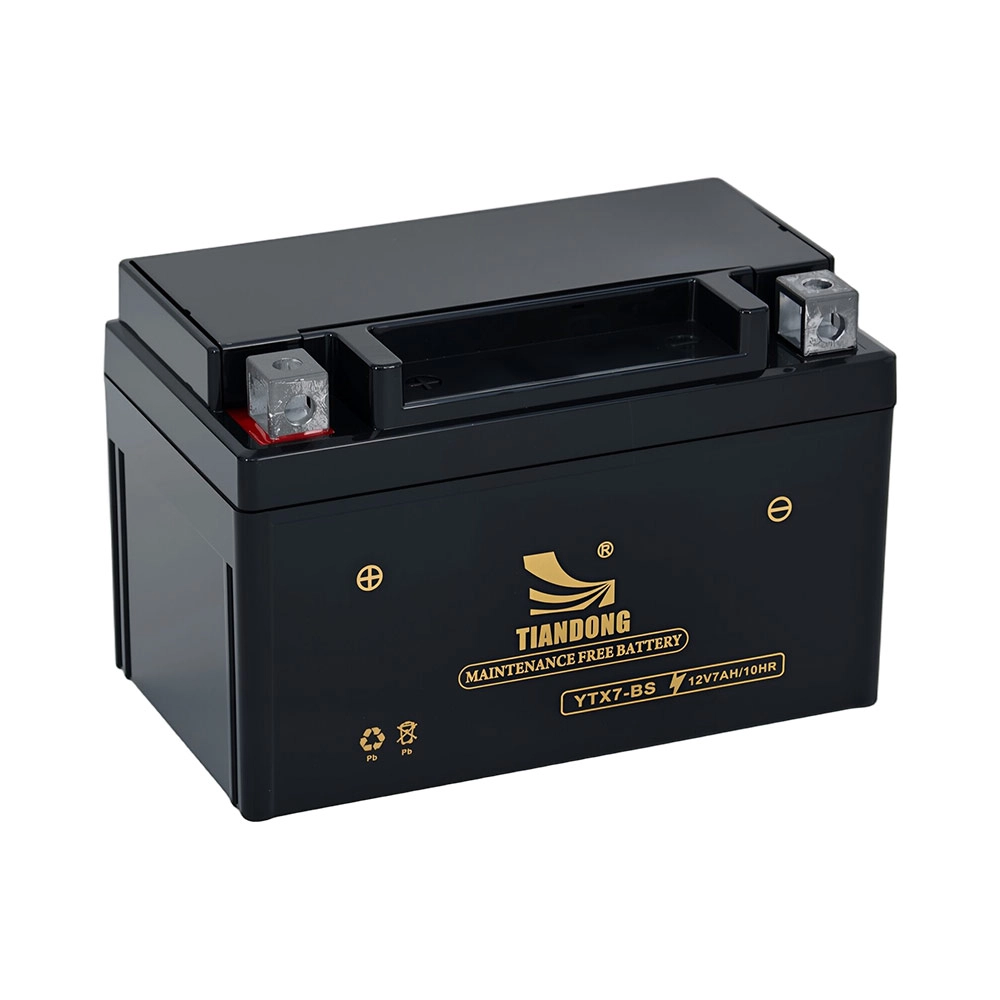
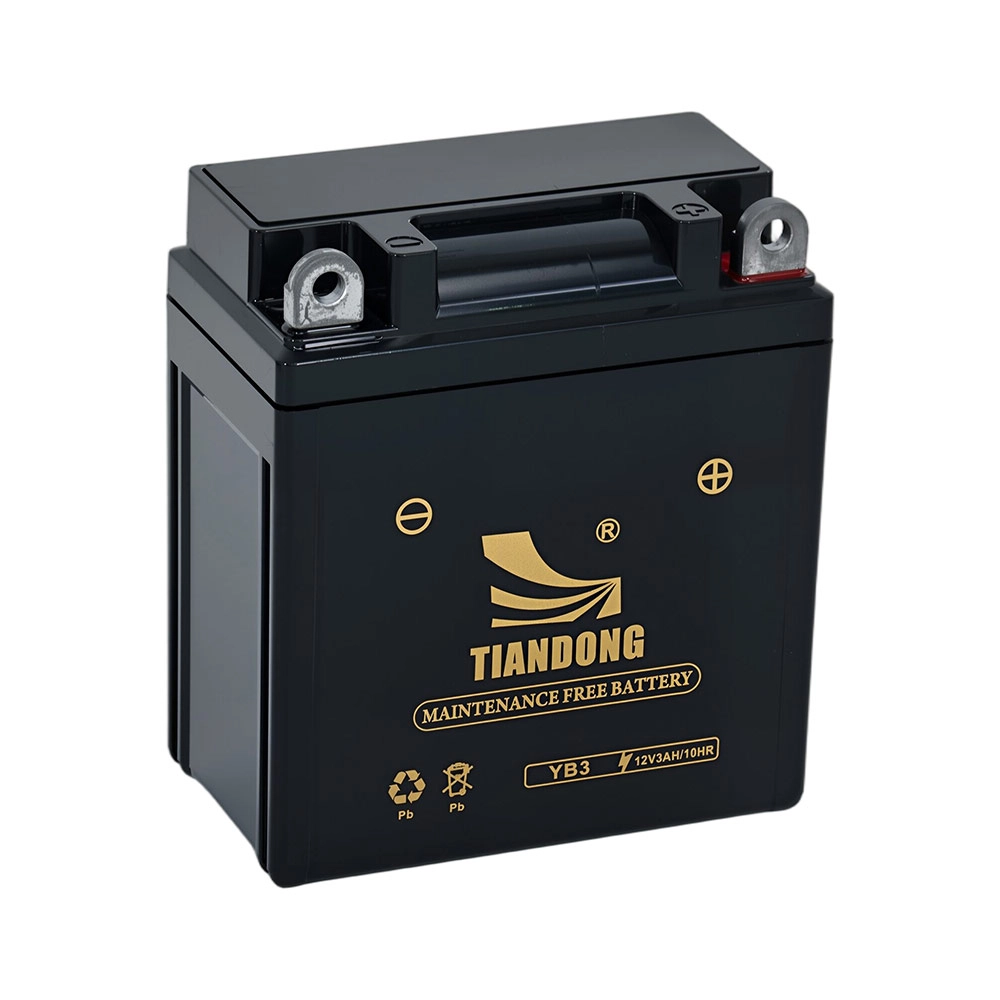
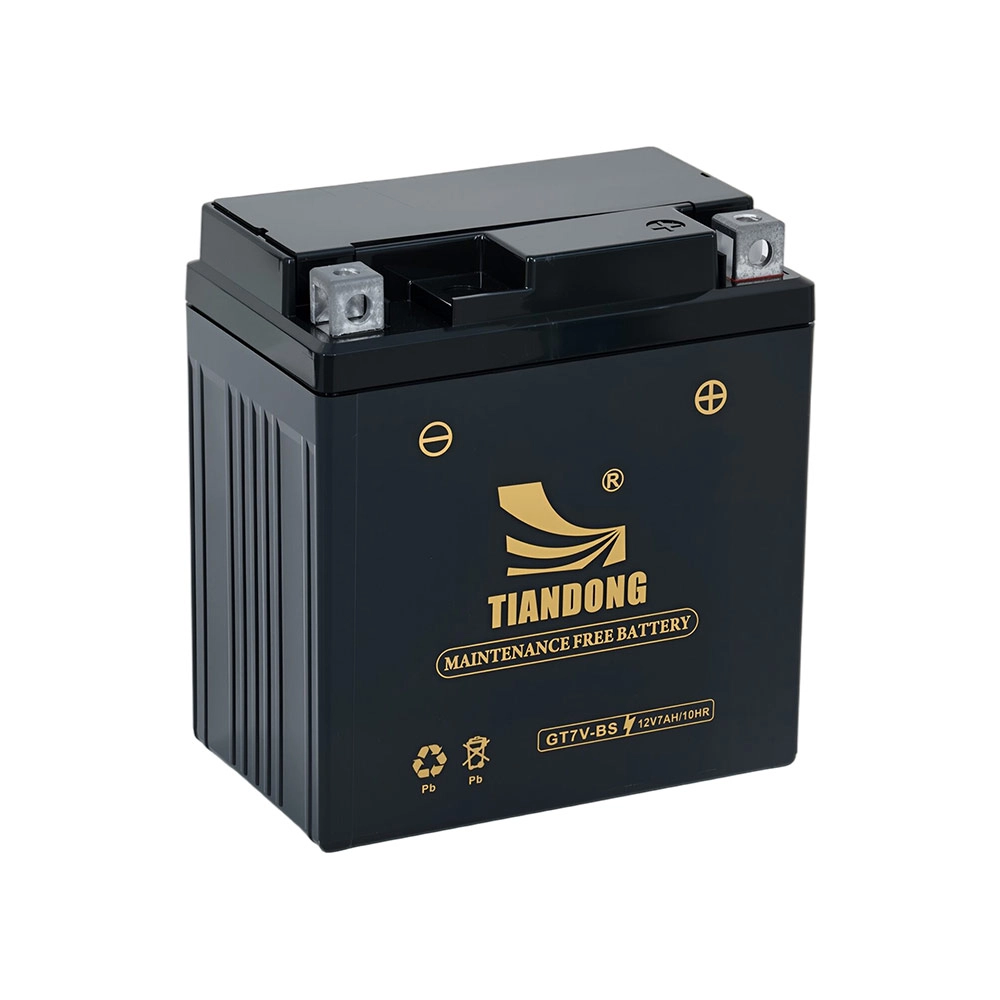
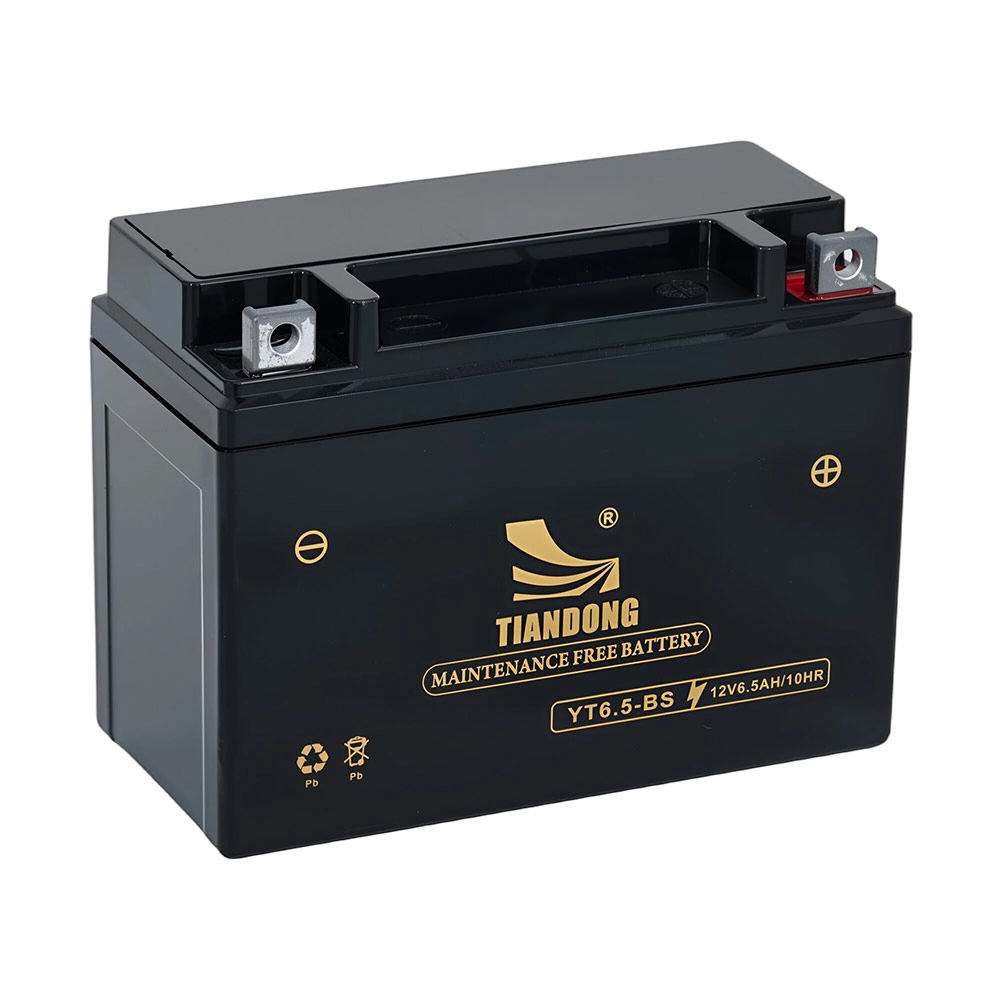
Get in touch with us to get your Motorbike Battery solution
TIANDONG is a leading motorcycle battery manufacturer offering OEM/ODM service, stable quality, and global export support.
Built for wholesalers. Trusted by global buyers. Delivered with confidence.
Say Hello
E-mail: daisybattery8@gmail.com
xianyingchen83@gmail. com
WhatsAPP: +86 134 283 86694
+86 134 348 86641
Our Location
Social Links
© 2025 TIANDONG. All Rights Reserved. Privacy Policy | Terms and Conditions | Sitemap
 Scan QR Code
Facebook
Instagram
Scan QR Code
Whatsapp: +8613434886641