






Maintenance-Free Lead-Acid vs Lithium: Best Motorcycle Battery
- Understanding motorcycle battery technologies
- Lead-acid batteries: maintenance-free variants and how they work
- Lithium batteries: LiFePO4 and lithium-ion options
- Key criteria to define a good motorcycle battery
- Performance comparison: maintenance-free lead-acid vs lithium
- Energy density, weight and practical impact
- Cycle life, durability and reliability in the field
- Cost, safety and environmental considerations
- Use cases and practical recommendations
- When to choose maintenance-free lead-acid (TIANDONG 6-GFM-250)
- When a lithium battery is the better option
- Why TIANDONG 6-GFM-250 is a strong candidate for a good motorcycle battery
- Factory-direct quality, customization and supply chain advantage
- Installation, maintenance and after-sales support
- Environmental compliance and end-of-life handling
- Practical tips for choosing and installing a good motorcycle battery
- Match specifications, not just size
- Charging systems and BMS considerations
- Storage, winter care and long-term reliability
- Frequently Asked Questions (FAQ)
- Q: Which battery type gives the best value for most riders?
- Q: Is TIANDONG 6-GFM-250 suitable for motorcycles?
- Q: Are lithium batteries safe for everyday motorcycle use?
- Q: How do I determine the correct replacement capacity?
- Authoritative resources and references
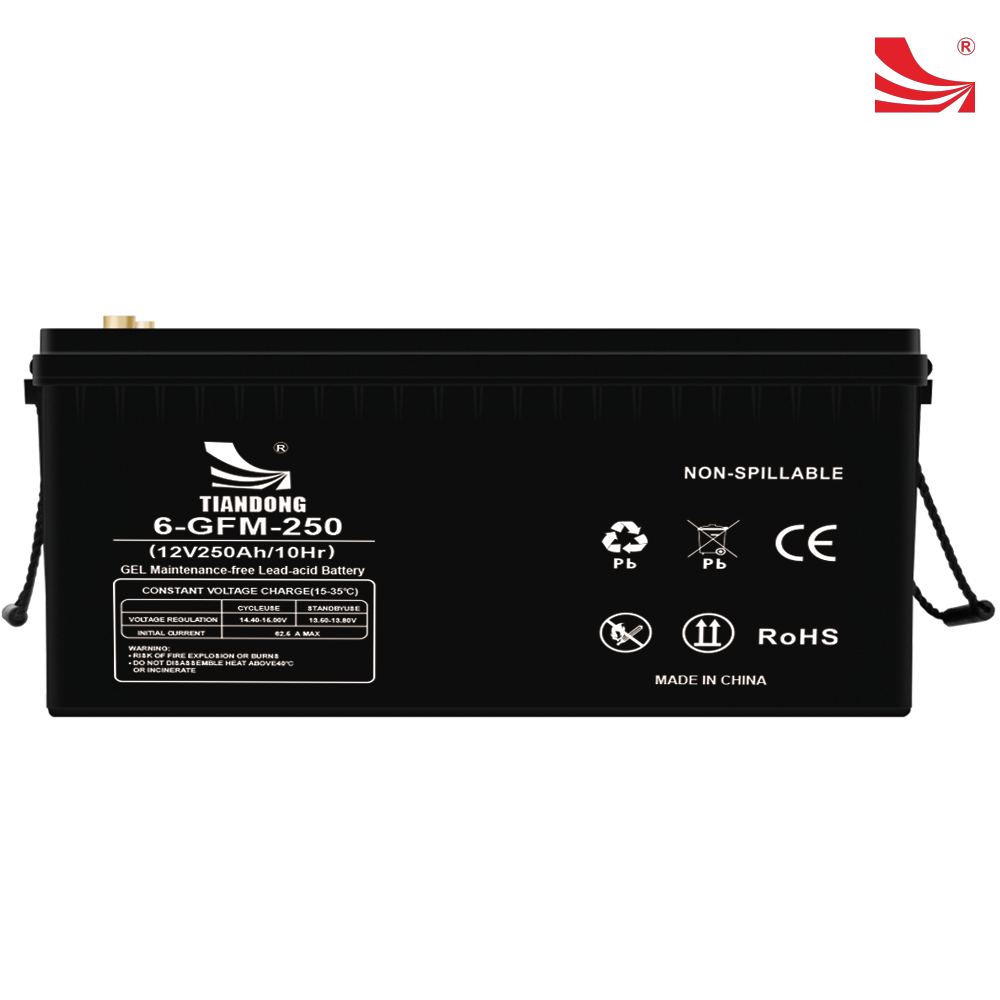
Finding a good motorcycle battery requires balancing reliability, weight, cost, and long-term durability. This article compares maintenance-free lead-acid and lithium options to help riders, fleet managers, and dealers choose the right power source. It covers technical differences, real-world performance, lifecycle costs, safety, and the suitability of the TIANDONG 6-GFM-250 (12V250AH) Maintenance-free high-quality lead-acid battery from source factory for motorcycle and energy storage applications.
Understanding motorcycle battery technologies
Lead-acid batteries: maintenance-free variants and how they work
Lead-acid batteries remain a dominant choice for many motorcycles because they are affordable, tolerant of charging variability, and easy to recycle. The maintenance-free lead-acid variants (often AGM or gel sealed designs) are valve-regulated and do not require periodic topping-up of electrolyte. These batteries typically provide strong cold-cranking performance for starter motors and are widely regarded as a good motorcycle battery choice for standard and heavy-duty applications. For a technical overview, see the Lead–acid battery (Wikipedia).
Lithium batteries: LiFePO4 and lithium-ion options
Lithium technologies (commonly LiFePO4 for powersports) offer much higher energy density and lower weight than lead-acid. A lightweight lithium battery can dramatically reduce motorcycle weight and improve handling. Lithium batteries also have low self-discharge and superior cycle life in many use cases. However, they require precise battery management systems (BMS) and careful charging to avoid damage. For fundamentals, consult Lithium-ion battery (Wikipedia) and resources such as Battery University.
Key criteria to define a good motorcycle battery
When evaluating any battery you should consider: starting power (CCA), amp-hour capacity, weight, physical size and fit, cold-weather performance, cycle life, charge compatibility with your motorcycle's system, cost per year of service, and safety certifications. These criteria help you decide whether a maintenance-free lead-acid battery like the TIANDONG 6-GFM-250 or a lithium option better matches your needs as a reliable motorcycle battery, long-life bike battery, or lightweight performance battery.
Performance comparison: maintenance-free lead-acid vs lithium
Energy density, weight and practical impact
Lithium batteries typically offer 3–4x the energy density of lead-acid, which translates to lower weight for the same usable capacity. That makes lithium attractive for sport and lightweight motorcycles where handling and power-to-weight matter. However, many touring and utility motorcycles prioritize features like accessory loads and predictable behaviour under variable charging conditions, where a maintenance-free lead-acid battery performs reliably as a good motorcycle battery option.
Cycle life, durability and reliability in the field
Cycle life varies by chemistry and usage. A quality LiFePO4 pack can deliver thousands of cycles at shallow depths of discharge, while sealed lead-acid cycles are typically lower but can be robust if kept charged and used within design parameters. In practical motorcycle use, lead-acid can be more tolerant to overcharging or inconsistent charging systems, making it a dependable, long-life bike battery for many riders.
Cost, safety and environmental considerations
Upfront cost: lithium batteries tend to be more expensive initially. Total cost of ownership: lithium may win if weight savings and longer life deliver measurable benefits. Safety: lithium needs a quality BMS and proper charging; lead-acid is well-understood and widely recycled. Environmental impact: lead recycling is established and regulated; lithium recycling infrastructure is growing but less mature. Official safety and recycling advice can be consulted at the Battery Council International and other industry sources.
| Metric | Maintenance-Free Lead-Acid (e.g., AGM) | Lithium (LiFePO4) |
|---|---|---|
| Energy density (Wh/kg) | ~30-50 | ~90-160 |
| Weight for similar capacity | Heavier | Lighter (30–70% lighter) |
| Typical cycle life | 200-800 cycles (depends on depth of discharge) | 1000+ cycles (LiFePO4 often 2000+ at shallow DOD) |
| Cold-cranking ability | Strong at low temps | Good, but performance may vary with temperature and BMS |
| Upfront cost | Lower | Higher |
| Maintenance | Minimal to none for sealed types | Minimal; requires proper charging system |
| Recycling | Mature infrastructure | Developing infrastructure |
Use cases and practical recommendations
When to choose maintenance-free lead-acid (TIANDONG 6-GFM-250)
Choose a maintenance-free lead-acid battery if you need a dependable, cost-effective starter battery that tolerates inconsistent charging and extreme starting demands. The TIANDONG 6-GFM-250 (12V250AH) Maintenance-free high-quality lead-acid battery from the source factory is an excellent option where capacity and durability are priorities for longer resting periods, heavy accessory loads, or backup/energy-storage soaked applications. The TIANDONG 6-GFM-250 integrates OEM customization and factory-quality controls, which helps ensure consistent delivery of a good motorcycle battery when larger capacity or robust charging tolerance is required.
When a lithium battery is the better option
If weight is critical (sport bikes, racing, or performance tuning), or you need the absolute longest cycle life and minimal weight penalty, lithium is likely the better choice. Lithium is also attractive for riders who can guarantee a compatible charging system and who prioritize low self-discharge (e.g., infrequent use). Consider a lithium battery if upfront cost is acceptable relative to expected life and performance gains.
Why TIANDONG 6-GFM-250 is a strong candidate for a good motorcycle battery
Product:
TIANDONG 6-GFM-250 energy storage batteries As a high-quality batteries export supplier and trusted battery factory worldwide, TIANDONG offers OEM customization to meet your specific needs with High Quality performance and durability.
Factory-direct quality, customization and supply chain advantage
TIANDONG positions itself as a source factory and trusted battery factory worldwide. Buying a battery like the TIANDONG 6-GFM-250 directly from a reputable factory with OEM customization options can provide advantages: consistent cell sourcing, QC processes, tailored terminal layouts and capacities, and clearer supply lines for replacement or fleet purchases. For dealers and fleet managers seeking a reliable and customizable long-life bike battery or energy storage solution, factory direct sourcing reduces ambiguity about specification and manufacturing standards.
Installation, maintenance and after-sales support
Maintenance-free lead-acid batteries like the TIANDONG 6-GFM-250 simplify installation and require virtually no regular maintenance—no electrolyte topping or frequent checks. This reduces total cost of ownership for many users. A reputable factory supplier typically offers technical documentation, recommended charging profiles, and spare part support, which are valuable to motorcycle service shops and fleet operators looking for a dependable replacement battery.
Environmental compliance and end-of-life handling
TIANDONG and similar established manufacturers typically comply with regional regulations for lead-acid battery recycling and transport. This makes sealed lead-acid batteries easier to manage at end-of-life because lead recycling networks are mature in many markets. If environmental footprint and recyclability are priorities, a maintenance-free lead-acid battery from a regulated source factory can be a pragmatic choice.
Practical tips for choosing and installing a good motorcycle battery
Match specifications, not just size
Always match CCA (cold cranking amps), voltage, terminal layout, and physical dimensions to the motorcycle's OEM specifications. A battery that fits physically but lacks sufficient CCA will underperform on cold starts. For energy storage or sidecar applications requiring capacity, prioritize amp-hour capacity and reserve capacity as needed.
Charging systems and BMS considerations
Ensure compatibility between your motorcycle's charging regulator and the battery chemistry. Lithium packs need a compatible charging profile and a quality BMS; many manufacturers supply guidance on charging voltages. Maintenance-free lead-acid batteries are generally more forgiving of factory motorcycle charging systems, which is why they remain a reliable, widely-used choice.
Storage, winter care and long-term reliability
For long storage or winter lay-up, a maintenance-free lead-acid battery should be stored at a full charge and periodically charged to avoid sulfation. Lithium has low self-discharge but still benefits from a partial charge storage level and a protected environment to avoid temperature extremes. Both chemistries benefit from periodic checks to ensure longevity.
Frequently Asked Questions (FAQ)
Q: Which battery type gives the best value for most riders?
A: For most riders, a maintenance-free lead-acid battery provides the best balance of upfront cost, reliability, tolerance to motorcycle charging systems, and ease of replacement—making it a strong candidate for a dependable, good motorcycle battery.
Q: Is TIANDONG 6-GFM-250 suitable for motorcycles?
A: The TIANDONG 6-GFM-250 (12V250AH) is a high-capacity maintenance-free lead-acid battery suited for heavy accessory loads, long-term energy storage, or specialty motorcycle configurations (e.g., touring rigs, sidecars, or custom electrical systems). Confirm physical fit and terminal layout before installation. Contact the supplier for OEM customization if needed.
Q: Are lithium batteries safe for everyday motorcycle use?
A: Yes, when properly specified and managed. Use a lithium battery with an integrated BMS and ensure your motorcycle's charging system is compatible. Many riders choose lithium for weight savings and long cycle life, but they should follow manufacturer charging and temperature guidelines.
Q: How do I determine the correct replacement capacity?
A: Use your OEM manual for baseline CCA and voltage requirements. For amp-hour capacity, consider additional accessories (heated grips, navigation, lighting) and choose a battery with adequate reserve capacity. Consulting a battery specialist with motorcycle-specific experience can help match a good motorcycle battery to your use case.
Contact sales / View product: To learn more or request OEM customization, view the TIANDONG 6-GFM-250 product page or contact our sales team for specifications, datasheets and factory pricing.
Authoritative resources and references
- Lead–acid battery — Wikipedia
- Lithium-ion battery — Wikipedia
- Battery University — Practical battery knowledge
- Battery Council International — Industry resources
Choosing the best motorcycle battery depends on the rider's priorities. If you need a maintenance-free, reliable, cost-effective and factory-backed solution that tolerates a wide range of charging conditions, the TIANDONG 6-GFM-250 (12V250AH) from the source factory is a strong candidate. If light weight and maximum cycle life are your top priorities and you can ensure a compatible charging system, consider a lithium alternative.
Once you have decided on the right battery chemistry for your riding style, you need a practical strategy for your next purchase. Check out our comprehensive guide on How to Choose a Good Motorcycle Battery: Buyer Tips to ensure a perfect match for your bike.

Seasonal Storage Guide for AGM Motorcycle Battery YTX7-BS

Bulk Sourcing 12N5-BS Small Motorcycle Battery: Specs & Pricing

YTX7-BS vs YTX9-BS: which is the best motorcycle battery?

YTX7-BS 12V 7Ah Review: AGM Motorcycle Battery Pros and Cons
Questions you may concerned about
Product
What certifications do your batteries have?
Our batteries are certified with CE, ISO9001, and RoHS, and meet export standards for markets in Southeast Asia, South Asia, and Africa.
What kind of battery is best for a motorcycle?
AGM batteries are a popular choice because they combine the best of both worlds: the durability of lead-acid batteries and the low maintenance of lithium-ion batteries. AGM batteries are sealed, so they don't require water refills, and they're designed to handle rough conditions, making them ideal for motorcycles.
Do you offer OEM or custom branding?
Yes, we provide full OEM and ODM services, including logo printing, packaging customization, and model adjustments.
Why does my motorcycle battery keep dying?
Common causes include:
-
Faulty charging system
-
Parasitic drain
-
Old battery
-
Improper storage
Support
What is Tiandong’s production capacity?
The company produces approximately 6 million batteries per year, supported by 15,000 tons of electrode plate production capacity.
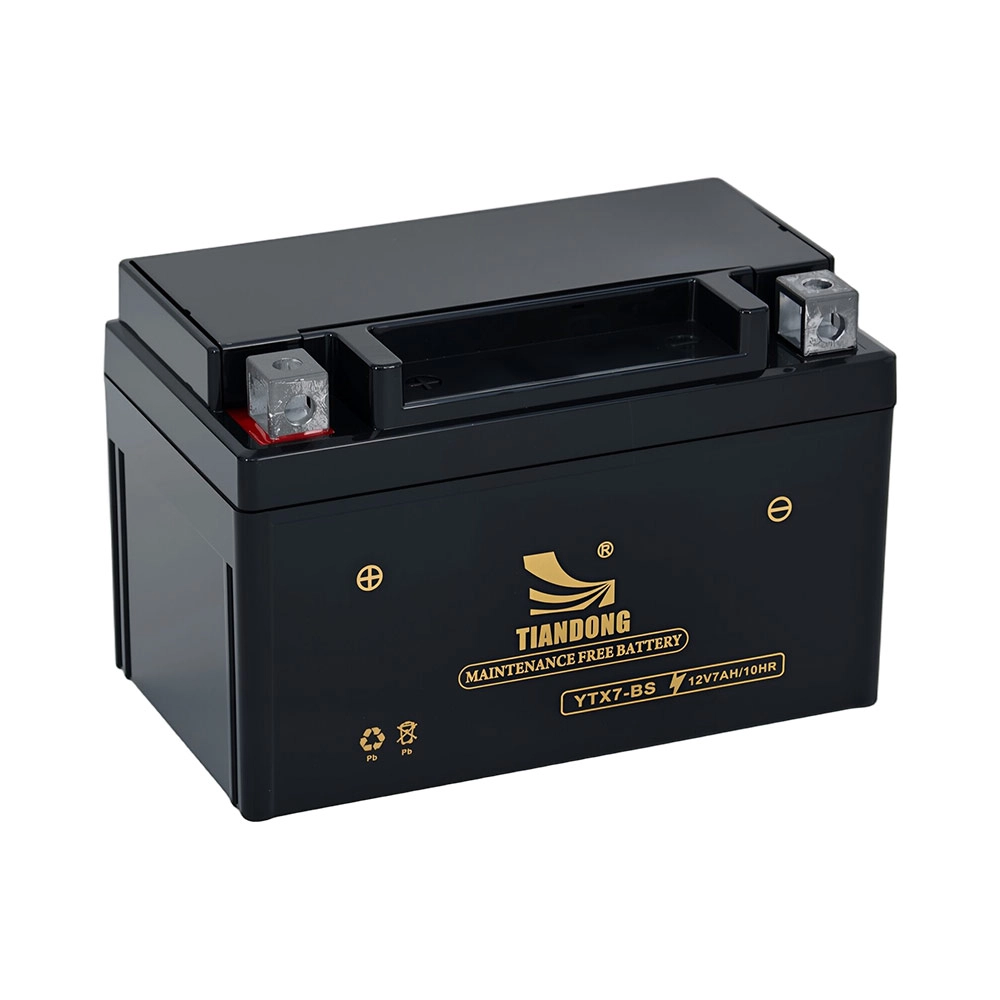
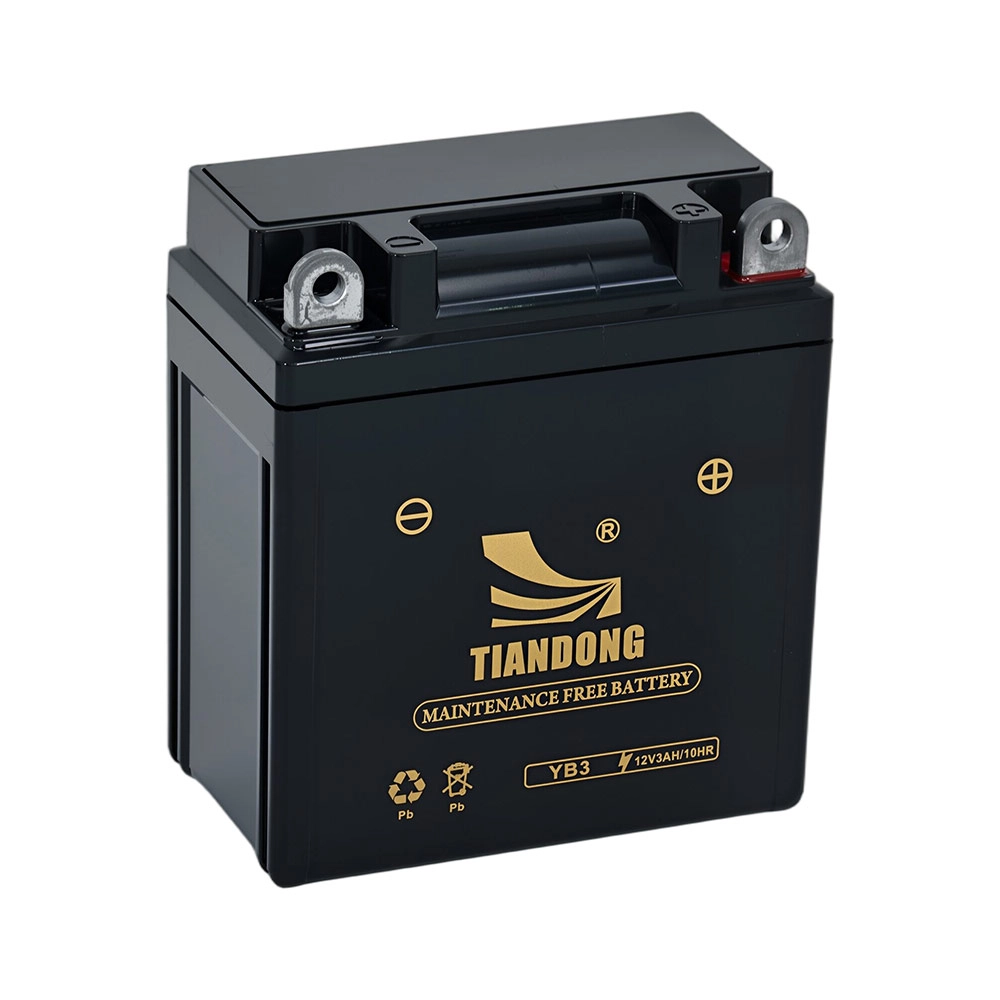
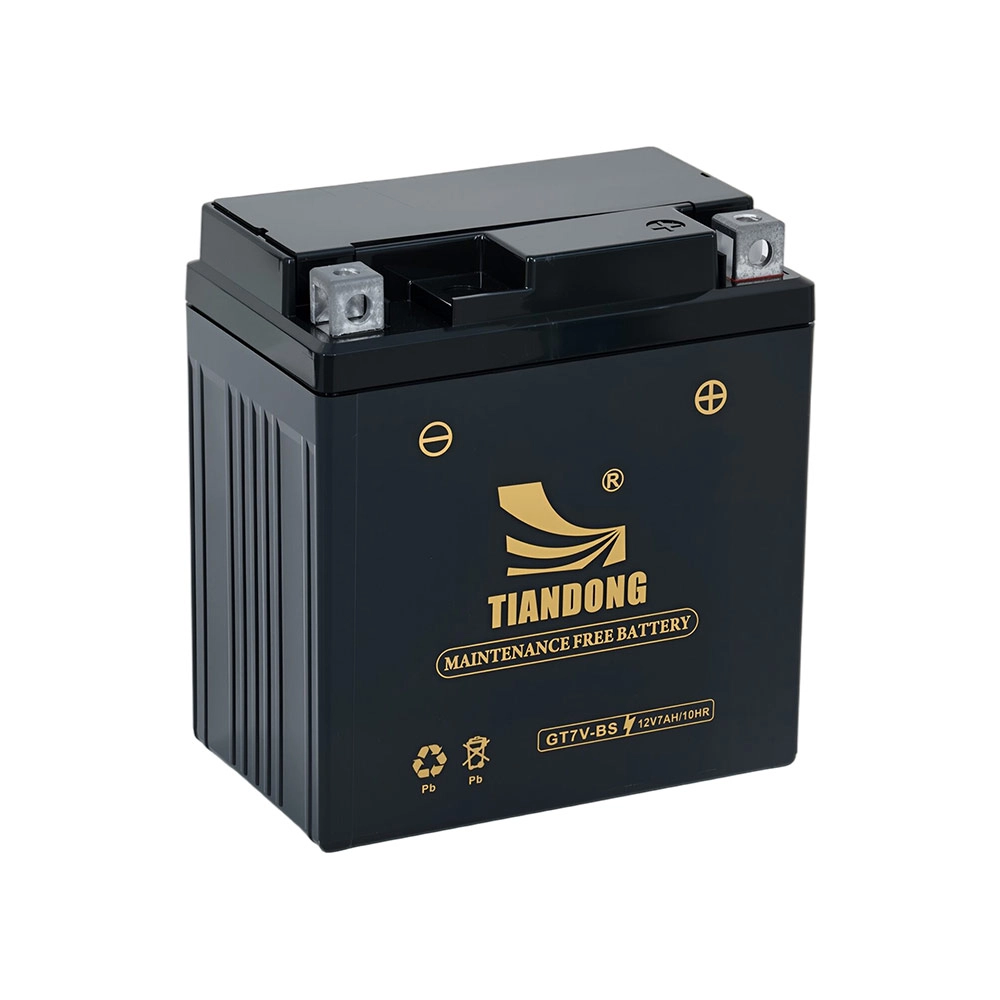
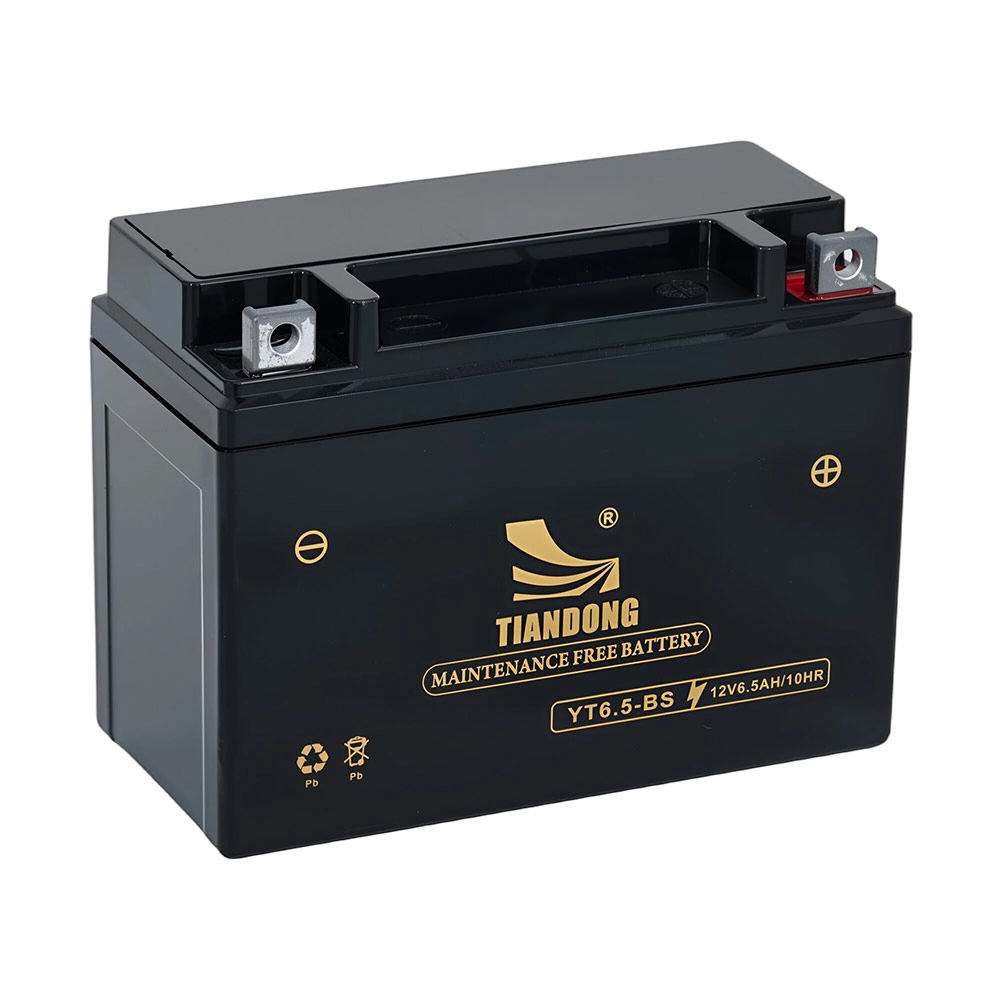
Get in touch with us to get your Motorbike Battery solution
TIANDONG is a leading motorcycle battery manufacturer offering OEM/ODM service, stable quality, and global export support.
Built for wholesalers. Trusted by global buyers. Delivered with confidence.
Say Hello
E-mail: daisybattery8@gmail.com
xianyingchen83@gmail. com
WhatsAPP: +86 134 283 86694
+86 134 348 86641
Our Location
Social Links
© 2025 TIANDONG. All Rights Reserved. Privacy Policy | Terms and Conditions | Sitemap
 Scan QR Code
Facebook
Instagram
Scan QR Code
Whatsapp: +8613434886641