






How to Install a YTX7L Motorcycle Battery Safely
- How to Install a YTX7L Motorcycle Battery Safely
- Why choosing a good motorcycle battery matters
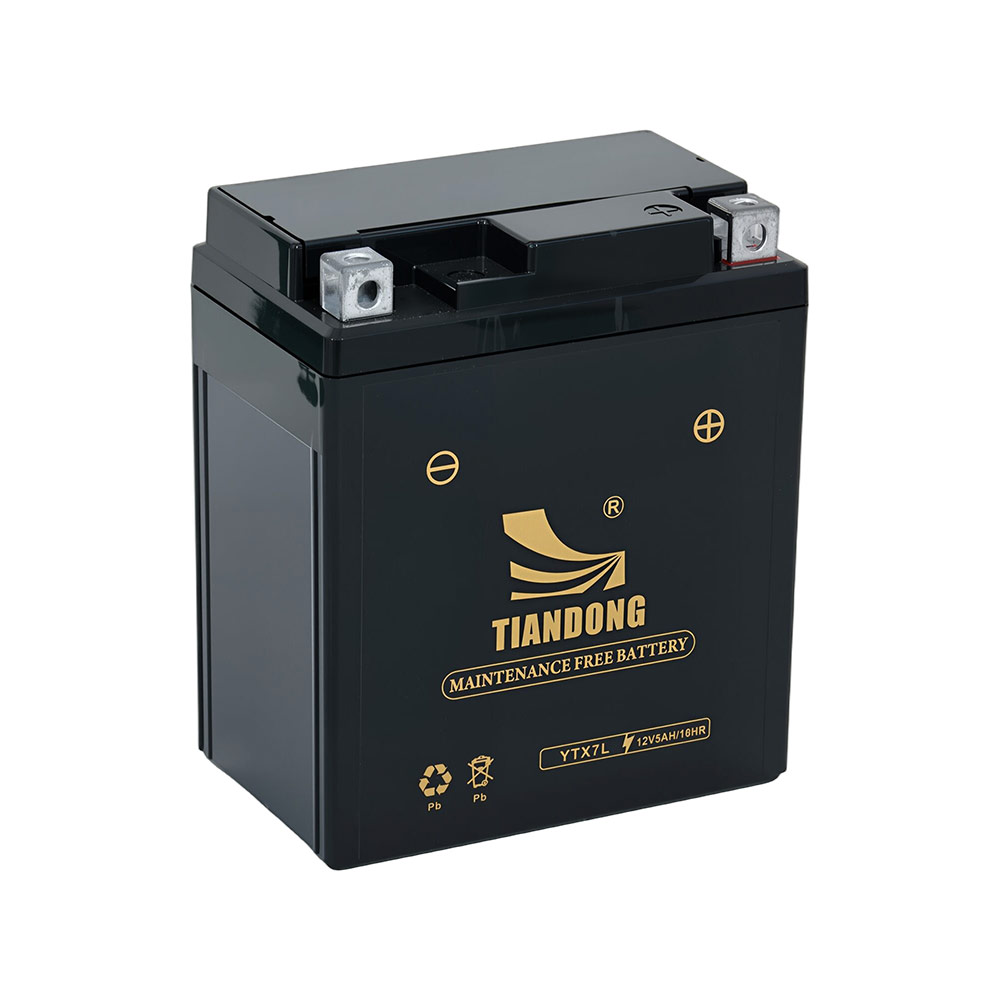
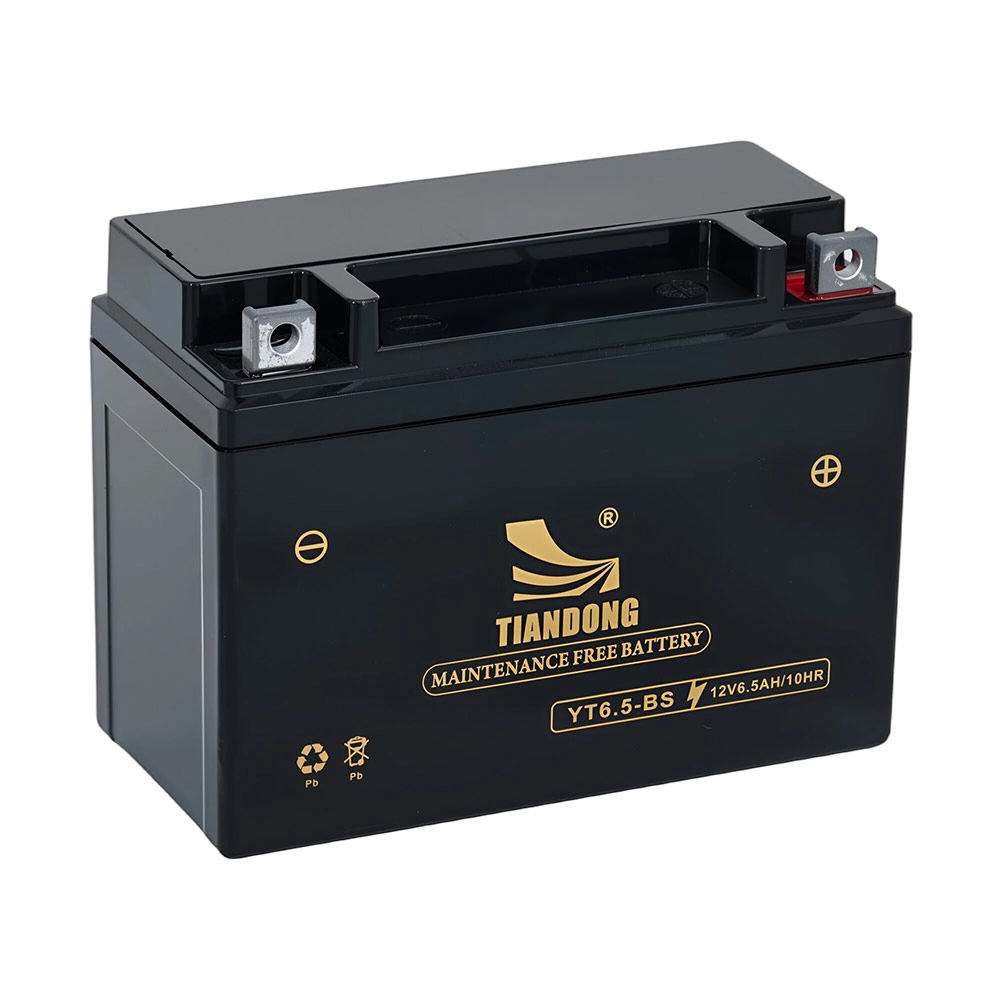
- Product overview: YTX7L 12V 7AH 125 Curved Beam Car Luxury Scooter Motorbike Battery
- Essential tools and safety gear before installing a good motorcycle battery
- Preparation: how to identify fitment and confirm YTX7L compatibility
- Step-by-step: safely install the YTX7L 12V 7AH battery
- Why this connection order matters for a good motorcycle battery
- Charging, break-in and testing the YTX7L for best performance
- Maintenance tips to maximize life of your good motorcycle battery
- Troubleshooting common installation and performance issues
- Comparing YTX7L to similar battery sizes — what makes a good motorcycle battery?
- Disposal and recycling — responsible practices for lead-acid batteries
- Why TIANDONG YTX7L is a good motorcycle battery choice
- FAQ — common questions about installing and using the YTX7L
- Q: Can I install the YTX7L myself?
- Q: Do I need to charge a new YTX7L before installation?
- Q: How long should a YTX7L battery last?
- Q: What if my vehicle has a lot of electronics (heated grips, alarms)?
- Q: How should I store the battery when the vehicle is not used for months?
- Contact and view product
- Authoritative references and further reading
How to Install a YTX7L Motorcycle Battery Safely
Why choosing a good motorcycle battery matters
A reliable power source is critical for starting, lighting and electronics on modern scooters, luxury microcars and motorbikes. Selecting and installing a good motorcycle battery ensures dependable starts, stable voltage to electronics and longer service life. The YTX7L line is a common replacement size for many scooters and smaller motorcycles; installing it correctly protects both your vehicle and the battery.
Product overview: YTX7L 12V 7AH 125 Curved Beam Car Luxury Scooter Motorbike Battery
The TIANDONG YTX7L 12V 7AH Motorbike Battery delivers reliable power for luxury scooters and cars. Designed as a custom motorbike battery, it ensures optimal performance and long-lasting durability for your vehicle’s needs. Experience superior energy with TIANDONG quality.
Essential tools and safety gear before installing a good motorcycle battery
Preparing the right tools and safety equipment prevents damage and injury. Before you start installation of the YTX7L 12V 7AH 125 Curved Beam Car Luxury Scooter Motorbike Battery, gather these items and follow the precautions below:
- Tools: insulated wrench set (usually 8mm–10mm sockets), terminal cleaner or wire brush, dielectric grease, multimeter, battery charger (smart charger with 12V setting), torque wrench (if manufacturer specifies torque), and soft cloths.
- Safety gear: safety glasses, acid-resistant gloves, and long-sleeve clothing. Work in a well-ventilated area—lead-acid batteries can emit hydrogen gas when charging.
- Precautions: remove metal jewelry, avoid open flames or sparks, keep tools away from both terminals simultaneously, and follow your vehicle manufacturer’s service manual for specific instructions.
Preparation: how to identify fitment and confirm YTX7L compatibility
Confirm that the YTX7L size (12V, 7AH) fits the battery compartment and that terminal polarity matches your vehicle (positive/negative orientation). A good motorcycle battery must match physical dimensions and terminal placement to avoid cable strain and short circuits. Check the owner’s manual or existing battery for pack size and terminal orientation—this avoids incorrect connections that can damage electronics.
Step-by-step: safely install the YTX7L 12V 7AH battery
This step-by-step procedure assumes the scooter or bike battery is a lead-acid sealed (AGM/GEL or conventional) YTX7L type. Follow the sequence and safety practices carefully:
- Power down: turn off ignition, remove key, close fuel valve (if applicable) and switch off any accessories.
- Access the battery: remove seat or access panel per vehicle manual. Note connections and take a photo for reference.
- Remove ground first: disconnect the negative (−) terminal first to reduce short-circuit risk. Use an insulated wrench and tuck the cable away from the battery area.
- Disconnect positive: loosen and remove the positive (+) terminal. Keep terminals from touching metal surfaces.
- Remove hold-down hardware: unbolt the strap or clamp carefully. Lift out the old battery—use both hands and avoid tipping it.
- Inspect compartment and cables: clean corrosion with a baking soda solution (if necessary), then dry. Check cables and connectors for frays or looseness. Replace if damaged.
- Install new battery: place the TIANDONG YTX7L into the compartment so terminals are in the correct orientation. Avoid forcing it into place.
- Secure hold-down: tighten the strap or clamp snugly, but don’t over-torque. Proper hold-down prevents vibration damage.
- Connect positive first: attach the positive (+) cable and tighten to manufacturer recommended torque. Apply a light coat of dielectric grease to the terminal to deter corrosion and improve conductivity.
- Connect negative last: attach the negative (−) cable and tighten. Double-check all connections are secure and no tools or jewelry remain on the vehicle.
- Initial check: before starting, turn the ignition to accessory to verify lights and electrical systems work without cranking. If systems behave normally, start the engine and observe charging system voltage with a multimeter (13.5–14.8V typical while running).
Why this connection order matters for a good motorcycle battery
Connecting positive first and disconnecting negative first reduces the chance of accidental shorts to chassis ground. This order is industry standard for safe battery handling and protects both you and the vehicle’s electronics.
Charging, break-in and testing the YTX7L for best performance
New batteries (or ones stored for a while) may need a topping charge before installation to ensure full capacity. Follow these steps:
- Use a quality smart charger with a 12V setting and an AGM/lead-acid profile if applicable. A slow charge (C/10 rate) is safest for battery longevity.
- Initial voltage: a fully charged 12V lead-acid battery should read about 12.6–12.8V at rest. If the new battery reads below 12.4V, charge before installing.
- Break-in: after installation, avoid heavy electrical loads for the first few rides and allow the charging system to bring battery to full charge level. Avoid leaving accessories on with the engine off.
- Testing: use a multimeter to check resting voltage and system voltage while engine is running. Alternator/regulator should provide 13.5–14.8V; if not, inspect the charging system.
Maintenance tips to maximize life of your good motorcycle battery
Routine care extends battery life and reliability. Key maintenance steps include:
- Keep terminals clean: inspect monthly and clean corrosion promptly. Use terminal protectant or dielectric grease.
- Keep charged: batteries degrade when kept in discharged state. Use a maintenance charger or battery tender during storage or intermittent use.
- Avoid deep discharges: repeated deep discharge shortens lifespan. For vehicles with many electronics, consider a slightly higher capacity battery or use a parasitic draw prevention strategy.
- Store properly: remove or maintain battery if storing vehicle for extended periods. Store at a partial to full charge in a cool, dry place and recharge periodically (every 1–3 months depending on temperature).
Troubleshooting common installation and performance issues
Even with correct installation, some issues can occur. Below are common symptoms, probable causes and remedies:
| Symptom | Probable Cause | Quick Remedy |
|---|---|---|
| Engine won’t crank but lights work | Weak battery or poor positive cable/connection | Clean/tighten terminals; charge battery; load-test |
| Clicking on start | Low voltage to starter or bad starter solenoid | Charge battery; check voltage during cranking; inspect starter circuit |
| Battery drains overnight | Parasitic draw, poor charging, or battery sulfation | Measure parasitic draw; test charging system; service or replace battery |
| Charging voltage too high/low | Faulty regulator/alternator | Test charging output; repair charging system |
Comparing YTX7L to similar battery sizes — what makes a good motorcycle battery?
When selecting a replacement, compare amp-hour (Ah), cold cranking amps (CCA), dimensions and terminal type. Below is a brief comparison of common small motorcycle battery types to help decide if YTX7L is the right choice for your vehicle.
| Model | Voltage | Ah (approx) | Common Use | Notes |
|---|---|---|---|---|
| YTX7L | 12V | 7Ah | Scooters, small motorcycles | Compact; good balance of capacity and size |
| YTX9-BS | 12V | 8–9Ah | Larger scooters, bikes with more accessories | Slightly higher capacity, slightly larger |
| YTX4L-BS | 12V | 4–5Ah | Very small bikes, vintage models | Lower capacity; lighter weight |
Disposal and recycling — responsible practices for lead-acid batteries
Lead-acid batteries are recyclable. Do not place them in household trash. Many retailers, service centers and recycling depots accept used motorcycle batteries and often provide core credits. Proper recycling prevents environmental contamination from lead and sulfuric acid. For local regulations and recycling centers, consult municipal waste authorities or national environmental agencies.
Why TIANDONG YTX7L is a good motorcycle battery choice
TIANDONG’s YTX7L 12V 7AH 125 Curved Beam Car Luxury Scooter Motorbike Battery is engineered for reliable starting power and durability. Key brand advantages include:
- Consistent manufacturing standards: reducing variability and improving reliability.
- Optimized fit for popular scooter and lightweight vehicle applications: ensures correct terminal placement and secure fit.
- Balanced capacity-to-size ratio: 7Ah provides good cranking power while remaining compact for small compartments.
- Quality control and product testing: reduces early failures and improves customer confidence.
When you choose a TIANDONG YTX7L, you get a product designed to meet practical needs for many scooters and luxury small vehicles, making it a good motorcycle battery option for riders seeking reliability and value.
FAQ — common questions about installing and using the YTX7L
Q: Can I install the YTX7L myself?
A: Yes. If you are comfortable with basic mechanical tasks and follow the safety steps above (disconnect negative first, connect positive first, use proper tools), you can safely install the battery. If unsure, have a professional mechanic perform the installation.
Q: Do I need to charge a new YTX7L before installation?
A: Many new batteries ship at partial charge. It is good practice to check the resting voltage with a multimeter and, if below 12.5V, top it up with a 12V smart charger before installation.
Q: How long should a YTX7L battery last?
A: Service life depends on use, charging habits and climate. With proper maintenance and normal use, small lead-acid motorcycle batteries often last 2–5 years. Using a maintenance charger and avoiding deep discharges extends life.
Q: What if my vehicle has a lot of electronics (heated grips, alarms)?
A: Additional accessories increase parasitic draw and demand for cranking power. If your bike has many accessories, consider ensuring your charging system is healthy or selecting a battery with slightly higher Ah/CCA rating compatible with your space and terminals.
Q: How should I store the battery when the vehicle is not used for months?
A: Remove or keep the battery on a smart maintainer in a cool, dry place. Recharge it every 1–3 months and avoid full discharge during storage.
Contact and view product
If you’re ready to buy or have product-specific questions about the TIANDONG YTX7L 12V 7AH 125 Curved Beam Car Luxury Scooter Motorbike Battery, contact our support team or view the product page. Our specialists can confirm fitment, shipping options and provide installation tips tailored to your vehicle.
Contact us: (phone/email) — or visit the product listing to view specifications, warranty details and purchase options.
Even with correct installation, all batteries have a limited lifespan. Knowing when performance issues indicate a failing battery can help prevent unexpected breakdowns.Top Signs Your Motorcycle Battery Needs Replacement
Authoritative references and further reading
These sources were consulted to ensure best practices and factual accuracy regarding battery technology, safety, charging and recycling:
- Battery University — Battery Basics and Charging: https://batteryuniversity.com/
- Wikipedia — Lead–acid battery overview: https://en.wikipedia.org/wiki/Lead-acid_battery
- U.S. Environmental Protection Agency — Used Batteries: https://www.epa.gov/recycle/used-batteries
- National Highway Traffic Safety Administration (NHTSA) — Motorcycle safety resources: https://www.nhtsa.gov/road-safety/motorcycle-safety

YT12 Battery Weight 3.65kg: Impact on Handling & Balance

How to Recycle Old UPS Battery After Replacement

Small Motorcycle Battery Buying Guide for Fleet Procurement
Top 10 Dry Charged MF Battery Manufacturers and Supplier Brands
Questions you may concerned about
Product
Do you offer OEM or custom branding?
Yes, we provide full OEM and ODM services, including logo printing, packaging customization, and model adjustments.
What is the most common motorcycle battery type?
AGM batteries are currently the most widely used due to their balance of cost and performance.
What certifications do your batteries have?
Our batteries are certified with CE, ISO9001, and RoHS, and meet export standards for markets in Southeast Asia, South Asia, and Africa.
Shipping
Which countries does Tiandong export to?
Tiandong batteries are exported to more than 20 countries, including Vietnam, India, Egypt, Thailand, and Indonesia.
customer
Can overseas clients visit the Tiandong factory?
Yes. Tiandong welcomes international customers to visit the factory, production workshops, and logistics warehouses to better understand the manufacturing and quality control process.
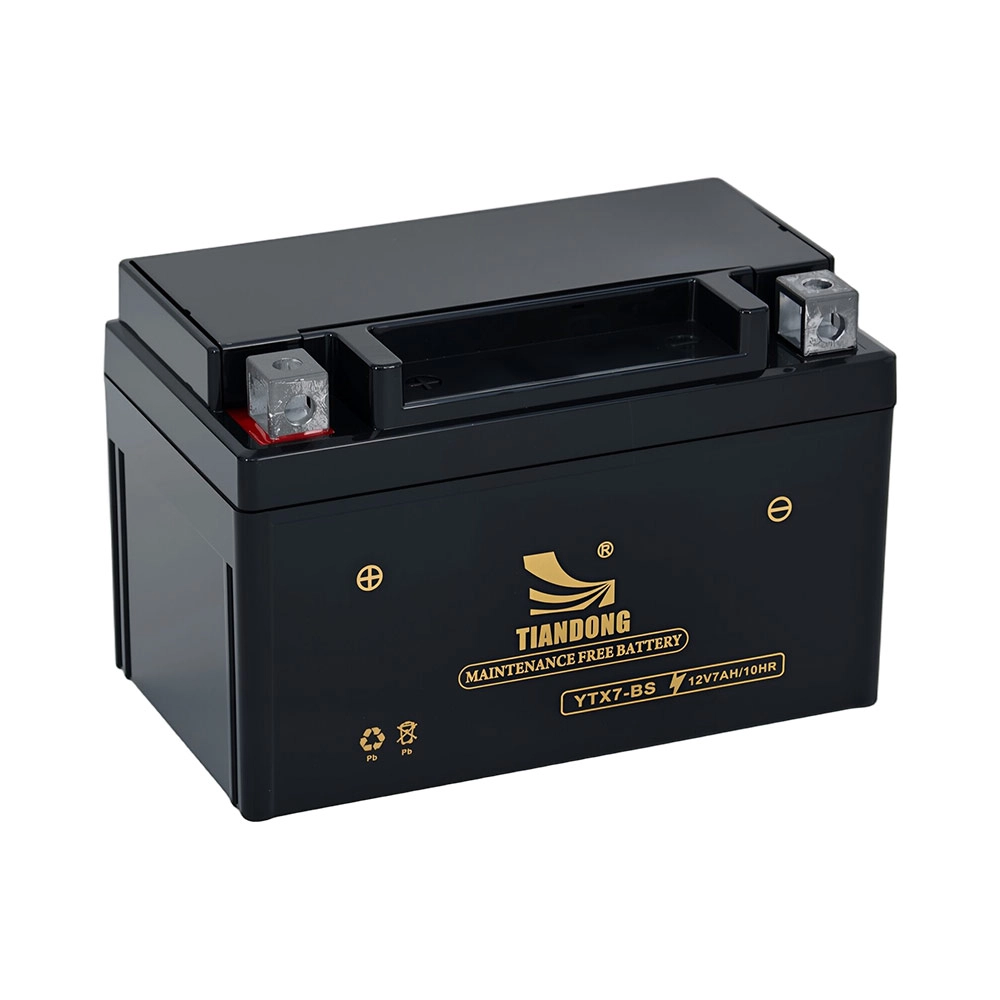
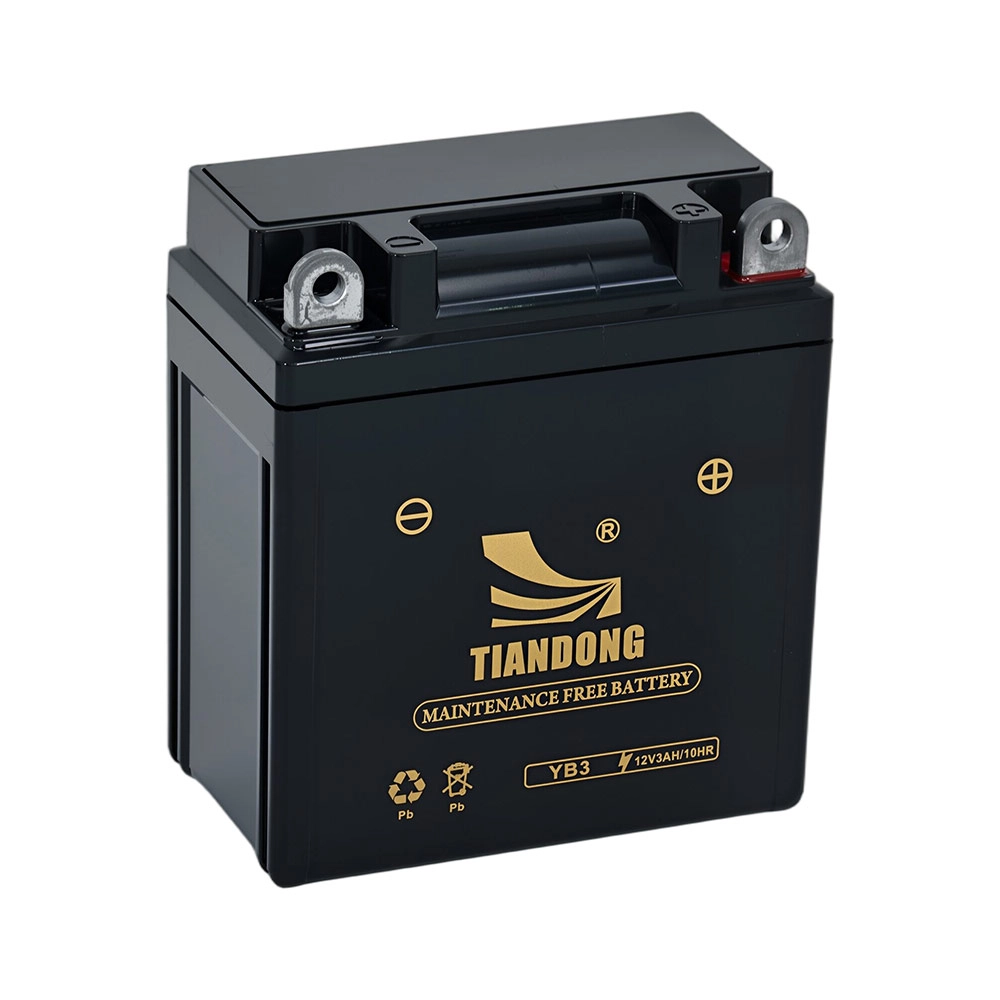
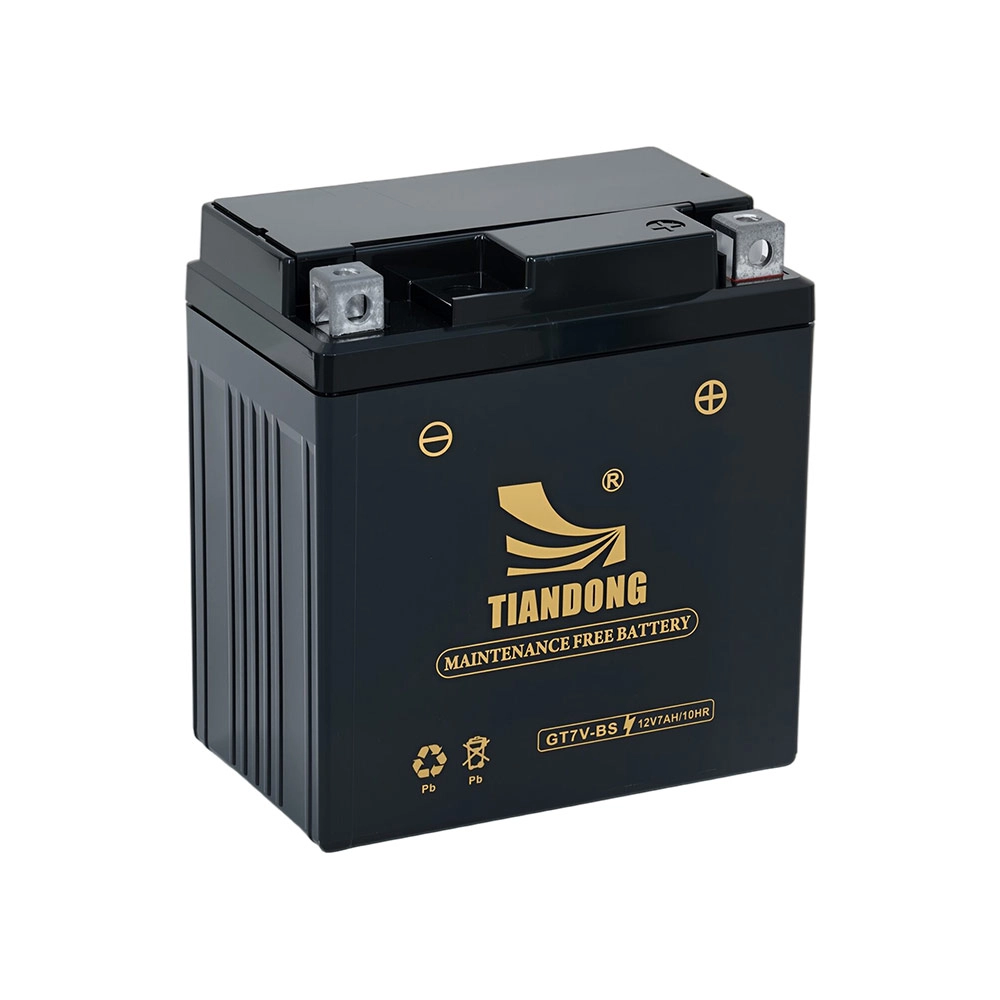
Get in touch with us to get your Motorbike Battery solution
TIANDONG is a leading motorcycle battery manufacturer offering OEM/ODM service, stable quality, and global export support.
Built for wholesalers. Trusted by global buyers. Delivered with confidence.
Say Hello
E-mail: daisybattery8@gmail.com
xianyingchen83@gmail. com
WhatsAPP: +86 134 283 86694
+86 134 348 86641
Our Location
Social Links
© 2025 TIANDONG. All Rights Reserved. Privacy Policy | Terms and Conditions | Sitemap
 Scan QR Code
Facebook
Instagram
Scan QR Code
Whatsapp: +8613434886641