






How to Install a YTX7-BS AGM Motorcycle Battery Safely
- Understanding the YTX7-BS and AGM Motorcycle Batteries
- What is an AGM motorcycle battery?
- Key specs for the YTX7-BS
- Why choose an AGM over a conventional flooded battery?
- Preparation: Tools, Safety Gear, and Pre-Installation Checks
- Required tools and materials
- Safety precautions to follow
- Pre-installation checks
- Step-by-Step Installation Guide
- 1. Remove the old battery safely
- 2. Clean terminals and tray
- 3. Install the YTX7-BS and secure it
- 4. Initial charge and system check
- Post-Installation Care, Maintenance and Troubleshooting
- Routine maintenance for sealed lead acid batteries
- Common issues and fixes
- Storage advice and long-term health
- Compatibility, Sizing and Choosing the Right Replacement
- Fitment and physical dimensions
- Capacity, CCA and deep cycle considerations
- Comparison table: YTX7-BS vs typical alternatives
- References and Standards
- FAQ — Frequently Asked Questions
- Q: Can I install the YTX7-BS myself if I’m not a mechanic?
- Q: Do I need a special charger for AGM batteries?
- Q: What is the expected lifespan of the YTX7-BS?
- Q: What if the battery does not start the bike after installation?
- Q: Is the YTX7-BS spill-proof for tilted motorcycle installations?
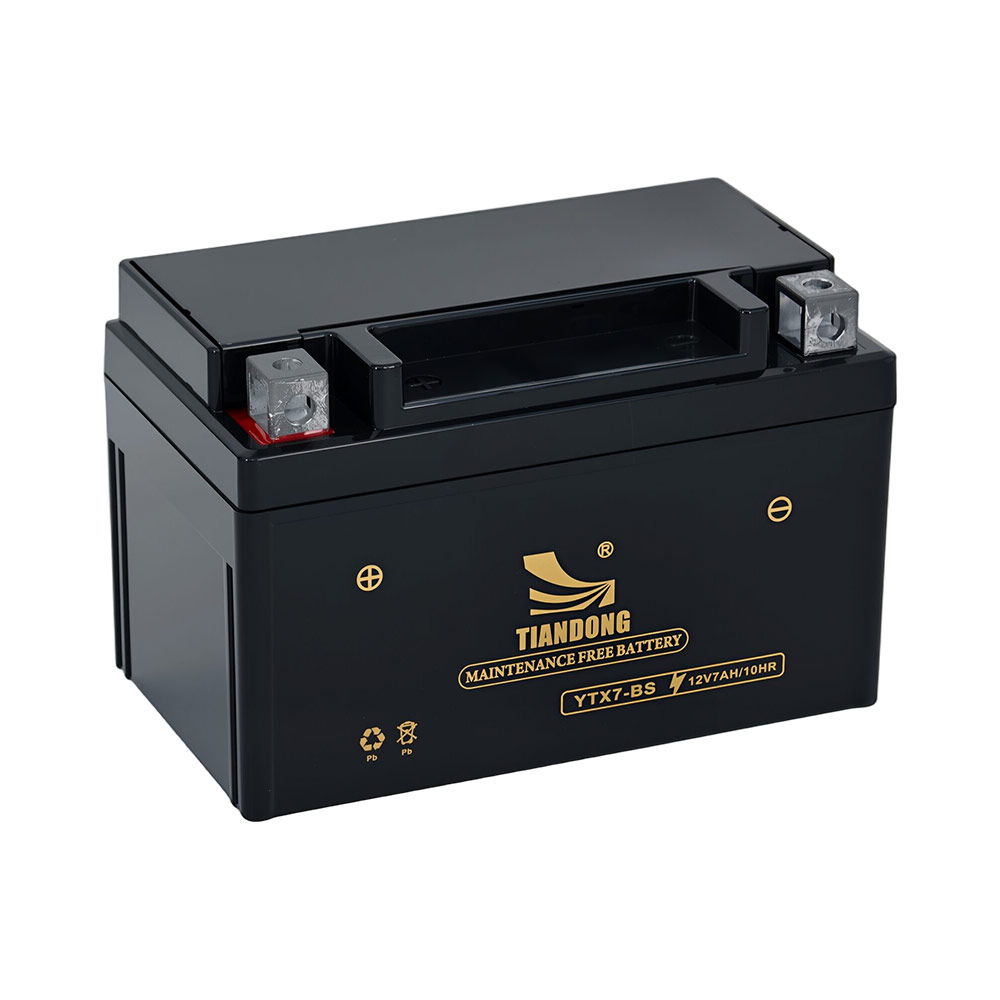
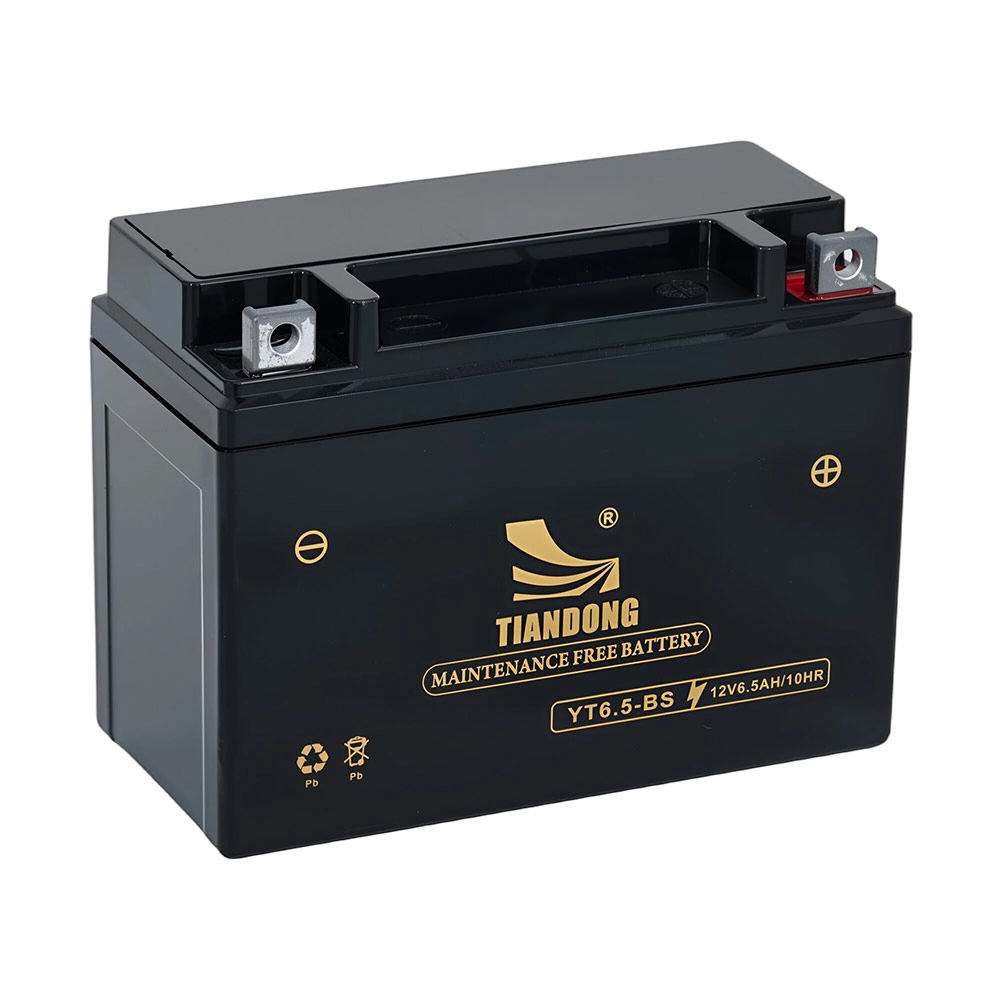
The TIANDONG YTX7-BS 12V 7ah Bike Battery is a reliable deep cycle sealed lead acid battery designed for motorcycles. Ideal for wholesale lead-acid motorcycle battery needs, it delivers stable power and long life, making it a top choice in motorcycle lead-acid battery parts.
This guide explains how to install a YTX7-BS AGM motorcycle battery safely and correctly, from pre-install checks and tools to torque values, charging protocols and troubleshooting tips. Whether you are a DIY rider, mechanic, or fleet manager, the steps below use recommended practices for sealed lead-acid (AGM) batteries to minimize risk and maximize battery life.
Understanding the YTX7-BS and AGM Motorcycle Batteries
What is an AGM motorcycle battery?
An Absorbent Glass Mat (AGM) battery is a type of sealed lead-acid battery where the electrolyte is absorbed into glass fibers. AGMs deliver low self-discharge, good vibration resistance, and are maintenance-free, making them common in modern motorcycles. For background on lead-acid and AGM technologies, see the Lead–acid battery and Absorbent glass mat (AGM) articles on Wikipedia.
Key specs for the YTX7-BS
The YTX7-BS 12V 7Ah Bike Battery is a sealed lead acid, 12V deep cycle unit optimized for motorcycles and powersports applications. Typical specs you should confirm on the product label or datasheet include voltage (12V), capacity (7Ah), and recommended charging parameters. Always verify CCA and dimensions to ensure fit and starter capacity for your bike model.
Why choose an AGM over a conventional flooded battery?
AGM motorcycle batteries offer several advantages: they are maintenance-free (no water topping), have lower internal resistance (good cold starting), are more vibration-resistant, and are sealed to prevent spillage—important for tilted installations and sports bikes. For charging and care specifics, consult resources like Battery University’s AGM charging guide.
Preparation: Tools, Safety Gear, and Pre-Installation Checks
Required tools and materials
Gather these before you begin: insulated wrenches or socket set (usually 8mm–10mm for motorcycle battery terminals), torque wrench (if specified), wire brush or terminal cleaner, battery charging meter/charger compatible with AGM settings, dielectric grease, anti-corrosion spray, safety glasses, and gloves. An injector-style terminal puller helps on tight posts.
Safety precautions to follow
Always work in a well-ventilated area, remove jewelry, and disconnect the negative cable first to reduce short-circuit risk. Although AGMs are sealed, they can still emit small amounts of gas during overcharge—avoid sparks/ open flames. Use eye protection and gloves. If unsure, consult a professional mechanic or service manual for your motorcycle.
Pre-installation checks
1) Confirm battery polarity and terminal orientation match your bike. 2) Verify battery tray dimensions and hold-down bracket compatibility. 3) Inspect wiring harness and connectors for corrosion, frayed insulation or loose crimps. 4) Check the new battery’s state-of-charge with a voltmeter; a fully charged 12V AGM should read ~12.7–13.0V at rest. If lower, give it a proper AGM charge before installation.
Step-by-Step Installation Guide
1. Remove the old battery safely
- Turn ignition off and remove keys. - Remove seat and access panels to expose the battery tray. - Disconnect the negative (-) terminal first, then the positive (+) terminal. This order reduces the chance of shorting the battery to the frame. - Remove hold-downs and lift out the old battery carefully, using both hands and avoiding tilting if the battery is not sealed (AGM is sealed but still avoid rough handling).
2. Clean terminals and tray
Use a wire brush or terminal cleaner to remove corrosion from the clamps and battery posts. Clean the tray of dirt and moisture; inspect the tray for cracks or rust. Applying a small amount of dielectric grease prevents future corrosion and ensures good electrical contact.
3. Install the YTX7-BS and secure it
- Place the YTX7-BS into the tray in the correct orientation. - Install and tighten the hold-down bracket to the manufacturer’s recommended torque (if specified in your motorcycle manual). If no torque is specified, snug the hold-down until the battery is secure and cannot move but avoid over-tightening which can crack the case. - Connect the positive (+) terminal first, then the negative (-) terminal. Ensure clamps are snug; typical terminal clamp torque for small motorcycle batteries is 4–6 Nm—refer to the bike service manual where available.
4. Initial charge and system check
After connections are secure, measure the resting voltage. If below ~12.6V, apply a controlled AGM-compatible charger (use the AGM or sealed lead-acid setting) until full. Avoid high-rate charging unless the charger supports AGM profiles. Once charged, start the motorcycle to ensure the starter engages and charging system works (voltage should rise toward 13.5–14.5V with engine running).
Post-Installation Care, Maintenance and Troubleshooting
Routine maintenance for sealed lead acid batteries
Although AGMs are maintenance-free, basic care extends life: keep terminals clean and tight, avoid prolonged storage at low charge, and maintain a regular charging schedule during off-season storage. Use a smart charger with an AGM profile to prevent under- or overcharging. The Battery Council International offers practical industry guidance on battery handling and storage: Battery Basics (BCI).
Common issues and fixes
- No start or weak crank: Check terminal tightness, polarity, and resting voltage. If resting voltage is below 12.4V after charging, the battery may be sulfated or near end-of-life. - Rapid voltage drop under load: suspect internal cell damage—replace the battery. - Charging system failure: if alternator output is not within 13.5–14.8V when running, the regulator/alternator may need service.
Storage advice and long-term health
Store the YTX7-BS in a cool, dry place. For storage longer than a month, disconnect the battery and maintain it with a float/maintenance charger to keep it at ~12.7–13.0V. Avoid deep discharges; deep cycle use is supported but repeated deep cycling shortens life. For charging practices, see recommended AGM charging methods at Battery University.
Compatibility, Sizing and Choosing the Right Replacement
Fitment and physical dimensions
Before buying the YTX7-BS, check the battery tray dimensions and terminal positions against your motorcycle’s service manual or OEM battery reference. The YTX7-BS is commonly used in many small-displacement motorcycles, scooters and ATVs, but always verify fit and hold-down type.
Capacity, CCA and deep cycle considerations
Match capacity (Ah) roughly to the OEM battery—YTX7-BS is 7Ah. Cold cranking amps (CCA) indicate starting performance; ensure the CCA meets or exceeds your bike’s requirements especially in cold climates. Although marketed as deep cycle, AGMs for motorcycles typically balance cranking and cycle life; true deep-cycle behavior is more relevant for repeated deep-discharge applications like electric start systems or off-grid use.
Comparison table: YTX7-BS vs typical alternatives
| Model | Voltage | Capacity (Ah) | Typical Use |
|---|---|---|---|
| YTX7-BS | 12V | 7Ah | Small motorcycles, scooters, ATVs (sealed AGM) |
| YTX7A-BS | 12V | 6–7Ah | Similar form factor but confirm terminal orientation |
| Conventional flooded 12V 7Ah | 12V | 7Ah | Older bikes; requires maintenance (water topping) |
References and Standards
Best practices for lead-acid battery care and charging are supported in industry literature. Useful references include the general overview of lead-acid battery technology on Wikipedia, technical charging guidance for AGM batteries at Battery University, and handling and safety basics from the Battery Council International (BCI Battery Basics).
FAQ — Frequently Asked Questions
Q: Can I install the YTX7-BS myself if I’m not a mechanic?
A: Yes, if you follow the safety steps: disconnect negative first, use proper tools, and verify polarity. If you’re uncomfortable with electrical work or the battery is in a tight or unusual location, seek professional help.
Q: Do I need a special charger for AGM batteries?
A: Use a charger with an AGM or sealed lead-acid setting. AGM batteries tolerate higher charge acceptance but are sensitive to overcharging; smart chargers with an AGM profile are recommended.
Q: What is the expected lifespan of the YTX7-BS?
A: Lifespan depends on usage, charging habits and temperature. With proper care and correct charging, expect 2–5 years in typical motorcycling use. Heavy deep-discharge cycles, high heat, or poor charging shorten life.
Q: What if the battery does not start the bike after installation?
A: Re-check terminal tightness and polarity, measure resting voltage (should be >12.4V), and test charging system output with engine running. If voltage is low or starter does not engage, the battery may need charging or replacement.
Q: Is the YTX7-BS spill-proof for tilted motorcycle installations?
A: As a sealed AGM, the YTX7-BS is effectively spill-proof and tolerates moderate tilt. Still avoid extreme angles and follow manufacturer's mounting instructions.
For additional technical questions, bulk purchase, or warranty support for the YTX7-BS 12V 7ah Bike Battery 12v Deep Cycle sealed Lead Acid Battery Motorcycle Parts, contact our customer service or view the product page to check current stock and specifications. If you need personalised installation assistance, our technical team can guide you step-by-step.
Contact us: For sales, technical support, or to view the YTX7-BS product details and datasheet, please reach out to our customer service or visit the product page.
Top 10 Dry Charged Battery Manufacturers and Supplier Brands

YT12 12V 12AH Specs Explained: What Riders Need to Know

Unleash Unrivaled Performance: The Definitive Guide to Tiandong YTX5-BS Motorcycle Batteries

Best Motorcycle Batteries for Fleet Procurement: YTX7L Review
Questions you may concerned about
Product
What causes motorcycle batteries to fail?
Common causes include over-discharging, extreme temperatures, poor charging systems, and low-quality manufacturing materials.
Do you offer OEM or custom branding?
Yes, we provide full OEM and ODM services, including logo printing, packaging customization, and model adjustments.
What is the most common motorcycle battery type?
AGM batteries are currently the most widely used due to their balance of cost and performance.
OEM/ODM
Is an OEM battery safe?
Authentic original equipment manufacturer (OEM) batteries undergo safety testing and certification. Counterfeit batteries do not, and therefore may not have the proper protection inside the cells to prevent overcharging and overheating, which can lead to serious injuries and damage from thermal runaway.
Support
What is Tiandong’s production capacity?
The company produces approximately 6 million batteries per year, supported by 15,000 tons of electrode plate production capacity.
Get in touch with us to get your Motorbike Battery solution
TIANDONG is a leading motorcycle battery manufacturer offering OEM/ODM service, stable quality, and global export support.
Built for wholesalers. Trusted by global buyers. Delivered with confidence.
Say Hello
E-mail: daisybattery8@gmail.com
xianyingchen83@gmail. com
WhatsAPP: +86 134 283 86694
+86 134 348 86641
Our Location
Social Links
© 2025 TIANDONG. All Rights Reserved. Privacy Policy | Terms and Conditions | Sitemap
 Scan QR Code
Facebook
Instagram
Scan QR Code
Whatsapp: +8613434886641