






Extend Life of Your AGM Motorcycle Battery: Maintenance Tips
- Understanding Your AGM Motorcycle Battery
- What is an AGM motorcycle battery and why it matters
- Key failure modes: sulfation, chronic undercharge, and heat
- How to assess state of health using voltage and load testing
- Daily and Seasonal Maintenance Practices
- Daily/weekly checks every rider should do
- Proper storage: temperature and state-of-charge
- Seasonal prep: winter and long-term storage
- Charging Best Practices and Tools
- Choose the right charger for AGM batteries
- Recommended charging voltages and temperature compensation
- Charger types: maintainer, smart charger, and pulse desulfator
- Troubleshooting and When to Replace
- Common problems and quick fixes
- When a pulse desulfator helps and when replacement is necessary
- Safe disposal and recycling
- Practical Maintenance Plan for YTX7-BS and Similar Batteries
- Monthly checklist (for bikes in regular use)
- Pre-storage checklist (1–2 weeks before long storage)
- How to extend cycle life through behavior
- References and Authoritative Resources
- FAQ
- Q: How often should I fully charge my YTX7-BS battery?
- Q: Can I use a regular car charger on an AGM motorcycle battery?
- Q: What voltage indicates my AGM is fully charged?
- Q: Will a pulse desulfator fix a dead battery?
- Q: How long should a YTX7-BS AGM motorcycle battery last?
- Q: How do I safely recycle my old lead-acid battery?
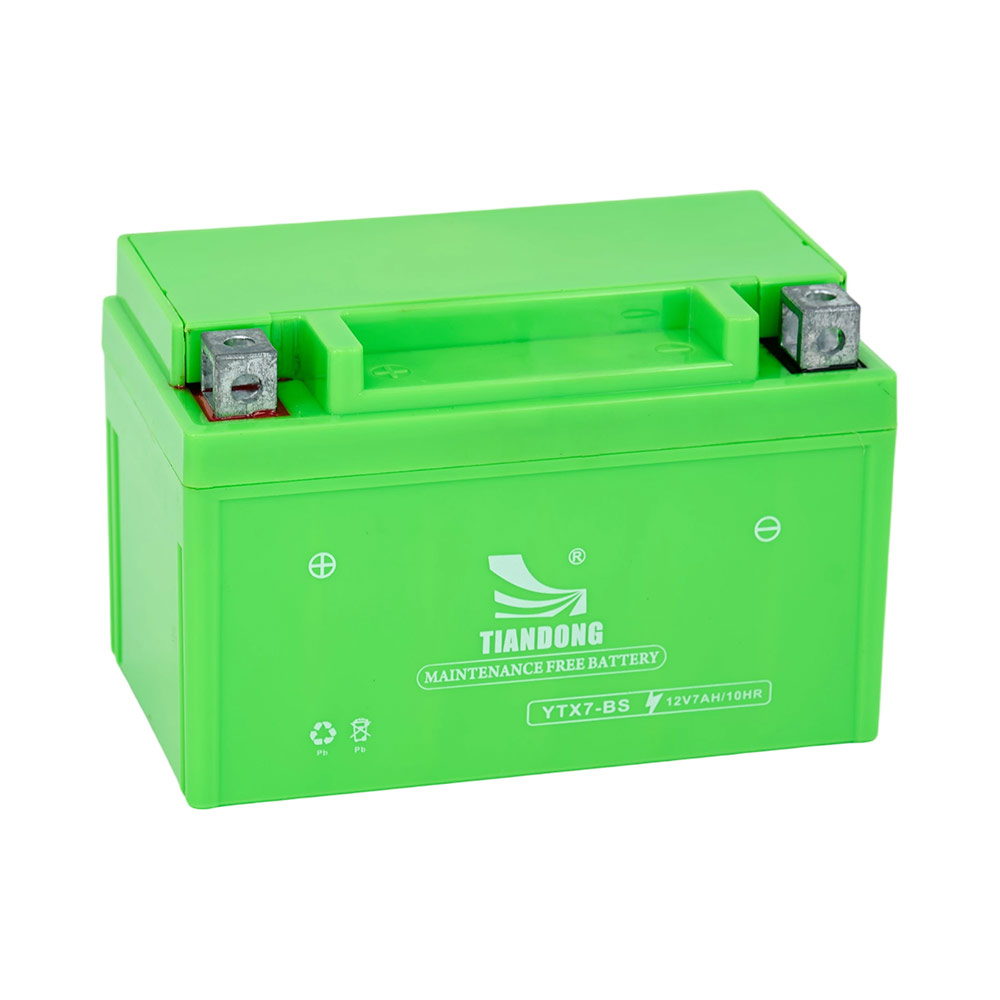
The following article provides precise, actionable maintenance strategies to extend the service life of an AGM motorcycle battery, reduce unexpected failures, and keep your bike ready to ride. It focuses on common causes of premature aging (sulfation, chronic undercharge, temperature stress), the correct charging regimes and tools, storage and seasonal tips, and step-by-step troubleshooting for the YTX7-BS 12V 7Ah Bike Battery and similar sealed lead acid motorcycle batteries.
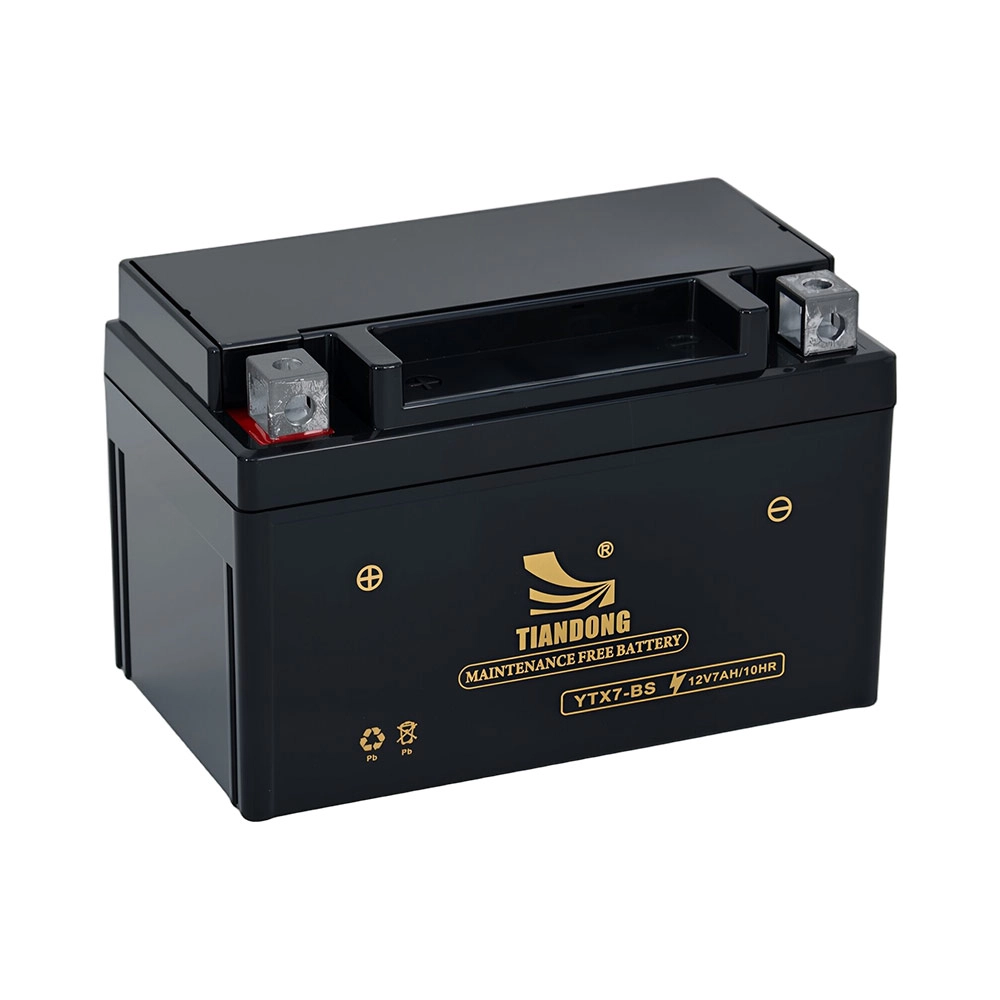
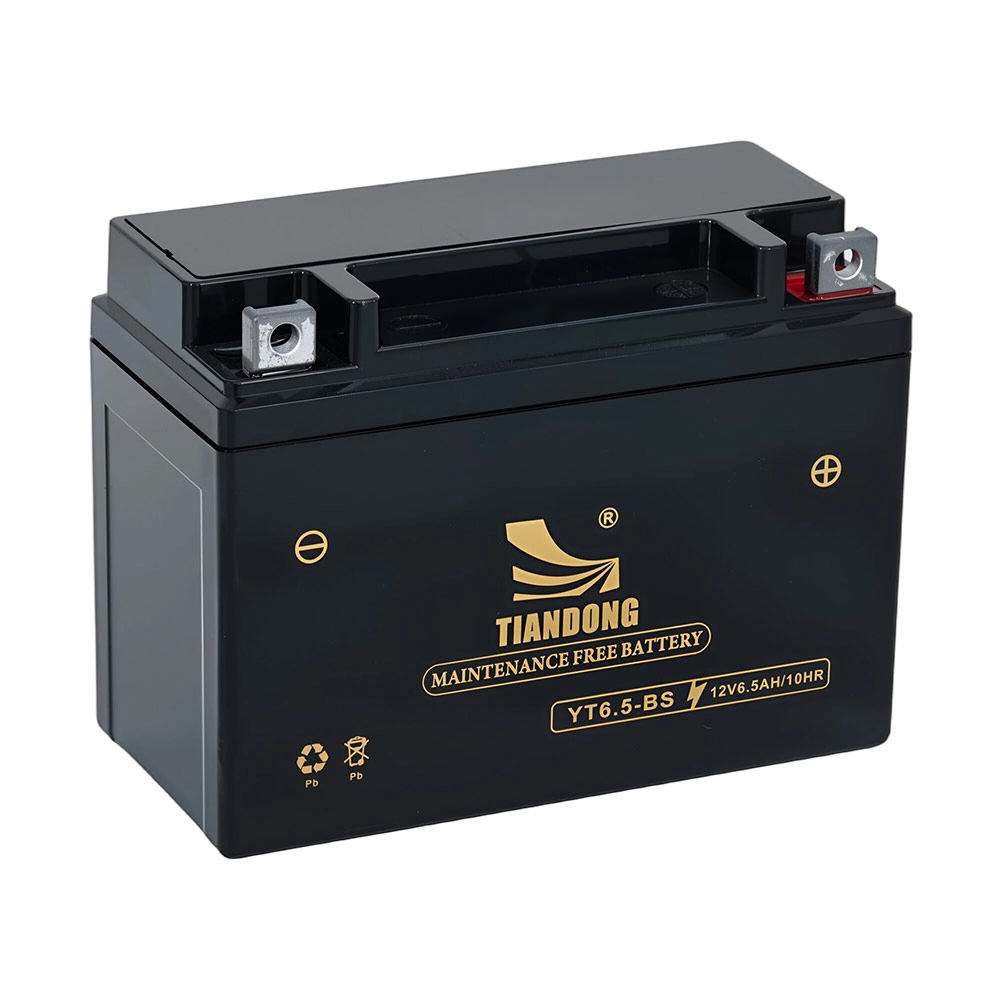
The TIANDONG YTX7-BS 12V 7ah Bike Battery is a reliable deep cycle sealed lead acid battery designed for motorcycles. Ideal for wholesale lead-acid motorcycle battery needs, it delivers stable power and long life, making it a top choice in motorcycle lead-acid battery parts.
Understanding Your AGM Motorcycle Battery
What is an AGM motorcycle battery and why it matters
Absorbent Glass Mat (AGM) batteries are a type of sealed lead acid battery that use fiberglass mats to immobilize the electrolyte. For motorcycles, AGM batteries combine low self-discharge, good vibration resistance, and the ability to deliver high current for cranking. These characteristics make them a popular choice for modern bikes and for deep cycle applications like accessories and heated gear.
Because they are sealed, AGM batteries like the YTX7-BS 12V 7Ah cannot be serviced with electrolyte topping. Their lifespan therefore depends heavily on proper charging, storage, and temperature management.
Key failure modes: sulfation, chronic undercharge, and heat
The three most common killers of AGM batteries are sulfation (lead sulfate crystals forming on plates), chronic undercharge (never fully charged so sulfate builds up), and elevated temperature (accelerates grid corrosion and electrolyte loss). Understanding these helps prioritize the maintenance tasks that will actually extend battery life.
How to assess state of health using voltage and load testing
You cannot use a hydrometer on a sealed battery, so rely on open-circuit voltage (OCV) and a simple load test. A fully charged 12V AGM should rest at about 12.7–12.8V OCV. Under 12.4V indicates a partial discharge (roughly 50% SOC). For more accuracy, use a quality digital multimeter and a small cold-load test or a battery tester designed for 12V motorcycle batteries to estimate cold cranking capability and internal resistance.
Daily and Seasonal Maintenance Practices
Daily/weekly checks every rider should do
- Inspect terminal connections for corrosion and tightness. Clean lightly with a wire brush if needed and apply a thin film of dielectric grease to inhibit corrosion.
- Visually check for damage, bulging, or leakage. Any deformation is a sign to replace the battery.
- If the bike sits for more than a week, use a smart maintainer to keep the YTX7-BS at full charge.
Proper storage: temperature and state-of-charge
Store AGMs at a high state-of-charge (SOC). If a bike will be idle for more than 2 weeks, charge the battery to full and attach a quality float/maintainer. Ideal storage temperature is cool (0–20°C / 32–68°F). Higher temperatures dramatically shorten life: each 10°C increase roughly doubles the rate of capacity loss in lead-acid chemistry according to industry data.
Seasonal prep: winter and long-term storage
Before long storage, fully charge the battery and then disconnect it from the motorcycle to prevent parasitic drains. Use a smart charger/maintainer that senses AGM chemistry and will float-charge at the correct voltage. Re-check SOC and recharge every 1–3 months depending on storage temperature. For winter storage in very cold climates, keep the battery indoors at moderate temperatures if possible.
Charging Best Practices and Tools
Choose the right charger for AGM batteries
Use a charger/maintainer that explicitly supports AGM/sealed lead acid batteries and offers multi-stage charging (bulk, absorption, float). Avoid simple constant-voltage trickle chargers that can overcharge or undercharge. Smart chargers with microprocessor control prevent sulfate buildup and prolong life.
Recommended charging voltages and temperature compensation
Correct charging voltages are critical. Typical recommended values for 12V AGMs are:
| Stage | Typical Voltage (12V AGM) | Notes |
|---|---|---|
| Bulk (charging) | 14.4–14.8 V | Fast recharge; controlled by charger |
| Absorption | 14.2–14.6 V (tapering) | Completes charge; prevents overheating |
| Float / Maintainer | 13.2–13.8 V | Maintains full SOC safely |
Temperature compensation (-3 to -5 mV/°C per cell) is recommended in chargers for extreme climates; many smart chargers include automatic compensation.
Charger types: maintainer, smart charger, and pulse desulfator
Comparison:
| Charger Type | Best for | Pros | Cons |
|---|---|---|---|
| Smart multi-stage charger | Daily use, charging and maintenance | Prevents overcharge, auto float | Higher cost |
| Maintainer / Float charger | Long-term storage | Safe long-term connection | Not for deep discharged batteries |
| Pulse desulfator | Partially sulfated batteries | May recover some capacity | Results variable; not a cure-all |
Troubleshooting and When to Replace
Common problems and quick fixes
- Slow cranking or dim lights: Check OCV. If below 12.4V, recharge fully and test under load. If the battery fails a load test after a full charge, replacement is likely.
- Rapid self-discharge: Look for parasitic loads on the motorcycle (alarm, ECU, dash). If parasitic draw is not the issue, battery may have internal leakage or severe sulfation.
- Corroded terminals: Clean and protect with grease or anti-corrosion spray. Poor connections can mimic a weak battery.
When a pulse desulfator helps and when replacement is necessary
Pulsed desulfation can sometimes break down soft sulfate deposits on plates and restore some capacity if the battery has been only mildly neglected. It will not recover plates that have experienced irreversible grid corrosion or heavy sulfation for many months. If a battery repeatedly drops under load after full recharge, replace it. For safety and reliability, consider replacement for batteries over 3–4 years old or with visible deformation.
Safe disposal and recycling
Lead-acid batteries are highly recyclable—nearly 99% of the battery can be recovered. Never throw away a lead-acid battery in household trash. Return spent YTX7-BS batteries to a retailer, scrap yard, or recycling center that accepts lead-acid batteries. Many service centers accept old motorcycle batteries when you buy a new one.
Practical Maintenance Plan for YTX7-BS and Similar Batteries
Monthly checklist (for bikes in regular use)
- Check battery voltage with a DMM after 12+ hours rest — ideal 12.7–12.8V.
- Inspect terminals and wiring; clean and protect if needed.
- If ride frequency is low, connect a smart maintainer overnight.
Pre-storage checklist (1–2 weeks before long storage)
- Fully charge the battery using an AGM-compatible charger.
- Disconnect battery from the motorcycle to prevent parasitic drain.
- Store in a cool, dry place off the concrete floor if possible.
How to extend cycle life through behavior
Avoid repeated shallow cycling to very low SOC. While AGMs tolerate deeper discharge better than some floodeds, repeated deep discharges reduce cycle life. Keep the battery at a high SOC, use accessories only while the engine is running if possible, and fit a regulator/isolator if you add aftermarket electronics that draw current when the bike is off.
References and Authoritative Resources
- Absorbent glass mat battery — Wikipedia
- Battery Basics — U.S. Department of Energy
- Battery Council International (industry resources)
FAQ
Q: How often should I fully charge my YTX7-BS battery?
A: Ideally after every ride that discharges the battery significantly. For storage or infrequent riding, fully charge before storage and check SOC every 1–3 months. Use a smart maintainer to keep it topped up.
Q: Can I use a regular car charger on an AGM motorcycle battery?
A: Not recommended. Use a charger that has an AGM or sealed lead-acid setting and multi-stage control. Car chargers without AGM settings may overcharge or apply incorrect voltages.
Q: What voltage indicates my AGM is fully charged?
A: Open-circuit voltage of about 12.7–12.8V after resting for several hours indicates a full charge. During charging, bulk/absorption voltages are higher (14.4–14.8V).
Q: Will a pulse desulfator fix a dead battery?
A: It can help recover batteries with mild to moderate sulfation, but it won’t fix batteries with severe physical damage or advanced grid corrosion. Always test after a full charge to decide if replacement is needed.
Q: How long should a YTX7-BS AGM motorcycle battery last?
A: Under proper care (correct charging, limited deep discharge, moderate temperature), a 12V 7Ah AGM like the YTX7-BS can last 3–5 years or more. High heat, frequent deep discharge, or chronic undercharging will shorten that significantly.
Q: How do I safely recycle my old lead-acid battery?
A: Return it to a retailer, motorcycle shop, or recycling center. Lead-acid batteries are almost entirely recyclable—don’t place them in household trash.
If you want a dependable replacement or spare, consider the TIANDONG YTX7-BS 12V 7ah Bike Battery for a balance of deep-cycle performance and durability. For product inquiries, pricing, or technical support, contact our customer service or view the product page to purchase and get warranty details.
Contact Us / View Product: For sales and support regarding the YTX7-BS 12V 7ah Bike Battery and other motorcycle lead-acid battery parts, please contact our sales team or visit the product listing to check availability and wholesale options.

YTX7-BS vs lithium: Which is the best motorcycle battery?
Top 10 Electric Scooter Battery Manufacturers and Supplier Brands
Top 10 Lead-Acid Battery Manufacturers and Supplier Brands

Unleash Peak Performance: The Tiandong 12N7-4B Motorcycle Battery for Unrivaled Reliability
Questions you may concerned about
Product
How long does a motorcycle battery typically last?
A motorcycle battery generally lasts between 2 and 4 years, depending on usage, maintenance, and environmental conditions.
Are you a trading company or a manufacturer?
We are a direct factory located inJiangxi Province, China. You are welcome to visit our production line and quality control lab. We specialize in lead-acid batteries for motorcycles and have been in this industry for 20 years.
What brands of raw materials do you use?
We use high-quality materials to ensure performance. we use 99.99% pure lead , ensure long life and high Cold Cranking Amps (CCA).
Are your batteries maintenance-free?
Yes, our batteries are sealed VRLA or GEL types that require no water refilling. They are ready to use and easy to maintain.
Support
What is Tiandong’s production capacity?
The company produces approximately 6 million batteries per year, supported by 15,000 tons of electrode plate production capacity.
Get in touch with us to get your Motorbike Battery solution
TIANDONG is a leading motorcycle battery manufacturer offering OEM/ODM service, stable quality, and global export support.
Built for wholesalers. Trusted by global buyers. Delivered with confidence.
Say Hello
E-mail: daisybattery8@gmail.com
xianyingchen83@gmail. com
WhatsAPP: +86 134 283 86694
+86 134 348 86641
Our Location
Social Links
© 2025 TIANDONG. All Rights Reserved. Privacy Policy | Terms and Conditions | Sitemap
 Scan QR Code
Facebook
Instagram
Scan QR Code
Whatsapp: +8613434886641