






Safety standards and certifications to check for electric batteries

- Core safety certifications every electric motorcycle battery buyer must know
- UN Test Protocols for transport: UN 38.3
- Cell safety: IEC 62133
- Electrical safety and performance approvals: UL, CE
- How technical standards protect riders, fleets, and wholesale buyers
- Battery Management Systems (BMS) and functional safety
- Cell chemistry and abuse tolerance
- Environmental and material compliance: RoHS, REACH
- Practical steps to verify certifications for any electric motorcycle battery
- Documentation checklist for buyers and distributors
- How to read and interpret test reports
- Third-party audits and factory inspections
- Applying standards to TIANDONG YT14 12V 4.05kg 14AH Motorcycle Batteries
- Product overview
- Which certifications should TIANDONG provide?
- Practical buying checklist specific to YT14
- Comparison table: common standards and why they matter
- Operational best practices and after-sales responsibilities
- Labeling, instructions, and user safety information
- Shipping and packaging controls
- Warranty, returns, and incident reporting
- Closing guidance and vendor questions to ask now
- Top questions to ask your supplier
- How TIANDONG supports compliance
- Frequently Asked Questions (FAQ)
- Q: Do I need UN 38.3 if the YT14 is a lead-acid battery?
- Q: What does IEC 62133 cover and why is it important?
- Q: Can a CE mark substitute for UL certification?
- Q: What documents should I keep for customs and warranty claims?
- Q: How can I verify a test report is authentic?
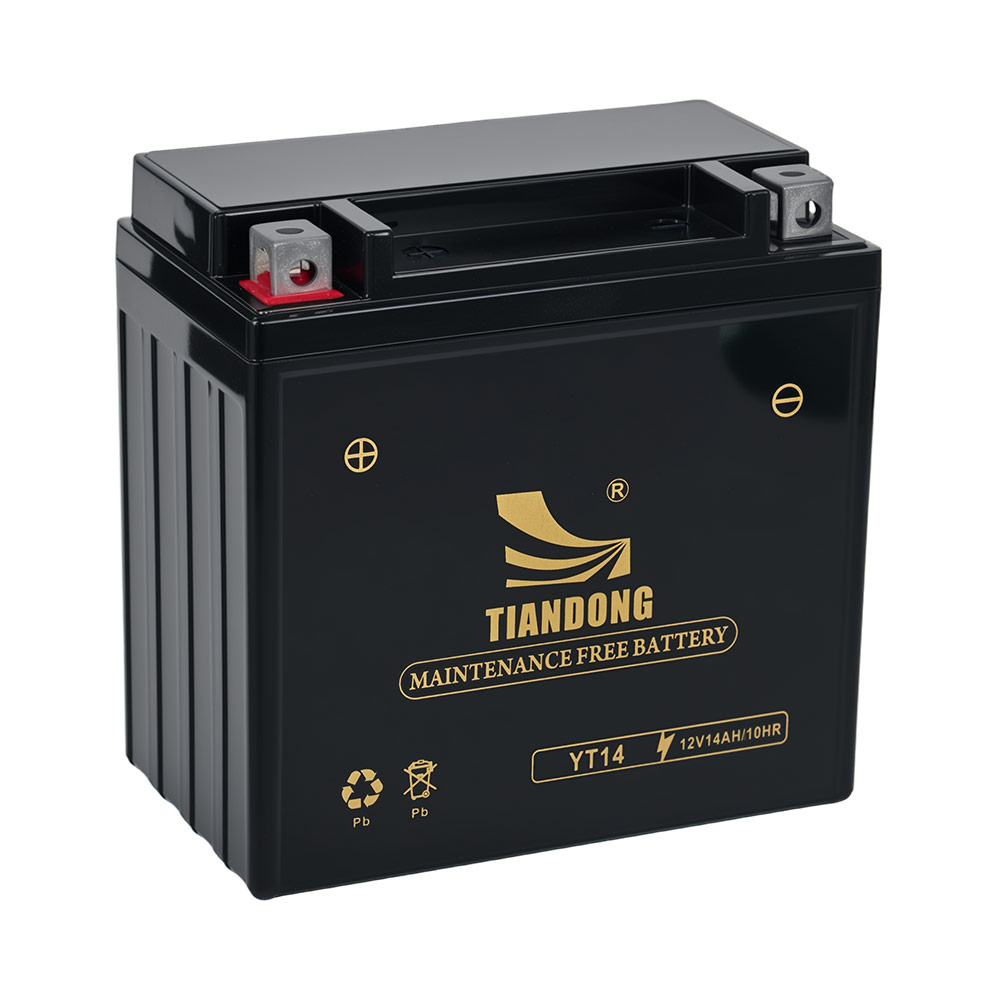
When sourcing an electric motorcycle battery, understanding the safety standards and certifications that apply across regions and supply chains is essential. This guide explains the technical and regulatory checks—UN transport tests, cell safety standards, electrical safety approvals (UL/CE), environmental restrictions (RoHS), and functional-safety frameworks (ISO/IEC)—that protect riders, distributors, and manufacturers. We use the TIANDONG YT14 12V 4.05kg 14AH Motorcycle Batteries as an example of how to apply these criteria when evaluating products for wholesale, retail, or fleet deployment.
Core safety certifications every electric motorcycle battery buyer must know
UN Test Protocols for transport: UN 38.3
Transport safety is the first line of risk management for lithium-based electric motorcycle battery cells. The UN 38.3 test protocol (described in the UN Manual of Tests and Criteria) requires batteries to pass a set of mechanical, thermal, and electrical tests to ensure they are safe for air, sea, and ground transport. Wholesale buyers should request the UN 38.3 test report and the test summary document for the specific cell batch. Without UN 38.3 clearance, many carriers and countries will refuse shipment.
Cell safety: IEC 62133
IEC 62133 is the international standard that covers safety requirements for portable sealed secondary cells and batteries, including lithium-ion types. It specifies tests for electrical, mechanical, and thermal abuse and evaluates cell and battery construction to reduce fire and explosion risk. Many markets (especially Asia and Europe) expect IEC 62133 compliance as a minimum. See the IEC-related resources from UL for an overview: UL on IEC 62133.
Electrical safety and performance approvals: UL, CE
UL (Underwriters Laboratories) standards and CE marking address different scopes. UL certifications (for example, UL 2580 for batteries used in electric vehicles and related applications) indicate a battery meets specific safety tests recognized in North America: UL 2580. CE marking is a manufacturer declaration that the product meets EU safety, health, and environmental requirements; it is widely used across Europe. For EU market entry, ensure the battery has CE-related technical documentation and applicable directives fulfilled: EU CE information.
How technical standards protect riders, fleets, and wholesale buyers
Battery Management Systems (BMS) and functional safety
Modern electric motorcycle batteries rely on a Battery Management System (BMS) to manage cell balancing, overcharge/overdischarge protection, temperature monitoring, and short-circuit protection. While BMS design is often proprietary, functional safety frameworks such as ISO 26262 (for automotive functional safety) inform good practices for control electronics. Wholesale buyers should ask suppliers for BMS test reports, block diagrams, and failure-mode analyses to ensure safe integration into vehicles.
Cell chemistry and abuse tolerance
Different cell chemistries (e.g., LiFePO4, NMC, SLA/lead-acid) present different safety profiles. Lithium Iron Phosphate (LiFePO4) cells have higher thermal stability and lower risk of thermal runaway compared with some high-energy NMC cells. For electric motorcycle battery applications where weight and energy density matter, manufacturers may choose NMC or other chemistries; understanding trade-offs (cycle life vs. energy density vs. thermal stability) is important. Buyers should request chemistry specifications, thermal runaway test data, and cycle-life performance curves.
Environmental and material compliance: RoHS, REACH
Environmental regulations limit the use of hazardous substances. The EU’s RoHS and REACH regulations require documentation on restricted substances and chemical safety. For global supply chains, RoHS compliance is commonly requested by distributors, and REACH affects materials exported to the EU. Request the supplier’s Declaration of Conformity and material safety datasheets (MSDS).
Practical steps to verify certifications for any electric motorcycle battery
Documentation checklist for buyers and distributors
When evaluating an electric motorcycle battery like the TIANDONG YT14 12V 4.05kg 14AH Motorcycle Batteries, ensure the supplier provides:
- UN 38.3 test report and test summary (for shipping)
- IEC 62133 compliance or equivalent cell-safety test reports
- UL or recognized third-party electrical safety certification if intended for North American markets
- CE technical file or Declaration of Conformity for EU markets
- BMS architecture, functional descriptions, and test logs
- MSDS and RoHS/REACH declarations
Ask for batch-specific documents rather than generic certificates—certification should trace to the actual production lot or model.
How to read and interpret test reports
Test reports commonly include testing conditions, sample identification, test procedures, and pass/fail outcomes. Key items to check:
- Sample model and serial numbers that match your part number
- Testing laboratory accreditation (e.g., ISO/IEC 17025)
- Dates of testing and any limitations on the scope
- Observed failure modes and corrective actions (if any)
For UN 38.3, look for results on altitude simulation, thermal cycling, vibration, shock, external short circuit, impact, overcharge, and forced discharge tests.
Third-party audits and factory inspections
Certification documents are important, but factory capability and quality systems are equally critical. Request audit reports for manufacturing processes, quality control procedures (e.g., ISO 9001), and traceability practices. If possible, use third-party inspection services for pre-shipment checks and sample verification.
Applying standards to TIANDONG YT14 12V 4.05kg 14AH Motorcycle Batteries
Product overview
The TIANDONG YT14 12V 4.05kg 14AH motorcycle battery delivers reliable power and long-lasting performance. Ideal for various bikes, it’s perfect for motorcycle battery wholesale buyers seeking quality and durability. Choose TIANDONG for trusted motorcycle battery solutions.
Which certifications should TIANDONG provide?
For a 12V motorcycle battery intended for global wholesale distribution, the recommended documentation includes UN 38.3 (if the cells are lithium-based and will be transported), IEC 62133 (cell and battery safety), local electrical safety approvals where applicable (UL or national equivalents), and environmental compliance documents (RoHS/REACH). If the YT14 uses sealed lead-acid chemistry, UN 38.3 may not apply, but other standards and transport rules for lead-acid batteries are relevant—confirm the chemistry in the datasheet before shipping.
Practical buying checklist specific to YT14
Before purchasing YT14 batteries wholesale, request:
- Product datasheet with chemistry, rated capacity, cold cranking amps (if applicable), and expected cycle life
- BMS details or protective circuit descriptions
- Certification dossiers: UN 38.3, IEC 62133, CE/Declaration of Conformity, RoHS
- Sample test reports and factory inspection records
- Packing and labeling specifications for transport compliance
Comparison table: common standards and why they matter
| Standard / Certification | Scope | Who enforces / recognizes | Relevance to YT14 |
|---|---|---|---|
| UN 38.3 | Transport safety tests for lithium batteries | UN/IATA/Carriers, customs authorities | Required if YT14 contains lithium cells and will be shipped by air/sea |
| IEC 62133 | Cell and battery safety (electrical, thermal, mechanical) | Global industry expectation, many national authorities | Important for consumer and motorcycle battery safety verification |
| UL 2580 / UL standards | Battery safety for EV and electrical systems (regional variants) | North American market regulators and insurers | Useful for North American sales and fleet integrations |
| CE (and related directives) | Conformity with EU safety and environmental rules | EU market compliance | Required for EU distribution; check technical file |
| RoHS / REACH | Restricted hazardous substances and chemical safety | EU and many global customers | Necessary for environmental compliance and buyer acceptance |
Operational best practices and after-sales responsibilities
Labeling, instructions, and user safety information
Suppliers must provide clear labeling (including polarity, voltage, capacity, and warning icons) and user manuals that explain safe charging, storage temperatures, disposal methods, and emergency actions. Quality documentation reduces liability and improves user safety. For fleet deployments, include service manuals and recommended maintenance schedules.
Shipping and packaging controls
Follow carrier and regulatory packaging rules for batteries. Mislabeling or inadequate packaging can cause shipment rejection or dangerous incidents. Use inner packaging that prevents short circuits, secure outer packaging, and mark packages per IATA/IMDG/ADR rules for lithium batteries.
Warranty, returns, and incident reporting
Require a clear warranty policy and a documented incident-response process. If a battery fails or exhibits thermal events, the supplier should provide root-cause analysis, test results, and replacement/recall procedures. This is especially important for wholesale buyers who carry inventory and resell to customers or fleets.
Closing guidance and vendor questions to ask now
Top questions to ask your supplier
Before placing a bulk order, ask the supplier these direct questions:
- What is the exact cell chemistry used in the YT14 (e.g., lead-acid, AGM, LiFePO4, NMC)?
- Can you provide batch-specific UN 38.3 and IEC 62133 test reports with lab accreditation details?
- Do you have factory ISO/quality audit reports and traceability documentation?
- What is the BMS specification and protective features included with the battery?
- What are the recommended storage and shipping conditions, and can you supply compliant packaging labels?
How TIANDONG supports compliance
Trusted manufacturers provide documentation packages for distributors and buyers. When evaluating TIANDONG YT14 12V 4.05kg 14AH Motorcycle Batteries, request the full compliance pack and clarify any conditional statements (e.g., “model must be used with specific charger” or “BMS options available”). Proper documentation helps expedite customs clearance and fleet certification.
Frequently Asked Questions (FAQ)
Q: Do I need UN 38.3 if the YT14 is a lead-acid battery?
A: No. UN 38.3 applies specifically to lithium cells and batteries. Sealed lead-acid (SLA) batteries have different transport rules (e.g., IATA packing instructions for non-spillable batteries), so confirm the chemistry on the datasheet.
Q: What does IEC 62133 cover and why is it important?
A: IEC 62133 covers the safety requirements for portable sealed secondary cells and batteries, focusing on electrical, mechanical, and thermal abuse tests. It’s important because it demonstrates that the battery design reduces risks of fire or explosion under reasonably foreseeable misuse.
Q: Can a CE mark substitute for UL certification?
A: No. CE indicates conformity with EU safety and environmental directives and is generally accepted in Europe. UL certification denotes compliance with certain North American safety standards. Depending on your market, you may need one or both.
Q: What documents should I keep for customs and warranty claims?
A: Keep UN 38.3 test reports (if applicable), IEC 62133 reports, Declarations of Conformity (CE), RoHS/REACH declarations, MSDS, purchase orders, serial-numbered packing lists, and any factory inspection reports. These documents are essential for customs, warranty claims, and incident investigation.
Q: How can I verify a test report is authentic?
A: Check the testing laboratory accreditation (ISO/IEC 17025), verify lab contact details, and request the report reference number and sample serials. You can also request independent third-party re-testing or a factory audit for additional assurance.
For more information about the TIANDONG YT14 12V 4.05kg 14AH Motorcycle Batteries, or to request the full compliance document pack and sample testing, contact our sales team or view the product page. Our specialists can provide UN 38.3, IEC 62133, and other certificates where applicable, plus packing and shipping guidance for your region.
Contact us: For compliance documents, pricing, and sample requests, please contact customer service or visit our product listing to request the TIANDONG YT14 12V 4.05kg 14AH Motorcycle Batteries.

YB3 1.25kg Battery Maintenance Tips for Longer Life

Charging guide for YTX7-BS 12V deep cycle battery
Top 10 GEL Battery Manufacturers and Supplier Brands
Top 10 Dry Charged MF Battery Manufacturers and Supplier Brands
Questions you may concerned about
Product
What brands of raw materials do you use?
We use high-quality materials to ensure performance. we use 99.99% pure lead , ensure long life and high Cold Cranking Amps (CCA).
What kind of battery is best for a motorcycle?
AGM batteries are a popular choice because they combine the best of both worlds: the durability of lead-acid batteries and the low maintenance of lithium-ion batteries. AGM batteries are sealed, so they don't require water refills, and they're designed to handle rough conditions, making them ideal for motorcycles.
How long is the lead time and where do you ship?
Standard lead time is 7–15 days. We export to over 20 countries, including Vietnam, India, Egypt, and Thailand.
What is the most common motorcycle battery type?
AGM batteries are currently the most widely used due to their balance of cost and performance.
OEM/ODM
Is an OEM battery safe?
Authentic original equipment manufacturer (OEM) batteries undergo safety testing and certification. Counterfeit batteries do not, and therefore may not have the proper protection inside the cells to prevent overcharging and overheating, which can lead to serious injuries and damage from thermal runaway.
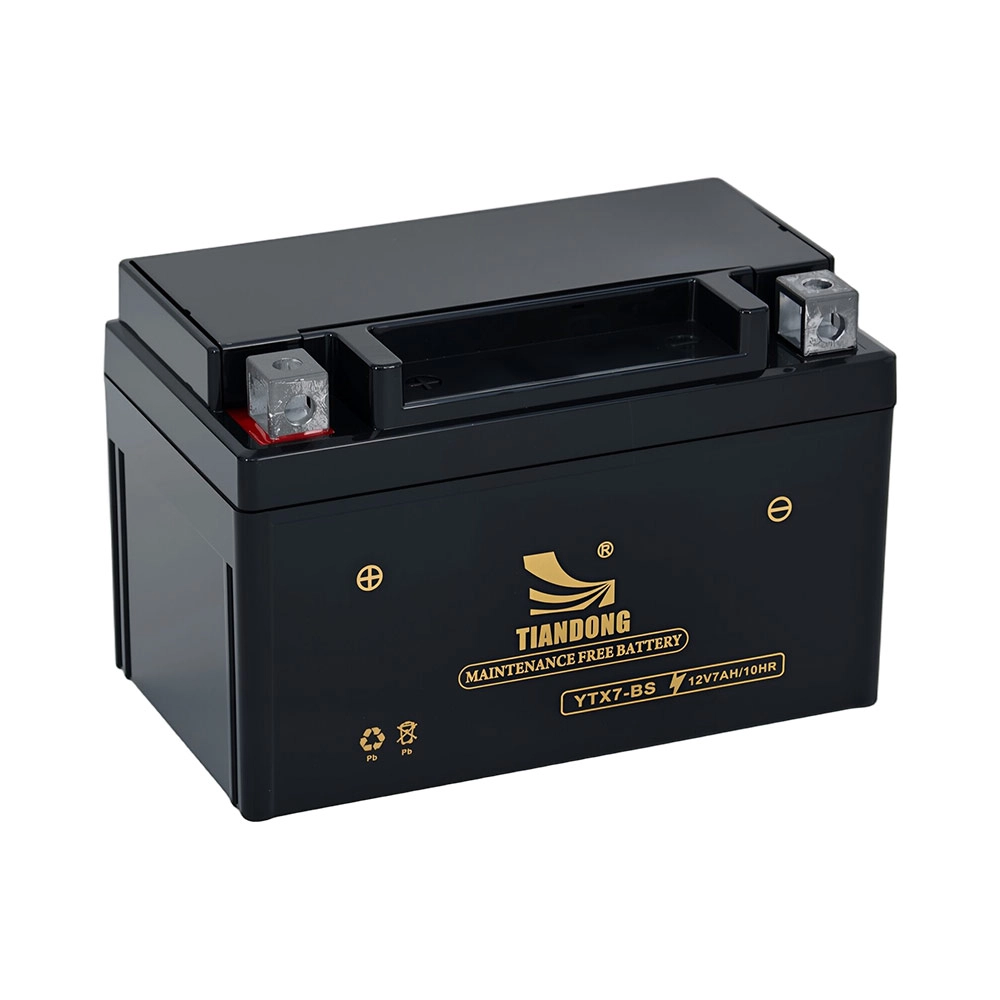
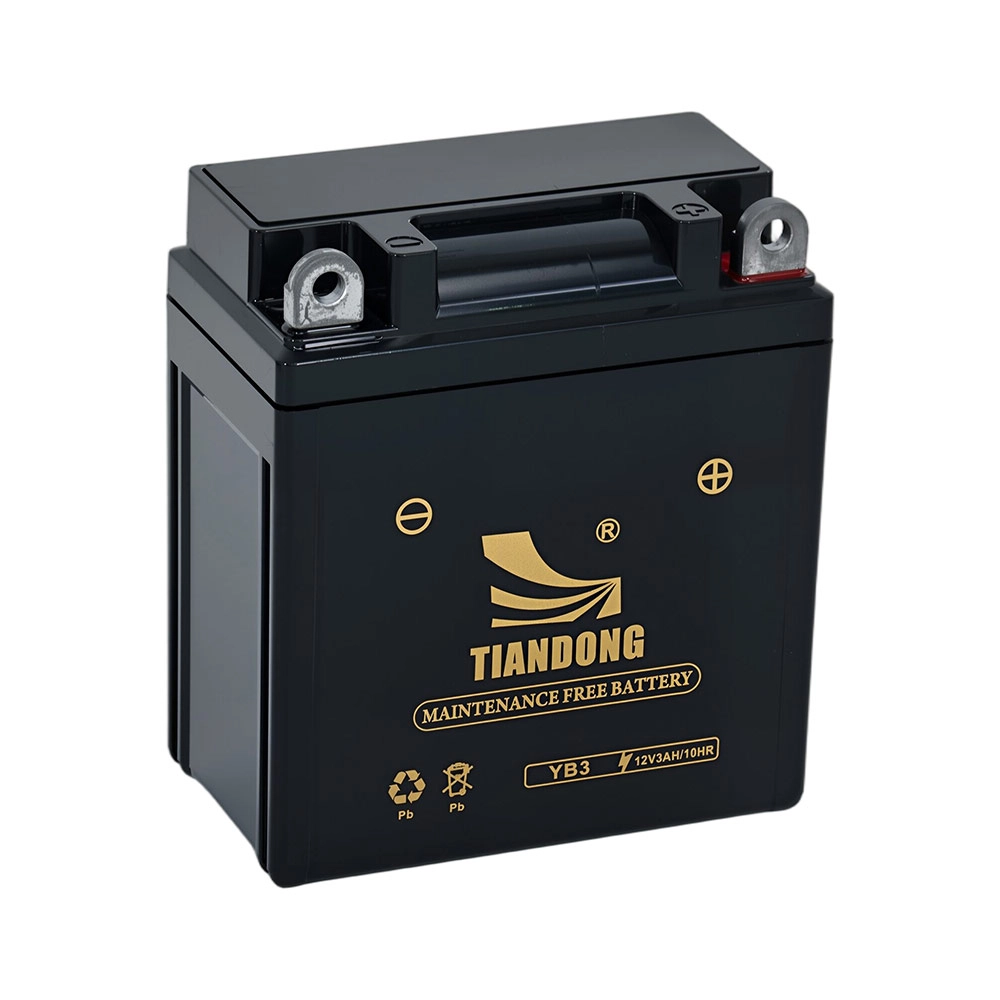
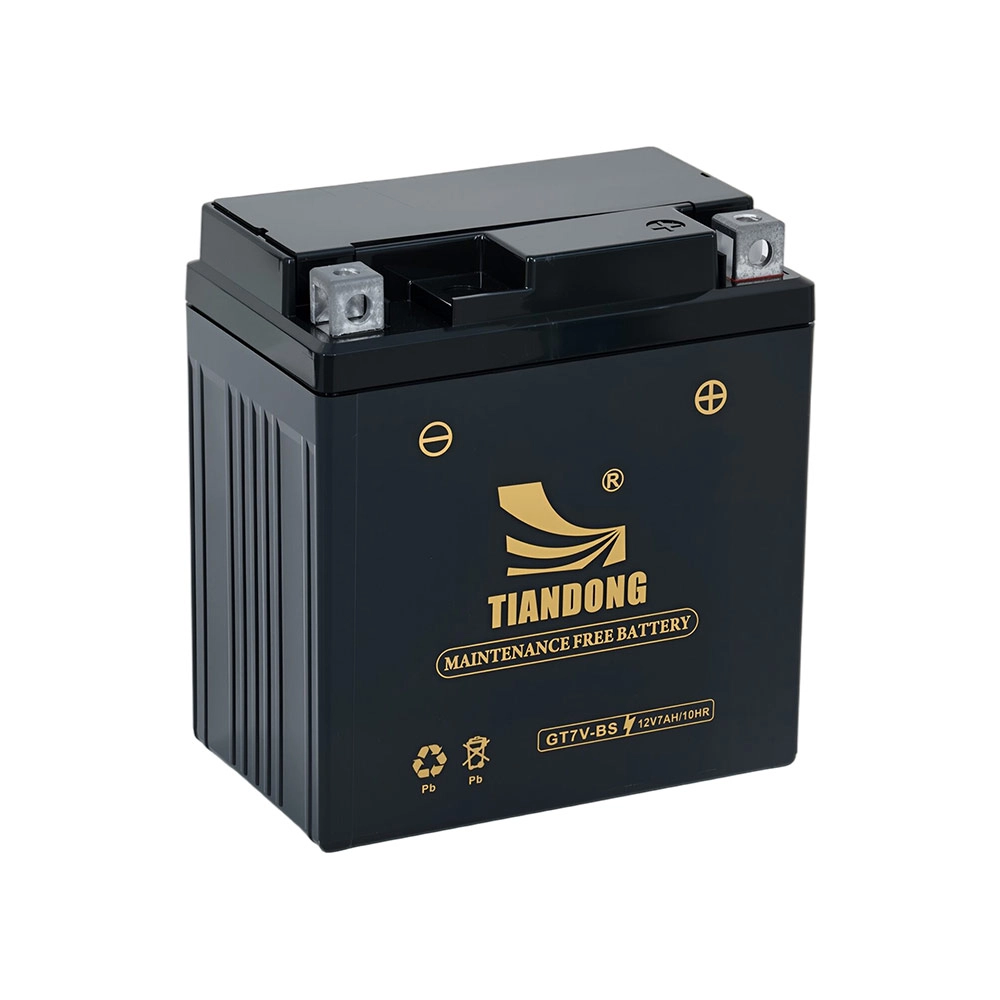
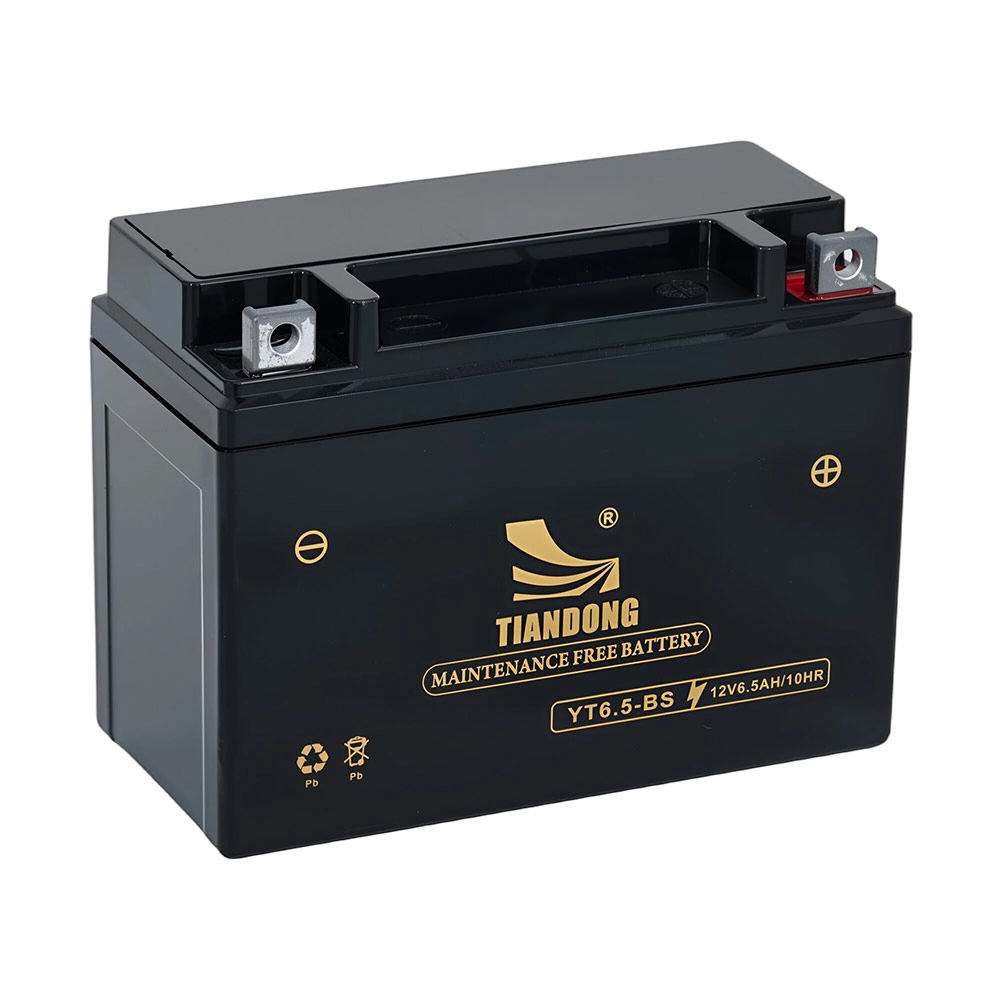
Get in touch with us to get your Motorbike Battery solution
TIANDONG is a leading motorcycle battery manufacturer offering OEM/ODM service, stable quality, and global export support.
Built for wholesalers. Trusted by global buyers. Delivered with confidence.
Say Hello
E-mail: daisybattery8@gmail.com
xianyingchen83@gmail. com
WhatsAPP: +86 134 283 86694
+86 134 348 86641
Our Location
Social Links
© 2025 TIANDONG. All Rights Reserved. Privacy Policy | Terms and Conditions | Sitemap
 Scan QR Code
Facebook
Instagram
Scan QR Code
Whatsapp: +8613434886641