






Eco recycling options for used electric motorcycle batteries

- Why responsible end-of-life management matters
- Environmental and health risks of improper disposal
- Value recovery and circular economy benefits
- Standards and regulatory context
- Key eco-friendly recycling and second-life pathways
- Collection, sorting and diagnostics
- Second-life reuse: repurposing packs for stationary energy storage
- Remanufacturing and module-level refurbishment
- Material recovery techniques: how batteries are processed
- Pyrometallurgical recycling
- Hydrometallurgical recycling
- Direct recycling (component-level regeneration)
- Comparative summary table
- Implementing a practical recycling program for fleets and retailers
- Designing take-back and collection networks
- Safety protocols for handling and transport
- Choosing the right recycler and certification checks
- Case study: Applying options to YT14 12V motorcycle batteries
- Product example and practical considerations
- End-of-life pathways for small-format 12V packs
- Practical checklist for wholesalers and dealers
- Policy, economics and scaling recycling systems
- Incentives and extended producer responsibility (EPR)
- Costs, market drivers and recovered material value
- Research, standards and international cooperation
- Frequently Asked Questions (FAQs)
- Q: Can electric motorcycle batteries be recycled like car EV batteries?
- Q: Is it safe to ship used motorcycle batteries to a recycler?
- Q: What is second-life, and will it void warranties?
- Q: How can I check if a recycler is reputable?
- Q: Which recycling method recovers the most lithium?
As electric motorcycles and scooters grow worldwide, responsibly managing end-of-life electric motorcycle batteries is critical for reducing environmental harm and recovering valuable materials. This guide explains practical, eco-friendly recycling options and second-life uses for used electric motorcycle batteries, outlines collection and safety best practices, compares recycling technologies, and shows how manufacturers and fleet operators can implement circular solutions while meeting standards and regulations.
Why responsible end-of-life management matters
Environmental and health risks of improper disposal
Used electric motorcycle batteries contain metals and chemicals that can contaminate soil and groundwater if landfilled or incinerated improperly. Heavy metals, electrolyte residues, and other toxic components can pose long-term ecological and human-health risks. Ensuring safe transport, collection, and processing helps avoid these hazards and aligns with hazardous-waste handling regulations.
Value recovery and circular economy benefits
Recycling and second-life strategies let stakeholders recover critical materials such as lithium, cobalt, nickel, copper, and graphite. Recovering these elements reduces the need for virgin mining, lowers the carbon footprint of new battery production, and supports a circular economy for electric motorcycle battery supply chains.
Standards and regulatory context
Battery handling, testing and recycling are increasingly regulated. International standards and guidance, such as ISO testing frameworks and policy reports from energy agencies, help define safe practices and promote traceability. See ISO battery test and safety documents for details: ISO standards, and broader policy context from the IEA: IEA critical minerals.
Key eco-friendly recycling and second-life pathways
Collection, sorting and diagnostics
Effective recycling starts with a reliable collection network, safe transport, and battery diagnostics. For electric motorcycle battery packs, dedicated drop-off points, dealer take-back programs, and fleet return logistics reduce the risk of damaged cells entering general waste streams. Initial diagnostics help identify batteries suitable for second-life applications versus those requiring material recovery.
Second-life reuse: repurposing packs for stationary energy storage
Many used electric motorcycle batteries still retain substantial capacity and can be repurposed for lower-power stationary applications like home energy storage, microgrids, or street lighting. Second-life use extends service life, delays material-intensive recycling, and provides lower-cost storage solutions. Successful second-life deployment requires testing for State-of-Health (SoH), reconditioning, and often a new battery management system (BMS) integration.
Remanufacturing and module-level refurbishment
Where modules within a pack remain healthy, remanufacturing (replacing faulty cells, rebalancing modules, updating BMS firmware) can restore packs close to their original performance. This approach requires quality control, warranty strategies, and often partnerships between OEMs and specialist remanufacturers.
Material recovery techniques: how batteries are processed
Pyrometallurgical recycling
Pyrometallurgy involves high-temperature smelting to recover metals such as cobalt, nickel and copper. It is robust and well-established for mixed battery streams but tends to be energy-intensive and may lose lithium and some other elements to slag. Pyrometallurgy is often used by large-scale recyclers and smelters.
Hydrometallurgical recycling
Hydrometallurgy uses aqueous chemistry to leach metals from shredded battery material and selectively recover them. This approach can achieve high recovery rates for lithium and other critical metals with lower energy use compared to pyrometallurgy. Hydrometallurgical processes are central to modern closed-loop recycling strategies and are commonly reviewed in academic literature; see a technical review: Battery recycling overview and specialist reviews in scientific journals such as Nature Energy and others (selected review).
Direct recycling (component-level regeneration)
Direct recycling aims to recover and regenerate active cathode materials with minimal reprocessing, preserving structure and reducing energy inputs. While promising for future circularity, direct recycling needs precise sorting by chemistry and is currently less widely deployed than hydro- or pyrometallurgical methods.
Comparative summary table
| Method | Recovery focus | Advantages | Limitations |
|---|---|---|---|
| Pyrometallurgical | Co, Ni, Cu (some Li loss) | Proven, handles mixed feedstocks, scalable | High energy use, lithium often unrecovered, emissions control needed |
| Hydrometallurgical | Li, Co, Ni, Mn, Cu | High recovery rates, lower temperatures, adaptable | Chemical handling, needs pre-shredding, effluent treatment |
| Direct recycling | Active cathode materials | Low energy, preserves material value | Requires homogeneous chemistries and advanced sorting |
| Remanufacturing / Second-life | Complete packs and modules | Extends lifespan, cost-effective, low resource use | Performance variability, requires testing and warranty solutions |
Implementing a practical recycling program for fleets and retailers
Designing take-back and collection networks
Retailers, OEMs and fleet operators should create convenient take-back points and clear instructions for safe disposal. Partnerships with certified recyclers ensure end-to-end traceability. For motorcycle battery wholesale buyers, integrating collection incentives at dealerships can secure a steady return stream for used packs.
Safety protocols for handling and transport
Transporting used electric motorcycle batteries requires precautions to avoid short circuits, thermal incidents, and leaks. Use insulated packaging, label shipments clearly, and follow local hazardous-transport regulations. Certified carriers and compliant documentation reduce regulatory risk and protect workers.
Choosing the right recycler and certification checks
Evaluate recyclers based on process type, recovery rates, environmental compliance and chain-of-custody reporting. Industry associations like the Battery Council and guidance from international agencies provide useful vetting criteria. Request audit reports and ask about end-product markets for recovered materials.
Case study: Applying options to YT14 12V motorcycle batteries
Product example and practical considerations
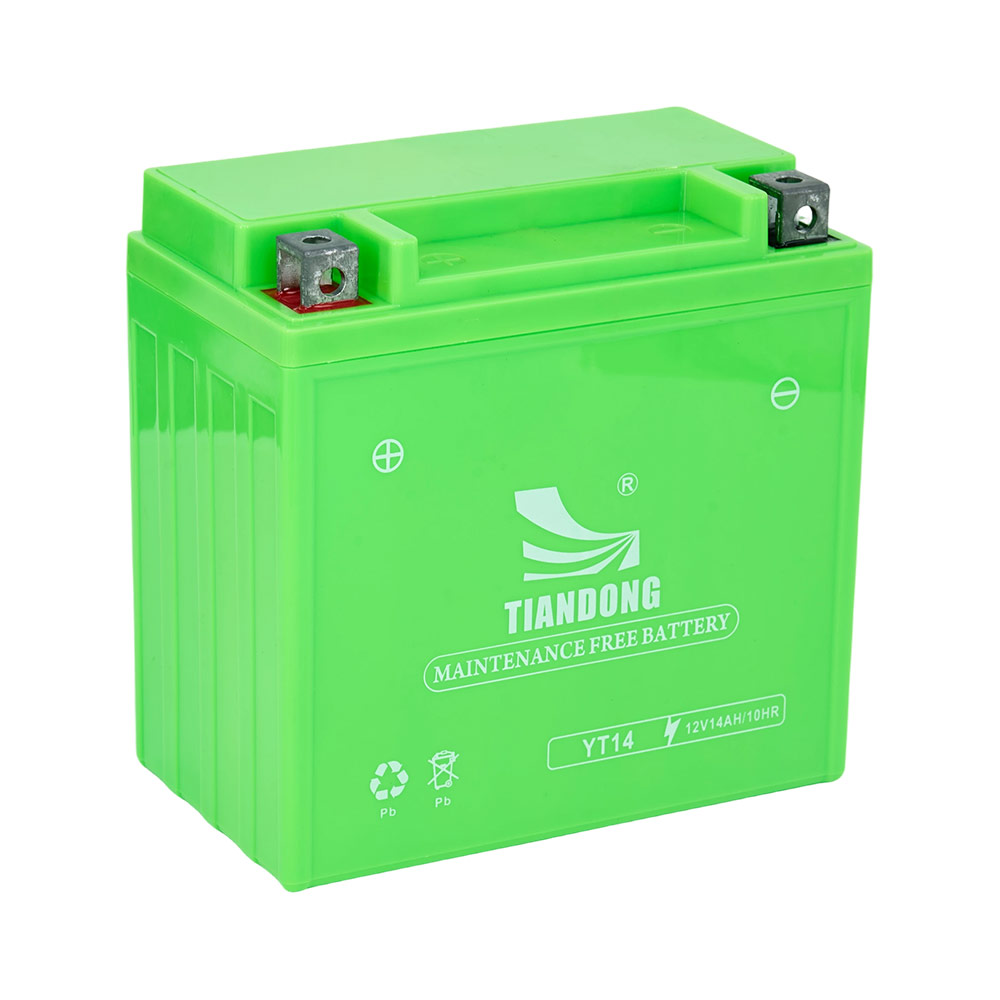
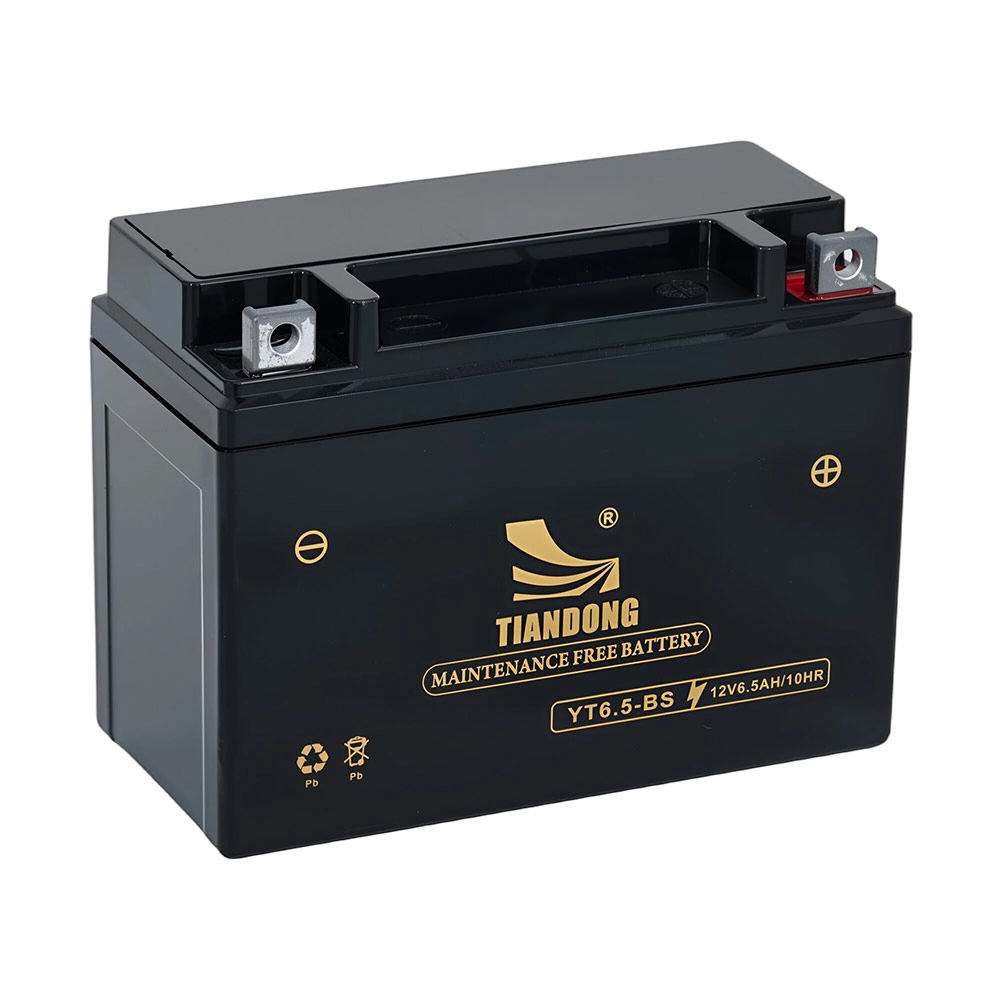
The TIANDONG YT14 12V 4.05kg 14AH motorcycle battery delivers reliable power and long-lasting performance. Ideal for various bikes, it’s perfect for motorcycle battery wholesale buyers seeking quality and durability. Choose TIANDONG for trusted motorcycle battery solutions.
End-of-life pathways for small-format 12V packs
Small-format batteries like the YT14 often lend themselves well to remanufacturing and second-life reuse due to modularity and relatively accessible construction. For wholesale or fleet operators, consider a two-tier pathway: (1) perform SoH testing, recondition and redeploy healthy packs into secondary markets or stationary storage; (2) route non-recoverable units to hydrometallurgical recyclers to maximize material recovery.
Practical checklist for wholesalers and dealers
- Implement a labeled collection bin and customer drop-off procedure for used YT14 units.
- Perform basic SoH screening (voltage, internal resistance) to identify candidates for second-life.
- Partner with certified recyclers and ensure collection manifests are maintained for regulatory compliance.
- Educate customers on safe removal and transport to prevent accidental shorting.
Policy, economics and scaling recycling systems
Incentives and extended producer responsibility (EPR)
Policies like EPR require manufacturers to finance end-of-life management, encouraging eco-design and take-back programs. Governments and industry can use subsidies, deposit schemes or recovery targets to scale recycling systems and make material recovery economically viable.
Costs, market drivers and recovered material value
Recycling economics depend on feedstock volume, metal prices, and recovery efficiency. High-value recovered materials (cobalt, nickel) can offset processing costs, but shifting chemistries and lower cobalt content in some batteries alter the economics. Transparent supply-chain contracts and predictable returns help recyclers invest in advanced processes.
Research, standards and international cooperation
Research into direct recycling, improved sorting and less energy-intensive processes continues. International cooperation and standards – such as recommendations from industry bodies and technical committees – accelerate safe, consistent practices. For background and industry-scale assessments, consult energy-agency and technical literature: IEA report, and technical overviews on battery recycling: Wikipedia.
Frequently Asked Questions (FAQs)
Q: Can electric motorcycle batteries be recycled like car EV batteries?
A: Yes, but processing needs differ. Electric motorcycle batteries are often smaller and modular; this can simplify handling and remanufacturing while requiring sorting by chemistry for industrial recovery. Many large recyclers accept mixed battery sizes but may group them by chemistry and form factor for optimal processing.
Q: Is it safe to ship used motorcycle batteries to a recycler?
A: Shipping is safe if batteries are prepared and packaged correctly: tape terminals, isolate cells, use insulated containers, and comply with hazardous-materials labeling and documentation. Use certified carriers experienced with battery transport to minimize risk.
Q: What is second-life, and will it void warranties?
A: Second-life means repurposing used batteries for less demanding stationary storage or other applications. Whether it voids warranties depends on the OEM and warranty terms; many manufacturers set rules for warranty transfer or require certified remanufacturing to retain coverage.
Q: How can I check if a recycler is reputable?
A: Ask for environmental permits, audit reports, recovery metrics, and references from industry partners. Membership in industry associations and compliance with regional regulations are positive signs. You can also verify that recovered materials are sold into legitimate markets and that effluents are treated responsibly.
Q: Which recycling method recovers the most lithium?
A: Hydrometallurgical processes generally provide higher lithium recovery rates than traditional pyrometallurgical smelting, though technology-specific results vary. Emerging direct recycling approaches may also improve lithium and cathode-material recovery when feedstock chemistry is well known.
If you have specific questions about recycling strategies for your fleet or want to set up a take-back program, contact our recycling team or view the YT14 12V 4.05kg 14AH Motorcycle Batteries product page.
Contact our team | View YT14 product page
References and further reading: Battery recycling (Wikipedia), IEA: Role of critical minerals, Battery Council, Selected academic review.

Bulk Buying Guide: YTX7L 12V 7AH for Scooter Suppliers

Charging time and charger tips for YT14 electric motorcycle battery
Top 10 Electric Scooter Battery Manufacturers and Supplier Brands

Best Motorcycle Battery for Small Bikes: YB3 12V 3AH Guide
Questions you may concerned about
Product
What brands of raw materials do you use?
We use high-quality materials to ensure performance. we use 99.99% pure lead , ensure long life and high Cold Cranking Amps (CCA).
Are you a trading company or a manufacturer?
We are a direct factory located inJiangxi Province, China. You are welcome to visit our production line and quality control lab. We specialize in lead-acid batteries for motorcycles and have been in this industry for 20 years.
What causes motorcycle batteries to fail?
Common causes include over-discharging, extreme temperatures, poor charging systems, and low-quality manufacturing materials.
customer
Can overseas clients visit the Tiandong factory?
Yes. Tiandong welcomes international customers to visit the factory, production workshops, and logistics warehouses to better understand the manufacturing and quality control process.
Support
What is Tiandong’s production capacity?
The company produces approximately 6 million batteries per year, supported by 15,000 tons of electrode plate production capacity.
Get in touch with us to get your Motorbike Battery solution
TIANDONG is a leading motorcycle battery manufacturer offering OEM/ODM service, stable quality, and global export support.
Built for wholesalers. Trusted by global buyers. Delivered with confidence.
Say Hello
E-mail: daisybattery8@gmail.com
xianyingchen83@gmail. com
WhatsAPP: +86 134 283 86694
+86 134 348 86641
Our Location
Social Links
© 2025 TIANDONG. All Rights Reserved. Privacy Policy | Terms and Conditions | Sitemap
 Scan QR Code
Facebook
Instagram
Scan QR Code
Whatsapp: +8613434886641