






Converting fleets: switching to YT14 electric motorcycle batteries

- Why convert fleet motorcycles to modern electric motorcycle battery systems
- Operational drivers for fleet conversion
- Environmental and regulatory incentives
- Compatibility and standardization
- Technical fit: how the YT14 meets electric motorcycle battery needs
- Key specifications and what they mean
- Performance in daily fleet operations
- Integration with charging infrastructure
- Cost and lifecycle comparison: YT14 vs legacy options
- Upfront cost vs total cost of ownership
- Example comparison table
- Sample ROI scenario
- Implementation: procurement, installation, and maintenance best practices
- Procurement and wholesale buying considerations
- Installation, tools, and training
- Maintenance protocols and telemetry
- Safety, standards and environmental considerations
- Safety guidance and recommended standards
- End-of-life handling and recycling
- Environmental impact and lifecycle emissions
- Real-world deployment: practical tips and case examples
- Pilot program design
- Scaling to full-fleet conversion
- Supplier management and warranty
- FAQ
- Will the YT14 physically fit my fleet motorcycles?
- How does YT14 compare to conventional lead-acid batteries?
- What charging infrastructure is required?
- Are YT14 batteries safe for commercial fleet use?
- How can I evaluate ROI for converting my fleet?
- Contact & Next steps
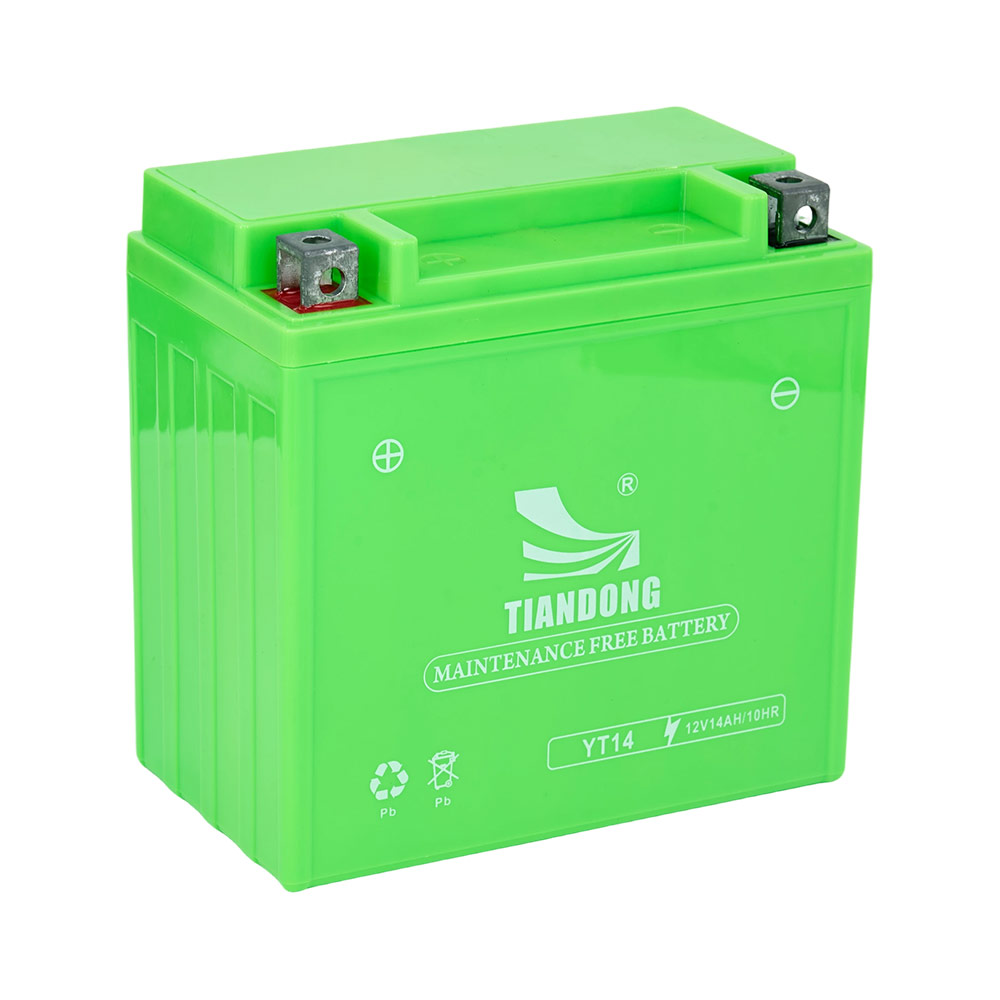
Global and regional fleet managers evaluating electrification strategies should consider the practical benefits of upgrading to modern electric motorcycle battery solutions such as the TIANDONG YT14 12V 4.05kg 14AH Motorcycle Batteries. The YT14's combination of compact size, reliable power delivery, and durability makes it a strong candidate for delivery, rental, courier, municipal and shared-mobility fleets seeking reduced weight, longer cycle life, and easier logistics when switching from conventional batteries.
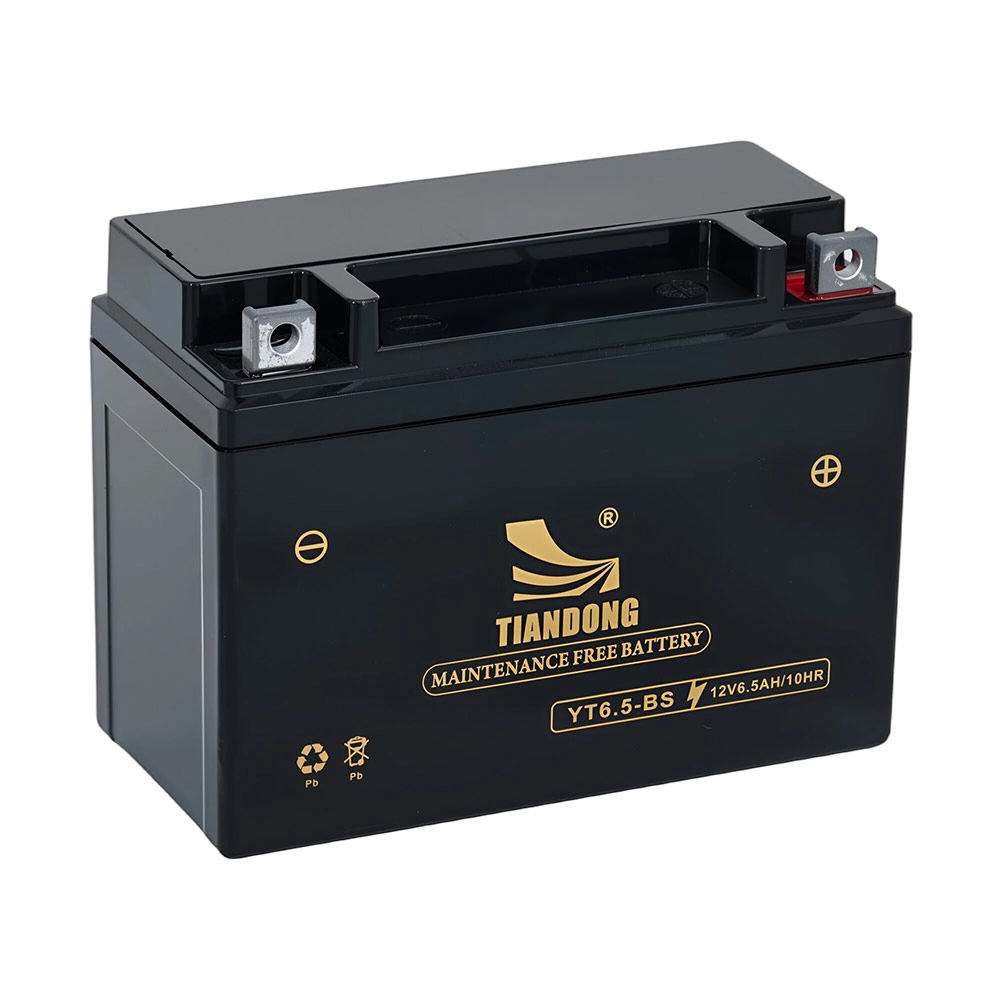
The TIANDONG YT14 12V 4.05kg 14AH motorcycle battery delivers reliable power and long-lasting performance. Ideal for various bikes, it’s perfect for motorcycle battery wholesale buyers seeking quality and durability. Choose TIANDONG for trusted motorcycle battery solutions.
Why convert fleet motorcycles to modern electric motorcycle battery systems
Operational drivers for fleet conversion
Fleets are driven by uptime, safety, and total cost of ownership (TCO). Upgrading to high-performance electric motorcycle battery options can reduce the downtime associated with frequent charging, battery swaps, and maintenance. Lightweight batteries lower vehicle mass, improving range and handling for delivery and courier applications. For fleet managers, these operational improvements translate into higher daily utilization and more predictable scheduling.
Environmental and regulatory incentives
Municipal emissions regulations, low-emission zones, and sustainability commitments increasingly favor electrified two-wheel fleets. Switching to a modern electric motorcycle battery reduces lifecycle CO2 when combined with cleaner grid electricity or managed charging schedules. Many governments and agencies provide incentives, rebates or preferential procurement for zero-emission fleets—benefits that accelerate payback on battery upgrades.
Compatibility and standardization
Fleet success depends on standardizing battery sizes and mounting across models. The YT14 (12V, 14AH, 4.05kg) is sized to fit a broad range of motorcycles and scooters used in commercial fleets, enabling streamlined inventory and easier wholesale procurement. Standardization shortens training time for mechanics and simplifies swap-and-charge operations.
Technical fit: how the YT14 meets electric motorcycle battery needs
Key specifications and what they mean
The YT14 is specified as a 12V 14AH unit weighing 4.05kg. For fleet planners, three metrics matter most: usable energy (Wh), weight, and cycle life. Usable energy equals voltage × ampere-hours (12V × 14Ah ≈ 168Wh). Weight directly affects vehicle range and handling. Cycle life determines replacement frequency and TCO over fleet lifetime. While chemistry specifics vary by supplier, modern lightweight 12V motorcycle batteries typically offer significantly higher cycle counts and lower effective mass than traditional lead-acid equivalents.
Performance in daily fleet operations
In urban stop-start routes, the YT14's lower weight improves acceleration and maneuverability, while a stable discharge profile maintains consistent headlight, horn and starter performance as charge depletes. For swappable-battery logistics, the 4.05kg mass allows single-person swaps without special tools, reducing swap time and occupational strain.
Integration with charging infrastructure
Convertors should plan charging protocols (CC/CV or smart chargers depending on battery chemistry), use battery management systems (BMS) where applicable, and monitor state-of-charge (SoC) through telemetry. Proper charging extends calendar life and reduces thermal stress in high-use fleets. For guidance on battery charging and chemistry properties, see educational resources such as Battery University.
Cost and lifecycle comparison: YT14 vs legacy options
Upfront cost vs total cost of ownership
Upfront price is important, but fleets must evaluate replacement frequency, maintenance, energy costs and downtime. Lightweight, higher-cycle batteries usually cost more initially but deliver lower TCO over time due to fewer replacements and less labor for maintenance.
Example comparison table
| Metric | YT14 (12V 14Ah) | Typical 12V Lead-Acid (14Ah) | Generic 12V Lithium (14Ah) |
|---|---|---|---|
| Weight | 4.05 kg | ~8.5–10 kg | ~3.5–4.5 kg |
| Usable energy (approx.) | 168 Wh | 168 Wh | 168 Wh |
| Cycle life | 600–1500 cycles (model / chemistry dependent) | 200–500 cycles | 800–2000 cycles |
| Maintenance | Low | Moderate (check electrolyte, terminals) | Low |
| Replacement frequency (approx.) | Lower | Higher | Lower |
| Estimated TCO (5 years) | Lower–moderate | Higher | Lower–moderate |
Note: values vary by battery chemistry and vendor; use these figures as planning guidance rather than precise guarantees.
Sample ROI scenario
Consider a delivery fleet of 100 motorcycles switching from lead-acid to YT14-style batteries. If each lead-acid battery needs replacement twice in 5 years while YT14 requires one replacement, savings accrue from fewer batteries purchased, less technician time for swaps and reduced vehicle downtime. Combine these savings with fuel/energy savings and municipal incentives to calculate payback. For accurate modeling, include local energy pricing, replacement costs and labor rates.
Implementation: procurement, installation, and maintenance best practices
Procurement and wholesale buying considerations
When buying motorcycle batteries in volume, verify supplier certifications, batch testing, warranty terms, and after-sales support. Ask for cycle test data, abuse and vibration test reports, and thermal performance. For guidance on safety and international standards, consult resources on international battery safety standards like IEC 62133.
Installation, tools, and training
Standardize mounting brackets and electrical connectors across the fleet where possible. Provide technicians with torque tools for terminal fastening, insulated gloves, and basic diagnostics equipment (multimeter, conductance tester). Training should cover correct polarity, secure mounting, connector inspection and simple BMS resets. Use documented checklists to reduce human error during swaps.
Maintenance protocols and telemetry
Preventive maintenance includes visual terminal inspection, cleaning corrosion, and monitoring battery voltage/SoC. Integrate battery telemetry into fleet management platforms to track cycle counts, average depth-of-discharge, temperature excursions and health indicators. Telemetry enables predictive replacement and reduces unexpected failures.
Safety, standards and environmental considerations
Safety guidance and recommended standards
Battery safety is paramount. Follow manufacturer safety data sheets and local transport regulations for battery handling. Many modern cells comply with battery safety standards; for context on electric vehicle and battery best practices see the U.S. Department of Energy's overview of electric vehicle basics at U.S. DOE AFDC. Compliance with industry test standards helps reduce thermal and mechanical risks during use and transit.
End-of-life handling and recycling
Plan for battery collection and recycling at end-of-life. Establish contracts with certified recyclers who accept small-format motorcycle batteries. Proper end-of-life processing recovers valuable materials and avoids hazardous disposal. Local and international recycling requirements vary; check regulations in your operating countries.
Environmental impact and lifecycle emissions
Lifecycle emissions depend on manufacturing, energy mix for charging, and recycling rates. Electric motorcycle batteries typically reduce operational tailpipe emissions and can yield lower lifecycle CO2 when charged from low-carbon grids. For lifecycle considerations and broader context on electric transport, see resources like Electric motorcycle — Wikipedia.
Real-world deployment: practical tips and case examples
Pilot program design
Start with a pilot: convert a small subset of vehicles in a single route to validate runtime, swap times, and daily energy needs. Measure metrics such as average daily distance, number of swaps per unit, and unscheduled downtime. Use pilot data to predict battery inventory and charger installation requirements.
Scaling to full-fleet conversion
Use lessons from the pilot to standardize documentation, charging rack placement, and spare battery counts. Negotiate volume pricing and extended warranty terms with suppliers once you commit to full-scale procurement. Consider centralized charging hubs if route patterns permit, or distributed charging/plug-in and swap stations for dispersed operations.
Supplier management and warranty
Choose vendors who provide test certificates, clear warranty clauses, and responsive technical support. For wholesale buyers, request a service-level agreement for replacement turnaround and defective unit handling. Secure parts availability for at least the expected battery lifecycle to reduce risk.
FAQ
Will the YT14 physically fit my fleet motorcycles?
YT14 is a standard 12V 14AH form factor designed for broad compatibility. Measure your battery compartment dimensions, terminal layout and mounting points to confirm fit. For bulk purchases, request sample units to verify mechanical and electrical compatibility before full procurement.
How does YT14 compare to conventional lead-acid batteries?
Compared to lead-acid, YT14 offers significantly lower weight (≈4.05 kg vs ~8.5–10 kg), improved cycle life, and reduced maintenance. This typically results in lower total cost of ownership despite a potentially higher initial price. See the comparison table above for planning estimates.
What charging infrastructure is required?
Charging requirements depend on the battery chemistry and the charging profile recommended by the manufacturer. Many modern motorcycle batteries can use smart chargers with CC/CV profiles; some batteries require a BMS-aware charger. Confirm charging specifications with TIANDONG or your supplier and ensure chargers are rated for the battery's voltage and current limits.
Are YT14 batteries safe for commercial fleet use?
When sourced from reputable manufacturers and used per instructions, modern motorcycle batteries meet safety and performance standards suitable for fleets. Check supplier test data and certifications (e.g., IEC standards) and educate technicians on safe handling and emergency procedures.
How can I evaluate ROI for converting my fleet?
Estimate ROI by comparing the cost of battery procurement, replacement frequency, energy costs, maintenance labor, and downtime for current batteries versus YT14. Include potential incentives, fuel savings, and improved utilization. A pilot program helps produce accurate real-world numbers.
Contact & Next steps
If you’re ready to evaluate fleet conversion or request wholesale pricing and samples for the YT14 12V 4.05kg 14AH Motorcycle Batteries, contact our sales team to discuss volume pricing, technical data sheets, and warranty options. Visit the TIANDONG product page or email sales to get started.
Explore manufacturer and industry guidance to support safe and effective conversions: Battery University on lithium types, Electric motorcycle — Wikipedia, and U.S. DOE AFDC electric vehicle basics.
Top 10 VRLA Battery Manufacturers and Supplier Brands
Top 10 EPS Battery Manufacturers and Supplier Brands

Quick Guide: Install TIANDONG HP12-12 UPS Backup Battery

Maintenance and Lifecycle Management for Lead Acid
Questions you may concerned about
customer
Can overseas clients visit the Tiandong factory?
Yes. Tiandong welcomes international customers to visit the factory, production workshops, and logistics warehouses to better understand the manufacturing and quality control process.
Product
What certifications do your batteries have?
Our batteries are certified with CE, ISO9001, and RoHS, and meet export standards for markets in Southeast Asia, South Asia, and Africa.
Why does my motorcycle battery keep dying?
Common causes include:
-
Faulty charging system
-
Parasitic drain
-
Old battery
-
Improper storage
Shipping
Which countries does Tiandong export to?
Tiandong batteries are exported to more than 20 countries, including Vietnam, India, Egypt, Thailand, and Indonesia.
How long does delivery take?
For stock items, delivery takes about 7-15 days after receiving the deposit. For bulk orders or custom logo orders, it usually takes 25-35 days depending on the quantity.
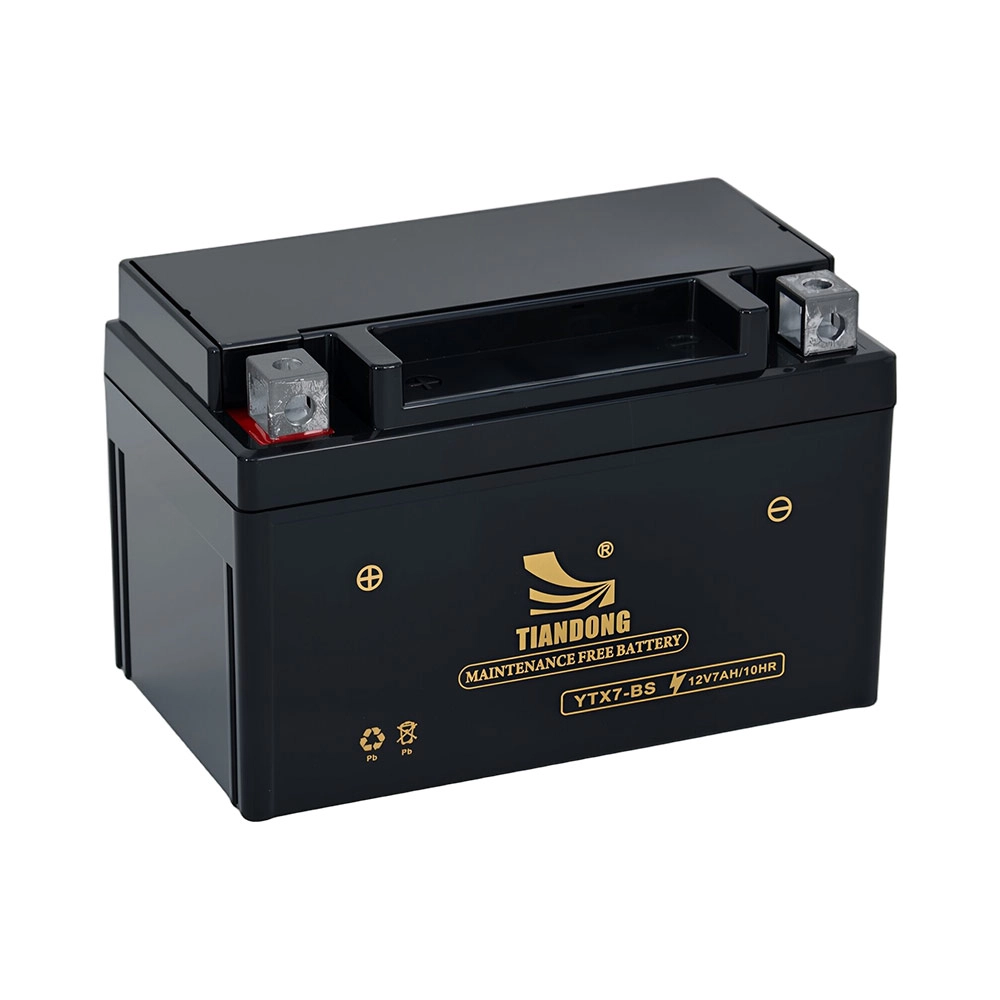
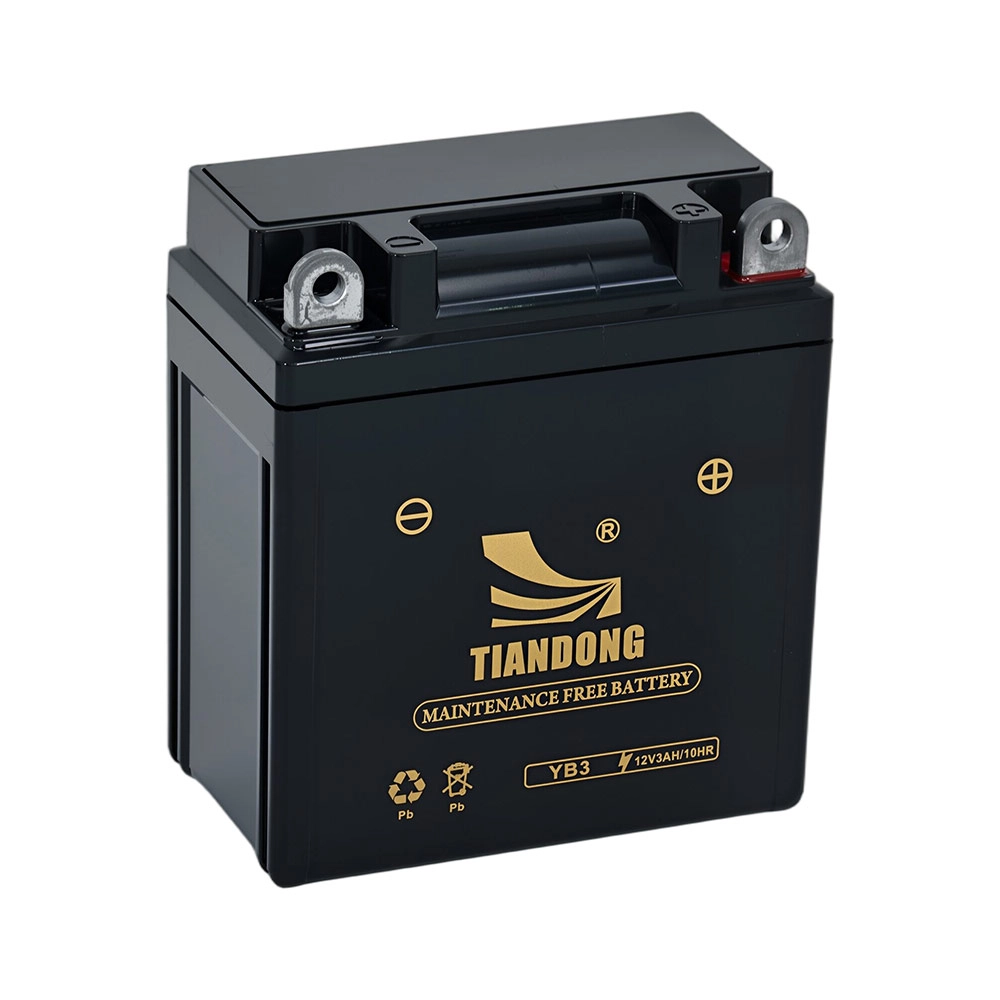
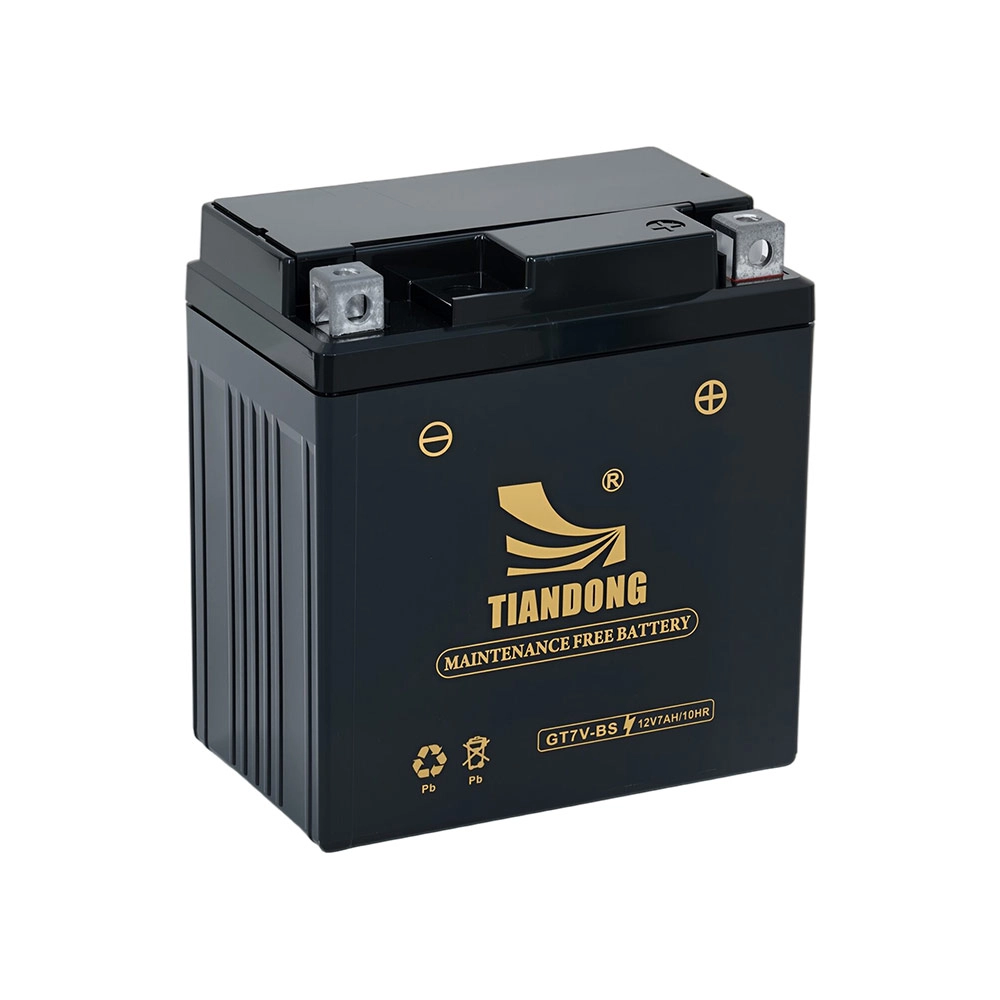
Get in touch with us to get your Motorbike Battery solution
TIANDONG is a leading motorcycle battery manufacturer offering OEM/ODM service, stable quality, and global export support.
Built for wholesalers. Trusted by global buyers. Delivered with confidence.
Say Hello
E-mail: daisybattery8@gmail.com
xianyingchen83@gmail. com
WhatsAPP: +86 134 283 86694
+86 134 348 86641
Our Location
Social Links
© 2025 TIANDONG. All Rights Reserved. Privacy Policy | Terms and Conditions | Sitemap
 Scan QR Code
Facebook
Instagram
Scan QR Code
Whatsapp: +8613434886641