






Comparing 6V7.0AH Batteries for Commercial Motorcycle Fleets
- Comparing 6V7.0AH Batteries for Commercial Motorcycle Fleets
- Why a good motorcycle battery matters for commercial fleets
- Product highlight: TIANDONG HP6-7.0(6V7.0AH) — a candidate for a good motorcycle battery
- Common 6V7.0AH battery types and how they compare to a good motorcycle battery
- How to evaluate a 6V7.0AH battery as a good motorcycle battery for fleet use
- Fleet-level Total Cost of Ownership (TCO) considerations for a good motorcycle battery
- Installation, charging, and maintenance tips to extend battery life
- Why choose a customizable, factory-direct option like TIANDONG HP6-7.0 for fleets
- Real-world selection checklist: choosing the right 6V7.0AH battery for your fleet
- Safety, transport, and disposal considerations
- FAQ — Frequently Asked Questions about 6V7.0AH batteries and choosing a good motorcycle battery
- Contact us / View product
- Authoritative references and further reading
- Closing summary: selecting a good motorcycle battery for commercial fleets
Comparing 6V7.0AH Batteries for Commercial Motorcycle Fleets
Why a good motorcycle battery matters for commercial fleets
For commercial motorcycle fleets—delivery services, police/motor escort units, rental operations, and on-site logistics—a reliable power source is fundamental. A single battery failure can disrupt operations, increase downtime, and incur replacement costs that multiply quickly across a fleet. Choosing a good motorcycle battery means balancing upfront cost, lifecycle, maintenance needs, and fitness for operating conditions (temperature, vibration, duty cycles). This article compares the common 6V7.0AH battery types used in motorcycles, explains how to evaluate them for commercial use, and highlights the TIANDONG HP6-7.0(6V7.0AH)Customizable high-quality energy storage battery as a factory-direct option for fleet buyers.
Product highlight: TIANDONG HP6-7.0(6V7.0AH) — a candidate for a good motorcycle battery
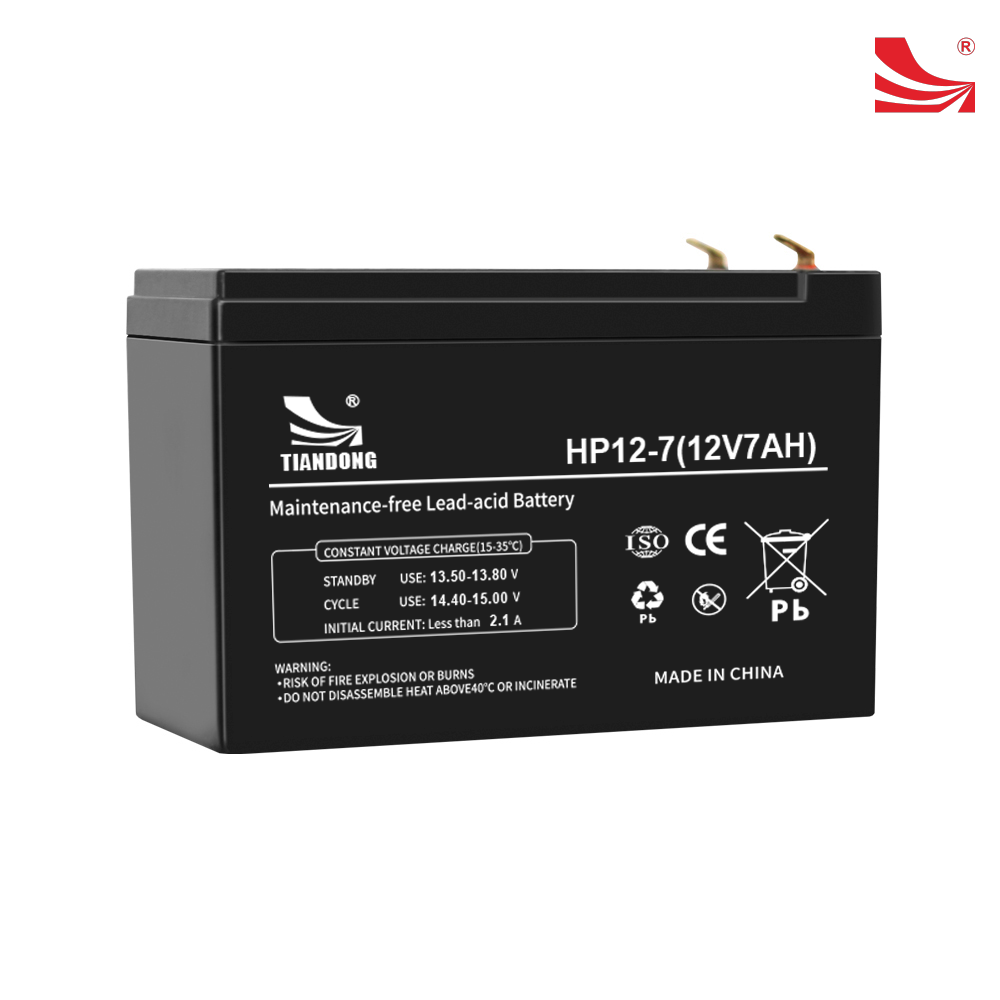
TIANDONG HP6-7.0 (6V7.0AH) is a customizable, high-quality energy storage battery from TIANDONG, a trusted battery manufacturer with 20+ years of experience. Factory direct supply ensures reliability and performance for your energy storage needs.
This product is engineered for applications requiring consistent cranking and accessory power in a compact 6V form factor. Because it is customizable, fleet managers can request terminal types, case reinforcements for heavy vibration, and optimized charge profiles to suit specific vehicles or chargers.
Common 6V7.0AH battery types and how they compare to a good motorcycle battery
6V7.0AH batteries are available in several chemistries and constructions. For commercial motorcycle fleets, the most relevant are sealed lead-acid (SLA) variants including conventional flooded lead-acid (less common in small 6V form factors for motorcycles), Absorbent Glass Mat (AGM), gel, and advanced lithium technologies (LiFePO4 or lithium-ion equivalents sized to match energy needs). Below is a concise comparison table focusing on attributes fleets care about.
| Type | Typical Weight | Cycle Life (typical) | Maintenance | Vibration Resistance | Temperature Performance | Upfront Cost | Fleet suitability notes |
|---|---|---|---|---|---|---|---|
| Standard SLA (6V 7Ah) | ~2.0–3.0 kg | 200–400 cycles | Low (sealed), occasional replacement | Moderate | Fair at moderate temps; suffers in extreme heat/cold | Low | Lowest cost; acceptable for low-mileage use, higher replacement frequency |
| AGM (6V 7Ah) | ~2.0–3.0 kg | 300–700 cycles | Maintenance-free (sealed) | Good | Better than standard SLA; good for varied climates | Moderate | Common for motorcycles; balance of cost, resilience, and lifespan |
| Gel (6V 7Ah) | ~2.0–3.0 kg | 300–600 cycles | Maintenance-free (sealed) | Moderate | Good for high temps but sensitive to fast charging | Moderate | Less common for motorcycles; chosen when deep discharge resistance and vibration tolerances are needed |
| Lithium (LiFePO4 equivalent capacity) | ~0.8–1.5 kg (lighter) | 2000+ cycles | Low (BMS required) | Excellent | Excellent cold and hot range improvements vary by chemistry | High | Best lifecycle, weight, and depth-of-discharge; higher upfront cost and charger/BMS requirements |
| TIANDONG HP6-7.0 (6V7.0AH) | ~2.0–3.0 kg (model dependent) | Designed for fleet use; typical SLA/AGM ranges or better depending on customization | Factory options for sealed maintenance-free designs | Reinforced case and terminals available | Customizable for temperature tolerance | Factory-direct pricing — competitive | Customizable features make it an excellent candidate for fleets requiring tailored performance and reliable supply |
How to evaluate a 6V7.0AH battery as a good motorcycle battery for fleet use
When evaluating batteries, use measurable criteria rather than marketing labels. For fleets, consider:
- Cycle life and expected calendar life: How many cycles at your expected depth-of-discharge (DoD)? Fleets that discharge to 50% daily should prefer higher cycle-life chemistries.
- Depth of discharge (DoD) tolerance: Batteries rated to tolerate deep cycles without drastic capacity loss reduce replacements.
- Charge acceptance and regeneration: Many delivery motorcycles have frequent stop-starts and short rides—choose batteries that accept charge quickly from your charging system or regenerative charging, if present.
- Vibration and mounting: Commercial motorcycles endure more vibration; reinforced cases and secure terminal designs matter.
- Temperature performance: If your fleet operates in extreme climates, check manufacturer specifications for operating temperature ranges.
- Safety and compliance: Look for certifications and compliance documentation (UN38.3 for lithium transport, IEC/UL standards, etc.).
- TCO (Total Cost of Ownership): Consider upfront cost, maintenance, replacement frequency, downtime costs, and energy efficiency.
Fleet-level Total Cost of Ownership (TCO) considerations for a good motorcycle battery
Fleet decisions should be based on TCO rather than purchase price alone. Typical TCO components include:
- Initial purchase price and shipping
- Installation and labor costs
- Energy/charging costs (efficiency and charge acceptance)
- Maintenance and inspection schedule costs
- Replacement frequency (driven by cycle life and operating profile)
- Downtime costs associated with battery failures
Example (illustrative, not exact): If an SLA battery costs $25 and lasts 1 year under fleet usage, while a higher-quality AGM or a TIANDONG-customized SLA costs $45 and lasts 2.5 years, the higher-quality unit reduces replacement and downtime costs even if the upfront price is higher. Lithium options often pay back over time due to long cycle life and weight savings but require charger/BMS changes and higher initial capital.
Installation, charging, and maintenance tips to extend battery life
Proper handling and charging extend life and reliability—key for fleet uptime. Practical steps:
- Use chargers matched to battery chemistry. For sealed lead-acid and AGM, follow manufacturer charge profiles (float and bulk stages). Avoid excessive overcharging.
- Implement routine voltage and specific-gravity (if applicable) checks and measure voltage after rest to assess state-of-charge.
- Avoid deep discharge when possible. If deep cycling is required daily, choose batteries rated for deep-cycle use.
- Store batteries at partial charge (~50–80%) if not used for long durations and recharge periodically to avoid sulfation in lead-acid types.
- Ensure secure mounting and vibration isolation where possible. Reinforced cases and terminal guards help reduce mechanical failures.
- Record battery serial numbers, installation dates, and performance logs to identify weak performers and batch issues early.
Why choose a customizable, factory-direct option like TIANDONG HP6-7.0 for fleets
Factory-direct manufacturers with customization options provide several fleet advantages:
- Tailored specifications: Terminal type, reinforced casing, and custom charge profiles can be requested to match vehicle and charger hardware.
- Supply assurance: Direct relationships reduce lead times and simplify bulk procurement.
- Quality control: Established manufacturers (20+ years experience) often deliver consistent cells and QA processes that reduce early failures.
- After-sales support: Warranty, technical support, and testing guidance tailored for fleets.
For many fleet managers, the predictability of supply and the ability to request small specification changes are decisive factors when choosing a good motorcycle battery at scale.
Real-world selection checklist: choosing the right 6V7.0AH battery for your fleet
Use this checklist when evaluating options—score each item for your fleet:
- Does the battery meet your vehicle's physical and electrical fit (terminal, size, polarity)?
- Is the rated cycle life suitable for your daily DoD and expected mileage?
- Does the battery tolerate your operating temperature extremes?
- Are vibration-resistant features (reinforced case/terminals) included?
- Does the vendor provide factory-direct pricing and predictable lead times?
- Is warranty coverage comprehensive for fleet use?
- Are certifications and material safety data available (for transport and disposal)?
- Is technical support available to optimize chargers and charge profiles?
Safety, transport, and disposal considerations
Batteries are regulated for transport and disposal. For lead-acid batteries, recycling is widespread and often required by law; ensure you have a recycling plan. For lithium chemistries, UN transport rules and specific packaging apply. Work with suppliers who provide compliance documentation and take-back or recycling options to minimize regulatory and environmental risk.
FAQ — Frequently Asked Questions about 6V7.0AH batteries and choosing a good motorcycle battery
Q: Is a 6V7.0AH battery suitable for all commercial motorcycles?
A: Not always. Check the motorcycle manufacturer’s recommended voltage and capacity. Some motorcycles require 12V systems or higher cold-cranking amps (CCA). 6V7.0AH is common in vintage and certain compact motorcycles—ensure electrical compatibility.
Q: How do I know when a battery needs replacement?
A: Look for slow cranking, reduced accessory power, a resting voltage well below rated float voltage, or repeated recharge needs. For fleet use, implement periodic load/voltage tests and replace batteries showing rapid capacity decline.
Q: Can I replace SLA with lithium to save weight?
A: Yes, but with caveats. Lithium often requires a Battery Management System (BMS), different charging profiles, and attention to cold-temperature behavior. It can reduce weight and increase cycle life but requires fleet-level cost/benefit analysis and charging upgrades.
Q: How should fleets handle battery inventory and lifecycle tracking?
A: Use asset tags/serial numbers, maintain installation and capacity logs, and schedule proactive replacements before batteries fail to avoid downtime. Bulk purchases from a single manufacturer simplify tracking and warranty claims.
Q: Is TIANDONG HP6-7.0 a good motorcycle battery for fleets?
A: TIANDONG HP6-7.0(6V7.0AH)Customizable high-quality energy storage battery is positioned as a fleet-ready option because of customizable features, factory-direct supply, and the manufacturer’s long experience. For fleet pilots, request sample units and real-world testing before large-scale adoption.
Contact us / View product
To learn more about TIANDONG HP6-7.0(6V7.0AH), request customization options, or get factory-direct pricing and lead times, contact our sales team: sales@tiandong.com or visit our product inquiry page: https://www.tiandong.com/product/HP6-7.0. We can provide sample units, technical specifications, and fleet pricing.
After comparing voltage stability, lifespan, and operating costs of 6V 7.0AH batteries in commercial motorcycle fleets, the next critical step is ensuring that these performance claims can be delivered consistently by manufacturers.
To evaluate supplier reliability, testing standards, and production controls, refer to
Quality Control Checklist for Motorcycle Battery Suppliers.
Authoritative references and further reading
- Wikipedia — Motorcycle battery: https://en.wikipedia.org/wiki/Motorcycle_battery
- Battery University — Sealed Lead Acid batteries: https://batteryuniversity.com/learn/article/sealed_lead_acid
- Battery University — Lithium iron phosphate (LiFePO4) overview: https://batteryuniversity.com/learn/article/lithium_ion_batteries
- Wikipedia — Lead–acid battery: https://en.wikipedia.org/wiki/Lead-acid_battery
- International regulations overview (UN transport): https://unece.org/transport
Closing summary: selecting a good motorcycle battery for commercial fleets
Choosing a good motorcycle battery for a commercial fleet is a strategic decision driven by total cost of ownership, operational duty cycles, environmental conditions, and logistical considerations. For many fleet operators, a high-quality, customizable option such as the TIANDONG HP6-7.0(6V7.0AH)Customizable high-quality energy storage battery offers the benefits of factory-direct supply, tailored features, and consistent manufacturing quality—making it a strong candidate for pilot testing and broader rollout. Pair product selection with proper charging management, inventory tracking, and preventative maintenance to maximize uptime and reduce lifecycle costs.

TIANDONG HP12-12 Specs: What Buyers Need for UPS Replacement

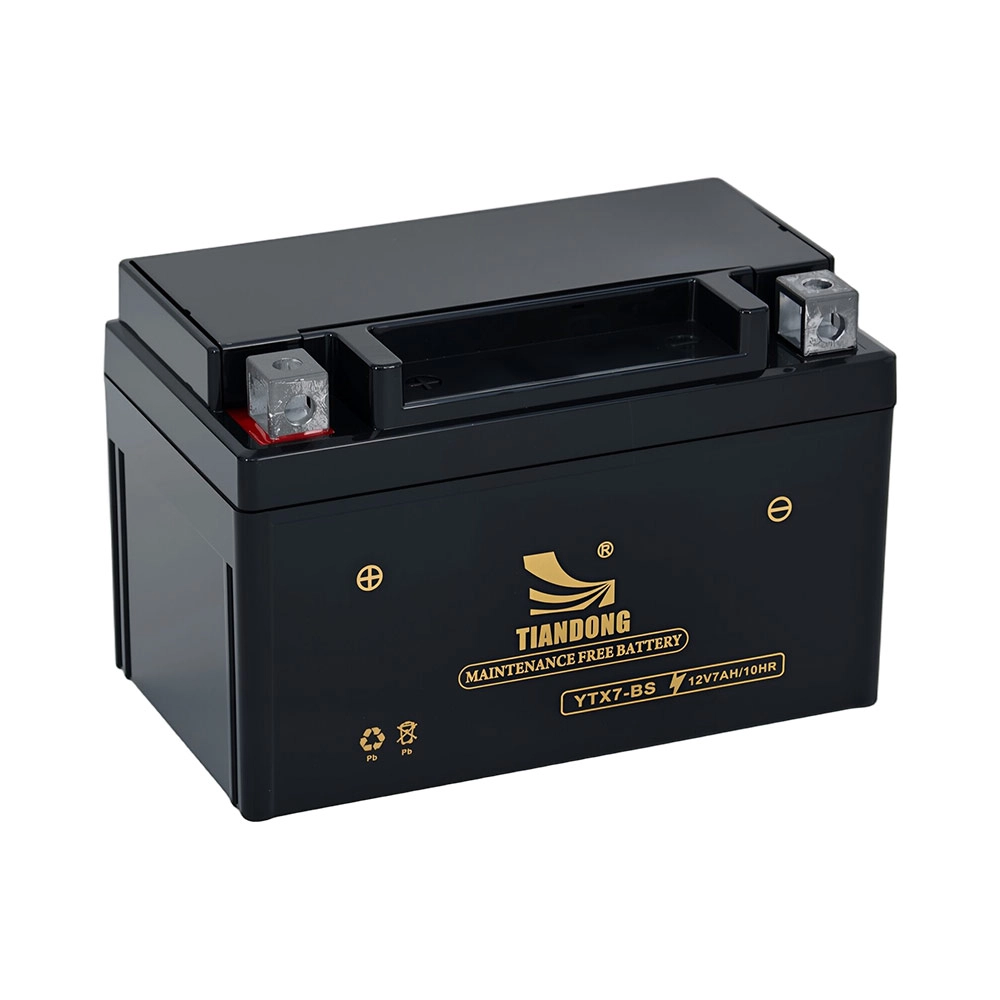
Replacing your motorcycle battery: step-by-step YTX7-BS

Why choose a sealed lead acid YTX7-BS battery?
Top 10 EPS Battery Manufacturers and Supplier Brands
Questions you may concerned about
Product
How long is the delivery time?
- Sample: 7–15 days
- Bulk orders: 20–35 days
Why does my motorcycle battery keep dying?
Common causes include:
-
Faulty charging system
-
Parasitic drain
-
Old battery
-
Improper storage
Do you offer OEM or custom branding?
Yes, we provide full OEM and ODM services, including logo printing, packaging customization, and model adjustments.
What is the typical lifespan of your batteries?
Depending on the model and usage conditions, our batteries typically last between 2 to 4 years under normal operation.
How long does a motorcycle battery typically last?
A motorcycle battery generally lasts between 2 and 4 years, depending on usage, maintenance, and environmental conditions.
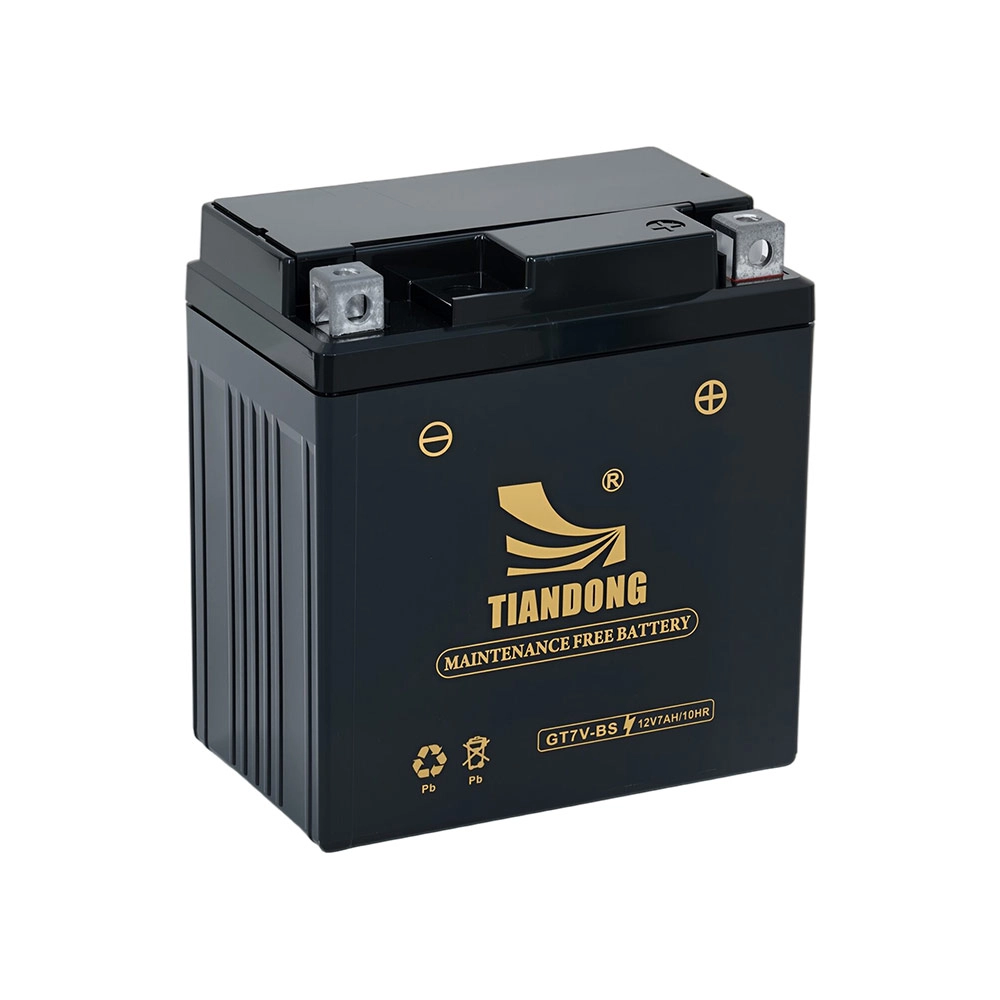
Get in touch with us to get your Motorbike Battery solution
TIANDONG is a leading motorcycle battery manufacturer offering OEM/ODM service, stable quality, and global export support.
Built for wholesalers. Trusted by global buyers. Delivered with confidence.
Say Hello
E-mail: daisybattery8@gmail.com
xianyingchen83@gmail. com
WhatsAPP: +86 134 283 86694
+86 134 348 86641
Our Location
Social Links
© 2025 TIANDONG. All Rights Reserved. Privacy Policy | Terms and Conditions | Sitemap
 Scan QR Code
Facebook
Instagram
Scan QR Code
Whatsapp: +8613434886641