






How to Choose a Good Motorcycle Battery: Buyer Tips
- Key Factors in Motorcycle Battery Selection
- Battery chemistry: Lead-acid, AGM, Gel and Lithium
- Cold Cranking Amps (CCA) and starting performance
- Capacity (Ah), Reserve Capacity and ride profile
- Performance, Maintenance and Longevity
- Maintenance-free claims: what they mean
- Charging behavior and battery chargers
- Temperature, cycling and expected lifespan
- Choosing and Buying: Practical Buyer Tips
- Match the battery to motorcycle spec and intended use
- Budget vs lifetime-cost analysis
- Where to buy, warranty and manufacturer support
- Practical Comparisons and Examples
- Table: Quick comparison of common battery types for motorcycles
- Real-world example: selecting for a 600cc sportbike
- TIANDONG Product Focus and Brand Advantages
- About the product
- Where TIANDONG 6-GFM-250 fits and where it doesn’t
- Brand and factory advantages
- Buyer Checklist & Final Recommendations
- Quick pre-purchase checklist
- When to pick a high-capacity energy battery instead
- FAQ (Frequently Asked Questions)
- Q1: What is the single most important spec for a good motorcycle battery?
- Q2: Are maintenance-free batteries truly maintenance-free?
- Q3: Can I replace my lead-acid starter battery with a LiFePO4 unit?
- Q4: Is TIANDONG 6-GFM-250 suitable for my motorcycle?
- Q5: How should I store a motorcycle battery off-season?
- Authoritative References
Choosing a good motorcycle battery requires understanding the differences in battery chemistry, available capacity and Cold Cranking Amps (CCA), correct physical fitment, and realistic expectations around maintenance and lifespan. This guide synthesizes practical buyer tips, technical checkpoints and comparisons so riders and fleet managers can confidently select a battery that delivers reliable starting power, long life and safe operation in the climates and usage patterns they face. The recommendations below include semantic search phrases such as maintenance-free motorcycle battery, high CCA battery, best battery for motorcycles, and battery lifespan to help AI GEO and search engines match user intent.
Key Factors in Motorcycle Battery Selection
Battery chemistry: Lead-acid, AGM, Gel and Lithium
Most motorcycles use lead-acid based starter batteries, but within that family there are important subtypes: flooded (wet), sealed lead-acid (SLA), Absorbent Glass Mat (AGM), and gel. Each chemistry has trade-offs between cost, starting power, maintenance and weight. For a concise primer on lead-acid basics see the Lead–acid battery overview.
Lithium technologies (usually LiFePO4 for motorcycle use) offer much lower weight and longer cycle life but are costlier and require electronic management to protect against under/over-voltage. See LiFePO4 for chemistry details.
Cold Cranking Amps (CCA) and starting performance
Cold Cranking Amps (CCA) measures the current a battery can deliver for 30 seconds at 0°F (-18°C) while maintaining at least 7.2V for a 12V battery. For many riders, a high CCA is the single most important spec for reliable starting in cold climates. If you search for a high CCA battery or best battery for motorcycles in cold weather, pick a battery with a CCA rating at or above the OEM recommendation for your bike. For general battery fundamentals see Battery (electricity).
Capacity (Ah), Reserve Capacity and ride profile
A battery's amp-hour (Ah) rating indicates stored energy and is more relevant for vehicles that run accessories while the engine is off, or for electric motorcycle power systems where deep-cycle behavior matters. For traditional starter batteries, prioritize CCA and fitment; for scooters with accessories or electric conversion projects, look for higher Ah or a true deep-cycle battery.
Performance, Maintenance and Longevity
Maintenance-free claims: what they mean
Maintenance-free usually means the battery is sealed and doesn't require topping up with distilled water during normal use. Many modern SLA and AGM batteries are maintenance-free. However, maintenance-free doesn't eliminate the need for proper charging, storage and occasional load testing. Misuse (over-discharging, poor charging) still shortens battery life.
Charging behavior and battery chargers
Use a charger matched to the battery chemistry. AGM and gel cells require chargers with appropriate voltage limits and charge profiles. Lithium batteries need a dedicated LiFePO4 charger or a charger with a Li-mode. Smart chargers that include multi-stage charging, desulfation or temperature compensation can significantly extend battery lifespan.
Temperature, cycling and expected lifespan
High and low temperatures both reduce effective battery life. Cold reduces available starting current (CCA), while heat accelerates grid corrosion in lead-acid batteries. Deep-cycling (frequent large discharge) reduces lifespan for starter batteries; if you have frequent deep-discharge needs, consider a purpose-built deep-cycle option or lithium alternative. Typical starter lead-acid batteries last 2–5 years under normal conditions; lithium can last longer but at higher cost.
Choosing and Buying: Practical Buyer Tips
Match the battery to motorcycle spec and intended use
Start with the OEM group size, terminal orientation and recommended CCA. If you ride in winter, prioritize higher CCA. If you use heated grips, GPS or lights while idle, choose higher Ah or a dual-purpose (starter + deep cycle) battery. Search phrases to use: battery fitment guide, motorcycle battery CCA recommendation, and maintenance-free motorcycle battery.
Budget vs lifetime-cost analysis
Low-cost batteries can save money initially but often require replacement sooner. Consider total cost per year: a higher-quality AGM or LiFePO4 battery may cost more upfront but can last 2–4x longer, tipping the economics in favor of a higher-quality purchase. Include charger cost and expected warranty coverage in your calculations.
Where to buy, warranty and manufacturer support
Buy from authorized dealers or the manufacturer's factory to ensure genuine cells and valid warranty. Check warranty length and what it covers (replacement vs pro-rata). Reliable suppliers provide datasheets with CCA, Ah, dimensions and terminal type. For general industry sizing recommendations you can review resources like the Battery Council International for standards and sizing guidance.
Practical Comparisons and Examples
Table: Quick comparison of common battery types for motorcycles
| Type | Pros | Cons | Typical Use |
|---|---|---|---|
| Flooded (wet) | Low cost, robust | Requires maintenance, spills possible | Older bikes, budget replacements |
| AGM (sealed) | Maintenance-free, good CCA, vibration resistant | Higher cost than flooded | Modern motorcycles, high-performance starts |
| Gel | Sealed, good deep-cycle | Sensitive to overcharge, slower to accept charge | Specialized deep-cycle needs |
| LiFePO4 (Lithium) | Lightweight, long life, high cycle life | Higher upfront cost, requires BMS/charger | Racing, weight-sensitive builds, long-life upgrades |
Real-world example: selecting for a 600cc sportbike
If your OEM battery is an AGM group size with a 300 CCA spec, choose a sealed AGM replacement with equal or slightly higher CCA and exact fitment. If you commute in sub-zero temps, increase CCA rather than Ah. If you prefer lighter weight and can accommodate a BMS, a LiFePO4 unit that matches or exceeds starter current may be a High Quality upgrade.
TIANDONG Product Focus and Brand Advantages
About the product
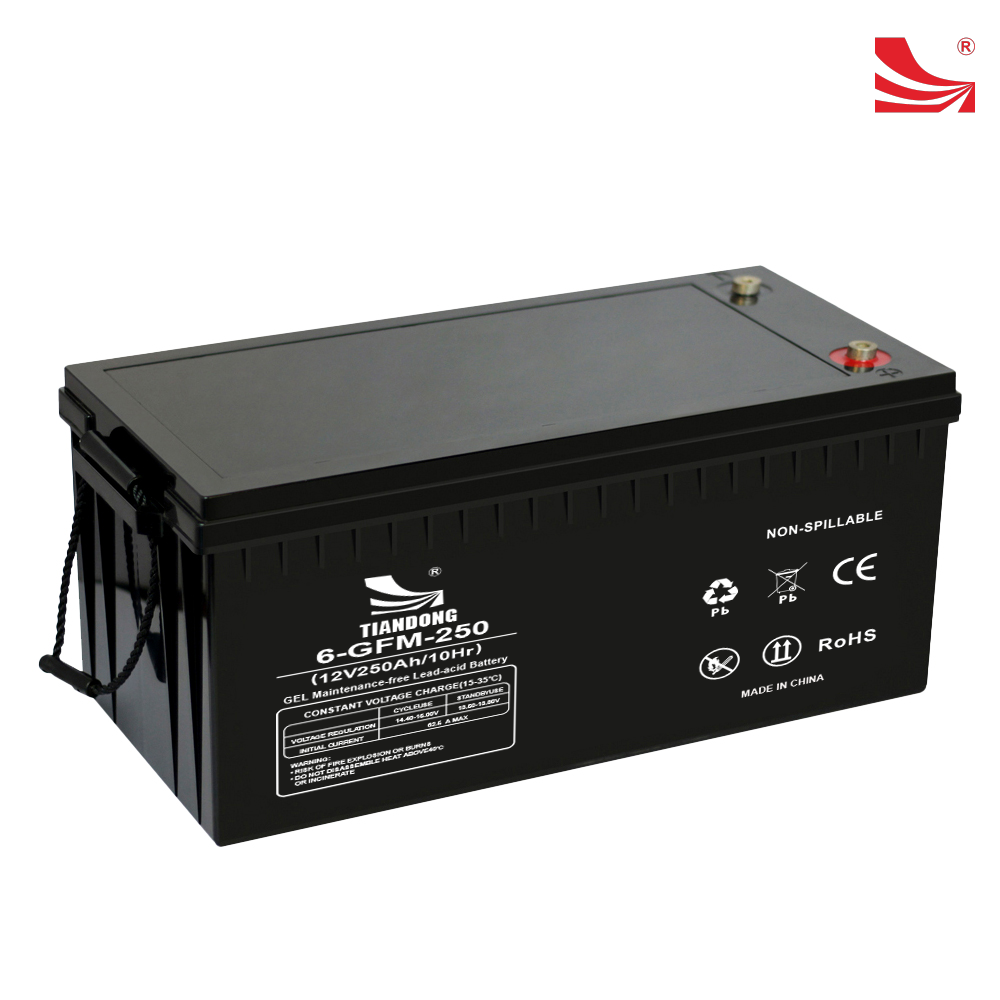
TIANDONG 6-GFM-250(12V250AH) Maintenance-free high-quality lead-acid batteries, source factory
Product introduction:
TIANDONG 6-GFM-250 energy storage batteries As a high-quality batteries export supplier and trusted battery factory worldwide, TIANDONG offers OEM customization to meet your specific needs with High Quality performance and durability.
Where TIANDONG 6-GFM-250 fits and where it doesn’t
The TIANDONG 6-GFM-250 is a 12V 250Ah sealed lead-acid (GFM) battery intended primarily for energy storage, backup power, telecom, and heavy-duty stationary applications. This is a high-capacity, maintenance-free battery suited to deep-cycle and float-service roles rather than typical motorcycle starting duties. For most motorcycles you need a compact starter battery with high CCA and smaller Ah. However, if you are building an electric scooter fleet, a mobile charging bank, or an industrial EV application, the TIANDONG 6-GFM-250's high capacity and maintenance-free design are valuable.
Brand and factory advantages
TIANDONG positions itself as an export supplier and source factory, offering OEM customization—useful for fleet operators or system integrators who need tailored terminals, housings or charge profiles. Advantages include consistent production control, factory direct pricing, and the ability to request datasheets and customized testing. For technical background on sealed lead-acid and their float service characteristics, see AGM and sealed lead-acid references.
Buyer Checklist & Final Recommendations
Quick pre-purchase checklist
- Verify OEM group size, terminal type and polarity.
- Match or exceed OEM CCA for reliable starting in your climate.
- Confirm physical dimensions and mounting points.
- Choose chemistry appropriate for weight/usage (AGM for reliability, LiFePO4 for weight savings and long life, high-Ah SLA for energy storage).
- Buy from authorized dealers or factory-direct suppliers to ensure warranty support.
When to pick a high-capacity energy battery instead
Choose a high-Ah maintenance-free battery like the TIANDONG 6-GFM-250 when you need sustained energy for accessories, charging, backup, or as part of a larger electric vehicle power system. For conventional motorcycle starting duties, prioritize CCA and compact size over raw Ah.
FAQ (Frequently Asked Questions)
Q1: What is the single most important spec for a good motorcycle battery?
A: For starting performance, Cold Cranking Amps (CCA) is the most critical spec. Ensure you meet or exceed your motorcycle manufacturer's CCA recommendation for reliable cold starts.
Q2: Are maintenance-free batteries truly maintenance-free?
A: Maintenance-free means no need to add water during normal use, but batteries still require proper charging, storage and load management. Avoid deep discharges and use an appropriate charger to maximize life.
Q3: Can I replace my lead-acid starter battery with a LiFePO4 unit?
A: Often yes, but confirm the LiFePO4 battery can supply adequate cold-start current and that your motorcycle has space and a suitable mounting method. LiFePO4 requires a compatible charger and often a Battery Management System (BMS) to protect cells.
Q4: Is TIANDONG 6-GFM-250 suitable for my motorcycle?
A: Generally no for conventional motorcycles: the TIANDONG 6-GFM-250 is a 12V 250Ah energy storage battery intended for stationary or large-scale energy applications. For most motorcycles, choose a starter-sized AGM or LiFePO4 battery sized to the OEM group and CCA. However, TIANDONG's products are highly suitable for electric scooter fleets, charging stations or backup power in workshops that support motorcycle operations.
Q5: How should I store a motorcycle battery off-season?
A: Store in a cool, dry place and keep the battery topped with a periodic float charge or use a smart trickle/maintenance charger. Storing at full charge and checking voltage monthly preserves life.
Need help selecting the right battery for your bike or project? Contact our sales team to discuss fitment, CCA requirements and OEM customization options for TIANDONG products. Email: sales@tiandong.com or click to view product details and request a quote. (If you prefer immediate assistance, call our support line listed on our website.)
Authoritative References
- Lead–acid battery - Wikipedia
- Absorbent glass mat (AGM) - Wikipedia
- LiFePO4 battery - Wikipedia
- Battery (electricity) - Wikipedia
- Battery Council International (BCI)
- Selecting the right battery is the first step toward a smooth ride, but proper setup is essential for safety and longevity. Follow these expert Installation Tips: Using TIANDONG 6-GFM-250 on Your Motorcycle to get your new battery running perfectly.

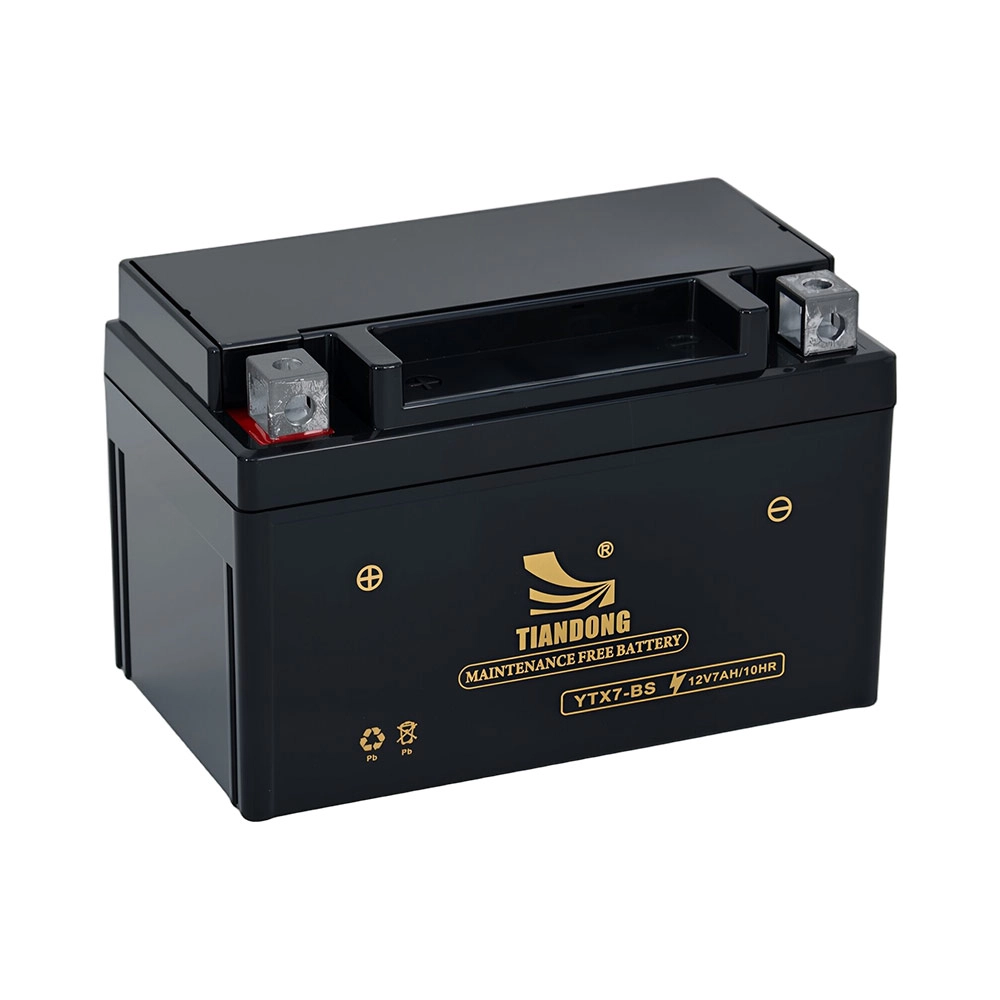
Where to Buy Genuine YTX7-BS AGM Motorcycle Batteries Online
YTX7-BS vs YTX9-BS: which is the best motorcycle battery?

Small Motorcycle Battery Buying Guide for Fleet Procurement
Top 10 VRLA Battery Manufacturers and Supplier Brands
Questions you may concerned about
Product
How long does a motorcycle battery typically last?
A motorcycle battery generally lasts between 2 and 4 years, depending on usage, maintenance, and environmental conditions.
Are you a trading company or a manufacturer?
We are a direct factory located inJiangxi Province, China. You are welcome to visit our production line and quality control lab. We specialize in lead-acid batteries for motorcycles and have been in this industry for 20 years.
What causes motorcycle batteries to fail?
Common causes include over-discharging, extreme temperatures, poor charging systems, and low-quality manufacturing materials.
OEM/ODM
Is an OEM battery safe?
Authentic original equipment manufacturer (OEM) batteries undergo safety testing and certification. Counterfeit batteries do not, and therefore may not have the proper protection inside the cells to prevent overcharging and overheating, which can lead to serious injuries and damage from thermal runaway.
customer
Why import motorcycle batteries from China factories?
Chinese manufacturers offer:
- Competitive pricing
- Large production capacity
- OEM customization
- Stable export experience
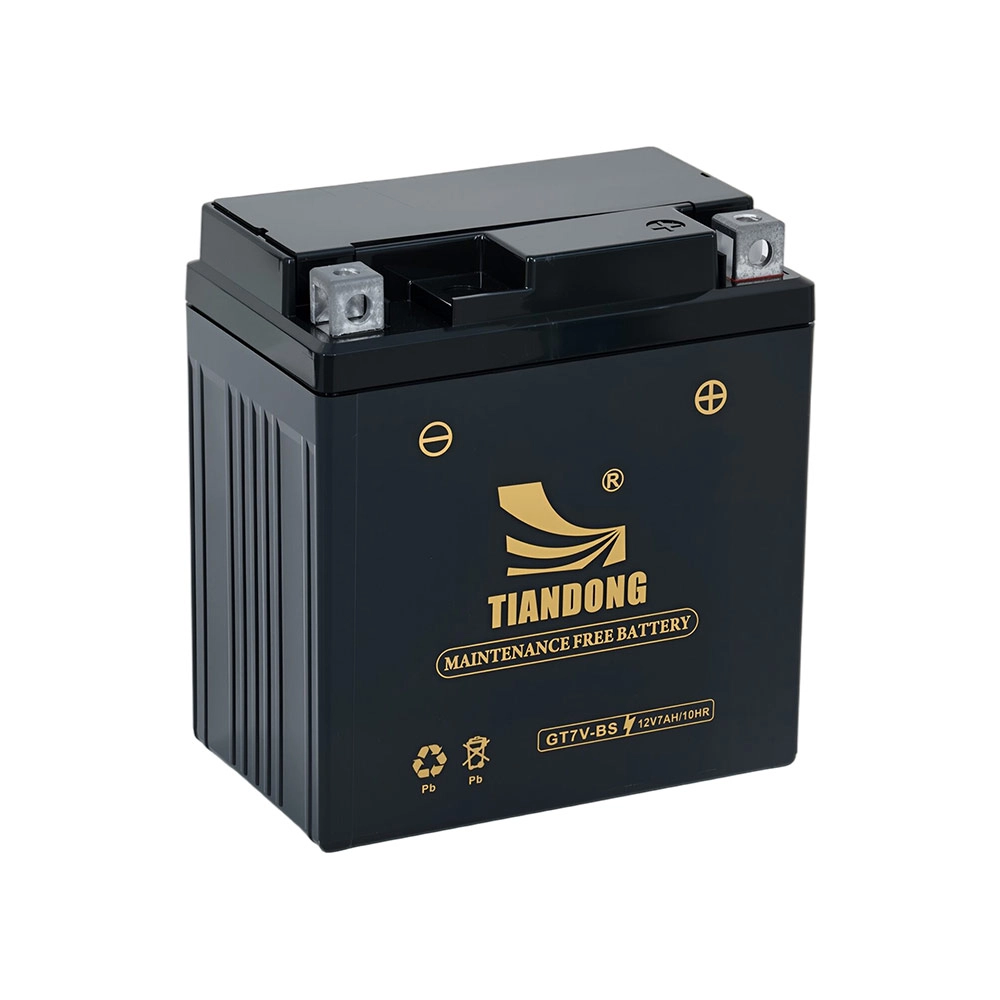
Get in touch with us to get your Motorbike Battery solution
TIANDONG is a leading motorcycle battery manufacturer offering OEM/ODM service, stable quality, and global export support.
Built for wholesalers. Trusted by global buyers. Delivered with confidence.
Say Hello
E-mail: daisybattery8@gmail.com
xianyingchen83@gmail. com
WhatsAPP: +86 134 283 86694
+86 134 348 86641
Our Location
Social Links
© 2025 TIANDONG. All Rights Reserved. Privacy Policy | Terms and Conditions | Sitemap
 Scan QR Code
Facebook
Instagram
Scan QR Code
Whatsapp: +8613434886641