






Best motorcycle battery for touring riders: power tips
- Best motorcycle battery for touring riders: power tips
- Why choosing the best motorcycle battery matters for touring riders
- Key battery specs every touring rider should understand
- Deep-cycle vs starting batteries: what touring riders need
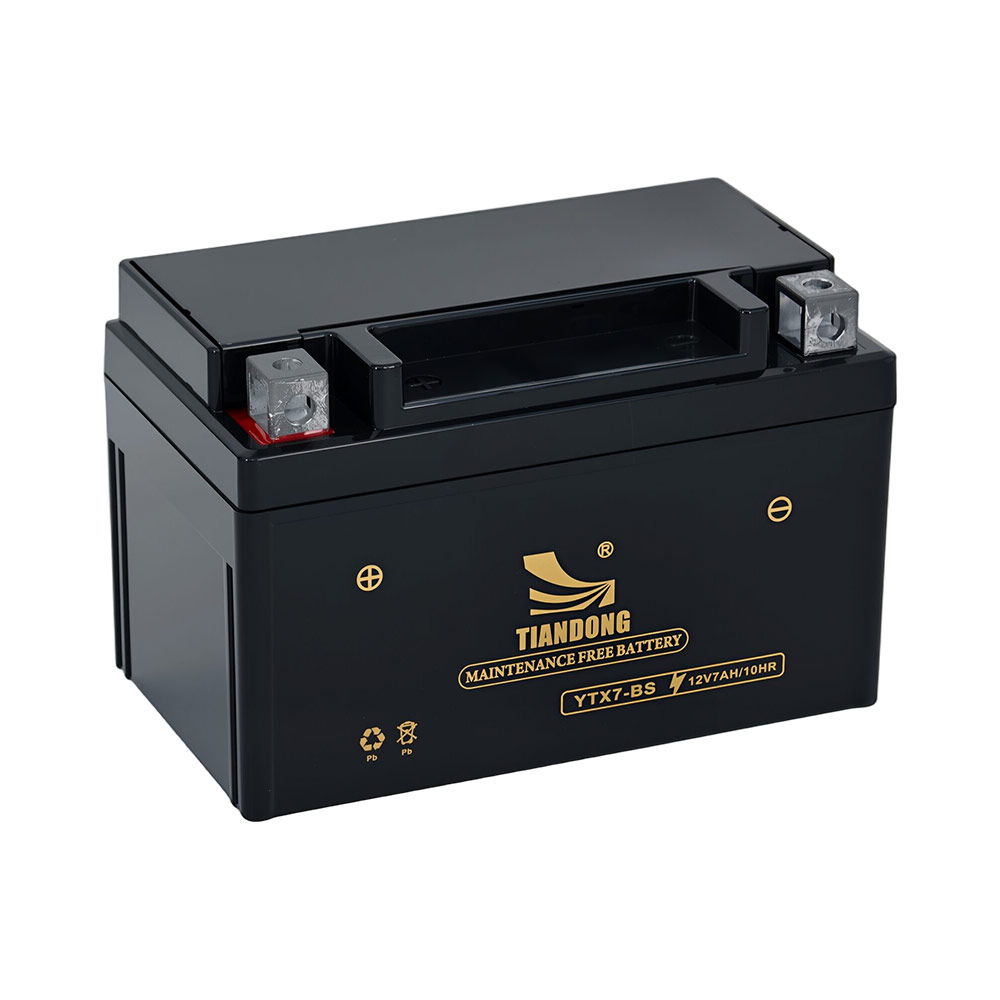
- Product spotlight: TIANDONG YTX7-BS 12V 7ah — a practical choice for touring
- Comparing YTX7-BS with AGM and LiFePO4 alternatives
- Installation and charging tips for long-distance touring
- Maintenance and storage best practices for SLA touring batteries
- Troubleshooting common battery problems on the road
- Checklist: How to choose the best motorcycle battery for your touring setup
- Brand advantages: why TIANDONG and the YTX7-BS work for touring riders and wholesalers
- FAQ (Frequently Asked Questions)
- Contact / Check the product
- Sources
Best motorcycle battery for touring riders: power tips
Why choosing the best motorcycle battery matters for touring riders
For touring riders, battery choice is more than a spec on a sheet — it’s reliability under load, the ability to handle extended accessory use (heated gear, GPS, lights), and the peace of mind that your bike will start at dawn after a cold night. Choosing the best motorcycle battery means balancing starting power, deep-cycle capability, weight, longevity, and maintenance needs so you won’t be stranded miles from help.
Key battery specs every touring rider should understand
Before you buy, learn the core specs that determine real-world performance:
- Voltage (V): Motorcycles use 12V systems; replacement batteries should match nominal voltage.
- Capacity (Ah): Amp-hours indicate stored energy. Higher Ah gives longer reserve for accessories when the engine is off.
- Cold Cranking Amps (CCA): Measures starting current available at low temperatures. Higher CCA improves cold starts.
- Reserve Capacity (RC): How long the battery can support a given load if the charging system fails.
- Cycle life & Depth of Discharge (DoD): For deep-cycle use, how many cycles the battery can accept at a given DoD — important if you run accessories frequently.
Deep-cycle vs starting batteries: what touring riders need
There are two primary roles batteries play: delivering high current briefly to start the engine (starting/cranking batteries) and delivering lower currents for long periods to run accessories (deep-cycle batteries). Touring riders often need a hybrid approach: a battery that can provide solid starting power while coping with extended accessory loads and occasional deep discharge. That's why many touring riders favor deep-cycle sealed lead-acid (SLA) or AGM batteries sized to their electrical load, or increasingly, LiFePO4 where weight and cycle life are priorities.
Product spotlight: TIANDONG YTX7-BS 12V 7ah — a practical choice for touring
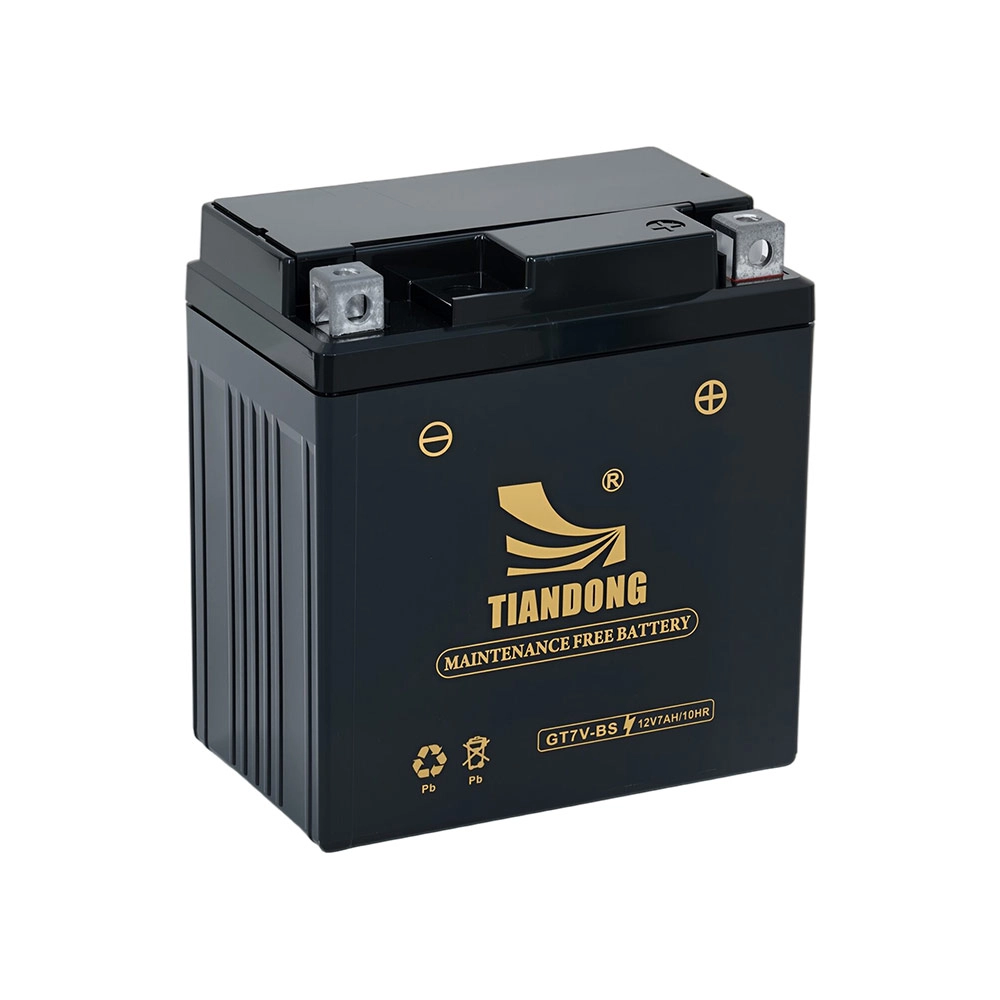
The TIANDONG YTX7-BS 12V 7ah Bike Battery is a reliable deep cycle sealed lead acid battery designed for motorcycles. Ideal for wholesale lead-acid motorcycle battery needs, it delivers stable power and long life, making it a top choice in motorcycle lead-acid battery parts.
The YTX7-BS is designed to offer a balance of dependable cranking power and deep-cycle capability in a sealed, low-maintenance package. For riders who run heated clothing, LED lighting, GPS units, or audio systems while touring, the YTX7-BS provides a solid, cost-effective option that’s widely compatible with many small- to mid-displacement motorcycles and scooters. As a sealed lead-acid (SLA) type, it’s spill-proof and well-suited for motorcycles that see varied orientations and rough roads.
Comparing YTX7-BS with AGM and LiFePO4 alternatives
Below is a practical comparison of typical features touring riders care about. Values are typical ranges or approximate representative data — always check the specific manufacturer's datasheet for exact numbers for a given model.
| Feature | TIANDONG YTX7-BS (12V 7Ah SLA) | 12V 7Ah AGM (e.g., YTX7L-BS) | 12V 7Ah LiFePO4 |
|---|---|---|---|
| Approx. weight | ~2.0–2.5 kg (typical SLA) | ~1.8–2.2 kg | ~0.8–1.2 kg |
| Starting ability (CCA) | Good for small/medium engines (model-dependent) | Good, often equal or slightly better than SLA | Excellent effective starting performance |
| Deep-cycle performance | Designed for deep-cycle use (moderate cycle life) | Better cycle life than standard SLA | Superior cycle life (2,000+ cycles typical) |
| Maintenance | Sealed, low maintenance (no water topping) | Sealed, low maintenance | Very low maintenance; integrated BMS typical |
| Temperature tolerance | Performs OK; cold temp reduces capacity | Similar to SLA, slightly better | Good cold-start current but sensitivity to extreme heat |
| Typical lifespan (cycles) | 200–500 cycles at moderate DoD | 300–700 cycles | 2,000–5,000 cycles (varies by chemistry & BMS) |
| Typical cost | Most cost-effective upfront | Higher than SLA | Highest upfront cost; best long-term value per cycle |
Sources for ranges: Battery University and manufacturer datasheets; values above represent typical ranges seen across common models and chemistries. Always confirm exact specs from the vendor before purchase.
Installation and charging tips for long-distance touring
Proper installation and charging extend battery life and prevent roadside failures:
- Use a quality, motorcycle-specific battery charger or smart charger designed for SLA chemistry. Smart chargers prevent overcharging and can desulfate SLA batteries if equipped with that mode.
- Check charging system output with a multimeter: at idle you should see ~13.5–14.5V on a healthy system; lower readings could indicate an undercharging alternator.
- Secure the battery mount firmly — vibration shortens life. Use the vibration isolators or rubber pads if provided.
- When adding touring accessories, calculate total accessory draw and ensure the battery capacity plus alternator output are sufficient. If you plan long stops with accessories running, consider a higher Ah battery or a small auxiliary battery.
Maintenance and storage best practices for SLA touring batteries
Sealed lead-acid batteries like the YTX7-BS are low maintenance, but they still need attention to maximize life:
- Keep the battery charged: store at full charge, and recharge every 1–3 months if the motorcycle is stored. A small smart charger/maintainer is a cheap insurance policy.
- Avoid deep discharges: repeatedly draining an SLA below 50% State of Charge (SoC) dramatically reduces cycle life.
- Store in a cool, dry place. High temperatures accelerate self-discharge and degradation.
- Inspect terminals and cable connections before long rides for corrosion or looseness; clean with a baking soda solution if needed and apply a light film of dielectric grease.
Troubleshooting common battery problems on the road
Even with good preparation, problems happen. Quick checks and fixes:
- If the bike won’t start but lights are dim, check battery voltage with a multimeter.
– >12.6V: battery is full.
– 12.0–12.4V: partially discharged.
– <12.0V: deeper discharge. - For a dead battery, a portable jump starter (designed for motorcycles) is far safer and more convenient than jump-starting from a car in many cases.
- If the battery won’t accept charge, confirm alternator output. Many motorcycle failures blamed on batteries are actually charging-system faults (rectifier/regulator, stator).
- If you suspect parasitic drain, remove fuses one at a time to isolate circuits or use an ammeter to measure draw. Accessories, alarms, and poor wiring are common culprits.
Checklist: How to choose the best motorcycle battery for your touring setup
Follow this quick checklist before buying:
- Confirm physical fit and terminal orientation for your bike.
- Match or exceed the CCA recommended by the motorcycle manufacturer for reliable cold starts.
- Decide required Ah based on accessory load and desired reserve capacity.
- Consider weight trade-offs — LiFePO4 saves weight but costs more and requires a compatible charging approach.
- Check warranty, service, and wholesale availability if you manage a fleet or resell batteries.
- Look for sealed, maintenance-free construction for the least hassle while touring.
Brand advantages: why TIANDONG and the YTX7-BS work for touring riders and wholesalers
TIANDONG’s YTX7-BS offers several advantages that make it attractive for touring riders and wholesale buyers:
- Designed for balance: The YTX7-BS is engineered as a deep-cycle sealed lead-acid unit that balances starting and accessory power needs, benefitting touring riders who run heated clothing or navigation gear.
- Sealed reliability: As a sealed battery it’s spill-proof and low maintenance, well-suited for motorcycles that encounter vibration and varied orientations.
- Cost-effective wholesale options: For dealerships and service shops, TIANDONG supplies lead-acid motorcycle batteries in bulk with consistent specs and packaging, simplifying inventory and replacements.
- Compatibility and availability: The physical size and terminal layout match many popular small- and mid-displacement motorcycles, easing replacement decisions during tours.
- Support & parts: TIANDONG’s positioning in the motorcycle parts market means replacement units and service parts are commonly available through established parts channels.
FAQ (Frequently Asked Questions)
Q: Is the TIANDONG YTX7-BS suitable for long-distance touring?
A: Yes — as a sealed deep-cycle lead-acid battery, the YTX7-BS is suitable for long trips, especially when paired with smart charging and routine maintenance. It’s a good balance of starting power and accessory endurance for many touring setups.
Q: Can I replace my motorcycle’s battery with a LiFePO4 unit instead?
A: You can, but be mindful: LiFePO4 batteries are lighter and have longer cycle life but require a compatible charging regimen and, in some cases, a small wiring or charging-system adaptation (or a charger with bulk/absorb/float settings appropriate for LiFePO4). Ensure the battery’s voltage and terminal layout match your bike.
Q: How often should I charge the YTX7-BS during storage?
A: For long-term storage, check and charge every 1–3 months. Using a smart maintainer designed for SLA batteries is the safest option.
Q: What’s the best charger for a YTX7-BS?
A: Choose a smart charger with a sealed lead-acid (SLA) setting and a low amperage maintenance mode. Chargers from reputable brands that detect battery voltage and automatically switch to float/maintenance mode are ideal.
Q: Will cold weather reduce the YTX7-BS performance?
A: Yes — cold temperatures lower available capacity and starting performance for all battery chemistries. Higher CCA helps; keep the battery fully charged and consider a battery warmer in extreme cold.
Contact / Check the product
Interested in the TIANDONG YTX7-BS 12V 7ah Bike Battery for touring use or wholesale supply? Contact our sales team or visit the product page to check current stock, datasheets, and volume pricing.
After exploring the best motorcycle battery for touring riders, you can continue by checking detailed fitment and compatibility in Best motorcycle battery for touring riders: power tips.
Sources
- Battery University — articles on lead-acid batteries, charging, and cycle life: https://batteryuniversity.com
- Manufacturer datasheets and powersports battery guides (Yuasa, Exide, TIANDONG product information pages)
- Interstate Batteries — motorcycle battery guide and selection tips: https://www.interstatebatteries.com
- Technical articles on LiFePO4 advantages and BMS requirements (various manufacturer and technical review pages)

Buying Online: How to Pick a Good Motorcycle Battery Safely

Why B2B Buyers Choose Motorcycle Lead Acid Batteries

YTX7-BS 12V 7Ah Review: AGM Motorcycle Battery Pros and Cons

Replacing your motorcycle battery: step-by-step YTX7-BS
Questions you may concerned about
OEM/ODM
Is an OEM battery safe?
Authentic original equipment manufacturer (OEM) batteries undergo safety testing and certification. Counterfeit batteries do not, and therefore may not have the proper protection inside the cells to prevent overcharging and overheating, which can lead to serious injuries and damage from thermal runaway.
Product
Why does my motorcycle battery keep dying?
Common causes include:
-
Faulty charging system
-
Parasitic drain
-
Old battery
-
Improper storage
Do you offer OEM or custom branding?
Yes, we provide full OEM and ODM services, including logo printing, packaging customization, and model adjustments.
Are your batteries maintenance-free?
Yes, our batteries are sealed VRLA or GEL types that require no water refilling. They are ready to use and easy to maintain.
What is the most common motorcycle battery type?
AGM batteries are currently the most widely used due to their balance of cost and performance.
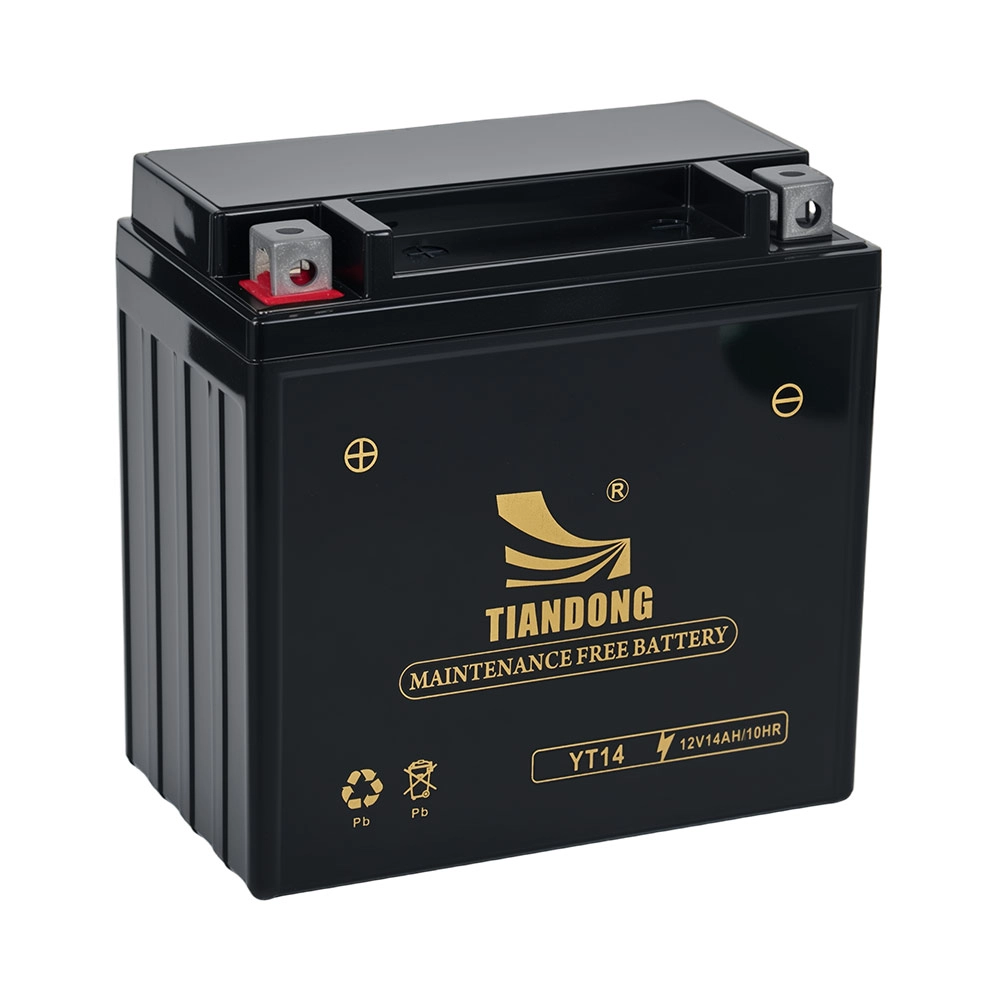
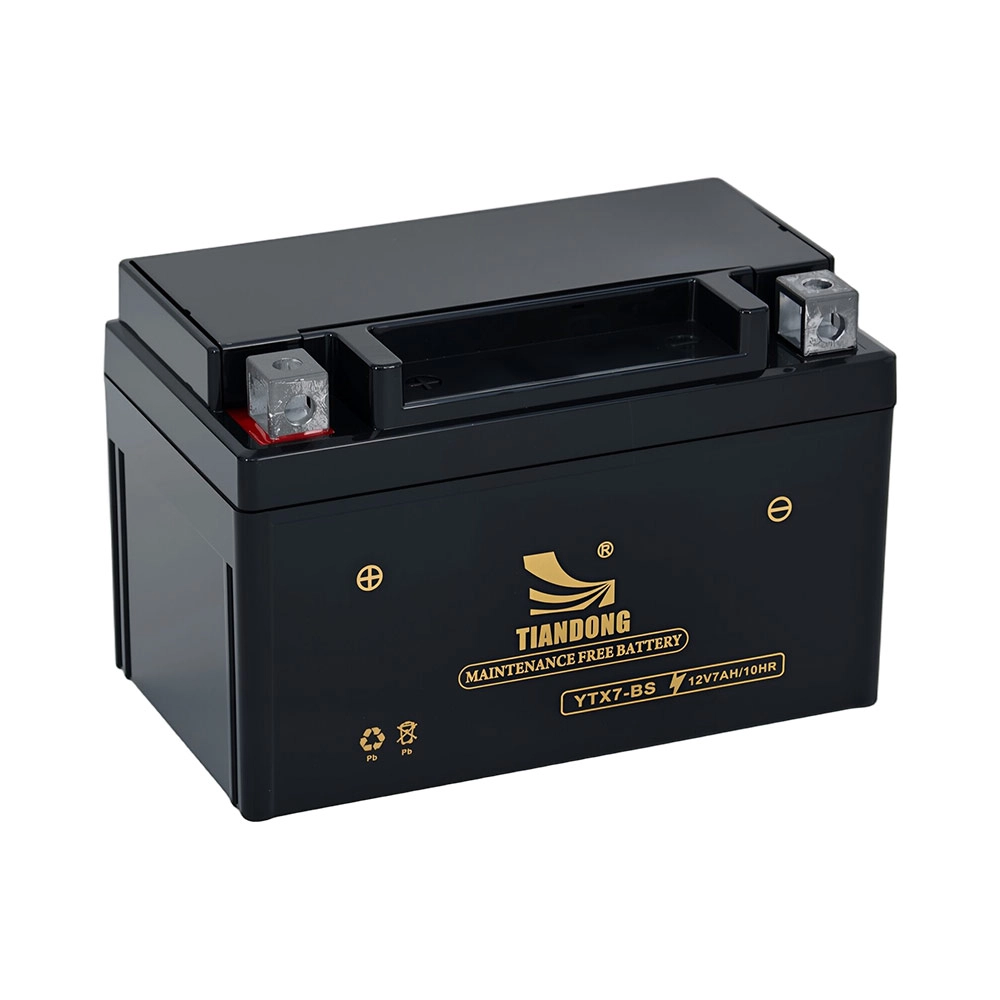
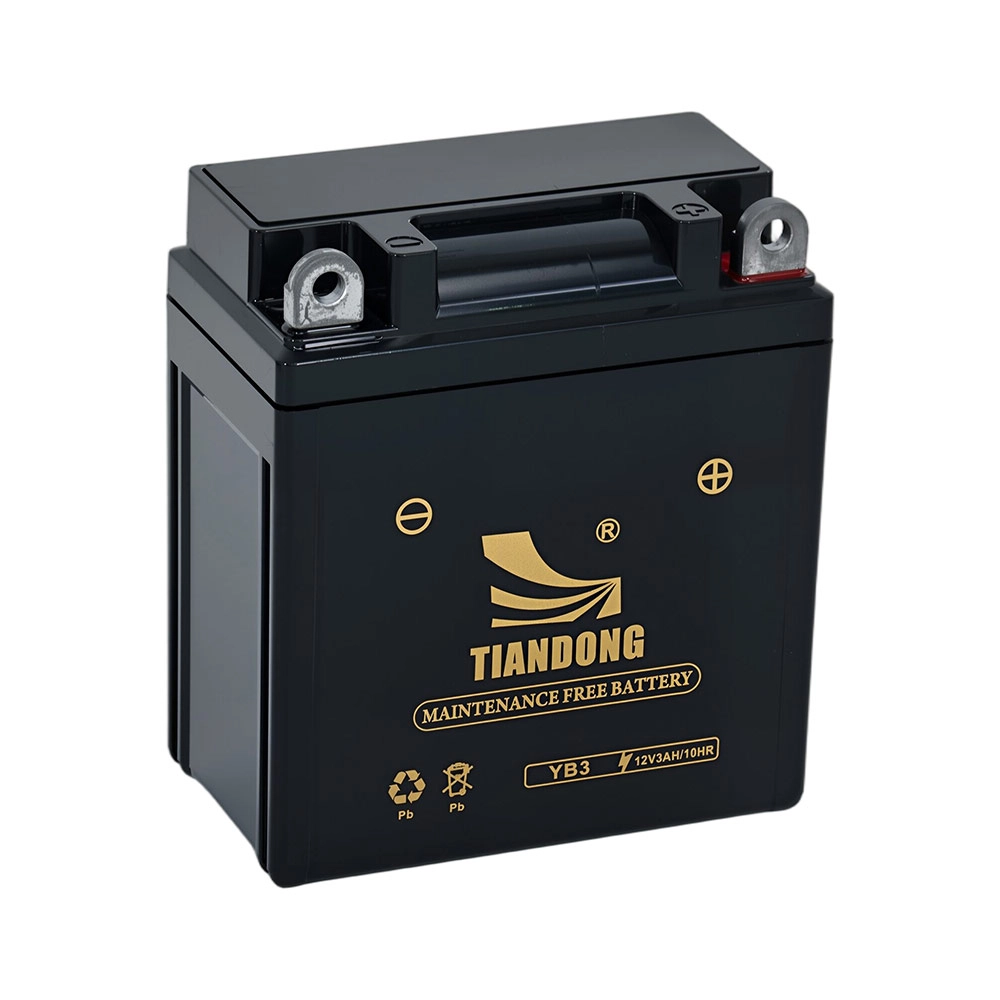
Get in touch with us to get your Motorbike Battery solution
TIANDONG is a leading motorcycle battery manufacturer offering OEM/ODM service, stable quality, and global export support.
Built for wholesalers. Trusted by global buyers. Delivered with confidence.
Say Hello
E-mail: daisybattery8@gmail.com
xianyingchen83@gmail. com
WhatsAPP: +86 134 283 86694
+86 134 348 86641
Our Location
Social Links
© 2025 TIANDONG. All Rights Reserved. Privacy Policy | Terms and Conditions | Sitemap
 Scan QR Code
Facebook
Instagram
Scan QR Code
Whatsapp: +8613434886641