






Best maintenance routine for 12V Deep Cycle motorcycle batteries
- Best maintenance routine for 12V Deep Cycle motorcycle batteries
- Why proper maintenance matters for the best motorcycle battery performance
- Product spotlight: YTX7-BS 12V 7ah Bike Battery — a recommended deep cycle option
- Understand your battery: how 12V deep cycle sealed lead-acid batteries behave
- Essential tools and equipment for battery maintenance (invest once)
- Daily/regular checks: quick steps to catch problems early
- Charging routine: how and when to charge your 12V deep cycle battery
- Storage protocol: how to store a 12V deep cycle battery to prevent capacity loss
- Seasonal care and cold-weather tips
- Testing and capacity checks: when to test and how to interpret results
- Troubleshooting common problems and immediate fixes
- When to replace: recognising end-of-life signs for the best motorcycle battery choice
- Maintenance schedule (easy-to-follow table)
- Why YTX7-BS 12V 7ah makes sense for many riders — brand and product advantages
- Environmental and disposal considerations
- Practical checklist: daily-to-annual actions for owners
- FAQs — common questions about maintaining 12V deep cycle motorcycle batteries
- Q: How often should I charge my motorcycle battery?
- Q: Can I use any charger on a YTX7-BS 12V 7ah battery?
- Q: Is a sealed lead-acid battery maintenance-free?
- Q: How long should a 12V deep cycle motorcycle battery last?
- Q: Can I revive a sulfated battery?
- Contact us / Check the YTX7-BS product
- Authoritative resources and references
Best maintenance routine for 12V Deep Cycle motorcycle batteries
Why proper maintenance matters for the best motorcycle battery performance
Motorcycle riders who want consistent starts and long battery life need a maintenance routine tailored to 12V deep cycle sealed lead-acid batteries. Proper care reduces sulfation, prevents capacity loss, and avoids premature replacement. This article focuses on practical steps to keep your 12V deep cycle motorcycle battery in top shape — especially sealed models such as the YTX7-BS 12V 7ah Bike Battery.
Product spotlight: YTX7-BS 12V 7ah Bike Battery — a recommended deep cycle option
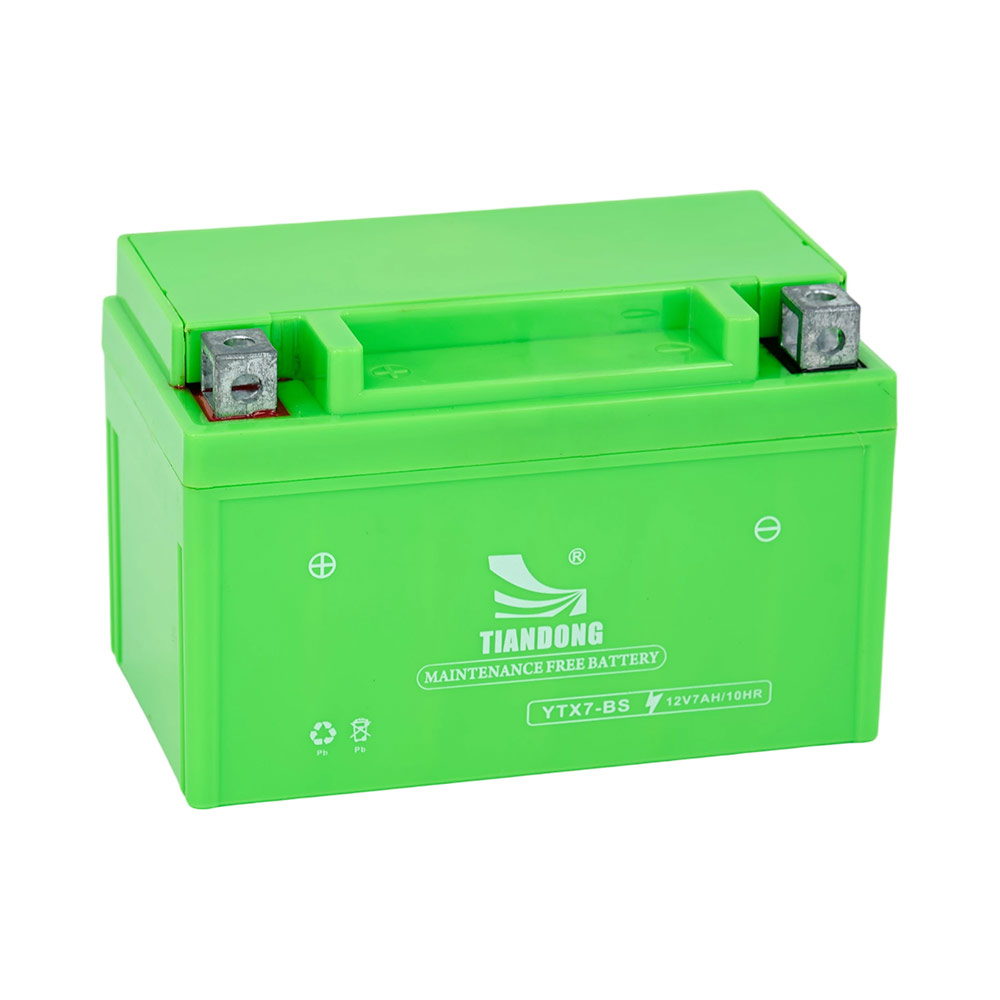
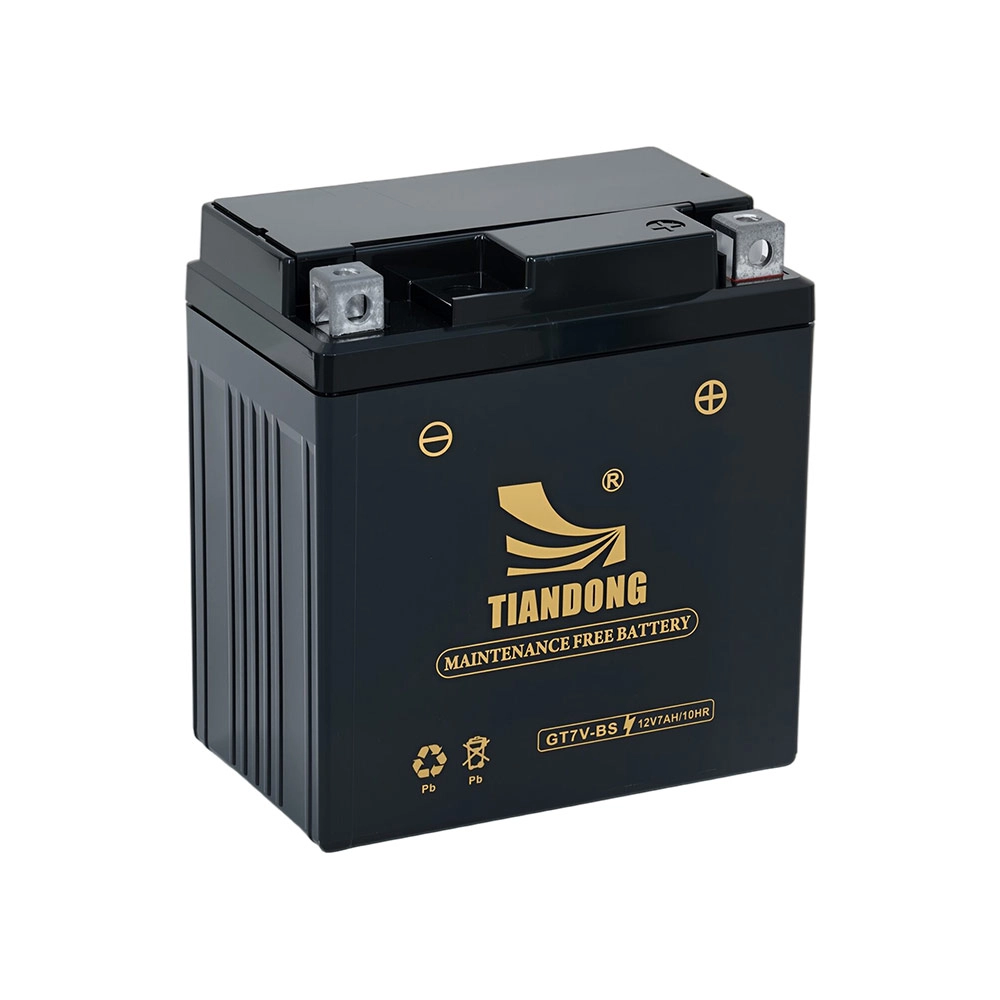
The TIANDONG YTX7-BS 12V 7ah Bike Battery is a reliable deep cycle sealed lead acid battery designed for motorcycles. Ideal for wholesale lead-acid motorcycle battery needs, it delivers stable power and long life, making it a top choice in motorcycle lead-acid battery parts.
Understand your battery: how 12V deep cycle sealed lead-acid batteries behave
Before you build a maintenance plan, know how sealed lead-acid (SLA) deep cycle batteries behave. Unlike starting batteries designed for short high-current bursts, deep cycle SLAs are made to provide steady current over longer periods and tolerate deeper discharge cycles. However, they are still vulnerable to sulfation (lead sulfate crystals forming on plates when left discharged) and to reduced capacity from long-term under- or overcharging. Routine charging, proper storage voltage, and occasional testing are essential to keep a 12V deep cycle battery working at its best.
Essential tools and equipment for battery maintenance (invest once)
Having the right tools saves time and protects the battery. For SLA deep cycle motorcycle batteries you should own:
- Smart battery charger/maintainer with an SLA mode (automatic float charge).
- Multimeter (for voltage checks).
- Battery clamp/terminal brush and contact cleaner (for exposed terminals on older or accessory-fitted batteries).
- Hydrometer is unnecessary for sealed batteries — avoid opening sealed units.
- Insulated wrench set and protective gloves/eye protection.
Recommended charger features: multi-stage charging (bulk/absorption/float), temperature compensation, and a 0.5–2 A float current for 7Ah-class batteries. Chargers specifically supporting SLA/AGM modes are the safest choice for the best motorcycle battery upkeep.
Daily/regular checks: quick steps to catch problems early
Perform these quick checks weekly or before any long ride:
- Voltage check with a multimeter: a fully charged 12V SLA should read about 12.6–12.8 V at rest. If voltage is below 12.4 V, plan to charge.
- Visual inspection: check for cracked cases, bulging, corrosion, or loose terminals.
- Accessory drain check: make sure aftermarket alarms, heated grips, or USB chargers aren’t causing parasitic draw when the motorcycle is off.
Early detection prevents complete discharge and permanent capacity loss.
Charging routine: how and when to charge your 12V deep cycle battery
Charging is the single most effective maintenance activity. Follow this routine to maximize life:
- Charge immediately after use if the battery voltage is below 12.4 V — especially after long rides or in cold weather.
- Use a smart charger with an SLA/AGM program. Set the charger to the manufacturer-recommended voltage: typically bulk/absorption at ~14.4–14.7 V and float at ~13.2–13.6 V for SLAs. Temperature compensation is a plus.
- A 7Ah battery (like YTX7-BS) should be charged at 0.5–1.4 A nominally; overnight charging with a 1 A smart charger is safe.
- Avoid trickle chargers without automatic float control — they can overcharge and shorten battery life.
Always follow the charger instructions and separate the battery from the motorcycle when charging is required by the charger manual or for convenience and safety.
Storage protocol: how to store a 12V deep cycle battery to prevent capacity loss
Proper storage is crucial if you park your motorcycle for weeks or months. Use this protocol:
- Charge to full (12.6–12.8 V) before storage.
- Disconnect the battery from the motorcycle to avoid parasitic drain.
- Store in a cool, dry place above freezing (ideal around 10–20°C / 50–68°F).
- Maintain with a smart maintainer/float charger or check voltage every 4–6 weeks and recharge if voltage drops below 12.4 V.
Cold temperatures slow chemical reactions but increase the risk of capacity loss from discharge; warm temperatures accelerate self-discharge and aging. A maintainer prevents both problems and is the best motorcycle battery preservation method.
Seasonal care and cold-weather tips
Winter is when many batteries fail. Follow these tips to survive cold months:
- Keep the battery charged — a discharged SLA can freeze at moderately cold temperatures, which damages plates.
- Use a temperature-compensated charger if you charge in freezing conditions to avoid under- or overcharging.
- If storing outdoors or in an unheated shed, remove the battery and bring it indoors to a cool, dry spot with a maintainer attached.
Remember: a fully charged SLA has much better cold-cranking capacity and lower risk of freeze damage than a partially discharged one.
Testing and capacity checks: when to test and how to interpret results
Regular testing identifies a weak battery before it leaves you stranded. Two simple tests are:
- Static open-circuit voltage: measure after the battery has been at rest for at least one hour. 12.6–12.8 V = full; 12.4 V = ~50% charged; below 12.0 V suggests deep discharge and potential sulfation.
- Load test (recommended annually): use a proper battery load tester or have a shop perform a CCA/load test. For small 7Ah motorcycle batteries, a practical test is to crank the engine while monitoring voltage. Voltage should stay above ~9.6–10 V during cranking; if it drops excessively the battery may be weak.
If capacity drops significantly or the battery cannot hold charge despite correct charging, replacement is recommended.
Troubleshooting common problems and immediate fixes
Common issues and quick remedies:
- Won't start but voltage reads >12.4 V at rest: suspect starter/solenoid connection, bad ground, or high resistance; clean terminals and tighten connections.
- Voltage drops rapidly under load: battery may be sulfated or reaching end of life — try a controlled desulfation cycle with a charger that has a maintenance desulfation mode. If no improvement, replace.
- Parasitic drain: identify accessory draws with an ammeter; disconnect devices or fit a switch/isolator.
Safety note: sealed lead-acid batteries may vent when abused; do not open sealed units or try to add water.
When to replace: recognising end-of-life signs for the best motorcycle battery choice
Indicators that replacement is necessary:
- Consistent inability to hold charge after correct charging and conditioning.
- Significant internal resistance detected on test or excessive voltage drop under load.
- Physical damage or bulging case.
Replace with a battery sized for your motorcycle. For small-displacement bikes and scooters, YTX7-BS 12V 7Ah is a common factory or aftermarket fitment; selecting a battery with correct terminals and dimensions is vital.
Maintenance schedule (easy-to-follow table)
Use the table below as a quick calendar for routine tasks to keep your 12V deep cycle motorcycle battery healthy.
| Interval | Task | Why it matters |
|---|---|---|
| Before each ride | Visual check, voltage read if long storage | Catch loose terminals, low voltage, or corrosion |
| Weekly | Voltage check; top up on charger if <12.4 V | Prevents sulfation and maintains capacity |
| Monthly (in storage) | Connect maintainer or check voltage | Prevents self-discharge and freeze risk |
| Annually | Load test / professional bench test | Identify capacity loss and plan replacement |
Why YTX7-BS 12V 7ah makes sense for many riders — brand and product advantages
The TIANDONG YTX7-BS 12V 7ah Bike Battery combines characteristics riders look for in a reliable deep cycle sealed lead-acid battery:
- Correct voltage and capacity for many small to medium motorcycles and scooters (12V / 7Ah).
- Sealed construction reduces the need for water maintenance and limits leakage risk.
- Designed for wholesale motorcycle battery needs — good cost-to-performance ratio for fleet or dealer stocking.
- When paired with correct chargers and a disciplined maintenance routine, YTX7-BS delivers stable power and extended service life compared with poorly maintained alternatives.
Combined with the maintenance best practices above, choosing a reputable sealed lead-acid unit such as the YTX7-BS helps deliver the consistent starting power riders expect from the best motorcycle battery solutions.
Environmental and disposal considerations
Lead-acid batteries must be recycled responsibly. Don't discard them in household trash. Most motorcycle shops, recycling centers, and automotive stores accept used lead-acid batteries and will recycle them per local regulations. Recycling recovers lead, plastic, and electrolyte materials and prevents environmental contamination.
Practical checklist: daily-to-annual actions for owners
Print or save this concise checklist for your motorcycle:
- Daily/Before ride: Visual inspection, ensure secure mounting and clean terminals.
- Weekly: Quick voltage check; top up charge if <12.4 V.
- Monthly (storage): Connect maintainer or charge to full if voltage drops.
- Annually: Professional load test; consider replacement if capacity under 70%.
FAQs — common questions about maintaining 12V deep cycle motorcycle batteries
Q: How often should I charge my motorcycle battery?
A: Charge when resting voltage falls below 12.4 V. If you ride frequently and the battery remains above 12.5 V, weekly checks are usually enough. During storage, connect a smart maintainer or check voltage every 4–6 weeks.
Q: Can I use any charger on a YTX7-BS 12V 7ah battery?
A: Use a charger with an SLA/AGM setting and multi-stage charging. Avoid basic trickle chargers without automatic float control; they risk overcharging.
Q: Is a sealed lead-acid battery maintenance-free?
A: Maintenance-free refers to no water topping, not zero maintenance. You must still charge properly, prevent deep discharge, check terminals, and use a maintainer in storage.
Q: How long should a 12V deep cycle motorcycle battery last?
A: With correct use and maintenance, a sealed 12V deep cycle battery like the YTX7-BS typically lasts 2–5 years depending on ride patterns, climate, and charging habits.
Q: Can I revive a sulfated battery?
A: Mild sulfation can sometimes be reduced using a desulfation program on a compatible smart charger. Severe sulfation usually requires replacement.
Contact us / Check the YTX7-BS product
If you want to learn more about the YTX7-BS 12V 7ah Bike Battery, request wholesale pricing, or need help choosing the best motorcycle battery for your model, contact our sales team or view the product page. Our technicians can recommend the right charger and maintenance plan for your riding habits. Contact: sales@example.com or call +1-800-555-0123. View product: .
Authoritative resources and references
- Battery University — Battery types and charging: https://batteryuniversity.com/
- Wikipedia — Lead–acid battery: https://en.wikipedia.org/wiki/Lead–acid_battery
- U.S. Environmental Protection Agency — Household lead-acid battery recycling: https://www.epa.gov/recycle/used-lead-acid-batteries
- Society of Automotive Engineers (SAE) — Battery standards and testing (general info): https://www.sae.org/
Maintaining a 12V deep cycle motorcycle battery doesn't require mystery — just regular voltage checks, correct charging, proper storage, and occasional testing. Paired with a reliable sealed battery like the TIANDONG YTX7-BS 12V 7ah Bike Battery and the right charger, you can rely on consistent starts and extended service life — giving you confidence on every ride.

How to Choose a Good Motorcycle Battery for Fleet Procurement

Buying Online: How to Pick a Good Motorcycle Battery Safely

Quality Control Checklist for Motorcycle Battery Suppliers
Top 10 EPS Battery Manufacturers and Supplier Brands
Questions you may concerned about
Product
How long does a motorcycle battery typically last?
A motorcycle battery generally lasts between 2 and 4 years, depending on usage, maintenance, and environmental conditions.
Why does my motorcycle battery keep dying?
Common causes include:
-
Faulty charging system
-
Parasitic drain
-
Old battery
-
Improper storage
What certifications do your batteries have?
Our batteries are certified with CE, ISO9001, and RoHS, and meet export standards for markets in Southeast Asia, South Asia, and Africa.
customer
Why import motorcycle batteries from China factories?
Chinese manufacturers offer:
- Competitive pricing
- Large production capacity
- OEM customization
- Stable export experience
Shipping
How long does delivery take?
For stock items, delivery takes about 7-15 days after receiving the deposit. For bulk orders or custom logo orders, it usually takes 25-35 days depending on the quantity.
Get in touch with us to get your Motorbike Battery solution
TIANDONG is a leading motorcycle battery manufacturer offering OEM/ODM service, stable quality, and global export support.
Built for wholesalers. Trusted by global buyers. Delivered with confidence.
Say Hello
E-mail: daisybattery8@gmail.com
xianyingchen83@gmail. com
WhatsAPP: +86 134 283 86694
+86 134 348 86641
Our Location
Social Links
© 2025 TIANDONG. All Rights Reserved. Privacy Policy | Terms and Conditions | Sitemap
 Scan QR Code
Facebook
Instagram
Scan QR Code
Whatsapp: +8613434886641