






How to Pick the Best Lightweight Motorcycle Battery for Your Bike
- Choosing the Right Battery Type for Your Motorcycle
- Understanding lead-acid, AGM and lithium options
- Why weight matters: handling, fuel economy and payload
- Voltage, capacity and compatibility basics
- Key Specs to Evaluate in a Lightweight Motorcycle Battery
- Cold Cranking Amps (CCA) and starting performance
- Capacity (Ah), reserve capacity and deep-cycle use
- Physical size, terminal type and weight
- Why the YTX5-BS 12v 5ah MF Suits Many Riders
- Product overview and maintenance-free benefits
- Performance for small-displacement bikes and scooters
- Installation, maintenance and compatibility notes
- Longevity, Maintenance and Buying Tips
- Extending battery life: charging, storage and riding habits
- Choosing between OEM and aftermarket; warranty considerations
- Where to buy, verify authenticity and brand advantages
- Practical Steps to Pick and Install Your Lightweight Motorcycle Battery
- Step-by-step selection checklist
- Installation best practices
- When to replace rather than repair
- Brand Advantages and Why TIANDONG’s YTX5-BS is Worth Considering
- Reliability and suitability for common motorcycle uses
- Wholesale and fleet benefits
- Value proposition vs. High Quality lightweight alternatives
- Frequently Asked Questions (FAQ)
- Q: Is the YTX5-BS a good lightweight motorcycle battery?
- Q: Can I replace my bike’s battery with a lithium unit to save weight?
- Q: How long should a YTX5-BS battery last?
- Q: Do I need to vent a sealed lead-acid (MF) battery during charging?
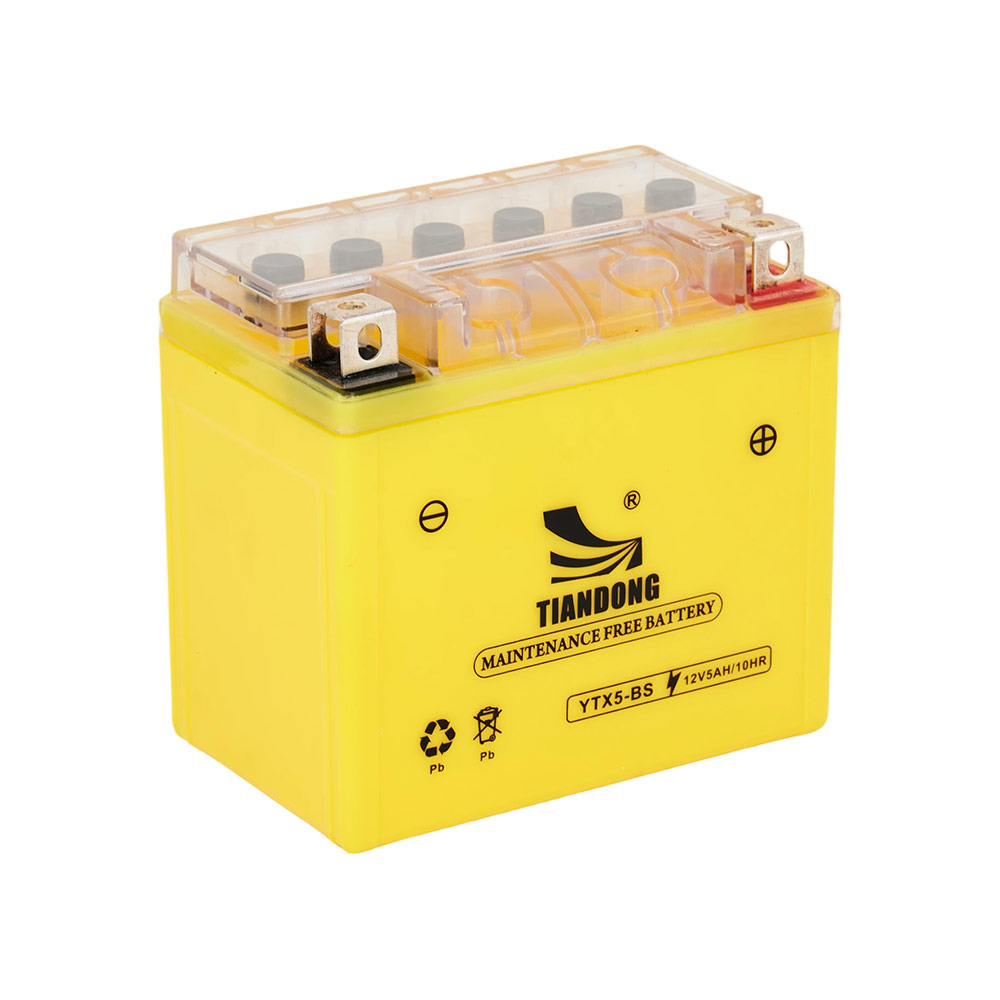
Finding the best lightweight motorcycle battery requires understanding trade-offs between weight, capacity, starting power and durability. Riders seeking improved handling or payload capacity often search for a lightweight motorcycle battery that still delivers reliable cold starts, long service life and maintenance-free operation. This article walks you through battery chemistry comparisons, the most important specifications to check, practical installation tips, and a close look at the TIANDONG YTX5-BS 12v 5ah MF sealed lead-acid deep cycle battery to help you make an informed purchase decision.
Choosing the Right Battery Type for Your Motorcycle
Understanding lead-acid, AGM and lithium options
The most common battery chemistries for motorcycles are flooded lead-acid, sealed lead-acid (SLA / VRLA / MF), absorbed glass mat (AGM), and lithium-ion (LiFePO4 most common). Each has different weight, cost, and performance characteristics. Sealed lead-acid and AGM batteries are heavier but cost-effective and tolerant of charging systems. Lithium-ion batteries are far lighter and often marketed as lightweight motorcycle battery solutions, but they cost more and need a compatible charging system and Battery Management System (BMS). For a technical overview of lead-acid chemistry and its practical considerations, see the lead-acid battery entry on Wikipedia: https://en.wikipedia.org/wiki/Lead-acid_battery.
Why weight matters: handling, fuel economy and payload
Reducing unsprung and overall weight improves acceleration, braking and cornering feel. A lighter battery contributes to that, especially on small-displacement motorcycles and dirt bikes. However, the marginal handling gains from a lighter battery must be balanced against potential downsides like reduced reserve capacity or sensitivity to charging. For commuting bikes and scooters, a modest weight reduction with a robust sealed battery often yields the best value.
Voltage, capacity and compatibility basics
Most motorcycles use a 12V battery system; confirm your bike’s required voltage and terminal orientation before buying. Capacity is measured in ampere-hours (Ah) — a common lightweight choice for small bikes is in the 3–8Ah range. The YTX5-BS is rated 12V 5Ah, which is ideal for many scooters, mopeds and small motorcycles. Also confirm Cold Cranking Amps (CCA) recommendations from your owner’s manual to ensure reliable starting in your climate.
Key Specs to Evaluate in a Lightweight Motorcycle Battery
Cold Cranking Amps (CCA) and starting performance
CCA indicates how much current a battery can provide at 0°F (-18°C) for 30 seconds while maintaining at least 7.2V on a 12V battery. Higher CCA helps reliable cold starts in low temperatures. When choosing a lightweight motorcycle battery, ensure the CCA meets or exceeds the manufacturer recommendation. Note that smaller Ah batteries can still provide adequate CCA for small engines when designed as high-discharge units.
Capacity (Ah), reserve capacity and deep-cycle use
Capacity (Ah) tells you how long a battery can supply a given current before voltage drops. Reserve capacity indicates how long accessories can run with the engine off. Deep-cycle capability matters if you use the bike for frequent short trips, audio systems, or heated gear. The TIANDONG YTX5-BS 12v 5ah MF sealed lead-acid is marketed as a deep-cycle motorcycle battery, offering better cycle life under partial discharge compared to standard starting-only batteries.
Physical size, terminal type and weight
Fitment is critical—batteries must physically fit the battery tray and have the correct terminal orientation. Check group size and dimensions in your manual. A lightweight motorcycle battery should also have robust terminal construction and clear polarity markings to avoid installation errors. If you’re switching chemistries (e.g., to lithium), check for required mounting brackets and charging compatibility.
Why the YTX5-BS 12v 5ah MF Suits Many Riders
Product overview and maintenance-free benefits
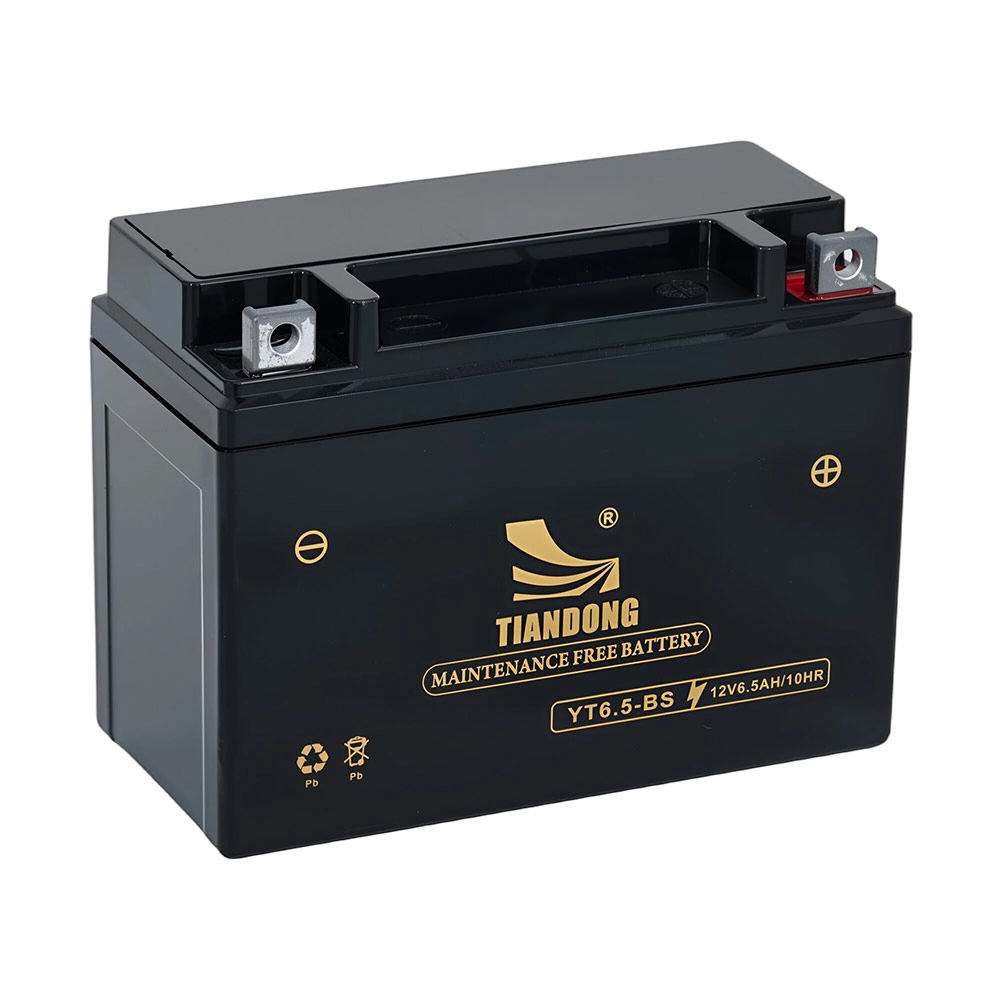
The TIANDONG YTX5-BS 12v 5ah MF sealed lead-acid motorcycle battery offers reliable deep cycle power for lasting performance. Ideal motorcycle spare part, perfect for wholesale lead-acid motorcycle battery needs. Durable and maintenance-free, designed to keep your motorcycle running smoothly.
Performance for small-displacement bikes and scooters
With 12V and 5Ah capacity, the YTX5-BS is well-suited for scooters, mopeds, ATVs and small motorcycles that need a compact, sealed battery. It balances starting ability with deep-cycle tolerance, making it a practical lightweight option where lithium’s cost and charging requirements are not desirable. For many riders, this battery strikes a good trade-off between affordability, reliability and a reduced footprint compared with larger lead-acid units.
Installation, maintenance and compatibility notes
The YTX5-BS is a maintenance-free (MF) sealed battery—no topping up required—and is designed to be installed in the same orientation as other YTX5-BS group batteries. When replacing an OEM battery, match terminal types and polarity. If your motorcycle uses a regulator/rectifier tuned for lead-acid chemistry, the sealed lead-acid MF battery avoids potential undercharging or overcharging issues that can arise when fitting some lithium batteries. Always verify fit and polarity before tightening connections.
Longevity, Maintenance and Buying Tips
Extending battery life: charging, storage and riding habits
Battery life improves when you avoid prolonged storage with a partial charge, prevent deep discharges, and use a smart charger when storing the bike. Sealed lead-acid batteries tolerate a wider voltage range than lithium but still benefit from regular charging. For long storage, maintain a top-off with a quality float/maintainer charger and ensure terminals are clean and tight. For general guidelines on battery care and charging, Battery University provides useful resources: https://batteryuniversity.com/.
Choosing between OEM and aftermarket; warranty considerations
OEM batteries guarantee fit and initial compatibility, but reputable aftermarket batteries like the TIANDONG YTX5-BS often offer similar or better value and performance. Check warranty length and terms—some manufacturers provide pro-rated warranties. Also inspect return policies and verify seller authenticity to avoid counterfeit batteries that underperform or present safety risks.
Where to buy, verify authenticity and brand advantages
Buy from authorized dealers or directly from reputable wholesale distributors. Look for clear labeling, manufacturing dates, and certifications. TIANDONG’s sealed lead-acid batteries are marketed for durability and maintenance-free operation; combined with established supply chains they can be a good option for fleet buyers or workshops seeking consistent replacements. For industry standards and guidelines, the Battery Council International (BCI) provides reference material: https://www.bci.org/. Also consider vehicle-specific forums, official manuals and SAE publications for fitment and electrical system guidance: https://www.sae.org/.
| Battery Type | Typical Weight | Typical Capacity | Pros | Cons |
|---|---|---|---|---|
| Sealed Lead-Acid (SLA) / MF (e.g., YTX5-BS) | Moderate (heavier than Li) | 3–12 Ah (motorcycle range) | Affordable, maintenance-free, robust to charging variations | Heavier, shorter cycle life than Li |
| AGM | Moderate | 4–16 Ah | Spill-proof, good starting power, better vibration resistance | More expensive than SLA |
| Lithium-ion (LiFePO4) | Light (up to 70% lighter) | 2–10 Ah (equivalent performance) | Very lightweight, long cycle life, consistent voltage | Higher cost, charging system compatibility required, sensitive to over-discharge |
Practical Steps to Pick and Install Your Lightweight Motorcycle Battery
Step-by-step selection checklist
1) Confirm your bike’s required voltage, group size, and terminal orientation from the owner’s manual.
2) Match or exceed recommended CCA and Ah values.
3) Decide if the weight savings of a lithium solution is worth the added cost and potential charging system adjustments.
4) Choose a reputable brand or aftermarket model with clear specs and warranty. TIANDONG’s YTX5-BS is a solid sealed lead-acid option when you prioritize cost-effectiveness and maintenance-free operation.
Installation best practices
Before installing any battery, ensure the ignition is off. Clean terminals and connectors, apply a light dielectric grease to prevent corrosion, and tighten terminals to manufacturer torque specs—avoid over-tightening. If the battery is sealed lead-acid, mount it in the recommended orientation. After installation, run the engine and verify charging voltage (typically 13.5–14.8V when the engine is running) to ensure the regulator/rectifier and alternator are working correctly.
When to replace rather than repair
Replace the battery if it cannot hold a charge, shows physical damage, leaks (rare for sealed), or fails CCA testing even after a full charge. Regular testing with a digital battery tester or multimeter will reveal declining performance before a complete failure, helping you plan replacements and avoid roadside breakdowns.
Brand Advantages and Why TIANDONG’s YTX5-BS is Worth Considering
Reliability and suitability for common motorcycle uses
TIANDONG’s YTX5-BS 12v 5ah MF sealed lead-acid battery is positioned as a reliable spare part for motorcycles. Its sealed construction removes the need for periodic electrolyte checks, reducing maintenance for daily commuters and fleet operators. Because it’s a deep-cycle-capable unit, it offers better resilience to partial discharges compared with starting-only batteries, which is useful for riders who use accessories or perform frequent short trips.
Wholesale and fleet benefits
For workshops and wholesale buyers, the YTX5-BS is attractive due to standardized sizing, predictable fitment and ease of storage (no special venting). Bulk purchases typically lower per-unit cost and ensure uniform replacement quality for service centers.
Value proposition vs. High Quality lightweight alternatives
While lithium batteries deliver the largest weight savings and longer cycle life, the TIANDONG lead-acid MF battery offers a lower initial cost, broad compatibility with existing charging systems, and simpler maintenance. This makes it an excellent choice when cost, compatibility and proven reliability are priorities rather than outright weight reduction.
Frequently Asked Questions (FAQ)
Q: Is the YTX5-BS a good lightweight motorcycle battery?
A: The YTX5-BS 12v 5ah MF is compact and lighter than many larger lead-acid units, but not as light as lithium options. It offers a strong balance of affordability, maintenance-free operation and deep-cycle tolerance, making it suitable for many scooters and small motorcycles.
Q: Can I replace my bike’s battery with a lithium unit to save weight?
A: You can in many cases, but check compatibility. Lithium batteries often require a BMS and may need a compatible charging profile. If your bike’s regulator/rectifier overcharges or undercharges a lithium pack, battery life can be severely shortened. When in doubt, a sealed lead-acid replacement like the YTX5-BS is a safer plug-and-play choice.
Q: How long should a YTX5-BS battery last?
A: Lifespan depends on usage, charging habits and climate. With proper care—regular charging, avoiding deep discharge, and correct installation—a sealed lead-acid motorcycle battery typically lasts 2–4 years. Using a smart charger and avoiding extended storage with low charge will maximize service life.
Q: Do I need to vent a sealed lead-acid (MF) battery during charging?
A: No. Sealed MF batteries are designed to recombine gases internally under normal charging and do not require external venting. However, avoid charging at excessive voltages or temperatures, which can damage the battery.
Need help choosing or ready to buy? Contact our sales team or view the product page to purchase the TIANDONG YTX5-BS 12v 5ah MF sealed lead-acid deep cycle motorcycle battery. For sales inquiries email us at sales@example.com or visit our product listing: View YTX5-BS 12V 5Ah Product.
Once you have identified the specific criteria required for your motorcycle, the next priority is sourcing a genuine product from a trusted vendor. Learn more about Where to Buy Authentic YTX5-BS Lightweight Motorcycle Batteries to avoid counterfeit risks.

Testing and quality checks for incoming YT14 shipments

Choosing a Good Motorcycle Battery: 2026 Buyer's Guide & Tech Review
Weight vs capacity: is 4.05kg YT14 ideal for your motorcycle?

Best Motorcycle Batteries for Fleet Procurement: YTX7L Review
Questions you may concerned about
OEM/ODM
Is an OEM battery safe?
Authentic original equipment manufacturer (OEM) batteries undergo safety testing and certification. Counterfeit batteries do not, and therefore may not have the proper protection inside the cells to prevent overcharging and overheating, which can lead to serious injuries and damage from thermal runaway.
Shipping
Which countries does Tiandong export to?
Tiandong batteries are exported to more than 20 countries, including Vietnam, India, Egypt, Thailand, and Indonesia.
customer
Can overseas clients visit the Tiandong factory?
Yes. Tiandong welcomes international customers to visit the factory, production workshops, and logistics warehouses to better understand the manufacturing and quality control process.
Product
What causes motorcycle batteries to fail?
Common causes include over-discharging, extreme temperatures, poor charging systems, and low-quality manufacturing materials.
What brands of raw materials do you use?
We use high-quality materials to ensure performance. we use 99.99% pure lead , ensure long life and high Cold Cranking Amps (CCA).
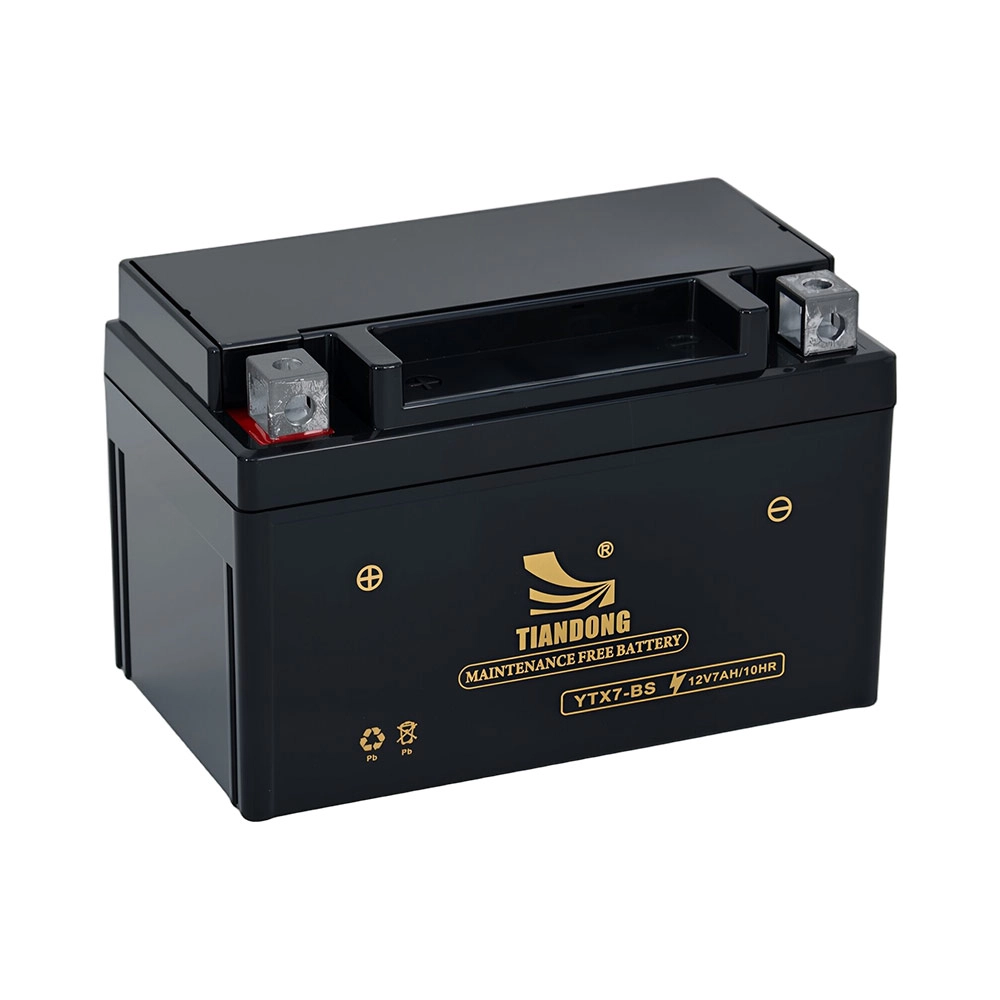
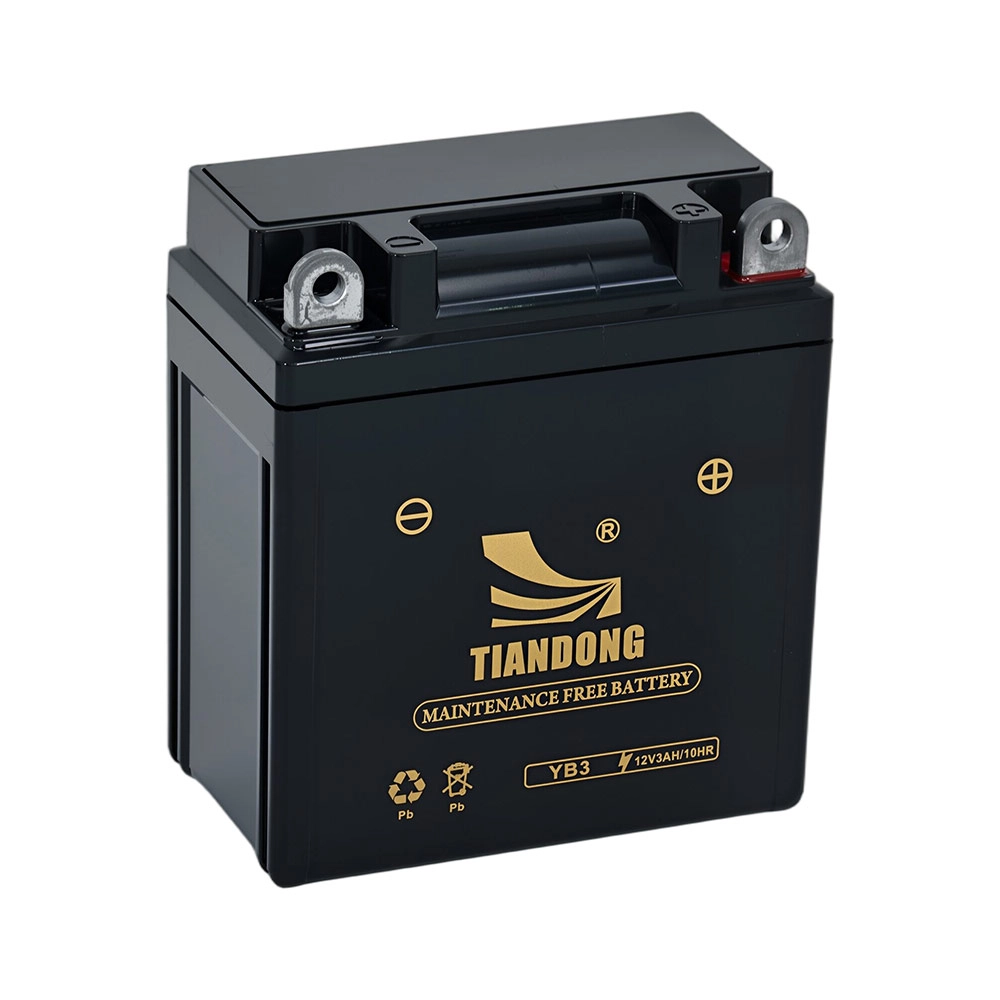
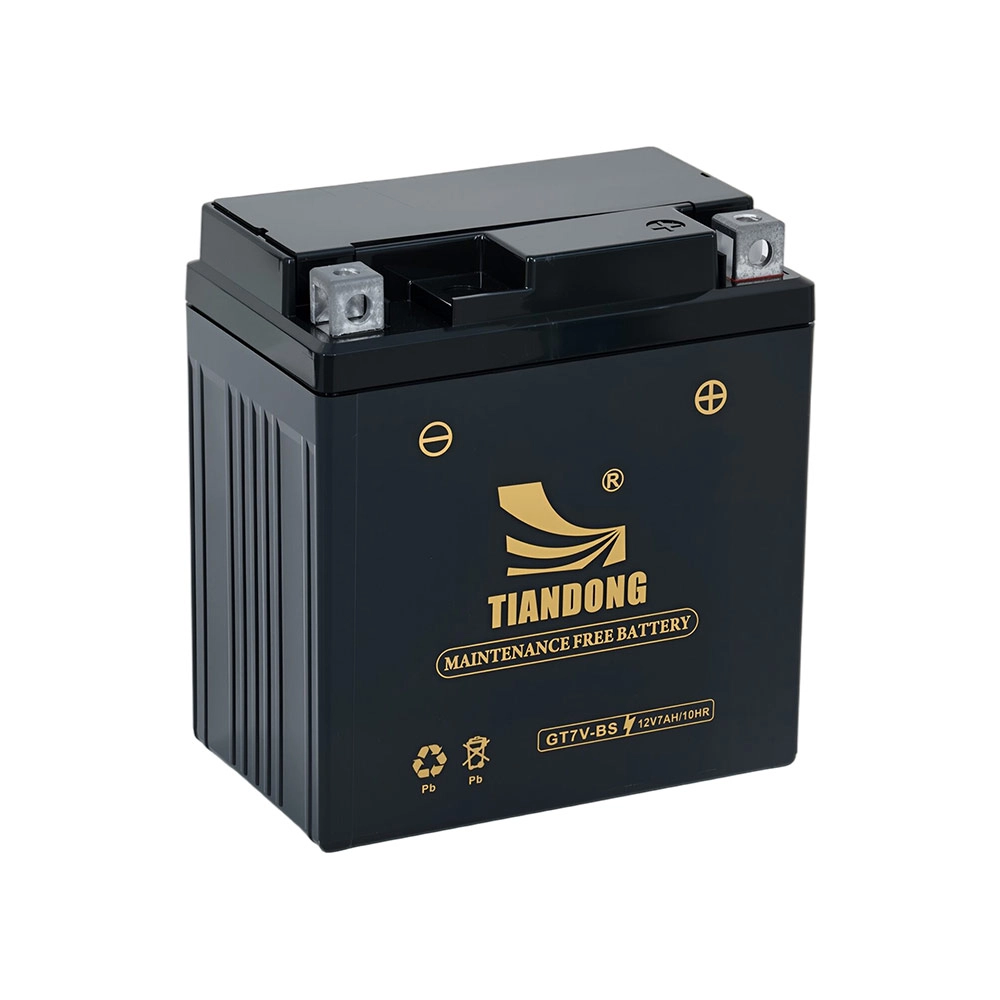
Get in touch with us to get your Motorbike Battery solution
TIANDONG is a leading motorcycle battery manufacturer offering OEM/ODM service, stable quality, and global export support.
Built for wholesalers. Trusted by global buyers. Delivered with confidence.
Say Hello
E-mail: daisybattery8@gmail.com
xianyingchen83@gmail. com
WhatsAPP: +86 134 283 86694
+86 134 348 86641
Our Location
Social Links
© 2025 TIANDONG. All Rights Reserved. Privacy Policy | Terms and Conditions | Sitemap
 Scan QR Code
Facebook
Instagram
Scan QR Code
Whatsapp: +8613434886641