






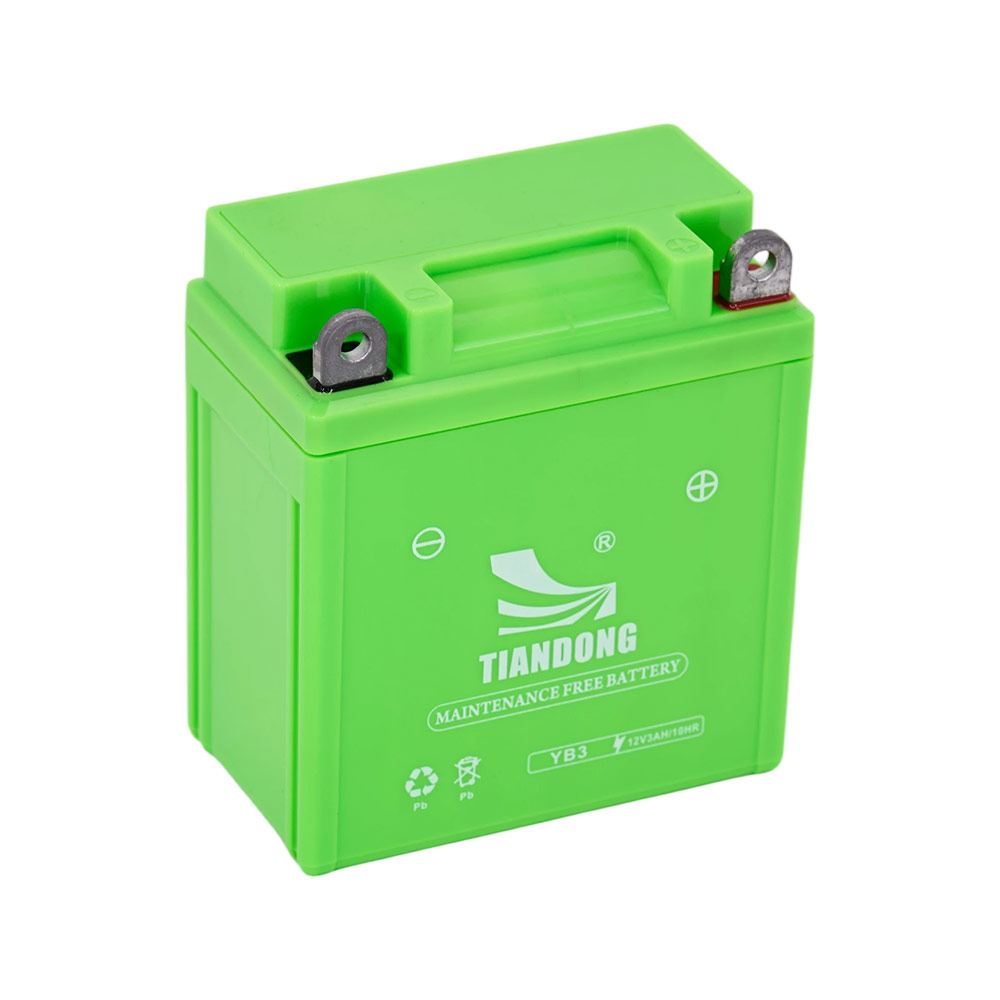
Top Alternatives to YB3 1.25kg 12V 3AH for Small Motorcycles
- Top Alternatives to YB3 1.25kg 12V 3AH for Small Motorcycles
- Why look beyond the YB3 1.25kg 12V 3AH Motorcycle Batteries?
- Key criteria to identify the best motorcycle battery
- Top alternatives to YB3 1.25kg 12V 3AH for small motorcycles
- 1) Sealed AGM (Absorbed Glass Mat) — e.g., 12V 3Ah AGM replacements
- 2) GEL batteries — reliable for long standby and deep discharge tolerance
- 3) LiFePO4 (Lithium Iron Phosphate) — the lightweight performance option
- 4) Enhanced sealed lead acid (SLA) 12V 3Ah — modernized, low cost
- Comparison table: representative models and characteristics
- How to choose the best motorcycle battery for your bike
- Charging compatibility — a frequent concern
- Maintenance and installation tips for long battery life
- Warranty, cost and total cost of ownership
- TIANDONG brand advantages and product highlight
- FAQ — Frequently Asked Questions
- Q: Is the YB3 1.25kg 12V 3AH suitable for all small motorcycles?
- Q: Is LiFePO4 the best motorcycle battery?
- Q: Can I replace a 12V 3Ah SLA with a higher Ah battery?
- Q: How should I store my motorcycle battery over winter?
- Q: Where can I buy TIANDONG YB3 1.25kg 12V 3AH in wholesale quantities?
- Contact & Call to Action
- References
Top Alternatives to YB3 1.25kg 12V 3AH for Small Motorcycles
Why look beyond the YB3 1.25kg 12V 3AH Motorcycle Batteries?
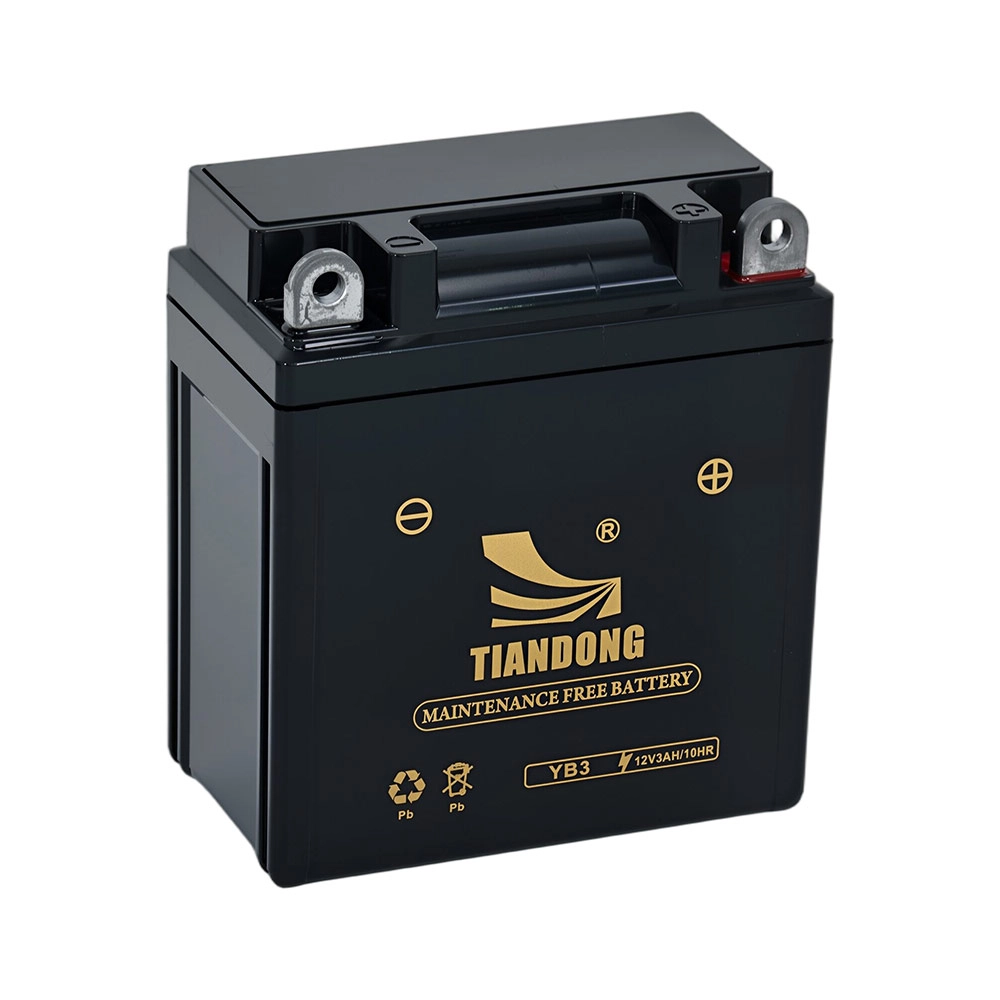
The TIANDONG YB3 1.25kg 12V 3AH Motorcycle Battery is a compact, proven option for many small motorcycles. However, riders often evaluate alternatives to find improved cold starting, longer cycle life, lighter weight, or lower total cost of ownership. Searching for the best motorcycle battery means balancing price, performance, maintenance and compatibility with your motorcycle's charging system.
Key criteria to identify the best motorcycle battery
Before comparing models, use these criteria to judge which battery fits your needs:
- Voltage and capacity (12V and Ah) — must match or exceed OEM recommendations.
- Chemistry — lead‑acid (conventional/sealed), AGM, GEL, or LiFePO4 (LFP) offers distinct tradeoffs in weight, cycle life and discharge tolerance.
- Cold cranking performance and starting amps — important in cooler climates.
- Weight and size — critical for small motorcycles with tight battery compartments.
- Maintenance need — maintenance‑free sealed batteries reduce service time.
- Cycle life and warranty — determines long‑term cost per year.
- Charging compatibility — some LiFePO4 batteries require a voltage regulator or different charging profile.
Top alternatives to YB3 1.25kg 12V 3AH for small motorcycles
Below are commonly chosen alternatives that riders consider when replacing a YB3 1.25kg 12V 3AH. Each is described with real benefits and tradeoffs so you can identify the best motorcycle battery for your situation.
1) Sealed AGM (Absorbed Glass Mat) — e.g., 12V 3Ah AGM replacements
AGM batteries are a form of sealed lead‑acid battery that use glass fibers to hold the electrolyte. They are typically maintenance‑free, vibration resistant and deliver stronger cranking performance than conventional flooded cells of similar size. For small motorcycles, a 12V 3Ah AGM can be a direct fit while offering better cycle life and lower self‑discharge.
Pros: maintenance‑free, good cold start, leakproof, better cycle life than flooded cells. Cons: slightly heavier than LiFePO4, sensitive to overcharging (but generally robust).
2) GEL batteries — reliable for long standby and deep discharge tolerance
Gel batteries use silica to stiffen electrolyte and are tolerant of deep discharge cycles and long standby storage. For low‑power bikes or vintage machines used seasonally, a gel 12V 3Ah can be a good choice for durability and low maintenance.
Pros: durable in cyclic use, low self‑discharge. Cons: poor tolerance to high charging voltages, often heavier and can have lower peak cranking performance than AGM.
3) LiFePO4 (Lithium Iron Phosphate) — the lightweight performance option
LiFePO4 batteries (e.g., small motorcycle LFP packs) have become a top pick for riders emphasizing weight saving and long cycle life. A LiFePO4 pack sized to replace a 12V 3Ah lead‑acid battery can weigh a fraction of the lead pack and provide stable voltage under load, improving starting and handling by reducing weight over the front of the bike.
Pros: significantly lighter, higher cycle life (often 1,000+ cycles), consistent voltage under load. Cons: higher upfront cost, chargers/charging curves differ (some stock charging systems may require adjustment or a battery management system), potential over‑discharge sensitivity.
4) Enhanced sealed lead acid (SLA) 12V 3Ah — modernized, low cost
Modern sealed lead acid batteries used in many motorcycle replacements are improved over older flooded designs: better separators, improved plate alloys and lower self‑discharge. They are commonly used by wholesalers and riders who want a direct, budget‑friendly swap for the YB3 1.25kg 12V 3AH.
Pros: low cost, direct fit, widely available through motorcycle battery wholesale channels. Cons: more weight and shorter cycle life than LFP.
Comparison table: representative models and characteristics
The table below compares representative battery types. Numbers are typical for comparable 12V 3Ah small motorcycle batteries; use actual product datasheets for exact specs when choosing.
| Model / Type | Chemistry | Voltage | Capacity (Ah) | Approx Weight | Typical Cycle Life | Best for | Source |
|---|---|---|---|---|---|---|---|
| TIANDONG YB3 1.25kg 12V 3AH | Sealed lead‑acid (SLA) | 12V | 3Ah | ≈1.25 kg | 200–400 cycles (typical SLA) | Budget replacement, direct swap | TIANDONG product data |
| 12V 3Ah AGM (generic) | AGM (VRLA) | 12V | 3Ah | ≈1.1–1.3 kg | 250–500 cycles | Better starting, maintenance‑free | Battery University, vendor datasheets |
| 12V 3Ah Gel (generic) | Gel VRLA | 12V | 3Ah | ≈1.2–1.4 kg | 300–500 cycles | Seasonal use, deep discharge tolerant | Manufacturer datasheets |
| LiFePO4 12V ≈3Ah (small LFP) | LiFePO4 (LFP) | 12.8V nominal (internal cells) | ≈2.5–3Ah (energy ≈ same) | ≈0.3–0.6 kg | 1000+ cycles | Weight‑sensitive riders, performance | Manufacturer datasheets, Battery University |
Sources for typical values: Battery University and manufacturer datasheets listed in the references section at the end.
How to choose the best motorcycle battery for your bike
Follow these practical steps to choose the right replacement:
- Check your owner’s manual for recommended voltage, minimum cranking amps and physical dimensions. Never choose a battery with significantly different voltage.
- Match terminal orientation and size — tight compartments and terminal clearance matter on small motorcycles.
- If weight is important (racing, handling), consider LiFePO4 but verify charging compatibility with your stator and regulator/rectifier.
- If you prefer maintenance‑free reliability with good starting power and minimal system changes, AGM is often the best compromise.
- Consider total cost of ownership: an inexpensive SLA may cost more over two or three years if it needs replacement sooner than AGM or LFP options.
Charging compatibility — a frequent concern
LiFePO4 batteries have different nominal voltages and charging needs. Some small LFP packs include a built‑in battery management system (BMS) tolerant of standard motorcycle charging systems, but others do not. If choosing LiFePO4, either select a LFP unit specifically listed as motorcycle‑compatible or install a compatible charger or voltage regulator to avoid overcharging or undercharging. AGM and GEL types are usually plug‑and‑play with OEM charging systems.
Maintenance and installation tips for long battery life
Even sealed batteries benefit from good care. Follow these tips to extend life and ensure reliable starts:
- Keep terminals clean and properly tightened — corrosion increases resistance and heat.
- Store bikes with a small maintenance charger or smart tender during long storage to prevent deep discharge — especially important for lead‑acid types.
- Avoid repeated deep discharges with SLA/AGM; shallow cycles prolong life.
- When installing LiFePO4, ensure the BMS or charging system prevents overcharge and low‑voltage damage.
- Check charging voltage at the battery with the engine running; typical charging voltage for lead‑acid is about 13.8–14.4V. Consult manufacturer guidance for LiFePO4 packs.
Warranty, cost and total cost of ownership
Price alone can be misleading. Consider manufacturer warranty, expected cycle life, and typical replacement interval. For example, an SLA may have a low purchase price but shorter life than a higher‑cost LiFePO4. Warranties for quality brands often range from 6 months to 2 years for small batteries; High Quality LFP packs may carry longer warranties based on cycle expectancy. Always compare warranty terms and vendor reputation when buying — especially when purchasing via motorcycle battery wholesale channels.
TIANDONG brand advantages and product highlight
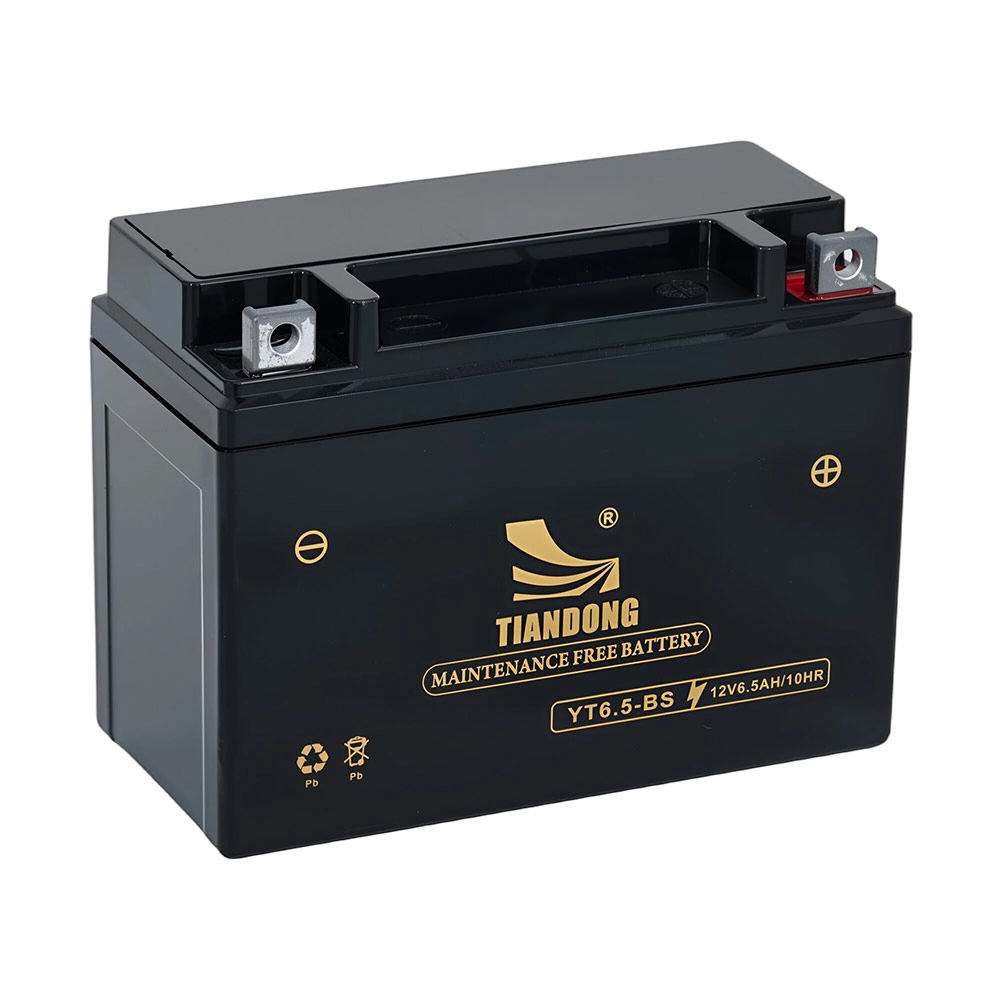
TIANDONG supplies a range of motorcycle batteries suitable for small bikes and wholesale distribution. The TIANDONG YB3 1.25kg 12V 3AH Motorcycle Battery offers reliable power for motorcycles. Ideal for motorcycle battery wholesale, it ensures long‑lasting performance and durability. Choose TIANDONG for quality motorcycle batteries that keep your ride strong and efficient.
Why choose TIANDONG:
- Product consistency and quality control designed for wholesale customers and dealers.
- Competitive pricing for bulk purchases, reducing per‑unit cost for fleet maintenance and retail partners.
- Durable construction and attention to vibration resistance — important on small, older or off‑road motorcycles.
- Technical support for fitment and charging compatibility questions.
FAQ — Frequently Asked Questions
Q: Is the YB3 1.25kg 12V 3AH suitable for all small motorcycles?
A: It is suitable if it matches your motorcycle’s OEM voltage, size and terminal orientation. Always confirm dimensions and terminal types in the owner’s manual or with a dealer before buying.
Q: Is LiFePO4 the best motorcycle battery?
A: LiFePO4 is best when weight reduction, long cycle life and consistent voltage are priorities. However, it costs more upfront and requires charging compatibility checks. For many riders, AGM strikes a better balance between cost and convenience.
Q: Can I replace a 12V 3Ah SLA with a higher Ah battery?
A: You can if it fits physically and the charging system can handle the slight difference. Increasing Ah typically increases capacity and runtime but may not significantly improve cranking power. Always verify fit and terminal compatibility.
Q: How should I store my motorcycle battery over winter?
A: Store in a cool, dry place and use a smart maintainer or trickle charger for lead‑acid batteries. LiFePO4 batteries also benefit from storage at partial state of charge (check manufacturer guidance) and the use of a smart charger if stored long‑term.
Q: Where can I buy TIANDONG YB3 1.25kg 12V 3AH in wholesale quantities?
A: Contact TIANDONG sales directly for motorcycle battery wholesale pricing and lead times. For inquiries and bulk orders, email sales@tiandong.com or call your local TIANDONG distributor.
Contact & Call to Action
If you need help choosing the best motorcycle battery, request a compatibility check or wholesale quote: Contact TIANDONG sales at sales@tiandong.com or visit our product page to view TIANDONG YB3 1.25kg 12V 3AH Motorcycle Batteries and related options. Our technical team can recommend an AGM, GEL, or LiFePO4 replacement tailored to your motorcycle.
After reviewing alternative options, see why lightweight batteries are becoming the top choice for small motorcycles in Best Lightweight Motorcycle Batteries: Why YB3 Stands Out.
References
- Battery University — Practical battery information and charging guidelines. https://batteryuniversity.com
- Yuasa and manufacturer technical guides — guidance on small motorcycle battery specifications (consult product datasheets of comparable models).
- Shorai product documentation — example LiFePO4 motorcycle battery specifications and compatibility notes (manufacturer websites).
- Manufacturer datasheets and vendor technical notes for SLA/AGM/GEL batteries (various published datasheets).

Best Motorcycle Batteries for Fleet Procurement: YTX7L Review

Small Motorcycle Battery Buying Guide for Fleet Procurement

YT12 12V 12AH Installation Tips for Faster Starts

Why Choose a Lightweight Motorcycle Battery: Benefits for Riders
Questions you may concerned about
Shipping
Which countries does Tiandong export to?
Tiandong batteries are exported to more than 20 countries, including Vietnam, India, Egypt, Thailand, and Indonesia.
Product
Do you offer OEM or custom branding?
Yes, we provide full OEM and ODM services, including logo printing, packaging customization, and model adjustments.
What is the typical lifespan of your batteries?
Depending on the model and usage conditions, our batteries typically last between 2 to 4 years under normal operation.
What causes motorcycle batteries to fail?
Common causes include over-discharging, extreme temperatures, poor charging systems, and low-quality manufacturing materials.
Support
What is Tiandong’s production capacity?
The company produces approximately 6 million batteries per year, supported by 15,000 tons of electrode plate production capacity.
Get in touch with us to get your Motorbike Battery solution
TIANDONG is a leading motorcycle battery manufacturer offering OEM/ODM service, stable quality, and global export support.
Built for wholesalers. Trusted by global buyers. Delivered with confidence.
Say Hello
E-mail: daisybattery8@gmail.com
xianyingchen83@gmail. com
WhatsAPP: +86 134 283 86694
+86 134 348 86641
Our Location
Social Links
© 2025 TIANDONG. All Rights Reserved. Privacy Policy | Terms and Conditions | Sitemap
 Scan QR Code
Facebook
Instagram
Scan QR Code
Whatsapp: +8613434886641