






2026 Buyer’s Guide: Best Motorcycle Batteries for Sale & How to Choose
- What should you look for when browsing motorcycle batteries for sale?
- 2026 Quick Takeaways: The Smart Rider’s Cheat Sheet
- Comparing Modern Battery Types: Which is Right for You?
- Absorbed Glass Mat (AGM)
- Lithium-Ion (LiFePO4)
- Flooded Lead-Acid
- The 2026 Evolution: Smart Features in High-End Battery Sales
- Expert Tips: 5 Common Mistakes When Buying a New Battery
- Industry Leading Solutions: High-Performance Battery Selection
- Frequently Asked Questions (FAQ)
- How do I know if a motorcycle battery for sale will fit my bike?
- Are lithium motorcycle batteries worth the extra cost in 2026?
- What is the average lifespan of a modern motorcycle battery?
- Can I use a car battery charger on my motorcycle battery?
- What are Cold Cranking Amps (CCA) and why do they matter?
- Why did my new motorcycle battery die so quickly?
- Are "Maintenance-Free" batteries truly maintenance-free?
- Where should I dispose of my old motorcycle battery?
- References
As we throttle into 2026, the landscape of motorcycle maintenance is shifting rapidly. With the global motorcycle battery market projected to reach nearly $9.4 billion by 2025 and continuing to grow at a steady CAGR of 4.5% through 2033, riders are presented with more advanced options than ever before. Whether you are powering a vintage cruiser or a high-performance sportbike, choosing the right power source is critical.
Finding the best motorcycle battery for sale is no longer just about voltage; it is about weighing the benefits of LiFePO4 motorcycle batteries against traditional designs to ensure reliability in every start.
What should you look for when browsing motorcycle batteries for sale?
To find the perfect battery, you must balance three critical metrics: Cold Cranking Amps (CCA) for reliable starting power, physical dimensions for a precise fit, and chemistry type (AGM vs. Lithium) to match your riding frequency.
Many riders make the mistake of buying based on price alone, only to face a dead bike mid-season. Understanding the technical specifications ensures your engine turns over immediately, even on freezing mornings. Tiandong Electric Appliance Co., Ltd., with over 15 years of manufacturing expertise, emphasizes that a battery's longevity starts with the quality of its electrode plates—a component often overlooked by budget shoppers.
When evaluating options, prioritize these factors:
- Cold Cranking Amps (CCA): Ensure the rating meets or exceeds your bike's OEM requirement.
- Physical Fitment: Measure the Length x Width x Height of your battery box; even a millimeter difference can prevent installation.
- Terminal Polarity: Verify if the positive terminal is on the left or right to avoid stretching your bike's cables.
- Amp-Hour (Ah) Rating: Higher Ah is necessary for bikes with accessories like heated grips or GPS systems.
2026 Quick Takeaways: The Smart Rider’s Cheat Sheet
For 2026, Lithium-Iron Phosphate (LiFePO4) has solidified itself as the industry standard for performance motorcycles due to a 70% weight reduction, while AGM remains the cost-effective champion for daily commuters.
Technological advancements have closed the reliability gap, making modern lithium options viable for a wider range of climates. However, the choice still depends heavily on your specific use case. Data indicates that while lithium adoption is surging, lead-acid batteries still hold a significant market share due to their affordability and robustness in simple electrical systems.
Here is what you need to know for this year:
- Weight Savings: LiFePO4 motorcycle batteries can shave up to 10 lbs off your bike compared to lead-acid.
- Smart Tech: Look for batteries with integrated Bluetooth voltage monitoring to prevent winter failure.
- Cost vs. Value: While lithium costs 2-3x more upfront, it often offers a lower Total Cost of Ownership (TCO) due to a 5-8 year lifespan.
- Universal Fit: New models often feature multi-position terminals to fit various bike brands.
Comparing Modern Battery Types: Which is Right for You?
The debate of AGM vs Lithium-ion 2026 boils down to a trade-off between upfront cost and long-term performance: AGM offers unmatched durability for the price, while Lithium provides superior longevity and power density.
Understanding the internal chemistry helps you predict how the battery will behave under load. Tiandong, producing 6 million high-energy batteries annually, manufactures both types to cater to diverse rider needs, ensuring consistent quality from the grid casting to the final assembly.
Absorbed Glass Mat (AGM)
- Pros: Spill-proof, highly resistant to vibration, and maintenance-free.
- Cons: Heavier than lithium; sensitive to deep discharge.
- Best For: Touring bikes, cruisers, and riders in extreme cold climates.
Lithium-Ion (LiFePO4)
- Pros: Ultra-lightweight, fast charging, and massive cranking power.
- Cons: Higher initial price; requires a specific lithium-compatible charger.
- Best For: Sportbikes, race tracks, and seasonal riders (due to low self-discharge).
Flooded Lead-Acid
- Pros: Most affordable option available.
- Cons: Requires regular topping up with distilled water; prone to acid spills.
- Best For: Vintage restorations and strict budget builds.
The 2026 Evolution: Smart Features in High-End Battery Sales
Modern high-end batteries now feature integrated Battery Management Systems (BMS) that actively balance cells and prevent over-discharge, effectively protecting your investment from common user errors.
In the past, leaving your lights on meant a dead battery. Today, advanced battery management systems can cut power before the battery is critically drained, allowing for a "jump-start" from the remaining reserve. This shift towards smart technology is a key driver in the projected market growth.
Top 2026 innovations include:
- AI-Monitored Discharge: Circuits that learn your riding habits to optimize charge retention.
- Emergency Restart Buttons: A physical button on the battery case to activate reserved power.
- Bluetooth 5.0 Alerts: Real-time health notifications sent directly to your phone.
- Universal Terminal Adapters: Reducing the headache of finding model-specific part numbers.
Expert Tips: 5 Common Mistakes When Buying a New Battery
The most frequent error riders make is underestimating the Cold Cranking Amps comparison, choosing a battery that lacks the initial punch to turn over a cold, high-compression engine.

Even a high-quality battery will fail if it is mismatched to the application. Leveraging data from Pingxiang Tiandong Electric Appliance Co., Ltd., we know that consistent manufacturing standards are vital, but user selection is equally important. Avoiding these pitfalls can double your battery's life.
- Mistake 1: Ignoring the CCA requirements for your engine displacement (e.g., a 1000cc V-Twin needs more power than a 300cc single).
- Mistake 2: Failing to measure the battery box dimensions, leading to return hassles.
- Mistake 3: Buying a battery without checking the "Born On" date code (batteries degrade while sitting on shelves).
- Mistake 4: Using a standard automotive charger on a lithium battery, which can cause dangerous overheating.
- Mistake 5: Overlooking motorcycle battery maintenance during the off-season, leading to sulfation or cell death.
Industry Leading Solutions: High-Performance Battery Selection
Our curated selection represents the pinnacle of 2026 battery technology, sourcing from manufacturers like Tiandong that prioritize high-density cell architecture and rigorous in-house quality control.
When you buy from a trusted source, you are buying peace of mind. Tiandong Electric Appliance Co., Ltd. operates a massive 121,800 ㎡ facility where they control every step of production—from electrode plates to acid filling. This vertical integration allows them to produce batteries that meet strict international standards like CE, RoHS, and MSDS, ensuring you get OEM-level quality or better.
- Rigorous Testing: Every unit undergoes automated capacity and load testing.
- Global Reliability: Trusted in over 20 countries, including demanding markets in Southeast Asia and Europe.
- Custom Solutions: Capabilities for OEM & ODM ensure compatibility with specific regional motorcycle models.
Frequently Asked Questions (FAQ)
How do I know if a motorcycle battery for sale will fit my bike?
Check your current battery's model number (e.g., YTX20HL-BS) and strictly measure the length, width, and height of your battery tray. Always confirm the positive (+) and negative (-) terminal positions match your bike's cables to avoid installation issues.
Are lithium motorcycle batteries worth the extra cost in 2026?
Yes, for most riders. They typically last 5 to 8 years—roughly 3-5 times longer than lead-acid counterparts. Additionally, LiFePO4 motorcycle batteries offer higher cranking power and significantly lower self-discharge rates, making them ideal for seasonal storage.
What is the average lifespan of a modern motorcycle battery?
AGM batteries typically last 3 to 5 years with proper maintenance, while Lithium-ion batteries can exceed 8 years. However, this lifespan depends heavily on your climate and whether you use a smart battery tender during inactivity.
Can I use a car battery charger on my motorcycle battery?
Generally, no. Most car chargers deliver too high an amperage, which can warp lead plates or cause lithium cells to fail. Always use a dedicated smart charger or "tender" designed for your specific battery chemistry.
What are Cold Cranking Amps (CCA) and why do they matter?
CCA measures a battery's ability to start an engine in 0°F (-18°C) temperatures. A higher Cold Cranking Amps comparison rating is essential for large-displacement engines or riders in colder climates, as it ensures the engine turns over quickly.
Why did my new motorcycle battery die so quickly?
Premature failure is often caused by parasitic drain from accessories (like alarms), a faulty charging system (stator/rectifier), or allowing the battery to sit discharged for weeks. Proper motorcycle battery maintenance requires keeping the voltage up when the bike is parked.
Are "Maintenance-Free" batteries truly maintenance-free?
They do not require adding water, but they still require "charge maintenance." You must check terminals for corrosion and use a tender to maintain voltage during long periods of inactivity to prevent sulfation.
Where should I dispose of my old motorcycle battery?
Never trash them. Most retailers are legally required to accept old batteries for recycling. You can also take them to local hazardous waste facilities. Lead-acid batteries are 99% recyclable, making them an environmentally responsible product when disposed of correctly.
References
- Motorcycle Battery Market Size, Share & Growth Report 2033
- Motorcycle Lead Acid Battery Market Outlook 2025-2035

Bulk UPS Battery Replacement: Buying TIANDONG HP12-12 in Volume

The 2026 Ultimate Guide to Lightweight Motorcycle Batteries: Shed Weight & Fire Up Instantly

How to Choose a Good Motorcycle Battery for Fleet Procurement
Top 10 Lead-Acid Battery Manufacturers and Supplier Brands
Questions you may concerned about
OEM/ODM
Is an OEM battery safe?
Authentic original equipment manufacturer (OEM) batteries undergo safety testing and certification. Counterfeit batteries do not, and therefore may not have the proper protection inside the cells to prevent overcharging and overheating, which can lead to serious injuries and damage from thermal runaway.
Product
What kind of battery is best for a motorcycle?
AGM batteries are a popular choice because they combine the best of both worlds: the durability of lead-acid batteries and the low maintenance of lithium-ion batteries. AGM batteries are sealed, so they don't require water refills, and they're designed to handle rough conditions, making them ideal for motorcycles.
What is the most common motorcycle battery type?
AGM batteries are currently the most widely used due to their balance of cost and performance.
How long is the delivery time?
- Sample: 7–15 days
- Bulk orders: 20–35 days
Are your batteries maintenance-free?
Yes, our batteries are sealed VRLA or GEL types that require no water refilling. They are ready to use and easy to maintain.
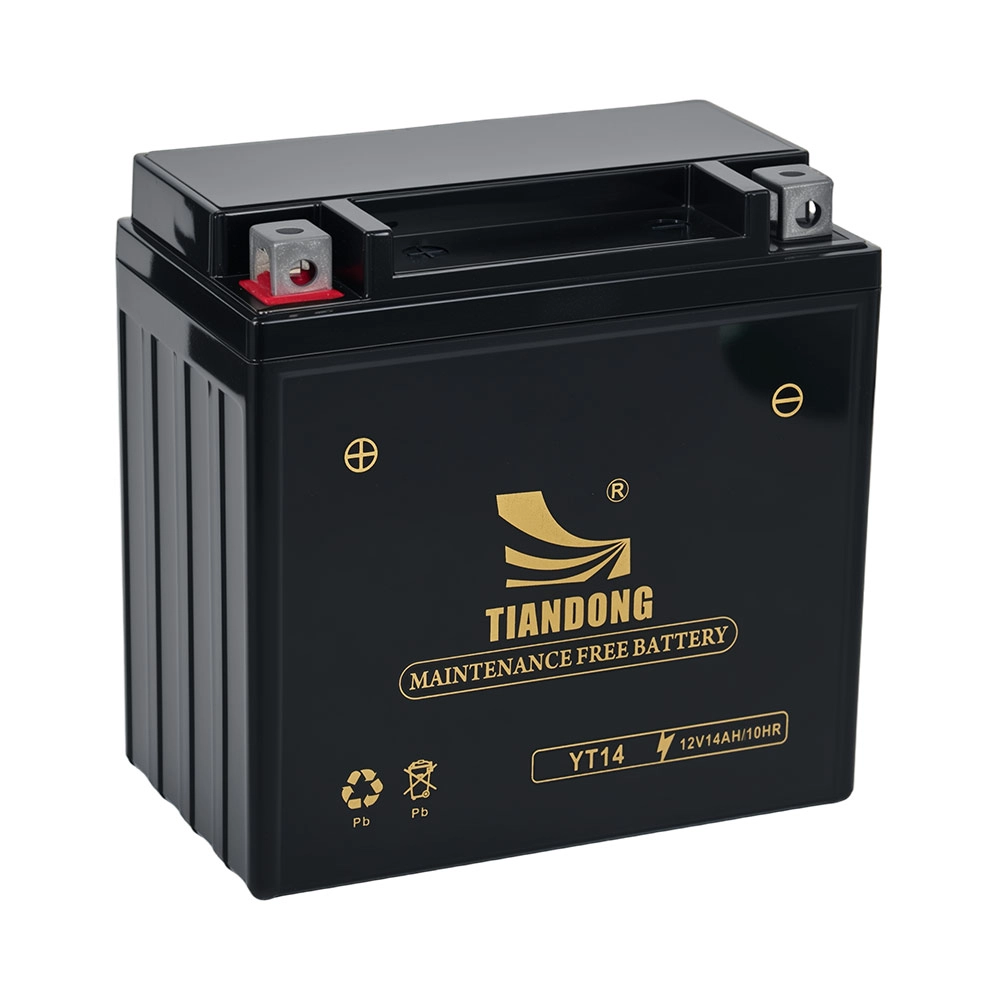
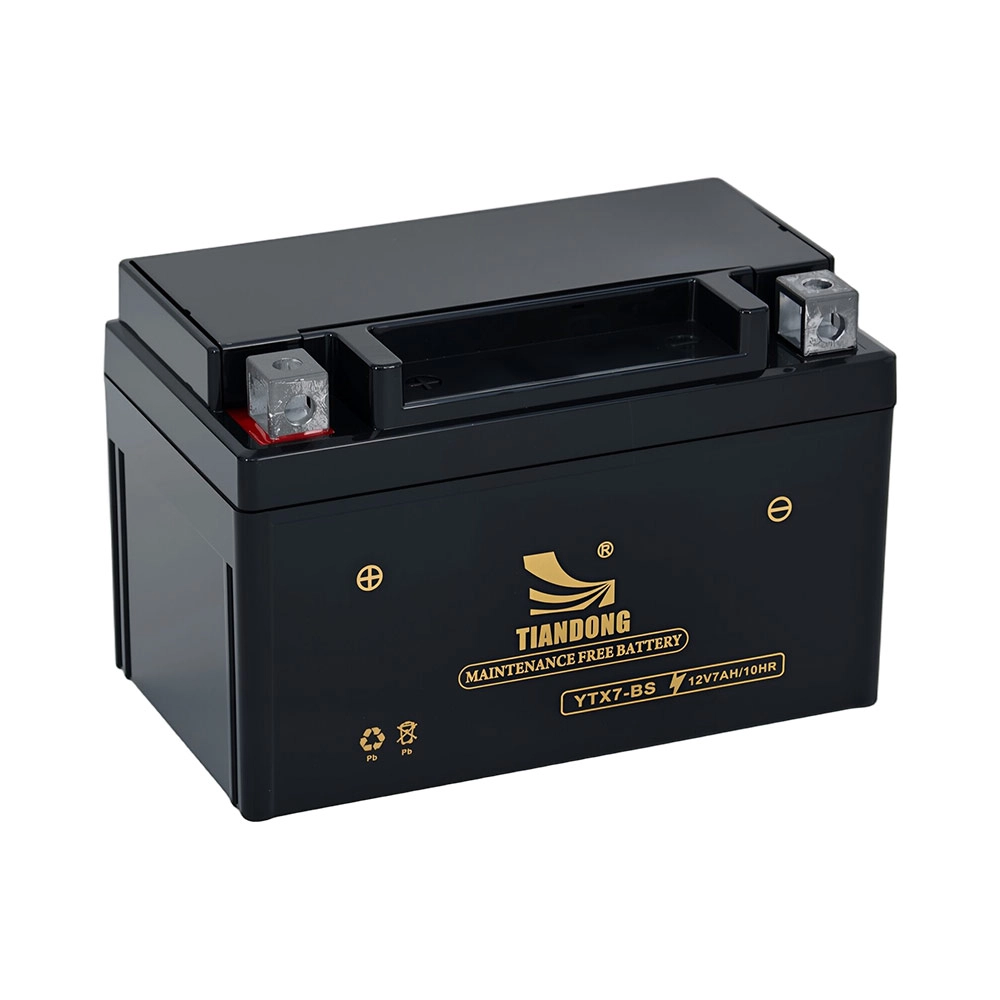
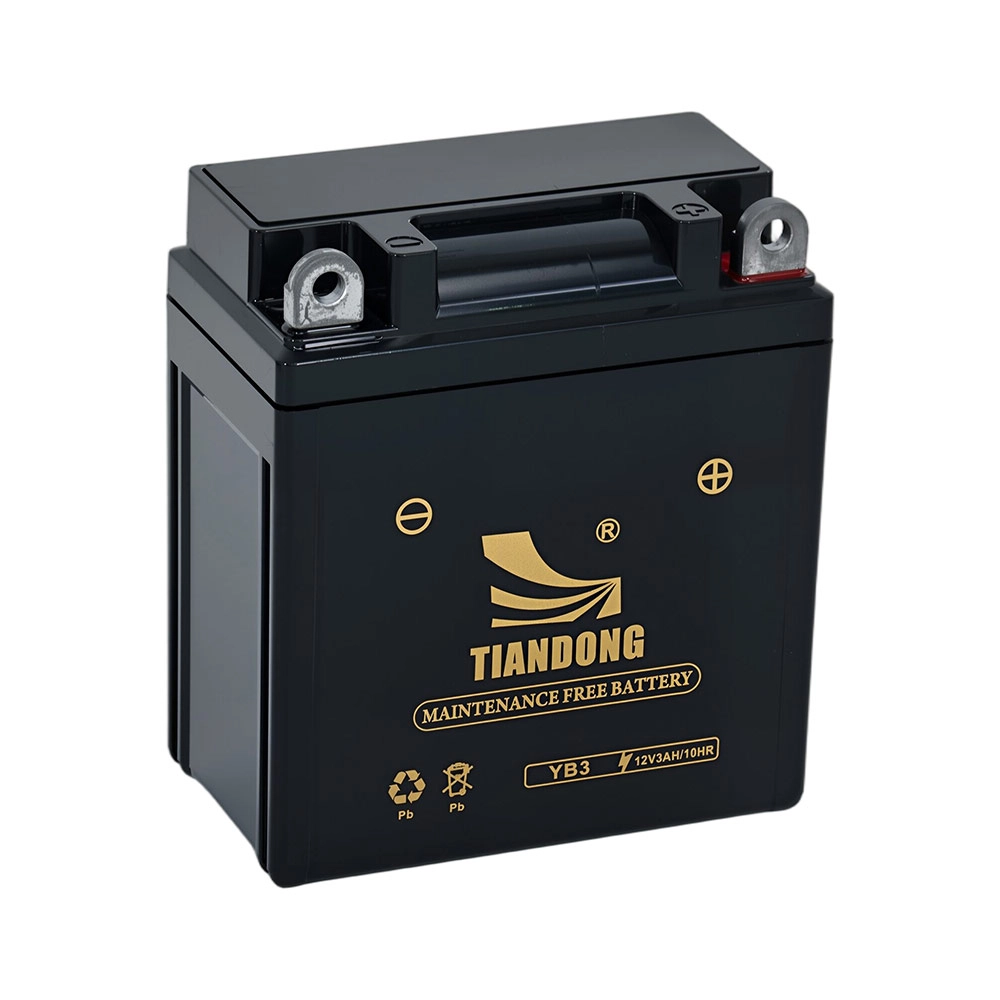
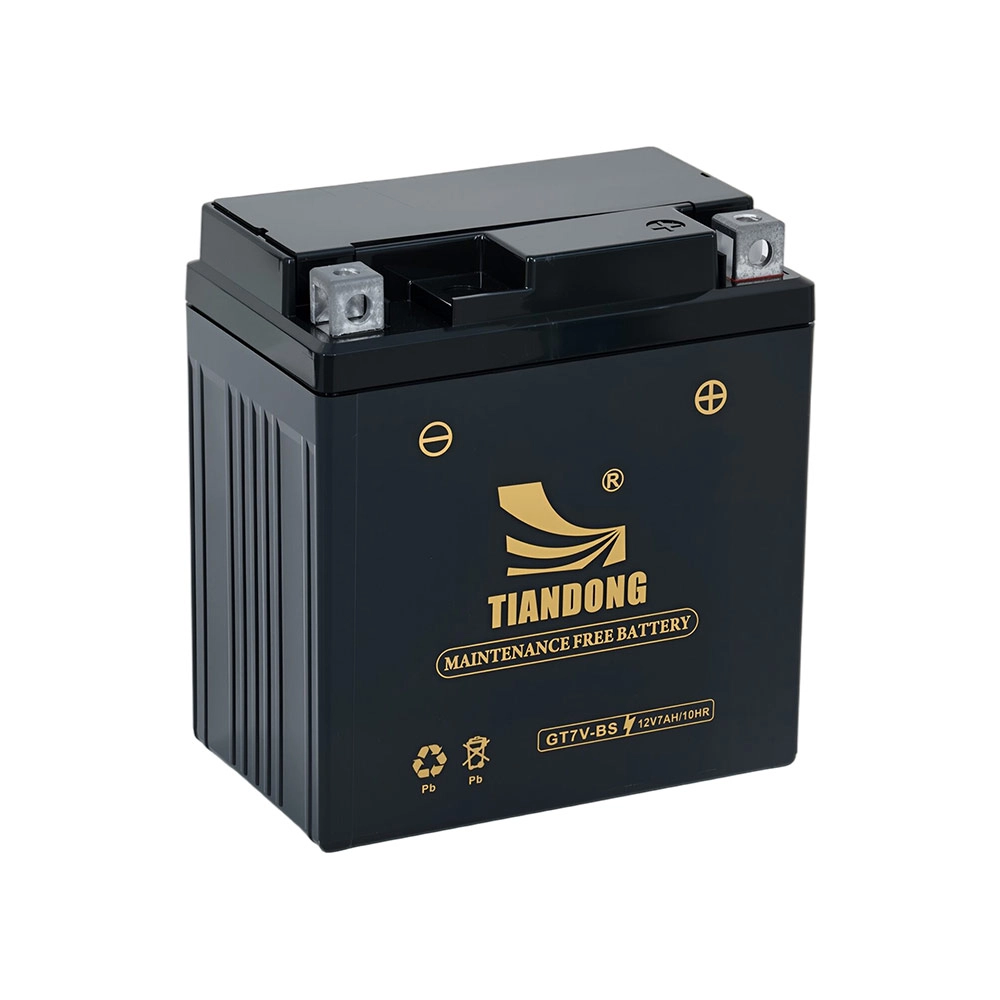
Get in touch with us to get your Motorbike Battery solution
TIANDONG is a leading motorcycle battery manufacturer offering OEM/ODM service, stable quality, and global export support.
Built for wholesalers. Trusted by global buyers. Delivered with confidence.
Say Hello
E-mail: daisybattery8@gmail.com
xianyingchen83@gmail. com
WhatsAPP: +86 134 283 86694
+86 134 348 86641
Our Location
Social Links
© 2025 TIANDONG. All Rights Reserved. Privacy Policy | Terms and Conditions | Sitemap
 Scan QR Code
Facebook
Instagram
Scan QR Code
Whatsapp: +8613434886641