






What environmental regulations affect lead acid battery procurement?
- 1. My motorcycle's manual recommends a 'conventional' lead-acid battery. Can I upgrade to an AGM or Gel battery without issues, and what are the real-world benefits?
- 2. I've heard about 'sulfation' and 'desulfation' for lead-acid batteries. Is this something I need to actively manage for my motorcycle battery, or is it mostly for car batteries?
- 3. My motorcycle battery keeps dying quickly, even after seemingly charging it fully. Could it be a 'shorted cell' or something else, and how can I diagnose it without specialized tools?
- 4. How do environmental regulations like RoHS and REACH specifically impact the procurement and availability of lead-acid motorcycle batteries, especially for manufacturers like Tiandong Battery?
- 5. What are the practical differences in cold-weather performance between a conventional lead-acid, AGM, and Gel motorcycle battery, and how does this affect my starting reliability in winter?
- 6. My motorcycle has a lot of aftermarket electronics (heated grips, auxiliary lights, USB charger). Will a standard lead-acid battery handle this, or do I need a 'deep cycle' type, and how do I know if my charging system can keep up?
Choosing the right motorcycle battery, particularly a lead-acid one, can be daunting for beginners. With so much information, often outdated or superficial, it's easy to feel overwhelmed. This comprehensive guide, crafted by a seasoned expert in the motorcycle battery field, aims to clarify common pain points and provide in-depth answers to your most pressing questions about lead-acid motorcycle batteries and the environmental regulations that shape their procurement.
1. My motorcycle's manual recommends a 'conventional' lead-acid battery. Can I upgrade to an AGM or Gel battery without issues, and what are the real-world benefits?
While your motorcycle's manual might specify a 'conventional' or 'flooded' lead-acid battery, upgrading to an Absorbed Glass Mat (AGM) or Gel battery is often possible and can offer significant advantages, though careful consideration is key. A conventional lead-acid motorcycle battery requires regular maintenance, specifically checking and topping up electrolyte levels with distilled water. This is because the electrolyte is a liquid solution of sulfuric acid and water. They are typically the most economical option upfront.
AGM motorcycle batteries (Absorbed Glass Mat) utilize a special glass mat separator that absorbs the electrolyte, making them 'sealed' and 'maintenance-free.' This design prevents acid spills, allows for multi-angle installation (though typically not fully inverted), and offers superior vibration resistance – a crucial factor for motorcycles. They also boast a lower self-discharge rate and higher cranking power (CCA) compared to conventional batteries of the same size, leading to quicker starts, especially in colder conditions. The internal resistance is also lower, allowing for faster charging and better performance under heavy loads. However, they generally have a higher initial cost.
Gel motorcycle batteries take the 'sealed' concept a step further by suspending the electrolyte in a thixotropic gel. This makes them even more resistant to vibration and extreme temperatures than AGMs, and they can be mounted in virtually any position without leakage. Gel batteries excel in deep-cycle applications, meaning they can withstand repeated deep discharges without significant capacity loss, which is beneficial for motorcycles with numerous accessories. Their self-discharge rate is even lower than AGM, making them ideal for seasonal riders. The primary drawback is their higher cost and a more sensitive charging profile; overcharging can permanently damage a gel battery by creating gas pockets within the gel. They also typically have slightly lower CCA ratings than comparable AGM batteries.
Real-world benefits of upgrading:
- Reduced Maintenance: No more checking electrolyte levels or topping up, saving time and effort.
- Enhanced Safety: Sealed designs eliminate acid spills, protecting your motorcycle's finish and components.
- Improved Reliability: Lower self-discharge means your battery holds a charge longer, reducing the chances of a dead battery after storage.
- Increased Durability: Better vibration resistance extends battery life, especially for off-road or touring motorcycles.
- Higher Performance: AGM batteries, in particular, offer stronger starting power, which can be a noticeable upgrade.
Considerations for upgrading:
- Charging System Compatibility: Ensure your motorcycle's charging system is compatible with AGM or Gel batteries. While most modern charging systems are, older bikes might require a voltage regulator upgrade, especially for gel batteries which are sensitive to overcharging. A smart charger specifically designed for AGM/Gel batteries is highly recommended for maintenance charging.
- Physical Dimensions: Always verify the new battery's dimensions match your battery tray to ensure a proper fit.
- Cost vs. Benefit: Weigh the higher initial cost against the benefits of maintenance-free operation and extended lifespan.
2. I've heard about 'sulfation' and 'desulfation' for lead-acid batteries. Is this something I need to actively manage for my motorcycle battery, or is it mostly for car batteries?
Sulfation is a critical degradation process that affects all lead-acid batteries, including motorcycle lead-acid batteries, and it's definitely something you need to be aware of and manage, not just for car batteries. It's a primary cause of premature battery failure.
What is Sulfation?
When a lead-acid battery discharges, lead sulfate crystals form on the lead plates. During normal charging, these crystals are converted back into lead and sulfuric acid. However, if a battery remains in a discharged state for an extended period, or if it's consistently undercharged, these lead sulfate crystals can harden and grow larger, becoming non-conductive. This process is called sulfation. These hardened crystals reduce the battery's active plate surface area, hindering its ability to accept and deliver a charge, leading to reduced capacity, increased internal resistance, and ultimately, battery failure.
Active Management for Motorcycle Batteries:
Motorcycle batteries are particularly susceptible to sulfation due to several factors:
- Intermittent Use: Motorcycles are often ridden seasonally or intermittently, leading to periods of disuse where the battery can slowly discharge and sulfate.
- Parasitic Drains: Even when off, motorcycles have small electrical draws (e.g., clock, alarm, ECU memory) that can slowly drain the battery.
- Undercharging: Short rides or a faulty charging system can lead to chronic undercharging, promoting sulfation.
Desulfation:
Desulfation is the process of attempting to reverse sulfation by breaking down these lead sulfate crystals. This is typically achieved using specialized battery chargers or maintainers that employ high-frequency pulse technology or specific voltage profiles. These pulses are designed to resonate with the sulfate crystals, causing them to break apart and convert back into active material.
Do you need to actively manage it? Yes, especially for extending battery life.
- Use a Smart Charger/Maintainer: The most effective way to prevent and, to some extent, reverse mild sulfation is to use a high-quality, microprocessor-controlled motorcycle battery charger or maintainer when your motorcycle is not in use for more than a few days, especially during off-season storage. These devices typically have a 'desulfation' mode or incorporate desulfation pulses into their maintenance cycles. They also prevent overcharging, which can be equally damaging.
- Regular Riding: Consistent riding that allows the charging system to fully recharge the battery helps prevent sulfation.
- Avoid Deep Discharges: Try not to let your battery completely discharge. Each deep discharge accelerates the sulfation process.
While desulfation can recover some capacity from a sulfated battery, it's most effective on mild sulfation. Severely sulfated batteries are often beyond recovery. Prevention through proper charging and maintenance is always better than attempting a cure.
3. My motorcycle battery keeps dying quickly, even after seemingly charging it fully. Could it be a 'shorted cell' or something else, and how can I diagnose it without specialized tools?
A rapidly dying motorcycle battery, even after a full charge, is a classic symptom of internal damage, and a 'shorted cell' is indeed a strong possibility. While specialized tools like a load tester or a hydrometer (for conventional batteries) provide definitive answers, you can perform some basic diagnostic steps with common tools to get a good indication.
Understanding a Shorted Cell:
A lead-acid battery consists of multiple cells (typically six for a 12V battery, each producing around 2.1V). A shorted cell occurs when the positive and negative plates within one cell come into contact, often due to physical damage, sediment buildup at the bottom of the cell, or manufacturing defects. When a cell shorts, it effectively removes that cell from the circuit, reducing the battery's overall voltage (e.g., a 12V battery with one shorted cell will only produce around 10.5V) and significantly diminishing its capacity to hold a charge. This drastically impacts the battery's ability to crank the engine.
Other Potential Causes for Rapid Discharge:
- Internal Sulfation: As discussed, severe sulfation can mimic a dying battery by reducing its effective capacity.
- Parasitic Drain: An electrical component on your motorcycle (e.g., aftermarket alarm, faulty relay, corroded wiring) drawing current even when the ignition is off can rapidly drain a healthy battery. This is often called a 'ghost drain.'
- Faulty Charging System: Your motorcycle's stator or voltage regulator might not be charging the battery correctly, leading to a perpetually undercharged state.
- Old Age/General Wear: All batteries have a finite lifespan. Over time, the active material on the plates degrades, and the battery simply loses its ability to hold a charge.
Beginner-Friendly Diagnosis (without specialized tools):
Visual Inspection (All Battery Types):
- Check for any physical damage: bulging case (can indicate overcharging or internal gas buildup), cracks, leaks, or corrosion on the terminals. Leaks are a clear sign of a compromised battery.
- For conventional lead-acid motorcycle batteries (with removable caps): Carefully remove the caps and look into the cells. Are all plates submerged in electrolyte? Is the electrolyte level consistent across all cells? Are any cells discolored, cloudy, or appear to have sediment at the bottom? A significantly lower electrolyte level in one cell or discolored electrolyte can indicate a problem with that specific cell.
Voltage Test (Using a Multimeter - Essential Tool):
- Fully Charge the Battery: Use a reliable motorcycle battery charger to ensure the battery is fully charged. Let it rest for at least 4-6 hours after charging to allow the surface charge to dissipate.
- Measure Resting Voltage: With the motorcycle off, connect your multimeter to the battery terminals (red to positive, black to negative). A fully charged 12V lead-acid battery should read around 12.6V to 12.8V. If it reads significantly lower (e.g., 10.5V-11.5V) after resting, it's a strong indicator of a shorted cell or severe internal damage.
- Monitor Voltage Drop (Simple Load Test): Try to start the motorcycle while observing the multimeter. A healthy battery will show a brief dip in voltage (perhaps to 10.5V-11.5V) during cranking, then quickly recover. If the voltage drops precipitously (e.g., below 9V) and struggles to crank, or if it immediately drops back to a low resting voltage after a failed start attempt, the battery is likely failing.
Parasitic Drain Test (Using a Multimeter):
- Disconnect the negative battery terminal. Set your multimeter to measure DC amps (usually 10A or 20A range).
- Connect the red multimeter lead to the disconnected negative battery cable and the black multimeter lead to the negative battery terminal. This puts the multimeter in series with the circuit.
- Observe the reading. A healthy parasitic drain for most modern motorcycles should be very low, typically under 20-50 milliamps (0.02-0.05 Amps). If you see a significantly higher reading (e.g., several hundred milliamps or more), you have a parasitic drain. You'll then need to systematically pull fuses one by one until the drain drops to identify the circuit responsible.
If your battery consistently shows low resting voltage after charging, struggles to crank, or rapidly discharges without a significant parasitic drain, it's highly probable that your motorcycle starting battery has an internal fault like a shorted cell or severe sulfation, and replacement is the most likely solution.
4. How do environmental regulations like RoHS and REACH specifically impact the procurement and availability of lead-acid motorcycle batteries, especially for manufacturers like Tiandong Battery?
Environmental regulations like RoHS (Restriction of Hazardous Substances) and REACH (Registration, Evaluation, Authorisation and Restriction of Chemicals) significantly influence the manufacturing, procurement, and availability of lead-acid motorcycle batteries globally, including for reputable manufacturers like Tiandong Battery. While lead is the defining component of these batteries, these regulations aim to control other hazardous substances and ensure responsible chemical management throughout the product lifecycle.
RoHS (Restriction of Hazardous Substances Directive):
- Primary Impact: RoHS (specifically RoHS 2 and RoHS 3) restricts the use of certain hazardous substances in electrical and electronic equipment. While lead itself is a primary component of lead-acid batteries, it often falls under a specific exemption for batteries in the directive's scope. However, RoHS still impacts other materials used in battery construction and manufacturing processes.
- Specifics for Lead-Acid Batteries: The key here is the exemption for lead in lead-acid batteries. This exemption acknowledges that lead is fundamental to the technology. However, manufacturers must ensure that other components – such as plastics for the casing, solders for internal connections, or coatings – do not contain restricted substances like cadmium, mercury, hexavalent chromium, PBBs, PBDEs, and more recently, certain phthalates (DEHP, BBP, DBP, DIBP) above specified thresholds. This means Tiandong Battery must meticulously vet its supply chain for all non-lead components to ensure compliance.
- Procurement Impact: This translates to a need for suppliers to provide declarations of conformity for all raw materials and sub-components. It restricts the sourcing of materials from suppliers who cannot guarantee RoHS compliance, potentially increasing costs or requiring alternative material development. For motorcycle battery manufacturers, this means a more complex procurement process and a higher due diligence burden.
REACH (Registration, Evaluation, Authorisation and Restriction of Chemicals):
- Primary Impact: REACH is a much broader and more comprehensive EU regulation that governs the manufacturing and use of chemical substances. It requires companies to register chemicals they produce or import into the EU in quantities above one tonne per year, evaluate their risks, and, for substances of very high concern (SVHCs), obtain authorization for their use.
- Specifics for Lead-Acid Batteries: While lead is a key component, its use in batteries is generally considered 'on-site isolated intermediates' or 'articles' (the battery itself), which have specific REACH provisions. However, lead and lead compounds are listed as SVHCs. This means that any manufacturer or importer of lead-acid batteries into the EU must be aware of the presence of lead and inform their customers, particularly if the concentration of lead in the battery exceeds 0.1% by weight. This requires clear communication down the supply chain.
- Procurement Impact: REACH necessitates in-depth knowledge of the chemical composition of all raw materials. Suppliers must provide extensive safety data sheets (SDS) and comply with registration requirements. For Tiandong Battery, this means:
- Due Diligence: Thoroughly assessing the chemical risks of all substances used in the manufacturing process and within the finished product.
- Supply Chain Transparency: Demanding detailed chemical information from upstream suppliers to ensure compliance and manage risks associated with SVHCs.
- Potential Restrictions: While lead in batteries has specific provisions, future REACH amendments or authorizations could potentially impact its use or require more stringent controls, influencing long-term product development and procurement strategies for automotive lead-acid batteries and motorcycle variants.
Overall Impact on Procurement and Availability:
- Increased Compliance Costs: Manufacturers invest significantly in testing, documentation, and supply chain management to ensure adherence to these regulations.
- Supply Chain Scrutiny: A greater emphasis on vetting suppliers for their own compliance, potentially leading to fewer approved suppliers or higher material costs.
- Innovation and Alternatives: These regulations drive research and development into less hazardous materials and alternative battery technologies, though for lead-acid, the core chemistry remains.
- Market Access: Non-compliance can lead to products being banned from specific markets (e.g., EU), making compliance essential for global trade.
- Responsible Sourcing: Manufacturers like Tiandong Battery are compelled to adopt more responsible sourcing practices, considering the environmental and health impacts of all materials involved in their high-performance motorcycle battery production.
In essence, while lead-acid batteries remain a viable and widely used technology, RoHS and REACH ensure that their production and disposal are managed with increasing environmental responsibility, influencing every step from raw material procurement to market placement.
5. What are the practical differences in cold-weather performance between a conventional lead-acid, AGM, and Gel motorcycle battery, and how does this affect my starting reliability in winter?
Cold weather significantly impacts the performance of all lead-acid batteries, but the specific chemistries of conventional, AGM, and Gel batteries exhibit distinct practical differences that directly affect your motorcycle's starting reliability in winter. This is primarily due to the effect of low temperatures on battery chemistry and internal resistance.
The Science of Cold and Batteries:
- Reduced Chemical Reaction Rate: In cold temperatures, the chemical reactions within a lead-acid battery slow down. This means the battery cannot produce current as efficiently.
- Increased Internal Resistance: The electrolyte (whether liquid, absorbed, or gelled) becomes more viscous in the cold, increasing the battery's internal resistance. This resistance makes it harder for the battery to deliver high cranking currents.
- Engine Oil Viscosity: Compounding the battery's struggle, engine oil also thickens in the cold, requiring more power from the starter motor to turn the engine over.
Practical Differences:
Conventional Lead-Acid Motorcycle Battery (Flooded):
- Performance: Generally the most susceptible to cold weather performance degradation. The liquid electrolyte becomes more viscous, significantly increasing internal resistance and reducing available cranking power (CCA). The chemical reaction rate slows down considerably.
- Starting Reliability: You'll notice slower, weaker cranking, and the battery may struggle to start the engine, especially if it's not fully charged or is older. The published CCA rating for conventional batteries is typically measured at 0°F (-18°C), but their real-world performance drops sharply as temperatures fall further.
- Pain Point: Prone to freezing if deeply discharged. A fully charged conventional battery's electrolyte has a lower freezing point (around -70°F or -57°C) than a discharged one (which can freeze around 20°F or -7°C). A frozen battery can suffer irreversible internal damage.
AGM Motorcycle Battery (Absorbed Glass Mat):
- Performance: Offers significantly better cold-weather performance than conventional batteries. The electrolyte absorbed in the glass mat is less prone to viscosity changes, leading to lower internal resistance in the cold. This allows AGM batteries to deliver more of their rated CCA in freezing conditions.
- Starting Reliability: Provides more consistent and robust cranking power in winter. They are less affected by temperature drops and maintain a higher percentage of their capacity in the cold. This makes them a popular choice for riders in colder climates or those who need reliable starting year-round.
- Pain Point: While superior, they are not immune to cold. Extreme cold will still reduce their capacity and cranking power, just to a lesser extent than conventional batteries. They also have a lower self-discharge rate, which is beneficial for winter storage.
Gel Motorcycle Battery:
- Performance: Gel batteries are generally less ideal for extreme cold-weather starting compared to AGM. While the gelled electrolyte prevents spills and is robust in varying temperatures, its higher internal resistance, even at moderate temperatures, becomes more pronounced in the cold. This translates to a lower CCA rating compared to an equivalent AGM battery.
- Starting Reliability: You might experience slower cranking and reduced starting power in very cold conditions compared to an AGM. Their strength lies more in deep-cycle applications and extreme vibration resistance, not peak cold-cranking performance.
- Pain Point: Their lower CCA rating means they have less reserve power to overcome the increased resistance of cold engine oil and a cold engine. They are also more sensitive to charging, and improper charging in cold weather can exacerbate issues.
Summary for Winter Reliability:
- Best for Cold Starting: AGM batteries generally offer the best balance of cold-weather cranking power and overall reliability for motorcycle starting in winter conditions.
- Good for Moderate Cold: Conventional batteries can perform adequately if fully charged and well-maintained, but are the most vulnerable.
- Less Ideal for Extreme Cold Starting: Gel batteries, while excellent in other aspects, typically provide less cold-cranking power than AGMs.
Tips for Winter Reliability:
- Maintain Full Charge: Regardless of battery type, a fully charged battery performs best in the cold. Use a smart motorcycle battery charger or maintainer during periods of disuse.
- Insulation: Some riders use battery wraps or insulated boxes to help maintain battery temperature.
- Warm Storage: If possible, remove the battery and store it in a warmer environment (e.g., heated garage) during prolonged winter storage, connected to a maintainer.
6. My motorcycle has a lot of aftermarket electronics (heated grips, auxiliary lights, USB charger). Will a standard lead-acid battery handle this, or do I need a 'deep cycle' type, and how do I know if my charging system can keep up?
This is a common and critical question for riders with modern accessory demands. The short answer is: a standard motorcycle starting battery (which is what most lead-acid motorcycle batteries are) is primarily designed for high-current, short-duration bursts (starting the engine), not for continuously powering multiple accessories. While it can handle some accessories, a 'deep cycle' type might be more appropriate, and critically, you must assess if your motorcycle's charging system can keep up.
Standard Lead-Acid (Starting) Battery vs. Deep Cycle:
- Standard Starting Battery (e.g., Conventional, AGM, Gel designed for starting): These batteries are optimized for delivering a large surge of current (CCA) to start the engine. They have many thin plates to maximize surface area for this high current delivery. They are not designed for repeated deep discharges. Each deep discharge significantly shortens their lifespan. While AGM and Gel batteries can tolerate deeper discharges better than conventional flooded batteries, they are still primarily starting batteries if marketed as such.
- Deep Cycle Battery: These batteries are designed for sustained, lower-current discharge over long periods and can withstand repeated deep discharges without significant damage. They typically have thicker plates and a different plate chemistry. While some AGM motorcycle batteries are marketed as 'dual-purpose' (starting and light deep cycle), true deep-cycle batteries are less common for motorcycles due to size, weight, and the primary need for high CCA.
Can a Standard Lead-Acid Handle Aftermarket Electronics?
It depends on the total power draw of your accessories and how long you run them without the engine running or with the engine at low RPMs. Small loads like a USB charger might be fine. However, high-draw items like heated grips (often 3-5 amps per grip), auxiliary lights (multiple amps), and heated gear can quickly drain a standard starting battery, especially if running simultaneously or when the engine isn't generating enough power.
The Critical Factor: Your Motorcycle's Charging System:
This is often the overlooked bottleneck. Your motorcycle's charging system (stator/alternator and voltage regulator) is designed to recharge the battery and power the motorcycle's essential systems while the engine is running. It has a finite output, measured in watts or amps.
How to Know if Your Charging System Can Keep Up:
Determine Your Stator/Alternator Output: Consult your motorcycle's service manual or specifications. This will tell you the maximum power (in watts) or current (in amps) your charging system can generate. For example, a common output might be 300-500 watts.
Calculate Total Accessory Draw:
- List all your aftermarket accessories.
- Find the power consumption (in watts) or current draw (in amps) for each. This information is usually in the accessory's manual or on its packaging. If you only have watts, divide by 12V to get amps (e.g., 60W / 12V = 5A).
- Sum up the current draw of all accessories that you might run simultaneously.
Calculate Motorcycle's Baseline Draw:
- Your motorcycle's essential systems (ECU, ignition, lights, fuel pump, etc.) also draw power. This can vary but is typically around 50-100 watts (4-8 amps) at idle and slightly more at higher RPMs.
Compare Total Draw to Charging System Output:
Total Draw = Baseline Draw + Total Accessory Draw.
Available Charging Power = Stator Output - Total Draw.
If Available Charging Power is Positive: Your charging system might be able to keep up. However, remember that stator output is often RPM-dependent; it produces less at idle and more at higher RPMs. If your total draw is close to the stator's maximum, you might be draining the battery at idle or in heavy traffic.
If Available Charging Power is Negative: Your charging system cannot keep up. You will be actively draining your battery while riding, leading to a discharged battery and potential starting issues. This is a recipe for premature motorcycle battery replacement.
Example:
- Motorcycle Stator Output: 350 Watts (approx. 29 Amps @ 12V)
- Motorcycle Baseline Draw: 80 Watts (approx. 6.7 Amps)
- Heated Grips: 60 Watts (5 Amps)
- Auxiliary Lights: 100 Watts (8.3 Amps)
- USB Charger: 12 Watts (1 Amp)
- Total Accessory Draw: 60 + 100 + 12 = 172 Watts (14.3 Amps)
- Total System Draw: 80 (baseline) + 172 (accessories) = 252 Watts (21 Amps)
- Available Charging Power: 350 Watts (stator) - 252 Watts (total draw) = 98 Watts (8.2 Amps surplus)
In this example, with all accessories running, you have a surplus of 98 watts. This means your charging system should be able to keep up. However, if you add heated gear (e.g., 100W jacket liner), your total draw would become 352 Watts, exceeding the stator's output, and you'd be draining the battery.
Recommendations:
- Prioritize Power Management: Turn off accessories when not needed, especially at idle or low speeds.
- Upgrade Battery (Carefully): While a starting battery isn't deep cycle, an AGM motorcycle battery with a higher Amp-hour (Ah) rating (if it fits) can provide more reserve capacity to handle intermittent accessory loads, but it won't fix an undersized charging system.
- Consider a Charging System Upgrade: For heavy accessory users, upgrading to a higher-output stator/alternator and a compatible voltage regulator might be necessary. This is a more involved and costly modification.
- Monitor Voltage: Install a voltmeter on your motorcycle. If the voltage drops below 12.5V while riding with accessories on, your charging system isn't keeping up.
Ultimately, understanding your motorcycle's electrical capacity is paramount before adding significant aftermarket electronics. Your battery can only store what your charging system can provide.
In conclusion, navigating the world of lead-acid motorcycle batteries, from understanding their different types and maintenance needs to comprehending the intricate web of environmental regulations and their impact on procurement, requires a nuanced approach. By delving into these specific, beginner-focused questions with in-depth, expert answers, we aim to empower you with the knowledge to make informed decisions. The advantages of choosing a high-quality, compliant lead-acid battery, particularly from a reputable manufacturer, include reliable starting power, extended lifespan through proper maintenance, and peace of mind knowing your product adheres to stringent environmental standards. Investing in the right battery and understanding its care is crucial for an optimal riding experience.
For professional-grade lead-acid motorcycle batteries and expert advice tailored to your specific needs, please contact us for a quote at www.tiandongbattery.com or email us at daisybattery8@gmail.com.

Ensuring Uninterrupted Power Supply with Reliable UPS Batteries in 2026

Powering Green Mobility with Efficient Electric Vehicle Batteries in 2026

High-Performance Motorcycle Batteries for Reliability (2026 Guide)

A Complete Guide to Different Battery Types and Their Applications (2026 Edition)

The Ultimate Guide to Comprehensive Battery Solutions for Motorcycles and EVs [2026 Edition]
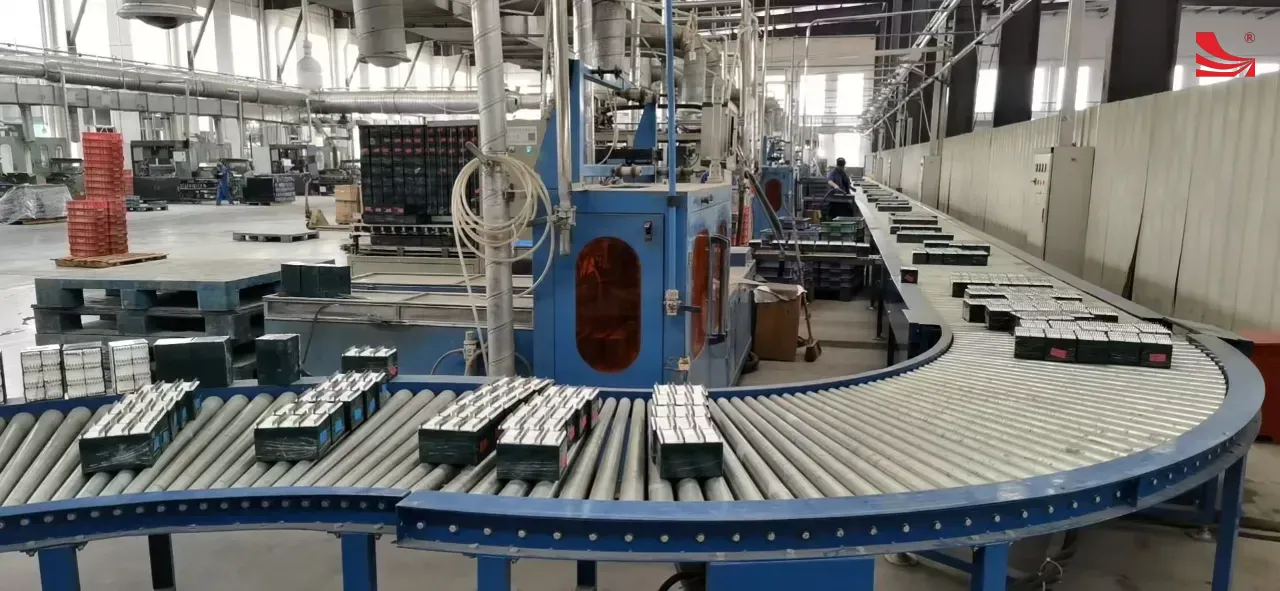
Looking for a Trusted Motorcycle Battery Supplier? Here’s What You Need to Know
Product
What brands of raw materials do you use?
We use high-quality materials to ensure performance. we use 99.99% pure lead , ensure long life and high Cold Cranking Amps (CCA).
How long is the lead time and where do you ship?
Standard lead time is 7–15 days. We export to over 20 countries, including Vietnam, India, Egypt, and Thailand.
What is the most common motorcycle battery type?
AGM batteries are currently the most widely used due to their balance of cost and performance.
How long is the delivery time?
- Sample: 7–15 days
- Bulk orders: 20–35 days
Are your batteries maintenance-free?
Yes, our batteries are sealed VRLA or GEL types that require no water refilling. They are ready to use and easy to maintain.
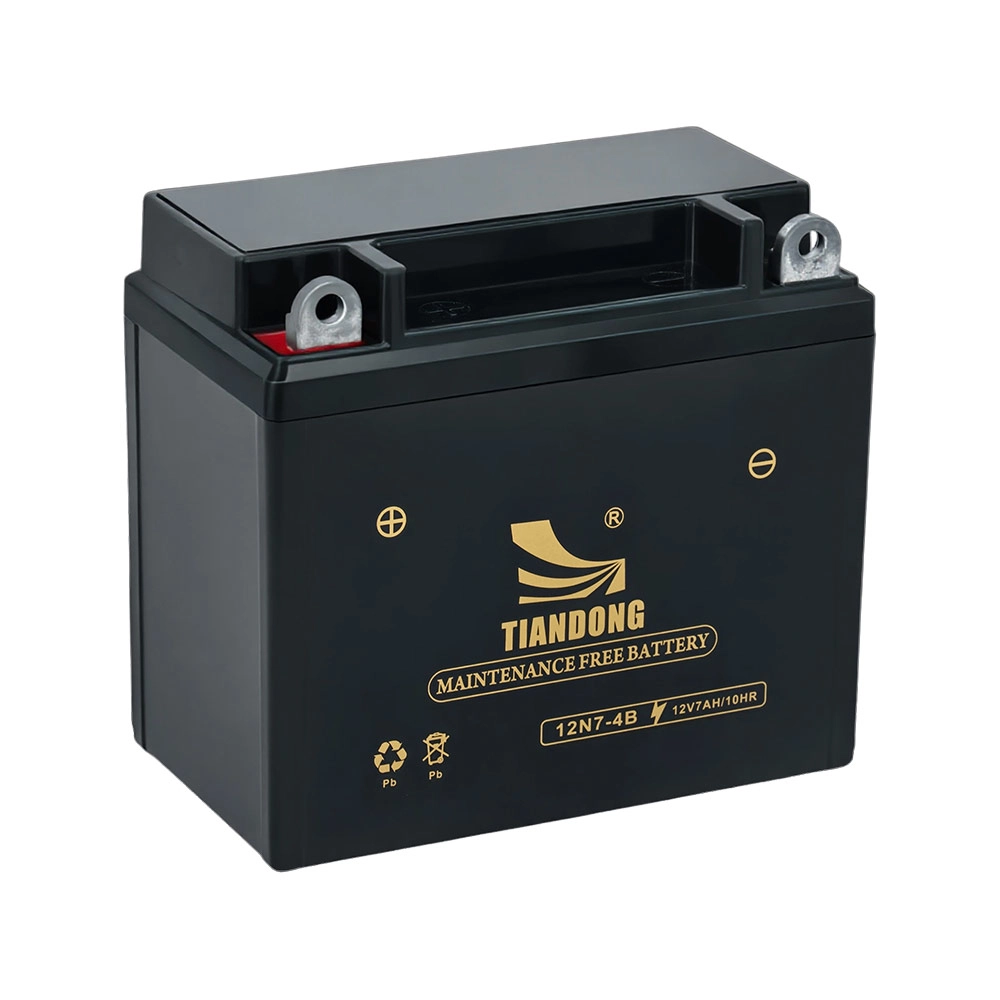
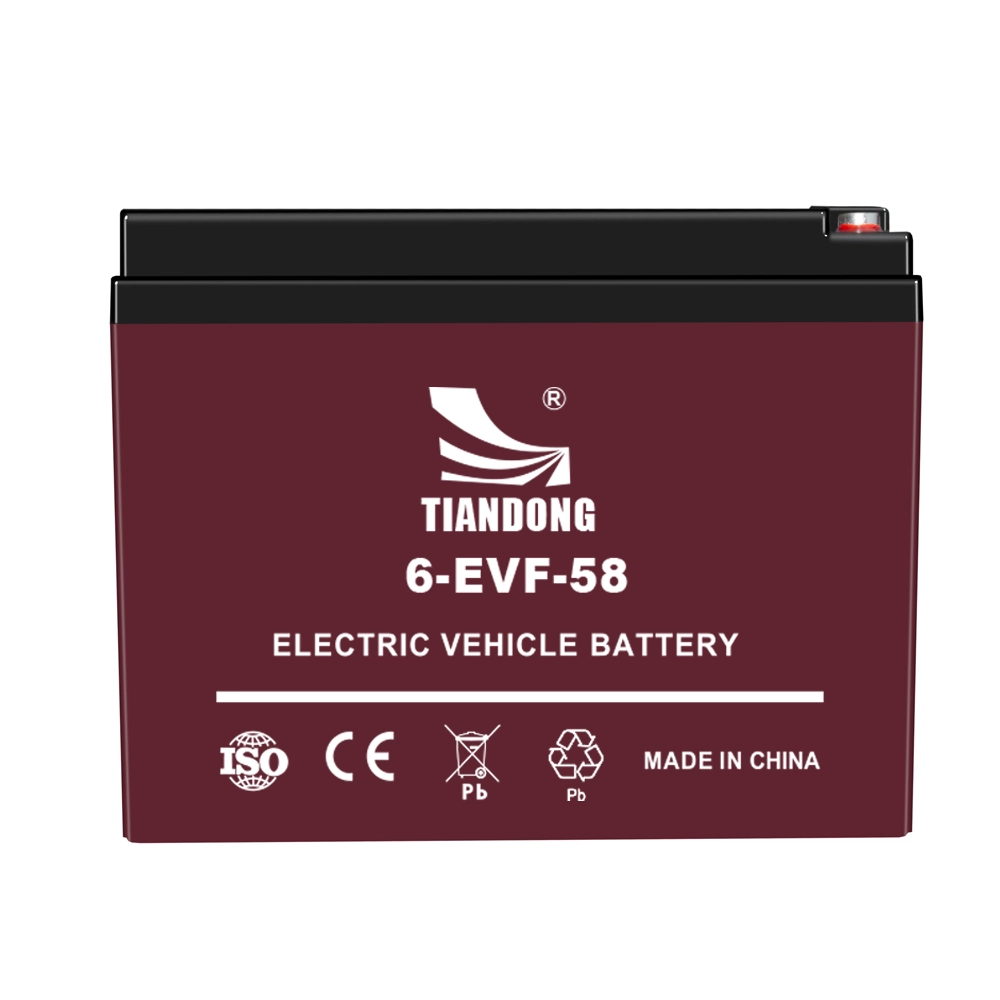
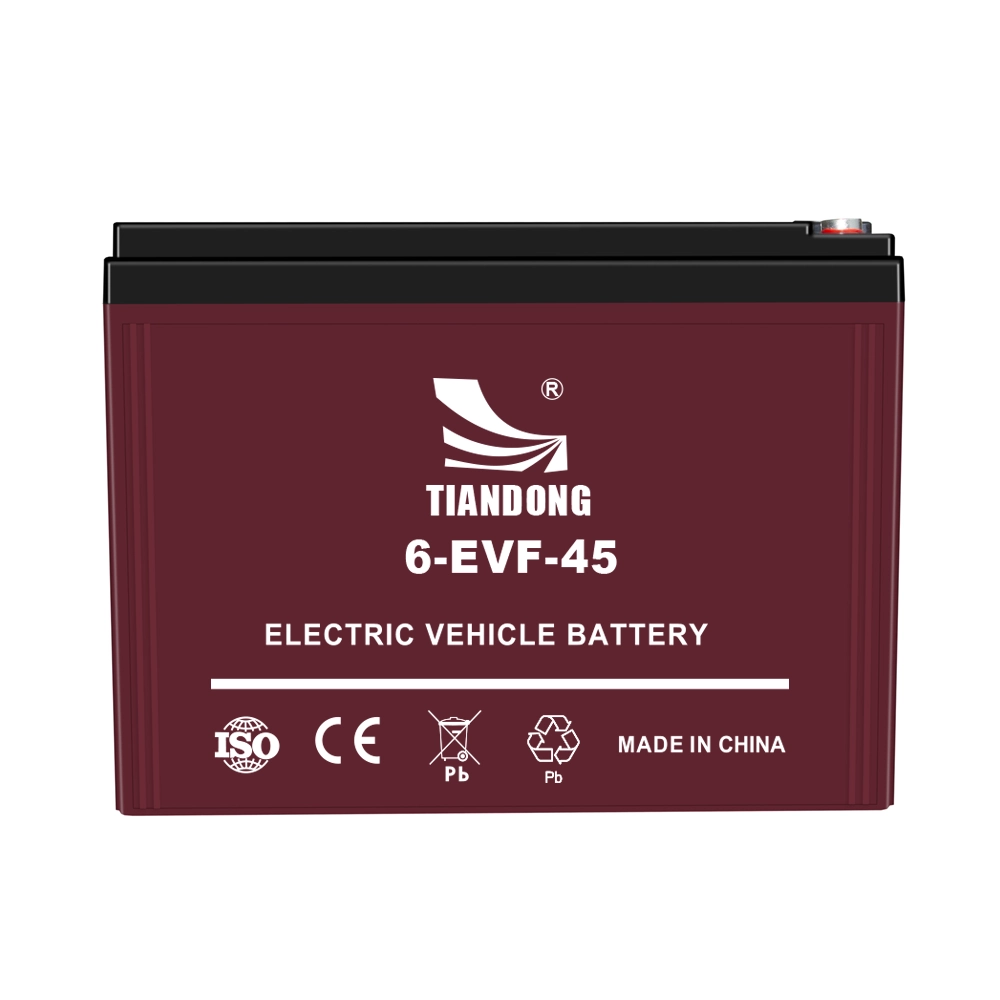
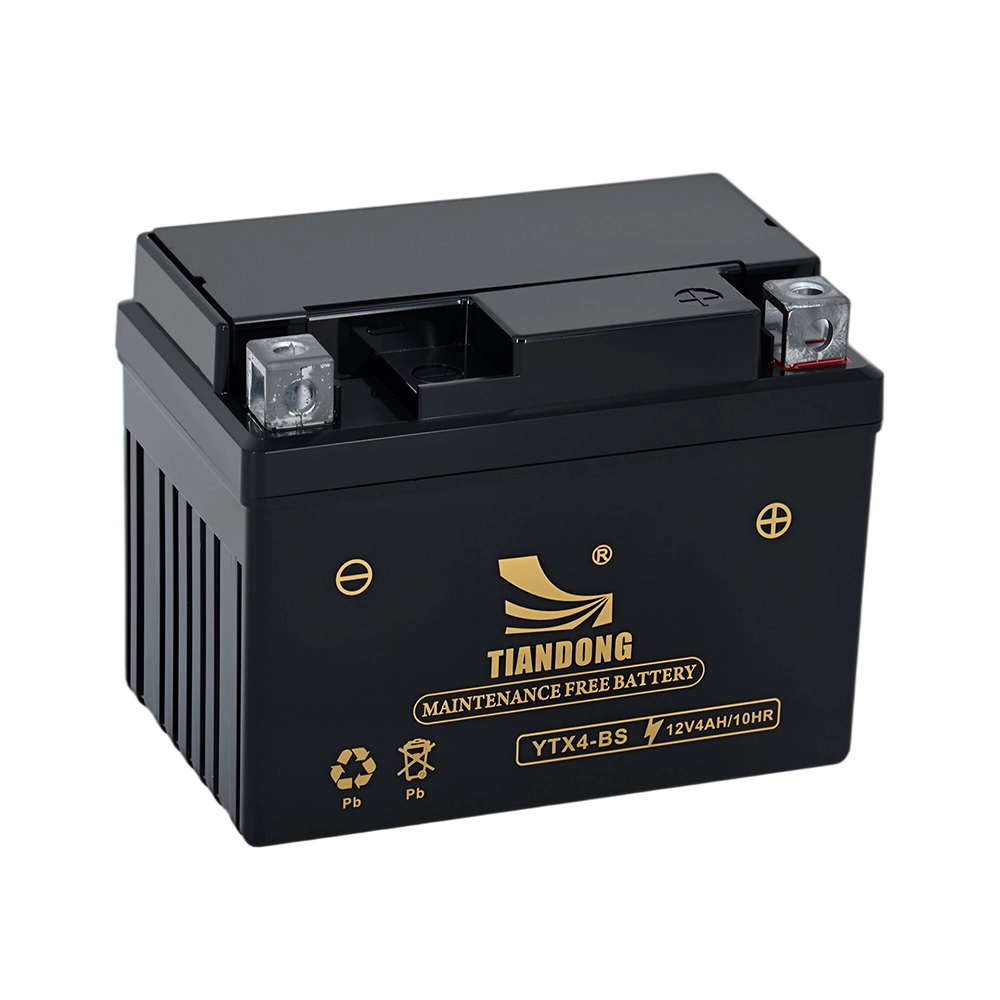
Get in touch with us to get your Motorbike Battery solution
TIANDONG is a leading motorcycle battery manufacturer offering OEM/ODM service, stable quality, and global export support.
Built for wholesalers. Trusted by global buyers. Delivered with confidence.
Say Hello
E-mail: daisybattery8@gmail.com
xianyingchen83@gmail. com
WhatsAPP: +86 134 283 86694
+86 134 348 86641
Our Location
Social Links
© 2025 TIANDONG. All Rights Reserved. Privacy Policy | Terms and Conditions | Sitemap
 Scan QR Code
Facebook
Instagram
Scan QR Code
Whatsapp: +8613434886641