






How Is a Good Motorcycle Battery Made? From Raw Materials to Finished Battery
Take a closer look at how a good motorcycle battery is made, from raw materials and lead powder to grid manufacturing, plate curing, battery assembly, charging, testing, and final inspection.
Take a look with us at how a good motorcycle battery is made.
When we hold a finished motorcycle battery in our hands, it may look like a simple product. However, behind every reliable battery is a complete manufacturing process involving raw materials, precision production, quality control, testing, and experienced technicians.
For motorcycle battery wholesalers, importers, distributors, motorcycle brands, and OEM customers, understanding the manufacturing process can help them better evaluate the quality and capabilities of a battery manufacturer.
A good motorcycle battery does not begin with the final assembly.
It begins with raw materials.
From lead powder and grid manufacturing to lead paste coating, plate curing, plate assembly, welding, charging, capacity testing, and final inspection, every stage can influence the final performance of the battery.
At Pingxiang Tiandong Electric Appliance Co., Ltd., our manufacturing system covers major processes from electrode plate production to final battery assembly. Tiandong operates a modern factory in Luxing Industrial Park, Luxi County, Jiangxi, with approximately 200 acres of factory space and 121,800 square meters of building area. The company states an annual production capacity of approximately 6 million high-energy batteries and 15,000 tons of electrode plates.
So today, let's take you behind the production line and discover:
How is a good motorcycle battery actually made?
1. A Good Battery Starts With Good Raw Materials
The first step in manufacturing a motorcycle battery is raw material preparation.
For lead-acid motorcycle batteries, important materials include lead-based materials, battery grids, separators, battery cases, terminals, electrolyte-related materials, and other components.
The quality and consistency of raw materials provide the foundation for the manufacturing process.
For this reason, professional battery manufacturing is not simply about assembling purchased components.
A manufacturer needs to manage material specifications, production parameters, process consistency, and quality control from the beginning.
In lead-acid battery manufacturing, lead oxide is used to prepare the active material, while lead alloys are used for grid production. The lead paste is then applied to the grids before curing.
Good batteries start with controlled materials.
2. Step One: Lead Powder Production
Before the battery plates can be manufactured, lead-based raw materials need to be processed into suitable active-material ingredients.
Lead powder or lead oxide is an important material used in the production of positive and negative battery pastes.
The characteristics of the powder can influence subsequent paste preparation and plate manufacturing.
At this stage, manufacturers need to pay attention to:
- Material consistency
- Chemical composition
- Particle characteristics
- Production parameters
- Process stability
A stable starting material helps establish a consistent foundation for the following production stages.
At Tiandong, lead powder production is included in the company's motorcycle battery production workflow.
3. Step Two: Grid Manufacturing
The next important step is grid manufacturing.
The battery grid provides structural support for the active material and plays an important role in conducting electrical current.
In lead-acid battery manufacturing, grids can be manufactured through casting or other forming processes. In casting, molten lead alloy is formed into the required grid structure.
A high-quality grid needs to meet the required:
- Shape
- Thickness
- Strength
- Dimensional consistency
- Alloy composition
The grid is an important foundation for the battery plate.
This is why grid manufacturing is one of the key stages in professional motorcycle battery production.
4. Step Three: Lead Paste Production and Coating
After the grid is prepared, the next stage is lead paste production and coating.
Lead paste is produced by combining lead oxide with other required materials under controlled conditions.
The paste is then applied to the battery grids.
The purpose of this process is to create the active material structure required for the battery's electrochemical reactions.
Manufacturing research has shown that paste preparation requires careful control of factors such as mixing sequence, temperature, moisture, density, and acid-to-oxide ratio.
This means that paste production is not simply a mixing process.
Precise process control matters.
At Tiandong, lead paste coating is one of the key stages in the company's integrated motorcycle battery manufacturing process.
5. Step Four: Plate Curing
After the lead paste is applied, the plates enter the curing process.
Plate curing is an important stage because the physical and chemical characteristics of the plates develop during this process.
Temperature, humidity, curing time, and other process conditions need to be controlled according to the battery design and production requirements.
Scientific literature describes plate curing as a series of chemical reactions that strengthen and condition the positive and negative plates before they proceed to battery assembly and formation.
This is one of the reasons why battery manufacturing requires professional production equipment and technical experience.
A good battery is built through controlled processes, not shortcuts.
6. Step Five: Plate Separation and Wrapping
After curing, the battery plates continue through additional preparation processes.
Depending on the production design, plates may be separated, inspected, and wrapped with separators.
Separators play an important role inside lead-acid batteries because they help prevent direct contact between positive and negative plates while allowing ionic movement.
At this stage, production consistency is particularly important.
The plates need to be:
- Correctly positioned
- Properly separated
- Properly wrapped
- Free from visible defects
- Prepared for assembly
Tiandong's published production workflow includes plate separation and plate wrapping before casting, welding, and subsequent assembly stages.
7. Step Six: Battery Assembly
Now the individual components begin to become a complete battery.
The prepared plates and separators are assembled according to the required battery specification.
The assembly process can include:
- Plate stacking
- Cell assembly
- Component positioning
- Terminal preparation
- Welding
- Battery case assembly
- Cover installation
Every component needs to be correctly positioned.
An error during assembly can affect electrical performance, durability, or the ability of the battery to fit the customer's application.
This is why automated equipment and standardized production procedures are increasingly important in modern battery factories.
8. Step Seven: Casting and Welding
After the plates are prepared and assembled, electrical connections between the battery components need to be established.
Casting and welding processes connect the appropriate battery components and terminals.
A professional production line needs to ensure that welding is:
- Secure
- Consistent
- Properly positioned
- Electrically reliable
- Suitable for the battery design
Tiandong's published motorcycle battery production workflow includes casting and welding as a dedicated manufacturing stage.
At this point, the battery is beginning to take the physical form that customers recognize.
But the battery is still not ready for shipment.
9. Step Eight: Short-Circuit Detection
Quality control is not something that should happen only after the battery is finished.
Potential problems need to be identified throughout the manufacturing process.
Short-circuit detection is one example of process inspection used during battery production.
Early detection helps prevent defective products from continuing unnecessarily through later manufacturing stages.
This is part of a broader principle:
Quality control should follow the battery throughout the production process.
10. Step Nine: Acid Filling
For applicable lead-acid motorcycle battery designs, electrolyte is introduced into the battery during production.
The electrolyte plays an essential role in the battery's electrochemical system.
The acid-filling process therefore needs to be controlled carefully.
Important considerations can include:
- Correct electrolyte specification
- Appropriate filling quantity
- Production consistency
- Safety procedures
- Leakage prevention
The exact process depends on the battery technology and product design.
11. Step Ten: Charging and Formation
After assembly and electrolyte filling, the battery goes through charging or formation.
This is a critical stage in lead-acid battery manufacturing.
Formation activates the electrochemical characteristics of the plates and prepares the battery for its intended operation.
Charging parameters need to be controlled according to the battery specification.
The goal is not simply to charge the battery.
The goal is to establish the required electrochemical performance consistently across the production batch.
This is one of the key differences between professional battery manufacturing and simple battery assembly.
12. Step Eleven: Capacity Testing
After charging, the battery needs to be tested.
Capacity testing is particularly important because customers need batteries that meet the agreed specifications.
Depending on the product and quality-control system, testing and inspection can include:
- Voltage
- Capacity
- Appearance
- Terminal condition
- Leakage
- Internal performance
- Short-circuit condition
- Other product-specific parameters
Testing helps manufacturers identify products that do not meet the required specifications before shipment.
At Tiandong, capacity testing is part of the company's stated production process.
13. Step Twelve: Final Inspection
A good motorcycle battery should pass more than one quality checkpoint.
Final inspection provides another opportunity to verify the finished product before it reaches the customer.
The final inspection process may cover:
Appearance
Checking the battery case, cover, label, terminals, and overall appearance.
Dimensions
Confirming that the battery meets the specified dimensions.
Electrical Characteristics
Checking relevant electrical parameters.
Packaging
Ensuring that the battery and carton meet the customer's packaging requirements.
Identification
Confirming model numbers, labels, production information, and customer branding where applicable.
Only after the relevant inspection requirements have been completed should the battery proceed to final packaging and shipment.
14. Step Thirteen: Packaging
Packaging may seem like the final and simplest step, but it is also important.
Motorcycle batteries may travel long distances before reaching the final customer.
Proper packaging helps protect the product during:
- Factory handling
- Warehouse storage
- Container loading
- Ocean transportation
- Customs clearance
- Local distribution
For OEM customers, packaging is also an important part of brand presentation.
A professional manufacturer can support customized:
- Battery labels
- Cartons
- Logos
- Product information
- Packaging specifications
Tiandong provides OEM and ODM services for customers with customized branding and packaging requirements.
15. What Makes a Good Motorcycle Battery?
A good motorcycle battery is not created by one single production step.
It is the result of many processes working together.
We can summarize the manufacturing foundation as:
**Good Raw Materials
- Precise Manufacturing
- Stable Production Processes
- Strict Quality Control
- Professional Testing
- Experienced Technical Team
= Reliable Motorcycle Battery**
This is why choosing a battery manufacturer is so important for international buyers.
16. Why Manufacturing Starts With the Electrode Plates
For lead-acid batteries, the electrode plates are among the most important components in determining battery performance.
The plates contain the active materials that participate in the electrochemical reactions of the battery.
Therefore, controlling plate production can give a manufacturer greater visibility into the overall battery manufacturing process.
Tiandong states that it has approximately 15,000 tons of annual electrode plate production capacity and integrates electrode plate manufacturing with subsequent battery production processes.
For buyers, this means that factory capability should be evaluated beyond the final assembly line.
Look deeper into the manufacturing process.
17. From Raw Materials to Finished Motorcycle Batteries
Let's take a quick look at the complete manufacturing journey:
Raw Materials
↓
Lead Powder Production
↓
Grid Manufacturing
↓
Lead Paste Coating
↓
Plate Curing
↓
Plate Separation
↓
Plate Wrapping
↓
Casting and Welding
↓
Short-Circuit Detection
↓
Battery Assembly
↓
Acid Filling
↓
Charging / Formation
↓
Capacity Testing
↓
Final Inspection
↓
Packaging
↓
Shipment
Every stage contributes to the final product.
This is what we mean when we say:
A good motorcycle battery starts from the source.
18. Tiandong: Manufacturing From the Inside Out
Pingxiang Tiandong Electric Appliance Co., Ltd. was founded in 2007 and is located in Luxing Industrial Park, Luxi County, Pingxiang, Jiangxi, China.
The company operates a modern factory covering approximately 200 acres, with approximately 121,800 square meters of building area.
Tiandong has approximately 400 employees and states an annual production capacity of around 6 million high-energy batteries, supported by approximately 15,000 tons of electrode plate production.
Its production system covers major stages from electrode plate manufacturing through battery assembly, charging, testing, and packaging.
This integrated manufacturing model allows Tiandong to serve customers looking for:
- Motorcycle batteries
- Different battery sizes
- Maintenance-free batteries
- Dry-charged batteries
- GEL batteries
- OEM motorcycle batteries
- ODM motorcycle batteries
- Wholesale motorcycle batteries
- Customized battery packaging
19. Why Factory Manufacturing Capability Matters to Buyers
For a motorcycle battery importer or distributor, the final battery is only part of the purchasing decision.
A reliable supplier should also provide:
Stable Production Capacity
Large and recurring orders require consistent manufacturing capacity.
Product Consistency
Different production batches should follow the agreed specifications.
Quality Control
Quality should be managed throughout the manufacturing process.
Technical Support
The manufacturer should understand battery specifications and customer requirements.
OEM and ODM Capability
Brands may require customized products and packaging.
Delivery Capability
The factory should be able to organize production according to agreed schedules.
After-Sales Support
A professional supplier should have a process for addressing quality issues after delivery.
This is why buyers should evaluate the factory behind the battery, not just the battery itself.
20. OEM and ODM: Creating Your Own Motorcycle Battery Brand
A professional manufacturing system can also support private-label battery brands.
For international customers, OEM and ODM services may include:
- Custom brand name
- Battery label design
- Carton design
- Product specifications
- Battery model adjustments
- Packaging requirements
- Performance requirements
Tiandong provides OEM and ODM motorcycle battery services for international customers.
This allows wholesalers, distributors, and battery brands to develop products designed for their own markets.
21. A Factory Visit Tells You More Than a Product Catalog
If you are planning a large motorcycle battery purchase, visiting the factory can provide valuable information.
During a factory visit, you can see:
- Raw material processing
- Production equipment
- Grid manufacturing
- Lead paste coating
- Plate curing
- Battery assembly
- Charging
- Testing
- Quality inspection
- Packaging
- Warehouse operations
You can also communicate directly with the manufacturer about:
- Battery models
- MOQ
- Production capacity
- OEM requirements
- Packaging
- Quality standards
- Delivery schedules
A product catalog tells you what a company sells.
A factory visit can show you how the product is made.
22. The Journey of Every Good Battery
From a small piece of raw material to a finished motorcycle battery ready for shipment, the manufacturing journey involves many people, machines, processes, inspections, and quality-control procedures.
That's why we believe:
A good battery is not simply assembled. It is manufactured with care.
At Tiandong, every production stage is part of the journey toward a finished battery that meets the required specifications.
From the beginning of production to final inspection, our goal is to provide reliable motorcycle battery solutions for global customers.
So, how is a good motorcycle battery born?
It begins with carefully controlled raw materials.
It continues through lead powder production, grid manufacturing, lead paste coating, plate curing, plate preparation, assembly, welding, charging, testing, and final inspection.
And finally, it reaches the customer as a finished motorcycle battery ready for the road.
At Tiandong, we believe that quality starts from the source.
With an integrated manufacturing system, approximately 200 acres of factory space, 121,800 square meters of building area, approximately 400 employees, annual production of around 6 million high-energy batteries, and approximately 15,000 tons of electrode plate production capacity, Tiandong is equipped to serve international motorcycle battery wholesalers, distributors, importers, and OEM/ODM customers.
From raw materials to finished batteries, every step matters.
Every good battery has a story behind it.
Now, let's take you inside the factory and see how that story begins.
Contact: Mr. Chen
Tel / WhatsApp: +86 13428386694
Email: xianyingchen83@gmail.com
FAQ
What is the most important part of a motorcycle battery?
There is no single component that determines the entire battery's quality. Electrode plates, grids, active materials, separators, case construction, assembly quality, and formation processes all contribute to overall battery performance.
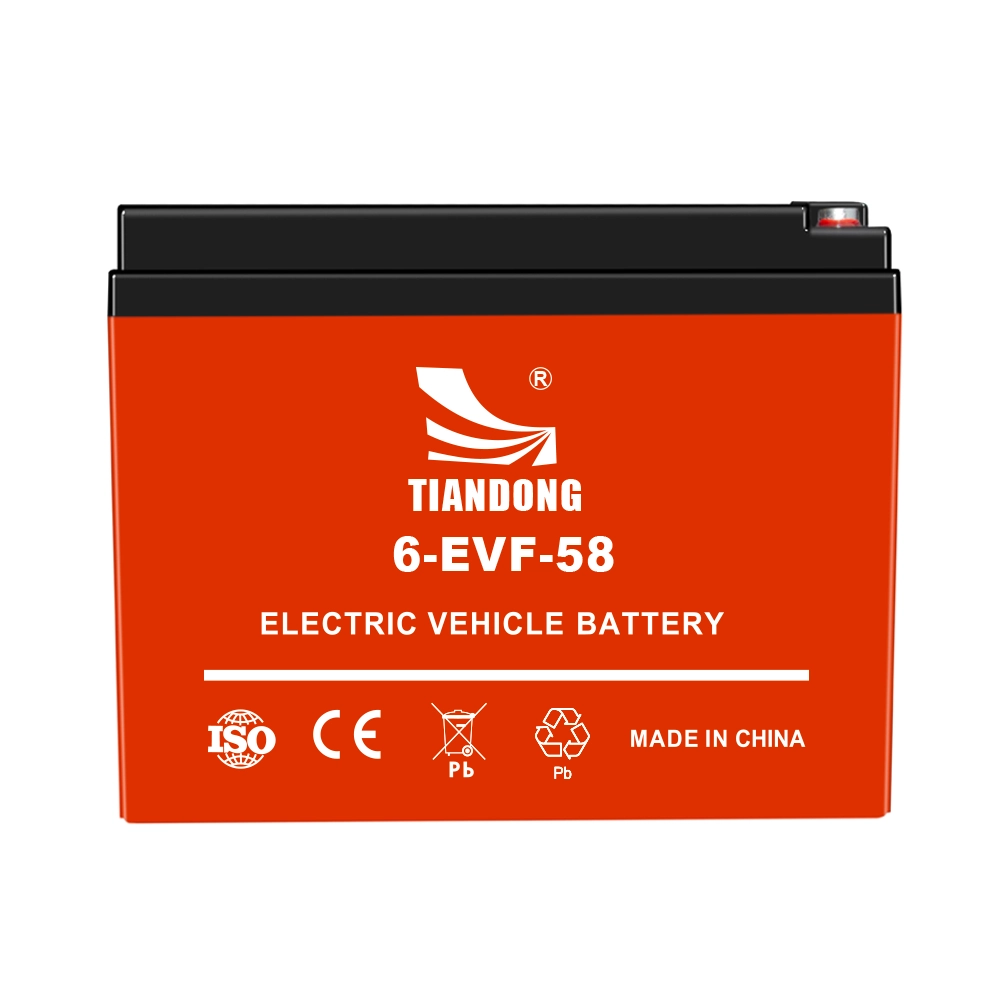
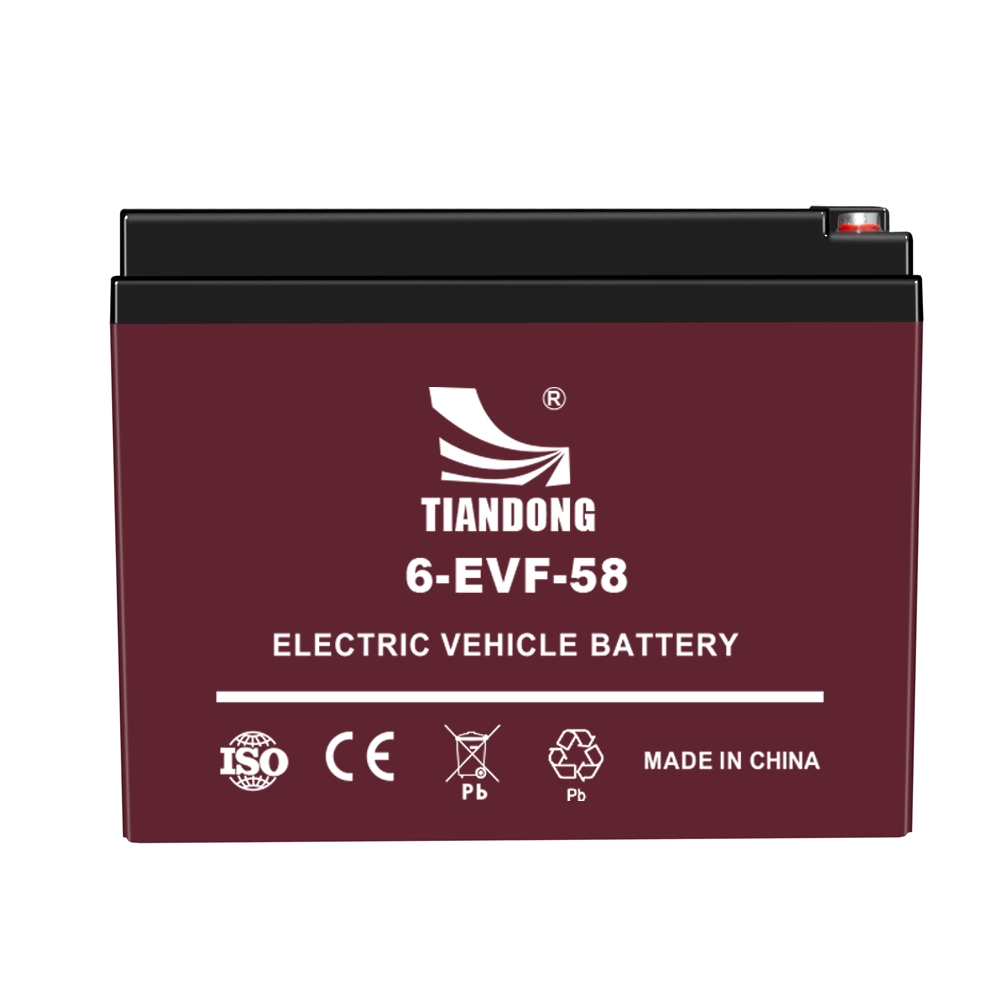
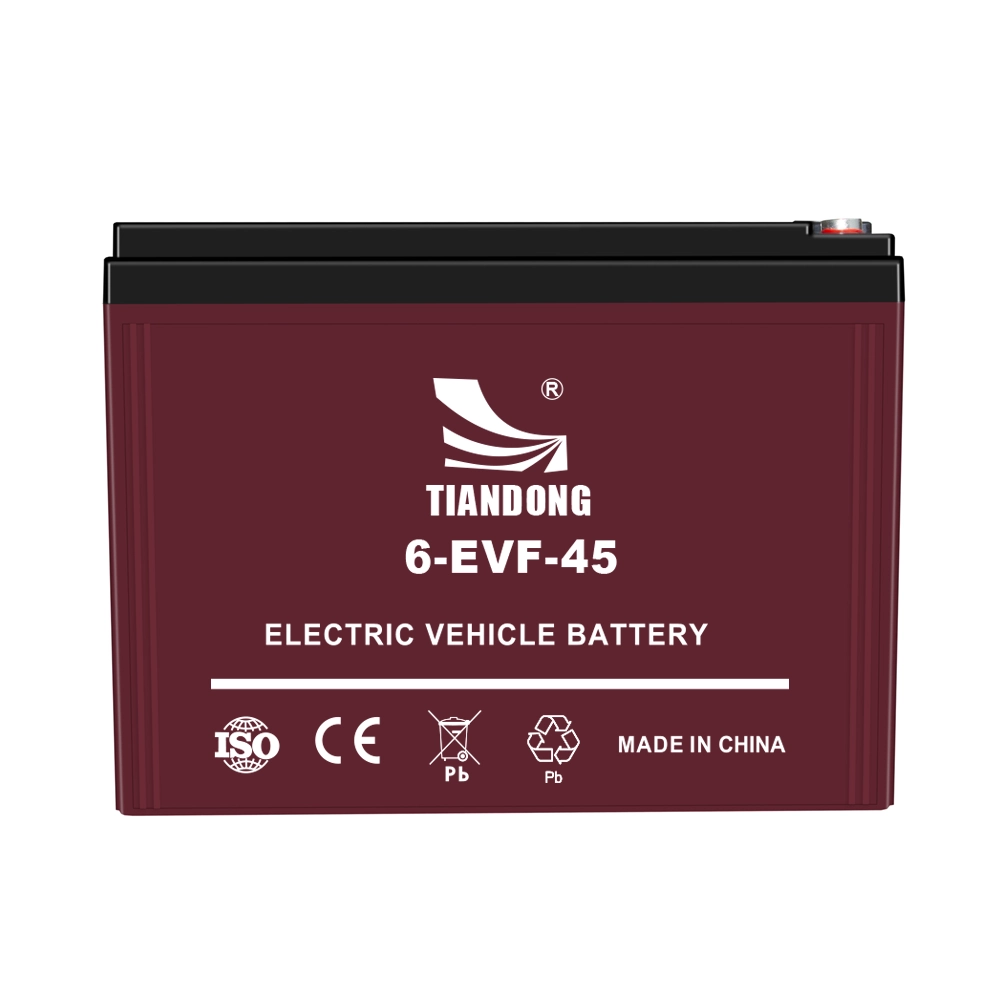
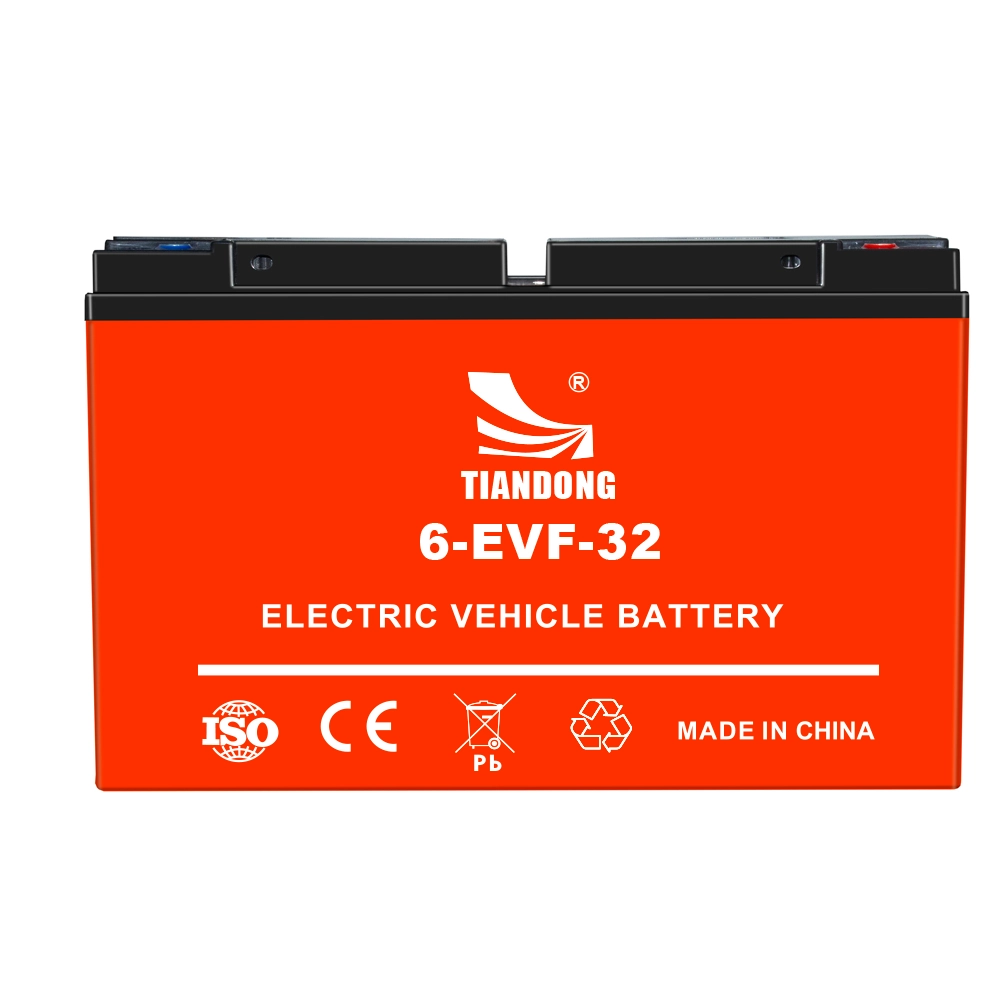
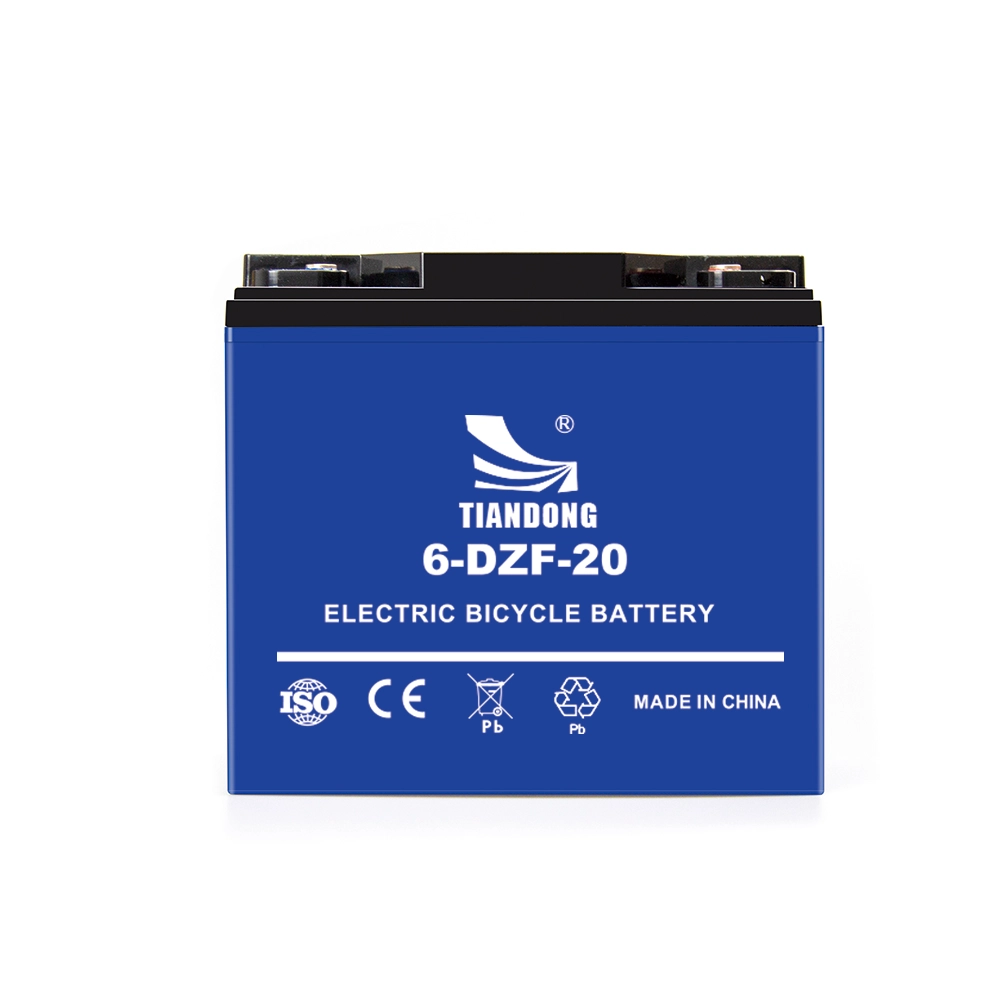
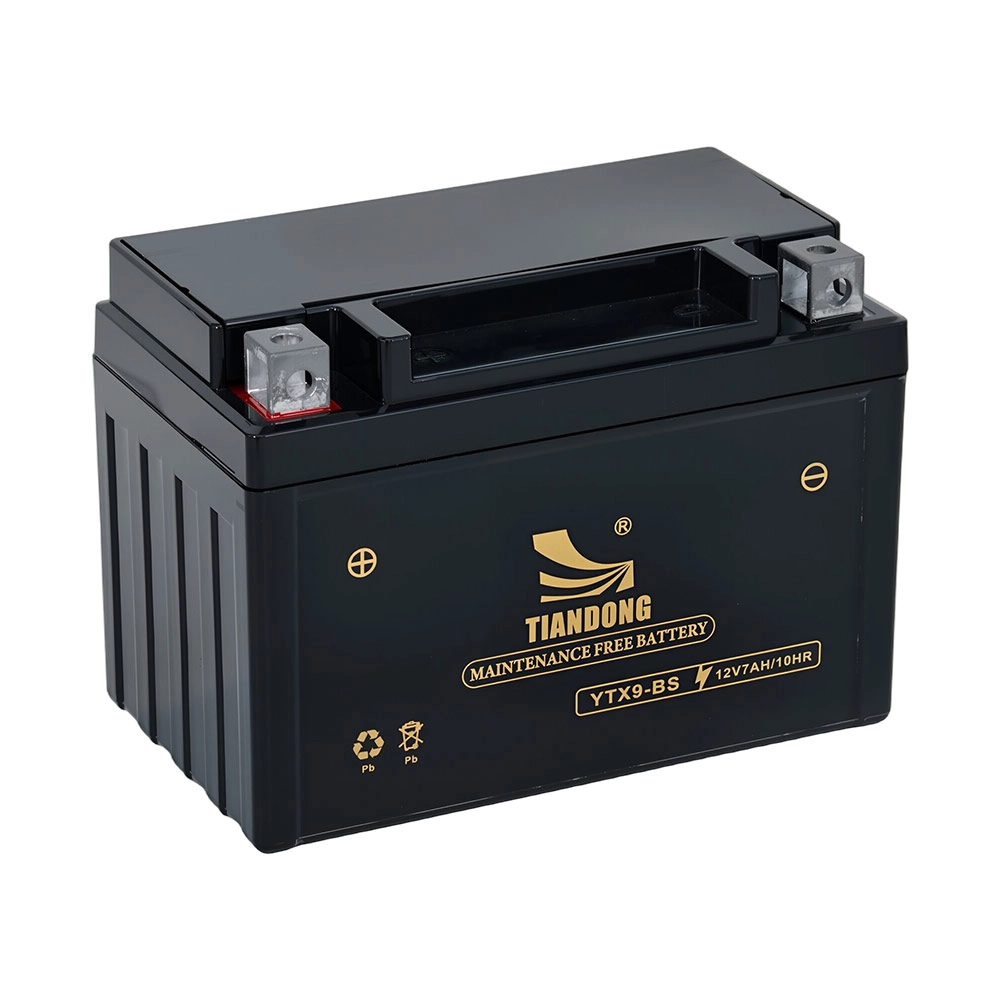
The TIANDONG YTX9-BS 12V 8AH Maintenance-Free Motorcycle Battery offers reliable, long-lasting power for all bike types. As leading motorcycle battery manufacturers, we ensure top-quality, durable performance. Trust TIANDONG for superior motorcycle batteries that keep you riding smoothly.
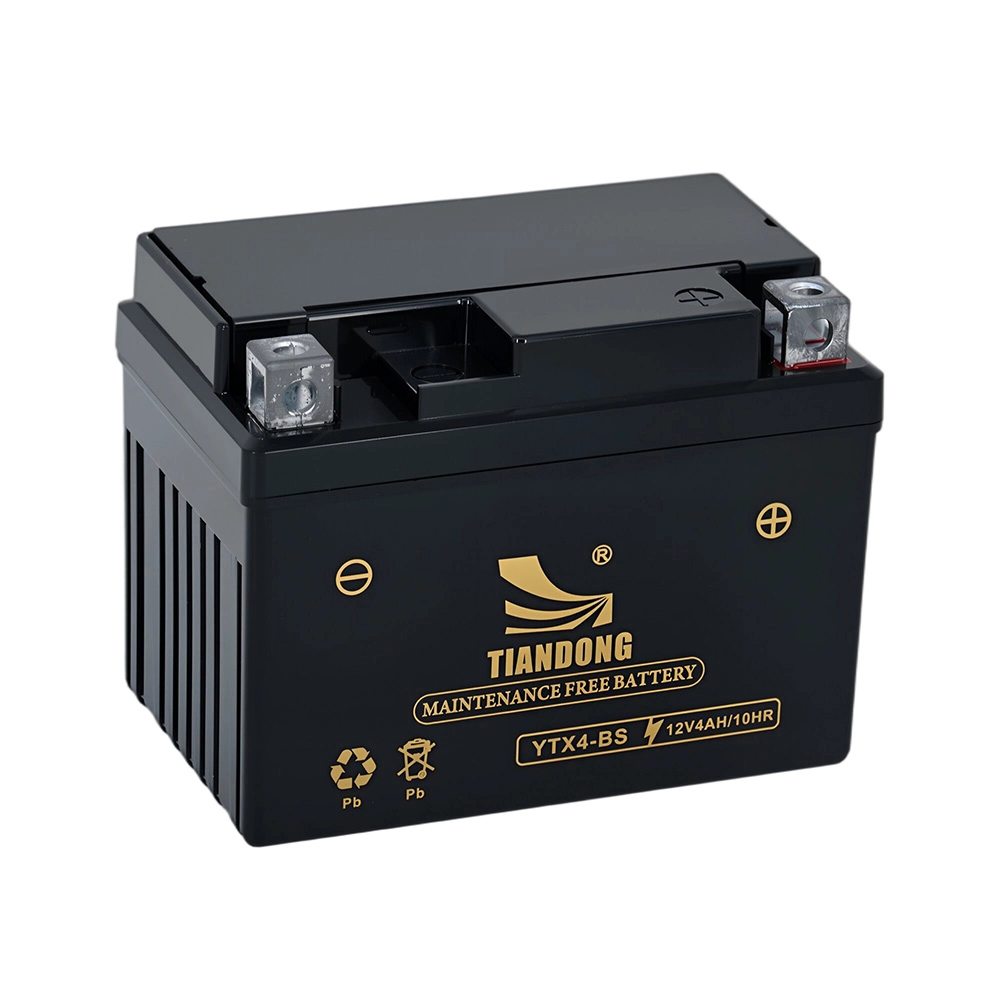
AGM motorcycle batteries use the most advanced AGM technology\Valve control technology and high-purity raw material production and manufacturing. The product has simple maintenance, low internal resistance, and high energy consumption Compared to it, it has excellent high current discharge performance and is widely used on various motorcycle models both domestically and internationally.
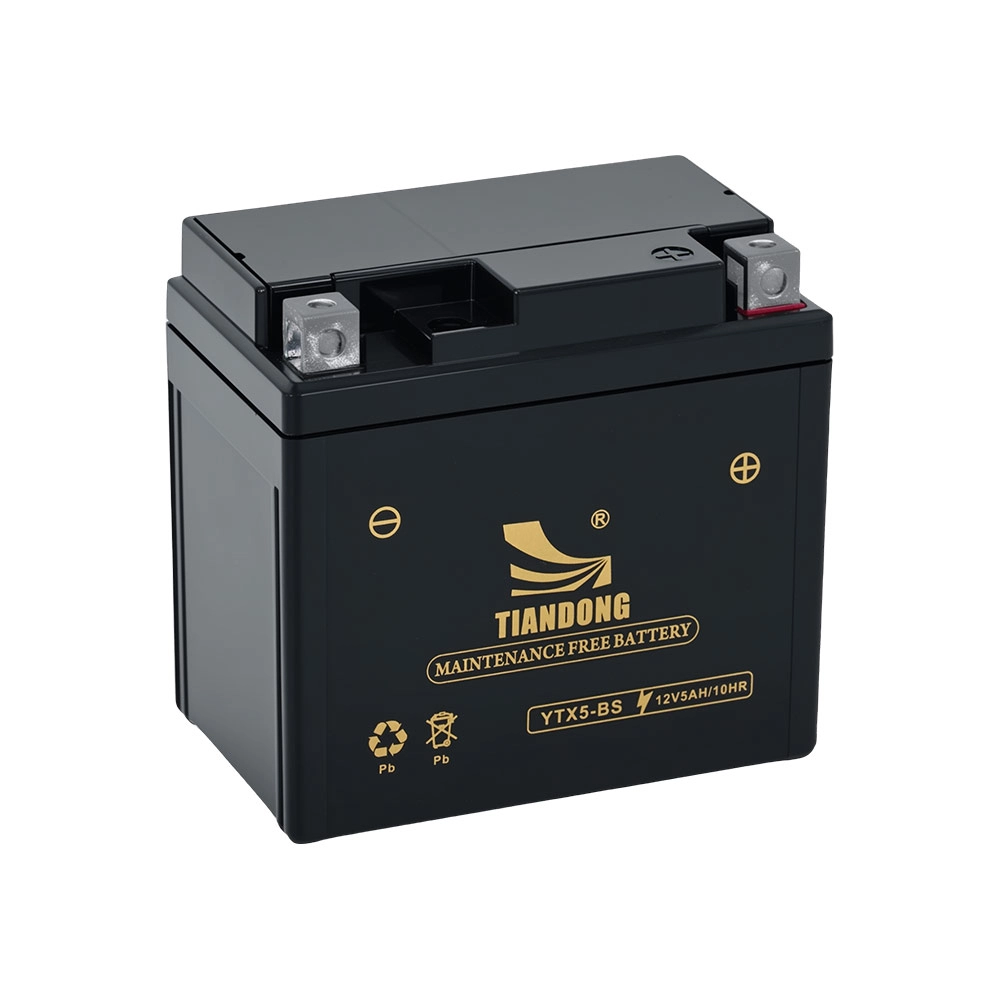
The TIANDONG YTX5-BS 12v 5ah MF sealed lead-acid motorcycle battery offers reliable deep cycle power for lasting performance. Ideal motorcycle spare part, perfect for wholesale lead-acid motorcycle battery needs. Durable and maintenance-free, designed to keep your motorcycle running smoothly.
TIANDONG is a leading motorcycle battery manufacturer offering OEM/ODM service, stable quality, and global export support.
Built for wholesalers. Trusted by global buyers. Delivered with confidence.
Say Hello
E-mail: daisybattery8@gmail.com
xianyingchen83@gmail. com
WhatsAPP: +86 134 283 86694
+86 134 348 86641
Our Location
Social Links
© 2025 TIANDONG. All Rights Reserved. Privacy Policy | Terms and Conditions | Sitemap
 Scan QR Code
Facebook
Instagram
Scan QR Code
Whatsapp: +8613434886641