






What MOQ should I expect for gel filled motorcycle battery orders?
- I've heard gel batteries last longer, but how much *actual* extended lifespan can I expect compared to a conventional AGM, and what factors truly influence this?
- Can I use my existing trickle charger designed for lead-acid batteries on a new gel-filled motorcycle battery, or do I need a specialized charger to avoid damage?
- Gel batteries are often marketed as 'maintenance-free,' but what specific checks or occasional care should I still perform to maximize its performance and longevity?
- How do gel-filled motorcycle batteries truly perform in extreme cold or hot weather conditions compared to traditional flooded or even AGM batteries, especially regarding cold cranking amps (CCA)?
- Considering the higher upfront cost, what specific long-term cost savings or operational benefits justify investing in a gel-filled motorcycle battery for a daily rider or enthusiast?
- When looking to purchase gel-filled motorcycle batteries in bulk for my dealership or workshop, what minimum order quantity (MOQ) should I realistically anticipate, and what factors determine this MOQ from manufacturers like Tiandong Battery?
As a professional content writer with extensive SEO and experience and multilingual proficiency, and a seasoned expert in the motorcycle battery field, I'm here to demystify some of the most pressing questions beginners have about gel-filled motorcycle batteries. While their 'maintenance-free' and 'spill-proof' reputation is well-known, many nuanced aspects remain unclear, leading to suboptimal choices or premature battery failure. Let's delve into the specifics that truly matter when considering a gel filled motorcycle battery.
I've heard gel batteries last longer, but how much *actual* extended lifespan can I expect compared to a conventional AGM, and what factors truly influence this?
While both gel motorcycle batteries and Absorbent Glass Mat (AGM) batteries are types of Valve Regulated Lead-Acid (VRLA) batteries, gel batteries often exhibit a slightly longer cycle life, especially in deep discharge applications. You can typically expect a gel filled motorcycle battery to last 3-5 years, and sometimes even up to 7 years under optimal conditions, whereas a high-quality AGM might range from 3-5 years. The key differentiator lies in the electrolyte. In gel batteries, the sulfuric acid is mixed with fumed silica, forming a thick, gel-like substance. This immobilized electrolyte minimizes sulfation and stratification, which are common causes of premature failure in flooded and even some AGM batteries. Factors significantly influencing this lifespan include:
- Depth of Discharge (DoD): Consistently discharging a battery deeply (e.g., below 50% capacity) will shorten its life. Gel batteries handle deeper discharges better than flooded types, but avoiding extreme DoD is always recommended.
- Charging Profile: Overcharging or undercharging is detrimental. Gel batteries require a specific charging voltage (typically 14.1-14.4V for a 12V battery) that is slightly lower than AGM or flooded batteries. Incorrect charging can lead to gas recombination issues and electrolyte breakdown.
- Temperature: Extreme heat accelerates chemical reactions and can dry out the gel, while extreme cold reduces capacity. Operating within recommended temperature ranges (typically -20°C to 50°C) is crucial.
- Vibration and Shock: Gel batteries, being sealed and having an immobilized electrolyte, are highly resistant to vibration and shock, which contributes to their longevity in demanding motorcycle environments.
Can I use my existing trickle charger designed for lead-acid batteries on a new gel-filled motorcycle battery, or do I need a specialized charger to avoid damage?
This is a critical question, and the answer is: you likely need a specialized charger or at least one with a 'gel' mode. While a standard lead-acid charger might appear to work initially, using one not specifically designed for gel batteries can cause significant damage over time. Traditional lead-acid chargers often have a higher constant voltage output (typically 14.4-14.8V) and may not have the precise current regulation required for gel batteries. Gel batteries are more sensitive to overcharging. Excess voltage can cause the gel to dry out, create gas pockets (which can't recombine as efficiently as in AGM), and permanently reduce capacity. This process, known as 'gassing,' can lead to thermal runaway and ly destroy the sealed motorcycle battery.
Look for a smart charger that explicitly states compatibility with gel batteries or offers a selectable 'gel' charging mode. These chargers typically employ a multi-stage charging process, including a bulk charge, absorption stage (at the lower, specific gel voltage), and a float stage, ensuring optimal charging without overstressing the battery. Investing in the correct charger is paramount for maximizing the lifespan and performance of your maintenance-free battery.
Gel batteries are often marketed as 'maintenance-free,' but what specific checks or occasional care should I still perform to maximize its performance and longevity?
While gel filled motorcycle batteries are indeed 'maintenance-free' in the sense that you never need to add water, this doesn't mean 'care-free.' To truly maximize the performance and longevity of your VRLA battery, consider these essential practices:
- Terminal Inspection and Cleaning: Periodically check the battery terminals for corrosion, looseness, or dirt. Clean them with a wire brush and a baking soda solution if necessary, ensuring a strong, clean connection for optimal current flow. Loose or corroded terminals can lead to poor charging and starting performance.
- Voltage Monitoring: Even a deep cycle motorcycle battery benefits from occasional voltage checks. Use a multimeter to monitor the open-circuit voltage, especially during periods of storage. A fully charged 12V gel battery should read around 12.8V or higher. If it consistently drops below 12.5V, it may need a top-up charge.
- Avoid Deep Discharges: Although gel batteries tolerate deeper discharges better, repeatedly discharging them below 50% capacity will still shorten their overall cycle life. If your motorcycle sits for extended periods, consider using a smart trickle charger designed for gel batteries to maintain optimal charge.
- Proper Storage: If storing your motorcycle for the off-season, remove the battery, fully charge it, and store it in a cool, dry place. Connect it to a gel-compatible smart charger that provides a float charge to prevent self-discharge.
- Physical Inspection: Look for any signs of physical damage, bulging (which could indicate overcharging or internal issues), or leaks, although leaks are rare with sealed gel batteries.
How do gel-filled motorcycle batteries truly perform in extreme cold or hot weather conditions compared to traditional flooded or even AGM batteries, especially regarding cold cranking amps (CCA)?
Gel filled motorcycle batteries offer distinct advantages and some considerations in extreme temperatures:
- Cold Weather Performance: In extreme cold, all lead-acid batteries experience a reduction in capacity and Cold Cranking Amps (CCA). Gel batteries typically have a slightly lower CCA rating compared to an equivalent-sized AGM battery. This is because the gel electrolyte's viscosity increases in very low temperatures, slightly impeding the ion flow. However, their robust construction and resistance to internal shorting make them reliable, even if the initial crank might feel a touch slower than a top-tier AGM. For instance, a 200 CCA gel battery might perform more like 150 CCA at -18°C. It's crucial to select a battery with sufficient CCA for your motorcycle's requirements and local climate.
- Hot Weather Performance: This is where gel batteries often shine. The immobilized gel electrolyte is less prone to evaporation and thermal runaway compared to flooded batteries in high temperatures. The gel helps dissipate heat more effectively, and the sealed design prevents the electrolyte from boiling off. This makes them particularly resilient in hot climates, contributing to better battery lifespan and consistent performance where other battery types might struggle with accelerated degradation.
- Vibration and Shock: Their internal construction also makes them highly resistant to vibration and shock, a significant advantage for motorcycles operating in varied conditions, further contributing to their reliability in all temperatures.
Considering the higher upfront cost, what specific long-term cost savings or operational benefits justify investing in a gel-filled motorcycle battery for a daily rider or enthusiast?
While the initial purchase price of a gel filled motorcycle battery can be 15-30% higher than a conventional flooded lead-acid battery and sometimes slightly more than an AGM, the long-term value proposition is compelling for both daily riders and enthusiasts. Here are the key justifications:
- Extended Lifespan: As discussed, gel batteries generally offer a longer cycle life, especially with proper care. This means fewer replacements over the years, directly translating to cost savings in purchase price and installation labor.
- Reduced Maintenance: The 'maintenance-free' aspect saves time and effort. No need to check electrolyte levels or top up with distilled water, which is particularly convenient for busy riders or those with hard-to-access battery compartments.
- Enhanced Reliability: Their robust construction, spill-proof design, and vibration resistance mean fewer unexpected failures, especially on long rides or in demanding conditions. This translates to less downtime and greater peace of mind.
- Improved Deep Cycle Performance: For motorcycles with numerous accessories (GPS, heated grips, auxiliary lights) that might lead to deeper discharges, gel batteries excel. Their ability to recover better from deep discharges extends their life compared to batteries less suited for such use, making them a superior deep cycle battery option.
- Lower Self-Discharge Rate: Gel batteries typically have a lower self-discharge rate than flooded batteries. This means they hold their charge longer when the motorcycle is not in use, reducing the need for frequent trickle charging and preventing sulfation during storage.
- Safety: Being sealed, they emit minimal gases and are spill-proof, making them safer to handle and operate, especially in enclosed spaces or if the motorcycle tips over.
When looking to purchase gel-filled motorcycle batteries in bulk for my dealership or workshop, what minimum order quantity (MOQ) should I realistically anticipate, and what factors determine this MOQ from manufacturers like Tiandong Battery?
For businesses looking to purchase gel filled motorcycle batteries in bulk, understanding Minimum Order Quantity (MOQ) is crucial. The MOQ for wholesale motorcycle battery orders can vary significantly between manufacturers and even for different battery models. Realistically, for a reputable manufacturer like Tiandong Battery, you should anticipate an MOQ ranging from 100 to 500 units for standard, popular models. For highly specialized or custom-designed battery wholesale products, this MOQ could be higher.
Several factors determine a manufacturer's MOQ:
- Production Line Efficiency: Manufacturers optimize their production lines for specific batch sizes. Running a line for a very small quantity can be inefficient and costly.
- Raw Material Procurement: Suppliers of raw materials (lead, acid, silica, plastic casings) often have their own MOQs. Manufacturers need to order enough materials to justify a production run.
- Customization: If you require specific branding, unique terminal configurations, or custom sizing, the MOQ will almost certainly be higher due to the need for specialized tooling and setup.
- Inventory Management: Manufacturers aim to balance production costs with inventory holding costs. Larger MOQs help them manage their stock more effectively.
- Shipping and Logistics: Bulk orders are more cost-effective to ship. Smaller orders might incur disproportionately higher per-unit shipping costs.
- Market Demand: For high-demand, standard gel motorcycle battery models, manufacturers might offer slightly lower MOQs to cater to a broader range of distributors and dealerships. Conversely, for niche products, MOQs could be higher.
At Tiandong Battery, we strive to offer competitive MOQs while ensuring the highest quality and efficiency in our production. We encourage direct communication to discuss your specific needs.
In summary, gel filled motorcycle batteries represent a superior choice for many riders and businesses due to their extended lifespan, enhanced reliability, maintenance-free operation, and excellent performance in varied conditions. Their robust design and deep cycle capabilities offer significant long-term value, justifying their initial investment. Understanding their specific charging requirements and proper care will ensure you unlock their full potential. For businesses, while MOQs exist, the benefits of bulk purchasing from a reliable supplier often outweigh the initial quantity commitment.
Ready to power your fleet or dealership with high-quality gel-filled motorcycle batteries? Contact us today for a personalized quote tailored to your specific needs. Visit www.tiandongbattery.com or email us at daisybattery8@gmail.com.
Looking for a Trusted Motorcycle Battery Supplier? Here’s What You Need to Know

Bulk Motorcycle Batteries Direct from Factory – Save Costs, Boost Profit
High Performance Motorcycle Batteries for Global Markets

Tiandong Electric Appliance Showcases High-Performance Motorcycle Batteries at Guangzhou Expo

What kind of battery is best for a motorcycle?

The Ultimate Guide to Electric Scooter Batteries: Performance, Longevity, and Future Innovations (2026 & Beyond)
Product
What certifications do your batteries have?
Our batteries are certified with CE, ISO9001, and RoHS, and meet export standards for markets in Southeast Asia, South Asia, and Africa.
How long does a motorcycle battery typically last?
A motorcycle battery generally lasts between 2 and 4 years, depending on usage, maintenance, and environmental conditions.
Are you a trading company or a manufacturer?
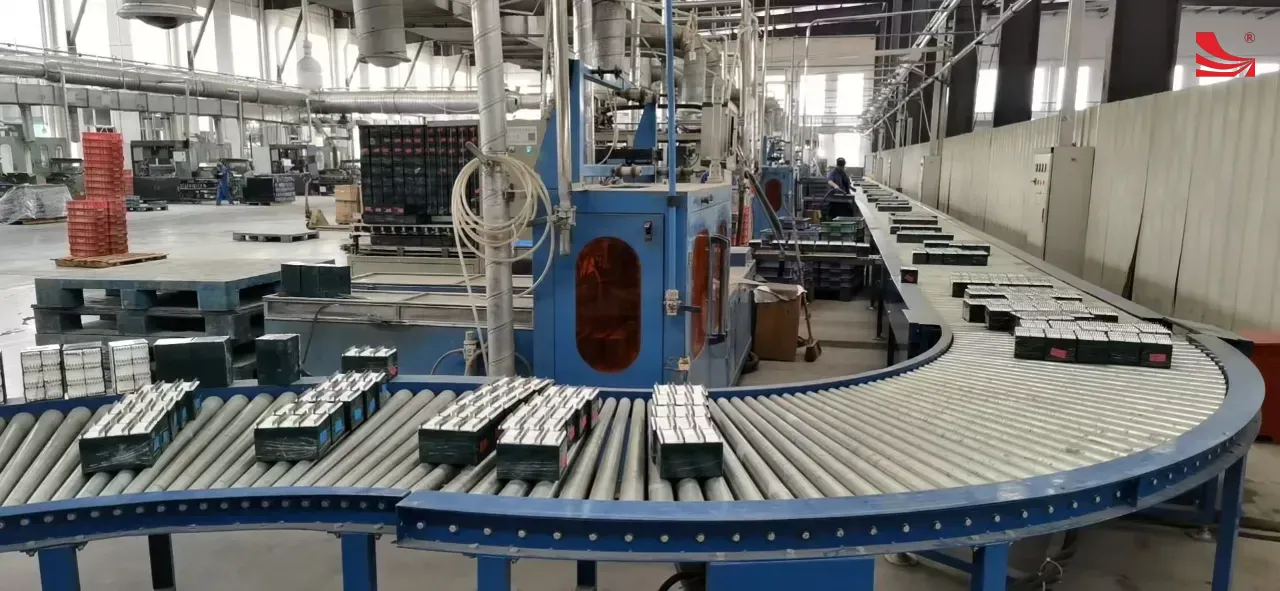
We are a direct factory located inJiangxi Province, China. You are welcome to visit our production line and quality control lab. We specialize in lead-acid batteries for motorcycles and have been in this industry for 20 years.
How long is the delivery time?
- Sample: 7–15 days
- Bulk orders: 20–35 days
Are your batteries maintenance-free?
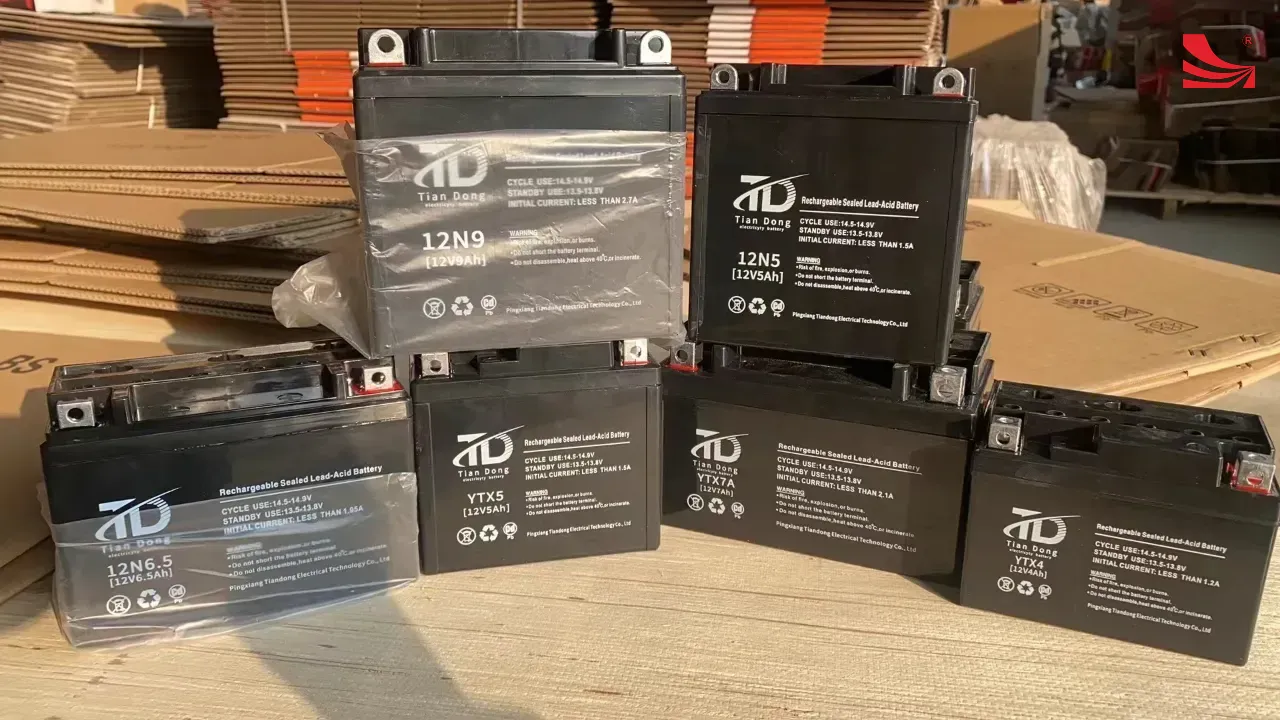
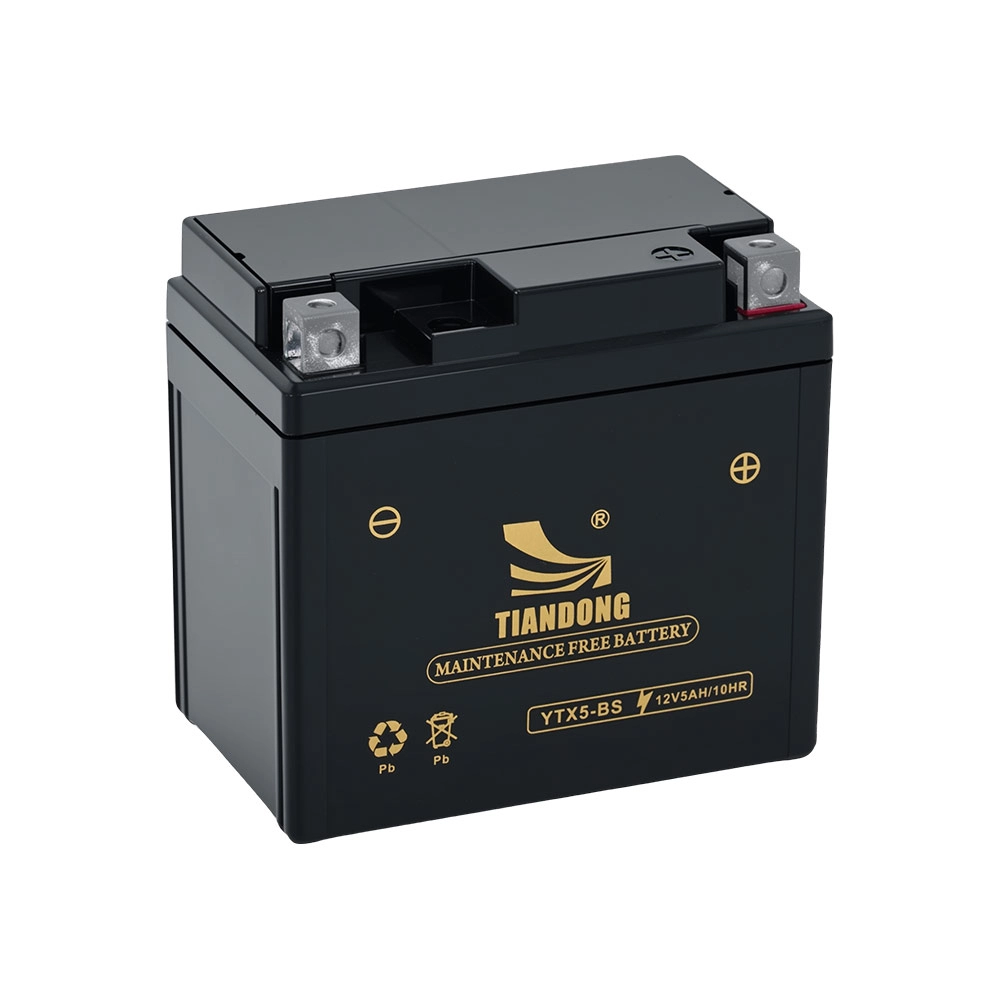
Yes, our batteries are sealed VRLA or GEL types that require no water refilling. They are ready to use and easy to maintain.
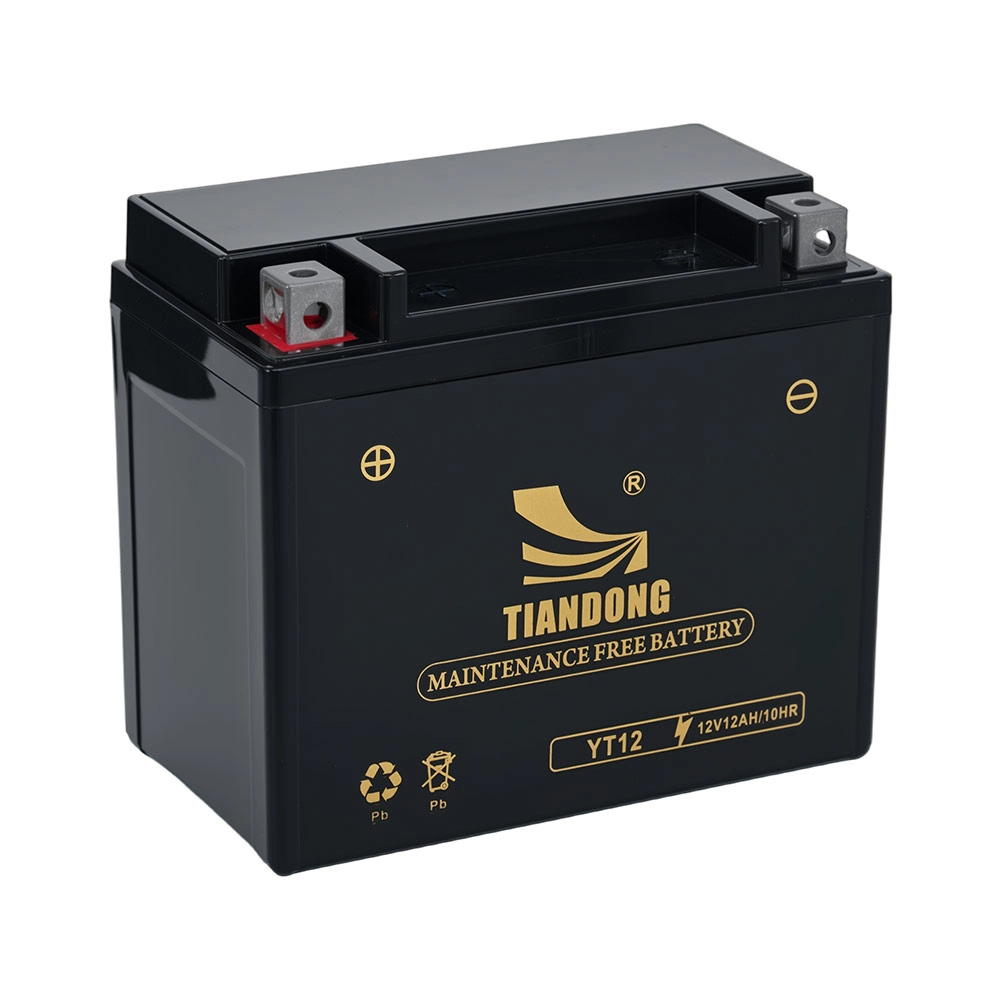
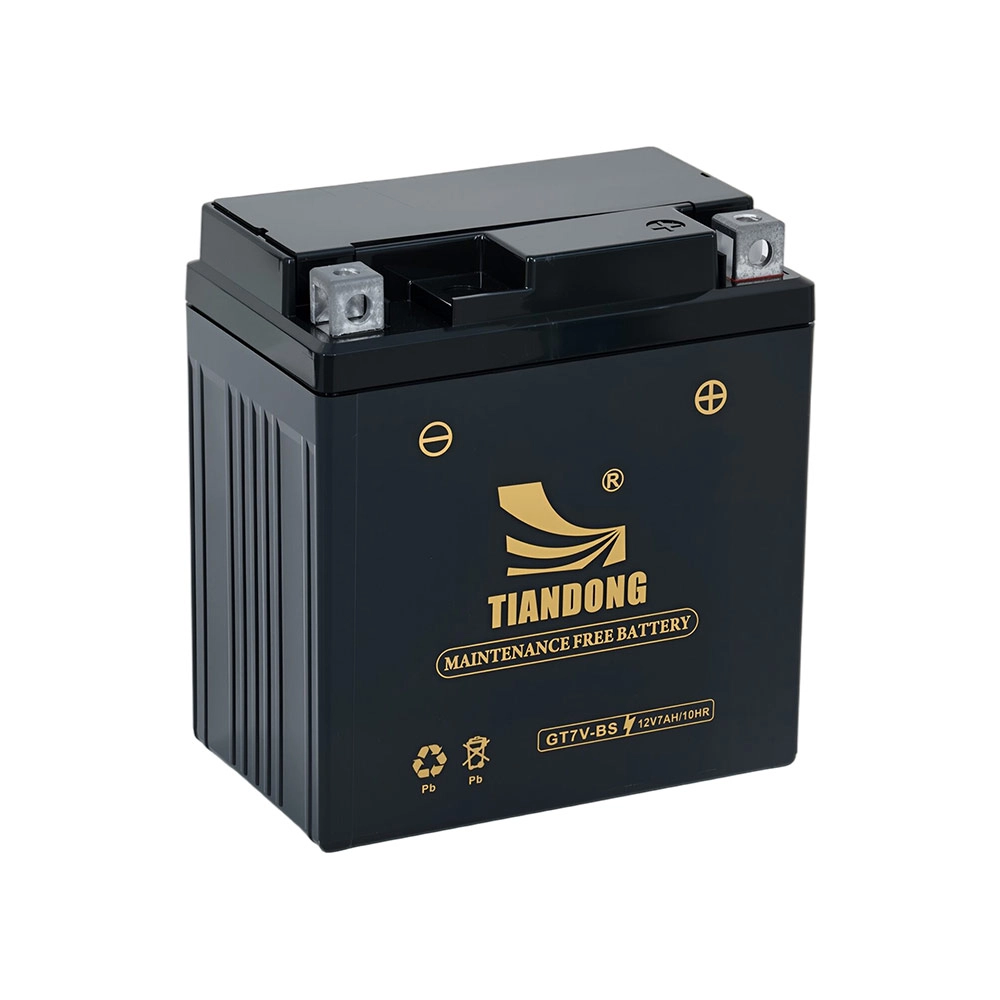
Get in touch with us to get your Motorbike Battery solution
TIANDONG is a leading motorcycle battery manufacturer offering OEM/ODM service, stable quality, and global export support.
Built for wholesalers. Trusted by global buyers. Delivered with confidence.
Say Hello
E-mail: daisybattery8@gmail.com
xianyingchen83@gmail. com
WhatsAPP: +86 134 283 86694
+86 134 348 86641
Our Location
Social Links
© 2025 TIANDONG. All Rights Reserved. Privacy Policy | Terms and Conditions | Sitemap
 Scan QR Code
Facebook
Instagram
Scan QR Code
Whatsapp: +8613434886641