






การบำรุงรักษาและการจัดการตลอดอายุการใช้งานของแบตเตอรี่ตะกั่วกรด
- การบำรุงรักษาและการจัดการวงจรชีวิตของแบตเตอรี่ตะกั่วกรดที่ใช้ในรถจักรยานยนต์ไฟฟ้าสองล้อ
- เหตุใดการบำรุงรักษาที่ถูกต้องจึงมีความสำคัญสำหรับแบตเตอรี่ตะกั่วกรดของรถจักรยานยนต์ของคุณ
- ภาพรวมผลิตภัณฑ์: แบตเตอรี่ TIANDONG 6-EVF-58 12V 63AH สำหรับรถจักรยานยนต์ไฟฟ้าสองล้อ
- ทำความเข้าใจพื้นฐานวงจรชีวิตของแบตเตอรี่กรดตะกั่วสำหรับรถจักรยานยนต์
- อายุการใช้งานที่คาดหวังและตัวเลขที่ใช้งานได้จริง
- การบำรุงรักษาประจำวันและตามปกติสำหรับแบตเตอรี่ตะกั่วกรดของรถจักรยานยนต์
- 1. แนวทางการชาร์จที่ถูกต้อง (ดูแลรักษา TIANDONG 6-EVF-58 ให้ดี)
- 2. การป้องกันการรั่วไหลลึกและการจัดการภาวะ DoD
- 3. การดูแลผู้ป่วยระยะสุดท้ายและการเชื่อมต่อเครือข่าย
- 4. การตรวจสอบด้วยสายตาและการควบคุมการสั่นสะเทือน
- การทดสอบและวินิจฉัยสภาพแบตเตอรี่ตะกั่วกรดสำหรับรถจักรยานยนต์
- 1. การทดสอบแรงดันไฟวงจรเปิด (แรงดันขณะพัก)
- 2. การทดสอบการรับน้ำหนักและการทดสอบกำลังการผลิต
- 3. ความต้านทานภายในและการรับประจุ
- คำแนะนำในการจัดเก็บเพื่อสุขภาพในระยะยาว
- แนะนำ SoC และช่วงเวลาการเก็บรักษา
- ผลกระทบของอุณหภูมิ
- ความปลอดภัย การจัดการ การรีไซเคิล และการกำจัด
- การจัดการอย่างปลอดภัยและการปฐมพยาบาลเบื้องต้น
- ข้อพิจารณาด้านการขนส่งและกฎระเบียบ
- การรีไซเคิลและความรับผิดชอบต่อสิ่งแวดล้อม
- เมื่อใดจึงควรซ่อมแซม ปรับปรุง หรือเปลี่ยนแบตเตอรี่กรดตะกั่วสำหรับรถจักรยานยนต์
- ตัวบ่งชี้ทั่วไปของช่วงสุดท้ายของชีวิต
- ตัวเลือกการปรับปรุงใหม่
- ตารางการบำรุงรักษาเชิงปฏิบัติสำหรับผู้ใช้งาน TIANDONG 6-EVF-58 12V 63AH
- การเปรียบเทียบความต้องการในการบำรุงรักษา: แบตเตอรี่ตะกั่วกรดกับแบตเตอรี่ชนิดอื่นๆ (โดยสังเขป)
- ข้อดีของแบรนด์ TIANDONG 6-EVF-58 แบตเตอรี่ตะกั่วกรดแบบชาร์จไฟได้ 12V 63AH สำหรับรถจักรยานยนต์ไฟฟ้า
- คำถามที่พบบ่อย — การบำรุงรักษาและอายุการใช้งานของแบตเตอรี่รถจักรยานยนต์แบบตะกั่วกรด
- ถาม: ฉันควรชาร์จแบตเตอรี่ตะกั่วกรดของรถจักรยานยนต์บ่อยแค่ไหน?
- ถาม: ฉันสามารถใช้เครื่องชาร์จแบบหยด (trickle charger) กับเลนส์ TIANDONG 6-EVF-58 ได้หรือไม่?
- ถาม: ควรใช้แรงดันไฟฟ้าในการชาร์จเท่าใด?
- ถาม: ฉันจะรู้ได้อย่างไรว่าแบตเตอรี่ควรเปลี่ยนแล้ว?
- ถาม: กล้องส่องทางไกล TIANDONG 6-EVF-58 ยังใช้งานได้อยู่หรือไม่?
- ติดต่อฝ่ายขาย / ดูรายละเอียดสินค้า
- แหล่งข้อมูลและแหล่งข้อมูลเพิ่มเติม
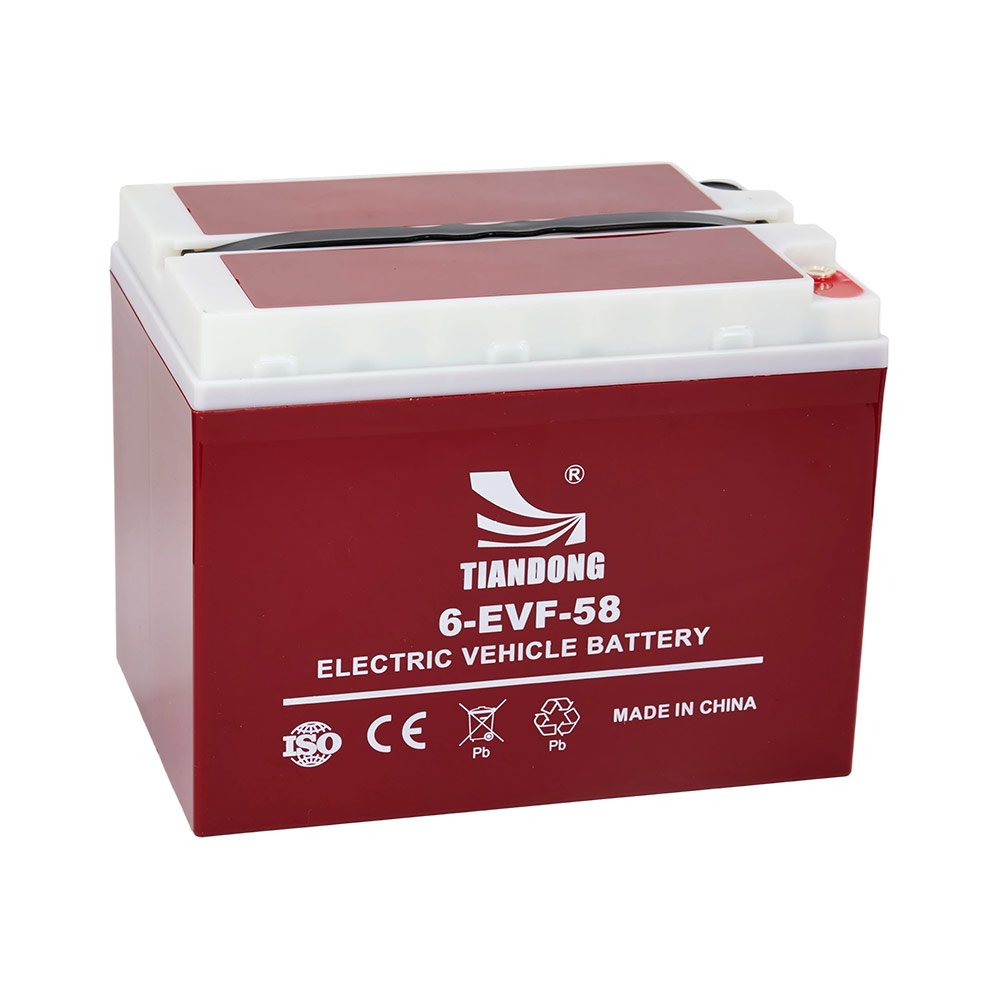
การบำรุงรักษาและการจัดการวงจรชีวิตของแบตเตอรี่ตะกั่วกรดที่ใช้ในรถจักรยานยนต์ไฟฟ้าสองล้อ
เหตุใดการบำรุงรักษาที่ถูกต้องจึงมีความสำคัญสำหรับแบตเตอรี่ตะกั่วกรดของรถจักรยานยนต์ของคุณ
แบตเตอรี่ตะกั่วกรดสำหรับรถจักรยานยนต์แบตเตอรี่แบบแพ็คยังคงเป็นแหล่งพลังงานที่คุ้มค่าและเชื่อถือได้สำหรับรถจักรยานยนต์ไฟฟ้าหลายรุ่น การบำรุงรักษาและการจัดการตลอดอายุการใช้งานที่เหมาะสมจะช่วยเพิ่มระยะเวลาการใช้งาน ลดต้นทุนรวมในการเป็นเจ้าของ และรักษาความปลอดภัยของผู้ขับขี่ บทความนี้มุ่งเน้นไปที่ขั้นตอนปฏิบัติที่คุณสามารถนำไปใช้กับแบตเตอรี่ตะกั่วกรด 12V ทั่วไปสำหรับรถยนต์ไฟฟ้า โดยเฉพาะอย่างยิ่งแบตเตอรี่แบบชาร์จได้ TIANDONG 6-EVF-58 12V 63AH ที่ทรงพลังแบตเตอรี่ตะกั่วกรดสองล้อแบตเตอรี่รถยนต์ไฟฟ้าบรรจุภัณฑ์นี้รวบรวมและตอบคำถามเกี่ยวกับการใช้งานและการเปลี่ยนชิ้นส่วนที่พบบ่อยที่สุด
ภาพรวมผลิตภัณฑ์: แบตเตอรี่ TIANDONG 6-EVF-58 12V 63AH สำหรับรถจักรยานยนต์ไฟฟ้าสองล้อ
แบตเตอรี่ตะกั่วกรดแบบชาร์จได้ TIANDONG 6-EVF-58 12V 63AH ให้พลังงานที่เชื่อถือได้สำหรับรถจักรยานยนต์ไฟฟ้า ออกแบบโดยผู้ผลิตแบตเตอรี่รถยนต์ไฟฟ้าชั้นนำ แบตเตอรี่ที่ทนทานนี้รับประกันประสิทธิภาพที่ยาวนานและประสิทธิภาพสูงสุด เหมาะสำหรับรถจักรยานยนต์ไฟฟ้าทุกประเภท
ทำความเข้าใจพื้นฐานวงจรชีวิตของแบตเตอรี่กรดตะกั่วสำหรับรถจักรยานยนต์
ก่อนที่จะลงลึกไปถึงขั้นตอนการบำรุงรักษา เราควรทำความเข้าใจก่อนว่าอะไรเป็นตัวกำหนดอายุการใช้งานของแบตเตอรี่กรดตะกั่วสำหรับรถจักรยานยนต์ ปัจจัยทั่วไปที่ควบคุมอายุการใช้งาน ได้แก่ ความลึกของการคายประจุ (DoD) วิธีการชาร์จ ความถี่ในการชาร์จ อุณหภูมิในการใช้งาน การสั่นสะเทือน/แรงกระแทก และวิธีการบำรุงรักษา สำหรับแบตเตอรี่กรดตะกั่ว อายุการใช้งานจะแตกต่างกันอย่างมาก การคายประจุลึกบ่อยครั้งจะลดจำนวนรอบการใช้งานลงอย่างมาก ในขณะที่การคายประจุตื้นๆ จะช่วยยืดอายุการใช้งานได้
อายุการใช้งานที่คาดหวังและตัวเลขที่ใช้งานได้จริง
ข้อสังเกตทั่วไปจากอุตสาหกรรม (สำหรับแบตเตอรี่ตะกั่วกรดแบบ Deep-cycle และ VRLA ที่ใช้ในรถยนต์ไฟฟ้า):
| ความลึกของการปล่อยน้ำโดยทั่วไป (DoD) | อายุการใช้งานโดยทั่วไป (โดยประมาณ) | หมายเหตุ |
|---|---|---|
| 20% กระทรวงกลาโหม | 1000+ รอบ | มีอายุการใช้งานยาวนานที่สุด เหมาะสำหรับใช้เมื่อช่วงระยะการใช้งานกว้าง |
| 50% กระทรวงกลาโหม | 300–600 รอบ | รถยนต์ไฟฟ้าทั่วไปมักสร้างสมดุลระหว่างระยะทางการวิ่งและอายุการใช้งาน |
| 80–100% กระทรวงกลาโหม | 200–400 รอบ | การชาร์จและคายประจุจนหมดอย่างรุนแรงจะลดอายุการใช้งาน และการปล่อยประจุจนหมดบ่อยครั้งจะเร่งการเสื่อมสภาพ |
ตัวเลขเหล่านี้เป็นเพียงค่าประมาณ อายุการใช้งานจริงขึ้นอยู่กับโครงสร้างของแบตเตอรี่ (แบบน้ำหรือแบบ VRLA/AGM) การบำรุงรักษา วิธีการชาร์จ และสภาพแวดล้อม
การบำรุงรักษาประจำวันและตามปกติสำหรับแบตเตอรี่ตะกั่วกรดของรถจักรยานยนต์
1. แนวทางการชาร์จที่ถูกต้อง (ดูแลรักษา TIANDONG 6-EVF-58 ให้ดี)
ใช้เครื่องชาร์จที่ตรงกับรูปแบบการชาร์จแบตเตอรี่ตะกั่วกรด รูปแบบ 12V ทั่วไปที่ใช้สำหรับแบตเตอรี่ VRLA/AGM และแบตเตอรี่รถยนต์ไฟฟ้าแบบปิดผนึกหลายรุ่น มีดังนี้:
- แรงดันไฟฟ้าในการชาร์จ/ดูดซับ: ประมาณ 14.4–14.8 โวลต์ (จนกระทั่งเกือบเต็ม)
- แรงดันไฟฟ้าขณะชาร์จ/สแตนด์บาย: ประมาณ 13.5–13.8 โวลต์ (รักษาประจุไฟเต็ม)
- การชดเชยอุณหภูมิ: ลดแรงดันไฟฟ้าในการชาร์จเมื่ออุณหภูมิสูงขึ้น และเพิ่มขึ้นเมื่ออุณหภูมิต่ำลง (โดยทั่วไปอยู่ที่ -3 ถึง -5 mV/°C ต่อเซลล์ เป็นแนวทาง)
ใช้เครื่องชาร์จที่มีอัลกอริทึมแบบหลายขั้นตอนอัตโนมัติ (ชาร์จเต็มเร็ว, ดูดซับ, ลอยตัว) สำหรับแบตเตอรี่ VRLA/AGM แบบปิดผนึกที่ใช้ในชุดแบตเตอรี่รถจักรยานยนต์ไฟฟ้าหลายรุ่น ควรหลีกเลี่ยงแรงดันปรับสมดุลที่ต่อเนื่อง (แรงดันสูงที่อาจทำให้เกิดก๊าซและการแห้งในเซลล์แบบปิดผนึก)
2. การป้องกันการรั่วไหลลึกและการจัดการภาวะ DoD
วางแผนการใช้งานและตารางการชาร์จของคุณเพื่อจำกัดการคายประจุจนหมดบ่อยครั้ง หากเป็นไปได้ ให้ชาร์จแบตเตอรี่หลังจากการใช้งานแต่ละครั้ง หรือรักษาระดับประจุ (SoC) ให้อยู่เหนือ 30%–50% สำหรับการใช้งานประจำวัน สำหรับการเดินทางไกล การคายประจุจนหมดเป็นครั้งคราวก็ยอมรับได้ แต่การคายประจุถึง 80–100% ซ้ำๆ จะทำให้อายุการใช้งานสั้นลง
3. การดูแลผู้ป่วยระยะสุดท้ายและการเชื่อมต่อเครือข่าย
รักษาขั้วต่อให้สะอาดและปราศจากสนิม สำหรับขั้วต่อที่เปิดโล่ง ให้ทาจาระบีไดอิเล็กทริกบางๆ หลังการทำความสะอาด ขันขั้วต่อให้แน่นตามแรงบิดที่กำหนด การเชื่อมต่อที่หลวมจะเพิ่มความต้านทานและความร้อน ส่งผลเสียต่อประสิทธิภาพและเร่งการสึกหรอ
4. การตรวจสอบด้วยสายตาและการควบคุมการสั่นสะเทือน
ตรวจสอบชุดแบตเตอรี่อย่างสม่ำเสมอเพื่อหารอยบวม รอยแตก หรือการรั่วไหลของของเหลว รถจักรยานยนต์ไฟฟ้าสองล้อจะเกิดการสั่นสะเทือน การติดตั้งที่แน่นหนาและการลดแรงสั่นสะเทือนจะช่วยลดความเสียหายของแผ่นภายใน เปลี่ยนตัวยึดหรือวัสดุรองรับที่ชำรุดตามความจำเป็น
การทดสอบและวินิจฉัยสภาพแบตเตอรี่ตะกั่วกรดสำหรับรถจักรยานยนต์
1. การทดสอบแรงดันไฟวงจรเปิด (แรงดันขณะพัก)
หลังจากปล่อยให้แบตเตอรี่พัก (ไม่มีการชาร์จหรือใช้งาน) เป็นเวลา 2-4 ชั่วโมง ให้วัดแรงดันไฟฟ้าที่ขั้ว ค่า SoC โดยประมาณสำหรับแบตเตอรี่ตะกั่วกรด 12V:
- 12.6–12.8 โวลต์ — ชาร์จเต็มประมาณ 100%
- 12.2–12.4 โวลต์ — ชาร์จประมาณ 50%
- 11.9–12.0 โวลต์ — ประจุไฟประมาณ 0%
ค่าเหล่านี้เป็นเพียงตัวบ่งชี้ อุณหภูมิและอายุการใช้งานของแบตเตอรี่มีผลต่อค่าเหล่านี้
2. การทดสอบการรับน้ำหนักและการทดสอบกำลังการผลิต
การทดสอบโหลดที่ถูกต้องจะใช้โหลดที่ทราบค่าและวัดแรงดันตกคร่อม สำหรับการทดสอบความจุเต็ม ให้คายประจุภายใต้กระแสที่ทราบค่า (เช่น C/10 หมายถึง 6.3 A สำหรับแบตเตอรี่ 63Ah) และจับเวลาจนถึงแรงดันตัด (โดยทั่วไปคือ 10.5 V สำหรับแบตเตอรี่ตะกั่วกรด 12V) การทดสอบความจุจะให้ภาพที่ชัดเจนที่สุดเกี่ยวกับปริมาณ Ah ที่ใช้งานได้ที่เหลืออยู่
3. ความต้านทานภายในและการรับประจุ
เมื่อแบตเตอรี่ตะกั่วกรดเสื่อมสภาพลง ความต้านทานภายในจะเพิ่มขึ้น แบตเตอรี่ที่รับประจุได้ช้าหรือมีแรงดันไฟฟ้าตกมากเมื่อใช้งานในระดับปานกลาง มักมีความต้านทานภายในสูงและมีความจุลดลง เครื่องทดสอบระดับมืออาชีพหลายรายจึงวัดความต้านทานภายในเพื่อตรวจสอบการเสื่อมสภาพ
คำแนะนำในการจัดเก็บเพื่อสุขภาพในระยะยาว
แนะนำ SoC และช่วงเวลาการเก็บรักษา
สำหรับการเก็บรักษาระยะยาว (หลายสัปดาห์ถึงหลายเดือน):
- ควรเก็บรักษาแบตเตอรี่ที่ระดับประจุ 40%–60% หากเป็นไปได้ เพื่อลดความเครียดและการสูญเสียจากการคายประจุเอง
- ควรเติมน้ำกลั่นหรือเติมน้ำกลั่นทุกๆ 2-3 เดือน ในสภาพอากาศอบอุ่นควรตรวจสอบบ่อยขึ้น
- เก็บในที่แห้งและเย็น อุณหภูมิต่ำจะช่วยชะลอการคายประจุเองและการกัดกร่อน หลีกเลี่ยงการแช่แข็ง
ผลกระทบของอุณหภูมิ
อุณหภูมิสูงจะเร่งการกัดกร่อนของตะแกรงและทำให้เกิดการสูญเสียน้ำ การเพิ่มขึ้นของอุณหภูมิทุกๆ 10 องศาเซลเซียส สามารถลดอายุการใช้งานของแบตเตอรี่ได้อย่างมาก หากใช้งานแบตเตอรี่ในสภาพอากาศร้อน ควรวางแผนเปลี่ยนแบตเตอรี่ให้บ่อยขึ้นและลดระยะเวลาการตรวจสอบให้สั้นลง
ความปลอดภัย การจัดการ การรีไซเคิล และการกำจัด
การจัดการอย่างปลอดภัยและการปฐมพยาบาลเบื้องต้น
แบตเตอรี่ตะกั่วกรดมีกรดซัลฟิวริกเป็นส่วนประกอบ และอาจปล่อยก๊าซไฮโดรเจนออกมาขณะชาร์จ ข้อควรระวังด้านความปลอดภัย:
- ควรชาร์จในบริเวณที่มีอากาศถ่ายเทสะดวกเพื่อป้องกันการสะสมของไฮโดรเจน
- ควรสวมแว่นตาป้องกันและถุงมือเมื่อทำการจัดการหรือบำรุงรักษาอุปกรณ์
- หากกรดสัมผัสกับผิวหนังหรือดวงตา ให้ล้างออกด้วยน้ำปริมาณมากและรีบไปพบแพทย์
ข้อพิจารณาด้านการขนส่งและกฎระเบียบ
กฎระเบียบการขนส่งแบตเตอรี่ตะกั่วกรดแตกต่างกันไปตามผู้ให้บริการและภูมิภาค สำหรับการขนส่งเชิงพาณิชย์ โปรดปรึกษา IATA, IMO หรือหน่วยงานขนส่งในท้องถิ่น สำหรับการส่งคืนและเปลี่ยนสินค้าของลูกค้า โปรดใช้ช่องทางการรีไซเคิลแบตเตอรี่ที่กำหนดไว้
การรีไซเคิลและความรับผิดชอบต่อสิ่งแวดล้อม
แบตเตอรี่ตะกั่วกรดสามารถนำไปรีไซเคิลได้เกือบทั้งหมดเมื่อส่งคืนไปยังผู้รับรีไซเคิลที่ได้รับการรับรอง ห้ามทิ้งแบตเตอรี่ตะกั่วกรดลงในถังขยะทั่วไปเด็ดขาด ให้ใช้จุดรับคืนในพื้นที่หรือโครงการรับคืนจากผู้ผลิต
เมื่อใดจึงควรซ่อมแซม ปรับปรุง หรือเปลี่ยนแบตเตอรี่กรดตะกั่วสำหรับรถจักรยานยนต์
ตัวบ่งชี้ทั่วไปของช่วงสุดท้ายของชีวิต
ควรพิจารณาเปลี่ยนชิ้นส่วนหากพบอาการดังต่อไปนี้:
- กำลังการผลิตลดลงอย่างมาก (เช่น น้อยกว่า 50% ของกำลังการผลิตที่ระบุไว้ในการทดสอบกำลังการผลิตครั้งล่าสุด)
- ความต้านทานภายในสูงทำให้แรงดันไฟฟ้าตกอย่างรุนแรงภายใต้ภาระปกติ
- ความเสียหายทางกายภาพ: เคสบวม เคสแตก หรือน้ำยารั่ว
- ไม่สามารถเก็บประจุไฟได้ซ้ำๆ แม้ว่าจะชาร์จและทดสอบอย่างถูกต้องแล้วก็ตาม
ตัวเลือกการปรับปรุงใหม่
สำหรับแบตเตอรี่แบบแช่น้ำบางชนิด การบำรุงรักษาในระดับเซลล์ (การเติมอิเล็กโทรไลต์และการปรับสมดุล) อาจช่วยฟื้นฟูประสิทธิภาพได้ ส่วนแบตเตอรี่แบบปิดผนึก VRLA/AGM โดยทั่วไปไม่สามารถซ่อมแซมได้และควรเปลี่ยนใหม่เมื่อเสื่อมสภาพ
ตารางการบำรุงรักษาเชิงปฏิบัติสำหรับผู้ใช้งาน TIANDONG 6-EVF-58 12V 63AH
ตารางเวลาที่เรียบง่ายนี้ช่วยสร้างสมดุลระหว่างความน่าเชื่อถือและความสะดวกสบายสำหรับผู้ขับขี่รถจักรยานยนต์ไฟฟ้า:
- ทุกวัน/หลังการขับขี่แต่ละครั้ง: เสียบปลั๊กชาร์จหากการขับขี่ใช้แบตเตอรี่เกิน 30% หรือหากรถจะจอดทิ้งไว้นานกว่า 24 ชั่วโมง
- รายสัปดาห์: ตรวจสอบด้วยสายตา ตรวจสอบขั้วต่อ ตรวจสอบการทำงานของไฟ LED ที่ชาร์จ
- รายเดือน: วัดแรงดันไฟฟ้าวงเปิดและบันทึกแนวโน้ม ชาร์จใหม่หากแรงดันไฟฟ้าต่ำกว่าระดับประจุ (SoC) ที่แนะนำสำหรับการจัดเก็บ
- ทุกๆ 3-6 เดือน: ทำการทดสอบความจุหรือการรับน้ำหนัก (แนะนำให้ใช้ผู้ทดสอบมืออาชีพ)
- เป็นประจำทุกปี: ตรวจสอบการติดตั้ง การระบายอากาศ และสัญญาณความเสื่อมสภาพอย่างละเอียด ปรับปรุงแผนการเปลี่ยนชิ้นส่วนตามรอบการใช้งานและการลดลงของกำลังการผลิต
การเปรียบเทียบความต้องการในการบำรุงรักษา: แบตเตอรี่ตะกั่วกรดกับแบตเตอรี่ชนิดอื่นๆ (โดยสังเขป)
| ลักษณะเฉพาะ | แบตเตอรี่ตะกั่วกรด (เช่น TIANDONG 6-EVF-58) | ลิเธียมไอออน |
|---|---|---|
| ต้นทุนเริ่มต้น | ต่ำกว่า | สูงกว่า |
| ความหนาแน่นของพลังงาน | ต่ำกว่า (หนักกว่าสำหรับค่า Ah เท่ากัน) | สูงกว่า (เบากว่า ระยะการใช้งานไกลกว่า) |
| การซ่อมบำรุง | ต้องชาร์จไฟเป็นระยะ ดูแลขั้วต่อ และอาจต้องตรวจสอบระดับน้ำยาอิเล็กโทรไลต์ (หากน้ำท่วมแบตเตอรี่) | บำรุงรักษาง่าย แต่ต้องมีการตรวจสอบโดยระบบ BMS |
| อายุการใช้งานของวงจร | โดยทั่วไปแล้วจะมีรอบการทำงานน้อยลงในระดับ DoD ที่สูง | โดยทั่วไปจะมีรอบการใช้งานมากกว่าและมีอายุการใช้งานของวัสดุที่ไม่ผ่านกระบวนการ DoD ที่ดีกว่า |
| การกำจัดเมื่อสิ้นสุดอายุการใช้งาน | สามารถนำไปรีไซเคิลได้สูง (สามารถนำตะกั่วกลับมาใช้ใหม่ได้) | เทคโนโลยีการรีไซเคิลกำลังพัฒนาขึ้น จึงจำเป็นต้องมีกระบวนการแปรรูปเฉพาะทาง |
ข้อดีของแบรนด์ TIANDONG 6-EVF-58 แบตเตอรี่ตะกั่วกรดแบบชาร์จไฟได้ 12V 63AH สำหรับรถจักรยานยนต์ไฟฟ้า
แบตเตอรี่ TIANDONG 6-EVF-58 12V 63AH ออกแบบมาสำหรับรถจักรยานยนต์ไฟฟ้า โดยมีข้อดีที่ใช้งานได้จริงดังนี้:
- ออกแบบโดยผู้ผลิตแบตเตอรี่รถยนต์ไฟฟ้าชั้นนำ เพื่อการจ่ายพลังงานที่สม่ำเสมอและความทนทานของโครงสร้างในสภาพแวดล้อมที่มีการสั่นสะเทือนสูงขณะปั่นจักรยาน
- แบตเตอรี่ความจุสูง (63Ah) เหมาะสำหรับการใช้งานในเมืองทั่วไปด้วยรถจักรยานยนต์ โดยคำนึงถึงน้ำหนักและต้นทุนเป็นสำคัญ
- แบตเตอรี่ตะกั่วกรดแบบชาร์จได้ให้การชาร์จที่ง่ายและใช้งานร่วมกับเครื่องชาร์จได้หลากหลายรุ่น
- การเลือกวิธีการผลิตและการออกแบบมุ่งเน้นอายุการใช้งานที่ยาวนาน เมื่อได้รับการบำรุงรักษาตามแนวทางปฏิบัติที่แนะนำไว้ข้างต้น
คำถามที่พบบ่อย — การบำรุงรักษาและอายุการใช้งานของแบตเตอรี่รถจักรยานยนต์แบบตะกั่วกรด
ถาม: ฉันควรชาร์จแบตเตอรี่ตะกั่วกรดของรถจักรยานยนต์บ่อยแค่ไหน?
A: สำหรับผู้ที่ใช้งานเป็นประจำ ควรชาร์จไฟหลังจากใช้งานทุกครั้งหากระดับแบตเตอรี่เหลือน้อยกว่า ~30% สำหรับผู้ที่ใช้งานเป็นครั้งคราว ควรชาร์จไฟทุกๆ 2-3 เดือนในระหว่างการเก็บรักษา และหลังจากใช้งานจนระดับแบตเตอรี่เหลือน้อย
ถาม: ฉันสามารถใช้เครื่องชาร์จแบบหยด (trickle charger) กับเลนส์ TIANDONG 6-EVF-58 ได้หรือไม่?
A: ควรใช้เครื่องชาร์จที่มีอัลกอริทึมแบบหลายขั้นตอนที่เหมาะสมและโหมดลอยตัว แนะนำให้ใช้เครื่องชาร์จอัจฉริยะรุ่นใหม่ที่รองรับแบตเตอรี่ตะกั่วกรด/AGM มากกว่าแหล่งจ่ายกระแสคงที่แบบธรรมดา
ถาม: ควรใช้แรงดันไฟฟ้าในการชาร์จเท่าใด?
A: สำหรับแบตเตอรี่ตะกั่วกรด/AGM 12V แบบปิดผนึกส่วนใหญ่ ควรตั้งเป้าหมายให้แรงดันไฟฟ้าขณะชาร์จเต็ม/ดูดซับอยู่ที่ประมาณ 14.4–14.8 V และแรงดันไฟฟ้าขณะลอยตัวอยู่ที่ 13.5–13.8 V ควรใช้การชดเชยอุณหภูมิหากชาร์จในอุณหภูมิที่สูงหรือต่ำมาก หลีกเลี่ยงการปรับสมดุลแรงดันไฟฟ้าในแบตเตอรี่ VRLA แบบปิดผนึก
ถาม: ฉันจะรู้ได้อย่างไรว่าแบตเตอรี่ควรเปลี่ยนแล้ว?
A: ควรเปลี่ยนเมื่อความจุลดลงต่ำกว่าเกณฑ์ที่ใช้งานได้ (โดยทั่วไปคือต่ำกว่า 50% ของค่า Ah ที่กำหนด) แรงดันไฟฟ้าตกมากเกินไปขณะใช้งาน หรือมีข้อบกพร่องทางกายภาพ เช่น บวมหรือรั่วซึม
ถาม: กล้องส่องทางไกล TIANDONG 6-EVF-58 ยังใช้งานได้อยู่หรือไม่?
A: แบตเตอรี่ตะกั่วกรดสำหรับรถจักรยานยนต์ไฟฟ้าสมัยใหม่หลายรุ่นเป็นแบบปิดผนึก (VRLA/AGM) และไม่สามารถเติมสารละลายอิเล็กโทรไลต์ได้ หากคุณสงสัยว่าเซลล์แบตเตอรี่เป็นแบบแช่น้ำหรือสามารถเติมสารละลายได้ ให้ปฏิบัติตามคู่มือการซ่อมบำรุงของผู้ผลิต มิเช่นนั้น ให้ปฏิบัติตามวิธีการกำจัด/รีไซเคิลที่แนะนำ
ติดต่อฝ่ายขาย / ดูรายละเอียดสินค้า
หากต้องการเรียนรู้เพิ่มเติมหรือสั่งซื้อแบตเตอรี่ตะกั่วกรดแบบชาร์จไฟได้ TIANDONG 6-EVF-58 12V 63AH สำหรับรถจักรยานยนต์ไฟฟ้าสองล้อ โปรดติดต่อฝ่ายบริการลูกค้าของเราหรือดูรายละเอียดในหน้าผลิตภัณฑ์ ทีมงานฝ่ายสนับสนุนของเราสามารถแนะนำเครื่องชาร์จ อุปกรณ์บำรุงรักษา และแผนการเปลี่ยนแบตเตอรี่ที่เหมาะสมกับรถและรูปแบบการใช้งานของคุณได้
หลังจากเรียนรู้วิธีการยืดอายุการใช้งานให้ยาวนานที่สุดแล้ว ผู้ซื้อเชิงพาณิชย์ส่วนใหญ่จะหันมาให้ความสนใจกับกลยุทธ์การจัดซื้อ บทความต่อไปนี้จะให้คำแนะนำการจัดซื้ออย่างละเอียดสำหรับแบตเตอรี่แพ็ค 6-EVF-58 12V 63AH เพื่อช่วยให้ผู้ซื้อวางแผนสำหรับการสั่งซื้อจำนวนมาก
คู่มือการสั่งซื้อจำนวนมาก: ชุดแบตเตอรี่ตะกั่วกรด 6-EVF-58 12V 63AH
แหล่งข้อมูลและแหล่งข้อมูลเพิ่มเติม
แหล่งข้อมูลที่น่าเชื่อถือที่เราใช้ในการรวบรวมข้อแนะนำและตัวเลขเหล่านี้:
- แบตเตอรี่ตะกั่วกรด — วิกิพีเดีย: https://en.wikipedia.org/wiki/Lead%E2%80%93acid_battery
- Battery University — บทความเกี่ยวกับการชาร์จแบตเตอรี่ตะกั่วกรดและอายุการใช้งาน: https://batteryuniversity.com
- สำนักงานคุ้มครองสิ่งแวดล้อมแห่งสหรัฐอเมริกา — การรีไซเคิลแบตเตอรี่ใช้แล้ว: https://www.epa.gov/recycle/used-batteries
- สมาคมตะกั่วสากล (แหล่งข้อมูลสำหรับอุตสาหกรรม): https://www.ila-lead.org/
- ข้อบังคับเกี่ยวกับสินค้าอันตรายของ IATA (ข้อควรพิจารณาในการขนส่ง): https://www.iata.org/en/publications/dgr/

คู่มือการสั่งซื้อจำนวนมาก: ชุดแบตเตอรี่ตะกั่วกรด 6-EVF-58 12V 63AH

คำถามที่พบบ่อยเกี่ยวกับการเปลี่ยนแบตเตอรี่ UPS สำหรับผู้ซื้อ TIANDONG HP12-12
10 อันดับผู้ผลิตและผู้จำหน่ายแบตเตอรี่ MF แบบแห้งชั้นนำ
10 อันดับผู้ผลิตและผู้จำหน่ายแบตเตอรี่เจลชั้นนำ
คำถามที่คุณอาจกังวล
ผลิตภัณฑ์
คุณใช้วัตถุดิบยี่ห้ออะไรบ้าง?
เราใช้วัสดุคุณภาพสูงเพื่อให้มั่นใจในประสิทธิภาพ เราใช้ตะกั่วบริสุทธิ์ 99.99% เพื่อให้มั่นใจถึงอายุการใช้งานที่ยาวนานและค่ากระแสสตาร์ทเย็นสูง (CCA)
แบตเตอรี่ของคุณได้รับการรับรองอะไรบ้าง?
แบตเตอรี่ของเราได้รับการรับรองมาตรฐาน CE, ISO9001 และ RoHS และตรงตามมาตรฐานการส่งออกสำหรับตลาดในเอเชียตะวันออกเฉียงใต้ เอเชียใต้ และแอฟริกา
แบตเตอรี่ชนิดใดเหมาะสมที่สุดสำหรับรถจักรยานยนต์?
แบตเตอรี่ AGMแบตเตอรี่ AGM เป็นตัวเลือกยอดนิยมเพราะรวมข้อดีของทั้งสองแบบเข้าด้วยกัน คือ ความทนทานของแบตเตอรี่ตะกั่วกรดและการบำรุงรักษาต่ำของแบตเตอรี่ลิเธียมไอออน แบตเตอรี่ AGM เป็นแบบปิดผนึก จึงไม่จำเป็นต้องเติมน้ำ และได้รับการออกแบบมาให้ทนทานต่อสภาพแวดล้อมที่รุนแรง ทำให้เหมาะสำหรับรถจักรยานยนต์
อะไรคือสาเหตุที่ทำให้แบตเตอรี่รถจักรยานยนต์เสีย?
สาเหตุทั่วไป ได้แก่ การคายประจุมากเกินไป อุณหภูมิที่สูงหรือต่ำเกินไป ระบบการชาร์จที่ไม่ดี และวัสดุการผลิตคุณภาพต่ำ
OEM/ODM
แบตเตอรี่ OEM ปลอดภัยหรือไม่?
แบตเตอรี่แท้จากผู้ผลิตอุปกรณ์ดั้งเดิม (OEM) ผ่านการทดสอบและรับรองด้านความปลอดภัย ส่วนแบตเตอรี่ปลอมจะไม่ผ่านการทดสอบดังกล่าว และอาจไม่มีระบบป้องกันภายในเซลล์ที่เหมาะสมเพื่อป้องกันการชาร์จไฟเกินและความร้อนสูงเกิน ซึ่งอาจนำไปสู่การบาดเจ็บและความเสียหายร้ายแรงจากภาวะความร้อนสูงเกินควบคุมได้
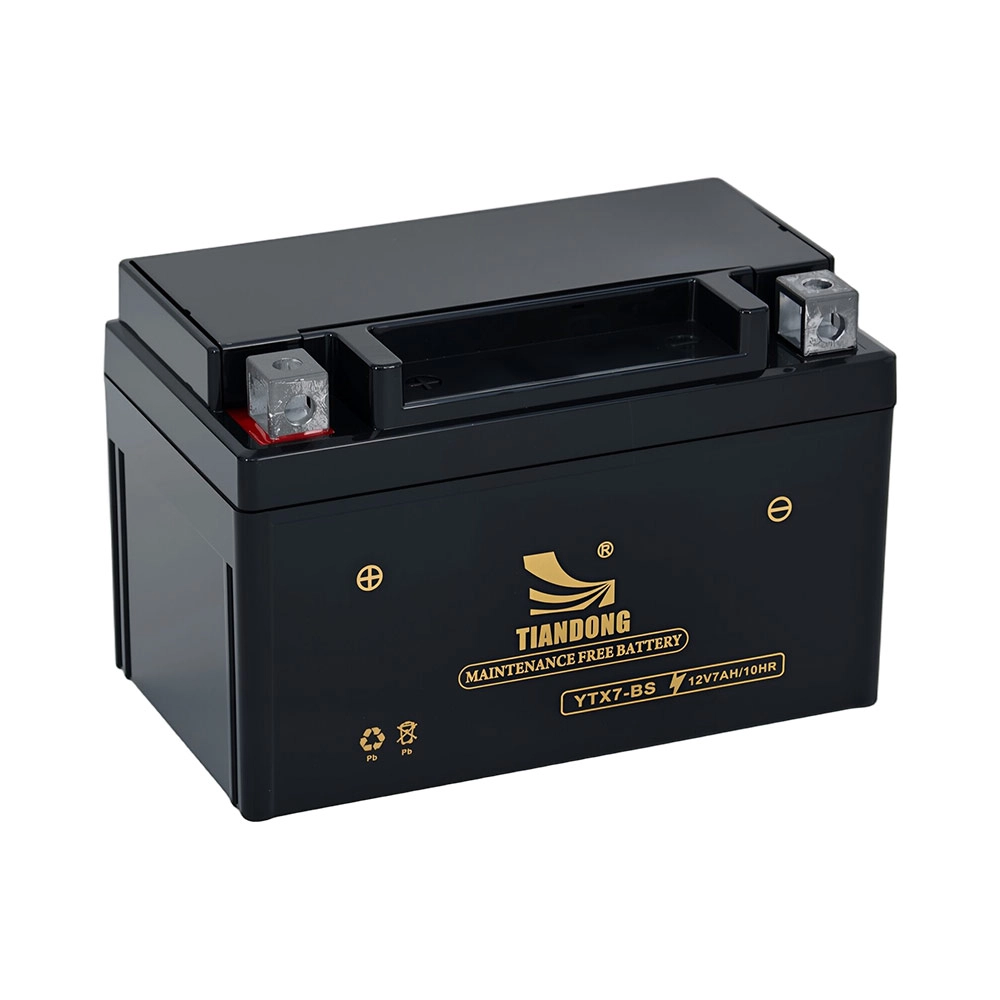
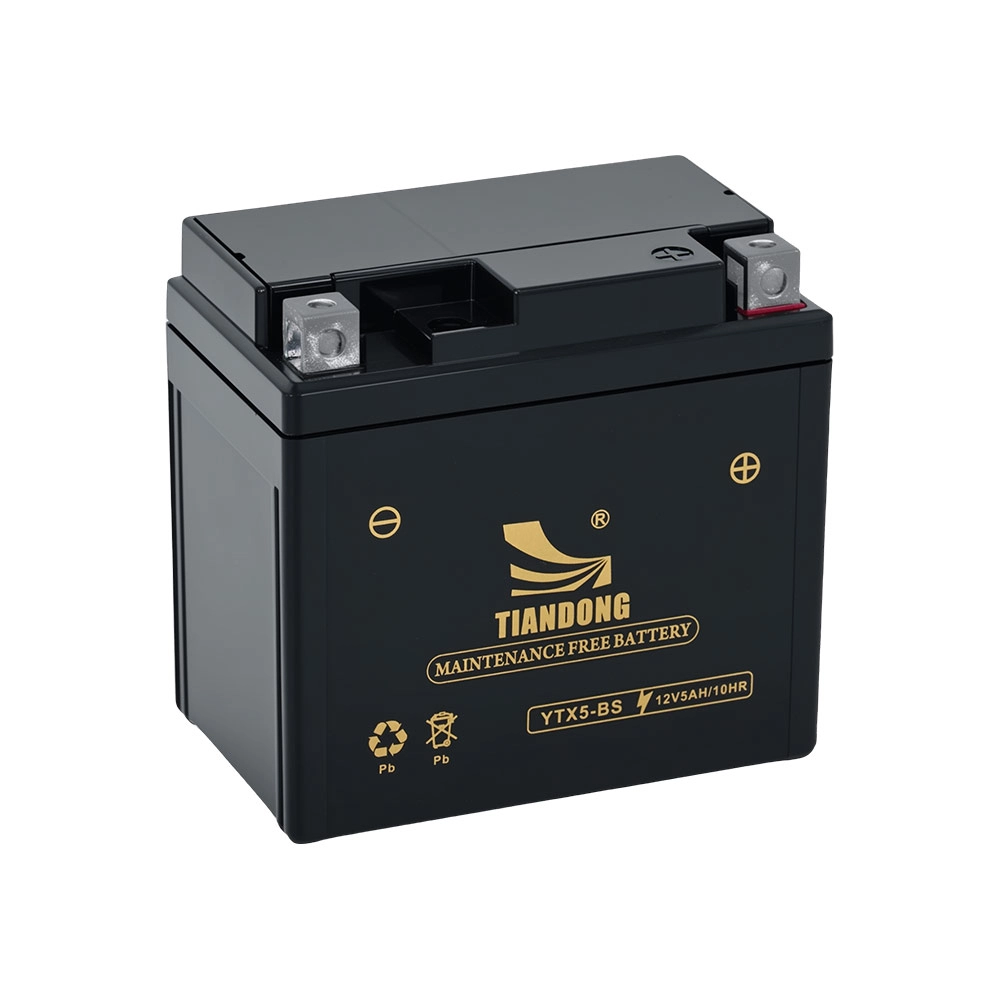
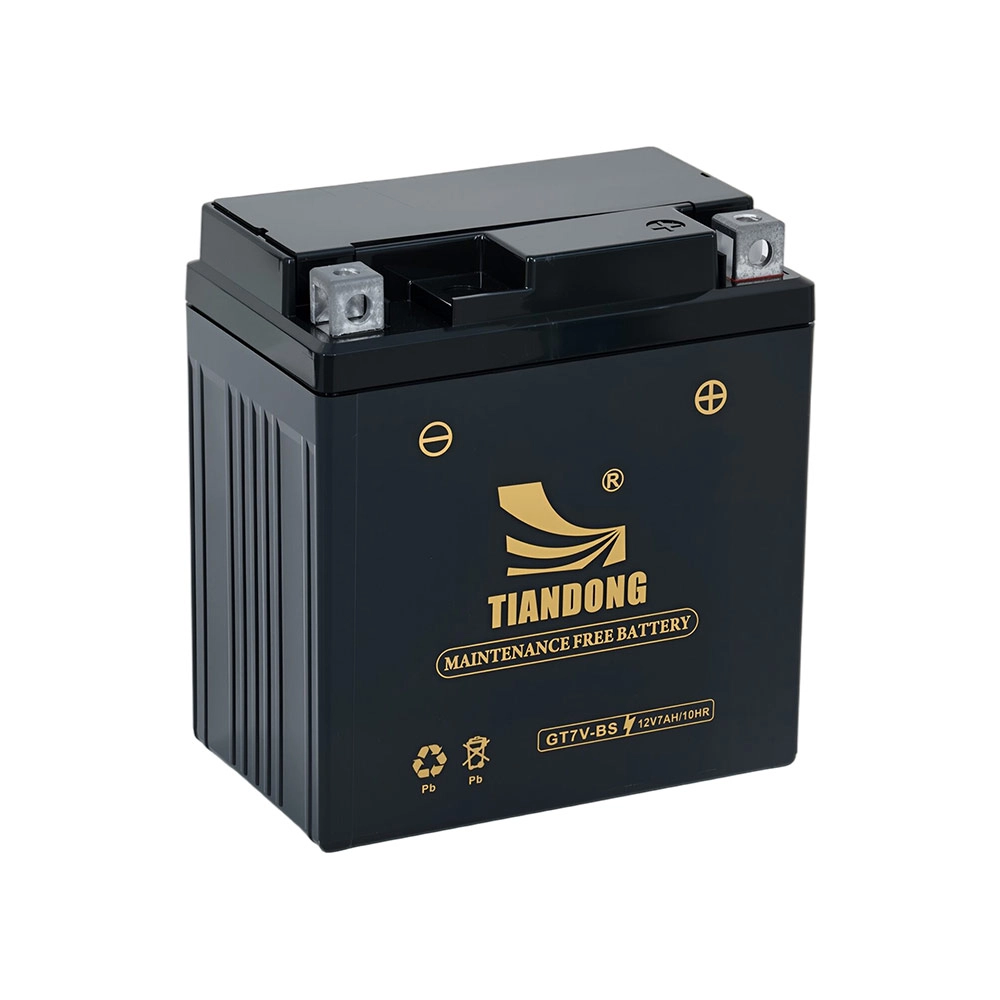
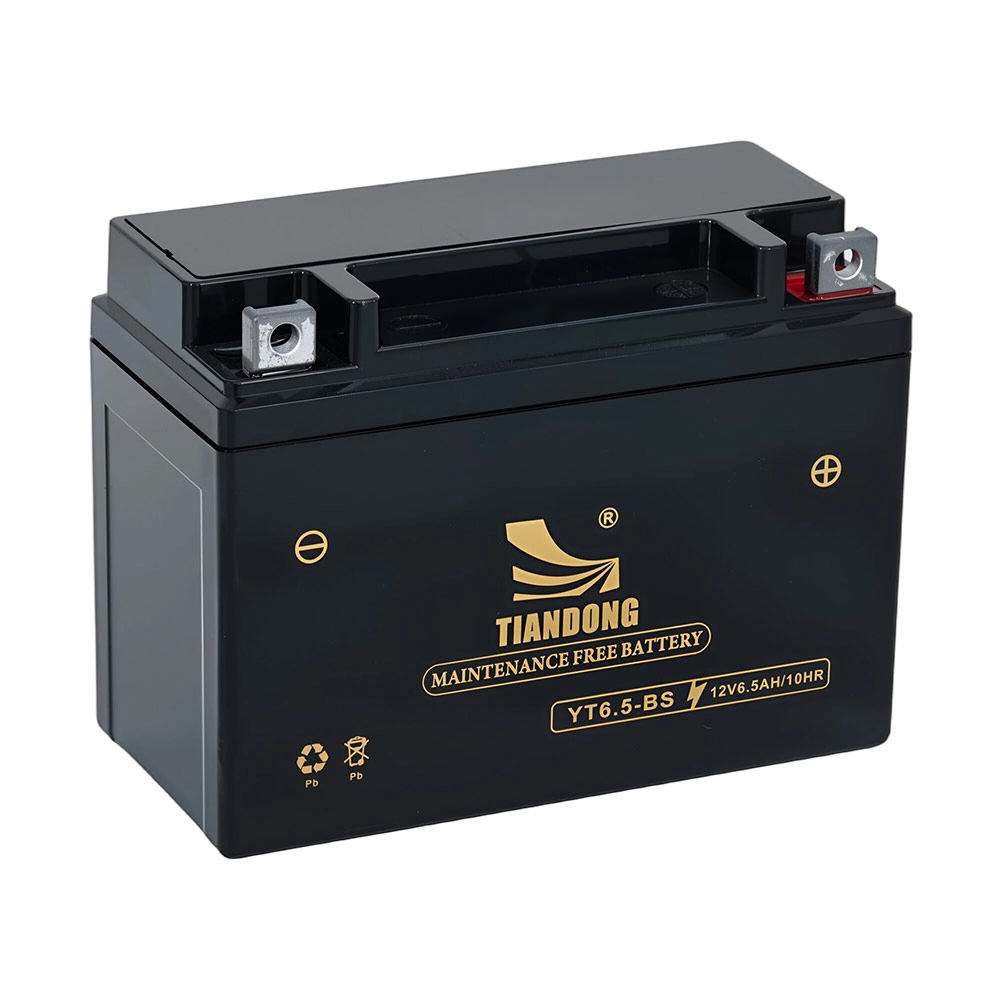
ติดต่อเราเพื่อรับคำแนะนำเกี่ยวกับแบตเตอรี่รถจักรยานยนต์ที่เหมาะสม
TIANDONG เป็นผู้ผลิตแบตเตอรี่รถจักรยานยนต์ชั้นนำที่ให้บริการ OEM/ODM คุณภาพที่เสถียร และการสนับสนุนการส่งออกทั่วโลก
สร้างขึ้นเพื่อผู้ค้าส่ง ได้รับความไว้วางใจจากผู้ซื้อทั่วโลก ส่งมอบด้วยความมั่นใจ
ทักทายกันหน่อย
อีเมล์: daisybattery8@gmail.com
xianyingchen83@gmail.com ดอทคอม
WhatsApp: +86 134 283 86694
+86 134 348 86641
ที่ตั้งของเรา
ลิงก์โซเชียล
© 2025 TIANDONG สงวนลิขสิทธิ์ทุกประการนโยบายความเป็นส่วนตัว-ข้อกำหนดและเงื่อนไข-แผนผังเว็บไซต์
 สแกนคิวอาร์โค้ด
เฟซบุ๊ก
อินสตาแกรม
สแกนคิวอาร์โค้ด
WhatsApp: +8613434886641