






Which Motorcycle Charge Battery Types Offer Longest Lifespan?
Which Motorcycle Charge Battery Types Offer Longest Lifespan?
Quick Summary
LiFePO4 (lithium iron phosphate) batteries offer the longest service life for most motorcycle applications—commonly 2,000–5,000 cycles—while AGM and conventional lead‑acid range far lower. Real longevity is controlled by depth‑of‑discharge, temperature exposure, charger compatibility, and mounting/vibration mitigation.
TIANDONG Advantage & Next Steps
TIANDONG engineers and supplies battery systems optimized for extended cycle and calendar life across motorcycle, powersports, and fleet applications. We combine purpose‑matched chemistries, integrated BMS design, and vibration‑tolerant packaging to reduce failure modes that shorten service life. Our technical team validates cells with real‑world cycle and thermal testing and provides charging profiles and storage protocols tailored to each product family.
Request a production or sample quote at www.tiandongbattery.com or contact daisybattery8@gmail.com for specifications and pricing.
FAQ
Which battery chemistry gives longest real-world lifespan for motorcycles?
LiFePO4 (lithium iron phosphate) provides the longest real‑world lifespan for motorcycle applications when lifecycle is the primary metric. Independent manufacturer and field data commonly show LiFePO4 retaining usable capacity for 2,000–5,000 full cycles at moderate depths of discharge (DOD). By contrast, AGM (absorbent glass mat) sealed lead‑acid cells typically achieve roughly 300–700 cycles and flooded/deep‑cycle lead‑acid often 200–400 cycles under similar stress. Important qualifiers: those ranges depend on DOD, charge algorithm, operating temperature and mechanical stress. For motorcycles, the combination of a LiFePO4 cell with a dedicated BMS and a charger that maintains partial state‑of‑charge during storage delivers the best calendar and cycle life.
How do deep-cycle versus starter batteries compare in longevity?
Deep‑cycle batteries are engineered for repeated high depth‑of‑discharge events and therefore exhibit longer cycle life when used in cycling roles; starter batteries (high cranking amps) are optimized for short, high‑current bursts and thin plates, which reduces cycle durability. In practice, using a starter lead‑acid battery as a deep‑cycle unit will dramatically shorten service life. For dual‑purpose needs on touring motorcycles or auxiliary systems, choose a true deep‑cycle chemistry (LiFePO4 or specifically built AGM deep‑cycle) or a purpose‑built dual‑use battery; additionally, ensure the charge system supports the selected chemistry to avoid sulfation or lithium imbalance that shortens life.
Does lithium iron phosphate (LiFePO4) outlast AGM and lead-acid?
Yes—LiFePO4 typically outlasts AGM and traditional lead‑acid in both cycle life and calendar life when properly managed. LiFePO4 chemistry is inherently more cycle‑stable and resists capacity loss from repeated partial cycles; it also has lower self‑discharge than lead‑acid. However, real advantages require correct charging (CC/CV profiles or lithium‑specific chargers), an integrated BMS to prevent overcharge/overdischarge, and thermal management. LiFePO4 performs poorly when exposed to continuous high temperatures (>45°C) and may need insulation in hot climates; similarly, cold reduces available capacity for starting but does not permanently damage LiFePO4 if protected by a BMS and appropriate storage practices.
What installation and charging practices maximize battery life expectancy?
Maximize life by controlling four variables: (1) Depth‑of‑Discharge: limit DOD—keeping average SOC around 40–80% dramatically increases cycle count (e.g., halving DOD can multiply cycles by 2–4x). (2) Charger compatibility: use a chemistry‑specific smart charger (lead‑acid multi‑stage or lithium‑specific with balance/BMS support). (3) Temperature control: avoid prolonged exposure to high heat and store batteries at ~40–60% SOC in cool conditions for long‑term storage. (4) Mechanical protection: use vibration mounts and proper terminal torque to prevent connection heating. Also adopt scheduled maintenance: for lead‑acid, perform float charge or periodic equalization per OEM guidelines; for LiFePO4, avoid prolonged full‑charge storage and ensure BMS cutoff thresholds are configured for motorcycle electrical systems.
How do temperature and vibration affect different motorcycle battery chemistries?
Temperature and vibration are two leading real‑world failure drivers. High ambient temperature accelerates chemical degradation—lead‑acid lives shorten markedly above 30–35°C and lithium cells also age faster above ~40–45°C. Cold reduces immediate capacity: LiFePO4 can exhibit reduced cold cranking performance below 0°C, while lead‑acid voltage and cranking capacity also fall. Vibration causes mechanical plate shedding, separator damage, terminal loosening and accelerated internal shorting: sealed AGM tolerates vibration better than flooded cells; LiFePO4 cells in well‑designed modules with potting, reinforced terminals, and vibration‑isolating trays have the best resistance. Specify vibration testing (e.g., IEC/SAE standards) and thermal cycling data when evaluating products for motorcycle use.
When should fleet buyers choose LiFePO4 over traditional lead-acid?
Fleet buyers should choose LiFePO4 when total cost of ownership (TCO), weight savings, and duty‑cycle longevity are priorities. LiFePO4 reduces replacement frequency (fewer warranty returns), lowers weight (improving fuel economy), and tolerates deeper useful discharges, which is ideal for frequent start/stop cycles or auxiliary loads. However, evaluate upfront costs, charging infrastructure compatibility, ambient temperature profile and safety certifications. For fleets with controlled charging (dedicated lithium chargers or BMS‑enabled alternator systems) and deployment in moderate climates, LiFePO4 usually delivers lower lifecycle cost despite higher initial price. If vehicles will sit unmaintained for long periods in very cold climates or if charging systems cannot be adapted, high‑quality AGM with disciplined maintenance may still be the pragmatic choice.

YTX5-BS, YTX7-BS and YTX9-BS: Procurement Specifications and Variant Control

6-EVF Battery Series Matching and Pack Traceability for Electric Two-Wheelers

6-EVF Battery Temperature and Depth of Discharge for Electric Two-Wheelers

6-EVF Battery Charging and Charger Matching for Electric Two-Wheelers

6-EVF Battery Cycle Life for Electric Two-Wheelers

6-EVF Battery Range and Pack Voltage for Electric Two-Wheelers
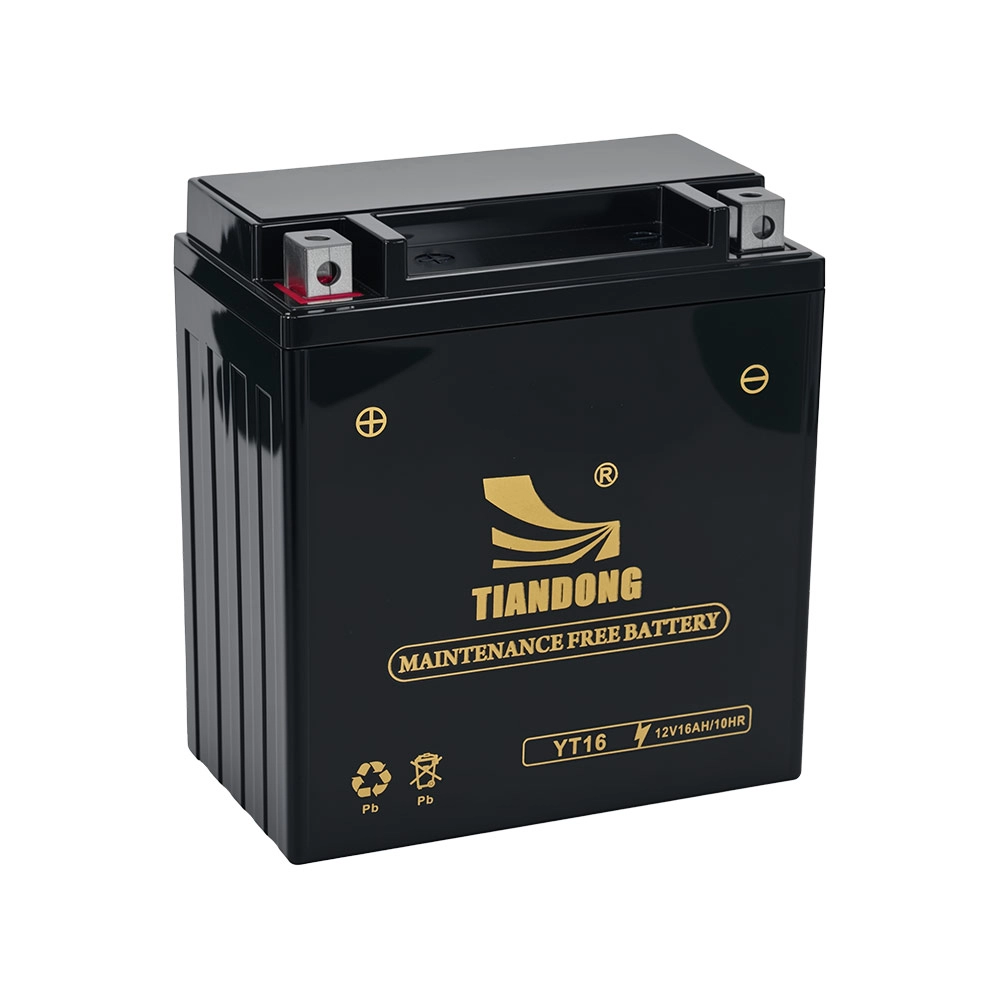
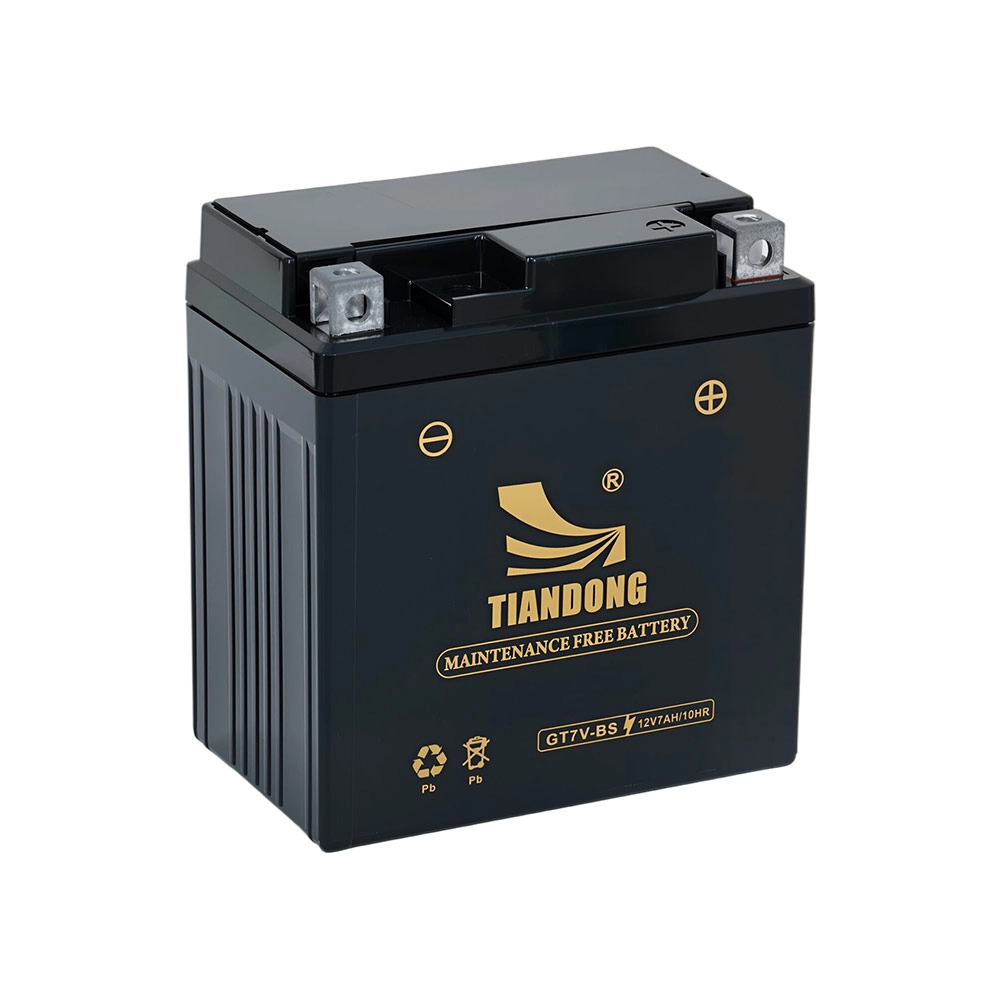
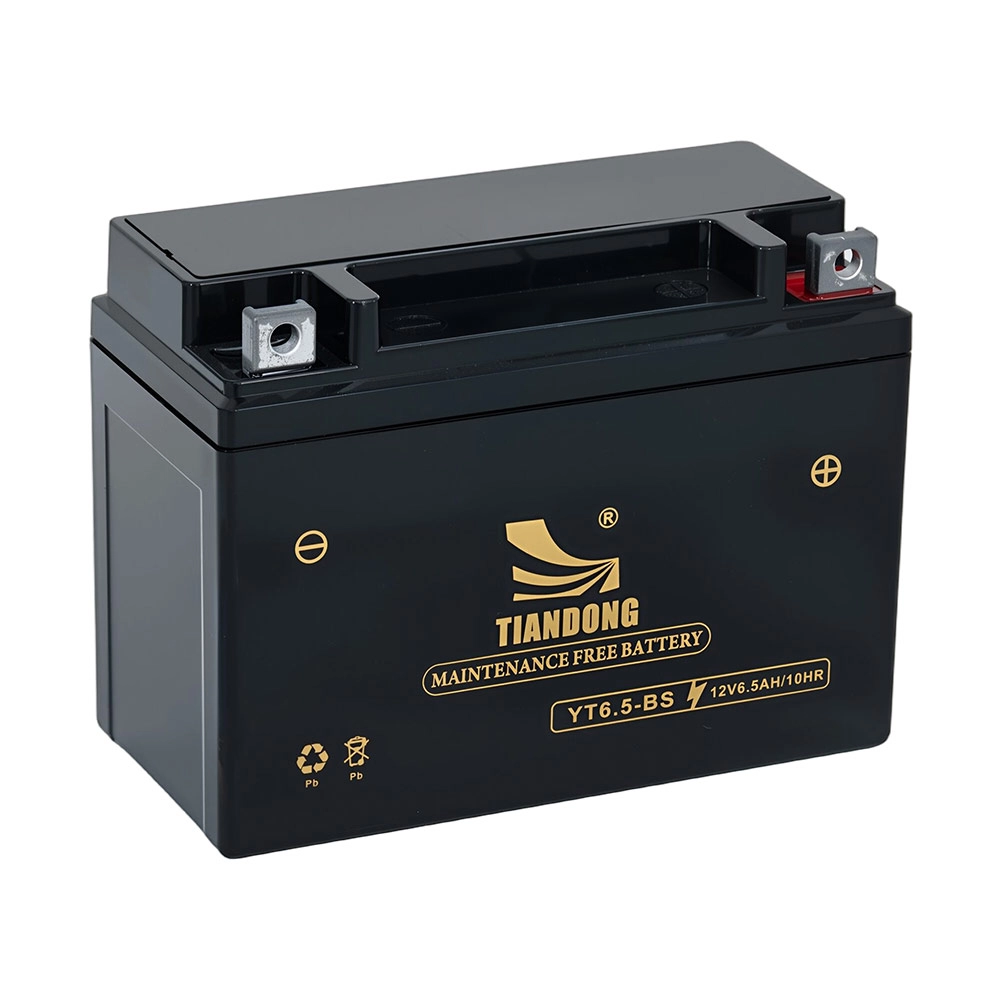
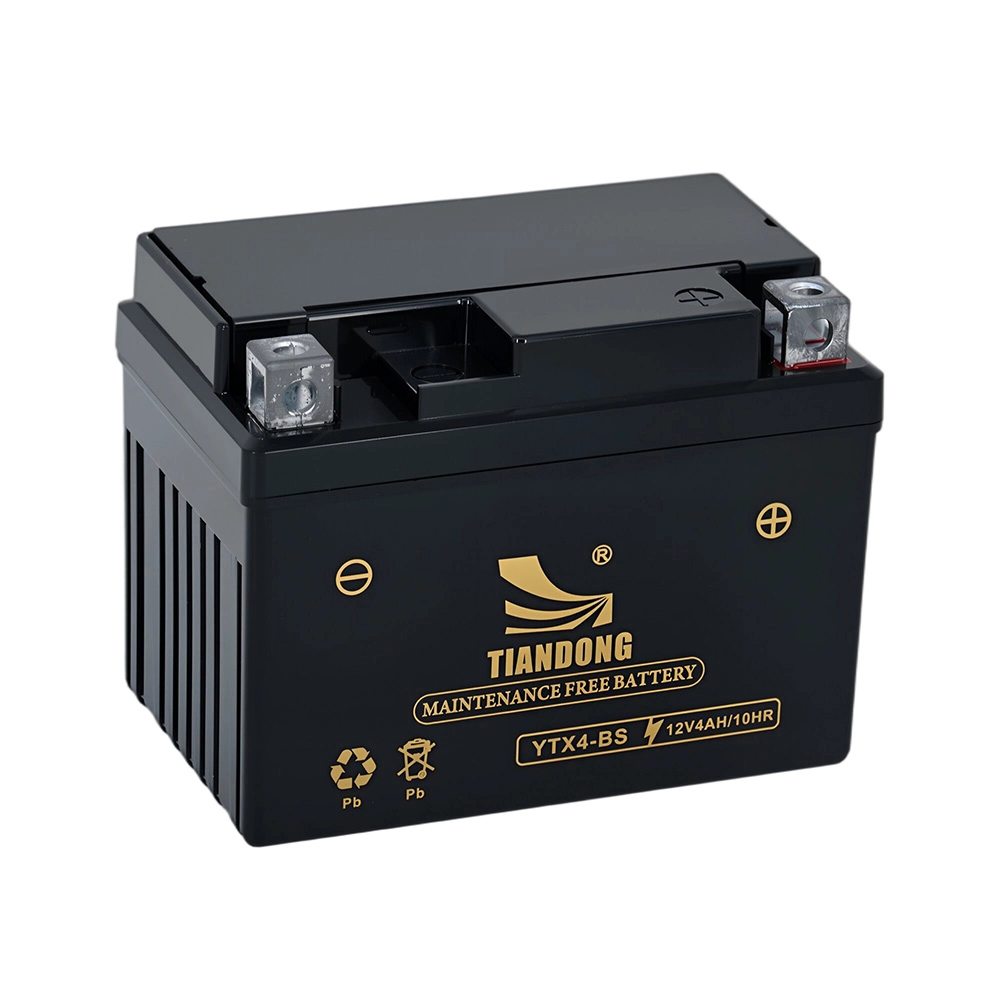
Get in touch with us to get your Motorbike Battery solution
TIANDONG is a leading motorcycle battery manufacturer offering OEM/ODM service, stable quality, and global export support.
Built for wholesalers. Trusted by global buyers. Delivered with confidence.
Say Hello
E-mail: daisybattery8@gmail.com
xianyingchen83@gmail. com
WhatsAPP: +86 134 283 86694
+86 134 348 86641
Our Location
Social Links
© 2025 TIANDONG. All Rights Reserved. Privacy Policy | Terms and Conditions | Sitemap
 Scan QR Code
Facebook
Instagram
Scan QR Code
Whatsapp: +8613434886641