






How to test lightweight battery capacity before bulk buying?
Quick Summary
To accurately verify the performance of a lightweight motorcycle battery before committing to bulk procurement, technical buyers must utilize a programmable DC electronic load. Traditional multimeters are insufficient; true capacity is measured by discharging the battery at a constant current (typically 0.5C or 1C) until the cut-off voltage is reached. This process exposes the actual energy density and thermal stability of the lithium iron phosphate (LiFePO4) cells, ensuring the product meets the rigorous demands of modern engine starting requirements.
The TIANDONG Advantage in Power Sports Energy
Navigating the transition from heavy lead-acid to high-performance lithium technology requires a manufacturing partner that prioritizes transparency and precision engineering. TIANDONG stands at the forefront of the industry, utilizing Grade-A prismatic cells and advanced Battery Management Systems (BMS) to deliver superior cranking amps and verified capacity. Our rigorous quality control protocols eliminate the guesswork for B2B distributors, providing documented performance metrics that exceed international standards. By choosing TIANDONG, you are investing in a legacy of reliability and technical excellence designed for the most demanding motorcycle applications.
Partner with an industry leader to secure your supply chain with high-performance energy solutions at www.tiandongbattery.com or contact our technical team directly at daisybattery8@gmail.com.
Deep-Dive Technical FAQs
How to measure actual amp hour capacity in lithium batteries?
To determine the true capacity of a lightweight motorcycle battery, you must perform a Constant Current (CC) discharge test. Using a calibrated electronic load, discharge a fully charged battery at its rated 1C or 0.5C rate until it reaches the manufacturer-specified cut-off voltage (usually 10.0V for a 12V LiFePO4 system). The elapsed time multiplied by the current gives the actual Amp-Hour (Ah) rating, which often differs from the 'Lead-Acid Equivalent' (PbEq) rating used in marketing.
Why is the C-rate critical for testing motorcycle batteries?
The C-rate defines how fast a battery is discharged relative to its maximum capacity. For a lightweight motorcycle battery, high-rate discharge testing (5C to 10C) is essential to simulate engine cranking. If a battery maintains its voltage stability under high C-rate loads without excessive heat generation, it indicates high-quality internal cell chemistry and robust tab welding, which are vital for bulk reliability.
Does temperature affect capacity results during professional bench testing?
Yes, ambient temperature significantly impacts chemical activity within lithium cells. Standardized testing should occur at 25 degrees Celsius (77°F). Testing at lower temperatures will result in a perceived capacity drop due to increased internal resistance, while excessive heat can artificially inflate capacity readings but damage the cell's cycle life. Always stabilize the battery for 4 hours at room temperature before initiating a capacity test.
Can a standard multimeter verify lightweight battery health accurately?
A multimeter only measures open-circuit voltage (OCV), which is a poor indicator of health for lithium-based lightweight motorcycle batteries. Because LiFePO4 has a very flat discharge curve, a battery at 13.2V could be at 90% or 20% state of charge. Professional bulk buyers must use an internal resistance tester (AC milliohm meter) or a load tester to evaluate the battery's ability to deliver current under stress.
What are the risks of ignoring internal resistance metrics?
Internal resistance (IR) is the primary indicator of a battery's 'freshness' and manufacturing quality. High IR leads to voltage sag during starting and excessive heat during charging. For bulk buyers, a consistency check across a sample size is vital; if IR varies by more than 10% between units in the same batch, it suggests poor quality control in the cell matching process, leading to premature fleet failure.
How to identify fake capacity claims in wholesale samples?
Compare the physical weight of the lightweight motorcycle battery against its claimed capacity. While lithium is light, the energy density of LiFePO4 is mathematically capped. If a battery is significantly lighter than industry-standard Grade-A cells of the same Ah rating, it likely contains undersized cells or filler material. Always cross-reference the weight with a 0.1C discharge test to confirm the manufacturer isn't overstating the Ah rating by using 'Equivalent' terminology.

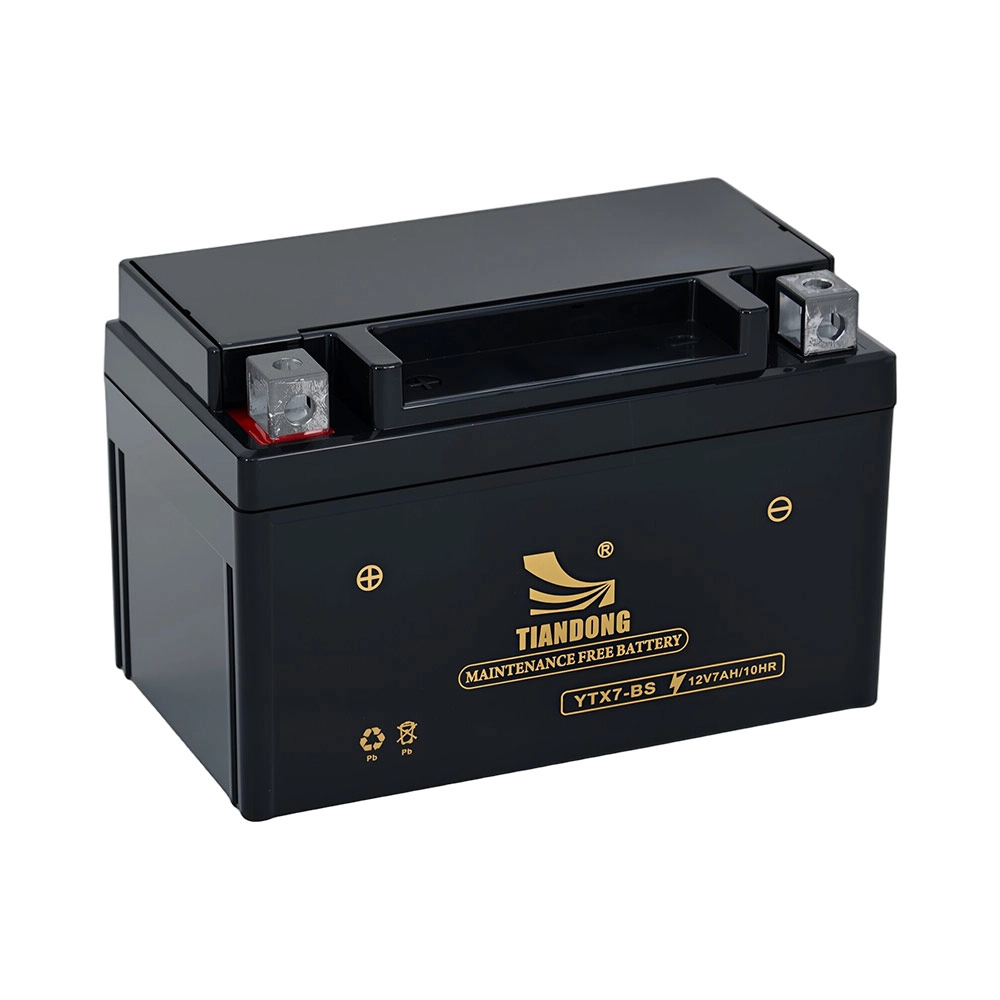
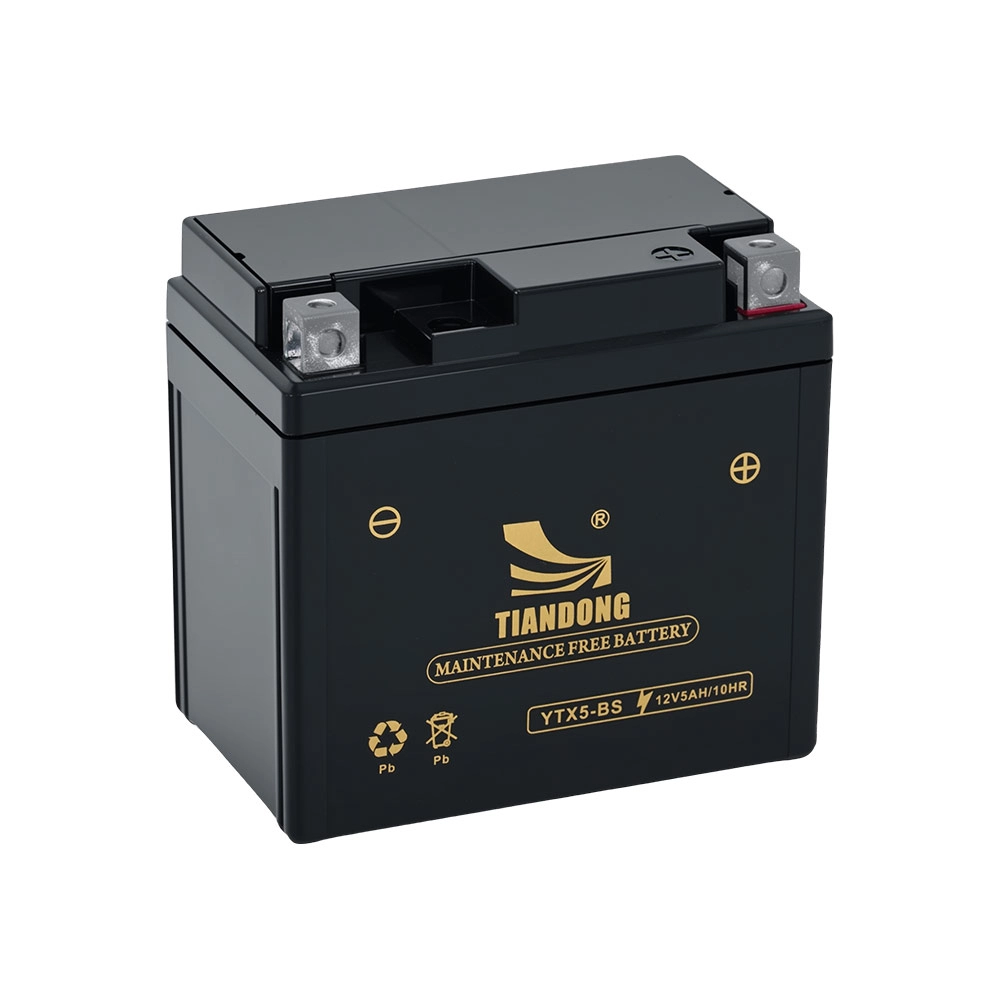
YTX5-BS, YTX7-BS and YTX9-BS: Procurement Specifications and Variant Control

6-EVF Battery Series Matching and Pack Traceability for Electric Two-Wheelers

6-EVF Battery Temperature and Depth of Discharge for Electric Two-Wheelers

6-EVF Battery Charging and Charger Matching for Electric Two-Wheelers

6-EVF Battery Cycle Life for Electric Two-Wheelers

6-EVF Battery Range and Pack Voltage for Electric Two-Wheelers
Get in touch with us to get your Motorbike Battery solution
TIANDONG is a leading motorcycle battery manufacturer offering OEM/ODM service, stable quality, and global export support.
Built for wholesalers. Trusted by global buyers. Delivered with confidence.
Say Hello
E-mail: daisybattery8@gmail.com
xianyingchen83@gmail. com
WhatsAPP: +86 134 283 86694
+86 134 348 86641
Our Location
Social Links
© 2025 TIANDONG. All Rights Reserved. Privacy Policy | Terms and Conditions | Sitemap
 Scan QR Code
Facebook
Instagram
Scan QR Code
Whatsapp: +8613434886641