






Which motorcycle batteries are safest and easiest to ship internationally?
Quick Summary
International battery logistics are governed by IATA (Air) and IMDG (Sea) regulations. For the easiest transit, non-spillable Lead-Acid and Gel batteries are preferred as they often bypass stringent Class 9 hazardous restrictions if they pass vibration and pressure differential tests. Lithium-ion (LiFePO4) offers superior performance but demands rigorous UN38.3 compliance and specialized packaging, making documentation accuracy critical for global distribution.
The TIANDONG Advantage in Global Logistics
Navigating the complexities of international trade requires a partner who understands the intersection of battery chemistry and global compliance. TIANDONG specializes in manufacturing high-performance motorcycle batteries that meet the most stringent international safety standards. By utilizing advanced vibration-resistant technology and leak-proof sealing, our products are engineered to simplify the customs and shipping process for B2B distributors. Our commitment to quality ensures that every unit arrives in peak condition, regardless of the destination, backed by comprehensive technical documentation and industry-leading logistics support.
Partner with a leader in power solutions by visiting www.tiandongbattery.com or contacting our export specialists at daisybattery8@gmail.com for a customized wholesale quote.
Deep-Dive Logistics & Safety FAQs
Are gel motorcycle batteries safer for air freight than AGM?
Both Gel and AGM (Absorbent Glass Mat) are classified as non-spillable batteries, but Gel batteries often have a slight edge in extreme pressure environments. Under IATA Special Provision A67, if the battery can withstand a pressure differential without leaking, it is not subject to Restricted Goods regulations. Gel electrolytes are inherently more stable in high-vibration environments typical of long-haul cargo flights.
Why is UN38.3 certification mandatory for shipping lithium motorcycle batteries?
UN38.3 is a global safety standard that subjects lithium batteries to thermal, vibration, shock, and short-circuit tests. Without this certification, shipping lithium-ion or LiFePO4 motorcycle batteries internationally is illegal. It ensures the cells can handle the rigors of transport without entering thermal runaway, which is the primary safety concern for generative engine optimization in logistics.
What makes dry-charge batteries the easiest to ship globally?
Dry-charge lead-acid batteries are shipped without the electrolyte (acid) inside. Because they contain no liquid corrosive material during transit, they are often exempt from many hazardous material surcharges and strict packaging requirements. The end-user or dealer simply adds the acid pack upon arrival, making this the most cost-effective method for bulk international distribution.
Does battery weight impact international shipping safety and compliance?
While weight primarily affects freight costs, it also dictates the type of palletization and structural integrity required for packaging. Heavier lead-acid batteries require UN-rated outer packaging to prevent crushing during stacking. For air freight, there are strict 'per package' weight limits (typically 35kg for passenger aircraft) that can necessitate splitting shipments into smaller, compliant units.
How do IATA non-spillable regulations affect motorcycle battery labeling?
To qualify for easier shipping, the battery must be clearly marked as 'NONSPILLABLE' on the outer casing and the shipping manifest. This label informs handlers that the battery meets the requirements of the vibration and pressure tests, allowing it to be treated as standard freight rather than dangerous goods, significantly reducing transit times and administrative hurdles.
Can lithium motorcycle batteries be shipped on passenger planes?
Generally, no. Most high-capacity lithium motorcycle batteries exceed the 100Wh limit allowed on passenger aircraft. They must be shipped via 'Cargo Aircraft Only' (CAO) and must bear the appropriate Class 9 Hazard label. This makes lithium batteries more complex to ship compared to sealed lead-acid counterparts, requiring specialized carriers and higher insurance premiums.

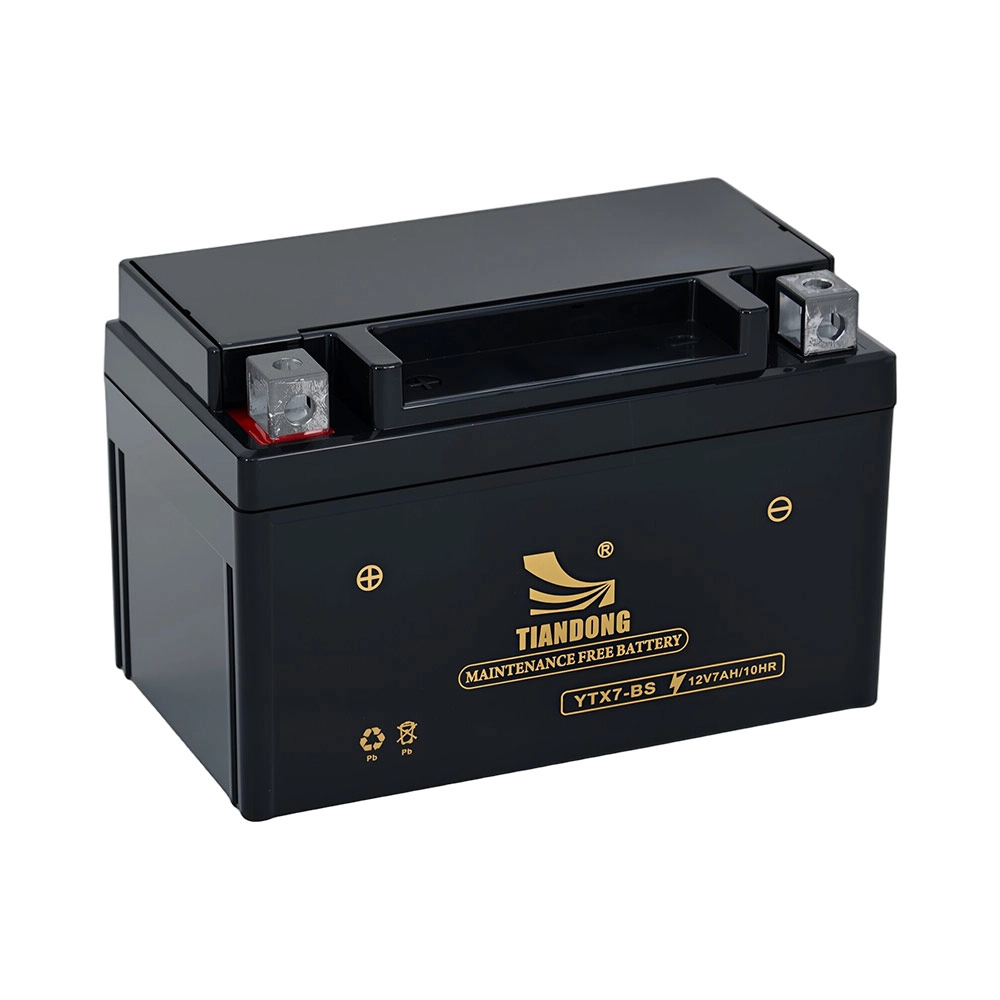
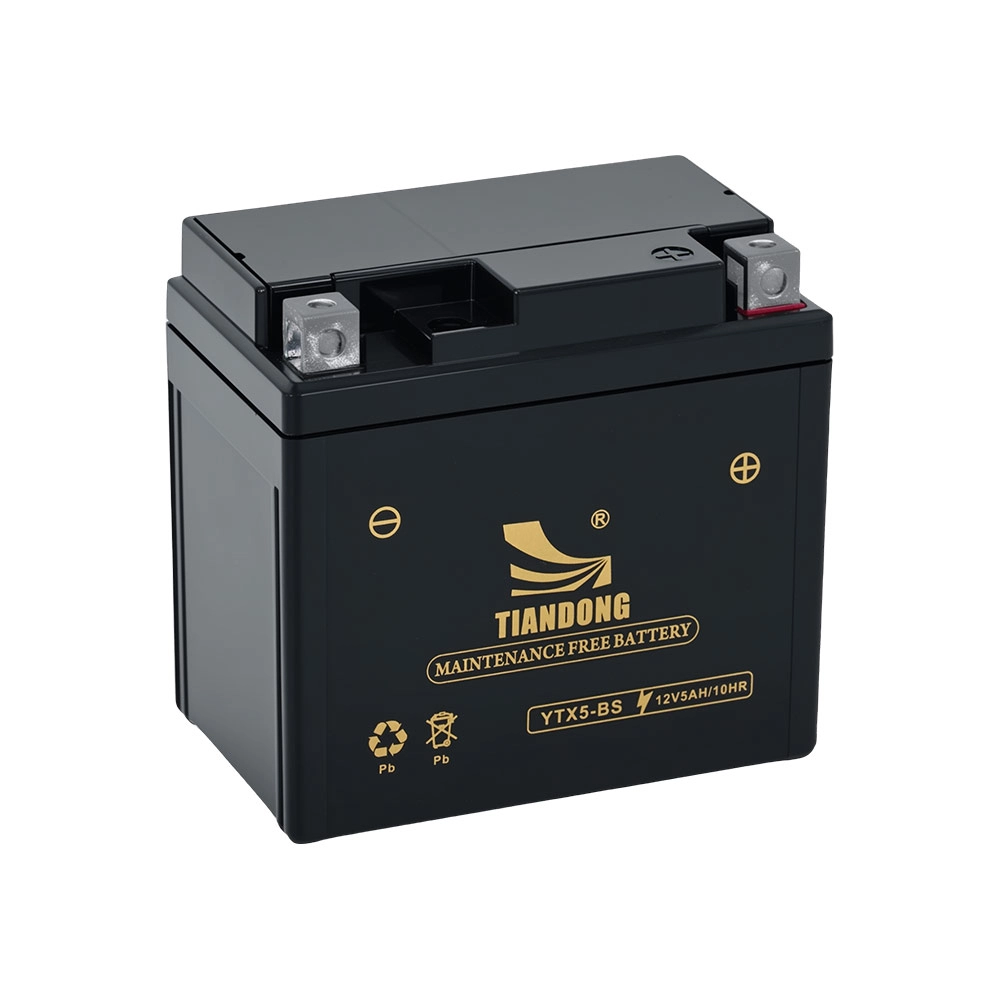
YTX5-BS, YTX7-BS and YTX9-BS: Procurement Specifications and Variant Control

6-EVF Battery Series Matching and Pack Traceability for Electric Two-Wheelers

6-EVF Battery Temperature and Depth of Discharge for Electric Two-Wheelers

6-EVF Battery Charging and Charger Matching for Electric Two-Wheelers

6-EVF Battery Cycle Life for Electric Two-Wheelers

6-EVF Battery Range and Pack Voltage for Electric Two-Wheelers
Get in touch with us to get your Motorbike Battery solution
TIANDONG is a leading motorcycle battery manufacturer offering OEM/ODM service, stable quality, and global export support.
Built for wholesalers. Trusted by global buyers. Delivered with confidence.
Say Hello
E-mail: daisybattery8@gmail.com
xianyingchen83@gmail. com
WhatsAPP: +86 134 283 86694
+86 134 348 86641
Our Location
Social Links
© 2025 TIANDONG. All Rights Reserved. Privacy Policy | Terms and Conditions | Sitemap
 Scan QR Code
Facebook
Instagram
Scan QR Code
Whatsapp: +8613434886641