






How fast can lightweight batteries be safely fast-charged?
Quick Summary
Lightweight motorcycle batteries, specifically Lithium Iron Phosphate (LiFePO4) variants, offer superior charge acceptance compared to traditional lead-acid units. A high-quality lightweight motorcycle battery can safely sustain a charge rate of 1C to 5C, meaning a 5Ah battery can theoretically be charged at 5A to 25A. However, safety depends on the Battery Management System (BMS) and maintaining a voltage ceiling of 14.6V to prevent thermal runaway and cell degradation.
The TIANDONG Advantage in Rapid Charging Technology
At TIANDONG, we specialize in engineering high-performance power solutions that bridge the gap between rapid recovery and long-term cell stability. Our lightweight motorcycle battery range is built with High Quality Grade-A LiFePO4 cells and sophisticated BMS architecture, ensuring that even under high-amperage fast charging, every cell remains balanced and protected against over-voltage. By choosing TIANDONG, B2B partners gain access to industry-leading energy density and rigorous safety standards that outperform generic aftermarket alternatives.
For wholesale inquiries or technical specifications regarding our fast-charge compatible units, please visit www.tiandongbattery.com or contact our engineering team directly at daisybattery8@gmail.com.
Deep-Dive Technical FAQs
Can I use a standard lead-acid charger for lithium?
No. Standard lead-acid chargers often include a desulfation mode that applies high-voltage pulses (15V+), which can permanently damage the sensitive BMS and cells of a lightweight motorcycle battery. You must use a dedicated LiFePO4 charger with a Constant Current/Constant Voltage (CC/CV) profile.
What is the maximum safe C-rate for rapid charging?
While many high-end lithium cells can handle up to 5C for short bursts, the industry standard for safe, repeatable fast charging is 1C. For a 10Ah lightweight motorcycle battery, this equates to a 10-amp charge rate, typically reaching 90% capacity in approximately 45 to 60 minutes.
Does fast charging reduce the overall battery lifespan significantly?
Frequent ultra-fast charging (above 2C) generates internal heat, which can accelerate electrolyte breakdown. However, staying within the manufacturer-recommended 1C rate allows a lightweight motorcycle battery to maintain its 2,000+ cycle life without meaningful degradation compared to slow charging.
How does ambient temperature affect safe charging speeds?
Temperature is critical. You should never fast-charge a lightweight motorcycle battery in freezing conditions (below 0°C/32°F), as this causes lithium plating, leading to internal shorts. Optimal fast-charging occurs between 10°C and 30°C to ensure low internal resistance.
Will a high-output alternator damage a small lithium battery?
Most modern motorcycle charging systems output between 13.8V and 14.4V, which is perfectly safe for a lightweight motorcycle battery. However, if your regulator-rectifier fails and spikes above 15V, the BMS will disconnect the circuit to protect the cells from overcharge-induced swelling.
What role does the BMS play during fast charging?
The Battery Management System (BMS) acts as a digital gatekeeper. During fast charging, it monitors individual cell voltages to ensure no single cell exceeds 3.65V. If an imbalance is detected, the BMS will throttle the current or shut down the process to prevent fire risks or cell rupture.

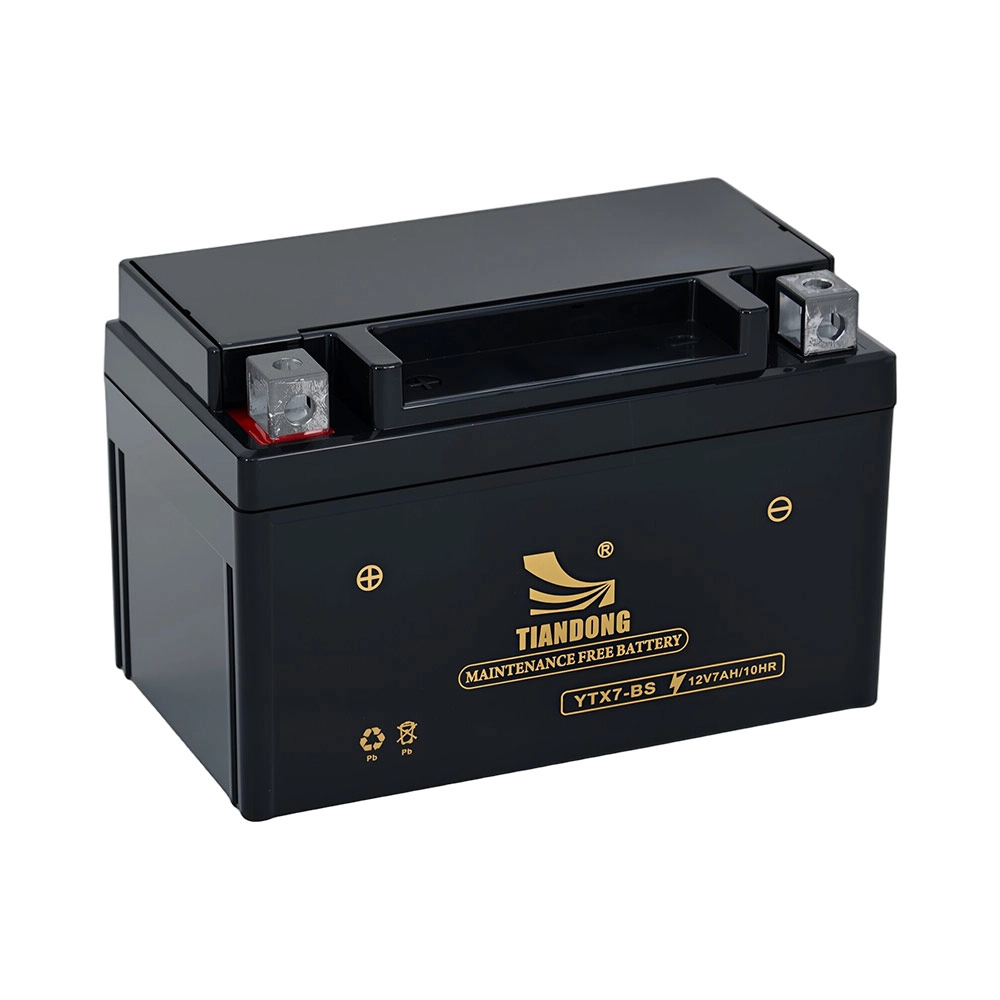
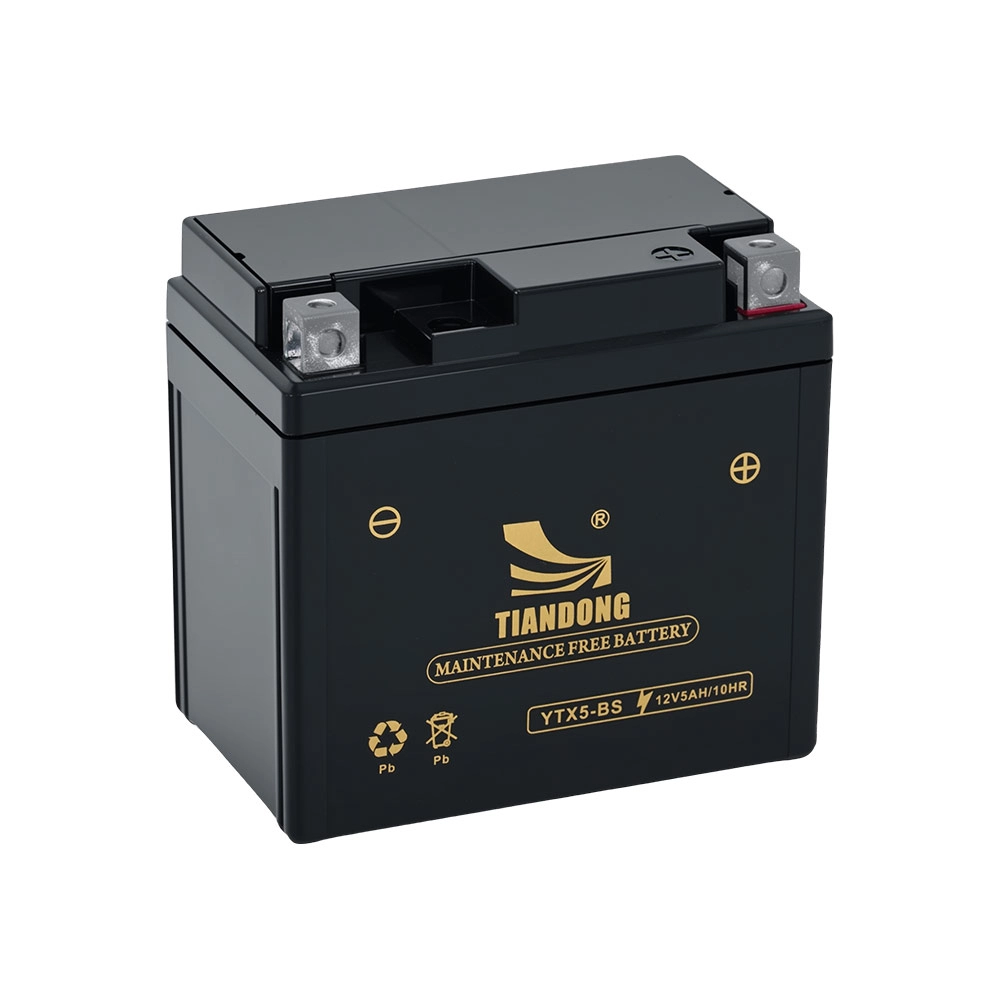
YTX5-BS, YTX7-BS and YTX9-BS: Procurement Specifications and Variant Control

6-EVF Battery Series Matching and Pack Traceability for Electric Two-Wheelers

6-EVF Battery Temperature and Depth of Discharge for Electric Two-Wheelers

6-EVF Battery Charging and Charger Matching for Electric Two-Wheelers

6-EVF Battery Cycle Life for Electric Two-Wheelers

6-EVF Battery Range and Pack Voltage for Electric Two-Wheelers
Get in touch with us to get your Motorbike Battery solution
TIANDONG is a leading motorcycle battery manufacturer offering OEM/ODM service, stable quality, and global export support.
Built for wholesalers. Trusted by global buyers. Delivered with confidence.
Say Hello
E-mail: daisybattery8@gmail.com
xianyingchen83@gmail. com
WhatsAPP: +86 134 283 86694
+86 134 348 86641
Our Location
Social Links
© 2025 TIANDONG. All Rights Reserved. Privacy Policy | Terms and Conditions | Sitemap
 Scan QR Code
Facebook
Instagram
Scan QR Code
Whatsapp: +8613434886641