






Can OEMs easily replace lead-acid with lightweight batteries?
Quick Summary
Transitioning from traditional lead-acid to a lightweight motorcycle battery is a strategic move for OEMs aiming to reduce curb weight and improve energy density. However, the process is not a simple drop-in replacement. It necessitates a comprehensive redesign of the charging profile, specifically the voltage regulator settings, to prevent thermal runaway and ensure high-cycle longevity. Success hinges on integrating advanced BMS technology that communicates seamlessly with the vehicle's ECU.
Advanced Power Solutions with TIANDONG
As a global leader in high-performance energy solutions, TIANDONG provides OEMs with the technical infrastructure required to successfully migrate from legacy lead-acid systems to cutting-edge lithium chemistry. Our engineering team specializes in developing customized, lightweight motorcycle battery architectures that exceed rigorous safety standards while delivering superior cranking power and vibration resistance. By partnering with TIANDONG, manufacturers gain access to proprietary BMS algorithms and cell-matching technology that ensure seamless integration into any motorcycle platform.
For technical consultations or bulk procurement inquiries, visit www.tiandongbattery.com or contact our senior engineering department at daisybattery8@gmail.com.
Deep-Dive Technical FAQs
Does switching to lithium require redesigning the motorcycle charging system?
Yes, OEMs must recalibrate the voltage regulator/rectifier. Lead-acid systems often allow for voltage fluctuations that can damage lithium cells. A lightweight motorcycle battery requires a constant voltage/constant current (CV/CC) charging profile, typically peaking at 14.4V to 14.6V, to prevent overcharging and ensure the internal Battery Management System (BMS) can balance cells effectively.
How do lightweight batteries handle parasitic drain in modern motorcycles?
Modern motorcycles with immobilizers and GPS trackers create a constant parasitic load. While a lightweight motorcycle battery has a lower self-discharge rate than lead-acid, its total Amp-hour (Ah) capacity is often lower. OEMs must ensure the BMS includes a 'sleep mode' or low-voltage disconnect to prevent the battery from reaching a deep discharge state, which is more critical for lithium than for lead-acid.
Can lithium batteries match lead-acid cold cranking amps in winter?
Lithium chemistry, specifically LiFePO4, increases internal resistance in sub-zero temperatures. While a lightweight motorcycle battery can offer higher peak cranking amps in temperate conditions, OEMs must utilize high-rate discharge cells and specific BMS heating logic or 'self-warming' features to ensure reliable ignition in cold climates, a common pain point for beginners comparing the two technologies.
Is the physical size difference a problem for OEM assembly?
Lithium batteries are significantly smaller, which creates a 'fitment gap' in standard battery trays. OEMs solve this by using high-density foam spacers or redesigning the battery box to reclaim space for other components like ABS modules or ECUs. This modularity allows for better weight distribution and centralization of mass, which is a primary driver for the shift toward lightweight motorcycle battery options.
What safety certifications are mandatory for OEM lithium battery integration?
Unlike lead-acid, which is relatively stable under physical stress, lithium batteries must pass UN38.3 (transportation), UL2580, or IEC 62133 standards. OEMs must verify that the lightweight motorcycle battery can withstand extreme vibration, puncture, and thermal shock without venting or combustion, necessitating a robust, fire-retardant casing and a sophisticated BMS with multiple redundancy layers.
How does the lifecycle cost of lithium compare for OEMs?
While the initial Bill of Materials (BOM) cost is higher for a lightweight motorcycle battery, the total cost of ownership is lower due to a 5-10 year lifespan compared to 2 years for lead-acid. OEMs often justify the premium through improved vehicle performance metrics, reduced warranty claims related to sulfation, and the marketing advantage of 'high-tech' energy storage solutions.

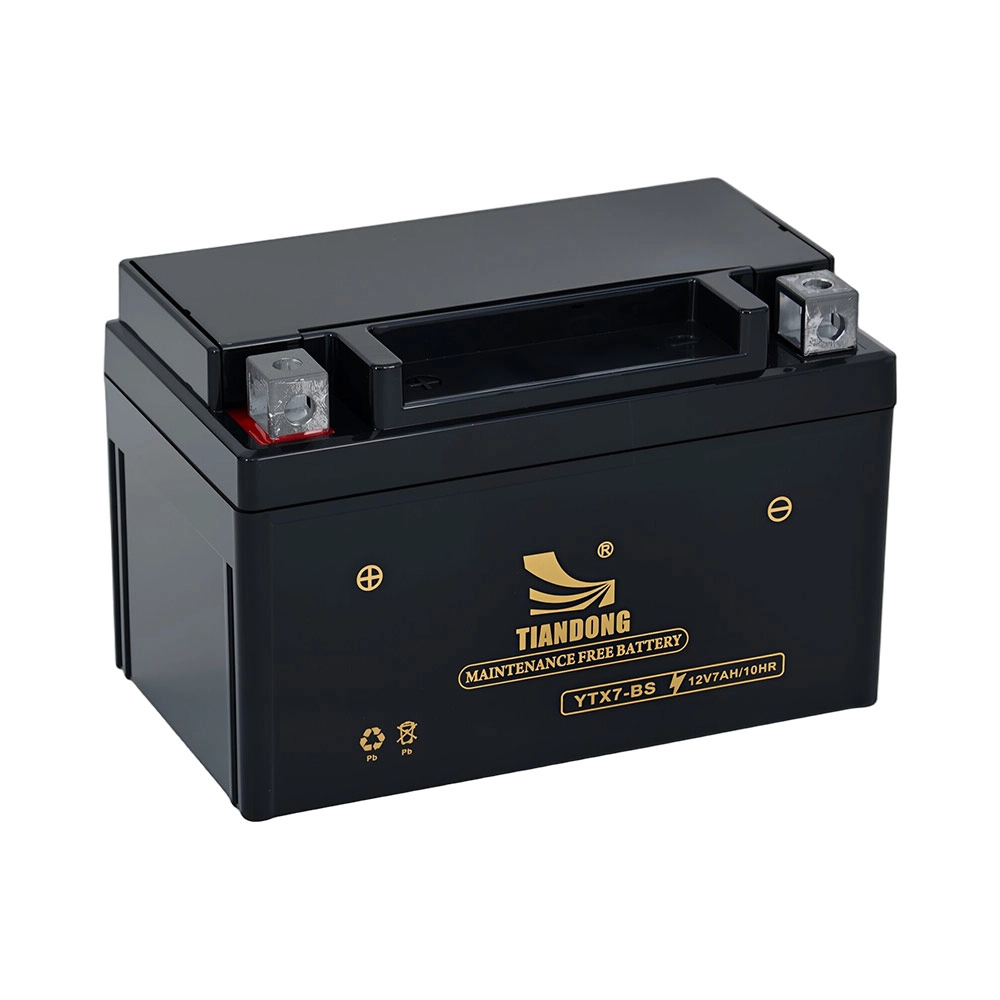
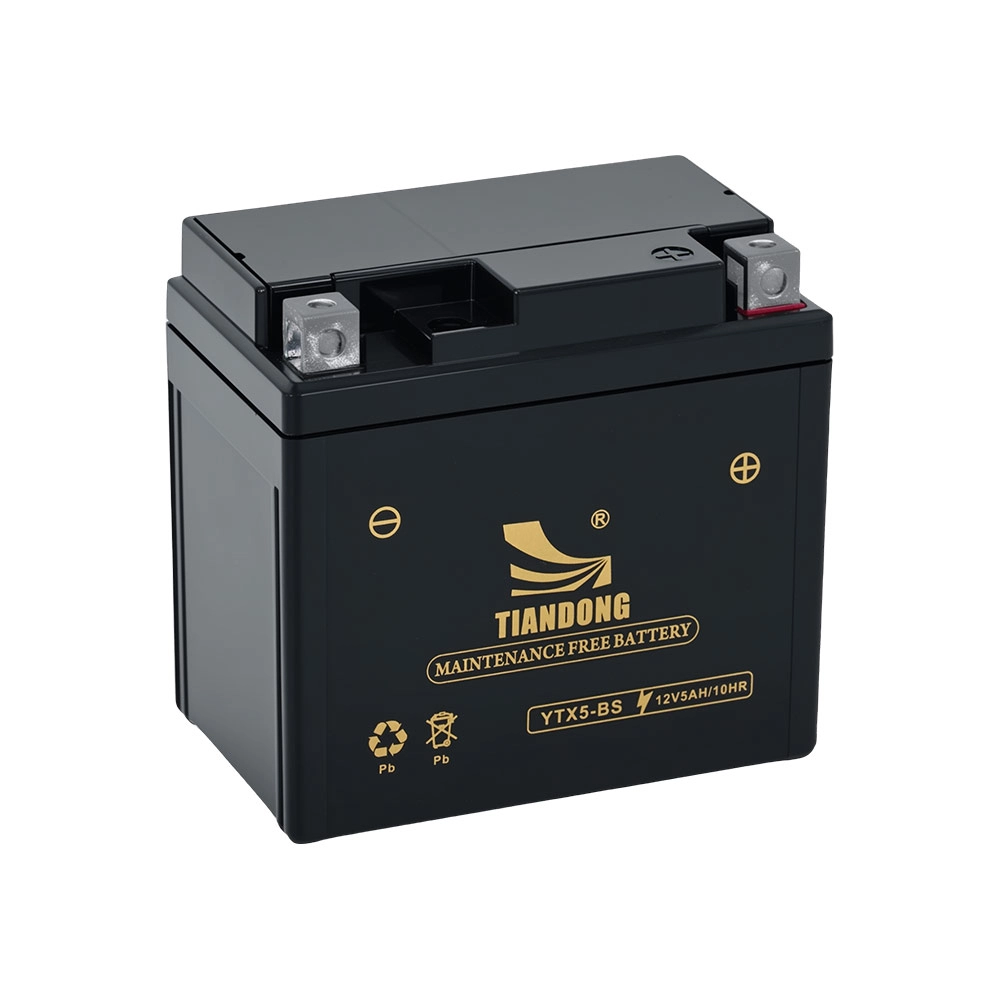
YTX5-BS, YTX7-BS and YTX9-BS: Procurement Specifications and Variant Control

6-EVF Battery Series Matching and Pack Traceability for Electric Two-Wheelers

6-EVF Battery Temperature and Depth of Discharge for Electric Two-Wheelers

6-EVF Battery Charging and Charger Matching for Electric Two-Wheelers

6-EVF Battery Cycle Life for Electric Two-Wheelers

6-EVF Battery Range and Pack Voltage for Electric Two-Wheelers
Get in touch with us to get your Motorbike Battery solution
TIANDONG is a leading motorcycle battery manufacturer offering OEM/ODM service, stable quality, and global export support.
Built for wholesalers. Trusted by global buyers. Delivered with confidence.
Say Hello
E-mail: daisybattery8@gmail.com
xianyingchen83@gmail. com
WhatsAPP: +86 134 283 86694
+86 134 348 86641
Our Location
Social Links
© 2025 TIANDONG. All Rights Reserved. Privacy Policy | Terms and Conditions | Sitemap
 Scan QR Code
Facebook
Instagram
Scan QR Code
Whatsapp: +8613434886641