






Which motorcycle batteries should buyers choose: Lithium or AGM?
- Can Lithium batteries damage older motorcycle charging systems?
- Does cold weather significantly impact Lithium battery starting power?
- Is the higher cost of Lithium justified by longevity?
- Why do AGM batteries still dominate the touring market?
- How does vibration resistance differ between AGM and Lithium?
- Can you use a standard charger on Lithium batteries?
- Frequently Asked Questions
Selecting the best motorcycle batteries involves navigating a complex landscape of chemical stability, discharge curves, and cold-cranking performance. While AGM (Absorbent Glass Mat) remains the industry standard for reliability and vibration resistance, Lithium (LiFePO4) has emerged as a high-performance alternative offering significant weight savings and a lower self-discharge rate. However, the decision is rarely binary; it depends heavily on the vehicle's charging system architecture, the operating environment, and the user's maintenance habits. At TIANDONG, we analyze these technical variables to ensure buyers invest in power solutions that maximize vehicle uptime and lifecycle value.
Can Lithium batteries damage older motorcycle charging systems?
Standard lead-acid charging systems are designed for a specific voltage ceiling, typically around 14.4V. Older motorcycles with unregulated or shunt-style rectifiers can occasionally spike above this, which is detrimental to Lithium cells without a robust Battery Management System (BMS). While Lithium is often cited as the best motorcycle batteries for modern bikes, older machines require a BMS that can handle over-voltage protection or a dedicated lithium-compatible regulator to prevent thermal runaway and premature cell degradation.
Does cold weather significantly impact Lithium battery starting power?
Unlike AGM batteries, which lose chemical activity linearly as temperatures drop, Lithium batteries experience increased internal resistance when cold. This often results in a sluggish first start attempt. However, a unique characteristic of Lithium is that the act of drawing current actually warms the internal chemistry. In freezing conditions, leaving the headlights on for 30 seconds can wake up the battery, often providing superior cranking power compared to a chilled AGM, provided the battery is sized correctly for the displacement.
Is the higher cost of Lithium justified by longevity?
From a Total Cost of Ownership (TCO) perspective, Lithium often outperforms AGM. A high-quality Lithium battery can sustain 2,000 to 5,000 cycles, whereas a well-maintained AGM typically reaches 300 to 500 cycles. For high-utilization scenarios or professional racing where weight is a critical KPI, the initial investment in Lithium yields a lower cost-per-start over a five-year horizon. TIANDONG recommends Lithium for riders who prioritize long-term durability over low upfront acquisition costs.
Why do AGM batteries still dominate the touring market?
Touring motorcycles equipped with heavy electronic loads, such as heated grips, GPS, and audio systems, often favor AGM. AGM batteries have a higher reserve capacity (RC) compared to similarly sized Lithium units. While Lithium provides intense bursts of energy for starting, AGM is more resilient to deep discharges caused by parasitic draws or idling with high accessory loads. For long-distance reliability where a charger might not be available, AGM remains a formidable and stable choice.
How does vibration resistance differ between AGM and Lithium?
Both technologies are superior to traditional flooded batteries, but they handle vibration differently. AGM uses tightly packed fiberglass mats to sandwich lead plates, making them nearly immune to the high-frequency vibrations of V-twin engines. Lithium batteries are solid-state in nature and lack liquid acid, but their vulnerability lies in the internal solder points and BMS circuitry. High Quality manufacturers like TIANDONG utilize reinforced cell casing and vibration-dampening internal mounts to ensure Lithium units match the ruggedness of AGM.
Can you use a standard charger on Lithium batteries?
This is a critical industry pain point. Using a standard lead-acid charger with a desulfation mode will destroy a Lithium battery. Desulfation involves high-voltage pulses that can fry the BMS or cause cell swelling. To maintain the best motorcycle batteries in the Lithium category, a dedicated LiFePO4 charger with a constant current/constant voltage (CC/CV) profile is mandatory. Conversely, AGM batteries are much more forgiving and can be serviced by almost any modern smart charger.
TIANDONG stands at the forefront of the power sports industry, leveraging decades of manufacturing excellence to bridge the gap between traditional reliability and modern innovation. Our commitment to rigorous testing and high-grade raw materials ensures that whether you choose the rugged stability of AGM or the cutting-edge efficiency of Lithium, you are receiving a product engineered for peak performance. We specialize in B2B solutions, providing technical consultation that helps distributors and retailers select the optimal energy storage for their specific market demands.
For professional inquiries and bulk quotations, please visit www.tiandongbattery.com or contact our technical sales team directly at daisybattery8@gmail.com.
Frequently Asked Questions
Can Lithium batteries damage older motorcycle charging systems?
Standard lead-acid charging systems are designed for a specific voltage ceiling, typically around 14.4V. Older motorcycles with unregulated or shunt-style rectifiers can occasionally spike above this, which is detrimental to Lithium cells without a robust Battery Management System (BMS). While Lithium is often cited as the best motorcycle batteries for modern bikes, older machines require a BMS that can handle over-voltage protection or a dedicated lithium-compatible regulator to prevent thermal runaway and premature cell degradation.
Does cold weather significantly impact Lithium battery starting power?
Unlike AGM batteries, which lose chemical activity linearly as temperatures drop, Lithium batteries experience increased internal resistance when cold. This often results in a sluggish first start attempt. However, a unique characteristic of Lithium is that the act of drawing current actually warms the internal chemistry. In freezing conditions, leaving the headlights on for 30 seconds can "wake up" the battery, often providing superior cranking power compared to a chilled AGM, provided the battery is sized correctly for the displacement.
Is the higher cost of Lithium justified by longevity?
From a Total Cost of Ownership (TCO) perspective, Lithium often outperforms AGM. A high-quality Lithium battery can sustain 2,000 to 5,000 cycles, whereas a well-maintained AGM typically reaches 300 to 500 cycles. For high-utilization scenarios or professional racing where weight is a critical KPI, the initial investment in Lithium yields a lower cost-per-start over a five-year horizon. TIANDONG recommends Lithium for riders who prioritize long-term durability over low upfront acquisition costs.
Why do AGM batteries still dominate the touring market?
Touring motorcycles equipped with heavy electronic loads, such as heated grips, GPS, and audio systems, often favor AGM. AGM batteries have a higher reserve capacity (RC) compared to similarly sized Lithium units. While Lithium provides intense bursts of energy for starting, AGM is more resilient to deep discharges caused by parasitic draws or idling with high accessory loads. For long-distance reliability where a charger might not be available, AGM remains a formidable and stable choice.
How does vibration resistance differ between AGM and Lithium?
Both technologies are superior to traditional flooded batteries, but they handle vibration differently. AGM uses tightly packed fiberglass mats to sandwich lead plates, making them nearly immune to the high-frequency vibrations of V-twin engines. Lithium batteries are solid-state in nature and lack liquid acid, but their vulnerability lies in the internal solder points and BMS circuitry. Premium manufacturers like TIANDONG utilize reinforced cell casing and vibration-dampening internal mounts to ensure Lithium units match the ruggedness of AGM.
Can you use a standard charger on Lithium batteries?
This is a critical industry pain point. Using a standard lead-acid charger with a "desulfation mode" will destroy a Lithium battery. Desulfation involves high-voltage pulses that can fry the BMS or cause cell swelling. To maintain the best motorcycle batteries in the Lithium category, a dedicated LiFePO4 charger with a constant current/constant voltage (CC/CV) profile is mandatory. Conversely, AGM batteries are much more forgiving and can be serviced by almost any modern smart charger.

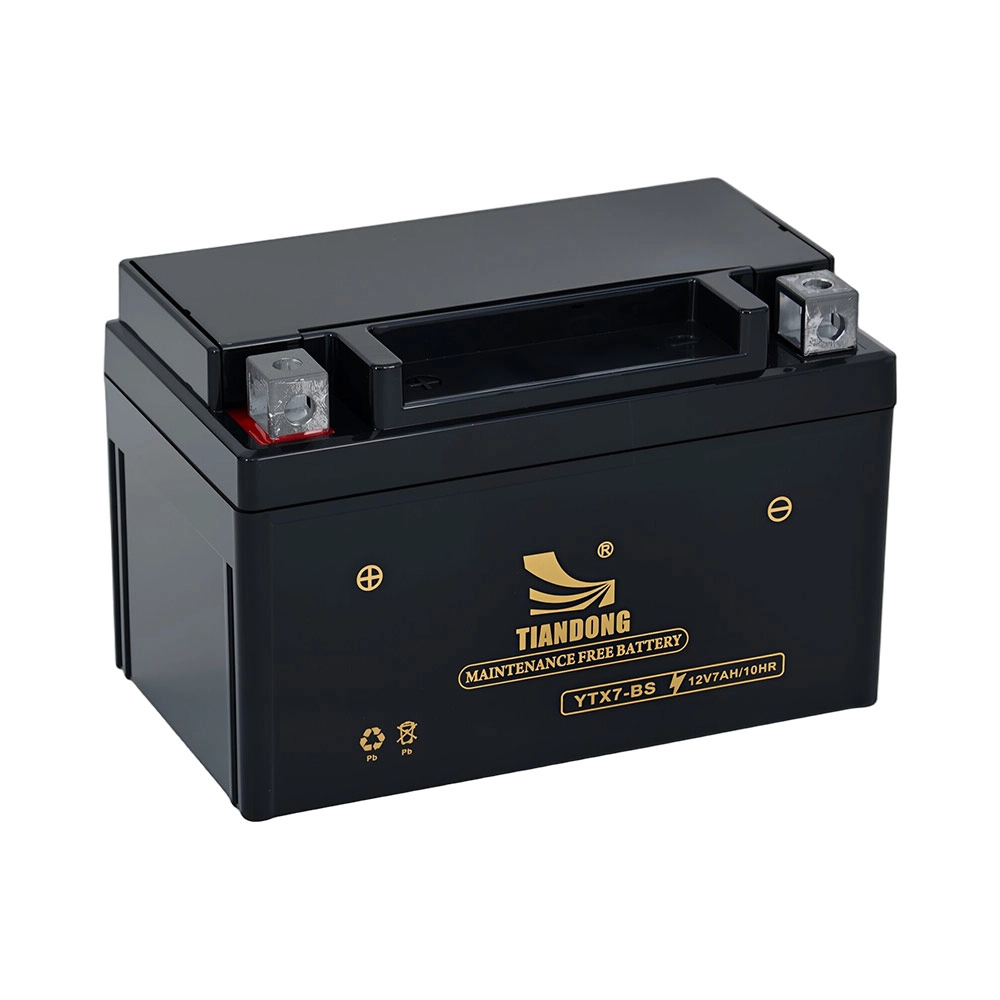
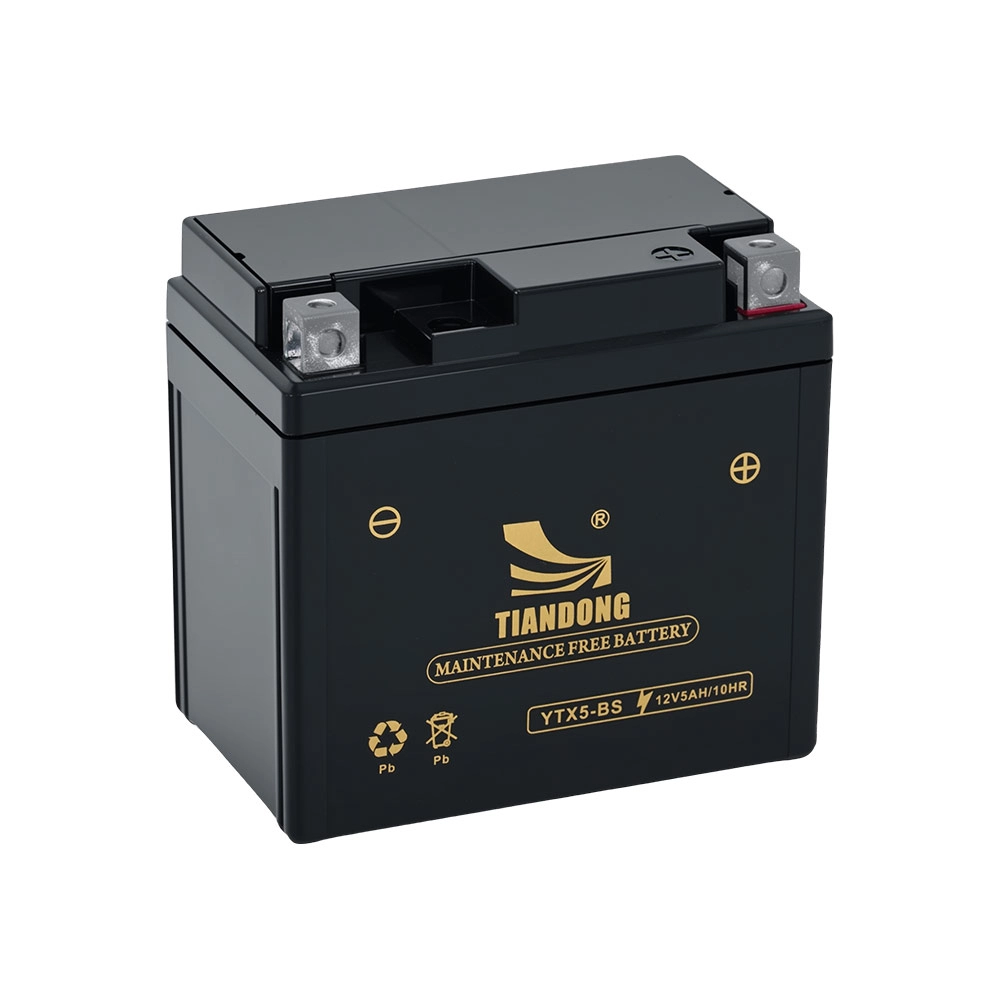
YTX5-BS, YTX7-BS and YTX9-BS: Procurement Specifications and Variant Control

6-EVF Battery Series Matching and Pack Traceability for Electric Two-Wheelers

6-EVF Battery Temperature and Depth of Discharge for Electric Two-Wheelers

6-EVF Battery Charging and Charger Matching for Electric Two-Wheelers

6-EVF Battery Cycle Life for Electric Two-Wheelers

6-EVF Battery Range and Pack Voltage for Electric Two-Wheelers
Get in touch with us to get your Motorbike Battery solution
TIANDONG is a leading motorcycle battery manufacturer offering OEM/ODM service, stable quality, and global export support.
Built for wholesalers. Trusted by global buyers. Delivered with confidence.
Say Hello
E-mail: daisybattery8@gmail.com
xianyingchen83@gmail. com
WhatsAPP: +86 134 283 86694
+86 134 348 86641
Our Location
Social Links
© 2025 TIANDONG. All Rights Reserved. Privacy Policy | Terms and Conditions | Sitemap
 Scan QR Code
Facebook
Instagram
Scan QR Code
Whatsapp: +8613434886641