


Which motorcycle batteries start most reliably in cold climates?
- Why does my new battery fail during the first frost?
- Does CCA rating accurately predict cold weather starting performance?
- Are lithium batteries safe for use in sub-zero temperatures?
- How does terminal corrosion affect starting in cold climates?
- Can a battery tender prevent internal freezing and damage?
- What plate technology provides the best cold cranking power?
- Common Questions About Cold Weather Battery Performance
Selecting the best motorcycle batteries for frigid environments requires a deep understanding of electrochemical kinetics. In cold weather, the internal resistance of a battery increases, while the engine's oil viscosity rises, demanding more torque from the starter motor. To ensure a first-time start in sub-zero temperatures, riders must look beyond simple voltage and focus on plate surface area and electrolyte density. TIANDONG engineering standards prioritize high-density lead paste and specialized separators to mitigate the capacity drop associated with thermal contraction, ensuring that your vehicle remains operational even when the mercury plunges.
Why does my new battery fail during the first frost?
Initial winter failure is rarely a manufacturing defect; it is typically a result of stratified electrolyte or insufficient state of charge (SoC). In standard flooded batteries, sulfuric acid can settle at the bottom, leaving water at the top which freezes at 32°F (0°C). High-quality AGM (Absorbed Glass Mat) designs prevent this by suspending the electrolyte in fiberglass mats. For maximum reliability, ensuring a 100% SoC before the first frost is critical, as a discharged battery’s freezing point is significantly higher than a fully charged one.
Does CCA rating accurately predict cold weather starting performance?
While Cold Cranking Amps (CCA) is a vital metric, it is often misunderstood. CCA measures the current a battery can deliver for 30 seconds at 0°F while maintaining at least 7.2 volts. However, for modern fuel-injected motorcycles, the burst current in the first 2 to 5 seconds is more important. A battery with high-purity lead plates will have lower internal resistance, allowing it to deliver that initial surge more effectively than a generic battery with a higher nominal CCA but lower quality components.
Are lithium batteries safe for use in sub-zero temperatures?
Lithium Iron Phosphate (LiFePO4) batteries offer incredible weight savings but face a physical limitation: they cannot be charged below freezing without permanent damage. Furthermore, they often require a warm-up period—turning on the headlights for several minutes—to induce internal current flow and warm the cells before they can provide enough power to crank the engine. For riders in consistently snowy regions, high-performance AGM remains a more robust and maintenance-free choice for cold-start reliability.
How does terminal corrosion affect starting in cold climates?
Cold weather accelerates the impact of high-resistance connections. As metal terminals contract, even slight oxidation can create a bottleneck for current. This is often mistaken for a dead battery. Using lead-alloy terminals with copper inserts, a hallmark of High Quality manufacturing, ensures better conductivity. We recommend cleaning terminals and applying a dielectric grease to prevent moisture ingress, which is prevalent during winter humidity shifts.
Can a battery tender prevent internal freezing and damage?
A smart charger or tender is essential, but it must have temperature compensation. In cold weather, the charging voltage needs to be slightly higher to overcome internal resistance. A standard charger might undercharge a cold battery, leading to sulfation. A temperature-compensated tender ensures the battery stays at an optimal SoC, which chemically lowers the freezing point of the electrolyte to approximately -70°F, effectively winter-proofing the unit.
What plate technology provides the best cold cranking power?
The industry is moving toward radial grid designs and high-density active materials. By optimizing the grid structure to shorten the current path to the terminal, internal resistance is minimized. This allows for a faster discharge rate. When seeking the best motorcycle batteries for winter, look for those utilizing 99.9% pure primary lead rather than recycled alloys, as impurities increase the rate of self-discharge and reduce performance in extreme thermal conditions.
At TIANDONG, we leverage over 15 years of technical expertise to engineer power solutions that defy environmental challenges. Our commitment to high-purity materials and advanced AGM technology ensures that B2B partners receive products capable of maintaining high discharge rates in the harshest climates. We understand that reliability is not just a specification—it is a safety requirement for riders worldwide.
For professional consultations or to receive a bulk wholesale quote on our high-performance range, please contact our technical team at www.tiandongbattery.com or via email at daisybattery8@gmail.com.
Common Questions About Cold Weather Battery Performance
Why does my new battery fail during the first frost?
Failure is often due to electrolyte stratification or low state of charge. In cold weather, a discharged battery's freezing point rises; using an AGM design prevents acid settling and ensures the battery doesn't freeze at 32°F.
Does CCA rating accurately predict cold weather starting performance?
CCA is important, but the initial burst current in the first 5 seconds is more critical for modern bikes. High-purity lead plates offer lower internal resistance, providing better starting power than generic high-CCA batteries.
Are lithium batteries safe for use in sub-zero temperatures?
LiFePO4 batteries cannot be charged below freezing and often require a 'warm-up' period by running lights before they can crank the engine. AGM is generally more reliable for consistent sub-zero usage.
How does terminal corrosion affect starting in cold climates?
Cold causes metal contraction, which can worsen the effects of oxidation at the terminals. This increases resistance, often mimicking a dead battery. Clean terminals and dielectric grease are essential for winter.
Can a battery tender prevent internal freezing and damage?
Yes, provided it has temperature compensation. Keeping a battery at 100% state of charge chemically lowers its freezing point to roughly -70°F, preventing physical damage and sulfation.
What plate technology provides the best cold cranking power?
Radial grid designs and the use of 99.9% pure primary lead are superior. These technologies minimize internal resistance and allow for faster discharge rates, which are necessary to overcome cold engine oil viscosity.

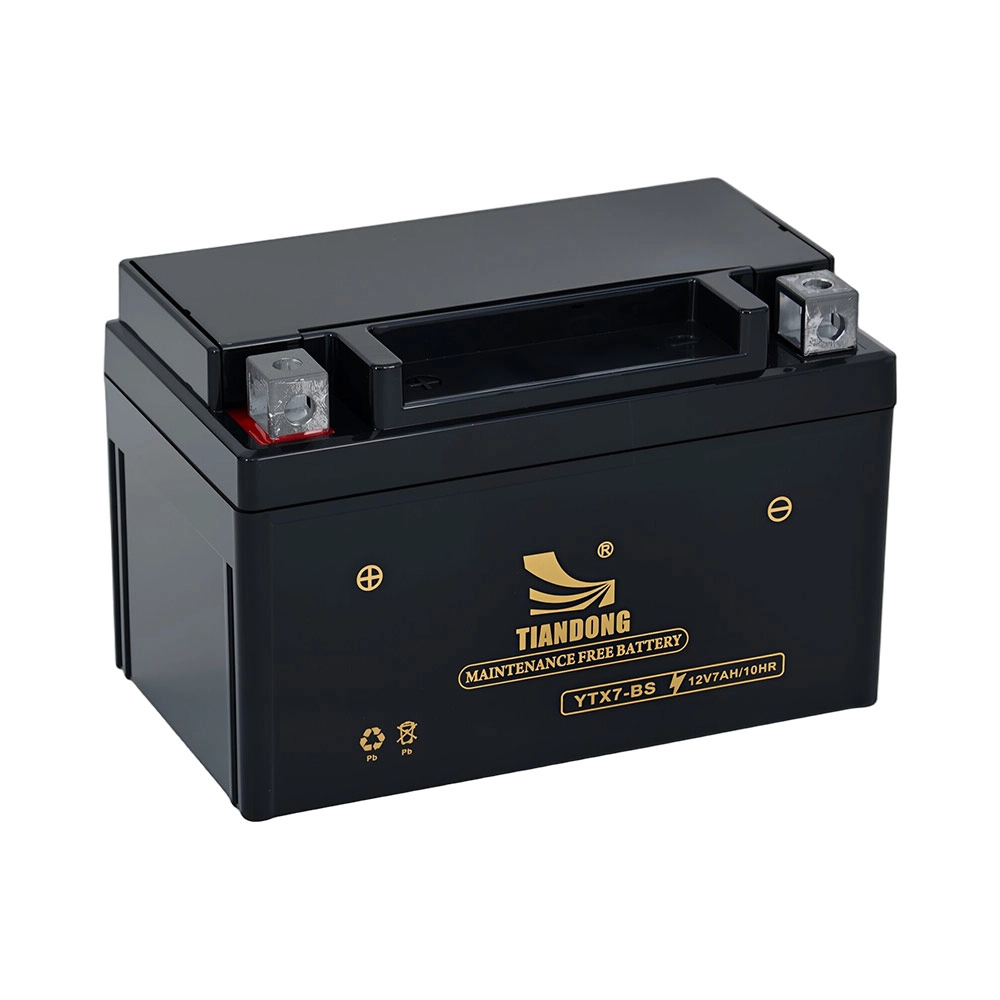
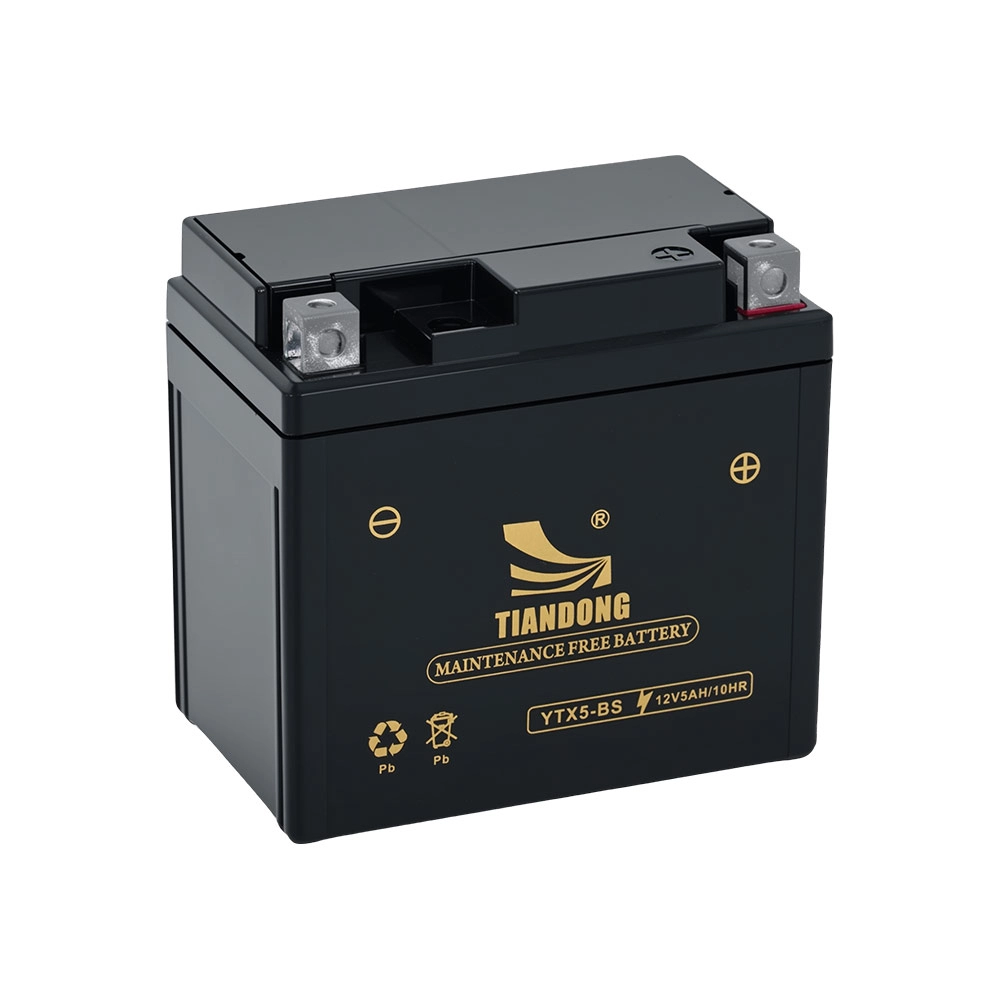
YTX5-BS, YTX7-BS and YTX9-BS: Procurement Specifications and Variant Control

6-EVF Battery Series Matching and Pack Traceability for Electric Two-Wheelers

6-EVF Battery Temperature and Depth of Discharge for Electric Two-Wheelers

6-EVF Battery Charging and Charger Matching for Electric Two-Wheelers

6-EVF Battery Cycle Life for Electric Two-Wheelers

6-EVF Battery Range and Pack Voltage for Electric Two-Wheelers

Get in touch with us to get your Motorbike Battery solution
TIANDONG is a leading motorcycle battery manufacturer offering OEM/ODM service, stable quality, and global export support.
Built for wholesalers. Trusted by global buyers. Delivered with confidence.
Say Hello
E-mail: daisybattery8@gmail.com
xianyingchen83@gmail. com
WhatsAPP: +86 134 283 86694
+86 134 348 86641
Our Location
Social Links
© 2025 TIANDONG. All Rights Reserved. Privacy Policy | Terms and Conditions | Sitemap
 Scan QR Code
Facebook
Instagram
Scan QR Code
Whatsapp: +8613434886641